Some jasmine can grow in Idaho, but which type matters enormously. Common jasmine (Jasminum officinale) is the most realistic option for Idaho's warmer southern areas like Boise and Twin Falls, where USDA zones reach 7a and 7b. Winter jasmine (Jasminum nudiflorum) is your best bet if you're in a colder part of the state, [surviving down to zone 6](https://www. gardenia.
Does Jasmine Grow in Idaho? Types and Winter Hardiness Tips
Marcus Hartwell
6 Jun 2026
net/plant/jasminum-nudiflorum-winter-jasmine). Star jasmine (Trachelospermum jasminoides) is a stretch for almost all of Idaho and really only makes sense as a container plant you bring indoors. Arabian jasmine (Jasminum sambac) is practically a houseplant here. Arabian jasmine (Jasminum sambac) is typically grown in containers and overwintered indoors when grown below USDA Zone 9, as noted in Missouri Botanical Garden’s Plant Finder [Jasminum sambac (Arabian jasmine) is typically grown in containers and overwintered indoors below USDA Zone 9](https://www.
missouribotanicalgarden. org/PlantFinder/PlantFinderDetails. aspx? taxonid=282952).
So yes, jasmine can grow in Idaho, but you need to pick the right type for your zone or you're setting yourself up for heartbreak every March. Colorado gardeners can grow jasmine, but success depends heavily on choosing a cold-hardy type and matching it to your USDA zone and microclimate jasmine can grow in Idaho.
Which jasmine types actually work in Idaho
Here's the fast breakdown before diving into the details. Idaho is a cold state with short growing seasons in many areas, and most "jasmine" plants sold at garden centers are either marginally cold-hardy or genuinely tropical. Knowing which species you're dealing with before you buy is the single most important step.
| Jasmine Type | Scientific Name | Hardy to Zone | Idaho Feasibility |
|---|---|---|---|
| Common jasmine | Jasminum officinale | Zone 7 | Outdoor in SW Idaho; borderline elsewhere |
| Winter jasmine | Jasminum nudiflorum | Zone 6 | Best choice for most of Idaho |
| Star/Confederate jasmine | Trachelospermum jasminoides | Zone 7b–8 | Container only; too cold outdoors |
| Arabian jasmine | Jasminum sambac | Zone 9–10 | Houseplant/container only in Idaho |
Idaho's climate: zones, winters, and why they matter
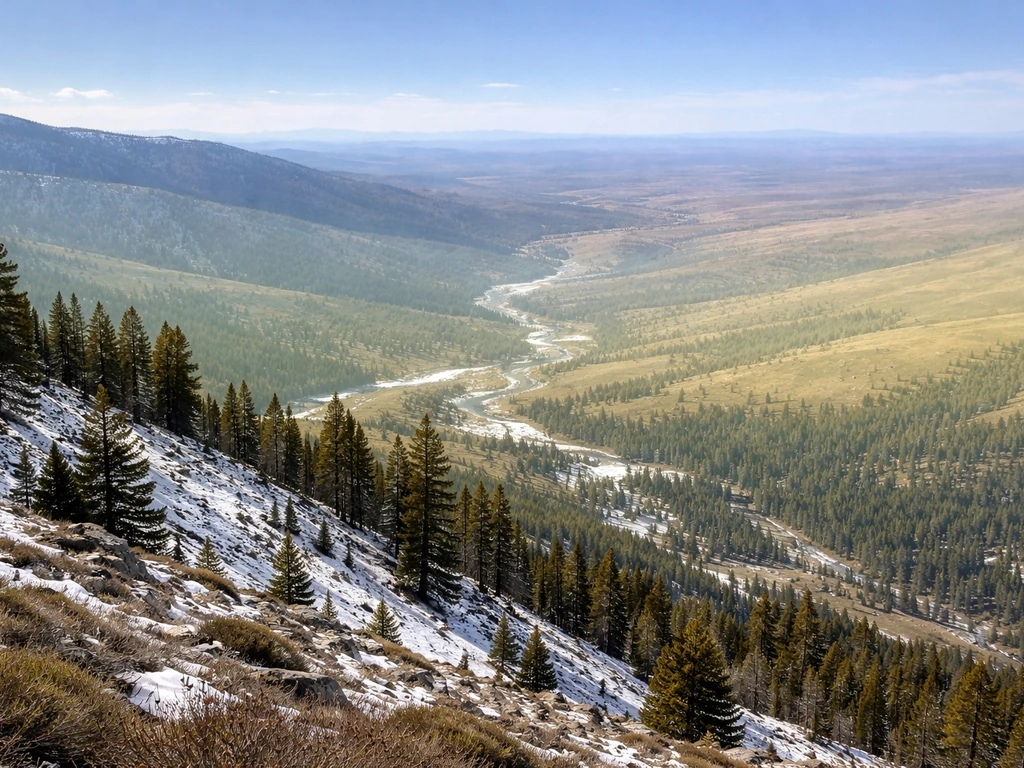
Idaho spans a remarkably wide range of climates. According to the University of Idaho Extension's Master Gardener Handbook, the state runs from USDA zone 3b in the coldest mountain areas all the way to zone 7b in the warmest pockets of the southwest. That's an enormous spread. Boise and Meridian sit in zones 7a and 7b on the 2023 USDA map, while Coeur d'Alene straddles zones 6b and 7a.
Head up into the mountains, the panhandle, or eastern Idaho near Idaho Falls, and you're quickly in zones 4, 5, or 6, where winter lows regularly crash below 0°F. The USDA zone system is built around average annual extreme minimum temperatures, so a zone 6 plant is expected to survive down to -10°F, and a zone 7 plant down to 0°F. That 10-degree difference is the exact margin that separates a thriving winter jasmine from a dead one come spring.
True jasmine vs star jasmine vs winter jasmine: sorting out the confusion
The word "jasmine" gets applied to several plants that are not closely related, and that causes a lot of confusion at the nursery. True jasmines belong to the genus Jasminum. This includes common jasmine (Jasminum officinale), the fragrant climbing vine most people picture when they think of jasmine, and winter jasmine (Jasminum nudiflorum), a deciduous shrub that blooms yellow in late winter before its leaves even appear.
Star jasmine (also called Confederate jasmine) looks similar but belongs to a completely different genus, Trachelospermum. It's an evergreen vine with fragrant white flowers, sold under the name "jasmine" but not a true jasmine at all. Arabian jasmine (Jasminum sambac) is a true jasmine but a tropical one, native to warm climates and rated for zones 9 and 10.
The hardiness ratings for these plants are very different, so reading the label and confirming the scientific name before buying is non-negotiable in Idaho.
What's realistic by Idaho region
Southwest Idaho: Boise, Meridian, Twin Falls (zones 6b–7b)
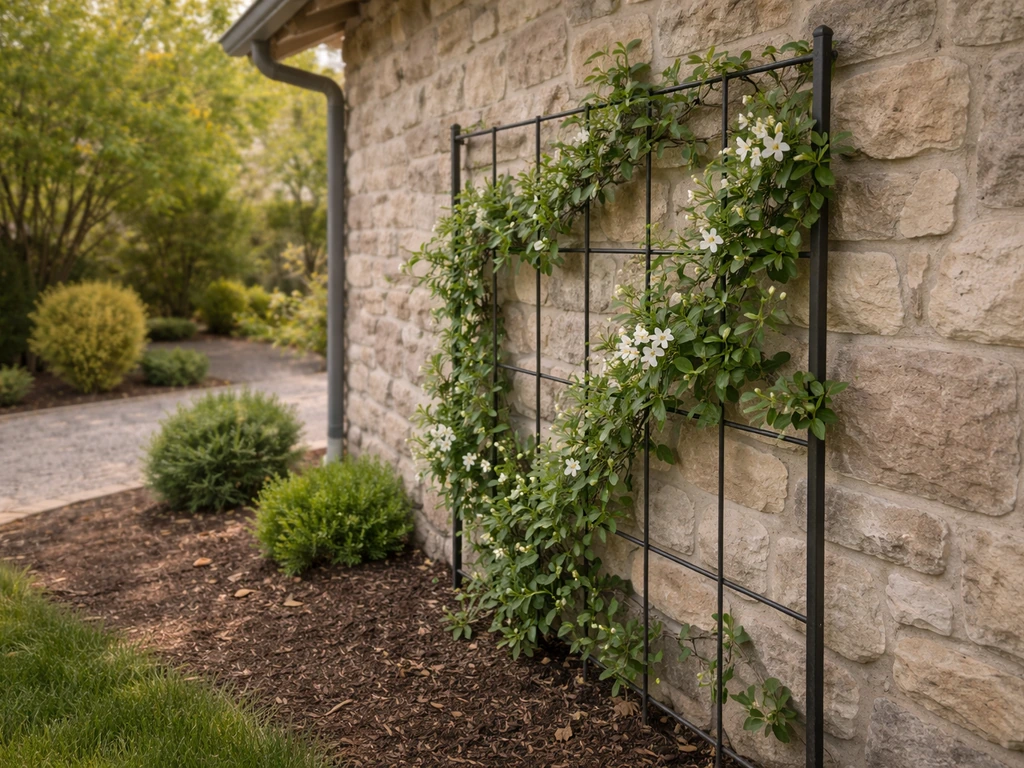
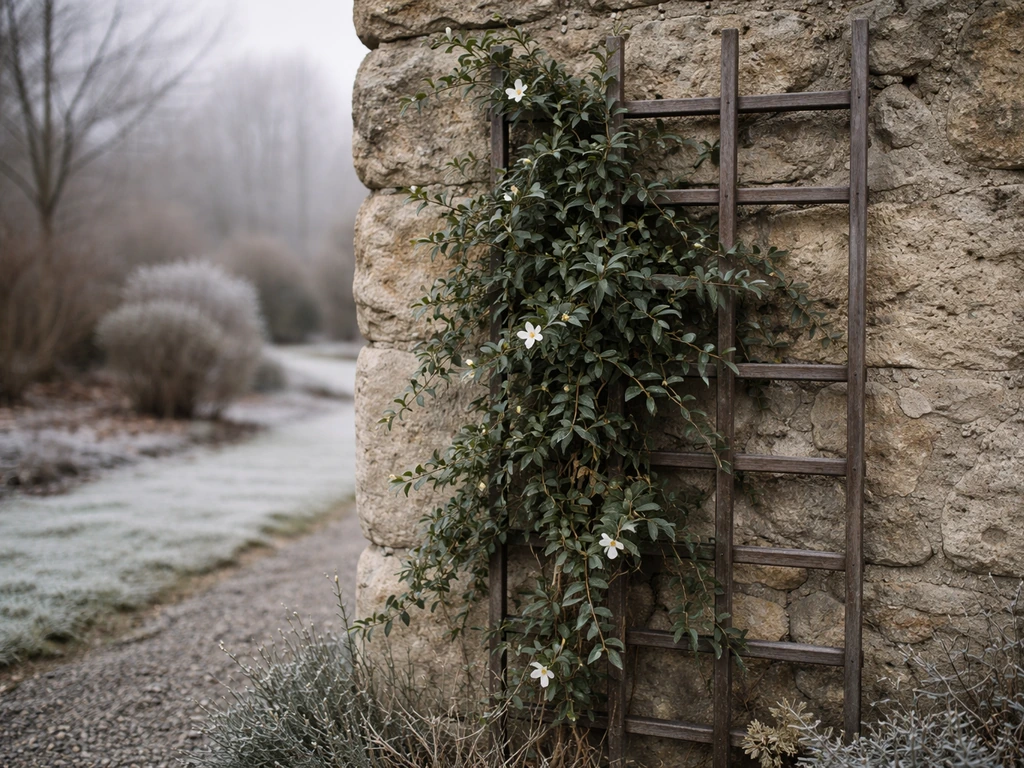
This is where Idaho jasmine growers have the best shot. Common jasmine (Jasminum officinale) is winter hardy to zone 7, and the Missouri Botanical Garden confirms it can survive there year-round with some care. In a protected south-facing spot in Boise or Meridian, a well-established plant can make it through most winters. Winter jasmine is even more reliable here, surviving easily and rewarding you with yellow blooms in late winter when almost nothing else is showing color. It's often mistaken for forsythia at first glance. Star jasmine is technically rated to zone 7b at its hardiest, which barely overlaps with Boise's warmest microclimates, but in practice it's risky outdoors and better kept in a container you can move inside.
North Idaho: Coeur d'Alene, Sandpoint, Moscow (zones 5b–7a)
Coeur d'Alene straddling zones 6b and 7a gives you a workable window for winter jasmine as an outdoor plant. Common jasmine (Jasminum officinale) is a gamble here: a mild winter might let it pull through, but a bad cold snap can wipe it out. If you want to try common jasmine in this area, choose a sheltered south-facing wall location and plan on winter protection. The farther north and into the mountains you go, the more you're looking at container culture for anything warmer than zone 6.
Eastern and central Idaho: Idaho Falls, Pocatello, Sun Valley (zones 3b–6)
Cold zone reality hits hard here. Eastern Idaho regularly sees winter lows well below 0°F, and most of the region sits in zones 4 through 6. Winter jasmine (zone 6 hardy) is on the edge in the milder pockets around Pocatello, but not reliable across this region as a whole. Common jasmine and star jasmine are not practical outdoor plants in these areas. If you love jasmine fragrance, growing Arabian jasmine or star jasmine in containers that come inside for winter is the honest answer for gardeners in these zones.
How to pick the right jasmine when you're at the nursery
Garden centers sometimes sell plants under the generic label "jasmine" without specifying the species, and that label is almost meaningless for Idaho shoppers. Before you buy, do three things: check the scientific name on the tag (Jasminum officinale, Jasminum nudiflorum, Trachelospermum jasminoides, or Jasminum sambac are the most common), confirm the hardiness zone rating listed on the tag matches your Idaho zone, and look up your specific zone using the USDA's online map or the University of Idaho Extension resources if you're not already sure. A plant labeled simply "jasmine" with no zone information and no scientific name is a risk you shouldn't take in a state with Idaho's temperature swings. If the nursery staff can't tell you the species, that's a red flag.
Site conditions and protecting jasmine through Idaho winters
Choosing the right spot
For any jasmine growing outdoors in Idaho, site selection is everything. A south or southwest-facing wall absorbs heat and reflects it back onto the plant, creating a microclimate that can be one full zone warmer than your official zone. Full sun is important: jasmine needs at least six hours of direct sun daily to thrive and build the cold-hardiness reserves it needs to survive winter. Good drainage matters too, because wet roots in frozen soil are a fast path to root rot. Avoid low-lying frost pockets where cold air settles on calm nights.
Simple winter protection strategies
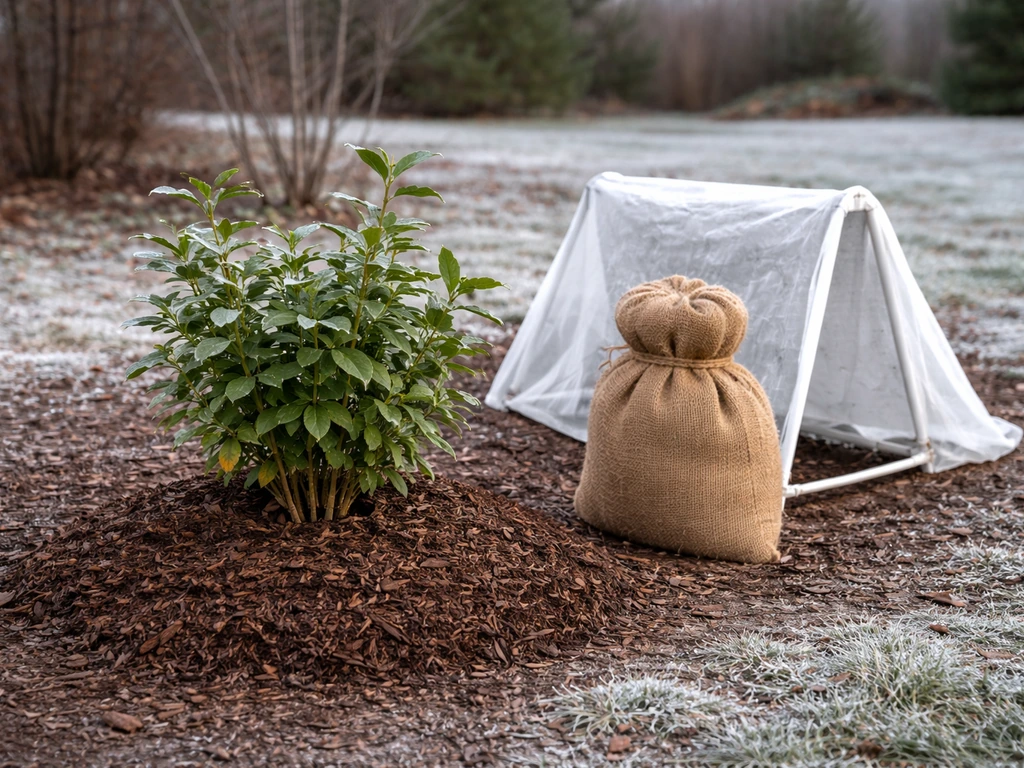
If you're pushing the hardiness limits, a few practical steps can make the difference. After the ground freezes, apply a 3-4 inch layer of mulch around the base of the plant to insulate roots. For wind protection, a burlap screen on the windward side (not wrapped directly around the plant, which can damage stems and foliage) blocks desiccating winter winds without trapping excess moisture.
Frost cloth draped over the plant and extended to the ground on particularly cold nights can add a few degrees of protection. Plan to remove deep mulch mounds by early spring, generally around March, as temperatures moderate. Container plants should be moved into an unheated but frost-free garage or cool indoor space before first frost in fall.
Your decision checklist before you plant
Run through these steps and you'll know within a few minutes whether jasmine is a realistic choice for your Idaho property and exactly which type to buy. If you are wondering whether does jasmine grow in hawaii, the same first-step checklist applies: identify the exact species and then match it to your zone.
- Look up your specific USDA hardiness zone using the USDA Plant Hardiness Zone Map online tool or the University of Idaho Extension resources. Don't guess: Boise is zone 7a/7b, Coeur d'Alene is 6b/7a, and eastern Idaho is often zone 4–6.
- Match your zone to the jasmine type: winter jasmine for zone 6+, common jasmine for zone 7+, and container-only for star jasmine and Arabian jasmine unless you're in Idaho's warmest 7b spots.
- At the nursery, confirm the scientific name on the tag and verify the hardiness zone rating matches your zone before purchasing.
- Identify a south or southwest-facing site with full sun, wind protection, and well-drained soil. If you don't have that spot, adjust your plan accordingly.
- Decide upfront if you're willing to do winter protection (mulch, wind barrier, frost cloth) for a borderline plant, or if you'd rather choose something reliably hardy for your zone.
- If you're in zone 6 or colder, honestly consider winter jasmine (Jasminum nudiflorum) as your best outdoor jasmine option, or plan for a container that lives indoors from October through April.
Idaho isn't the easiest state for jasmine compared to warmer neighbors like Arizona or California, but it's far from impossible. Yes, jasmine can grow in Las Vegas, but you still need to choose a variety that fits your heat and winter temperature pattern and give it the sun and water it needs jasmine in Las Vegas. Hawaii’s warm climate generally supports many jasmine types outdoors, depending on the specific species and your local conditions jasmine in Hawaii.
The same idea applies if you're wondering can jasmine grow in Washington state, because the key is your USDA zone and the specific type of jasmine jasmine compared to warmer neighbors like Arizona or California. Gardeners in southern Idaho in particular have real options. The key is matching the right species to your actual zone rather than buying on a pretty label, and giving the plant the warmest, most protected spot your yard can offer.
Get those two things right, and jasmine in Idaho can absolutely work. If you are also wondering, does jasmine grow in arizona, the warmer southwest climate can make certain jasmine types easier to keep outdoors than in much of Idaho. In Arizona, jasmine often thrives outdoors when you pick a heat-tolerant type and site it where it gets enough sun without drying out too fast does jasmine grow in Arizona.
FAQ
If I know my USDA zone, how do I interpret the hardiness rating on a jasmine label for Idaho?
You can use the tag’s scientific name and USDA zone together to avoid surprises. If the label lists a hardiness zone that is colder than your Idaho zone (for example, a zone 7 plant in a zone 5 area), plan on failure unless you grow it in a movable container and protect it indoors over winter.
Can jasmine grow in Idaho if it survives summer but might die in winter?
Yes, but jasmine needs winter survival more than summer growth. Even if a plant flowers well in summer, a single cold snap can kill the crown, so focus on the lowest winter temperatures and protect the roots after the ground freezes, not just during the coldest weeks.
What differences in blooming should Idaho gardeners expect between common jasmine and winter jasmine?
Common jasmine and winter jasmine tend to be the realistic outdoor options, but the biggest growth difference is how they flower. Winter jasmine blooms on older stems before it fully leafs out, while common jasmine is more of a full-season climbing vine that needs strong sun and time to establish before you can expect reliable blooms.
Is star jasmine ever worth growing in Idaho, or should it be container-only?
For star jasmine, the outdoors risk is winter dieback. If you want to try it in Idaho, keep it container-grown, choose a bright spot for the growing season, then move it into an unheated but frost-free garage or cool room before first frost so the plant can regrow from surviving portions.
If I plant in a south-facing spot, do I still need to worry about soil and drainage in winter?
Yes, but microclimate can’t override wet, cold soil. A south-facing wall helps, however if your soil stays soggy in winter, the roots can rot even when the plant is rated hardy. Improve drainage first, then add mulch for insulation.
What should I do if my local garden center sells jasmine without a scientific name or zone info?
In Idaho, jasmine is often sold with unclear labels, so plan to verify before you buy. If the tag only says “jasmine,” ask for the scientific name and zone. If they cannot provide both, treat it as too risky and look for a different nursery option.
How reliable is the claim that a warm wall can make conditions a full zone warmer in Idaho?
A “one full zone warmer” microclimate can happen with heat-reflecting walls and strong sun, but it depends on wind and moisture. Expect less benefit in exposed yards or in frost pockets, so if you are on the edge of hardiness, choose extra protection measures like wind screening plus frost cloth on extreme nights.
When is the best time to mulch jasmine in Idaho, and how much is too much?
Mulch is useful, but timing matters. Wait until the ground has frozen to insulate roots, use a moderate depth (about 3 to 4 inches), and remove mounded mulch as temperatures rise in early spring so stems do not stay wet and cold.
What’s the correct way to add winter wind protection for outdoor jasmine?
Wind protection helps prevent desiccation, but avoid wrapping stems tightly. Use a breathable burlap screen positioned so it blocks prevailing winds, leaving space around the plant so you do not trap moisture against the foliage during cold, damp spells.
When should I prune jasmine in Idaho, especially winter jasmine?
Pruning is about timing and purpose. Avoid heavy pruning going into winter, and if you need to shape, do it after the main flowering cycle. For winter jasmine, prune after it blooms since it flowers before leaf-out on older growth.
If I’m growing jasmine in a container, what indoor setup works best for Idaho winters?
For container jasmine, “unheated and frost-free” is the key phrase. Moving it into an active heated house can disrupt dormancy and stress the plant, so aim for a cool, bright but protected space, and keep the root ball from drying out completely.
What are common mistakes that cause jasmine to fail even when the tag looks right?
A common mistake is trusting your eye at purchase time. Even a healthy-looking nursery plant might have been grown in milder conditions and not hardened off. Look for plants with clear scientific names, matching hardiness zones, and consider gradual hardening if you are setting it out from a protected place in spring.