Yes, jasmine can grow in Washington State, but the type you choose makes all the difference. In Colorado, jasmine is usually grown in containers or carefully protected in the warmest, most sheltered microclimates because winters can be too cold for many common types jasmine in Colorado. In the Seattle area and western Washington (USDA zone 8), winter jasmine (Jasminum nudiflorum) and common jasmine (Jasminum officinale) are your most reliable options for year-round outdoor planting. Eastern Washington is colder, drier, and trickier, but winter jasmine still has a shot in the milder parts. The tender, tropical jasmines you see at big box stores are a different story: treat those as annuals or container plants that come indoors for winter.
Can Jasmine Grow in Washington State? Seattle Guide
Marcus Hartwell
26 Apr 2026
Which jasmine types actually work in Washington
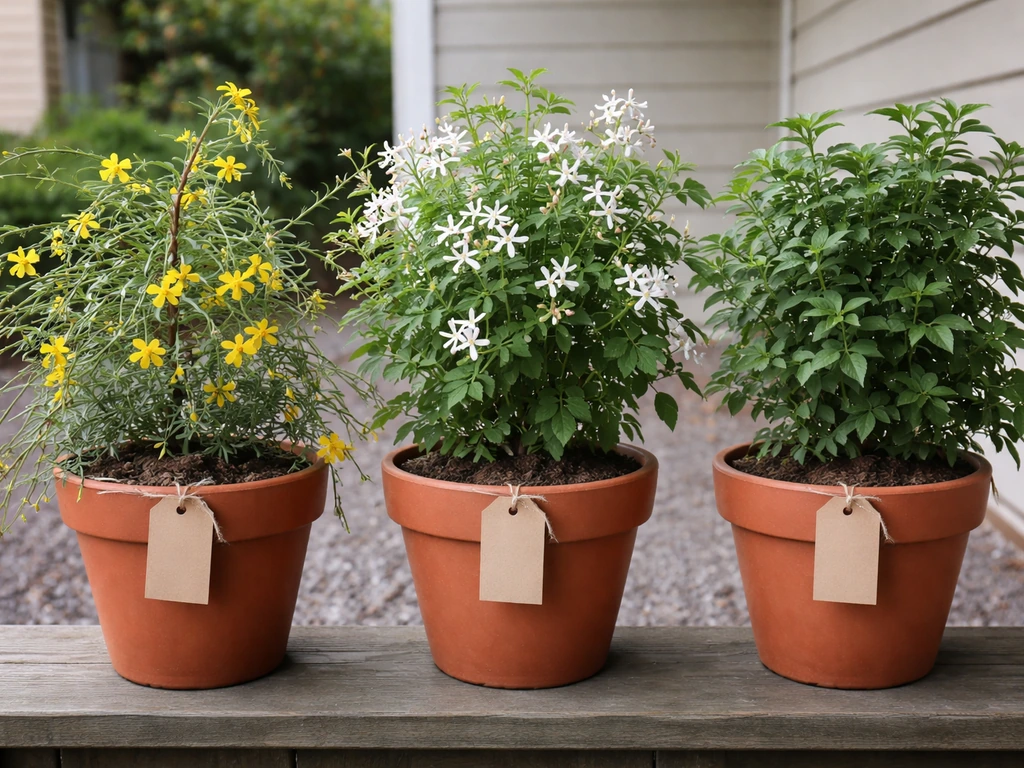
Washington gardeners have a few genuine options and a few wishful-thinking ones. Here is how they break down:
| Jasmine Type | Species | USDA Zones | WA Feasibility |
|---|---|---|---|
| Winter jasmine | Jasminum nudiflorum | 6a–10 | Excellent in western WA; solid in milder eastern WA pockets |
| Common jasmine | Jasminum officinale | 7–10 | Good in Seattle and coast; borderline in colder inland areas |
| Star jasmine | Trachelospermum jasminoides | 7b–10 | Marginal in zone 8; needs a sheltered microclimate |
| Arabian/Sambac jasmine | Jasminum sambac | 9–11 | Container or houseplant only in WA |
| Pink jasmine | Jasminum polyanthum | 8–10 | Possible in Seattle with protection; better as a patio container |
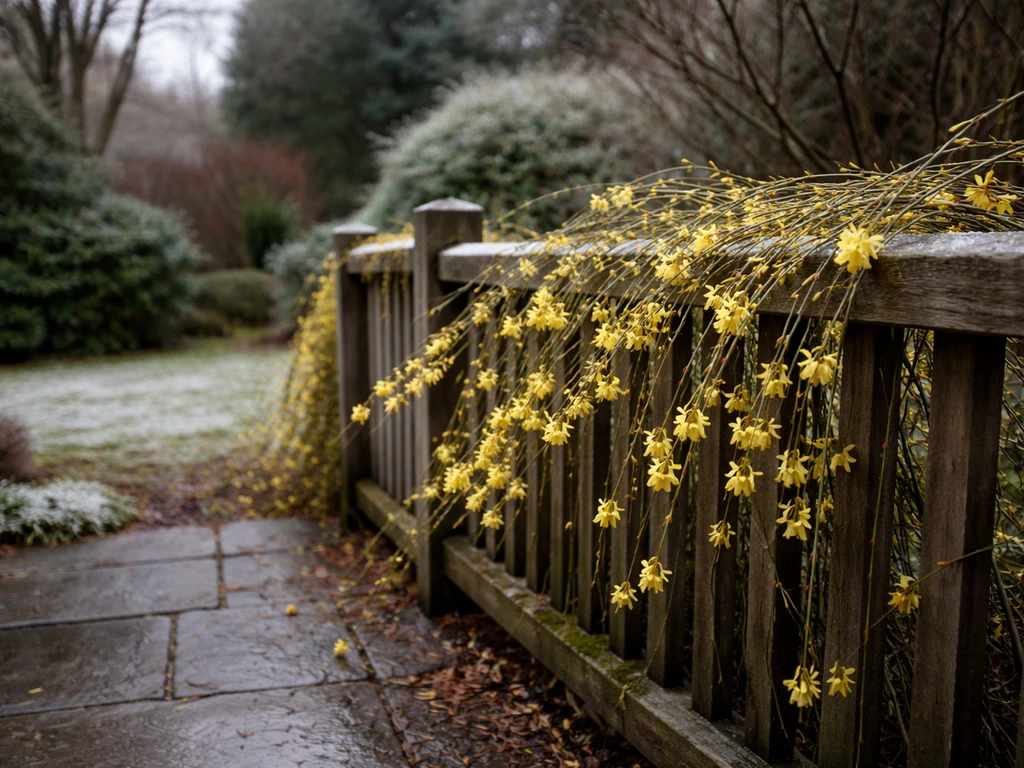
Winter jasmine is the clear winner for Washington. It is hardy down to USDA zone 6, so it laughs at a Seattle winter. It blooms bright yellow in late winter, sometimes as early as January or February, before most gardens show any life at all. Common jasmine (Jasminum officinale) is the fragrant white-flowered classic people picture when they think of jasmine, and it is reliably hardy to zone 7, which covers most of western Washington comfortably. Star jasmine is technically possible in zone 8 but really does best with a protected south-facing wall and some luck with the thermometer.
Seattle versus the rest of Washington: why location matters so much
Seattle sits in USDA zone 8, and the University of Washington's Elisabeth C. Miller Library confirms this directly. The NOAA climate normals for Seattle-Tacoma International Airport show a January mean minimum of 37.1°F and a mean maximum of just 47.0°F, with over 5.7 inches of rain that month alone. That is a mild, wet winter by Pacific Northwest standards, and it is genuinely friendly to jasmine. The rain can be relentless (expect precipitation on roughly half the days in winter months), but the cold itself is rarely severe enough to threaten a properly placed winter jasmine or common jasmine.
Move east of the Cascades and the picture changes fast. Spokane sits in zone 6b, Yakima in zone 7a, and temperatures can drop into the single digits during a hard winter. USDA’s Plant Hardiness Zone Map uses half-zones labeled “a” and “b” to show finer temperature differences within a zone Spokane sits in zone 6b, Yakima in zone 7a. Common jasmine will not survive those lows unprotected. Winter jasmine, rated to zone 6, has a better chance in eastern Washington, but you are working at the edge of its comfort zone. If you are gardening in Walla Walla or the Tri-Cities area (zone 7b), you have more options than Spokane, and common jasmine becomes worth trying with some shelter. Coastal and island communities near Puget Sound often enjoy slightly warmer microclimates than even the Seattle data suggests, so do not undersell your site if you are on Bainbridge Island or in Olympia.
For comparison, gardeners in neighboring states face similar dilemmas. Idaho's colder interior zones make jasmine a harder sell than western Washington, while coastal California has far more latitude with tender varieties. Washington sits in a sweet spot for the hardiest jasmines, especially west of the Cascades.
Getting the planting site right
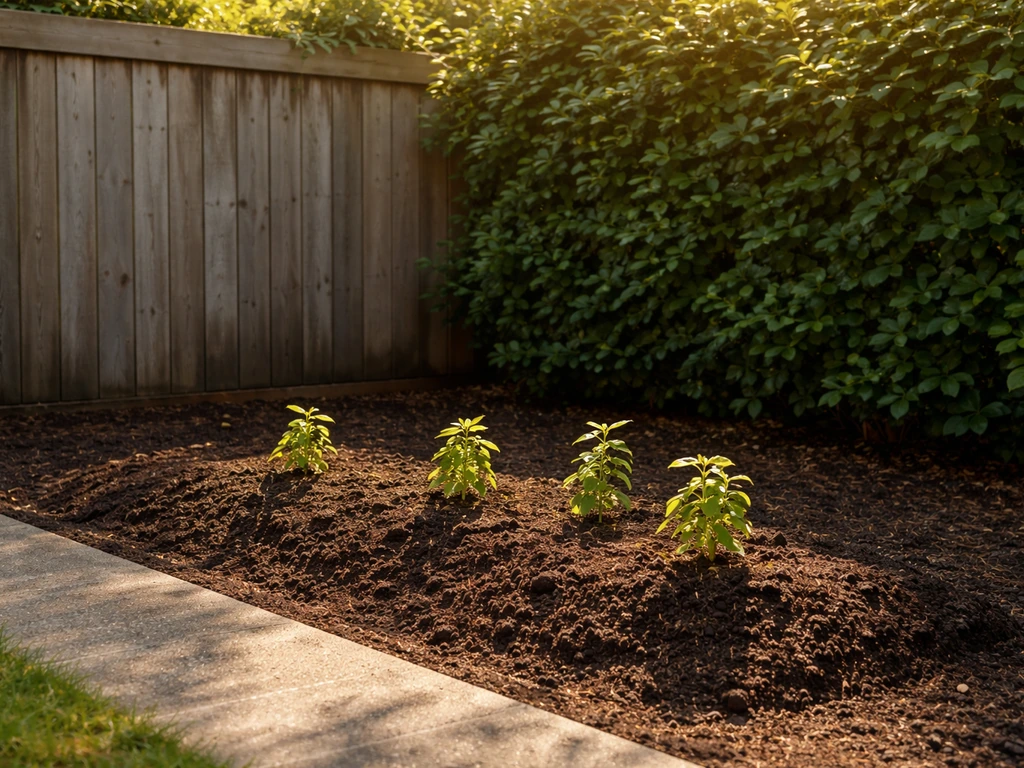
Jasmine is not fussy, but a few site decisions will make or break your results in Washington's climate specifically. If you are also wondering about hot desert cities like Las Vegas, the same type-and-placement rule still applies does jasmine grow in Las Vegas. If you are also curious about other places with hot summers, this is a similar question to does jasmine grow in utah, where zone and microclimate still control what survives. If you are wondering about Hawaii specifically, jasmine can grow there, but the right variety and placement matter a lot does jasmine grow in hawaii. California gardeners can grow jasmine too, but the variety and microclimate matter just as much as in Washington jasmine in California. Because Arizona is much warmer and drier than Washington, jasmine often does best when you choose heat-tolerant varieties and provide consistent watering and some afternoon shade does jasmine grow in arizona.
Sun exposure
Full sun (at least 6 hours of direct sunlight daily) produces the best flowering for winter jasmine. Oregon State University notes that shade reduces flowering, and that is exactly the trade-off you face in the Pacific Northwest where overcast skies are common from October through April. Put jasmine in the sunniest spot you have, ideally a south- or southwest-facing wall or fence. That wall will also capture and radiate heat, giving your plant a warmer microclimate than the open garden. Common jasmine tolerates part shade but will bloom less; in Washington's already low-light winters, shade is the last thing it needs.
Soil and drainage
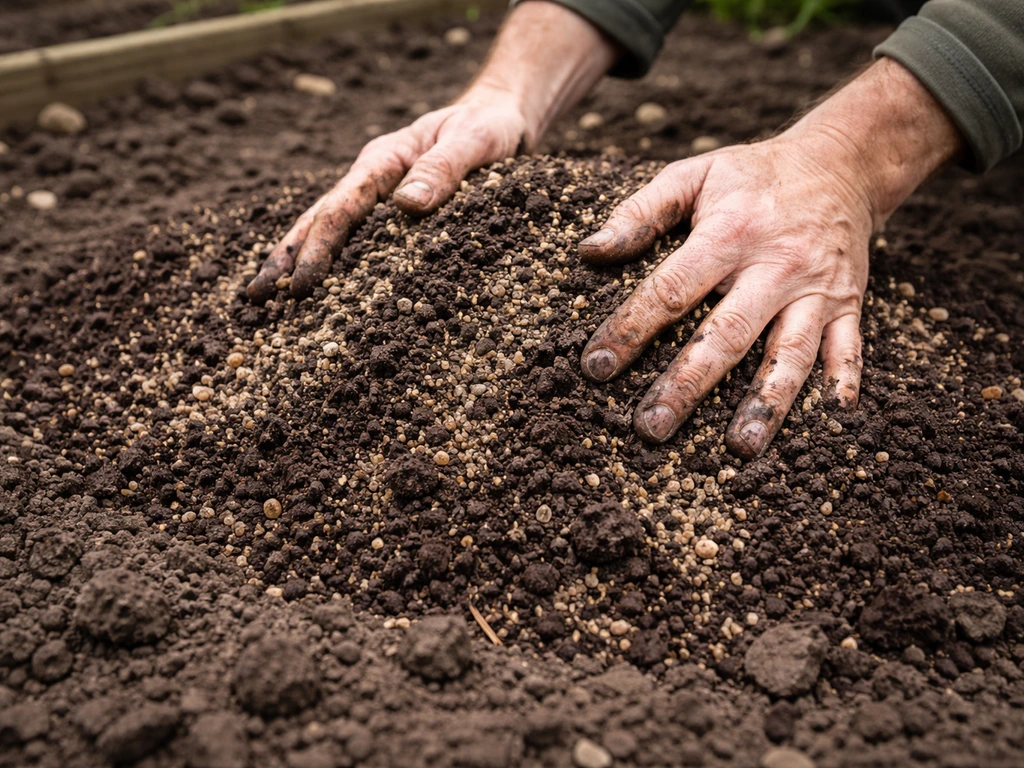
Every credible source on winter jasmine emphasizes one thing above all: well-drained soil. Washington's heavy clay soils in the Puget Sound lowlands hold water like a sponge, and jasmine sitting in soggy ground through a wet winter will rot at the roots. Amend your planting bed with grit, compost, or coarse sand to open up the drainage. A slightly raised bed or a slope works even better. Aim for a soil pH between 6.0 and 8.0, which is a wide enough range that most Washington garden soils qualify without amendment. Loamy, well-drained soil is the Arnold Arboretum's recommendation, and that is a good benchmark to shoot for.
Wind protection
Wind is underrated as a jasmine killer in Washington. Cold, drying winter winds desiccate foliage and push the wind chill well below the thermometer reading. A fence, hedge, or building on the windward side (usually the north or northeast in western WA) can mean the difference between a plant that survives and one that dies back to the crown. Coastal gardeners especially should account for prevailing wind direction when siting their plant.
Winter protection and the container option
In Seattle and zone 8, established winter jasmine and common jasmine generally do not need heavy winter protection. A thick layer of mulch around the base (3 to 4 inches of bark or straw) is enough for most winters. If a cold snap is forecast below 10°F, draping a frost cloth over the plant overnight is cheap insurance. Remove it during the day so the plant gets light.
For tender varieties like sambac or pink jasmine, or if you are gardening in eastern Washington's colder zones, containers are the smarter move. Grow the jasmine in a large pot (at least 12 to 14 inches in diameter), keep it on a sheltered patio through the warm months, and bring it into an unheated garage, sunroom, or cool indoor space before the first hard frost. Swansons Nursery in Seattle notes that common garden jasmine needs winter nighttime temperatures around 50 to 55°F to set flower buds, so a cool but frost-free space is actually ideal for overwintering container plants and encouraging spring blooms.
If you are in zone 6b or 7a east of the Cascades and want to try common jasmine in the ground, plant it against a south-facing masonry wall for maximum heat retention, mulch heavily in November, and be prepared to lose it in a severe winter. Having a backup container plant is not a bad idea.
What to expect for blooms, and what to do when they do not appear
Winter jasmine blooms from roughly December through March in western Washington, which is genuinely one of its best features. You get color when almost nothing else is happening in the garden. The flowers are bright yellow and unscented, a disappointment if you were hoping for fragrance, but visually striking. Common jasmine blooms in summer, typically June through August, with the white, intensely fragrant flowers most people associate with jasmine.
If your jasmine is not blooming, the most common culprits in Washington are:
- Too much shade: jasmine in a north-facing or heavily shaded spot will grow fine but flower poorly
- Excess nitrogen: heavy feeding with a high-nitrogen fertilizer pushes leafy growth at the expense of flowers; use a balanced or low-nitrogen fertilizer in late spring
- Pruning at the wrong time: common jasmine blooms on the previous season's growth, so pruning it in spring removes the flower buds; prune right after flowering ends in late summer
- Young plant still establishing: most jasmines need one to two full seasons in the ground before they bloom reliably
- Too warm in winter (for container plants): if you overwinter jasmine indoors somewhere too warm, it does not get the cool period it needs to trigger flowering
Washington's overcast winters can slow growth and push bloom times slightly later than you might see in sunnier regions like Arizona or California, where jasmine gets far more winter light. If you are wondering, does jasmine grow in Arizona, the answer depends largely on choosing the right type and matching it to your winter temperatures and sun exposure jasmine gets far more winter light in Arizona. Do not panic if your plant is a week or two behind what a plant tag says.
Best varieties to try and where to find them in Washington
For western Washington gardeners, start with these:
- Jasminum nudiflorum (winter jasmine): The most reliable choice for all of Washington. Hardy to zone 6, yellow winter blooms, tolerates clay soils better than most jasmines if drainage is reasonable. Widely available at Pacific Northwest nurseries.
- Jasminum officinale 'Fiona Sunrise': A cultivar with golden-yellow foliage and white fragrant summer flowers. Hardy to zone 7, attractive even when not in bloom. Look for it at specialty nurseries.
- Jasminum officinale 'Inverleith': A compact form of common jasmine with deep pink buds opening to white, hardy to zone 7. Good for smaller spaces or large containers.
- Jasminum polyanthum (pink jasmine): Best as a container plant in Washington; brings it indoors in October. Profusely fragrant and a popular choice at Swansons and similar Seattle-area garden stores.
For local sourcing, Swansons Nursery in Crown Hill (Seattle) carries jasmine varieties suitable for the Pacific Northwest and their staff actually knows the local climate. Sky Nursery in Shoreline is another strong option. Territorial Seed Company and local independent nurseries in the Willamette corridor just south of the state line also stock regionally appropriate selections. Avoid buying jasmine from national big-box garden centers in early spring without checking the species label: many sell tender varieties as generic 'jasmine' that will not survive a Washington winter in the ground.
How to pick the right jasmine for your exact Washington location
Start by confirming your USDA hardiness zone using the USDA Plant Hardiness Zone Map online: type in your zip code and you will get an exact zone, not a regional guess. Western Washington zip codes generally land in zone 8a or 8b; eastern Washington ranges from zone 5b to 7b depending on elevation and valley position.
- Zone 8 (Seattle, Tacoma, Olympia, Bellingham): Plant winter jasmine or common jasmine in-ground with confidence. Star jasmine is worth trying on a protected south wall. Pink jasmine works well in containers.
- Zone 7 (Walla Walla, Tri-Cities, some Puget Sound foothills): Winter jasmine is reliable. Common jasmine is worth trying in a sheltered spot, especially near a south-facing wall. Mulch heavily in November.
- Zone 6 (Spokane, higher elevations): Stick with winter jasmine as your only realistic in-ground option. Grow everything else in containers and bring indoors before frost.
- Zone 5 or colder (mountain communities, high desert): Skip in-ground jasmine. Grow sambac or pink jasmine as houseplants or bring containers in for the winter.
Once you know your zone, think about your specific microclimate: a raised bed against a brick wall in a Seattle zone 8a garden can behave more like zone 8b or even 9. That extra warmth unlocks options. Conversely, a low-lying frost pocket in an otherwise zone 8 neighborhood can drop several degrees colder than the zone map suggests, and that matters for marginal plants like star jasmine. Spend a winter noticing where frost forms first on your property: avoid those spots for any borderline-hardy jasmine.
If you are ready to act now, April is actually a great time to plant jasmine in Washington. The ground is warming up, the risk of hard frost is largely past west of the Cascades, and the plant will have a full season to establish roots before facing its first winter. Buy from a local nursery rather than ordering bare-root online, and ask specifically for a variety rated to at least one zone colder than yours for the best long-term reliability.
FAQ
Can I grow jasmine from store-bought potted plants directly in the ground in Seattle?
Sometimes, but treat it as a transplant of unknown hardiness. Check whether it is winter jasmine or common jasmine, and confirm the species label. If the plant is a tender type, it will likely die back or fail without overwintering in a container and a cool, frost-free indoor spot.
Will jasmine in Washington need winter pruning?
For winter jasmine, avoid hard pruning right before cold weather. Wait until after flowering (late winter into early spring), then thin or shape if needed. Common jasmine is usually trimmed lightly after summer bloom to avoid removing next season’s buds.
My jasmine is in full sun but still not blooming, what else could be wrong?
Overly wet soil and wind damage are common. Make sure drainage is excellent, and consider adding a windbreak on the north or northeast side. Also, common jasmine may prioritize leafy growth if it does not get enough sun and warmth to form buds, which is more likely in shaded yards.
How often should I water jasmine in western Washington during winter?
In most western WA locations, rainfall is usually enough and you should not keep the soil consistently wet. Water only when the soil dries out somewhat after rain. The bigger risk is waterlogged roots in winter, so focus on drainage rather than more irrigation.
Is it better to plant winter jasmine or common jasmine if my yard is shady?
Winter jasmine tolerates less shade than you might hope, but common jasmine is typically the bigger “shade problem” because it blooms in summer and needs enough energy to form buds. In consistently overcast or shaded spots, choose the sunniest wall or fence line you can, and expect reduced or delayed blooms.
Can jasmine climb a wood fence in Washington without rotting the plant or the fence?
Yes, but leave airflow and avoid planting directly against fence posts in soggy clay. Train jasmine along the fence, but ensure the base has dry, well-drained soil (amend or use a raised bed). If your fence traps moisture, a slight clearance and good drainage help both the plant and the fence last longer.
Do I need to fertilize jasmine in Washington to get blooms?
Often, no heavy feeding is required. If growth is weak and soil is poor, use a balanced fertilizer sparingly in spring, but do not “chase” bloom with high nitrogen, which can encourage leaves at the expense of flowers. The more reliable fixes are sun, drainage, and winter hardiness.
What’s the best winter protection strategy if we get a rare cold snap in Seattle?
Use the lightest approach first: rely on mulch and wind protection, then cover only during extreme lows (below 10°F). Frost cloth overnight is fine, remove it daily so the plant still gets light and airflow.
How do I tell if my jasmine died back to the crown or is truly dead?
Wait until the first normal spring growth period. Many winter-jasmine diebacks in marginal cold will resprout from the crown. Scratch test the stems lightly in spring, green tissue suggests it can recover.
Can I grow star jasmine in Washington, and what should I do differently?
It’s possible but less predictable than winter jasmine. Place it on a protected south-facing masonry wall, use heavy mulching in late fall, and be ready with a backup container if you are near zone 8 or in a frost-prone pocket.
What’s the smartest container size and placement for tender jasmine in Washington?
Use a large pot (at least 12 to 14 inches in diameter) so roots don’t freeze quickly or dry out too fast. During warm months, keep it on a sheltered patio, then move it into an unheated but frost-free interior space before hard freezes. Avoid keeping it outdoors during winter unless your container is actively protected and the variety is known to be hardy.
When should I plant jasmine in Washington if I want the highest survival rate?
April is a strong choice because the soil warms and the plant can establish roots before winter. If you plant later, prioritize a sunny location, improve drainage at planting time, and water early establishment without letting the bed stay soggy.
Where can frost collect on my property, and why does it matter for jasmine?
Frost pools in low areas, near dense shrubs, and in spots where cold air drains but cannot escape. Borderline-hardy jasmines like star or common in colder eastern WA are most affected. Track where frost forms first over a winter, then avoid those microclimates for marginal varieties.