
Jasmine can grow in parts of Utah, but the honest answer is: it depends almost entirely on where in Utah you live and which jasmine you're talking about. If you're in St. George with a sheltered south-facing wall, you've got a real shot. If you're in Salt Lake City's valley floor or anywhere in northern Utah, you're working against the odds. Here's what you actually need to know before you buy a plant.
Does Jasmine Grow in Utah? Star Jasmine Care and Tips
Marcus Hartwell
10 Apr 2026
What people actually mean when they say "jasmine"
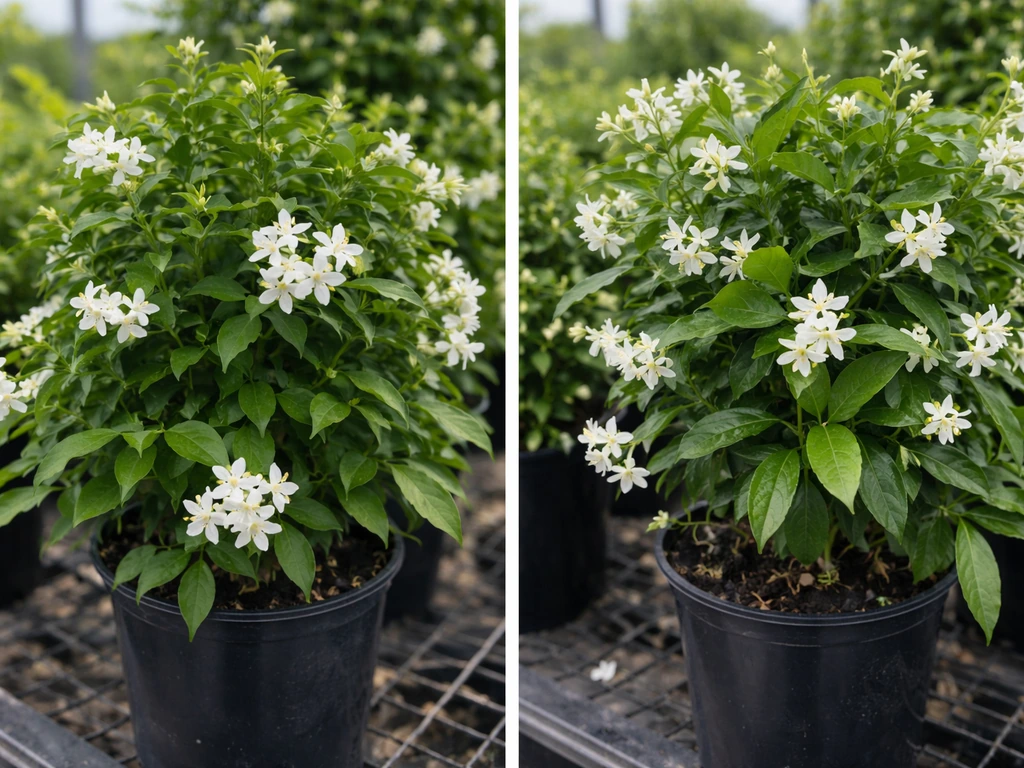
Walk into a Utah nursery and ask for jasmine, and you'll probably be handed one of two things: a true jasmine (genus Jasminum) or star jasmine, which is technically Trachelospermum jasminoides. University of Florida IFAS lists Trachelospermum jasminoides as “Confederate jasmine” and “star jasmine,” matching the common-name terminology gardeners use [UF/IFAS lists Trachelospermum jasminoides as “Confederate jasmine” and “star jasmine”](https://assessment. ifas. ufl.
edu/assessments/trachelospermum-jasminoides/). These are not the same plant, and they don't have the same cold tolerance. True jasmines like Jasminum officinale (common jasmine) can handle colder winters, with some cultivars rated down to zone 6 or even zone 5 in protected spots. Star jasmine, on the other hand, is a completely different genus despite sharing a common name.
Clemson University's extension program specifically flags this confusion, pointing out that star jasmine (also called Confederate jasmine) is a Trachelospermum, not a true Jasminum at all.
Star jasmine is the one most commonly sold at big-box stores and local nurseries as a fragrant, fast-climbing vine. It's gorgeous, it smells incredible in bloom, and it's the plant most Utah homeowners are dreaming of when they picture jasmine on a fence or arbor. It's also the one most likely to disappoint you if you plant it in the wrong Utah microclimate. So most of this article focuses on star jasmine, because that's almost certainly what you're shopping for.
Utah's climate and growing zones: what you're dealing with
Utah is genuinely one of the more complicated states to garden in because the climate swings are extreme and the geography is wildly varied. According to the 2023 USDA Plant Hardiness Zone Map, Utah spans roughly zone 4a all the way up to zone 9a. That's an enormous range. The high-elevation areas in the Uinta Mountains or near Bryce Canyon sit in frigid zones 4 and 5. The Wasatch Front, including Salt Lake City, Ogden, and Provo, lands mostly in zones 6b to 7b. Down in Washington County, St. George sits comfortably in zones 8a to 8b, with some spots touching 9a.
One quirk that catches Utah gardeners off guard is the cold-air pooling effect in valleys. Utah's DEQ has documented how temperature inversions trap cold air on valley floors, meaning the bottom of a valley can actually be significantly colder on still winter nights than a home partway up a nearby hillside. If you're in Salt Lake Valley and you're planting at the lowest point of your yard near a fence or block wall that blocks air drainage, you may be gardening in a colder microclimate than your zip code's official zone suggests. This matters a lot for marginal plants like star jasmine.
Can star jasmine actually survive in Utah?
Star jasmine (Trachelospermum jasminoides) is rated for USDA zones 7 to 10, with some sources like the University of Florida's IFAS extension listing it as zone 7b through 10. A few cultivars, like the 'Madison' variety, are sometimes sold as marginally hardier and rated to zone 7. The problem is that a large portion of Utah sits below zone 7, and even the Wasatch Front's zone 6b to 7a winters regularly push temperatures below what star jasmine can comfortably handle.
Cold damage on star jasmine starts showing up when temperatures drop into the mid-20s Fahrenheit. Research from cold-tolerance plant guides suggests Confederate jasmine can sustain real damage when temperatures fall into the 23°F to 15°F range, and anything below that can outright kill the plant to its roots. Salt Lake City regularly sees winter lows in the teens and occasionally single digits during cold snaps. That's the fundamental challenge. Star jasmine is not built for that, and no amount of wishful thinking changes the zone math.
That said, Utah isn't a monolith. If you're curious how this plant performs in similarly challenging Western states, it's worth knowing that the outlook for jasmine in Colorado faces many of the same cold-zone limitations Utah gardeners deal with. The situation is quite different from warmer-climate neighbors: jasmine in Arizona thrives across most of the state thanks to much milder winters.
Where star jasmine has the best shot in Utah
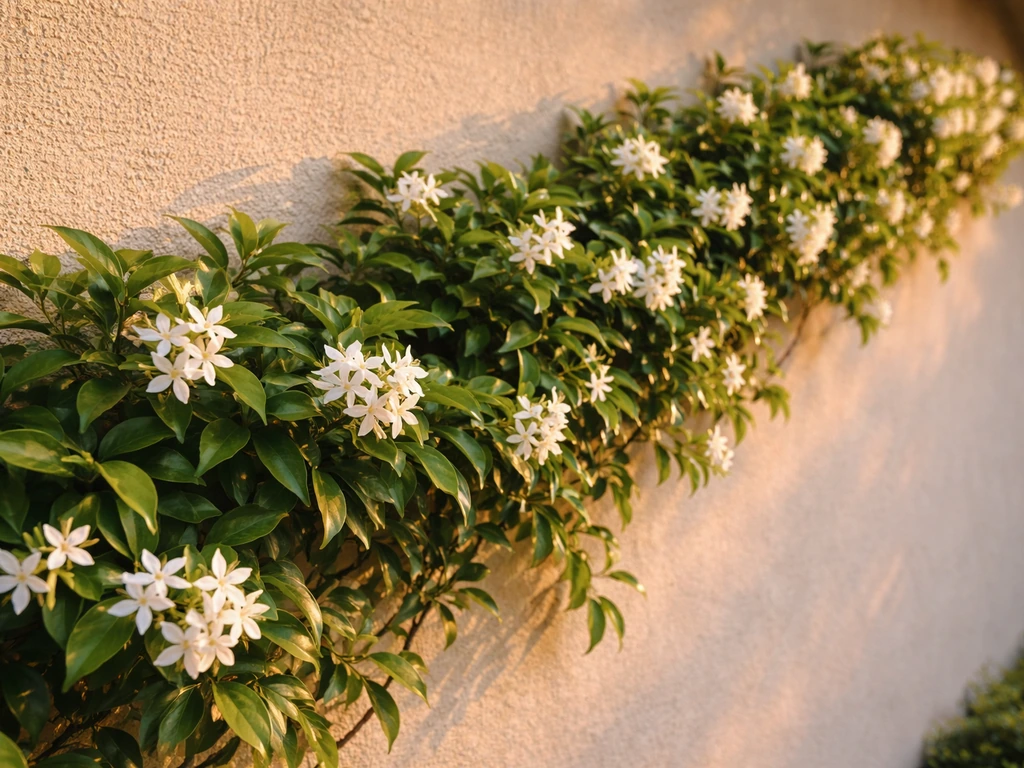
St. George and the broader Washington County area are your best bets in Utah. Zone 8a to 8b winters there are mild enough that star jasmine can survive and even behave nearly evergreen in a good year. I've seen it grow successfully on south-facing stucco walls in St. George, where the thermal mass of the wall keeps nighttime temperatures a few degrees above the ambient air. That microclimate bump can be the difference between a thriving plant and a dead one.
In the Wasatch Front (Salt Lake City, Provo, Ogden), it's a gamble. You might get it to survive with significant protection and ideal siting, but you should expect some dieback most winters and don't count on reliable evergreen behavior. Further north in Cache Valley or at higher elevations, star jasmine is essentially not viable unless you're growing it in a container that comes indoors.
Where to plant for the best chance of success
Site selection is everything when you're pushing a plant to the edge of its hardiness zone. If you're in a marginally warm Utah location and determined to try star jasmine, here's how to stack the deck in your favor:
- Plant against a south or southwest-facing wall. Brick, stucco, and concrete walls absorb daytime heat and radiate it back overnight, effectively creating a warmer microclimate of 2 to 5 degrees.
- Choose elevated spots over valley floors. Because cold air drains downhill and pools in low spots, a planting location even partway up a slope can be noticeably warmer on cold winter nights.
- Look for spots sheltered from north and northwest winds. In Utah, winter wind chill accelerates cold damage on jasmine foliage. A fence, wall, or established shrub on the windward side helps.
- Avoid low-lying garden beds near turf or water features. These areas collect cold air and frost settles on them first.
- Full sun is non-negotiable. Star jasmine needs at least 6 hours of direct sun daily to build the plant vigor needed to recover from any cold damage.
Frost timing in Utah varies significantly depending on your exact location. USU Extension has noted repeatedly that last-frost dates can swing by many days within just a few miles, particularly in areas like Cache Valley where terrain creates localized frost pockets. Check your specific zip code for frost dates rather than relying on regional averages before timing any spring planting or fall protection steps.
Winter survival: what to expect and how to protect the plant
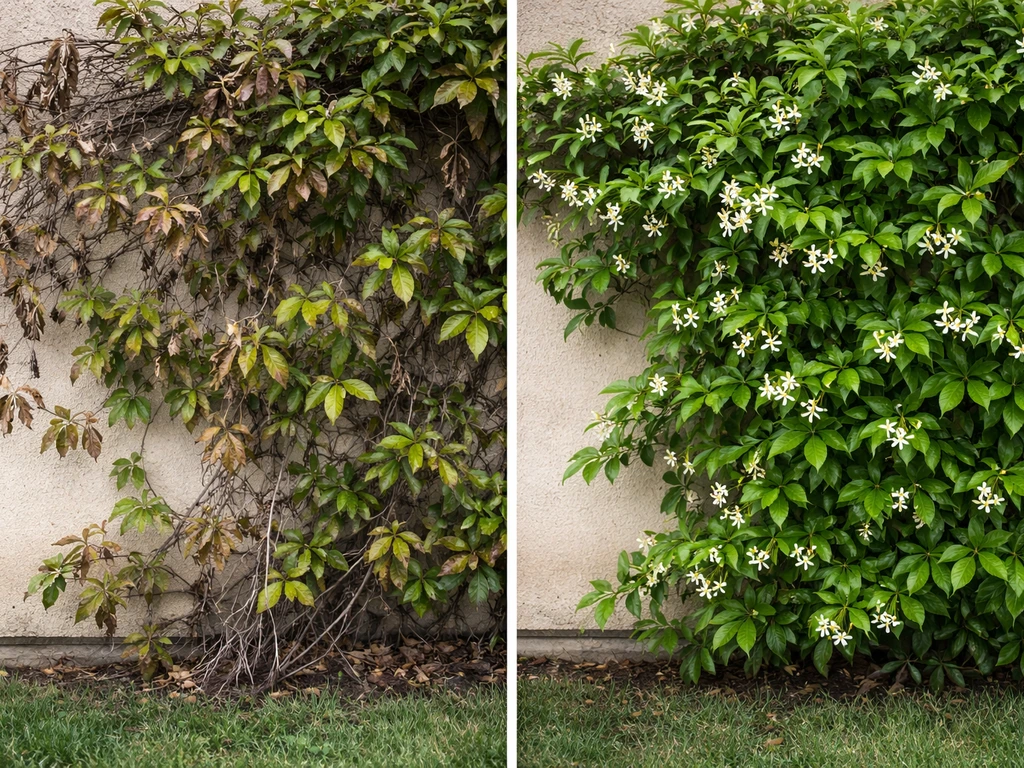
Star jasmine's winter behavior in marginal zones like Utah's Wasatch Front is best described as unpredictable. In a mild winter, it may hold most of its foliage and look fine by spring. After a hard freeze, you'll likely see blackened, scorched, or desiccated leaves, which is a classic sign of freeze-and-desiccation damage from cold dry winds. Non-woody stems will die back to the woody portion of the plant when temperatures get severe. If the root zone survives, the plant can push new growth from the base in spring, but that new growth is what produces your flowers, so heavy dieback means little to no blooming that year.
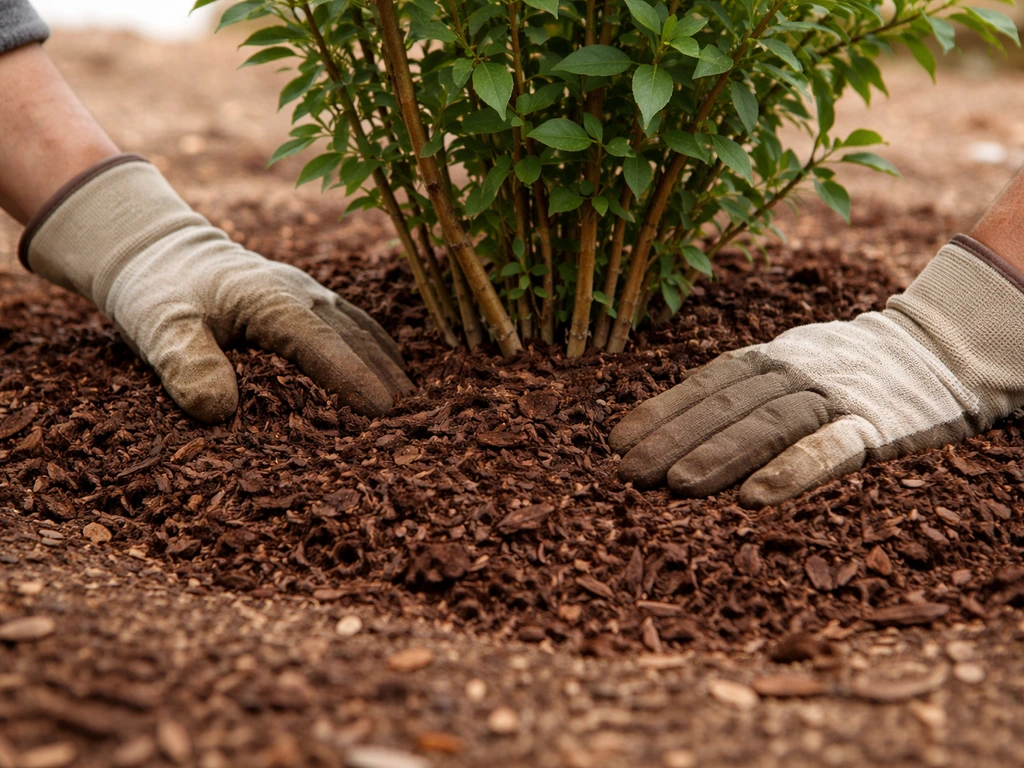
The root zone is your priority. Mulching generously (3 to 4 inches of wood chip mulch) over the base of the plant in late fall insulates soil temperatures and gives roots a better chance of surviving even when the top of the plant dies back. In really cold snaps, wrapping the base and lower stems with burlap or frost cloth provides another layer of insurance.
Avoid plastic sheeting directly on the plant as it can cause more damage than it prevents on sunny winter days. Star jasmine also dislikes sitting in wet soil during winter, so make sure your planting site drains well. Freezing temperatures combined with waterlogged roots is often what kills marginal plants outright rather than the cold alone.
The evergreen-vs-dieback question is one Utah gardeners ask a lot. In St. George's zone 8, star jasmine behaves essentially evergreen most years. In Salt Lake City's zone 6b to 7a, expect it to behave more like a semi-evergreen or even a dieback perennial in tough winters, resprouting from the base each spring if the roots survive. Think of it less like a permanent vine and more like a plant you'll be nursing through winter every year.
Care basics tuned to Utah conditions
If you're in a suitable zone and you've picked a good site, here's the quick-hit care guidance for Utah specifically:
- Watering: Utah is semi-arid, and star jasmine needs consistent moisture during the growing season, especially in its first two years. Deep, infrequent watering is better than frequent shallow watering. Cut back significantly in fall to help the plant harden off before winter.
- Soil: Amend heavy Utah clay soil with compost before planting to improve drainage. Star jasmine will not tolerate clay that holds water in winter. A slightly acidic to neutral pH (6.0 to 7.0) is ideal.
- Fertilizing: A balanced slow-release fertilizer in spring gets growth going. Avoid high-nitrogen fertilizers in late summer, which push soft new growth that won't harden before frost.
- Flowering timeline: Expect blooms in late spring to early summer (typically May through June in Utah's warmer zones). In cooler Utah zones, blooming may start later or be more sporadic depending on how hard the previous winter was.
- Growth habit: Star jasmine is a twining vine that needs a support structure. Install a trellis, wire frame, or arbor at planting time. It grows moderately, reaching 10 to 20 feet at maturity in favorable climates, though Utah plants often stay smaller.
How star jasmine compares to true jasmine for Utah gardeners
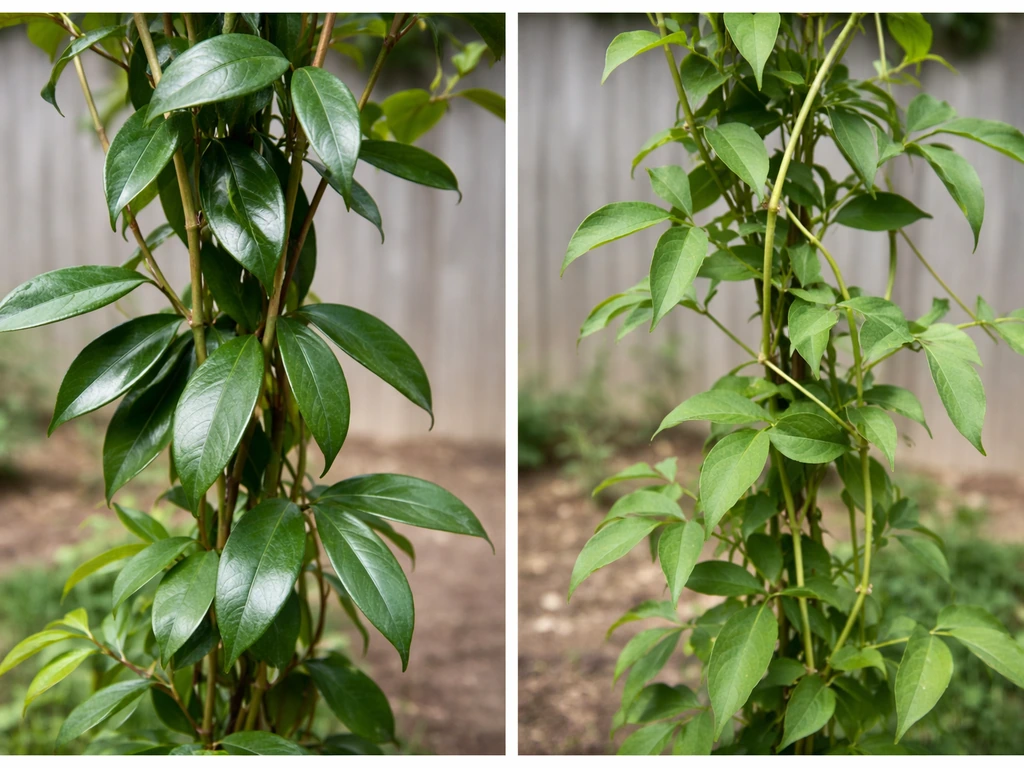
| Feature | Star Jasmine (Trachelospermum jasminoides) | Common Jasmine (Jasminum officinale) |
|---|---|---|
| USDA Hardiness Zones | 7–10 (some cultivars 7b+) | 6–10 (some cultivars to zone 5) |
| Cold tolerance | Damaged below ~23°F, killed below ~15°F | Handles light frosts; more cold-tolerant |
| Winter behavior in SLC | Dieback likely most winters | Better chance of survival with protection |
| Fragrance | Strongly fragrant white flowers | Strongly fragrant white flowers |
| Growth habit | Twining evergreen vine | Deciduous to semi-evergreen vine |
| Best Utah location | St. George, southern Utah | Salt Lake Valley and warmer pockets |
If cold hardiness is your main concern, common jasmine (Jasminum officinale) is actually a more realistic choice for the Wasatch Front than star jasmine. It's rated to zone 6 and occasionally zone 5 with protection, which aligns much better with Salt Lake City's typical winters. You still get the fragrance and the white flowers, just without the same evergreen screening effect.
Should you plant jasmine in Utah right now? A practical decision guide
Here's how to think through this decision based on your specific situation:
- Look up your exact USDA hardiness zone using your zip code on the 2023 USDA map. Zone 8a or warmer? Star jasmine is genuinely viable with good siting. Zone 7b? Marginal but possible with a protected south-facing wall. Zone 7a or colder? You're taking a real risk with star jasmine; consider common jasmine instead.
- Assess your microclimate honestly. Do you have a sheltered south-facing wall? Good drainage? Wind protection? All three give you a fighting chance. No shelter, low-lying yard, or heavy clay soil? The plant will likely struggle.
- Check your local frost dates. Knowing your last spring frost and first fall frost helps you time protection steps and understand how long your frost-free window actually is.
- If star jasmine isn't realistic, consider these Utah-friendly alternatives: Carolina jessamine (Gelsemium sempervirens, zone 6+), climbing hydrangea (zone 4+), or trumpet vine (Campsis radicans, zone 4+) for a vigorous climber. For fragrance specifically, common jasmine or even a well-sited Korean spice viburnum (Viburnum carlesii) gives you incredible scent without the cold-hardiness drama.
- If you're in a warm-enough zone and you want to compare notes with other Western states before committing, it's useful to know that jasmine in Washington state faces similar zone-variability challenges, while jasmine in Idaho deals with many of the same cold-snap risks as northern Utah.
The bottom line: if you're in St. George or southern Utah, go ahead and plant star jasmine in a sunny, sheltered spot. You'll likely love it. Jasmine can grow in Hawaii too, but whether it thrives depends on which type of jasmine you have and the specific island climate does jasmine grow in hawaii. If you're in Salt Lake City or the Wasatch Front, choose common jasmine over star jasmine, pick the warmest microclimate on your property, mulch heavily every fall, and accept that some winters will knock it back. If you're in northern Utah or above 5,500 feet in elevation, skip jasmine for now and redirect that energy toward plants that are genuinely zone-appropriate, because watching a beautiful plant die every winter gets old fast.
For context on how jasmine performs in other warm, sun-drenched Western climates that might inform what you see at nurseries, jasmine in Las Vegas thrives easily given that city's zone 9 to 10 winters. And if you've ever wondered why the star jasmine at your local nursery looks so lush, it was probably grown in a climate closer to what jasmine in California or jasmine in Hawaii experiences year-round. That nursery origin is exactly why it looks perfect in the pot and then struggles through a Utah winter.
FAQ
If I buy jasmine at a nursery in Utah, will it survive my winter automatically because it’s sold locally?
Not necessarily. Many nurseries sell star jasmine because it thrives in warmer zones, but the plant you buy was often grown in a much milder climate. In Utah, survival depends on your exact microclimate (valley floor versus hillside), winter lows, and whether the root zone stays insulated and well-drained.
What’s the fastest way to tell if the “jasmine” I’m buying is star jasmine or common jasmine?
Check the plant label for genus and species. Star jasmine is Trachelospermum jasminoides, and common jasmine is typically Jasminum officinale. If the tag just says “jasmine” without the Latin name, ask the nursery to confirm the species because cold tolerance differs a lot.
Can I grow star jasmine in Utah if I plant it in a container?
Yes, but it’s only a practical solution for colder parts of Utah. Use a large pot with excellent drainage, then plan to move it indoors or to a protected location during the coldest months. Container plants freeze more quickly than in-ground roots, so you still need winter protection.
Is south-facing always the best location for jasmine in Utah?
South-facing helps, especially for reducing wind chill and maximizing sun, but it’s not the only factor. Avoid the lowest points of valleys where cold air pools, and prioritize sites with strong drainage. A south-facing spot that stays wet or gets drafty can still fail.
Why do my jasmine leaves look burned or black after winter, even if the plant didn’t completely die?
That pattern usually points to freeze-and-desiccation damage, where cold dry winds and hard freezes scorch foliage and non-woody stems. If the root zone survives, you may see new growth from the base in spring, but flowering can be reduced that year because flowers come from new growth.
Should I prune star jasmine in the fall to prevent winter damage?
Usually avoid major fall pruning. Cutting back too early can expose fresh tissue to winter cold and wind, and it can reduce the plant’s ability to recover. In Utah, wait until spring after you see how much dieback occurred, then remove dead stems back to live growth.
How much mulch is enough for star jasmine in marginal Utah zones?
Aim for about 3 to 4 inches of wood chip mulch over the base in late fall. The goal is insulating the root zone, not wrapping the whole plant in a thick blanket. Keep mulch away from directly piling up against stems to reduce issues with wet, trapped conditions.
Is wrapping star jasmine in plastic safe for winter protection in Utah?
In most cases, no. Plastic sheeting can trap moisture and heat during sunny winter days, then create harmful cold conditions at night. Better options are breathable materials like burlap or frost cloth for lower stems and the base during severe cold.
What’s more important in Utah, protecting from cold or preventing winter wet?
Both matter, but for marginal jasmine, preventing waterlogged soil is often the deciding factor. Freezing temperatures plus saturated roots can kill the plant even if the foliage seems only lightly damaged. Choose a site that drains well and avoid low spots that collect runoff.
Will star jasmine be evergreen in Salt Lake City or on the Wasatch Front?
Don’t count on it. In colder Wasatch Front conditions, star jasmine commonly behaves as semi-evergreen or a dieback perennial, meaning it may lose foliage or die back in tough winters and then regrow from the base if roots survive.
Does staking or training star jasmine change its odds in Utah?
It can. Keep the vine secured so it doesn’t whip in winter wind, and train it so the bulk of growth is on a sheltered structure (like a south-facing wall) when possible. Reducing wind exposure helps limit desiccation damage, especially on marginal plants.
If my star jasmine dies back every winter, should I replace it with a different jasmine?
For many Utah gardeners on the Wasatch Front, switching to common jasmine (Jasminum officinale) is the more reliable path because it matches Utah’s colder zones better. If you keep star jasmine, treat it as a plant that may not bloom or may require annual recovery efforts.