Jasmine can grow in Colorado, but the honest answer is: it depends heavily on which type of jasmine you mean and exactly where in the state you live. If you're in Denver or along the warmer parts of the Front Range, you have a real shot with winter jasmine (Jasminum nudiflorum). If you're picturing the lush, fragrant vines you might have seen on a trip to California or the Southwest, that's likely star jasmine, and that's a much harder sell for most of Colorado's climate.
Does Jasmine Grow in Colorado? Zones, Types, and How to Succeed
Marcus Hartwell
5 Apr 2026
Star jasmine vs. true jasmine: this distinction matters a lot
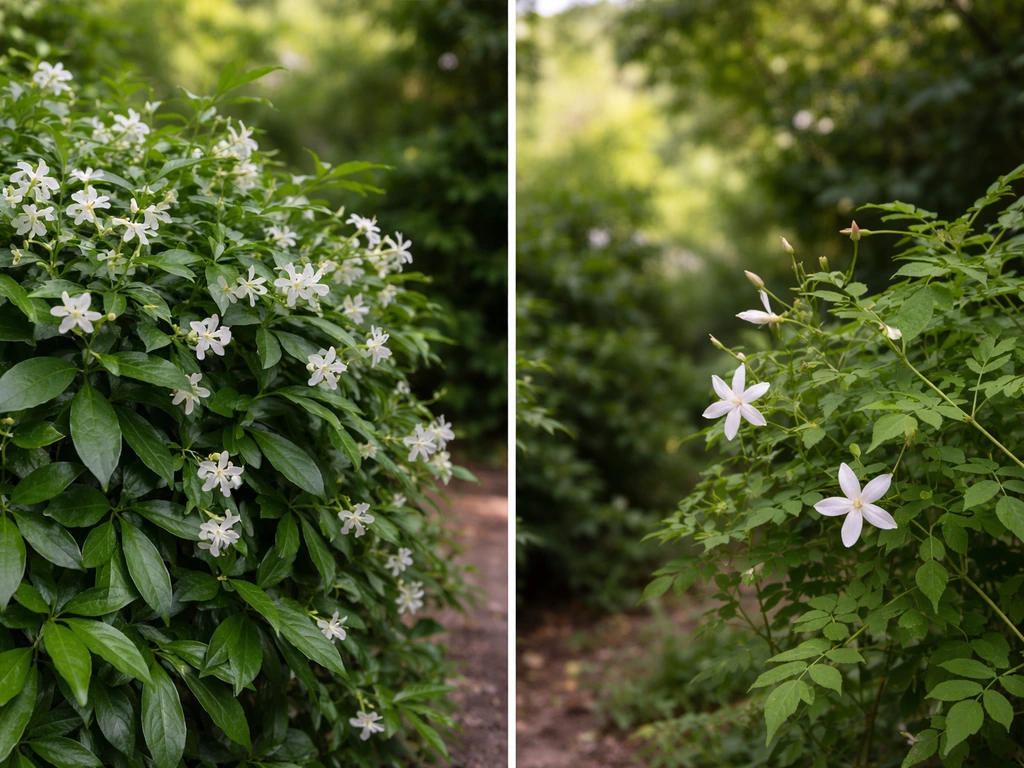
Most of the confusion around jasmine in Colorado starts here. When people search for "jasmine," they often have star jasmine in mind, the evergreen vine with white, pinwheel-shaped flowers and a strong sweet scent. But star jasmine isn't actually a true jasmine at all. It belongs to the genus Trachelospermum (specifically Trachelospermum jasminoides), while true jasmine belongs to the genus Jasminum. That's not just a botanical technicality. It directly affects cold hardiness, and cold hardiness is exactly what determines whether a plant survives a Colorado winter.
Star jasmine is generally rated for USDA Zones 7b through 10, with some sources pegging it closer to Zone 8 as the realistic cold limit. Zone 8 means average minimum winter temperatures around 10 to 15 degrees Fahrenheit. Most of Colorado doesn't get anywhere near that warm in winter, which means star jasmine is a non-starter for the majority of the state without serious protection. True jasmine species, especially winter jasmine (Jasminum nudiflorum), tell a very different story. Winter jasmine is hardy to around USDA Zone 6, and some sources rate it as Zone 6 through 9. That puts it within reach for meaningful chunks of Colorado, particularly the Front Range and lower-elevation areas.
Just for comparison, jasmine in California is a completely different conversation, where star jasmine thrives outdoors year-round across most of the state. Colorado gardeners shouldn't expect that experience.
Where does your Colorado zip code actually fall on the hardiness map?
Colorado spans a wide range of USDA hardiness zones, and this is where a lot of gardeners go wrong. They think of Colorado as one climate, but the state runs from Zone 3 in the highest mountain areas all the way up to Zone 7a in a few sheltered pockets in the southern part of the state. The Front Range, including Denver, sits mostly in Zones 5b to 6a depending on the specific neighborhood.
Colorado State University Extension confirms that most of the Front Range falls into Zone 5, with the Denver metro having some warmer pockets. Plantmaps puts Denver specifically at Zone 5b to 6a, meaning winter minimums between negative 15 and 0 degrees Fahrenheit, which is too cold for star jasmine outdoors without protection but workable for winter jasmine.
Pueblo and the southeastern plains tend to run a bit warmer, around Zone 6. Grand Junction and the Western Slope have some of the warmest zones in the state, potentially reaching Zone 7, which opens up more options. Meanwhile, mountain towns like Aspen, Breckenridge, or Steamboat Springs are solidly Zone 4 or colder, and outdoor jasmine of any type becomes very difficult. The only reliable way to know your exact zone is to look up your specific address on the official USDA Plant Hardiness Zone Map, because even within a single city, elevation changes, urban heat effects, and local geography can shift your zone by a full sub-band.
| Colorado Region | Approximate USDA Zone | Star Jasmine Outdoor? | Winter Jasmine Outdoor? |
|---|---|---|---|
| Denver metro / Front Range | 5b–6a | No (too cold) | Yes, with good siting |
| Pueblo / SE Plains | 6a–6b | No (borderline) | Yes |
| Grand Junction / Western Slope | 6b–7a | Marginal with protection | Yes |
| Mountain towns (Aspen, Breckenridge) | 3b–5a | No | Difficult to marginal |
| Southern valleys (sheltered spots) | 6b–7a | Marginal with protection | Yes |
Getting the placement right makes or breaks it in Colorado
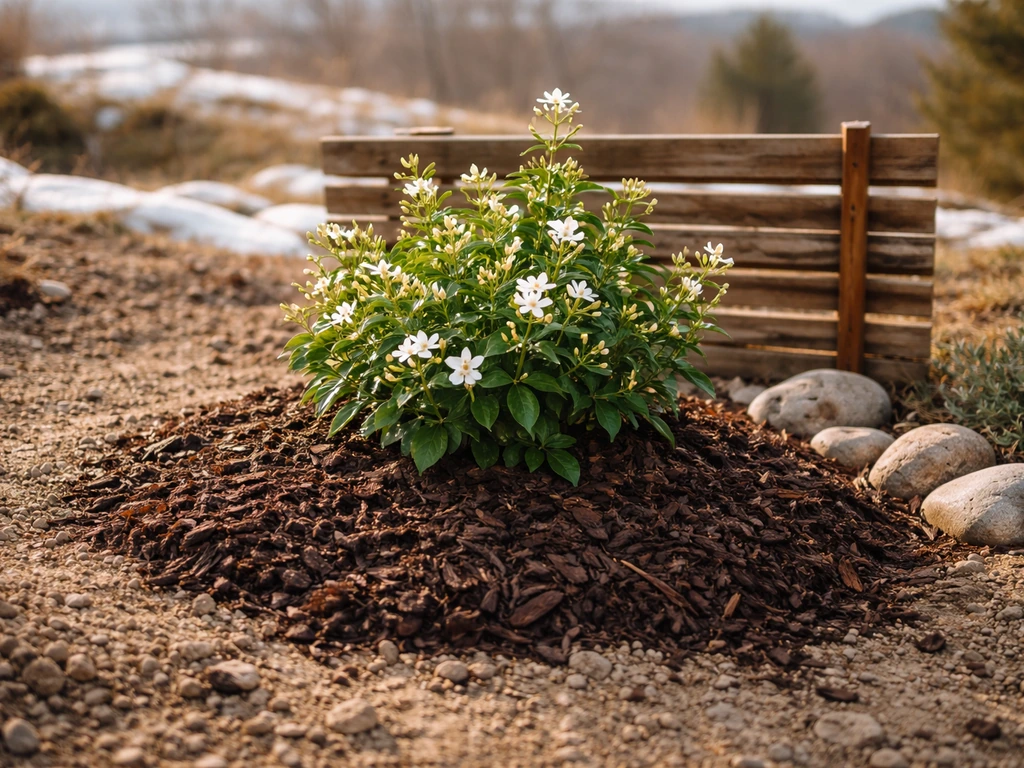
Even within your hardiness zone, placement is everything. Colorado winters combine cold temperatures with intense sun, dry air, and occasional dramatic temperature swings, all of which stress plants differently than the cold-and-damp winters you'd find further east or in the Pacific Northwest. For winter jasmine, full sun to light shade is the sweet spot. Oregon State University's plant database notes that shade reduces its flowering significantly, so if you're in Colorado and already fighting a shorter season, you really want to maximize sun exposure. South-facing walls and slopes are your best friend here. The wall absorbs heat during the day and radiates it at night, effectively bumping your microclimate up by a zone in some cases.
Soil drainage is non-negotiable. Colorado soils range from sandy to clay-heavy, and winter jasmine needs well-drained soil to prevent crown rot during freeze-thaw cycles. If your soil is compacted clay, amend it before planting or build up a slightly raised bed. Star jasmine, if you're attempting it in a warm western-slope location, shares the same requirement. Trachelospermum jasminoides is prone to fungal problems when kept in consistently damp conditions, so drainage matters doubly in situations where you might also be adding protective mulch over winter.
For anyone pushing star jasmine at the edge of its range in Colorado, the single most effective placement strategy is a bright south- or west-facing wall with reflected heat. Portland Nursery, which operates in a climate that also pushes star jasmine's limits, emphasizes putting it in the brightest spot possible and notes that winter performance is heavily tied to how much cold the plant is actually exposed to on site. This is exactly the right framework for thinking about it in Colorado too.
Soil, sun, and shelter: the short version
- Full sun is best for both winter jasmine and any attempt at star jasmine; south-facing walls are the prime spots
- Well-drained soil is essential; amend clay-heavy Colorado soils before planting
- Shelter from harsh north and west winds reduces winter damage significantly
- Avoid low-lying frost pockets where cold air settles overnight
- Urban and suburban locations in the Denver metro benefit from the heat-island effect, which can make a real difference
What to actually expect year to year
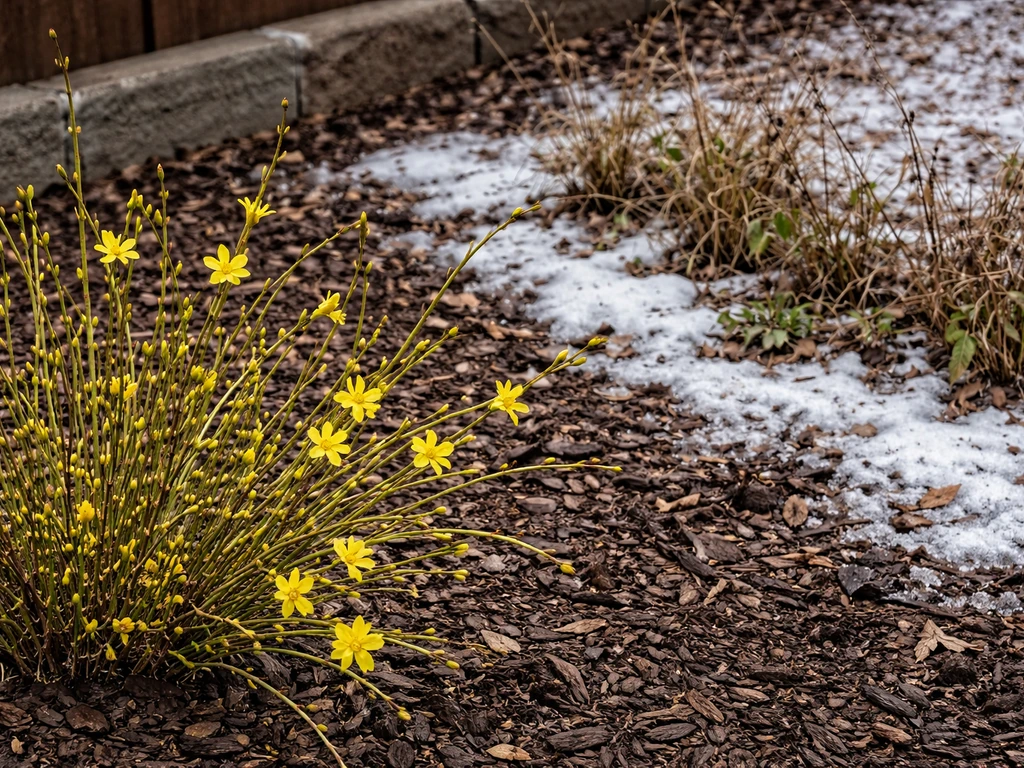
If you plant winter jasmine (Jasminum nudiflorum) in a well-sited Front Range or Western Slope garden, you should get a plant that comes back reliably each year. It's a deciduous shrub that blooms in late winter, sometimes as early as February or March in warmer Colorado years, with bright yellow flowers appearing on bare green stems before the leaves emerge. That early bloom is one of its best features because almost nothing else is flowering in Colorado in February. It's not showy in summer the way star jasmine is, and it isn't fragrant, which disappoints some gardeners who expected the full jasmine experience. But it's honest, cold-hardy, and genuinely adapted to the kind of winters Colorado dishes out.
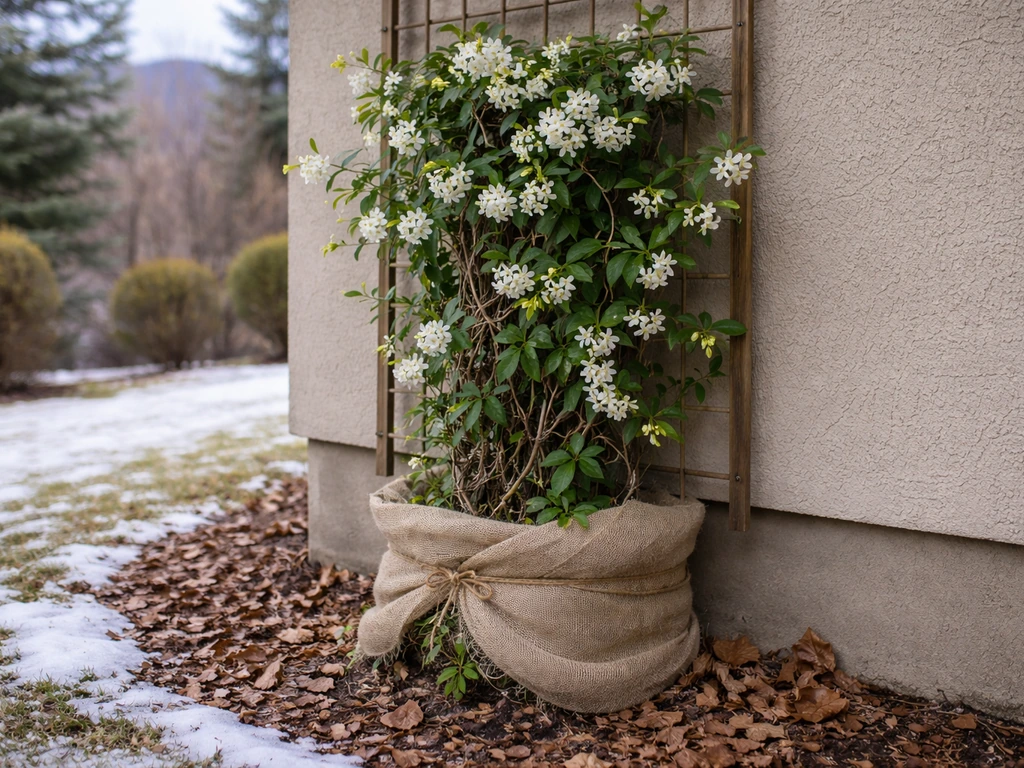
For star jasmine attempted in a favorable Grand Junction microclimate or a very sheltered Denver spot, expect variability. In mild winters it may come through fine. In a hard winter with temperatures dropping below zero, you'll likely see significant leaf damage or dieback to the crown. Some gardeners have success treating it as a semi-protected plant, using frost cloth or burlap on the coldest nights, adding a thick layer of mulch around the root zone in fall, and accepting that some years it takes a hit. It can recover from root-crown dieback if the roots survive, but this is high-maintenance gardening, not carefree landscaping.
For comparison, gardeners in neighboring states with warmer baselines have much more flexibility. Jasmine in Arizona and jasmine in Las Vegas grow star jasmine outdoors without any of these winter-protection headaches. Colorado sits in a colder tier where you're working against the plant's natural limits rather than with them.
If you're in a higher-elevation area and winter jasmine also feels uncertain, it's worth looking at what's happening in neighboring cold-climate states for comparison. Jasmine in Idaho and jasmine in Utah face similar cold-snap challenges, and the strategies that work there, especially wall placement and winter mulching, apply directly to Colorado mountain towns.
How to choose varieties and confirm suitability before you buy
Before you walk out of a nursery with a jasmine plant, do these three things. First, identify exactly what you're buying. The plant tag should say either Jasminum nudiflorum (winter jasmine) or Trachelospermum jasminoides (star jasmine). If it just says "jasmine" with no species name, ask the nursery staff. Don't buy based on common name alone because the difference in cold hardiness between these two plants is the difference between a Colorado success story and a dead plant by March.
Second, look up your specific USDA hardiness zone using your address on the official USDA map, not a generalized state-wide chart. A neighborhood in downtown Denver with urban heat retention can be a full sub-zone warmer than a suburban neighborhood just a few miles away at slightly higher elevation. That sub-zone difference can determine whether a borderline plant makes it through winter.
Some gardeners in warmer Colorado spots have also had success with the cultivar 'Madison,' a variety of Trachelospermum jasminoides that some growers claim shows improved cold tolerance, though it's still pushing the zone limits in most of Colorado. Some Growers Outlet product documentation for Trachelospermum jasminoides ‘Madison’ lists hardiness in USDA zones 7, 9, which helps contextualize claims about improved cold tolerance ‘Madison,’ a variety of Trachelospermum jasminoides.
Third, talk to local Colorado nurseries and extension resources, not just general gardening sites. Colorado State University Extension and local Master Gardener programs can tell you what's actually been observed to succeed in your county. What works reliably in Lakewood is not necessarily what works in Fort Collins or Colorado Springs, even though all three are on the Front Range. Online resources like the Missouri Botanical Garden Plant Finder are also useful for double-checking hardiness ratings and taxonomy before you commit to a purchase.
Gardeners curious about how jasmine performs across the broader mountain west and Pacific coast might also find it useful to look at whether jasmine grows in Washington State or how it does in Hawaii, where climate conditions differ dramatically and illustrate just how wide the range of jasmine compatibility really is across the country.
- Confirm the species name on the plant tag: Jasminum nudiflorum for cold hardiness, Trachelospermum jasminoides for star jasmine
- Look up your exact USDA hardiness zone by address at the official USDA Plant Hardiness Zone Map
- Choose a south-facing, wind-sheltered location with well-drained soil before you plant
- If attempting star jasmine in Zone 6b–7a areas, plan for frost cloth, mulching, and the possibility of dieback in harsh winters
- Check with your local Colorado State University Extension office or Master Gardener program for what's actually thriving in your county
- Use the Missouri Botanical Garden Plant Finder to verify hardiness ratings and confirm taxonomy before purchasing
The bottom line for Colorado: winter jasmine is genuinely worth trying if you're in Zone 6 or warmer and you give it a sunny, sheltered spot. Star jasmine is a long shot for most of the state and a high-maintenance gamble even in the warmest pockets. Know which plant you're buying, know your zone, and place it right. That's how you make jasmine work in Colorado.
FAQ
Can I grow jasmine in Colorado with minimal winter protection?
Yes, but only winter jasmine is the practical choice for most of Colorado. Star jasmine can die back badly in hard winters even when it survives, and it often needs a protected microclimate plus extra insulation at the crown. If you want “plant it and forget it,” pick Jasminum nudiflorum, then prioritize sun, fast-draining soil, and a sheltered location.
When is the best time to plant jasmine in Colorado?
Planting too late increases winter risk. In Colorado, aim to plant in spring or early fall so roots establish before the first hard freeze. If you plant in late fall, treat the crown as vulnerable, and give extra mulch and wind protection immediately after planting to reduce freeze-thaw stress.
How do I make sure I’m buying the right jasmine for my Colorado garden?
Start by checking the tag for the species name, Jasminum nudiflorum (winter jasmine) or Trachelospermum jasminoides (star jasmine). If the label only says “jasmine,” ask the nursery to confirm the Latin name, and look for whether the plant is a vine (common for star jasmine) or a deciduous shrub with bare stems in winter (common for winter jasmine).
What watering mistake most often kills jasmine in Colorado?
Colorado gardeners often overwater after planting or keep the root zone damp through winter. Winter jasmine is more forgiving than star jasmine, but both hate soggy conditions. Water deeply to settle the soil, then let the soil dry out before watering again, and ensure the site drains well to avoid crown rot.
When should I prune winter jasmine versus star jasmine in Colorado?
Pruning schedules differ. Winter jasmine blooms on older wood, so avoid heavy pruning right before winter or right after the earliest blooms. For star jasmine, light pruning can shape it, but remove dead or damaged growth in spring once you can see what survived. When in doubt, do spring cleanup only after worst cold has passed.
My jasmine didn’t bloom this winter, what could be wrong?
If it’s winter jasmine and it doesn’t bloom, the usual causes are too much shade, winter dieback to the crown, or flower buds being injured by cold snaps. Confirm it gets several hours of direct sun, check whether the plant regrew from the base, and note that winter jasmine’s bloom timing can shift later if winter temperatures run colder than average.
Is it normal for jasmine to look dead or leafless in Colorado?
For winter jasmine, expect yellow flowers on bare stems in late winter, then leaves later. A “no leaves” appearance right after planting can be normal, but by spring you should see growth from the base. If there’s no new growth by late spring, gently check crown firmness, and consider replanting instead of waiting another season.
How should I mulch jasmine for Colorado winters?
For winter jasmine, mulch is helpful for crown temperature buffering, but don’t pile mulch directly against the crown in a way that stays wet. Apply a moderate layer after the ground starts to cool, keep it pulled back slightly from stems, and remove excess wet mulch in spring so the crown can dry.
Does frost cloth or burlap help star jasmine in Colorado, and what’s the catch?
Yes, but only if you can keep the crown insulated without trapping water. In Colorado, protection works best with three pieces: a bright sheltered placement (often south or west), breathable fabric on the coldest nights, and dry soil drainage so the plant does not sit in moisture. If you wrap a plant in damp conditions, you can increase fungal and rot risk.
If my jasmine is struggling, what should I check first?
The quickest troubleshooting step is to identify which plant you actually have (Jasminum nudiflorum vs Trachelospermum jasminoides). Then look at two things: whether the crown survived (spring regrowth from the base) and whether the plant is in fast-draining soil (no standing water, no heavy compaction). Most “jasmine failures” in Colorado trace back to misidentification or poor drainage.