Quick answer: can jasmine grow in Arizona?
Yes, jasmine can absolutely grow in Arizona, and in many parts of the state it thrives. The key is picking the right species for your specific zone and giving it a little help through the harshest stretches of summer and, in northern areas, winter. Most of the Phoenix metro, Tucson, and the low desert valleys sit in USDA Zones 9b to 11, which is prime territory for star jasmine (Trachelospermum jasminoides) and similar heat-tolerant types. Gardeners up in Flagstaff or Prescott, where winters regularly dip below freezing, have a harder road and need to be more deliberate about variety selection and microclimate placement.
The confusion most people run into is that 'jasmine' covers a wide range of plants. True jasmines in the genus Jasminum, like pink jasmine (Jasminum polyanthum), are hardy to around Zone 8 and can handle mild freezes briefly, but they struggle in Arizona's brutal summer heat without shade protection. Arabian jasmine (Jasminum sambac) is the other common one, but it's really a Zone 10 to 12 tropical plant, so it's best suited for the very warmest pockets of the state around Yuma or the Phoenix area. For most Arizona gardeners, star jasmine is the go-to recommendation because it balances heat tolerance, cold hardiness (down to about Zone 8), and reliable flowering.
Star jasmine in Arizona: will it survive and bloom?
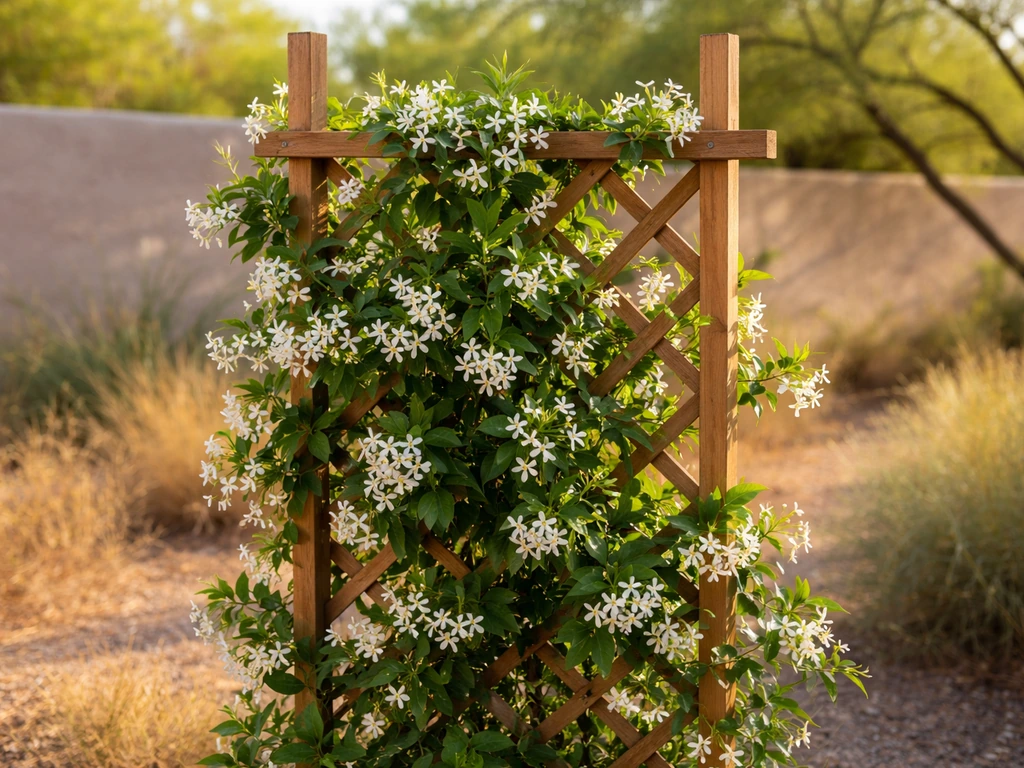
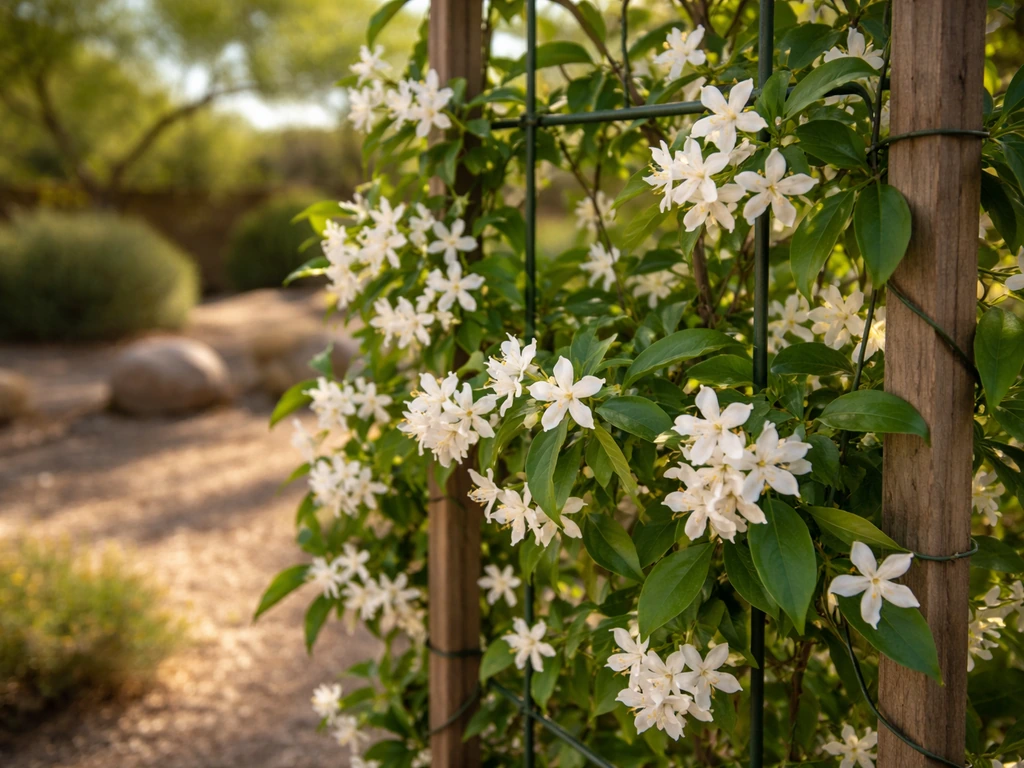
Star jasmine is the workhorse jasmine for Arizona landscapes. It's technically not a true jasmine at all (it belongs to genus Trachelospermum, not Jasminum), but it delivers the same fragrant white flowers and evergreen coverage most people are after. In the low desert, from Yuma to Tempe to Tucson, star jasmine survives Arizona summers reliably as long as you give it afternoon shade. It will bloom in spring, typically from late February through May, sometimes pushing a second lighter flush in fall when temperatures drop back into a comfortable range.
The honest limitation is summer. When Phoenix temperatures are regularly hitting 110°F or above, star jasmine goes dormant-ish. The leaves can yellow or scorch on the sun-exposed edges, especially if the plant is getting full western sun on a reflective block wall. That's not death, that's the plant protecting itself. Come September and October, you'll see new growth push back and the plant perk up noticeably. If you've seen a neighbor's star jasmine look rough in August, don't count it out, it almost certainly came back fine.
In central and northern Arizona, star jasmine still works in Zones 8 and 9 but winter becomes the bigger concern. The University of Florida IFAS also notes that Trachelospermum jasminoides is hardy in USDA zones 7B through 10. In Prescott, Sedona, or the White Mountains, plant it in a sheltered spot and expect it to look rough after a hard frost. It typically recovers in spring. I've seen star jasmine planted against a south-facing stucco wall in Prescott survive winters fine that would have wiped out the same plant in an exposed yard just a few blocks away. Microclimate matters enormously up there.
Match the plant to your exact Arizona zone and microclimate
Arizona spans USDA Zones 4b (high elevations near the Grand Canyon rim) through Zone 11a (Yuma and the far southwest corner). That's a massive range, and jasmine performance shifts dramatically across that span. Here's a quick breakdown of what works where:
| Arizona Region | Typical USDA Zone | Best Jasmine Choice | Main Challenge |
|---|
| Phoenix / Scottsdale metro | 9b–10b | Star jasmine, Arabian jasmine | Summer heat and sun exposure |
| Tucson | 9a–9b | Star jasmine, pink jasmine (sheltered) | Summer heat, occasional frost |
| Yuma | 10b–11a | Arabian jasmine, star jasmine | Extreme summer heat |
| Sedona / Verde Valley | 8b–9a | Star jasmine (protected spot) | Winter frost, temperature swings |
| Prescott / high desert | 7b–8a | Star jasmine (south-facing wall only) | Hard winter freezes |
| Flagstaff / White Mountains | 5b–7a | Not recommended outdoors | Repeated hard freezes kill roots |
The microclimate piece is what trips people up. Your zone is an average, but your yard has its own mini-climate. A south or west-facing block wall in Prescott can bump your effective zone up by a full zone, easily making star jasmine survivable. On the other hand, a low-lying frost pocket in Tucson can make a Zone 9 location behave like a Zone 8 on cold nights. Before buying anything, walk your yard in the morning after the first frost and see where ice settles. Avoid planting jasmine in those spots.
If you're comparing notes with gardeners in neighboring states, the math is similar but the specifics shift. Jasmine growing conditions in Utah are actually much harsher than most of Arizona, which is a useful comparison point if you've gardened there before and are now trying to figure out what's possible here.
How to grow jasmine in Arizona: site, soil, and planting setup
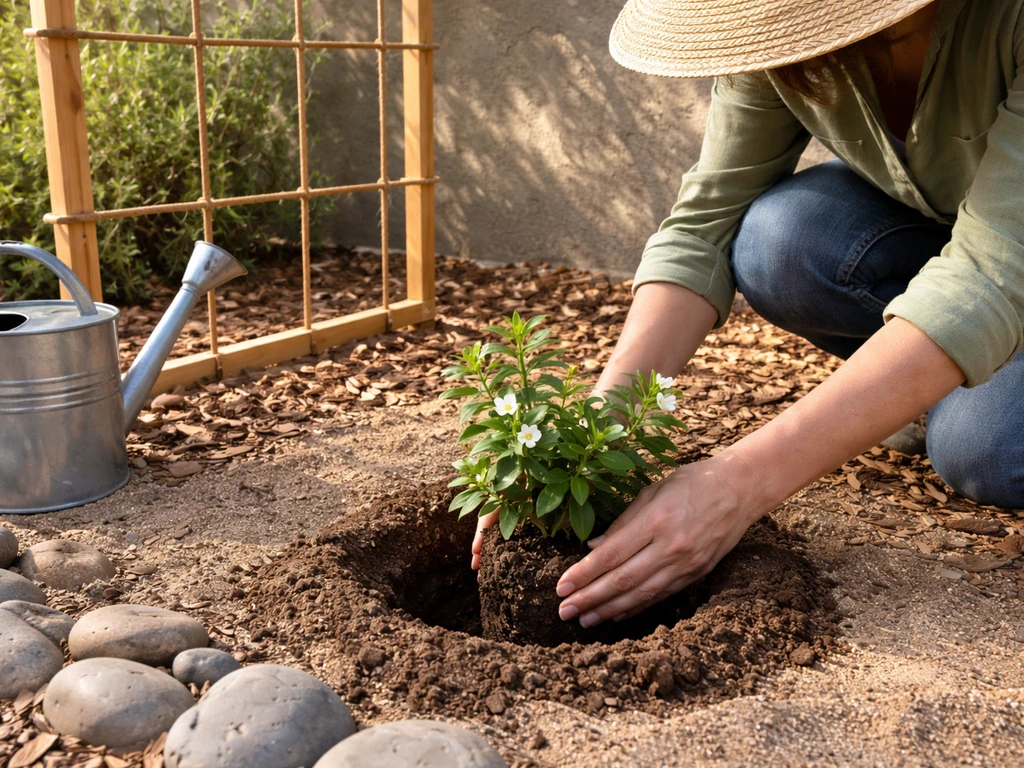
Choosing your site
In the low desert (Phoenix, Tucson, Yuma), aim for a spot that gets morning sun and afternoon shade. Eastern and northeastern exposures work well. Full southern exposure on a wall is manageable for star jasmine, but watch for leaf scorch in July and August. Avoid full western exposure unless you have deep overhangs or shade cloth coverage during summer. In central and northern Arizona, flip the priority: go for as much sun as possible, ideally a south-facing wall that radiates warmth at night.
Soil and containers
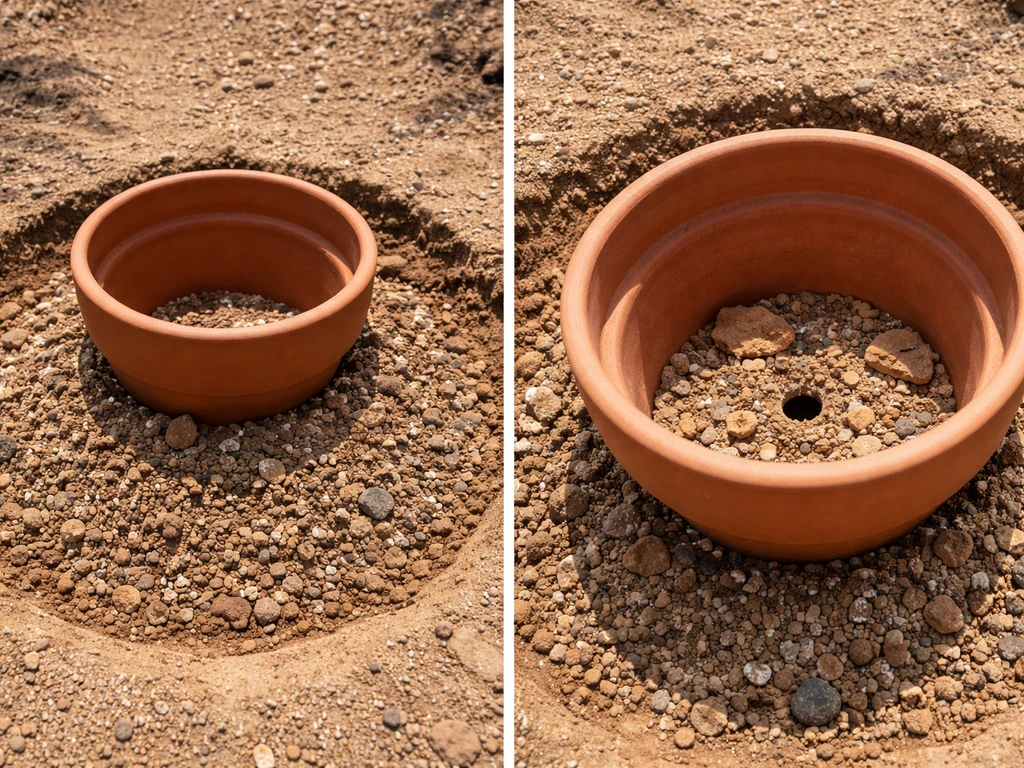
Arizona soils are often alkaline, compacted, and rocky, which jasmine can tolerate reasonably well as long as drainage is good. Star jasmine is not a fan of wet feet. Desert-Tropicals recommends blank" rel="noopener noreferrer">regular watering and a moist, well-drained soil for Trachelospermum jasminoides, which helps explain why pairing irrigation with good drainage matters in hot Arizona conditions. If your native soil is heavy clay or caliche-layered (that hard white calcium carbonate layer common across Arizona), amend your planting hole with compost and coarse sand, or build a raised bed. Aim for a soil pH between 6.0 and 7.5. If you're planting in a container, use a fast-draining potting mix and a pot with drainage holes. Containers actually work well in Arizona because you can move the plant to shade during the worst heat and give it a more protected winter spot if you're in a colder zone.
Best time to plant
In the low desert, plant jasmine in early to mid-spring (February through March) so the roots can establish before summer heat kicks in. Fall planting (October through November) also works well and gives the plant a long, mild establishment window before summer. Avoid planting during June, July, or August. You'll be fighting the heat every step of the way, and new transplants rarely establish well under triple-digit stress. In higher elevation zones, plant after the last frost in spring, typically April or May.
Watering, heat stress, and winter protection strategies
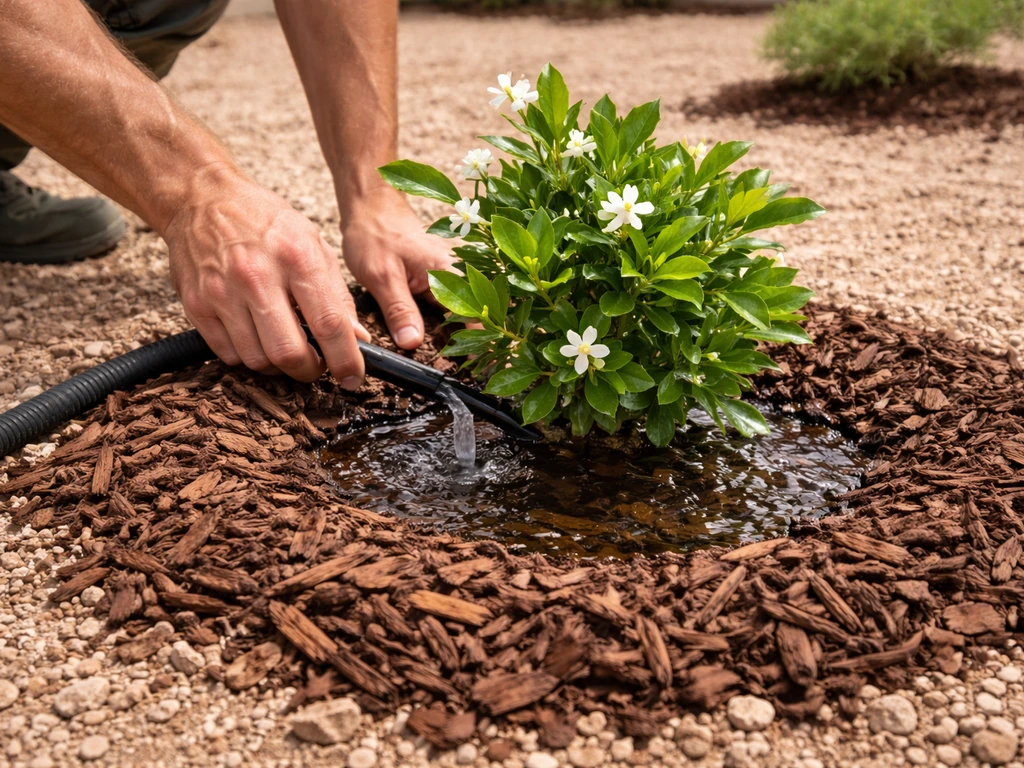
Watering is where most Arizona jasmine attempts either succeed or fail. During the first summer after planting, water deeply two to three times per week. Deep means letting water soak 12 to 18 inches down, not a quick surface spray. Once established (usually after the first full year), star jasmine is fairly drought-tolerant but not desert-proof. In Phoenix-area summers, plan on watering established plants once or twice a week. In Tucson, where summers bring monsoon moisture starting in late June, you can often back off supplemental watering during July and August and let the rains carry some of the load.
Heat stress management comes down to mulch and shade. A 3 to 4 inch layer of organic mulch around the base of the plant keeps soil temperatures dramatically lower and reduces moisture loss. This one step makes a noticeable difference in how well jasmine holds up in August. If you're in a very hot low-desert location and you notice leaves crisping on the edges, a shade cloth (30 to 50 percent) strung on the west side of the plant during June through September can be the difference between a thriving plant and a struggling one.
For winter protection in Zones 8 and cooler, a few simple steps go a long way. Wrap the base of the plant with burlap or pile dry mulch over the root zone before the first hard freeze. If a hard frost is forecast, throw a frost blanket over the entire plant overnight and remove it in the morning. Avoid overhead watering the night before a freeze. Container plants in these zones should be moved to a garage or sheltered patio when temperatures are expected below 28°F for more than a few hours.
Care to get flowering: sunlight, pruning, and troubleshooting
Getting your jasmine to actually bloom
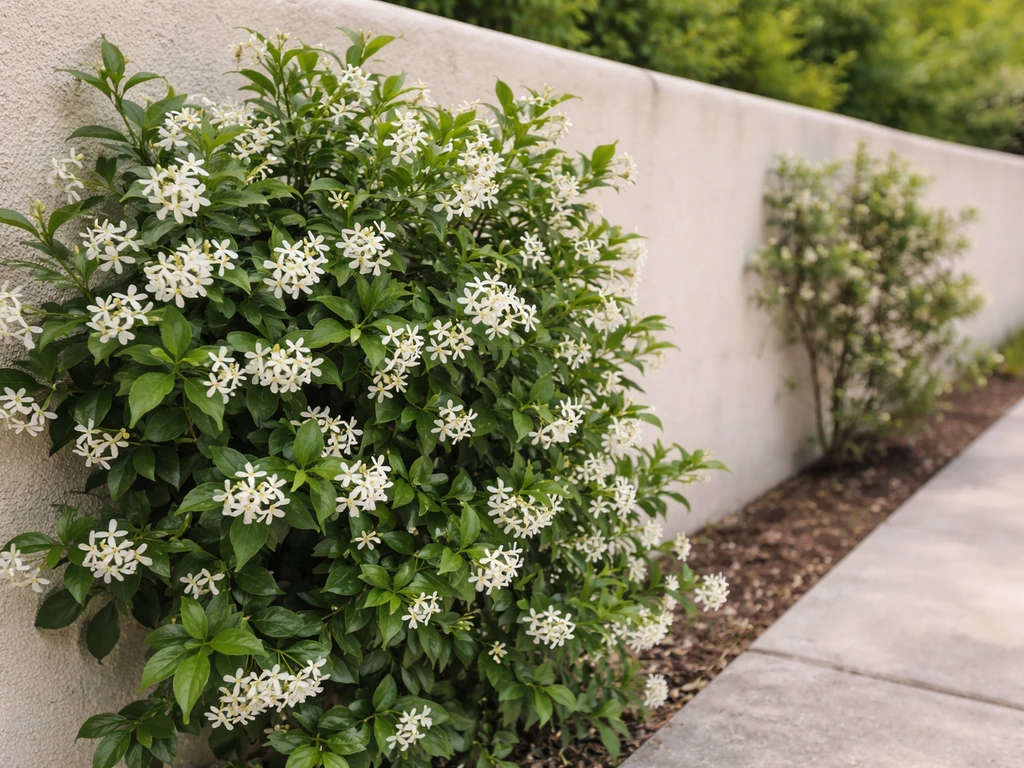
The most common complaint I hear from Arizona gardeners is 'my jasmine won't flower.' In almost every case, the cause is one of three things: too much shade, over-fertilizing with nitrogen, or planting too recently. Jasmine needs at least 4 to 6 hours of direct sun to bloom reliably, even in the low desert. If your plant is buried in heavy shade, expect foliage but not flowers. Heavy nitrogen fertilizer pushes leafy growth at the expense of blooms. Use a balanced or low-nitrogen fertilizer in late winter or early spring, and skip feeding altogether in summer. And if you just planted, be patient. Star jasmine typically takes a full growing season or two to settle in before it really performs.
Pruning basics
Prune star jasmine right after the spring bloom ends, usually by late May or early June in the low desert. This timing lets you shape the plant without cutting off next year's flower buds, which set in late summer and fall. Light pruning to shape and control spread is fine any time. Avoid heavy pruning in fall or winter in colder zones since that fresh cut growth is vulnerable to frost damage.
Common problems and fixes
- Yellowing leaves in summer: usually normal heat stress, especially on western exposures. Add mulch and check that watering is deep enough.
- Leaf scorch (brown edges): too much direct afternoon sun or reflected heat from walls. Add shade cloth or relocate if possible.
- No flowers: not enough direct sun, too much nitrogen fertilizer, or plant is too young. Adjust accordingly.
- Root rot: overwatering combined with poor drainage. Let soil dry between waterings and improve drainage.
- Frost damage (in northern zones): cut back damaged growth in early spring once new growth appears. Don't prune too early or you may remove viable buds.
It's worth knowing that jasmine's performance in Arizona's climate is in a different league than what gardeners experience in states with cold, wet winters. For context, growing jasmine in Colorado is a much harder proposition because of the combination of bitter winters and high-altitude cold, whereas Arizona's challenge is almost entirely the opposite: managing heat and sun. Understanding that distinction helps you focus your energy on the right problems.
How Arizona compares to nearby states for growing jasmine
Arizona is actually one of the better southwestern states for jasmine, especially compared to its neighbors. Nevada presents similar low-desert opportunities, and jasmine in Las Vegas faces many of the same heat-stress challenges you'll manage in Phoenix, though Las Vegas winters can be a bit colder. California's coastal zones are arguably the easiest environment in the region for jasmine, and jasmine in California benefits from milder, more consistent temperatures year-round. Further north, the picture changes fast: jasmine in Washington state is limited to specific mild coastal pockets, and jasmine in Idaho is even more restricted. For warm-climate comparison, jasmine in Hawaii thrives with almost no intervention, which shows just how much climate shapes outcomes with this plant.
Your Arizona jasmine planting checklist
Before you head to the nursery, run through these practical checkpoints to make sure you're set up for success:
- Confirm your USDA zone: check the USDA Plant Hardiness Zone Map for your specific zip code, not just your general region.
- Choose star jasmine for most Arizona locations (Zones 8 to 11). Only consider Arabian jasmine if you're in Zone 10 or warmer with reliable winters.
- Pick a site with morning sun and afternoon shade in the low desert, or a south-facing protected wall in Zones 8 and below.
- Test your soil drainage before planting: dig a hole 12 inches deep, fill with water, and see if it drains within an hour. If not, amend heavily or go with a raised bed.
- Plant in February through March or October through November for best establishment success.
- Apply 3 to 4 inches of organic mulch at planting time and refresh it each spring.
- Set up a drip irrigation system if possible, targeting deep, infrequent watering rather than frequent shallow sprinkles.
- Have frost cloth on hand if you're in Zone 8 or 9 and a hard freeze is possible in winter.
- Fertilize once in late winter with a balanced fertilizer, low in nitrogen, and skip summer feeding entirely.
- Be patient: expect the first full flowering display in year two or three, not immediately after planting.