
Yes, jasmine can grow in Las Vegas, but which jasmine matters enormously. If you are wondering does jasmine grow in Idaho, the short answer is that it depends heavily on the variety and your local winter lows. Star jasmine and winter jasmine are your two realistic picks for the desert. Common jasmine (Jasminum officinale) is a tougher sell because Las Vegas summers are simply too brutal and the air too dry for it to thrive consistently.
Does Jasmine Grow in Las Vegas? What to Plant and Expect
Marcus Hartwell
4 May 2026
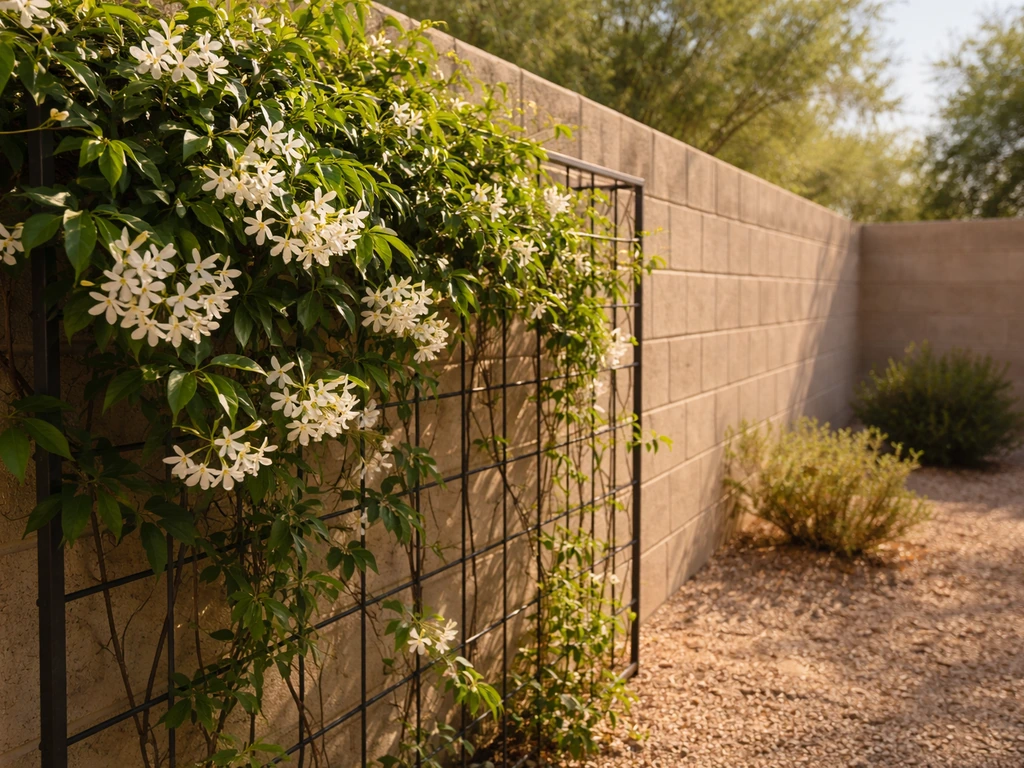
If you buy the right type, plant it in the right spot, and give it a bit of extra water through summer, you can absolutely have a fragrant, blooming jasmine in your Las Vegas yard. That same question comes up for gardeners across California, but the best jasmine choice depends heavily on your local temperatures and humidity does jasmine grow in california.
Which jasmine types actually work in Las Vegas
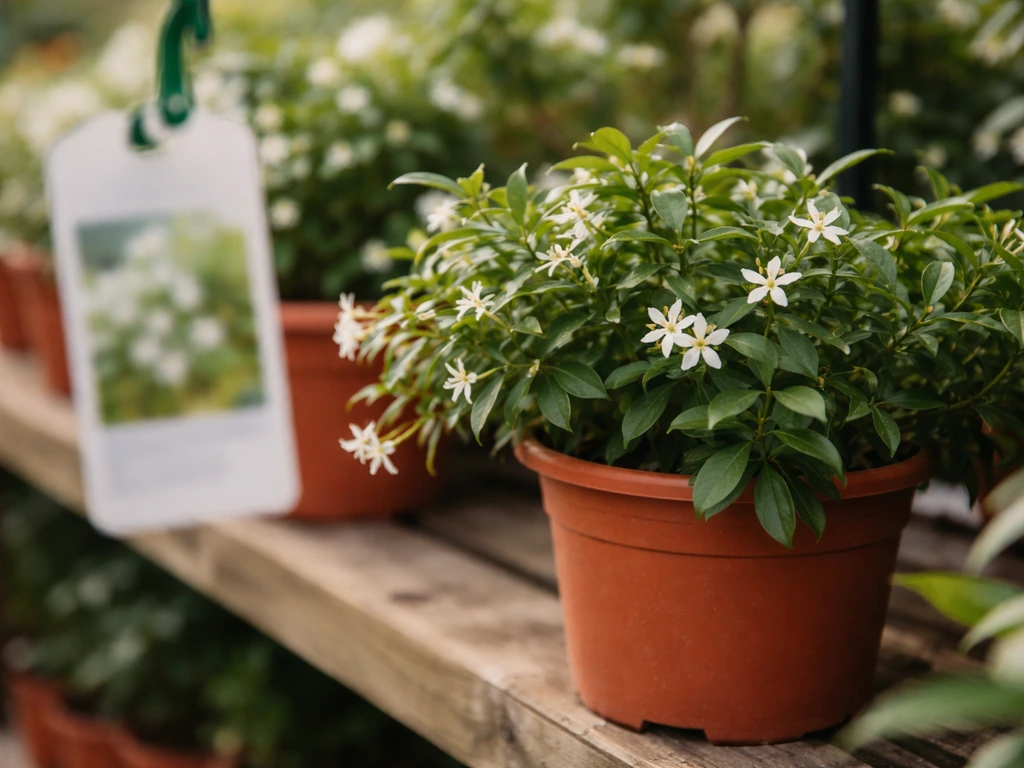
Not all jasmine is the same plant. The name gets applied loosely at garden centers, so it is worth knowing exactly what you are buying before you bring it home.
Star jasmine (Trachelospermum jasminoides)
Star jasmine is the most realistic choice for Las Vegas. Clark County's own Water Smart Plant List includes it by name, which is about as close to an official local endorsement as you can get. It is technically not a true jasmine but it smells just as good, spreads readily as a vine or ground cover, and handles desert heat far better than its relatives. It is rated for USDA hardiness zones 8 through 10, which covers most of the Las Vegas Valley. It will need afternoon shade protection in the hottest microclimates and consistent irrigation, but it is a proven performer here.
Winter jasmine (Jasminum nudiflorum)
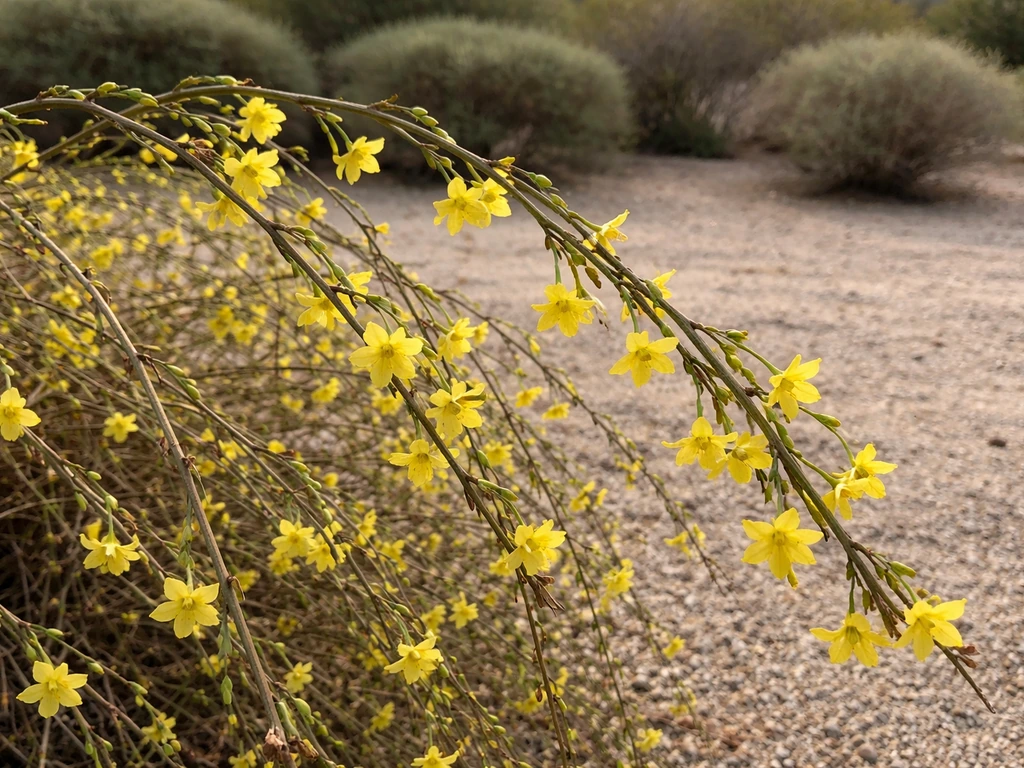
Winter jasmine is the other variety Clark County's Water Smart list approves as a vine for regional landscaping. Unlike star jasmine, blank" rel="noopener noreferrer">it blooms in late winter and early spring with bright yellow flowers before the heat arrives, which makes it a nice surprise in January and February when almost nothing else is flowering. It handles cold snaps well and is less stressed by Las Vegas winters than most other jasmine types. Summer heat can knock it back, but it recovers. It is not fragrant like star jasmine, so if scent is the whole point for you, go with star jasmine instead.
Common jasmine (Jasminum officinale) and other tropical types
Common jasmine and tropical varieties like Jasminum sambac (Arabian jasmine) are the ones that struggle most in Las Vegas. Common jasmine prefers cooler summers and more humidity than the Mojave Desert ever offers. Arabian jasmine is even less cold-tolerant, which becomes a problem during those occasional hard freezes Las Vegas does get in December and January.
You can try them in containers that you move indoors during summer heat spikes or winter cold snaps, but as permanent landscape plants in the ground, the odds are against you. Compare that to how jasmine performs in a place like Hawaii, where Arabian jasmine thrives year-round with no cold risk at all. Jasmine can grow in Hawaii, but the best choice depends on whether you mean tropical jasmine or hardy varieties a place like Hawaii.
Las Vegas is simply a different climate challenge.
The Las Vegas climate reality for jasmine
Las Vegas sits in a complicated climate pocket. Most of the Las Vegas Valley is USDA Zone 9b to 10a, but Clark County as a whole covers zones all the way down to 5b in the surrounding mountain areas, and even within the city there are cooler pockets that can dip a zone or two lower. That means your specific neighborhood matters. North Las Vegas, Henderson, and Summerlin can all behave slightly differently in a freeze.
The bigger challenge is not the zone number, though. It is the combination of extreme summer heat (regularly 110°F and above), extremely low humidity (often below 15% in summer), and intense UV radiation. Jasmine that tolerates the temperature can still get scorched by reflected heat off walls and pavement, or simply dry out faster than its roots can absorb water. Then, winter brings the opposite problem: cold snaps that can push temps into the mid-20s°F, which will damage or kill less cold-hardy varieties. Star and winter jasmine are the types that handle both extremes with enough margin to actually survive long-term.
Where to plant jasmine in your Las Vegas yard
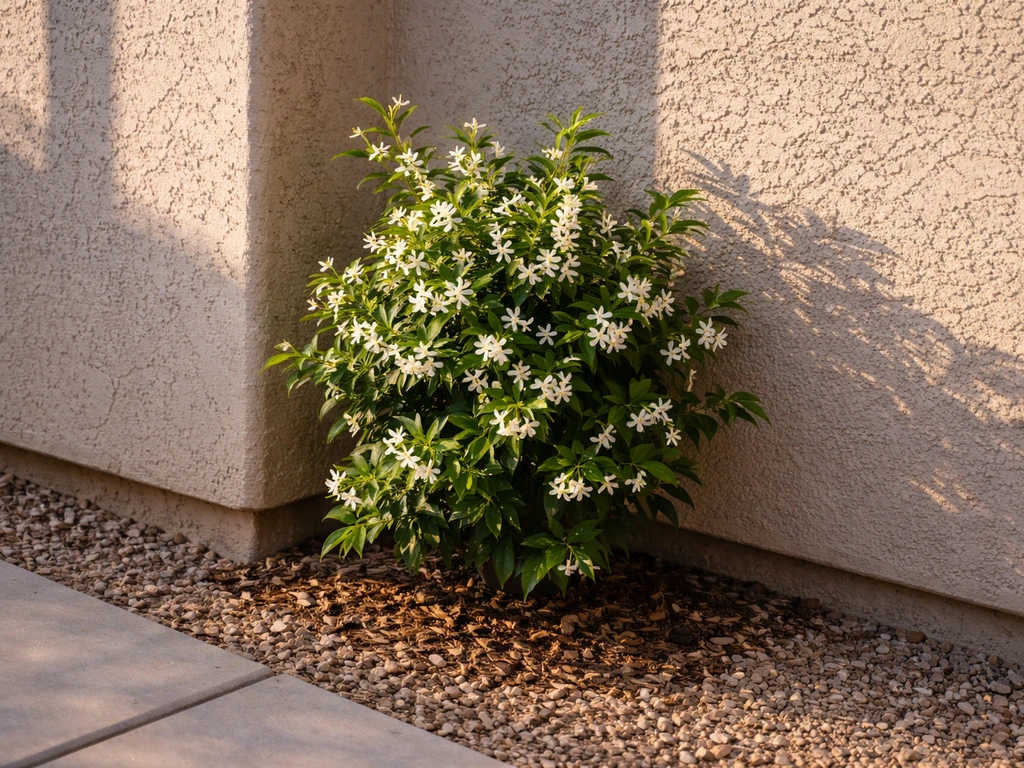
Placement is everything in the desert. The same plant can thrive or die based on where you put it, and jasmine is not forgiving of bad spots.
- Morning sun, afternoon shade: This is the sweet spot for star jasmine in Las Vegas. East-facing walls and fences give it the light it needs without the brutal 2pm to 6pm sun that can scorch leaves and dry roots instantly.
- Wind protection: Las Vegas gets gusty winds that pull moisture out of leaves rapidly. Plant jasmine near a wall, fence, or larger shrubs that buffer the wind rather than out in an open exposed bed.
- Avoid south and west-facing walls: These surfaces absorb and radiate heat all afternoon. That reflected heat is often the real killer, even for heat-tolerant varieties.
- North-facing spots with filtered light can work for winter jasmine, which is more tolerant of lower light and cold exposure.
- In-ground planting works for star jasmine in protected, well-amended spots with drip irrigation. Amend heavy caliche soils with compost before planting to improve drainage.
- Container planting is the safer route for common jasmine or any variety you are not sure about. You can move containers to shelter during the worst heat waves or unexpected hard freezes, which gives you a lot more control.
If you are near a pool or have a courtyard with partial shade and some humidity bounce, that microclimate can make a real difference. Jasmine planted near a water feature or a regularly irrigated lawn area will generally do better than jasmine in a dry, exposed desert bed.
What to expect through the seasons
| Season | Star Jasmine | Winter Jasmine |
|---|---|---|
| Spring (Mar–May) | Peak bloom period, white fragrant flowers, vigorous growth | Bloom already fading, green stems filling out |
| Summer (Jun–Sep) | Stress period, keep well-watered, may pause flowering, protect from afternoon sun | Mostly dormant or slow-growing, handle heat reasonably well |
| Fall (Oct–Nov) | Possible secondary flush of blooms, growth resumes | Stems green but no blooms yet |
| Winter (Dec–Feb) | Semi-evergreen, may lose some leaves in hard frost, protect below 10°F | Peak bloom, bright yellow flowers on bare stems, very cold-hardy |
Star jasmine in Las Vegas is a spring showstopper. It tends to bloom heavily from March through May, when temperatures are warm but not yet extreme. The fragrance during peak bloom is strong and carries well in the evening. Once summer heat locks in, it shifts to survival mode and you may see very little new growth. Keep it on drip irrigation through summer (deep watering two to three times per week is a reasonable baseline) and it will come back strong in fall. Winter jasmine flips the calendar entirely: you get bright yellow flowers in the coldest months, which is genuinely exciting in a desert landscape that looks pretty dead in January.
Maintenance in Las Vegas is mostly about water management and light pruning. Star jasmine spreads aggressively if given a structure to climb, so plan to trim it back once or twice a year to keep it from overwhelming its space. Winter jasmine can get rangy and benefits from a hard cutback after flowering in late February or March.
How to choose a variety and confirm it before you buy
The single best thing you can do before buying jasmine in Las Vegas is contact the University of Nevada Cooperative Extension Master Gardeners of Clark County. They run a local help line specifically for home gardeners in the Las Vegas area, and they can tell you exactly which varieties are performing well right now in your specific part of the valley. If you are wondering can jasmine grow in Washington state, you can use the same approach and ask a local extension Master Gardener program in Washington for variety and timing advice. They base their advice on research and real Nevada growing conditions, not generic national gardening guidelines.
Beyond that, here is a practical checklist before you make a purchase:
- Identify your specific USDA hardiness zone using the USDA Plant Hardiness Zone Map with your zip code. Most of Las Vegas proper is Zone 9b or 10a, but check your address specifically.
- Decide between star jasmine (fragrant, spring-blooming, needs afternoon shade) or winter jasmine (yellow flowers in winter, no fragrance, more cold-hardy) based on what matters most to you.
- Visit a local Las Vegas nursery rather than a big-box store. Local independent nurseries stock varieties proven for the Mojave climate and staff who know what survives here.
- Look for plants labeled for Zone 9 or higher if you want an in-ground, low-risk planting. Zone 8 plants can work in protected spots but carry more risk.
- Ask the nursery staff which jasmine types they see customers succeed with year after year, not just which ones look good in the store.
- If you are uncertain or want to experiment with a less proven variety, start in a container for the first season so you can adjust placement before committing to a permanent spot.
Las Vegas is a challenging climate for most plants, but it rewards gardeners who do their homework. Star jasmine and winter jasmine are genuinely viable here and both appear on Clark County's own recommended plant list. The key is matching the right variety to the right microclimate in your specific yard. Get that part right, and you can have a fragrant, beautiful jasmine that earns its place in your desert landscape.
If you are exploring jasmine in other nearby states, the climate compatibility shifts noticeably: Arizona shares some of Las Vegas's heat challenges, while Utah and Colorado run cooler, which creates a completely different set of tradeoffs for jasmine growers. If you are wondering does jasmine grow in arizona, start by choosing a type that can handle desert heat and plan on supplemental irrigation to keep it going through summer.
If you are wondering does jasmine grow in Colorado, the answer depends heavily on your exact area and whether you choose a hardy jasmine type Utah and Colorado run cooler.
FAQ
Can I grow jasmine in Las Vegas in a container instead of planting in the ground?
Yes, but only if you treat it like a container plant with a plan for both seasons. Use a larger pot with fast drainage, a shade strategy for summer afternoons, and move it indoors when you expect hard freezes (mid 20s °F and colder). Star jasmine is usually the better container choice if you care about fragrance, because winter jasmine is not as strongly scented.
How often should I water jasmine in Las Vegas during summer?
For jasmine in Las Vegas, the goal is deep, infrequent irrigation that wets the root zone without keeping the soil constantly soggy. A common starting point is drip watering two to three times per week in summer, then reducing as temperatures drop. Also avoid overhead watering, because wet foliage in dry climates can still encourage fungal issues and sun scorch.
What sun exposure is best for jasmine in Las Vegas?
Morning sun plus afternoon protection is the most reliable setup in Las Vegas. Even hardy star jasmine often struggles when planted in full sun with reflected heat from walls, driveways, or light-colored pavers. If your yard has only hot, exposed spots, choose a location with a courtyard effect, partial shade, or a taller shade source.
Which jasmine is more fragrant in Las Vegas, star jasmine or winter jasmine?
Star jasmine is generally the one to choose if you want strong scent, especially because it typically blooms March through May and fragrance carries well in the evening. Winter jasmine gives you bright yellow flowers in late winter and early spring, but it is not known for heavy scent, so it is better for color than fragrance.
How do I make sure I am buying the right jasmine variety for Las Vegas?
The fastest way to avoid disappointment is to confirm the exact species or cultivar on the plant label, not just the common name. Garden centers sometimes label other plants as “jasmine,” including look-alikes. When buying, look for “star jasmine” or “winter jasmine” specifically, and verify the plant is the vine or ground cover type you expect.
My jasmine looks stressed in summer, how can I troubleshoot the most common causes?
If you see browning tips or leaf drop, it is often heat and dryness stress, not necessarily a fertilizer problem. First check whether the plant is in a too-hot microclimate, then verify drip coverage (many failures happen because the emitter pattern misses part of the root zone). After that, avoid heavy nitrogen feeding during summer, because it can push tender growth that burns.
When should I prune jasmine in Las Vegas, and how much can I cut back?
Yes, but keep expectations realistic. Prune sparingly during the hottest months and do the main shaping after the main flush of bloom for star jasmine, or after flowering for winter jasmine. For vines, regular light trimming helps control spread so it does not overwhelm nearby walls or fencing.
Do I need to fertilize jasmine in Las Vegas, and when?
Not all jasmine benefits from the same fertilizer schedule in desert heat. In Las Vegas, a light, controlled feed is usually safer than frequent high-nitrogen applications, because growth can get stressed by extreme UV and low humidity. If you do fertilize, do it in cooler months and stop before the hottest weather peaks.
What is the easiest way to propagate jasmine in Las Vegas?
You can, but the method matters more than people expect in a dry climate. Layering or taking semi-hardwood cuttings can work, but you must keep the cutting or layered section consistently moist until roots establish, which is hard outdoors in summer. If you attempt it, consider a shaded setup and strict moisture control rather than relying on typical desert rainfall.
How should I protect jasmine during Las Vegas winter cold snaps?
If you want jasmine that reliably survives long-term, plan for temperature swings and protect during cold snaps. In years with stronger freezes, even star and winter jasmine can lose some top growth, then regrow later. Use a physical protection plan for exposed beds (like added mulch and shielding from wind) and consider moving containers to a protected spot.