
Gardenias can grow in Maryland, but how well they do depends almost entirely on where in the state you live. Whether can gardenias grow in Massachusetts depends largely on your hardiness zone and how much winter protection you can provide Gardenias can grow. If you are wondering about Washington state specifically, the key is matching the plant to the right hardiness zone and using protection where winters are harsher can gardenias grow in Washington state.
Can Gardenias Grow in Maryland? Zones, Care, and Options
Marcus Hartwell
1 Jun 2026
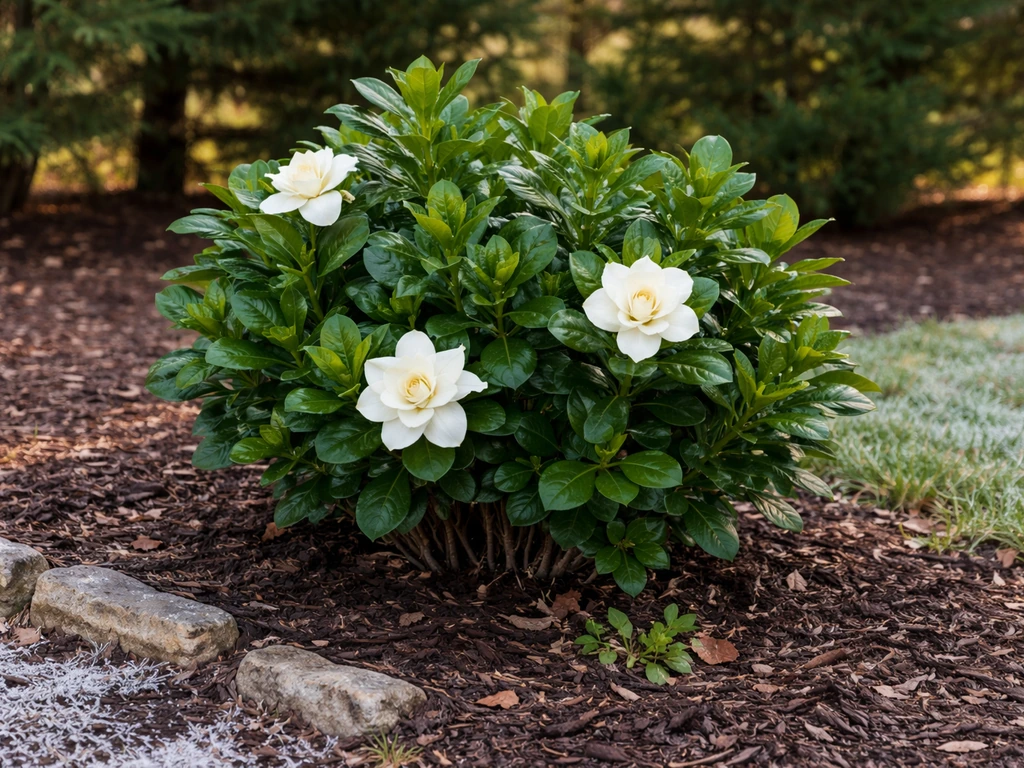
In the warmer parts of Maryland, especially along the Chesapeake Bay, the Lower Eastern Shore, and the Baltimore-Washington suburbs that fall into zones 7b and 8a, gardenias are a real option in the ground with the right variety and site. The further northwest you go, into the colder 6a, 6b, and 5b zones of Western Maryland and Garrett County, the harder it gets, and you are better off growing them in containers you can move indoors for winter. In Pennsylvania, gardenias are usually only possible in the warmest microclimates or when grown in containers that can be protected from winter cold containers you can move indoors for winter.
Maryland's climate and growing zones, and what that means for gardenias
Maryland is a surprisingly diverse state when it comes to winter cold. According to the 2023 USDA Plant Hardiness Zone Map, the state spans all the way from zone 5b in Garrett County (where winter lows can drop to -15°F) up to zone 8a along the Chesapeake Bay coastline and the Lower Eastern Shore, where lows generally stay between 10°F and 15°F. In between, you have zones 6a, 6b, 7a, and 7b covering everything from the Allegheny highlands to the central piedmont and the DC-area suburbs. Annapolis, for example, sits in zone 8a, blank" rel="noopener noreferrer">partly because of the moderating effect of the Bay.
Why does this matter so much? Because the standard gardenia (Gardenia jasminoides) is rated hardy only to USDA zones 8 through 10. That means the typical gardenia sold at most garden centers is marginally hardy at best for the majority of Maryland, and outright too tender for the western and northern parts of the state. Baltimore's all-time recorded low is -7°F, and even in a typical January, lows can regularly dip into the teens. That kind of cold will kill an unprotected standard gardenia in the ground.
Which gardenia types actually make sense for Maryland
This is where variety selection becomes a game-changer. Standard Gardenia jasminoides is not your best bet unless you are in zone 8a. But there are hardier cultivars bred specifically to push into zone 7, and those are the ones worth focusing on if you live in the central or southern parts of Maryland.
- 'Chuck Hayes': One of the most cold-hardy gardenias available, often cited as surviving into zone 7. It produces double blooms and reblooms in fall, which is a bonus.
- 'Kleim's Hardy': Rated for zones 7 to 10, compact grower (good for containers too), with smaller fragrant single flowers. A solid choice for zone 7a and 7b areas.
- 'Frostproof': Listed as hardy in zones 7 to 11, with an upright habit and large, double white flowers. One of the most widely available cold-hardy selections.
- Standard Gardenia jasminoides (e.g., 'August Beauty', 'Veitchii'): Zones 8 to 10. Only reliable in zone 8a areas of Maryland, like Annapolis and the lower Eastern Shore, and even then benefit from shelter.
If you are in zones 7a or 7b, which covers a large swath of Maryland including much of the Baltimore-Washington corridor, stick with 'Chuck Hayes', 'Kleim's Hardy', or 'Frostproof'. Do not bother with standard varieties in those zones unless you are prepared to treat them as annuals or container plants.
The honest winter hardiness reality check
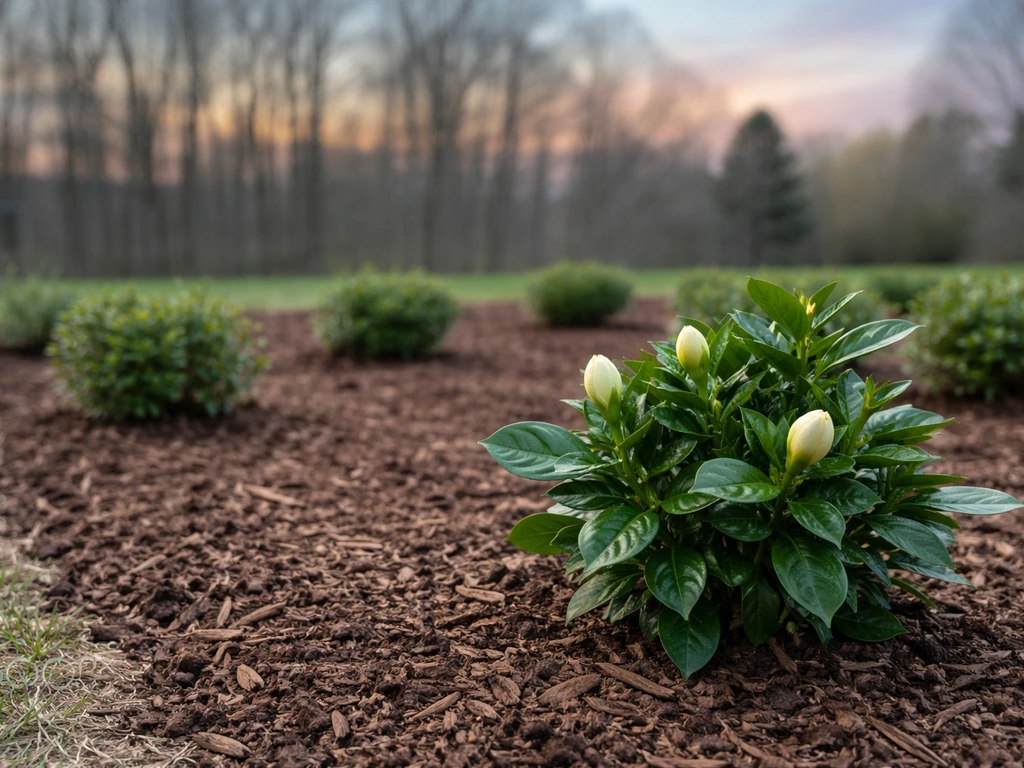
Here is the thing that a lot of gardenia enthusiasts learn the hard way: even when a gardenia survives winter, it may not flower well the following season. Flower buds set in autumn are highly susceptible to cold injury. If a hard freeze hits after buds form, you can end up with a live plant that blooms sparsely or not at all come spring. So 'surviving' and 'thriving' are two different conversations.
| Maryland Region | Typical Zone | In-Ground Feasibility | Best Approach |
|---|---|---|---|
| Lower Eastern Shore, Annapolis, Bay coastline | 8a | Good with standard or hardy varieties | In-ground with site selection |
| Baltimore-Washington suburbs, Southern MD | 7b | Possible with hardy varieties only | In-ground with winter protection or container |
| Central Piedmont, Frederick area | 7a | Marginal, hardy varieties only | Container preferred; in-ground with heavy protection |
| Northern MD, upper Western MD | 6a–6b | Very difficult in-ground | Container with indoor overwintering |
| Garrett County, high elevations | 5b–6a | Not recommended in-ground | Container only, brought indoors in fall |
The Chesapeake Bay corridor and the Lower Eastern Shore are genuinely the sweet spot for gardenias in Maryland. If you are in that 8a band, you have a realistic shot at a gardenia that blooms reliably year after year. Zone 7b gardeners can make it work with the right variety and some winter prep, but you will be putting in more effort.
Where to put your gardenia in Maryland (microclimate matters a lot)
Placement can effectively shift your gardenia's survival odds by half a zone or more. Gardenias want full sun to partial shade, ideally morning sun with some afternoon protection in Maryland's hot, humid summers. But in winter, a south- or southeast-facing wall is your best friend. Brick or masonry walls absorb heat during the day and radiate it at night, buffering the plant against the sharpest cold snaps.
- Plant near a south-facing masonry wall or foundation to trap daytime heat and block cold north winds.
- Avoid exposed, open sites where plants catch the full force of winter wind, which accelerates cold damage.
- Keep gardenias away from low spots in the yard where cold air settles on still nights (frost pockets).
- Morning sun is ideal. Full western afternoon sun in summer can stress plants and worsen any heat-related issues.
- In zone 7 areas, planting under or near the eaves of a house provides some overhead protection from the coldest radiation freezes.
Urban areas like Baltimore and the DC suburbs naturally run a few degrees warmer than surrounding rural land due to the heat island effect. If you are gardening in those areas, you may be operating closer to zone 8 conditions in practice even if the map says 7b. That small difference can matter for an otherwise marginal plant.
Soil, pH, and moisture basics for Maryland gardens
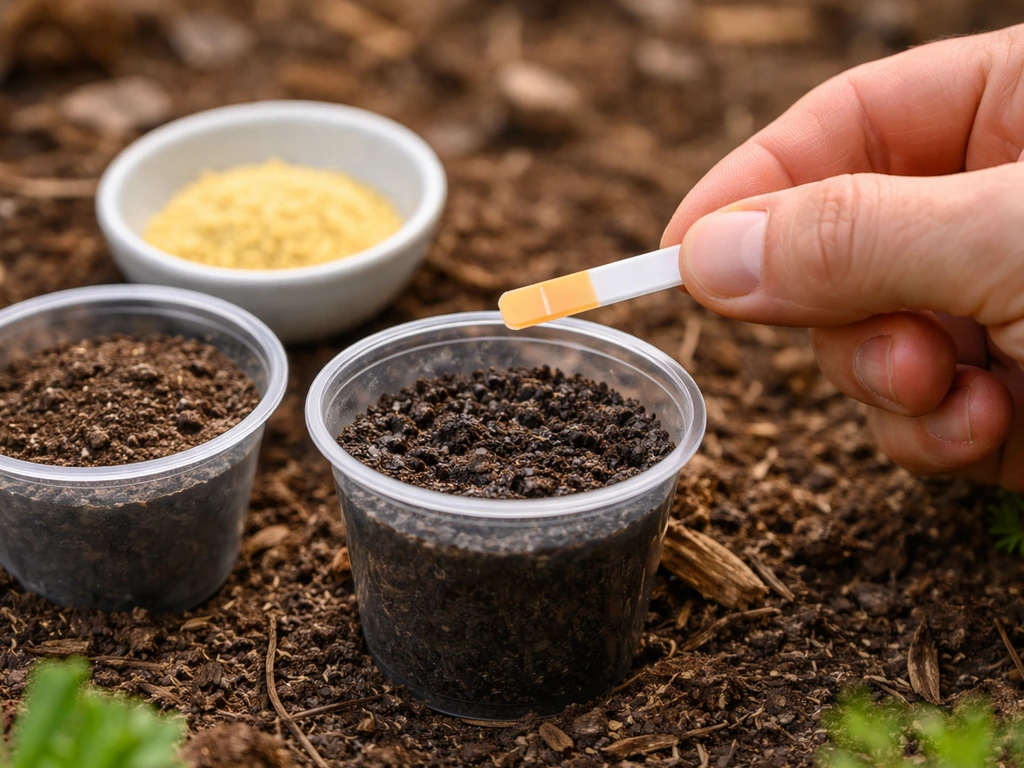
Gardenias are picky about soil chemistry, and getting this wrong will cause problems even if you nail everything else. They need acidic soil with a pH of 5.0 to 6.0. Go above 6.5 and the plant cannot take up iron properly, leading to yellowing leaves (chlorosis) even when the soil has plenty of nutrients. Maryland soils tend to be naturally acidic, which is actually a point in your favor. However, you may still want to do a soil test before planting. If your soil has been limed for a lawn at any point, the pH may be higher than gardenias prefer.
- Test your soil pH before planting. UMD Extension offers affordable soil testing services.
- If pH is above 6.0, amend with elemental sulfur or use an acidifying fertilizer formulated for azaleas and camellias.
- Work in organic matter like aged pine bark or compost to improve drainage and soil structure.
- Keep the soil consistently moist but never waterlogged. Gardenias hate both drought stress and soggy roots.
- Mulch with pine bark or pine needles (2 to 3 inches) to retain moisture, moderate soil temperature, and keep pH trending acidic.
Maryland's humid summers are generally compatible with what gardenias like, though good air circulation around the plant helps prevent the fungal issues that can come with that humidity. Do not crowd them against other shrubs.
Container vs in-ground: which route to take in Maryland
If you are in zone 7a or colder, the container approach is the most reliable way to grow gardenias in Maryland without gambling every winter. Grow them in a large pot (bigger is better for root insulation), keep them outdoors from late spring through fall, then move them to an unheated but protected garage or shed before temperatures drop below 20°F. In an unheated garage, you want cool and dark, not freezing. Water sparingly through winter since they are semi-dormant, but do not let the roots dry out completely.
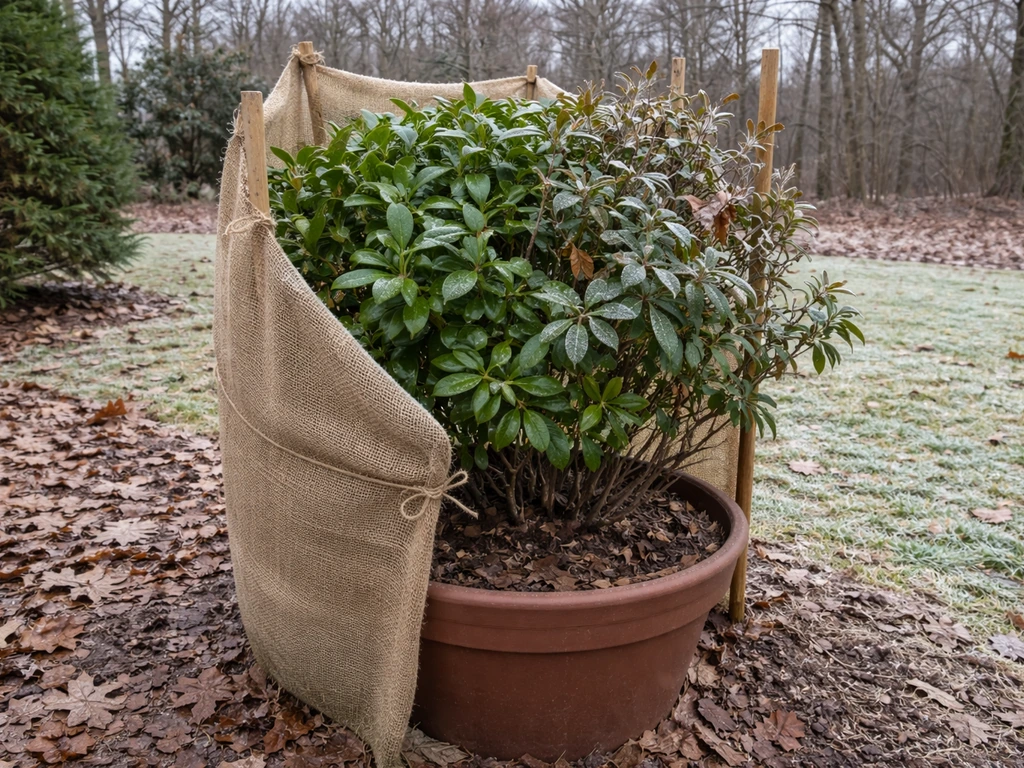
The reason container roots are so vulnerable is that there is no ground mass insulating them. A plant that might handle 20°F in the ground can experience root-killing temperatures in a pot exposed to the same air. Penn State Extension makes the point that container plant roots can get as cold as the surrounding air temperature, which is why pot size and insulation matter so much. If you cannot bring a large container inside, wrap it in bubble wrap or burlap stuffed with leaves, and bury it to the rim in a protected garden bed for winter.
For in-ground plantings in zone 7b (where success is possible but not guaranteed), add a thick layer of mulch around the root zone before winter, and keep a frost cloth or old blanket on hand for nights when temperatures are forecast to drop sharply. A cardboard box placed over a small shrub during a single-night cold snap can make a real difference. Just remember to remove it the next morning so the plant gets light and air.
One caveat worth knowing: a gardenia that spends winter in a garage and is brought back outside in spring may bloom less reliably than one that stays in the ground in a warm zone. The stress of the transition, plus reduced light in winter, can reduce flowering. It is still worth doing in colder parts of Maryland, but go in with realistic expectations.
Bottom line: can you grow gardenias in Maryland?
Yes, with the right variety and the right location. Here is how to think about your specific situation: If you are asking, can gardenias grow in Virginia, the answer depends mainly on your USDA hardiness zone and how much winter protection you can provide.
- Find your zone first. Look up your specific Maryland zip code on the USDA Plant Hardiness Zone Map. This single step tells you which approach is realistic.
- Zone 8a (Annapolis, Ocean City, Salisbury, lower Eastern Shore): You have the most latitude. Hardy varieties like 'Frostproof' or 'Chuck Hayes' should perform well in-ground with good site selection. Even standard Gardenia jasminoides is worth trying in a sheltered spot.
- Zone 7b (much of the Baltimore-Washington area, Southern Maryland): Go with a cold-hardy variety only. Plant against a south-facing wall, mulch heavily, and keep frost protection handy for brutal nights. Expect occasional winter dieback on branch tips but recovery in spring.
- Zone 7a (Frederick, parts of the central piedmont): Doable but genuinely marginal. Container growing with garage overwintering gives you the best odds. In-ground requires a very protected microclimate and a hardy variety.
- Zone 6b and colder (Western Maryland, Garrett County): Skip in-ground gardenias. Container growing with full indoor overwintering is the only realistic path, and even then you may get inconsistent blooming.
- Choose the right variety. 'Chuck Hayes', 'Kleim's Hardy', and 'Frostproof' are your zone 7 friends. Do not buy a generic gardenia at a big-box store without confirming the cultivar.
- If gardenias feel like too much work for your zone, consider alternatives that give a similar evergreen, Southern-garden feel: camellias are hardy to zone 6b and perform beautifully across most of Maryland, while oakleaf hydrangeas and sarcococca offer year-round structure without the winter anxiety.
Gardenias in Maryland are not a crazy idea, but they are not foolproof either. Gardeners in Virginia's similar climate zones run into the same calculations, and the pattern holds: the closer you are to the coast and the Bay, the better your odds. If you are wondering can gardenia grow in NJ, the same zone and microclimate logic applies, but you will need to be more selective with varieties and winter protection.
The same zone-based limits apply when you ask, can gardenias grow in New York. If you are wondering can gardenias grow in Virginia, the answer is similar: location and hardiness zones make the biggest difference. The further inland and uphill you go, the more you are fighting the plant's nature. Know your zone, pick the right cultivar, give it a sheltered south-facing spot with acidic soil, and gardenias can absolutely earn a place in a Maryland garden.
If you are wondering about Pennsylvania, the key question is how close your location is to the warmer, coastal-like microclimates that resemble the gardenia-friendly parts of Maryland gardenias can absolutely earn a place in a Maryland garden.. That same hardiness-and-site logic also applies to the question can gardenias grow in Connecticut. Whether you are in a milder coastal area or farther inland, you can use the same hardiness-and-site approach to judge if gardenias will thrive in Connecticut can gardenias grow in Connecticut.
FAQ
What gardenia varieties should I avoid in most of Maryland?
Avoid the typical nursery gardenia types if you are not in zone 8a, especially generic Gardenia jasminoides sold without naming a hardier cultivar. In zones 6 and 5, even “hardy” plants often survive but may fail to flower because autumn bud damage is common.
If my gardenia survives winter, how can I tell whether it will bloom next spring?
Check the buds on the tips and in leaf axils in early spring. If many buds are blackened or dried before they swell, you are likely looking at reduced flowering even if the plant did not die back.
Does morning sun matter, or is afternoon sun okay in Maryland?
Morning sun is generally safer because it warms the plant gradually after cold nights. In Maryland summers, too much harsh afternoon sun can stress foliage, so aim for morning sun with some afternoon shade or light dappled protection.
How close to a wall should I plant a gardenia for winter protection?
Give it enough room for airflow and root growth. A practical target is placing it a few feet from the wall so the plant benefits from radiated warmth without being pressed into dense, constantly dry soil created by the wall’s runoff and heat.
What should I do if my soil pH is too high for gardenias?
First, confirm with a soil test, since guessing usually fails. If pH is above about 6.5, you may need ongoing amendments or localized soil replacement around the roots rather than relying on fertilizer alone, because iron uptake problems will persist.
Can I grow gardenias in the shade under trees in Maryland?
Light shade can work in warmer zones, but dense tree shade usually reduces flowering, not just survival. If you must plant in shade, prioritize bright morning light and ensure the area is not too dry or competitive with roots from nearby trees.
How often should I water a container gardenia during winter in an unheated garage or shed?
Water sparingly, only enough to prevent the potting mix from drying out completely. Overwatering in a cool, dim space can lead to root rot, so wait until the top layer just starts to feel dry before watering again.
Is bubble wrap and burlap enough, or do I need to insulate more?
It helps, but insulation works best when paired with a strategy to shield the pot from direct wind exposure and extreme temperature swings. Use the largest container you can, wrap the pot thoroughly, and consider placing it where it will not sit in icy airflow.
Should I prune gardenias in fall to reduce cold damage?
Generally avoid heavy fall pruning in Maryland, because removing growth late in the season can reduce the number of protected buds and may encourage tender new growth. If pruning is needed, wait until after the main flush of flowering, then clean up lightly.
Can I take a gardenia outside gradually in spring to reduce stress?
Yes, and it can improve performance. Increase outdoor exposure over a week or two as temperatures rise, starting with daytime and sheltered conditions, so the plant adjusts to stronger light and fluctuating temperatures without shock.
What’s the best strategy if I’m in a borderline zone like 7b?
Treat 7b as “possible with extra help.” Choose a named hardier cultivar, use a south or southeast wall location, keep soil properly acidic, and be ready with frost protection for sudden freezes, since one cold snap after buds form can set you back for the season.