Gardenias can grow in Washington state, but only in the right spots and with the right varieties. If you're in the milder west-of-the-Cascades regions, especially the Puget Sound lowlands (USDA zones 8a–9a), you have a realistic shot at growing gardenias in the ground with good site selection and a cold-hardy variety.
Can Gardenias Grow in Washington State? Climate Guide
Marcus Hartwell
2 May 2026
If you want to know whether gardenias can grow in Pennsylvania, the same zone and winter protection logic applies: choose the right cold-tolerant variety and be ready to shelter the plant during freezing weather can gardenias grow in Pennsylvania. If you are wondering whether can gardenias grow in Virginia, the key is matching the right USDA zone conditions and choosing a cold-tolerant variety.
If you're east of the Cascades or in a colder inland zone, growing them in a container that comes indoors for winter is your only reliable path. If you're also wondering can gardenia grow in NJ, the answer depends heavily on your winter lows and whether you plan to use a container with indoor overwintering. If you're wondering can gardenias grow in Virginia, focus on your winter lows and consider container growing or strong winter protection. Either way, gardenias are a high-maintenance commitment in Washington, but people do succeed.
If you are wondering can gardenias grow in Massachusetts, the same cold-hardiness and winter protection logic applies, but you will likely need containers or stricter site choices. If you live in New Jersey, the same cold-hardiness logic and winter protection ideas apply, but you'll want to pick a variety rated for your zone and plan for colder snaps can gardenias grow in Massachusetts.
Which gardenia variety you pick makes a huge difference
Not all gardenias are created equal when it comes to cold tolerance, and this matters a lot in Washington where winter lows can be the deciding factor between a thriving plant and a dead one. The standard Gardenia jasminoides sold at most big box stores is typically rated to zones 8–11, which means it can handle temperatures down to about 10–15°F at the absolute minimum, but really prefers nights that stay above freezing. That's marginal even for the mildest corners of western Washington.
Two varieties stand out as better bets for Washington gardeners. 'Frost Proof' (Gardenia jasminoides 'Frost Proof') is commonly marketed as tolerating the upper reaches of zone 7 and is consistently listed as zones 7–10, giving it a slight edge over standard varieties in a cool Pacific Northwest winter. 'August Beauty' is another popular option sold as zone 7b to 8a+, which aligns reasonably well with the Puget Sound lowlands.
For gardeners in cooler zones or those who want the most insurance, 'Chuck Hayes' is the cold-hardiness standout, with some horticulture references placing it at zone 6b, making it noticeably tougher than the rest. If you're anywhere in western Washington and planning an in-ground planting, start with 'Chuck Hayes' or 'Frost Proof' rather than a generic gardenia from a nursery display.
Washington's climate in plain terms
Washington is one of the most climatically diverse states in the country. The USDA hardiness zone map puts the state anywhere from zone 4b in the cold northeastern highlands to zone 9a in the warmest Puget Sound urban pockets. The Cascade Mountains are the dividing line: west of them, you get marine-influenced mild winters, cool summers, and relatively high humidity; east of them, you get continental conditions with colder winters, hotter summers, and much drier air.
For gardenias, two climate factors matter most: winter low temperatures and summer heat. Gardenias need enough warmth to form and open flower buds. The optimal range for bud set is roughly 60–75°F during the day and 60–63°F at night. Western Washington's cool marine summers are actually close to ideal for bud set temperatures, which is one reason the Pacific Northwest can produce excellent gardenia blooms when plants survive the winter. The challenge is that western Washington winters, while mild by Pacific Northwest standards, can still push below the tolerance of standard gardenia varieties, especially in an unusually cold year or in exposed locations.
Can you grow gardenias where you live in Washington?
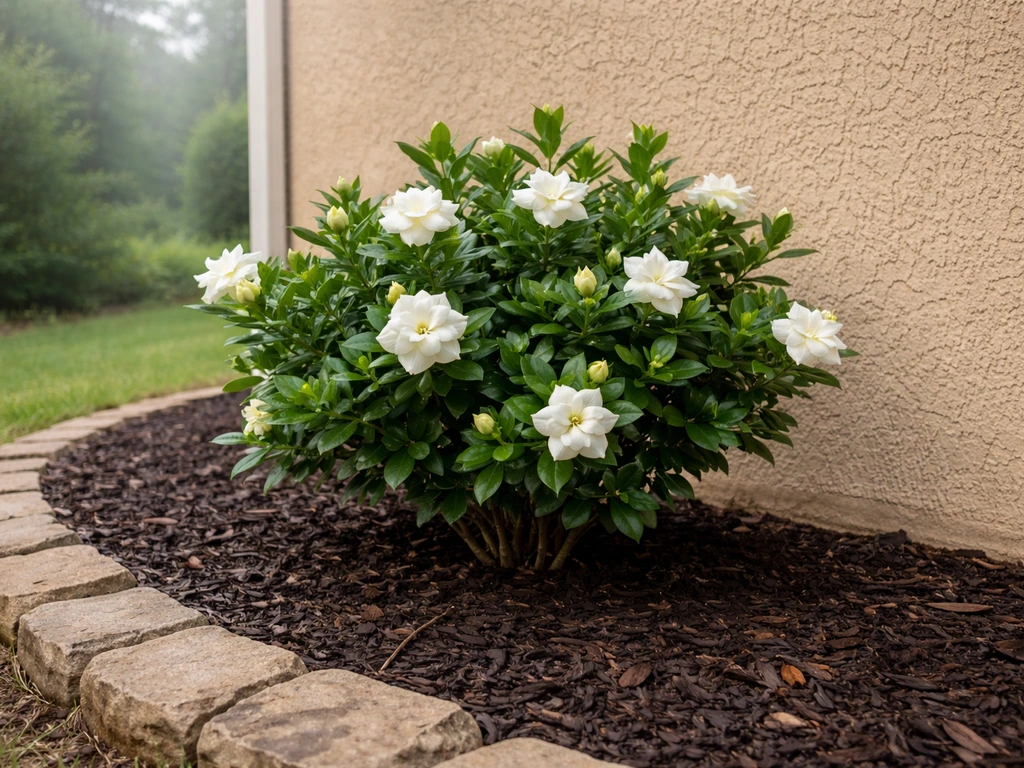
Here's a straightforward breakdown by region.
| Washington Region | Typical USDA Zones | In-Ground Feasibility | Best Approach |
|---|---|---|---|
| Puget Sound lowlands (Seattle, Tacoma, Olympia) | 8a–9a | Realistic with cold-hardy varieties and good siting | In-ground with microclimate protection |
| Western WA coastal areas (Bellingham, lower elevations) | 7b–8b | Possible with 'Chuck Hayes' or 'Frost Proof'; risky in cold winters | In-ground with heavy winter protection or container |
| Western WA foothills and higher elevations | 6b–7b | Unlikely in-ground; borderline with 'Chuck Hayes' | Container, bring indoors for winter |
| Eastern WA (Spokane, Yakima, Tri-Cities) | 5b–7a | Not reliable in-ground | Container only, overwintered indoors |
| Northeastern WA highlands and mountains | 4b–6a | Not feasible in-ground | Container only, treated as a houseplant in winter |
If you're in the Seattle or Tacoma area, you're in the best position in the state. Zone 8b gardens in those cities, especially near the water or in sheltered urban microclimates, can sustain a 'Frost Proof' or 'Chuck Hayes' gardenia through a typical winter without extraordinary intervention. If you are wondering about Massachusetts, the same zone and cold-hardiness logic applies, but you will likely need a more cold-tolerant variety and stronger winter protection can gardenias grow in massachusetts. If you're in Spokane (generally zone 6a–6b), treat gardenias as a container plant from the start and don't try to overwinter them outside.
How to plant gardenias in Washington for the best chance of success
Site selection and microclimates
In western Washington, the single biggest thing you can do to improve your odds is find the warmest microclimate on your property. That usually means a south- or west-facing wall or fence that absorbs heat during the day and radiates it back at night. Urban heat islands in Seattle and Tacoma create real zone upgrades in sheltered spots near buildings. Avoid north-facing exposures, low-lying frost pockets, and open areas where cold air pools on still winter nights. Gardenias also need full to partial sun, ideally at least 6 hours of direct light daily, so a south-facing wall that also gets good morning and afternoon sun is the sweet spot.
Containers vs in-ground planting
If you're in zone 8a or warmer with a well-chosen microclimate, in-ground planting with a cold-hardy variety is worth attempting. If you're anywhere cooler than that, containers are your friend. Container plants can be moved to an unheated garage, enclosed porch, or cool basement when winter temperatures threaten to drop below 20°F. One important rule of thumb from extension horticulture: containerized shrubs are effectively two zones less cold-hardy than their in-ground rating because roots are exposed to ambient air temperatures rather than insulated by soil mass. So even a 'Chuck Hayes' rated to zone 6b in the ground may struggle in a container left outside in a zone 7 winter.
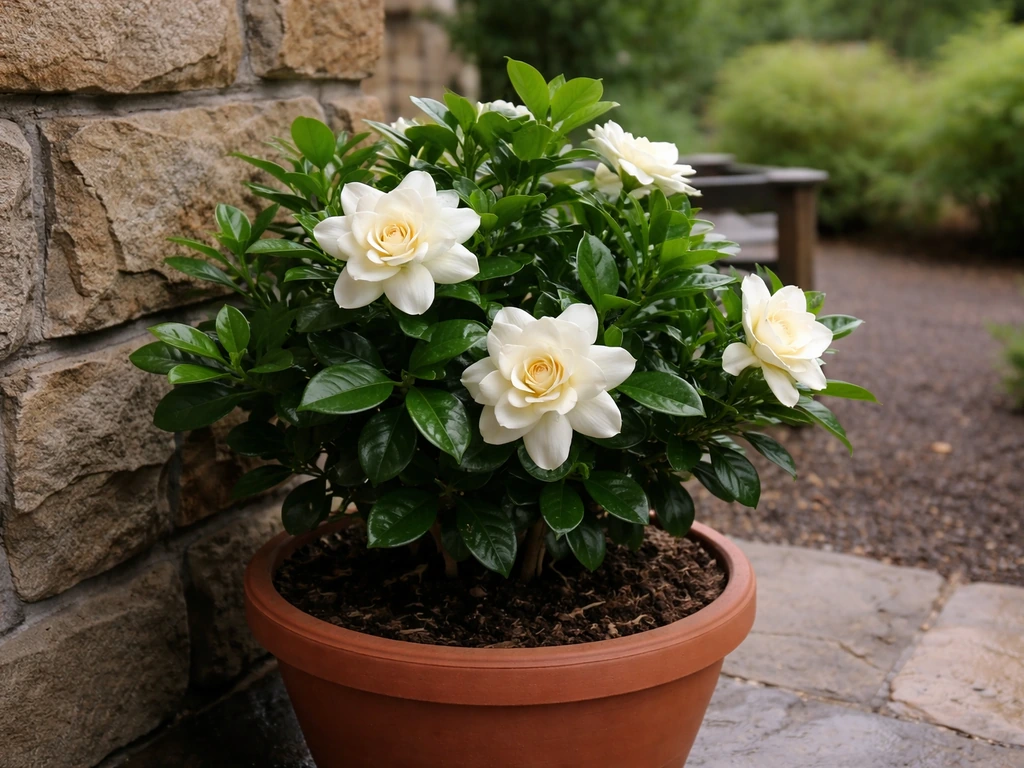
If you're keeping gardenias in containers year-round, use a large pot (at least 12–15 inches wide for a young plant, bigger as it matures) with excellent drainage holes. Terracotta looks beautiful but freezes poorly, so glazed ceramic or thick plastic is more practical for Washington winters.
Soil and watering in Washington conditions
Gardenias are acid-loving plants that need a soil pH of 5. 0–6.
0. This is actually good news in western Washington, where naturally acidic soils are common. East of the Cascades, soils tend to be more alkaline, which means you'll need to work harder to maintain the right pH. WSU Extension notes that elemental sulfur is an effective amendment for lowering soil pH, and it also helps with iron availability, which directly affects gardenia leaf health and prevents the yellowing (chlorosis) that happens when pH creeps too high.
WSU Hortsense notes that high soil alkalinity can make iron and manganese unavailable, and it recommends adjusting soil pH to about 4. 5 to 6. 0 (for example with sulfur or organic matter) to help prevent chlorosis [WSU Extension notes that elemental sulfur is an effective amendment for lowering soil pH](https://www. hortsense.
cahnrs. wsu. edu/fact-sheet/azalea-lime-induced-chlorosis/).
For container plants, use a potting mix formulated for acid-loving plants (often labeled for azaleas and camellias) and fertilize with an acid-specific fertilizer. Test your pH annually if you're growing in the ground, and especially if you notice yellowing leaves.
Watering is where western Washington conditions can actually hurt you. Gardenias like consistent moisture but absolutely cannot sit in waterlogged soil. During Washington's wet season (roughly October through May), this is a real risk for in-ground plants, especially in heavy clay soils. Root rot from oxygen-deprived roots is a common killer. If your soil doesn't drain well, amend it with compost and coarse material before planting, or raise the planting area slightly. For containers, make sure water flows freely from the drainage holes and never leave pots sitting in saucers of standing water.
Getting through Washington winters and fixing common problems
Winter protection for in-ground plants
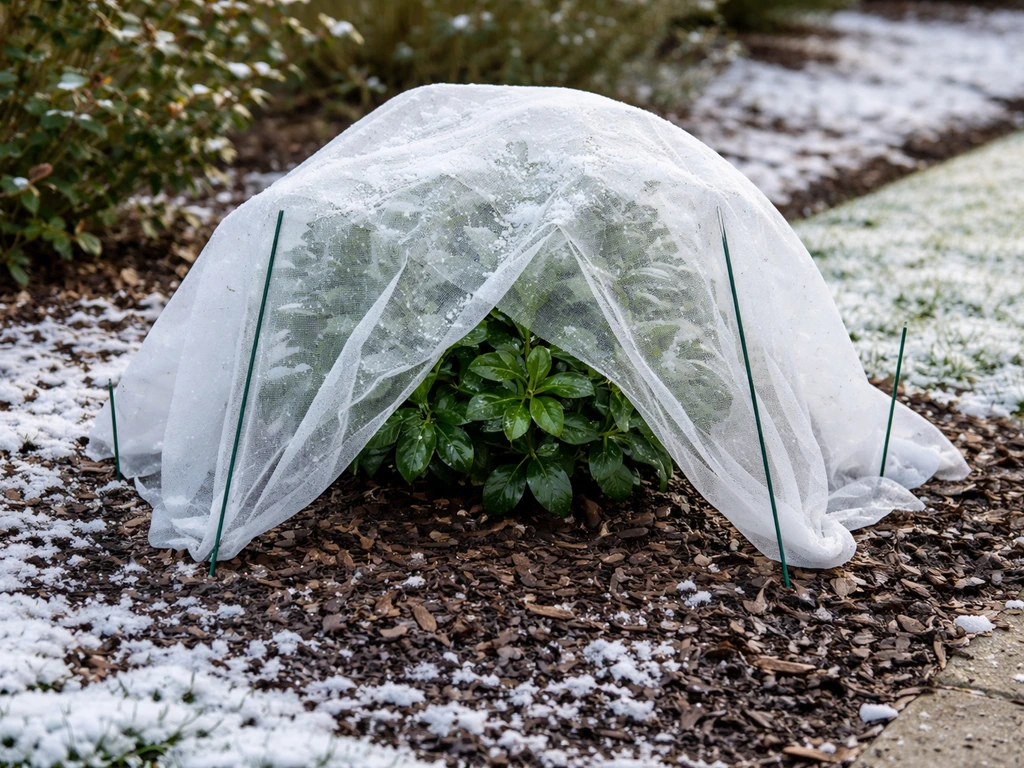
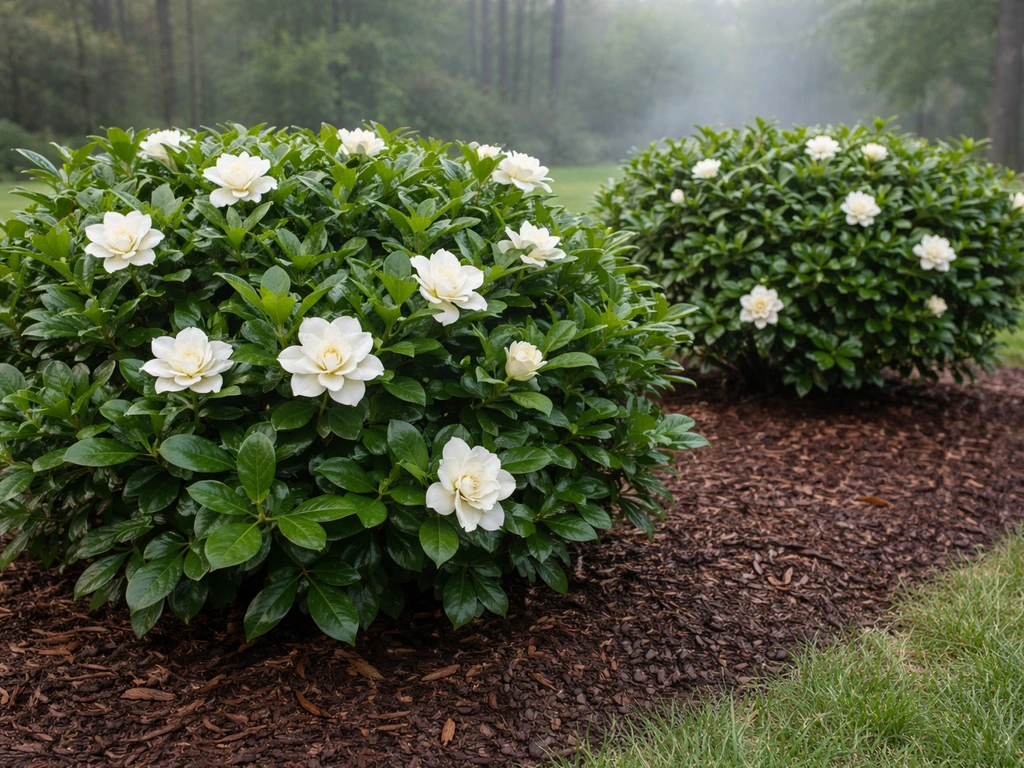
Even in zone 8b Seattle, an unusually cold snap can damage or kill an unprotected gardenia. A 2–4 inch layer of mulch over the root zone helps insulate roots from temperature swings and is one of the most effective and lowest-effort protections you can provide. In addition to mulching, wrap the shrub loosely in burlap or horticultural fleece when hard freezes are forecast. Avoid plastic sheeting directly on the foliage. OSU Extension specifically recommends wrapping shrubs and paying extra attention to containers during freezing weather events, and the same applies to Washington's occasional arctic air events that push through in December and January.
Overwintering container gardenias
For containers, bring them inside before nighttime temps consistently drop below 50°F. Gardenias prefer to overwinter somewhere cool but frost-free, like an unheated garage or cool sunroom with temperatures staying between 50–60°F. Bright light is still necessary even indoors, so place them near a south-facing window or supplement with a grow light. One creative method from Iowa State Extension: sink the container into a hole in the ground and mulch around it, which insulates the root ball from air temperature extremes if you want to keep it outside longer into fall.
Common problems and quick fixes
- Bud drop: Often caused by temperature fluctuations, low humidity, or moving the plant. NYBG recommends keeping bud-forming gardenias at a steady 62–63°F at night. Avoid moving container plants once buds appear.
- Yellow leaves (chlorosis): Usually a pH problem. Test soil and apply sulfur or acidifying fertilizer to bring pH back into the 5.0–6.0 range.
- Winter dieback: If stems die back after a cold snap but roots survive, cut damaged growth back to healthy wood in spring. New growth often resumes.
- No blooms: In Washington's cooler summers, gardenias can fail to bloom if they don't get enough warmth and sun. Maximize sun exposure and avoid deep shade. Also check that you're not over-fertilizing with nitrogen, which pushes leafy growth at the expense of flowers.
- Root rot: If the plant suddenly collapses despite watering, check drainage immediately. In waterlogged western Washington clay soils, this is a real hazard during the rainy season.
What to realistically expect: blooms, timing, and success rates
In a good year, gardenias in western Washington typically bloom from late spring into early summer, with some sporadic reblooming through summer. Don't expect the lush, tropical abundance you'd see in coastal Georgia or the Gulf Coast. Washington summers are cool enough that bloom counts may be modest, but the flowers you do get will be stunning and wonderfully fragrant. The cool marine evenings in Puget Sound are actually quite close to the 60–63°F nighttime ideal for bud formation, which is one of the reasons western Washington gardeners have more success than you might expect.
Realistic success rates vary sharply by zone and approach. In zone 8b and 9a Puget Sound locations with a sheltered site and a cold-hardy variety, there's a reasonable chance of multi-year success in the ground. In zone 7b, you're gambling on winter severity every year. In containers managed carefully, the success rate goes up significantly regardless of zone, but you're committing to an annual move-in, move-out routine. Think of it less like planting a shrub and more like managing a prized potted specimen.
If you're comparing Washington's gardenia odds to other states: the challenge here is different from the heat-and-humidity issue that limits gardenias in places like New York or Massachusetts, where summers are too unpredictable and winters are genuinely brutal. In Washington, the main constraint is winter cold and the risk of wet roots, not lack of summer warmth. That actually makes western Washington a more manageable environment for gardenias than many northern states, as long as you pick the right variety, site it well, and keep that soil draining freely. Gardenias can also be grown in Connecticut, but you will need to choose cold-hardy varieties and protect them through winter cold Washington.
FAQ
Can I keep a gardenia outdoors in Washington through winter with protection?
Yes, but only if you can control winter exposure. If your lows are usually below the plant’s tolerance, overwintering outside even with mulch is a gamble, so plan to move containers to an enclosed, frost-free spot (cool sunroom, unheated garage, or a sheltered porch) once nights consistently drop into the 40s.
What’s the best winter protection routine in Washington, and when should I remove it?
For Washington, your goal is to avoid cold, wet conditions at the same time. Use a wide root-zone mulch (2–4 inches), keep the plant out of standing water, and wrap only when hard-freeze forecasts hit, then remove or loosen wrapping during milder daytime spells to prevent trapped moisture and foliage damage.
Why does my gardenia survive in Washington but not bloom?
If your nights regularly dip below the bud-set range, blooms may be sparse even when the plant survives. Gardenias often rely on enough warmth during the day and especially at night, so you may get better flowering in sheltered, heat-reflecting locations like near a south- or west-facing wall, even within the same USDA zone.
How do I know whether the gardenia variety I bought is truly suitable for my Washington location?
Avoid assuming big-box gardenia labels are “cold-hardy enough” for your specific spot. Look for named cold-tolerant cultivars like ‘Chuck Hayes’ or ‘Frost Proof’, and then match them to your microclimate (sheltered, sloped, well-drained areas). If you’re unsure, treat it as a container plant in colder areas.
My gardenia lost leaves after winter, will it come back?
It’s common for gardenias to drop leaves or look damaged after winter, even if roots are alive. The fix is usually not fertilizer right away, but checking drainage, correcting soil pH, and waiting for new growth in spring before pruning heavy damage.
Why do gardenias in containers fail in Washington even when the in-ground version might work?
Yes. In a pot left outside, roots feel the air temperature more directly, so a container can behave like roughly two USDA zones colder. That means you may need to move the pot indoors earlier than you think, especially during windy or exposed spots.
Do gardenias need special soil amendments in Washington, or can I use regular garden soil?
You generally should not use regular potting soil or regular lawn amendments. Use an acid-focused potting mix (often labeled for azaleas/camellias) and feed with an acid-formulated fertilizer, then confirm pH annually. For ground plants, test soil and adjust with sulfur if pH drifts high.
What causes yellow leaves on gardenias in Washington, and what should I do first?
Yes, and it usually shows up as yellow leaves with greenish veins (chlorosis) when pH rises. The practical next step is a soil test, then pH correction using elemental sulfur for ground plantings, plus an acid fertilizer schedule for containers to keep nutrients available.
How can I improve drainage for in-ground gardenias in wet areas of Washington?
Use the test results to decide, not guessing. If you have heavy clay or frequent winter saturation, improve drainage with compost plus coarse material, and consider a raised mound or a slightly elevated planting position to keep roots oxygenated.
Should I wrap my gardenia during every cold snap, or only severe freezes?
Yes, but not all freeze events require the same response. If the plant is in the ground in a mild, sheltered zone, mulch and targeted wrapping may be enough. If it’s a container or the forecast includes prolonged hard freezes, bring containers inside and avoid relying on plastic directly on foliage.
When can I expect gardenia blooms in Washington, and will containers bloom differently?
Yes, but only if you can keep it consistently warm enough for bud set and avoid root stress. In-ground plants in the milder Puget Sound lowlands sometimes flower late spring into early summer, while container plants can bloom less reliably if indoor winter conditions are too dark or too hot.