
Yes, gardenias can grow in New Jersey, but whether you plant them in the ground or keep them in a container depends almost entirely on where in the state you live. Gardenias can also be grown in Washington state, but success depends on matching the plant to your local climate and winter lows can gardenias grow in Washington state. In the warmer coastal zones (Zone 7b and especially Zone 8a near Atlantic City), in-ground gardenias with a cold-hardy variety and good siting have a reasonable shot at surviving NJ winters. Everywhere else, especially inland areas in Zone 6b, containers and overwintering indoors are your most reliable path to success. The good news: gardenias are doable in NJ. The key is going in with the right expectations for your specific zone.
Can Gardenias Grow in NJ? Zones, Varieties, and Winter Care
In-ground or container? The quick verdict for NJ
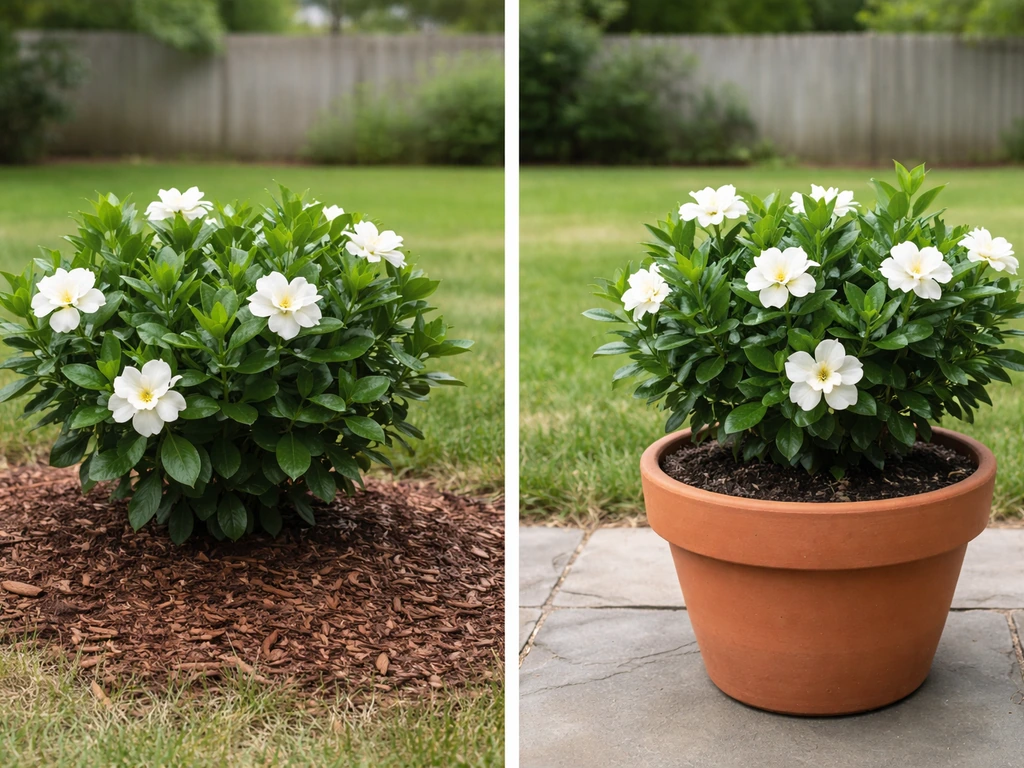
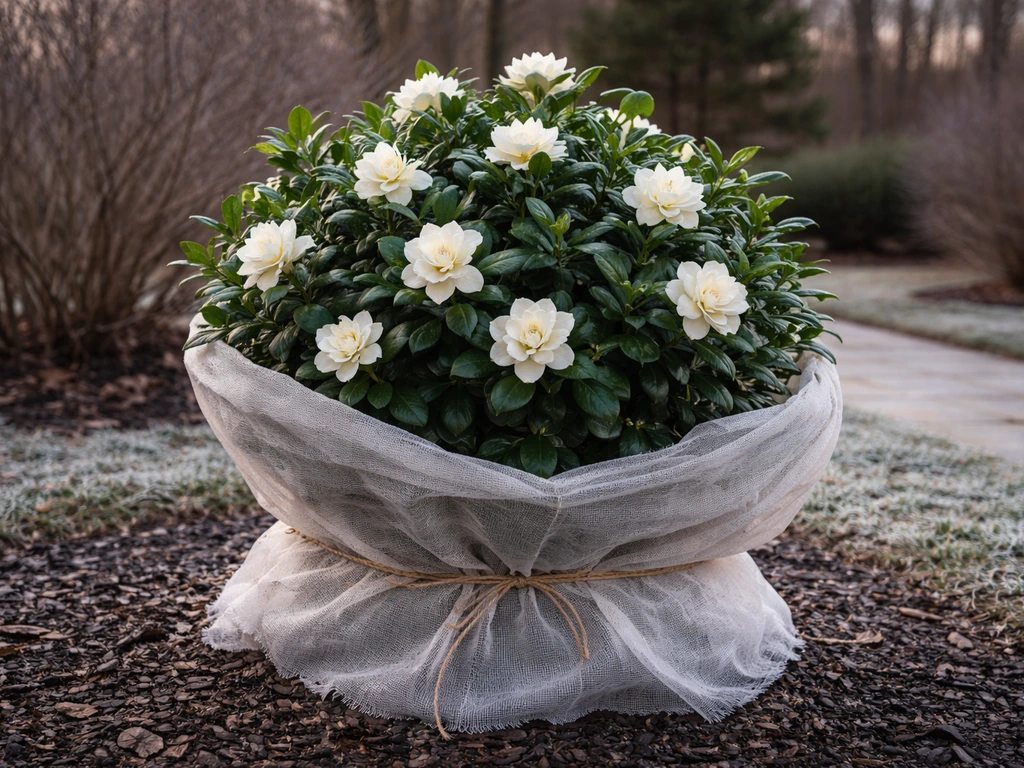
Here is the blunt version. If you are in Zone 7b or 8a along the coast or in South Jersey, planting a cold-hardy gardenia variety in the ground is worth trying, especially if you can give it a sheltered spot. You will still have rough winters occasionally, but a well-sited plant has a real chance at coming back year after year. If you are in Zone 6b or 7a in Central or North Jersey, the ground is just too cold for reliable overwintering without substantial protection, and container growing where you bring the plant inside before hard frosts is the smarter play. It gives you the blooms and fragrance you want without gambling a $40 plant on a brutal February.
| NJ Zone | Example Areas | Best Approach |
|---|---|---|
| Zone 6b | Northern NJ highlands, parts of Morris/Passaic counties | Container only, overwinter indoors |
| Zone 7a | Central NJ interior, parts of Hunterdon/Somerset | Container preferred; in-ground with heavy protection and hardy variety |
| Zone 7b | Much of South Jersey inland, parts of Monmouth | In-ground with hardy variety and sheltered site; container also good |
| Zone 8a | Atlantic City area, southern coastal strip | In-ground with good variety selection; most forgiving zone in NJ |
What NJ's climate actually does to gardenias
Gardenias are native to subtropical climates and prefer mild winters, high humidity, and acidic soil. New Jersey checks the humidity and soil acidity boxes reasonably well, especially in the coastal plain. The problem is winter cold. Standard gardenia varieties (Gardenia jasminoides) are typically rated to Zone 7 or 8, meaning they can handle minimum temperatures down to about 0 to 10 degrees Fahrenheit. In a normal NJ winter, coastal Zone 7b and 8a locations stay within that range. But NJ winters are not always normal, and that is where things get tricky.
The USDA itself acknowledges that even plants placed at the edge of their cold tolerance can be lost in years with rare extreme cold snaps, even if the same plant survived previous winters just fine. NJ has those snaps. A Zone 7b garden can see a sudden dip to single digits in a bad winter, which is outside what most gardenias can survive without protection. Inland areas in Zone 6b or 7a face this risk much more routinely. On the flip side, NJ's coastal regions benefit from microclimates created by proximity to the Atlantic and Delaware Bay, which buffer winter cold significantly compared to inland spots at the same latitude.
Coastal vs. inland: it matters more than you think
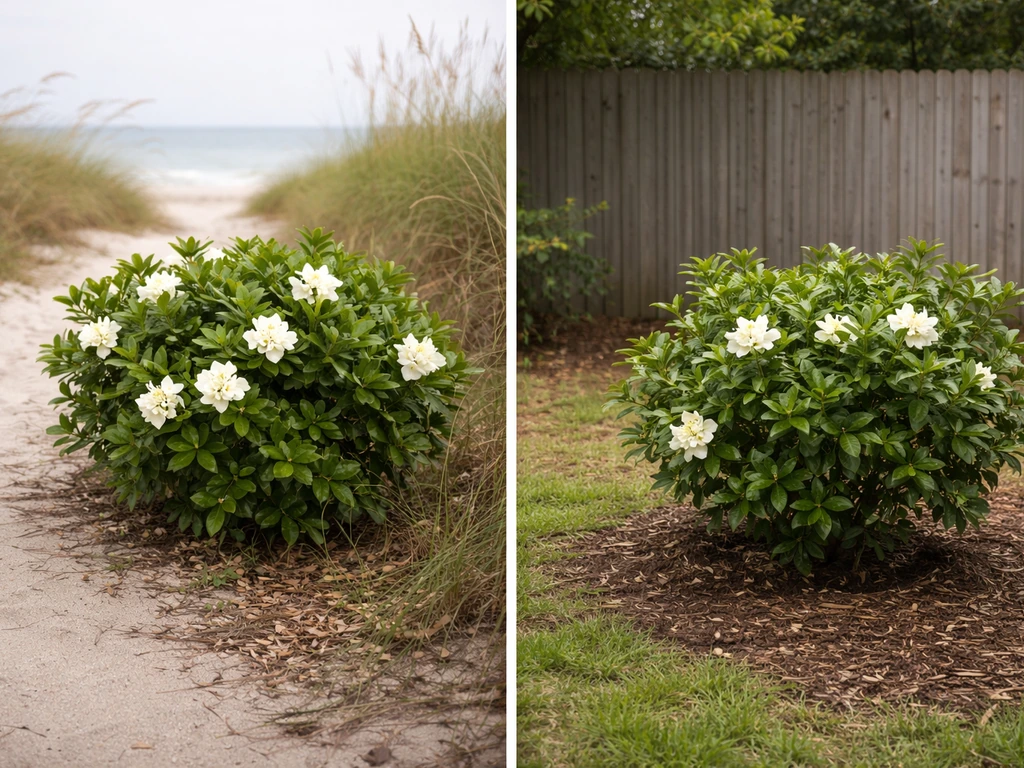
The coastal strip of South Jersey and areas near the Delaware Bay run a full zone or even a zone and a half warmer than inland NJ at the same latitude. Atlantic City, for example, sits in Zone 8a, which has minimum temperatures in the 10 to 15 degrees Fahrenheit range. Example city-level mapping can show coastal New Jersey as warmer, such as Atlantic City being around Zone 8a (with minimum temperatures in the 10, 15°F range), while inland areas drop to colder zones like 7a or 6b Atlantic City, for example, sits in Zone 8a. Drive 30 miles inland and you drop into Zone 7a or even 6b. That difference is the line between a gardenia surviving the winter in the ground and dying back to the roots (or outright dying). If you are close to the shore or in a sheltered urban spot in South Jersey, you have a real advantage.
How to find your NJ growing zone fast
The fastest way is to plug your zip code into the USDA Plant Hardiness Zone Map at planthardiness.ars.usda.gov. It uses the 2023 updated data and will give you a precise zone for your exact location. New Jersey spans Zone 6b through Zone 8a across the state, so your zone genuinely matters here and is not something you can just guess based on a neighboring town. New Jersey spans USDA hardiness zones roughly 6b, 7a, 7b, and 8a, with coastal areas warmer than inland locations New Jersey spans Zone 6b through Zone 8a. Once you know your zone, the table above tells you your realistic in-ground vs. container verdict without any further guesswork.
If you are comparing NJ to neighboring states: New York gardeners (especially upstate) face even colder conditions and mostly rely on containers, while Pennsylvania follows a similar pattern to NJ with its southern zones being more gardenia-friendly. Maryland and Virginia gardeners often have warmer conditions, but Massachusetts is similar in that gardeners may need containers or extra winter protection depending on their exact location. If you are wondering about New York specifically, colder winters mean most gardeners rely on containers or heavy winter protection can gardenias grow in new york. Maryland and Virginia gardeners to the south generally have more success with in-ground gardenias, given their warmer overall climate. Climate plays a big role, so if you are wondering can gardenias grow in Virginia, your local USDA zone and winter lows will determine whether in-ground planting is realistic or whether containers are smarter. If you are wondering can gardenias grow in Maryland, the warmer climate there generally makes in-ground planting much more feasible than in colder northern states. Knowing where NJ sits in that regional spectrum is helpful context.
The best gardenia varieties for colder parts of NJ
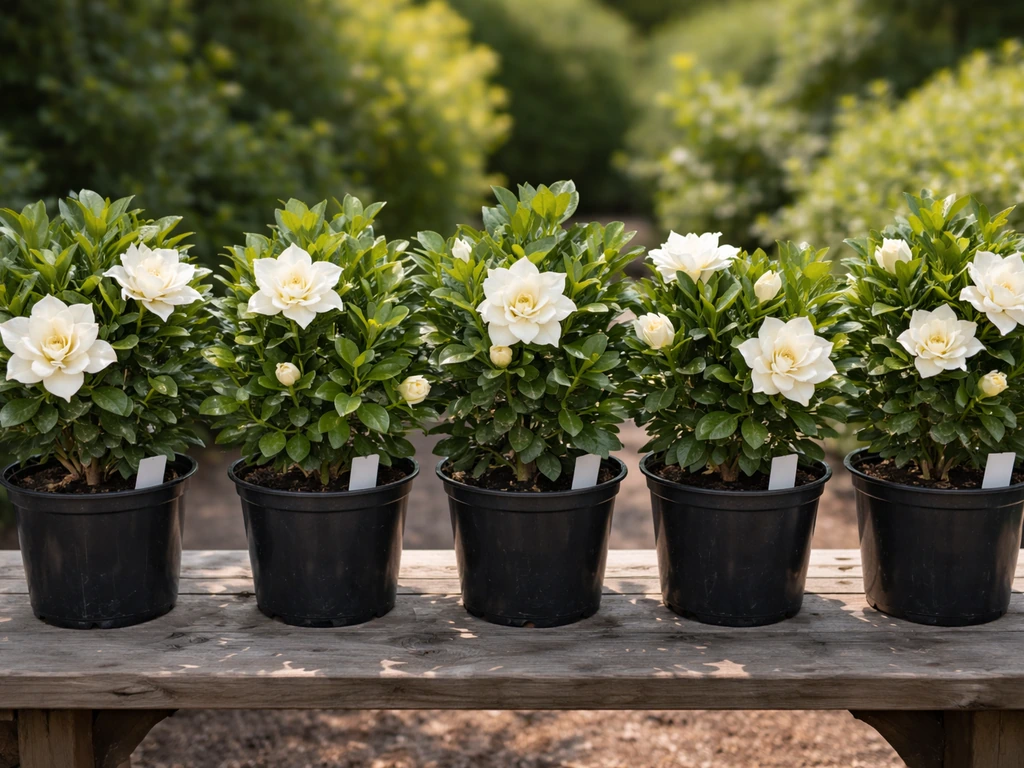
Not all gardenias are created equal when it comes to cold. Standard varieties like Gardenia jasminoides 'Mystery' or 'August Beauty' are rated to Zone 8, meaning they need coastal NJ conditions to have a reasonable in-ground future. For Zone 7a and 7b, you want to lean on the hardier cultivars that have been specifically bred for colder tolerance.
- Gardenia jasminoides 'Kleim's Hardy': Rated to Zone 6b in some sources, making it the most cold-tolerant widely available gardenia. Compact grower (2 to 3 feet), single blooms, and seriously fragrant. Best bet for Central and North Jersey container growing or for a sheltered in-ground spot in South Jersey.
- Gardenia jasminoides 'Shooting Star': Another hardy cultivar with double blooms, rated to Zone 7. Good choice for Zone 7b gardens in South Jersey with a protected location.
- Gardenia jasminoides 'Chuck Hayes': Bred specifically for cold hardiness, often rated to Zone 6b to 7a. Reliable rebloomer with double flowers and strong fragrance. One of the most popular recommendations for gardeners pushing the northern limits of gardenia territory.
- Gardenia jasminoides 'Frost Proof': As the name suggests, marketed for better cold tolerance. Rated to Zone 7, works well in the warmer parts of NJ with some winter protection.
- Gardenia jasminoides 'August Beauty': Classic double blooms, widely sold, but only rated to Zone 7b to 8. Best suited for the coastal strip of South Jersey. Do not try this one in-ground in North Jersey.
For Zone 6b and the colder parts of Zone 7a, 'Kleim's Hardy' and 'Chuck Hayes' are really the two names to focus on. They give you the best realistic shot if you are determined to try gardenias in a tough NJ location.
How to plant gardenias for the best survival odds in NJ
Sun and siting
Gardenias want at least four to six hours of direct sun, but afternoon shade in NJ's humid summers is genuinely helpful. Morning sun with protection from hot western afternoon sun is the sweet spot. More importantly for NJ gardeners, site your plant near a south or southeast-facing wall if possible. That wall absorbs heat during the day and releases it at night, creating a microclimate that can make your spot behave a half-zone warmer than it technically is. This is one of the simplest free upgrades you can give an in-ground gardenia in Zone 7.
Soil requirements
Gardenias are fussy about soil pH. They need acidic soil, ideally in the 5.0 to 6.0 range. The good news is that NJ's native soils, particularly in the Pine Barrens and coastal plain, tend to be naturally acidic and sandy, which is actually ideal for gardenias. In Central and North Jersey, test your soil before planting and amend with sulfur or acidic compost if your pH is above 6.0. Consistently neutral or alkaline soil will cause chlorosis (yellowing leaves) regardless of how well you handle everything else. Raised beds with amended soil are a reliable option if your native soil is not cooperating.
Spacing and drainage
For standard compact varieties like 'Kleim's Hardy,' space plants about 2 to 4 feet apart. For larger varieties, give 4 to 6 feet. Drainage matters enormously: gardenias hate wet feet, especially in winter. Planting on a slight slope or in a raised area helps prevent root rot during NJ's wet springs and late-autumn rains. In container growing, make sure your pot has multiple drainage holes and never let the container sit in standing water.
Keeping gardenias alive through NJ winters
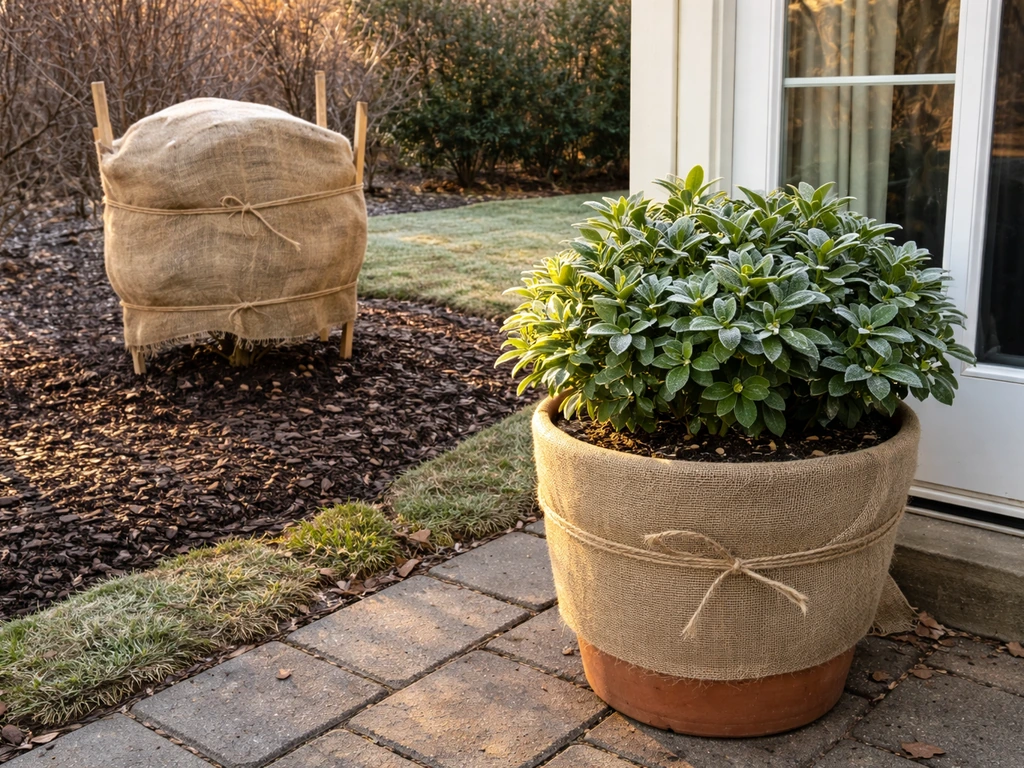
This is where most NJ gardenia attempts succeed or fail. If you are growing in a container, the path is straightforward: bring the plant indoors before the first hard frost (typically October in North Jersey, November in South Jersey). A cool, bright room or a sunroom that stays above 55 degrees Fahrenheit is ideal. Avoid hot, dry interior rooms near heating vents, which will cause bud drop and spider mite problems. Run a humidifier nearby or set the pot on a pebble tray with water to maintain humidity. Keep watering lightly through winter but do not let it dry out completely.
For in-ground plants in Zone 7, winter protection is not optional. Apply a thick (3 to 4 inch) layer of mulch around the root zone after the ground cools in late fall. Pine bark or pine straw works well and adds a little acidity as it breaks down. Wrap the plant loosely in burlap to protect from desiccating winter winds, which can be as damaging as hard freezes in NJ. Avoid tight plastic sheeting, which traps moisture and can cause rot. For extra insurance on a cold night, a layer of frost cloth over the burlap gets you another few degrees of protection.
Even with all of this, you may see dieback on exposed branches after a harsh NJ winter. Do not panic and cut the plant down in March. Wait until late April or early May and scratch the stems lightly with your fingernail. Green underneath means the branch is alive. Brown and dry means cut it back to where you see green. Gardenias that appear dead above the ground often push new growth from the base once temps reliably warm up. Patience is part of the deal in Zone 7 NJ gardening.
Your NJ winter protection checklist
- Know your first frost date: mid-October in North NJ, late October to November for South NJ.
- Bring containers inside before the first hard frost. Transitioning gradually over a week reduces shock.
- Apply 3 to 4 inches of mulch around in-ground plants after soil cools in late fall.
- Wrap in-ground plants in burlap, secured loosely to allow airflow.
- Use frost cloth over burlap on nights when temperatures are forecast below 15 degrees Fahrenheit.
- Avoid fertilizing after late August, which pushes tender new growth that is vulnerable to early cold.
- Wait until late April or May before assessing and pruning winter damage.
The bottom line for NJ gardeners
Gardenias are a stretch for much of New Jersey, but they are not an impossible one. If you are in South Jersey's coastal zones (7b or 8a), pick a cold-hardy variety like 'Chuck Hayes' or 'Frost Proof,' site it against a south-facing wall in well-draining acidic soil, and give it proper winter mulching and burlap wrap. If you are wondering whether gardenias can grow in Connecticut, your success will mostly depend on your local hardiness zone and how much winter protection you can provide. You have a genuinely good shot at a long-lived in-ground gardenia. If you are in Central or North Jersey in Zone 7a or 6b, save yourself frustration by going the container route. You still get the incredible fragrance every summer, you just bring the plant inside for the winter. It is a little more effort, but far better than replacing a dead plant every spring.
FAQ
Can I overwinter my gardenia in a garage or basement in NJ?
Yes, but only if you can keep the plant consistently warm and humid. A typical NJ garage or basement will usually be too dark and too cool, even if temperatures stay above freezing. Aim for a bright spot where the pot stays roughly above 55°F, keep humidity up (humidifier or pebble tray), and watch for spider mites by checking undersides of leaves every 1 to 2 weeks.
Is it okay to keep a container gardenia indoors near a heating vent?
You can, but it increases bud drop risk if the room is too warm and dry. If you must place it near heat sources, keep the plant farther from vents, water only lightly (never soggy), and increase humidity. For best results, temperature swings should be mild and the light should be strong.
My gardenia dropped buds after I brought it inside. Will it recover?
Gardenias often lose buds in dry indoor air, then recover when outdoors resumes in spring. Don’t prune heavily during winter. Wait until late spring to tidy, and if branches look dead, use the scratch test in the same way described (look for green beneath the bark).
How can I tell if my NJ gardenia is fully dead or just winter-damaged?
It depends on what “dead” means. If the crown or roots are alive, you may see new growth from the base even when branches die back. If there is no green on stems and the base looks dried out after warm-up, the plant may be beyond saving. Check the base and scratch test again when outdoor temperatures stabilize.
How often should I water a gardenia during NJ winters in a container?
Aim for lightly moist, not wet. Gardenias hate wet feet, so container watering should be based on the top inch of potting mix drying slightly. In winter indoors, reduce frequency, and ensure excess water drains away so the pot never sits in runoff or standing water.
What soil pH should I target for gardenias in NJ, and how do I maintain it?
Use a slightly acidic mix and keep pH from drifting up. If you’re in Central or North Jersey and your soil tests above 6.0, amend before planting (sulfur or acidic compost), then re-test the following season because repeated watering with hard water can slowly raise pH.
If I use a container, can I keep it outdoors year-round in NJ?
Yes, and it’s often the best approach in Zone 6b or colder areas of 7a. Use the pot size as an overwintering tool too, larger pots buffer temperature swings better, but they must still drain freely. Plan to move it indoors before the first hard frost, which varies by north vs south NJ.
If my gardenia survived last winter in-ground, is it safe to stop winter protection?
Don’t rely on a single winter. Even in coastal South Jersey, extreme cold snaps can kill plants that survived prior years. Treat the “it survived last year” situation as helpful but not guaranteed, and keep mulching and burlap protections consistent every fall.
Which location setup helps most if I want to try an in-ground gardenia in inland NJ?
Yes, but choose the hardiness-bred cultivars mentioned for colder NJ, and provide shelter. Even a hardier gardenia benefits from a south or southeast wall for stored warmth, afternoon shading in summer, and a protected microclimate from wind drying out buds and leaves in winter.
What are the most common planting mistakes that cause gardenia failure in NJ?
Common mistake is planting too deep. Keep the root ball at the same depth it was in the nursery container, then mulch over the root zone without burying the trunk. Another common issue is poor drainage, so if the site stays wet after rain, consider a raised bed or a container instead.