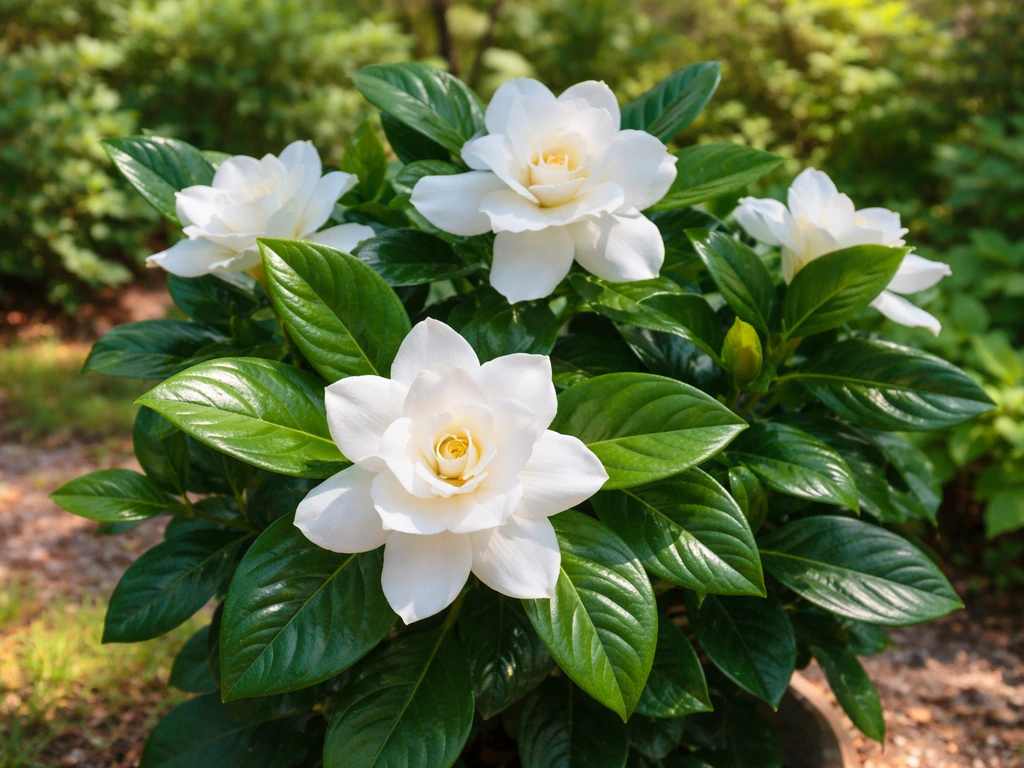
Yes, gardenias can grow in Virginia, but whether you can plant one outside and walk away depends entirely on where in the state you live. If you live in Washington State, you will need to rely more on local microclimates, wind protection, and likely containers because gardenias are typically grown only where winters stay mild Yes, gardenias can grow. In the Tidewater and Hampton Roads area (Zone 8A-8B), gardenias thrive outdoors year-round with minimal fuss.
Can Gardenias Grow in Virginia? What to Know and Buy
Marcus Hartwell
22 May 2026
In the Richmond and Northern Virginia corridor (Zones 7A-7B), they're very doable with smart placement and a little winter protection. Head up into the Blue Ridge or the Shenandoah Valley (Zones 5A-6B), and outdoor gardenias become a real gamble unless you're growing them in containers you can bring inside when temperatures drop. In New Jersey, gardenia success usually comes down to whether you can provide protection or grow them in containers that move indoors during cold weather.
Virginia's zones and what they mean for gardenias
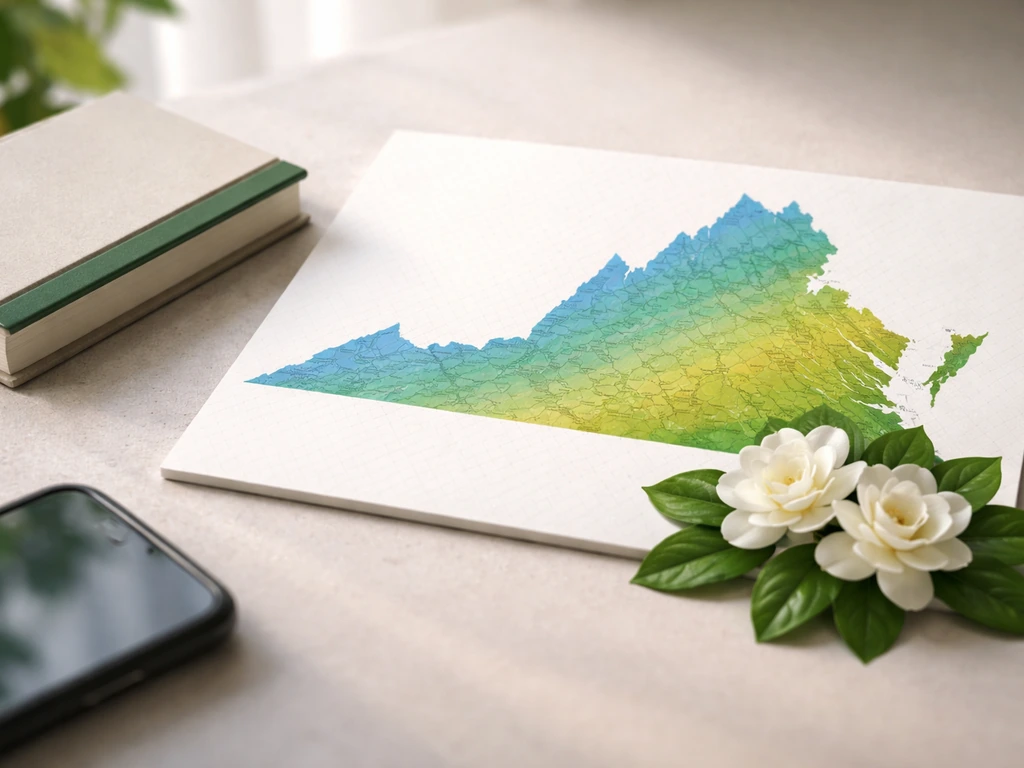
Virginia stretches across one of the widest hardiness ranges of any Eastern state. According to the 2023 USDA Plant Hardiness Zone Map, the state runs from Zone 5A in the highest mountain elevations all the way to Zone 8B along parts of the Tidewater and barrier islands. That's a massive swing, and it matters enormously for gardenias, which are most reliably cold-hardy down to about 10-15°F (Zone 7B-8A). Push them below that and you risk losing the plant entirely, not just a season of blooms.
Here's how it breaks down by region: Coastal Virginia (Hampton Roads, Virginia Beach, Norfolk, the Eastern Shore) sits in Zones 7B-8B and is genuinely gardenia-friendly. Central Virginia including Richmond, Fredericksburg, and Charlottesville lands in Zones 7A-7B, which is workable but means cold snaps can hit branches hard. Northern Virginia near the DC suburbs is mostly Zone 7A, which is right on the edge. The Shenandoah Valley and Roanoke area run Zone 6A-6B, and the western mountains drop to Zone 5A-5B, where outdoor gardening with gardenias just isn't realistic without containers.
Microclimates can shift your odds significantly
Your specific microclimate can push you a half-zone warmer or colder than the map suggests. A south-facing brick wall in Richmond holds heat overnight and can mean the difference between a gardenia that sails through winter and one that dies back to the roots. Cold air drains into low-lying spots, so planting in a depression or at the base of a slope puts you at more risk even if your neighbors are fine.
Urban heat islands in areas like Northern Virginia's dense suburbs can also nudge you into a slightly warmer micro-zone. Before you buy anything, check your exact zip code on the USDA's 2023 map and then look honestly at your yard's exposure. USDA explains that its hardiness map is built to assess winter survival using minimum temperatures and to estimate climate effects within each grid cell, including coastal influences, inversions, and elevation or topography [USDA's 2023 map](https://planthardiness. ars.
usda. gov/pages/map-creation).
Outdoor planting vs. containers: which approach fits you
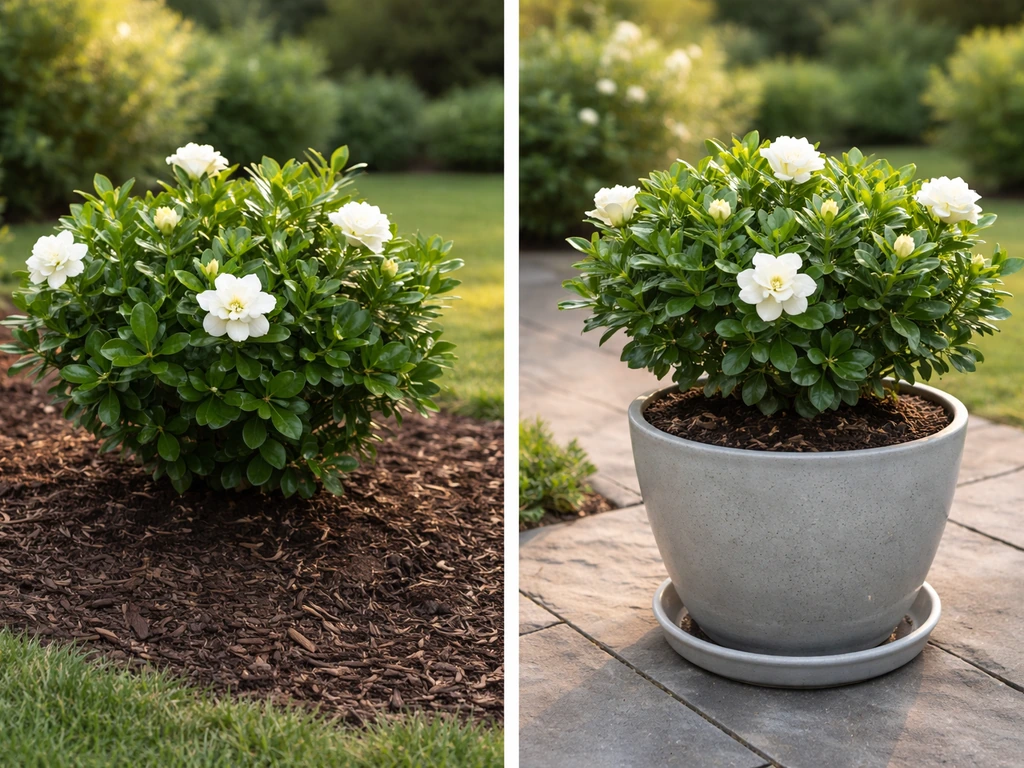
If you're in Zone 7B or warmer, planting gardenias directly in the ground is a reasonable choice, especially with a hardy cultivar (more on that below). You'll likely see some leaf browning in a harsh winter, but the plant will bounce back. In Zone 7A, you can still go in-ground, but plan on mulching heavily in fall and having burlap ready for polar vortex events.
For Zone 6 and below, containers are the practical answer: grow the gardenia in a large pot on the patio through spring, summer, and early fall, then move it into a cool, bright indoor space (a sunroom, a south-facing window, or a garage that stays above freezing) for winter.
If you're wondering can gardenias grow in New York, the container approach for Zone 6 and below is the closest related option since it lets you move the plant indoors when cold hits. You sacrifice some drama and size, but you keep the plant alive and still get those incredible blooms every summer.
| Virginia Region | Zone | Best Approach |
|---|---|---|
| Hampton Roads / Tidewater / Eastern Shore | 7B-8B | Plant in ground, minimal protection needed |
| Richmond / Fredericksburg / Charlottesville | 7A-7B | In-ground with hardy cultivar and winter mulching |
| Northern Virginia (DC suburbs) | 7A | In-ground with protection, or containers for peace of mind |
| Shenandoah Valley / Roanoke | 6A-6B | Containers strongly recommended; overwinter indoors |
| Blue Ridge / Western Mountains | 5A-5B | Containers only; outdoor survival very unlikely |
Gardenia varieties that give you the best shot in Virginia
Not all gardenias are equal when it comes to cold hardiness, and this is where your buying decision really matters. Standard gardenias (Gardenia jasminoides) sold at big-box stores are often less cold-tolerant selections bred for greenhouse production or warm Southern states. If you're in central or northern Virginia, skip those and look for cultivars specifically noted for cold hardiness.
- Gardenia jasminoides 'Kleim's Hardy': One of the most cold-tolerant options available, rated to Zone 6B in protected spots. Compact habit, fragrant single blooms, very popular in Mid-Atlantic gardens.
- Gardenia jasminoides 'Frostproof': Rated to Zone 7A, upright grower to about 4-5 feet, double blooms, reliable in Richmond and Northern Virginia with good siting.
- Gardenia jasminoides 'Chuck Hayes': Excellent cold hardiness (reportedly to Zone 6B), reblooming, and more forgiving of temperature swings than most cultivars. A strong pick for borderline Virginia zones.
- Gardenia jasminoides 'August Beauty': A classic double-flowering variety, best suited to Zone 7B and warmer. Great for Hampton Roads and coastal plantings.
- Gardenia jasminoides 'Radicans' (dwarf/creeping): Low-growing groundcover type, moderately cold-hardy, works well in Zone 7 as an edging plant or in containers.
If you're in Zone 7A or colder, the short list is really 'Kleim's Hardy' and 'Chuck Hayes.' Those two are the ones you'll hear recommended repeatedly by Mid-Atlantic gardeners who've actually tested them through a few rough winters. 'Frostproof' is a solid middle-ground option for Zone 7B. For anyone in Zone 8 coastal areas, you have the most flexibility and can grow almost any cultivar with confidence.
Where and how to plant gardenias in Virginia
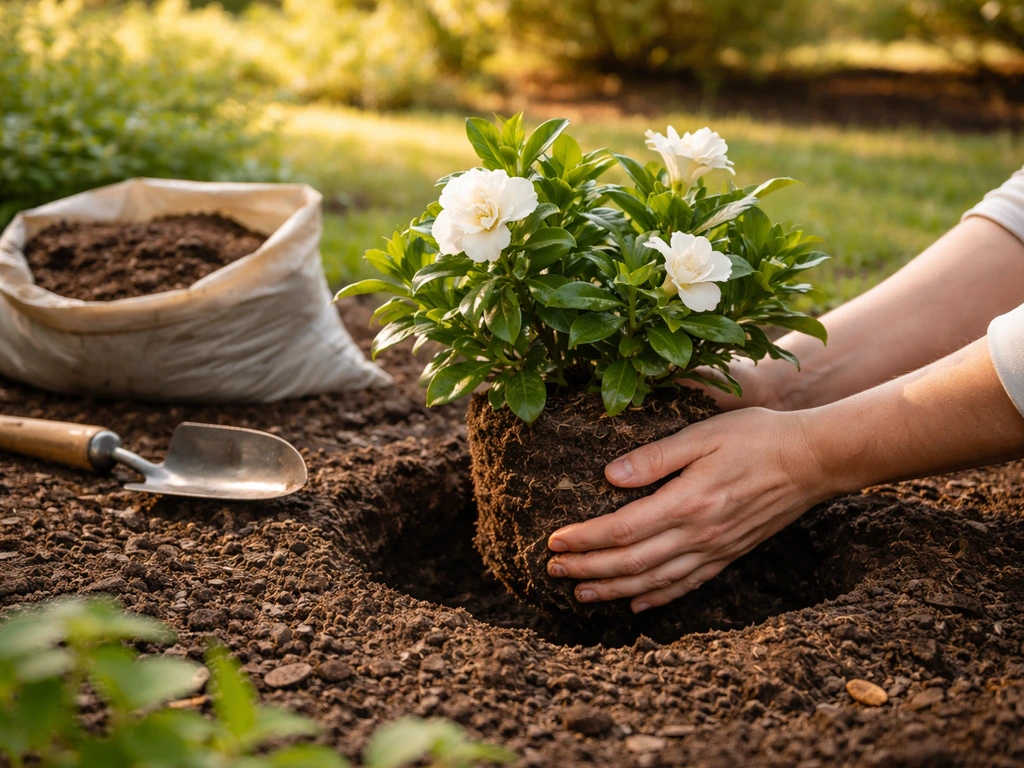
Placement is everything with gardenias in a borderline climate. Pick a spot that gets morning sun and afternoon shade, which keeps the plant from heat stress in Virginia's humid summers while still providing the light gardenias need to bloom. A south or southeast-facing location sheltered by a wall, fence, or evergreen hedge is ideal because it shields against cold northwest winds and provides radiant heat on cold nights.
Gardenias demand acidic, well-draining soil with a pH between 5.0 and 6.0. Virginia's native soils vary a lot, from the heavy clay of Northern Virginia and the Piedmont to the sandier soils of the coastal plain. Amend clay soils with compost and perlite before planting, or build a raised bed. Plant slightly high, with the crown just above the soil surface, to prevent root rot. Never let them sit in standing water.
Spacing and airflow also matter: gardenias are prone to whitefly and sooty mold in Virginia's humid summers, so don't crowd them. Give each plant at least 4-6 feet of clearance from other shrubs. Water deeply but infrequently once established, and fertilize with an acidic fertilizer (formulated for azaleas and gardenias) in spring and again in early summer. Stop fertilizing by August so the plant can harden off before fall.
Protecting gardenias through Virginia winters and troubleshooting problems
Even in Zone 7, a bad winter can catch gardenias off guard. The good news is that a little preparation goes a long way. After the first frost, pile 3-4 inches of pine bark mulch around the base of the plant, keeping it away from the stem itself. This insulates the roots, which are more cold-sensitive than the branches. For young plants or those in Zone 7A, wrap the plant loosely in burlap when temperatures are forecast to drop below 15°F for extended periods.
If your gardenia gets hit hard by cold and the branches die back, don't panic and don't immediately dig it up. Wait until late spring to see if new growth emerges from the base or lower stems. Scratch a branch lightly with your fingernail: green underneath means it's still alive. Prune out dead wood only after you see where new growth is coming from. Many Virginia gardeners have been surprised by gardenias that looked completely dead in March and were pushing new leaves by May.
For container growers, the overwintering plan is straightforward: move pots inside before the first hard frost (usually October-November in most of Virginia). A cool sunroom, bright garage, or south-facing window works well. Keep the soil barely moist during winter dormancy, don't fertilize, and don't try to push growth. Move the pot back outside gradually in spring after your last frost date, typically late March to mid-April depending on your zone.
Your action plan starting today
- Look up your exact zip code on the 2023 USDA Plant Hardiness Zone Map to confirm your zone, not just your county.
- Assess your specific yard: identify your warmest, most sheltered south or southeast-facing spot with morning sun and good drainage.
- Choose your cultivar based on zone: 'Kleim's Hardy' or 'Chuck Hayes' for Zone 6B-7A, 'Frostproof' or 'August Beauty' for Zone 7B+. Avoid unlabeled generic gardenias from big-box stores.
- Decide now: in-ground if you're Zone 7B or warmer with a good microclimate, container if you're Zone 6B or colder or want zero risk.
- Test your soil pH or amend proactively with sulfur or an acidic planting mix before installing.
- Mark your calendar for fall mulching and first-frost watch so winter prep doesn't catch you off guard.
Virginia is genuinely one of the more interesting states for gardenias because the answer isn't a flat yes or no, it really does depend on your corner of the state. Coastal and Tidewater Virginia gardeners have it easy. Central Virginia gardeners have a real shot with the right variety.
If you're comparing notes with gardeners in neighboring states, the situation in Virginia is notably better than what growers in Pennsylvania or New Jersey face, though not quite as easy as coastal Maryland or the Deep South. If you're wondering can gardenias grow in Massachusetts, the colder winters usually mean you'll need to rely on hardy cultivars and either heavy winter protection or container growing.
If you’re wondering can gardenia grow in NJ, it’s usually possible only with container growing or strong winter protection due to cooler hardiness zones. The key is matching the cultivar to your actual zone and not letting a beautiful plant at the nursery tempt you into ignoring what winter can do. If you’re comparing Virginia to colder areas, you may also be wondering can gardenias grow in Connecticut.
In Maryland, you’ll have the best results by choosing the right cold-tolerant gardenia and planning for winter protection based on your local zone can gardenias grow in maryland. Gardenias can do well in Maryland with the right cold-tolerant variety and a solid winter protection plan for your specific hardiness zone can gardenias grow in maryland.
FAQ
What’s the most reliable way to tell if a gardenia will survive my Virginia winter?
Use your zip code on the USDA 2023 hardiness map, then subtract about a half-zone for yards in low-lying spots or north-facing corners. Gardenias are more likely to die back from root damage than from branch damage, so don’t rely on what grows in a neighbor’s yard that sits higher or gets afternoon shelter.
Can I grow gardenias in Virginia if my yard soil is alkaline or very clay-heavy?
Yes, but you usually need to create acidic conditions consistently. Mix compost with perlite or coarse pine fines, or build a raised bed so water drains quickly. Test soil pH before planting, because correcting pH is harder once the plant is established and gardenias will sulk or drop buds if the pH drifts above the mid-5s.
If my gardenia is borderline hardy, should I plant in the ground anyway or use a container?
If you are Zone 7A or colder, container growing is the safer “keep it alive” strategy because you can fully control exposure during the coldest weeks. If you plant in-ground, treat winter protection as non-optional, and plan for possible dieback, then wait until late spring to assess before pruning.
Do gardenias need morning sun in Virginia, or will afternoon sun be enough?
Morning sun with afternoon shade is the typical winning pattern. Afternoon sun can trigger leaf stress in humid summers, especially if the plant is not well watered. Aim for a spot that gives light for blooming, then buffers heat with shade or taller plants during the hottest part of the day.
How much winter protection is actually necessary in central or Northern Virginia?
In Zone 7A, mulch is usually the baseline, then burlap is the add-on for sustained deep freezes. Wrap only loosely so airflow isn’t trapped, and keep mulch a few inches away from the stem to prevent rot. Remove or loosen protection after the coldest stretch so new growth is not smothered.
My gardenia looks dead after winter. When should I prune it, and how can I confirm it’s alive?
Wait until late spring, then check for fresh growth at the base or on lower stems. Scratch a small section of bark, if it’s green underneath there’s still living tissue. Prune dead wood only after you can see where new shoots are coming from.
What are the biggest mistakes Virginia gardeners make when growing gardenias?
The top ones are planting in standing water, using the wrong cultivar, and fertilizing too late. Gardenias need consistently well-draining, acidic soil, and in Virginia you should stop feeding by August so the plant hardens off before fall cold snaps.
How often should I water a gardenia in Virginia, especially during hot summers?
Water deeply but less frequently once established, so roots get oxygen as well as moisture. In humid weather, overwatering can worsen root problems and make the plant more vulnerable to issues like sooty mold after whitefly activity. A simple rule is to water when the top couple inches of soil dry out, then water thoroughly until excess drains.
Can I keep a gardenia outdoors year-round in Zone 7A if I pick the best cultivar and location?
Sometimes, but you still need a plan for extreme nights. Choose a cold-tolerant cultivar like ’Chuck Hayes’ or ’Kleim’s Hardy,’ place it against a sheltered south or southeast wall, and mulch heavily after the first frost. Even with good setup, expect occasional dieback in the coldest years.
If I grow gardenias in pots, how should I overwinter them in Virginia?
Move the pot indoors before the first hard frost, usually October to November depending on where you live. Keep it in a cool, bright spot, water just enough to prevent the soil from drying out completely, and do not fertilize or force growth. Resume outdoor placement gradually after your last frost date to avoid shock.
Why are my gardenia leaves turning yellow or dropping buds in Virginia?
The most common causes are soil pH drifting too high and moisture stress. If you haven’t tested pH, start there, because gardenias need acidic conditions to absorb nutrients. Also check drainage and watering consistency, because both too-wet and too-dry cycles can lead to bud drop.