
Gardenias can grow in Connecticut, but you need to be honest with yourself about what that means. Most of the state sits in USDA Zones 6b and 7a, and standard gardenias are rated for Zone 7 and warmer. That puts Connecticut right on the edge, which means success is very possible in the right spot with the right cultivar, but failure is equally possible if you plant the wrong variety in the wrong place and skip the winter prep. The short version: go with a cold-hardy cultivar, pick your warmest microclimate, and plan for some winter protection every year.
Can Gardenias Grow in Connecticut? Types, Zones, Care
Marcus Hartwell
10 Jun 2026
Yes or No for Connecticut?
Yes, with conditions. Connecticut is not gardenia country the way Virginia or Maryland is, and you won't get the effortless, shrub-in-the-yard situation you'd find further south. But it's not impossible either. The coastal strip around New Haven sits in Zone 7a, where cold-hardy gardenias have a genuine shot at surviving outdoors with minimal protection.
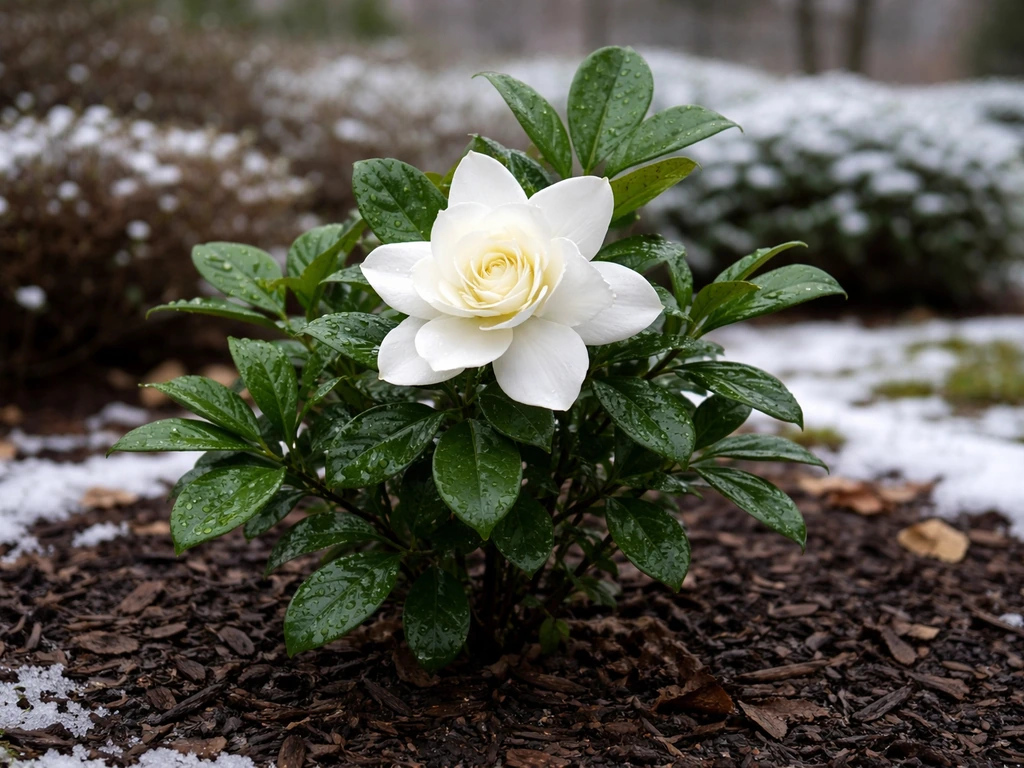
Inland areas like East Hartford are Zone 6b, where temperatures can dip to -5°F and gardenias will need more help, or might be better off in containers. Hartford has even recorded an all-time low of -26°F (January 1961), so on a historic worst-case night, even protected plants are at serious risk. That said, average winters in Zone 6b/7a don't hit those extremes, and with the right setup, plenty of Connecticut gardeners do grow gardenias and get blooms.
Connecticut's Climate Reality: Zones, Cold, and What to Expect
Connecticut is not one climate. The coastal areas along Long Island Sound, especially in the New Haven area, benefit from the moderating effect of the water and fall into Zone 7a, where winter lows average 0°F to 5°F. Move inland to the Connecticut River Valley and central areas, and you're in Zone 6b, where lows average -5°F to 0°F. Go further inland or to higher elevations and conditions get harsher still. This matters enormously for gardenias, which are rated for Zone 7 at the coldest.
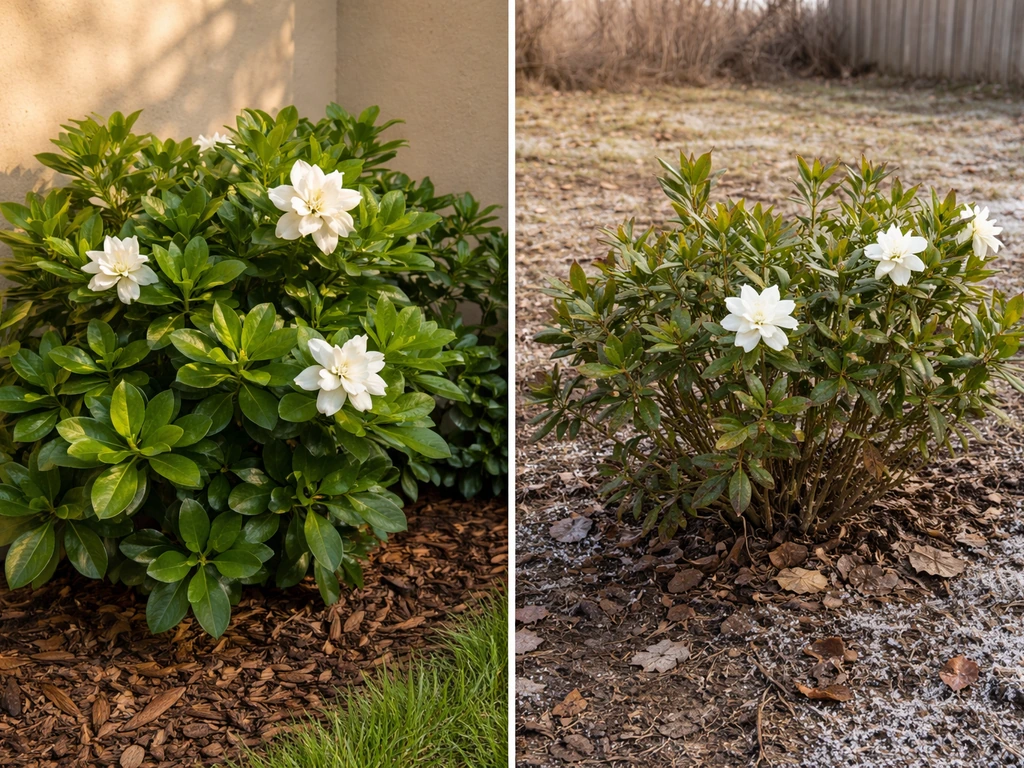
Even in Zone 7a, Connecticut winters bring freeze-thaw cycles, cold winds, and occasional brutal cold snaps that can kill or badly damage gardenias that have no protection. You should expect some tip dieback most winters, especially in Zone 6b. Bud set is also a real concern: gardenias need a narrow temperature window to form flower buds, and Connecticut's swinging spring temperatures (warm one week, freezing the next) can cause buds to drop before they open. You'll likely get blooms, but not the heavy, reliable flowering you'd see in Zone 8. Think of it as a rewarding challenge rather than a guaranteed show.
The Cold-Hardy Cultivars Worth Growing in CT
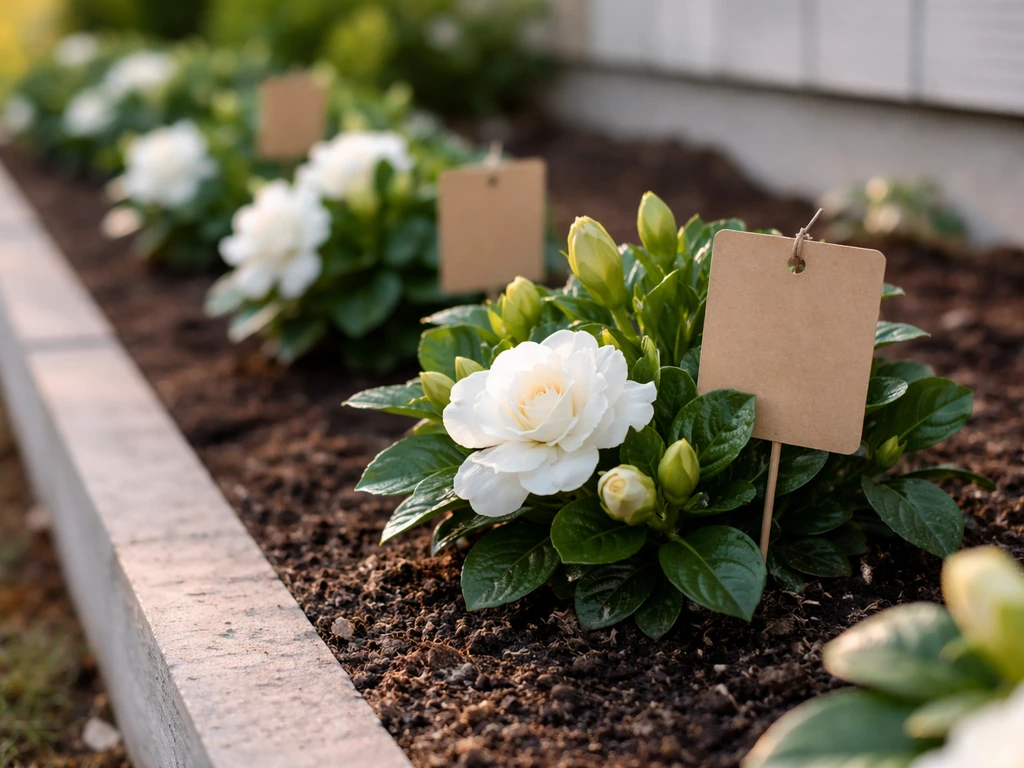
This is the most important decision you'll make. Standard Gardenia jasminoides is rated for Zone 7 to 11, which already puts most of Connecticut in borderline territory. The good news is that several cultivars have been selected specifically for better cold tolerance, and those are the ones to seek out.
| Cultivar | USDA Hardiness Zones | Notes for CT |
|---|---|---|
| 'Kleim's Hardy' | 7–11 | Compact, single flowers, one of the most cold-tolerant; best bet for Zone 7a coastal CT |
| 'Frostproof' | 7–11 | Upright grower, double flowers, rated Zone 7 but handles brief cold snaps reasonably well |
| 'Chuck Hayes' | 7–10 | Double flowers, considered one of the hardiest gardenias; worth trying in protected Zone 6b spots |
| Standard Gardenia jasminoides | 7–11 | Not recommended for CT; insufficient cold tolerance for most of the state |
'Kleim's Hardy' and 'Chuck Hayes' are the two names to remember. 'Kleim's Hardy' is the most widely recommended for borderline climates and is compact enough to container-grow easily. 'Chuck Hayes' is particularly valued by gardeners pushing the zone limits because it consistently comes back even after significant die-back. 'Frostproof' is a solid middle-ground option that's easy to find at garden centers. Avoid anything labeled simply as 'common gardenia' or without a cultivar name if you're planting in Connecticut.
Where to Plant Gardenias in Connecticut
Site selection can make or break a Connecticut gardenia. You're looking for a spot that captures warmth, blocks wind, and drains well. The south or southeast side of your house is ideal: it gets maximum sun exposure and the house itself acts as a windbreak and radiates heat during cold nights. Avoid north-facing beds and open, exposed spots where winter wind will desiccate the foliage.
Gardenias want full sun to partial shade, but in Connecticut's shorter, cooler summers, lean toward full sun to maximize warmth and help buds develop properly. In truly hot inland summers, some afternoon shade protects the flowers from burning, but morning sun is non-negotiable. Coastal Zone 7a gardeners generally have more flexibility here than inland Zone 6b gardeners, who need every degree of warmth they can get.
Soil pH is critical and often overlooked. Gardenias need acidic soil in the range of pH 5.0 to 6.5. Connecticut soils are naturally somewhat acidic, often in the 5.0 to 5.6 range, which actually lines up well. Get a soil test before planting (the University of Connecticut Extension offers this service) and amend with sulfur if needed. Good drainage is just as important: gardenias sitting in wet soil through a Connecticut winter will rot. If your site holds water, raise the bed or plant on a slight slope.
Winter Protection: What You Actually Need to Do
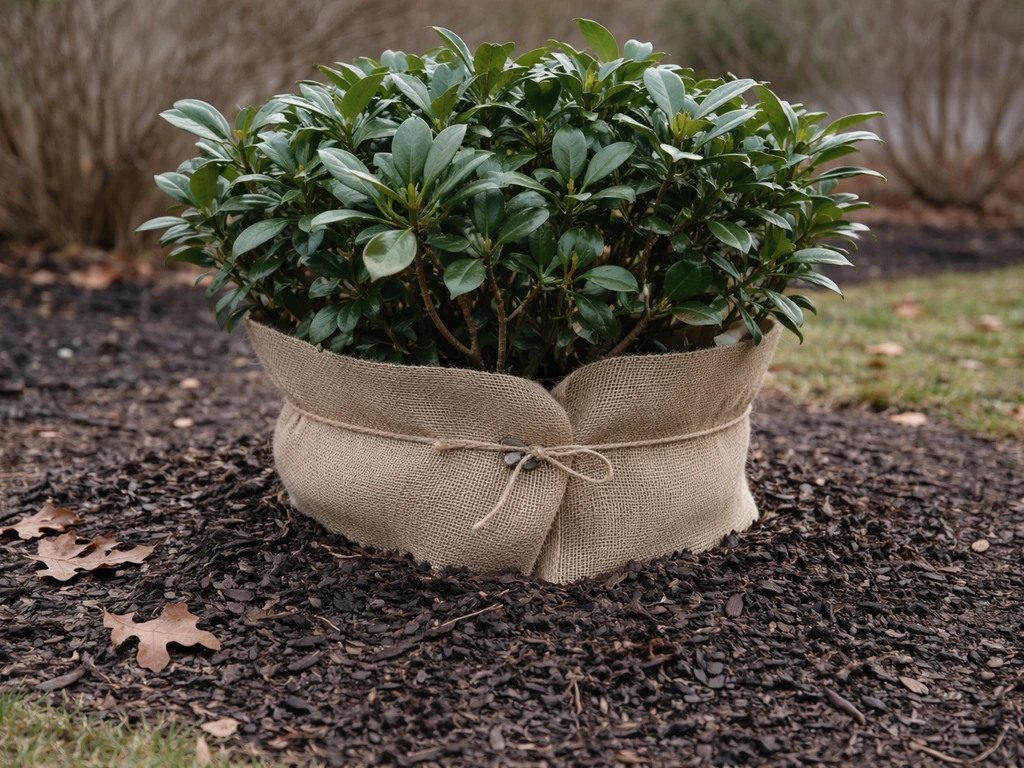
If you're growing gardenias in the ground in Connecticut, winter protection isn't optional. Even in Zone 7a, a few basic steps can be the difference between a plant that rebounds in spring and one that dies to the roots or outright dies.
- Mulch deeply after the soil has had its first hard freeze, typically late November in Connecticut. Apply 4 to 6 inches of shredded bark or straw over the root zone to insulate roots and reduce freeze-thaw heaving. Don't pile mulch against the stem.
- Wrap the plant with burlap, not plastic. Use breathable burlap to shield the foliage from drying winter winds and reduce desiccation. Plastic traps moisture and can cause rot or create a freeze-thaw pocket that damages tissue.
- Consider an anti-desiccant spray like Wilt-Pruf applied in late fall. This coating reduces moisture loss from evergreen leaves during cold, dry, windy winters, which is one of the most common ways Connecticut gardenias die.
- Remove protection gradually in spring once nighttime temperatures are consistently staying above freezing, but don't strip it off during a warm spell in February. Connecticut springs are unpredictable.
- If you get tip dieback, don't panic and prune immediately. Wait until late spring to see where new growth emerges, then cut back only the dead wood.
In Zone 6b, even with all of the above, you may see significant dieback in a bad winter. The roots of a well-established 'Chuck Hayes' can often survive even when the top dies back, so a plant that looks dead in April isn't necessarily gone. Give it until June before giving up on it.
In-Ground vs Container: Which Is the Better Path in CT?
For most Connecticut gardeners, especially those in Zone 6b inland areas, container growing is honestly the smarter and less stressful option. Here's why: a plant in a container is effectively exposed to about one USDA zone colder than the in-ground equivalent, because the pot provides no ground insulation. But that works both ways. You can move a container plant somewhere protected for winter, eliminating most of the cold risk entirely.
The best overwintering approach for a container gardenia in Connecticut is to bring it into an unheated garage or basement before temperatures drop below 20°F, typically by mid-November. Keep it in a cool but frost-free space, water sparingly (just enough to keep roots from drying out completely), and don't fertilize until you bring it back outside in late April or May. An unheated garage that stays above about 20°F is ideal because the plant goes mostly dormant without being killed.
In-ground planting makes more sense if you're in Zone 7a along the coast, using a cold-hardy cultivar like 'Kleim's Hardy' or 'Chuck Hayes', and have a sheltered south-facing microclimate. In that scenario, the plant can establish a strong root system that gives it better cold resilience than a pot-bound plant ever could. Established in-ground gardenias in good microclimates along the Connecticut shoreline do survive Connecticut winters and bloom reliably.
| Factor | In-Ground (CT) | Container (CT) |
|---|---|---|
| Best zones | Zone 7a coastal areas | Zone 6b and 7a both |
| Winter risk | Higher; roots exposed to ground freeze | Lower if moved indoors before hard freeze |
| Long-term size/blooms | Better; plants establish and grow larger | Limited by pot size; may bloom well with care |
| Effort level | Lower once established, but winter prep needed | Higher; must move, monitor moisture, and time correctly |
| Failure risk | Moderate to high in Zone 6b | Low if overwintered properly |
If you're new to gardenias in Connecticut, start with a container. You'll learn how the plant behaves in your specific yard conditions before committing to an in-ground planting that might not survive its first winter.
What If Gardenias Keep Failing? Try These Instead
If you've tried a gardenia in Connecticut and keep losing it, or if you want that fragrant, flowering-shrub effect without the annual stress, there are some excellent alternatives that are genuinely hardy here.
- Azaleas: Hardy in Zones 5 to 9 depending on cultivar, azaleas thrive in Connecticut's naturally acidic soils and deliver stunning spring blooms. They're the most obvious swap for gardenia's ornamental impact without the cold-hardiness drama.
- Japanese Pieris (Pieris japonica): Hardy in Zones 5 to 7, this evergreen shrub has drooping clusters of white flowers in early spring, attractive year-round foliage, and the same acidic soil preference as gardenias. It's deeply underused in Connecticut landscapes.
- Viburnum 'Dawn' (Viburnum × bodnantense): Hardy in Zones 5 to 7, this viburnum blooms in late winter and early spring with fragrant pink-white clusters. If you love gardenia's fragrance and want something that actually thrives in Zone 6b without babying, this is worth serious consideration.
- Native Sweetbay Magnolia (Magnolia virginiana): Hardy to Zone 5, semi-evergreen, and produces fragrant white flowers in summer. It checks the fragrance and white-flower boxes that often draw gardeners to gardenias.
Connecticut gardeners dealing with this same question about nearby states will find the answers shift noticeably as you move south. can gardenias grow in virginia can gardenias grow in virginia? Provide that option next. Gardenia growers in Washington State often face a different kind of challenge because coastal temperatures and winter conditions can vary widely across the region.
Gardenias become significantly more reliable in New Jersey, Pennsylvania, Maryland, and Virginia, where warmer winter lows and longer frost-free seasons tip the odds firmly in the plant's favor. In Massachusetts, the situation is similar to Connecticut or slightly harder. If you're on the fence about whether the effort is worth it, knowing that even a few miles south changes the equation might help you decide how hard to push for it in your own yard.
The bottom line for Connecticut: gardenias are a stretch but not a fantasy. With the same approach, you can also ask whether gardenias can grow in NJ by comparing your local USDA zone and choosing a cold-hardy cultivar can gardenia grow in nj. If you're wondering can gardenias grow in New York, the answer depends heavily on your local USDA zone and whether you can provide winter protection.
Pick 'Kleim's Hardy' or 'Chuck Hayes', put it on the south side of your house in Zone 7a, or grow it in a container you can bring in for winter in Zone 6b, keep the soil acidic, and protect it every fall.
Garden Design also notes that azaleas are generally hardy in Zones 6, 9, with some deciduous types hardy down to Zones 3, 5, which can make them a realistic alternative for acidic-soil gardens and spring bloom looks keep the soil acidic.
Do all that and you have a real shot at those fragrant white blooms every summer. Skip any one of those steps in a hard winter, and you'll likely be starting over in spring. In Pennsylvania, you can sometimes grow gardenias if you choose cold-hardy cultivars, give them strong winter protection, and pick the warmest microclimate available can gardenias grow in Pennsylvania.
FAQ
If my yard is Zone 6b, is it ever realistic to grow gardenias in the ground in Connecticut?
It can be, but treat it like a high-risk project. Only consider in-ground if you have a very sheltered south or southeast microclimate (against a wall, protected from wind), truly acidic well-drained soil, and you are consistent with winter protection every year. If you cannot meet those, container growing is usually the better odds approach.
How much winter protection should I plan for gardenias in Connecticut?
Plan on more than just a light cover. Use a wind-blocking layer plus insulation around the root zone, and avoid leaving foliage exposed to drying winter winds. In the coldest inland areas, assume tip dieback is normal and focus protection on keeping roots and lower stems alive rather than expecting the whole top to survive.
Should I prune gardenias in fall to help them survive Connecticut winters?
Avoid fall pruning that removes flowering wood or exposes fresh cuts going into winter. Instead, delay major pruning until after you see what actually survived in spring, then lightly tidy only what is dead or damaged. This also helps you avoid cutting back into wood that might have been alive but protected.
My gardenia blooms less than expected, but it survives. What’s the usual cause in Connecticut?
Bud drop is common when spring temperatures swing rapidly. To reduce stress, prioritize warmth and shelter at the bud-setting time (lean toward full sun in your warmest corner), and keep moisture steady so the plant is not stressed by drying out during warm spells followed by cold snaps.
Do gardenias need fertilizing in Connecticut, or can I skip it while they struggle with winter?
You can reduce risk by fertilizing conservatively. Don’t fertilize in fall, and avoid pushing growth late in the season because tender new growth can be damaged by cold. Resume feeding only when you bring the plant out of dormancy (late April or May for containers, after spring growth starts for in-ground plants).
What’s the best way to water gardenias during winter in Connecticut?
In-ground plants need minimal intervention, but containers do need careful attention. For container gardenias kept near freezing but above about 20°F, water sparingly so roots do not dry out completely, and never saturate the pot. Wet, cold soil is a rot risk, especially during Connecticut freeze-thaw cycles.
Should I repot a container gardenia right before winter or spring?
Don’t repot right before overwintering. Repotting disrupts fine roots and can increase stress just before cold exposure. If you need to refresh the mix or size up, do it after you move the plant back outside in late April or May and after you see active growth.
Can I start with a gardenia from a big-box store labeled “hardy” or “common gardenia”?
Avoid anything without an explicit cultivar name. In Connecticut, the cultivar matters because cold tolerance varies a lot. Look specifically for cold-hardy selections suitable for borderline climates, since “common gardenia” labeling is too vague to rely on.
If my gardenia looks dead in April, how do I tell whether the roots survived?
Give it time. Connecticut winters often cause top dieback, especially inland. Wait until late spring to judge survival, and only remove dead-looking branches after you confirm there is no green growth or healthy new shoots. If it was well-established, the roots may survive even when the top is gone.
Are there signs my soil pH is too high for gardenias in Connecticut?
Yes, watch for yellowing leaves with green veins (chlorosis) and overall slow growth despite adequate sun. Even if Connecticut soils are naturally somewhat acidic, it’s still worth testing, because mulch, past fertilizing habits, or the specific planting bed can shift pH out of the ideal range.