
Yes, rhubarb can grow in Virginia, but how well it does depends almost entirely on where in the state you live. In the mountains, the Upper Piedmont, and Northern Virginia, rhubarb can thrive as a long-lived perennial with very little fuss.
Does Rhubarb Grow in Virginia? Best Zones, Planting Tips
Marcus Hartwell
11 Jun 2026
The closer you get to the Coastal Plain and the southeastern corner of the state, the harder it gets, mainly because rhubarb needs a solid stretch of cool winter temperatures to wake up properly each spring, and that doesn't always happen near the coast. Chances are, the same cool-winter requirement affects whether does rhubarb grow in mexico rhubarb needs a solid stretch of cool winter temperatures.
If you’re wondering about Texas specifically, the same chilling requirement makes it tricky in many parts of the state does rhubarb grow in texas.
What rhubarb actually needs to grow well
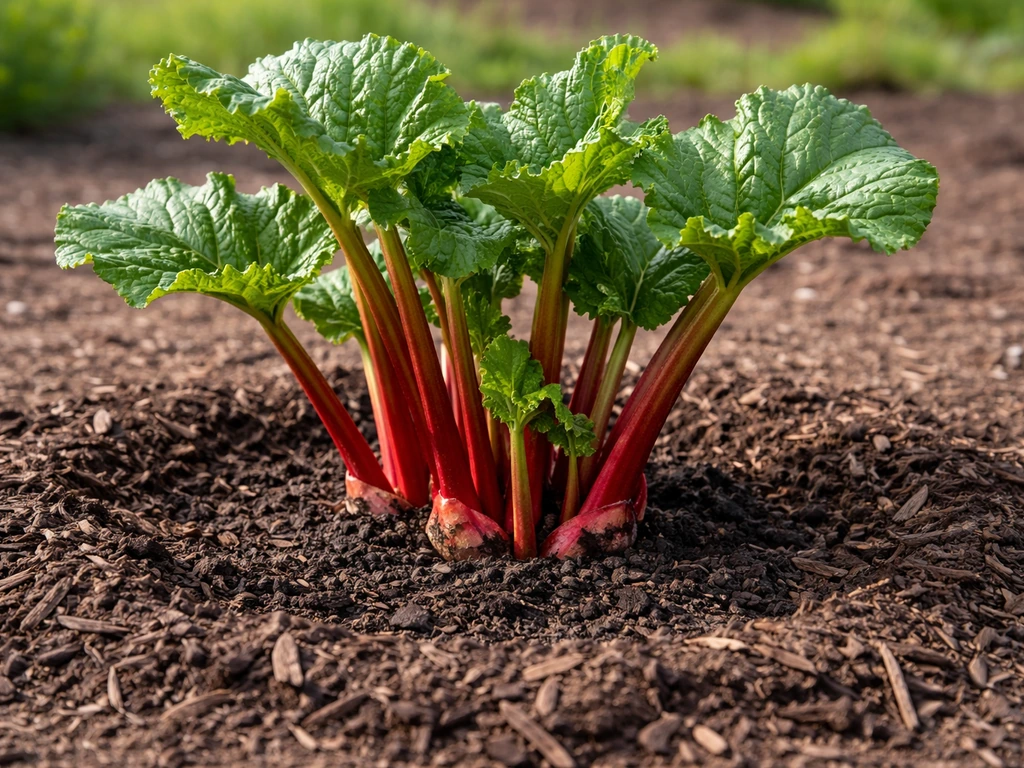
Rhubarb is a cool-season perennial, and that label means more than it sounds like. It isn't just that rhubarb dislikes heat in summer. It actually requires cold winter temperatures, specifically around 500 hours between 28°F and 49°F (called chilling hours), to properly form new leaf buds for the following season. Without enough of those hours, plants come back weak or barely at all. That's the make-or-break factor in Virginia, not whether your winters are cold enough to kill the plant. Rhubarb crowns are extremely winter hardy and can survive being frozen solid for months without any damage. The problem is whether your winters are cold enough, and long enough, to satisfy the plant's chilling requirement.
Beyond winter chill, rhubarb wants full sun (at least 6 hours daily) and deep, rich, well-drained soil. The ideal soil is a sandy loam with a pH between 6.0 and 6.8. Very sandy soils can work if you load them up with organic matter, but heavy clay or waterlogged ground is a fast path to crown rot. Get a soil test before planting so you know exactly what you're starting with for pH, phosphorus, and potassium levels, then amend accordingly.
Where in Virginia rhubarb is most likely to succeed
Virginia runs from USDA hardiness zones 5b in the highest mountain elevations all the way to zone 8a along the southeastern coast. Virginia Cooperative Extension's herbaceous landscape plants guidance also breaks USDA hardiness zones down within the state, including noting that the Piedmont region is zone 7 (7b east and south of Richmond and 7a west across central VA) blank" rel="noopener noreferrer">piedmont region is zone 7: 7b east and south of Richmond and 7a west across central VA. Rhubarb's sweet spot is roughly zones 3 through 7, so the western and northern parts of Virginia are naturally the best fit.
| Virginia Region | Typical Zone | Rhubarb Feasibility |
|---|---|---|
| Mountains (SW & W Virginia) | 5b–6b | Excellent. Best conditions in the state. |
| Upper Piedmont / Shenandoah Valley | 6a–7a | Very good. Reliable chilling hours and manageable summers. |
| Northern Virginia | 6b–7a | Good. Cooler winters support consistent performance. |
| Central Piedmont (near Richmond) | 7a–7b | Marginal. Possible with good site selection and irrigation. |
| Southside / Lower Piedmont | 7b | Marginal. Winter chill may be borderline; extra care needed. |
| Coastal Plain / SE Virginia | 7b–8a | Difficult. Insufficient chilling hours most years. |
Virginia Cooperative Extension specifically calls out the Upper Piedmont and Mountain regions, plus parts of Northern Virginia, as the best areas for rhubarb production in the state. In Southside and the Lower Piedmont, winter temperatures may still be adequate for bud formation in most years, but these locations are right on the edge, and plants there need extra help to get through hot, dry summers. Can you grow dahlias in Hawaii?
Yes, but the best results depend on choosing the right variety and managing heat, sunlight, and watering for your specific island and microclimate. Yes, but you may need to manage variety choice and provide extra protection, because Hawaii also has to meet rhubarb’s chilling needs. The southeastern Coastal Plain is really the problem zone, where the winter just doesn't stay cold long enough or consistently enough to fully meet that 500-hour chilling requirement.
Microclimates matter a lot at the margins. A north-facing slope, a spot that stays shaded from afternoon sun, or a location near a tree line that blocks southwest summer heat can all tip a marginal location toward success. If you're in the Richmond area or points south, think hard about site placement before investing in crowns.
When to plant rhubarb in Virginia
Spring planting is the standard approach. You can set crowns as soon as the soil is workable in early spring, which in Northern Virginia and the mountains might be late February through March, and in the Piedmont and central Virginia anywhere from late February into April. For reference, Richmond's average last frost falls around April 11–20, so you're aiming to get crowns in the ground around that window or slightly before in warmer parts of the state. NOAA NCEI also documents freeze and frost date datasets, including last spring freeze and first fall freeze date products based on threshold temperatures such as 32°F, 28°F, and 20°F.
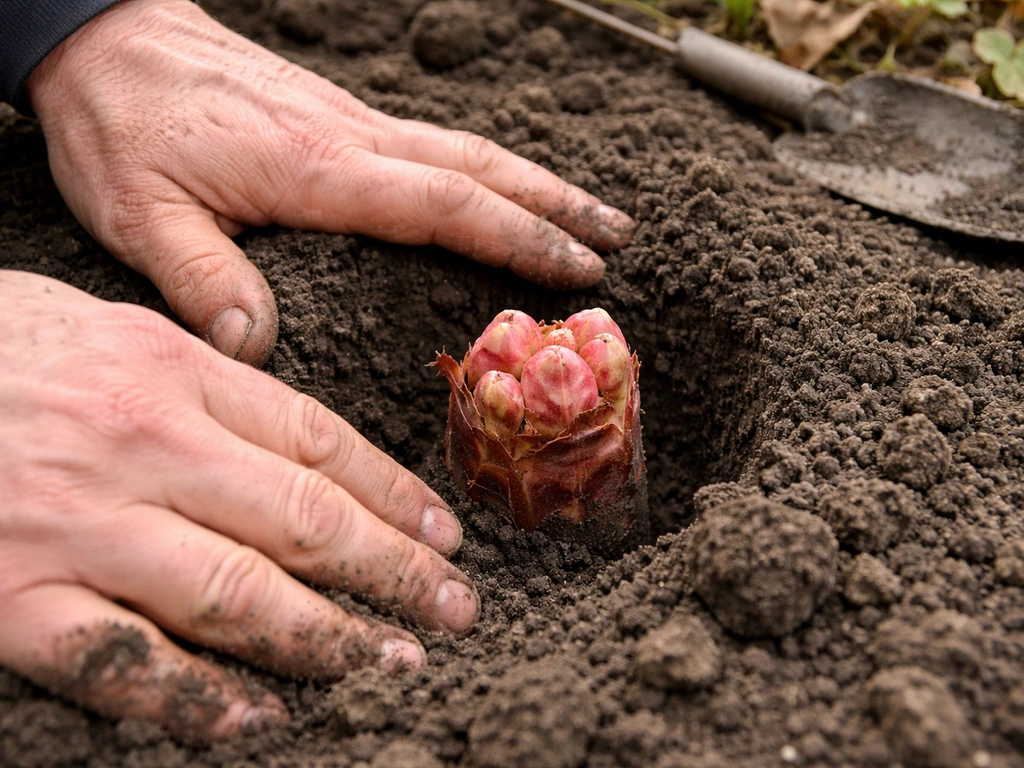
When you plant, place the crown buds just about 1 inch below the soil surface in holes that are 4 to 6 inches deep depending on the size of the crown. Water the crowns in well to settle them, but if you've had to cut or divide crowns before planting, wait 2 to 3 days before the first watering. That brief delay lets the cut surfaces callus over and reduces the risk of rot getting started right at planting.
Don't harvest anything the first year, and keep harvesting light in the second year. This lets the plant put energy into establishing deep roots and a strong crown, which pays off for years afterward. Once established, rhubarb is one of the lower-maintenance plants you can grow in the right Virginia location. Plan to dig and divide crowns every 5 to 8 years to keep plants vigorous.
Containers vs. in-ground for trickier Virginia locations
If you're in a marginal area like Central Virginia or Southside, container growing is worth considering, but it comes with real trade-offs for rhubarb specifically. On the plus side, containers let you move plants to catch afternoon shade in summer, which reduces heat stress. You also have full control over drainage and soil quality, which is a genuine advantage if your native soil is heavy clay.
The downside is that containers in Virginia winters can actually swing between too warm and occasionally too cold, depending on where you place them. A large container (at least 20 gallons) with a well-draining, organic-rich mix is the minimum you'd want for rhubarb, since the roots need depth. In-ground planting in a raised bed is often a better middle-ground option for marginal spots: you get the drainage benefits of a container with the more stable soil temperatures of an in-ground planting. A raised bed with improved drainage can meaningfully reduce crown rot risk in wetter Virginia soils.
Variety selection can shift the odds in your favor
Not all rhubarb varieties have the same chilling requirement, and that matters if you're on the warmer end of Virginia's range. Virginia Cooperative Extension notes that 'Red Cherry' is reportedly low in chilling requirement, making it a better candidate for the Piedmont and points south. 'Canada Red,' on the other hand, is better suited to cooler regions like the mountains or Northern Virginia.
Green-stalked varieties tend to bolt more under heat stress than red varieties, so in central and southern Virginia, stick with red-stalked selections. Because variety-specific cold requirements are often not clearly documented by sellers, planting two or three different varieties on a trial basis is a smart strategy if you're not sure which will perform best in your specific location.
Common Virginia rhubarb problems and how to fix them
Crown rot
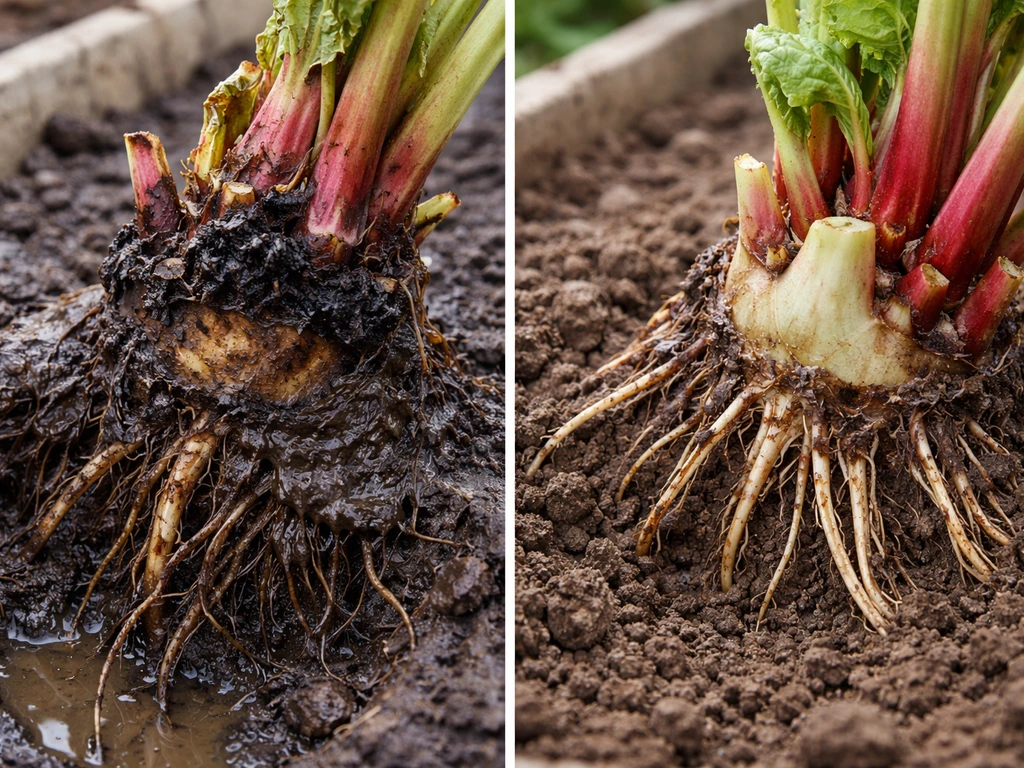
This is the most common Virginia rhubarb killer, and it's almost always a drainage problem. Rhubarb crowns sitting in waterlogged soil will rot, period. Before you buy a single crown, evaluate your planting spot after a heavy rain. If water pools or drains slowly, either move to a better-drained location or build a raised bed. When buying crowns, inspect them carefully and reject any with soft spots, discoloration, or decay. Starting with clean stock matters as much as the site itself.
Weak growth and poor vigor
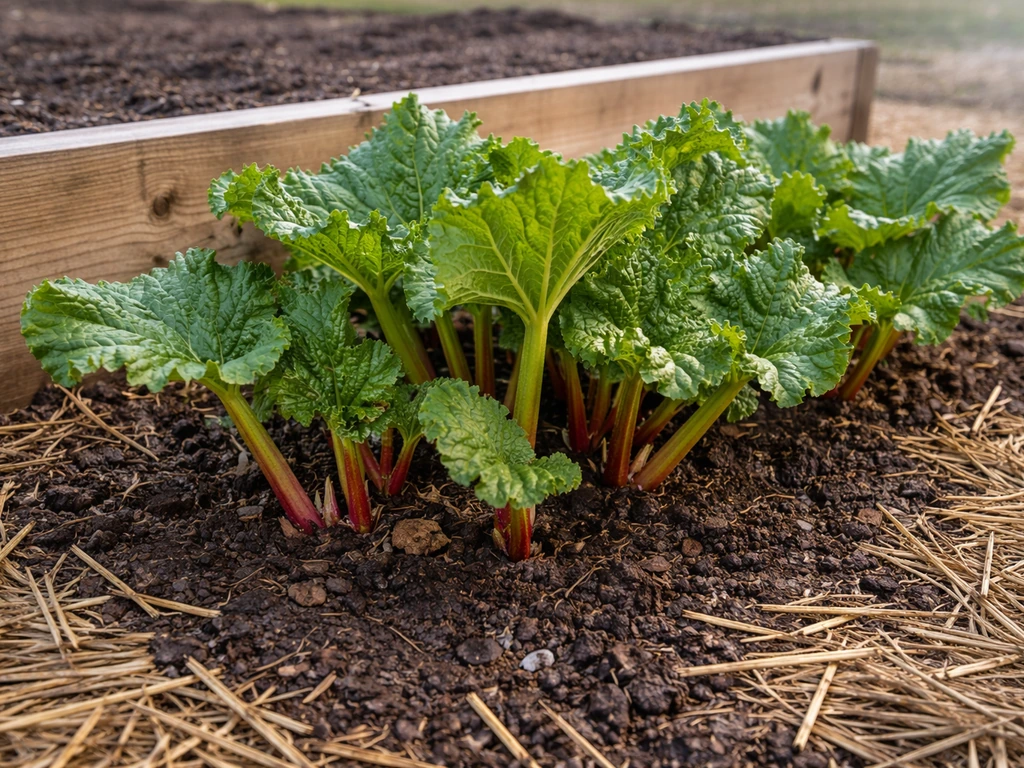
If your rhubarb looks tired and produces spindly stalks, heat stress is usually the culprit in Virginia, especially in warmer zones. Make sure plants get consistent irrigation through summer: the target is roughly 1 to 2 inches of water per week combined from rainfall and supplemental irrigation. Straw mulch helps a lot here, keeping soil moisture more consistent and soil temperatures lower around the roots. In the lower Piedmont and Southside, afternoon shade can make a real difference in plant vigor.
Bolting (flower stalks forming)
Rhubarb sending up flower stalks is a stress response, not normal behavior, and in Virginia it's usually triggered by some combination of heat, drought, low soil fertility, or an aging planting that needs division. Remove flower stalks as soon as you see them, because letting them develop draws energy away from leaf and stalk production. Check your soil fertility if bolting is frequent, address irrigation gaps, and if the planting is more than 5 to 8 years old, it's time to dig and divide. Green-stalked varieties are more prone to this problem than red ones, another reason to favor red varieties in warmer parts of the state.
Rhubarb curculio
This pest is a beetle that bores into rhubarb stalks and crowns, and it's more of an issue in Virginia than many gardeners expect. The most effective control is straightforward: eliminate curly dock (a common roadside and garden weed) from your property and the area immediately around your planting. Curly dock is the primary host for rhubarb curculio, and without it nearby, populations stay low.
The bottom line for Virginia gardeners
Rhubarb is a genuinely viable garden plant across much of Virginia, particularly in the mountains, Shenandoah Valley, Upper Piedmont, and Northern Virginia. If you're wondering whether rhubarb can grow in North Carolina, the key factors are similar: winter chill and a well-drained site with full sun viable garden plant. If you're in those areas, pick a well-drained spot, get a soil test, plant in early spring, and you have a very good shot at a productive perennial planting.
The closer you are to the coast or the warmer southeastern corner of the state, the more you'll need to compensate with variety selection, afternoon shade, consistent irrigation, and raised beds. If you are wondering does rhubarb grow in california, remember that warm coastal conditions are the same kind of challenge, since rhubarb depends on enough chilling hours to wake up reliably coast or the warmer southeastern corner. It's harder but not impossible.
Virginia's neighbors present a similar story: rhubarb is a better bet in the mountains and northern areas than in the lower coastal regions, a pattern that holds true whether you're looking at North Carolina's mountains or Tennessee's cooler valleys. If you're wondering whether rhubarb grows in North Carolina, the key factor is whether your winters deliver enough chilling hours for bud formation.
For the Coastal Plain in Virginia, go in with realistic expectations and be prepared to experiment with low-chill varieties before committing to a large planting.
FAQ
If I live near the Virginia coast, is rhubarb still worth trying?
In coastal Virginia, rhubarb often struggles because winter cold may not stay within the right temperature band long enough. If you want to try anyway, treat it as an experiment: plant a low-chill variety (like Red Cherry), give it afternoon shade, and avoid soggy ground with a raised bed so the crown can survive until spring.
How can I tell whether my Virginia rhubarb issue is winter chill versus winter freeze damage?
Rhubarb crowns are hardy enough to survive freezes, but they still need enough chilling hours to wake up and form leaf buds. If your plant comes up weak every year, that pattern usually points to insufficient chill or inconsistent winter temps, not to cold damage.
Is it better to plant rhubarb in spring or fall in Virginia?
Yes, you can start with crowns in spring, and it is the safest timing. Fall planting is higher risk in Virginia because crowns can rot if soils stay wet before dormancy finishes, and winter temperature swings can trigger uneven dormancy.
My rhubarb is sending up flowers, what should I do?
When you see flower stalks, remove them as soon as they emerge to keep energy focused on leaves. Frequent bolting in Virginia also often means heat and drought stress, low fertility, or an aging clump that needs division around the 5 to 8 year mark.
What’s the best way to check if my garden spot is risky for crown rot?
Do a quick drainage check after a heavy rain. If you notice pooled water or water drains slowly, don’t just add fertilizer, fix the site by improving drainage or building a raised bed, since crown rot is almost always from waterlogged conditions.
Can I grow rhubarb in a pot in Virginia, and what size container do I need?
You can keep rhubarb in a container, but only if you provide deep, stable soil temperatures and excellent drainage. Use a large pot (about 20 gallons or more), a rich but fast-draining mix, and plan to shade the container in summer to reduce heat stress.
Should I amend soil before planting rhubarb, and what should I target based on a soil test?
If your soil test shows pH outside the ideal 6.0 to 6.8 range, correct it before planting rather than relying on compost alone. Also amend based on the test results for nutrients, since rhubarb is less forgiving of persistent imbalance than many vegetables.
What’s the safest watering approach when planting or dividing rhubarb crowns?
If you divide crowns, let the cut surfaces callus for 2 to 3 days before the first watering, then water to settle the soil. This small timing step reduces the chance of rot starting in fresh cuts right at planting.
When can I start harvesting rhubarb in Virginia?
For the first year, don’t harvest stalks at all. In the second year, keep harvest light, taking only what the plant can replace easily, so it can build deep roots and a strong crown for long-term productivity.
My rhubarb looks weak and thin, what are the most common causes in Virginia?
If you get spindly stalks and the plant looks tired, the first things to check are summer irrigation consistency, mulch coverage, and whether afternoon shade is needed. In warm parts of Virginia, heat and moisture swings are a common cause of weak growth.
If chilling requirements are unclear, how should I choose rhubarb varieties for my area?
Yes, but choose varieties thoughtfully for your location. Since sellers often do not clearly list chilling needs, a practical approach for uncertain areas is to plant two or three varieties as a small trial, then scale up only those that perform.
How do I prevent rhubarb curculio in Virginia without heavy spraying?
A major pest issue in Virginia is rhubarb curculio, and it’s strongly influenced by nearby host weeds. Removing curly dock from your property and the immediate area around plantings is one of the most effective ways to keep beetle pressure low.