
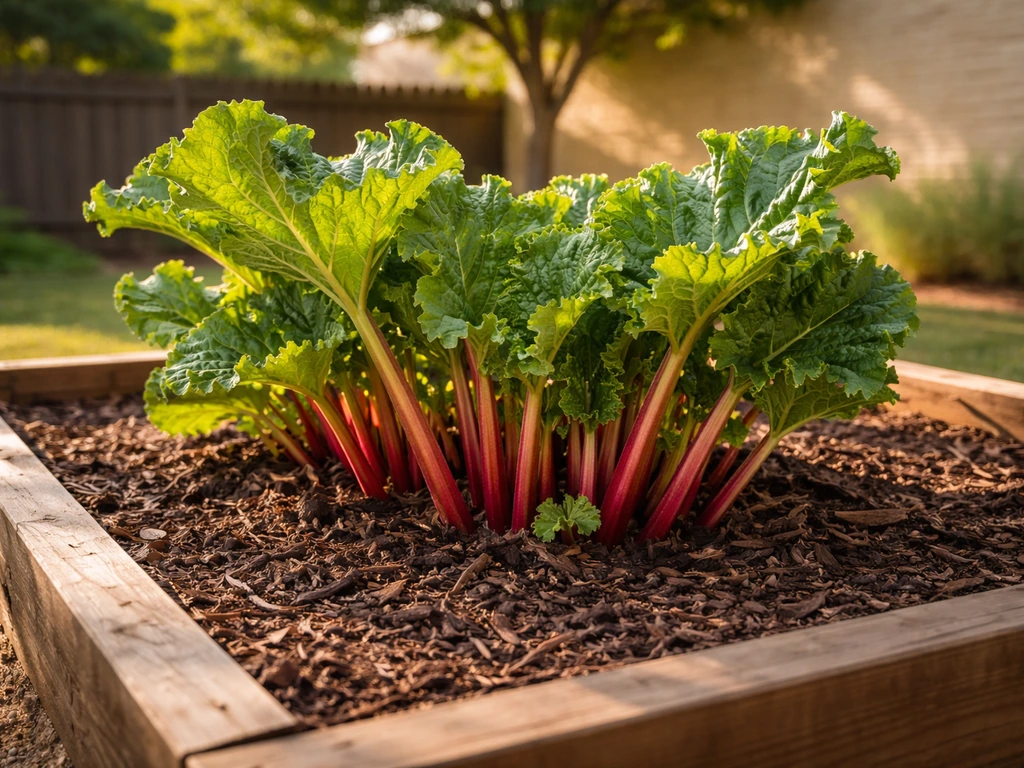
Rhubarb can grow in Texas, but only in a very small slice of the state, and even there it's a stretch. Texas A&M AgriLife Extension is blunt about it: rhubarb "does not grow well in any area of Texas." The one exception they acknowledge is the Panhandle north of Amarillo, where winters get cold enough and summers stay relatively cooler compared to the rest of the state. If you're in Dallas, Austin, Houston, or San Antonio, the honest answer is that rhubarb is going to disappoint you. But if you're in the northern Panhandle or a high-elevation spot with a genuinely cool microclimate, it's worth a try with the right setup.
Does Rhubarb Grow in Texas? How to Grow It Successfully
Marcus Hartwell
4 Apr 2026
Quick verdict: rhubarb feasibility across Texas zones
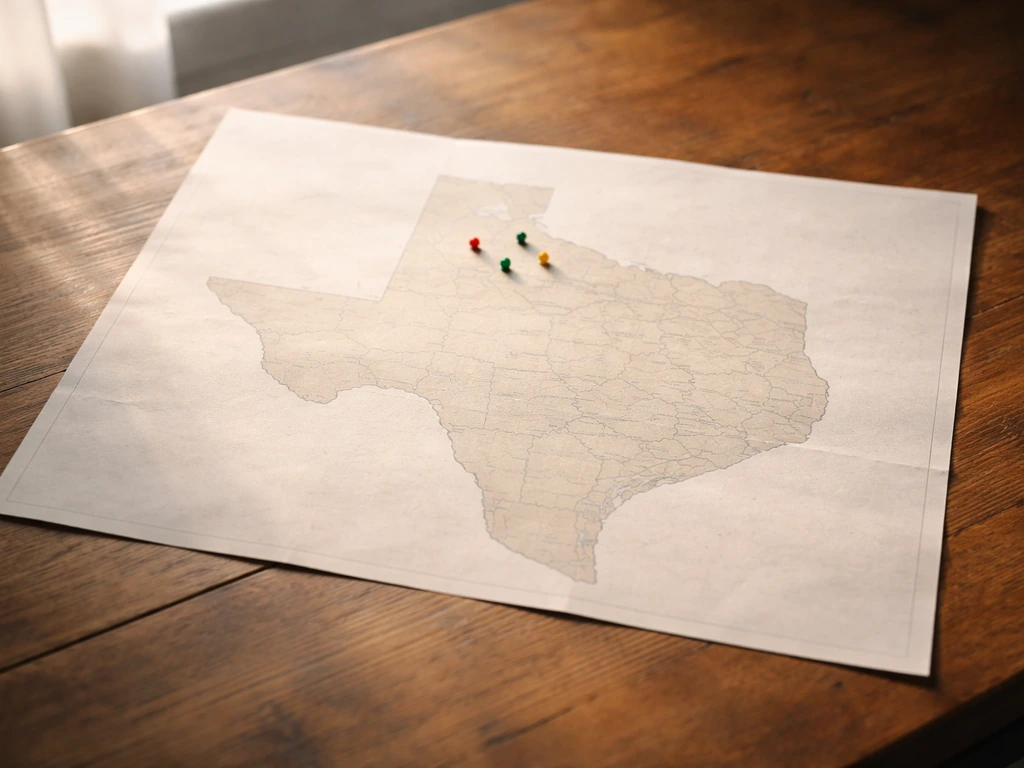
Texas spans USDA hardiness zones roughly 6a in the northern Panhandle all the way to zone 9b along the Gulf Coast and in the Rio Grande Valley. That range tells a lot of the story. Rhubarb wants cold winters and cool summers, and only the far northern tip of the Panhandle gets anywhere close to those conditions.
| Texas Region | Approx. USDA Zone | Rhubarb Feasibility |
|---|---|---|
| Northern Panhandle (north of Amarillo) | 6a–6b | Possible with care |
| Amarillo / Southern Panhandle | 7a | Very difficult, marginal |
| Lubbock / West Texas | 7b | Unlikely, heat too intense |
| Dallas–Fort Worth | 8a | Not recommended |
| Austin | 8b | Not recommended |
| San Antonio / Houston | 8b–9a | Not recommended |
| Rio Grande Valley / Gulf Coast | 9b | Will not survive summer |
The City of Austin sits in zone 8b, with minimum temperatures around 15°F in winter but summer highs that routinely crush 100°F. That combination is the opposite of what rhubarb needs. The northern Panhandle in zones 6a and 6b is the only region in Texas that approaches rhubarb-friendly territory, and even there you're pushing the plant's southern limits.
Why Texas conditions matter: chill hours, heat, and timing
Rhubarb is a cold-climate perennial, and it has two non-negotiable climate requirements: enough winter cold to go fully dormant, and cool enough summers to actually produce edible stalks. Texas fails on both counts across most of the state.
On the winter side, rhubarb needs at least 500 hours of temperatures between 28°F and 40°F to properly form new leaf buds for the next season. Temperatures below 28°F start to reduce yields, and anything above 50°F doesn't count toward that chilling requirement at all. The winter also needs to be severe enough to freeze the soil to a depth of several inches, which triggers the deep dormancy the plant depends on. Across most of Texas, winters simply aren't cold enough or long enough to deliver those 500 chilling hours reliably.
On the summer side, Texas A&M AgriLife says rhubarb needs maximum daytime temperatures averaging no more than 90°F. Most of Texas regularly sees 95°F to 105°F for weeks at a stretch. The result is thin, poorly colored stalks that taste bitter and weak, assuming the plant survives at all. Rhubarb also needs moist, cool summers, and that's exactly what Texas doesn't offer. The climate mismatch is real and it's severe.
Best places in Texas to actually try rhubarb
The only area Texas A&M specifically calls out as having any success with rhubarb is the Panhandle north of Amarillo. Up there, an unknown variety with large green petioles is reported to thrive, which tells you something useful: this isn't your classic red-stalked rhubarb you might be imagining. It's a heat-tolerant, cold-hardy selection that suits the Panhandle's specific conditions, including cold winters that genuinely freeze the soil and summers that, while still hot, are drier and slightly cooler than the rest of the state.
If you're elsewhere in Texas, the calculus changes fast. Lubbock gets close in terms of winter cold, but summer heat and low humidity make sustained rhubarb production very hard. Dallas, Austin, and points south are not realistic options. If you're curious how neighboring states compare, Texas sits in a similar boat to parts of the South: growing rhubarb in Tennessee faces many of the same hot-summer challenges, and rhubarb in North Carolina is limited to the western mountain counties for the same reasons.
The underlying rule is this: if your location regularly sees summer days above 90°F for more than a few weeks, and your winters don't reliably freeze hard, rhubarb is going to underperform or die out. Be realistic about your microclimate before you invest in plants.
Site and soil setup for Texas gardens
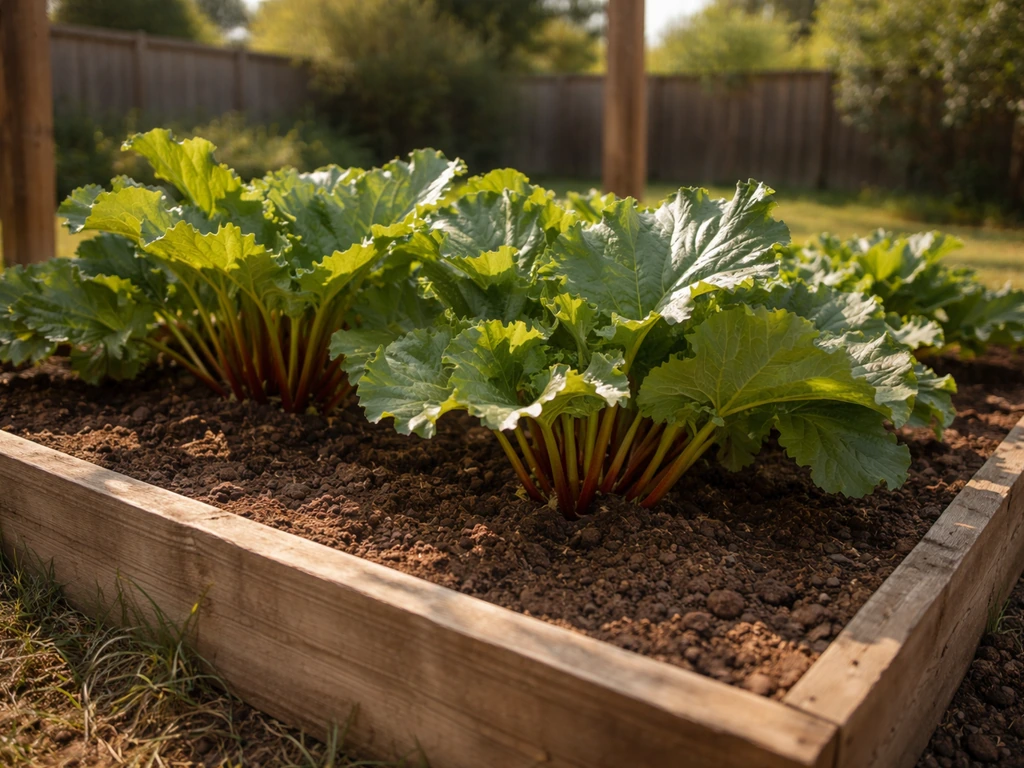
If you're in the Panhandle and committed to trying rhubarb, site selection is everything. Put it in a spot that gets full sun in spring but receives late-afternoon shade during the hottest part of summer. That afternoon shade can make a meaningful difference in a region where summer afternoons are intense, even in the north of the state.
Soil is the other big factor. Rhubarb wants a deep, rich, well-drained sandy loam with a pH between 6.0 and 6.8. An acceptable range extends down to about 5.0 on the acidic side, but stay within that 6.0 to 6.8 window if you can. Here's where Texas throws another curveball: large parts of the state have calcareous soils loaded with calcium carbonate that push soil pH well above 7.0. Limestone-heavy soils are common across the Hill Country and into parts of West Texas, and rhubarb won't perform well in high-pH, alkaline ground. If a soil test shows your pH is above 7.0, you'll need to amend heavily with sulfur and organic matter before planting.
Regardless of your starting soil, work in generous amounts of aged compost or well-rotted manure before planting. Rhubarb is a heavy feeder that responds strongly to organic matter. Good drainage is non-negotiable because sitting water causes crown rot, the main disease that kills rhubarb plants. Raised beds or berms can help if your native soil is heavy or compacted.
Crowns vs. seed: what to plant and when to start
Skip seed. Crown division is the recommended propagation method for rhubarb, and that's doubly true in a challenging climate like Texas. Seeds are slow, variable, and give you no guarantees about the plant's cold or heat tolerance. Crown divisions from a known variety get you a head start of one to two years and produce consistent, reliable plants. Look for crowns from local nurseries in the Amarillo area if you can find them, or source from a reputable mail-order nursery that sells cold-hardy varieties suited to zone 6 or 7.
Timing matters in Texas. Plant crowns in late winter or early spring, as soon as the ground can be worked, typically February through early March in the Panhandle. You want the plant to establish roots during the cool weeks of spring before summer heat arrives. Plant crowns about 3 to 4 inches deep with the bud eyes just below the soil surface, spacing them 3 to 4 feet apart. Rhubarb spreads over time, so give it room.
One more note: don't harvest anything in the first year. Let the plant focus entirely on root development. In year two, harvest lightly if at all. By year three, assuming the plant has survived Texas summers, you can begin a normal harvest. Patience is part of the deal with rhubarb anywhere, but especially here.
Keeping rhubarb alive through a Texas summer
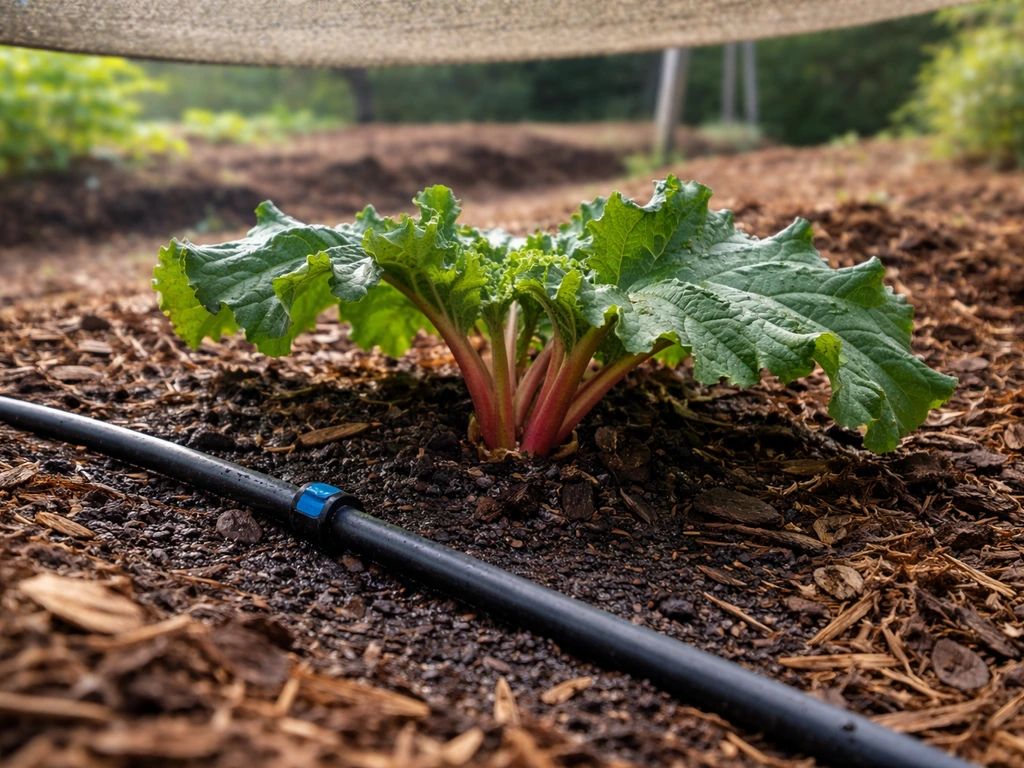
This is where Texas gardeners earn their rhubarb. The plant goes semi-dormant in the heat and needs management to survive until fall temperatures bring relief.
- Water deeply and consistently: rhubarb is a heavy drinker and heat stress hits fast when the soil dries out. Aim for 1 to 2 inches of water per week, more during peak summer weeks.
- Mulch heavily, but carefully: spread 3 to 4 inches of straw or wood chip mulch under the leaves and around the crown to retain moisture and keep roots cool. Do not pile mulch directly over the crown itself, as that promotes rot.
- Provide afternoon shade: if your site doesn't naturally offer some relief, use a shade cloth rated at 30 to 40 percent during the hottest months. East-facing beds that see morning sun but dodge the brutal west afternoon sun are ideal.
- Watch for wind: Panhandle winds can be brutal and desiccating. A windbreak on the west or northwest side of the planting protects the broad leaves from physical damage and moisture loss.
- Stop feeding in summer: hold off on fertilizer once temperatures climb above 90°F. Pushing new growth during peak heat stresses the plant more than it helps.
The goal in summer isn't production, it's survival. Accept that your rhubarb will look rough from July through September and focus on keeping it alive. Once temperatures drop back below 80°F in fall, the plant will perk back up.
Harvesting, long-term health, and common problems
When and how to harvest
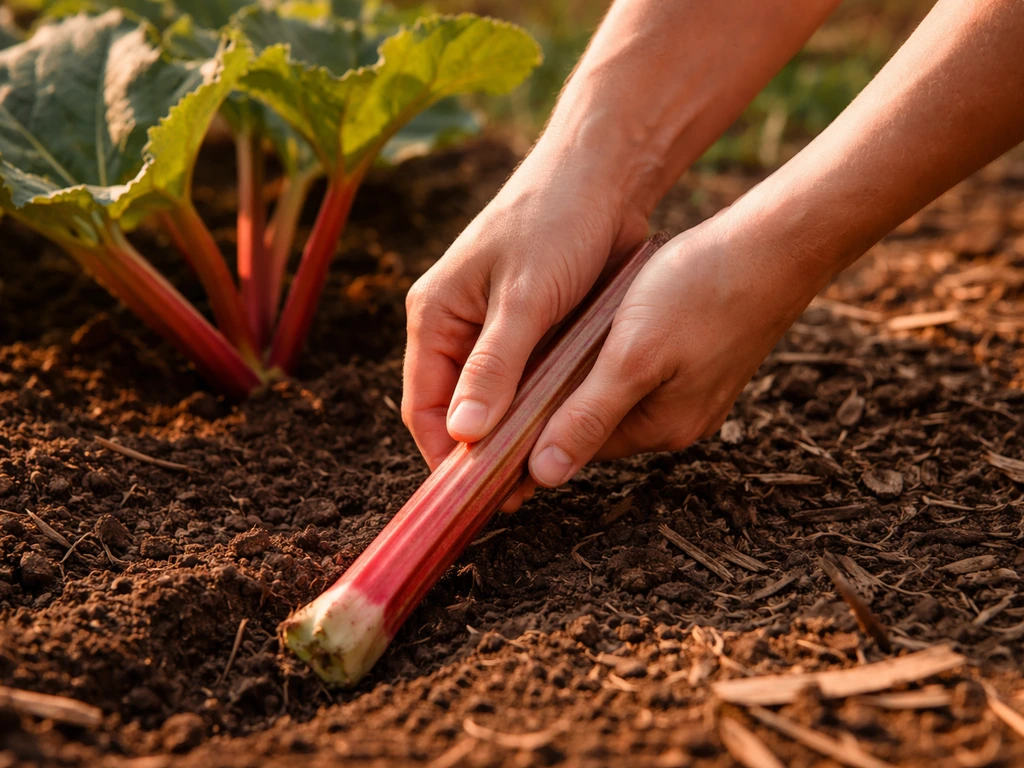
In Texas, the harvest window is short: late March through May, before daytime highs consistently exceed 90°F. Pull stalks by grasping them near the base and twisting slightly while pulling, rather than cutting, to avoid leaving a stub that can rot. Always leave at least three to four large stalks on the plant so it can continue photosynthesizing. Never harvest the leaves, which contain oxalic acid and are toxic.
Thin stalks and weak growth
If your stalks are pencil-thin, stop harvesting immediately. Thin stalks are a sign the plant doesn't have enough reserves, either from heat stress, poor soil, or being harvested too heavily too early. Let the plant rebuild through a full growing and dormancy cycle before trying again. Amend the soil with compost and consider whether your site is simply too hot for sustainable production.
Bolting (flower stalks)
Rhubarb bolts when it's stressed, and heat is one of the main triggers. If you see a thick, round flower stalk emerging from the center of the plant, cut it off at the base as soon as you spot it. Letting it go to flower pulls significant energy away from the root system and reduces bud formation for next season. Keep the plant well-watered during warm spells to reduce the stress that triggers bolting in the first place.
Crown rot
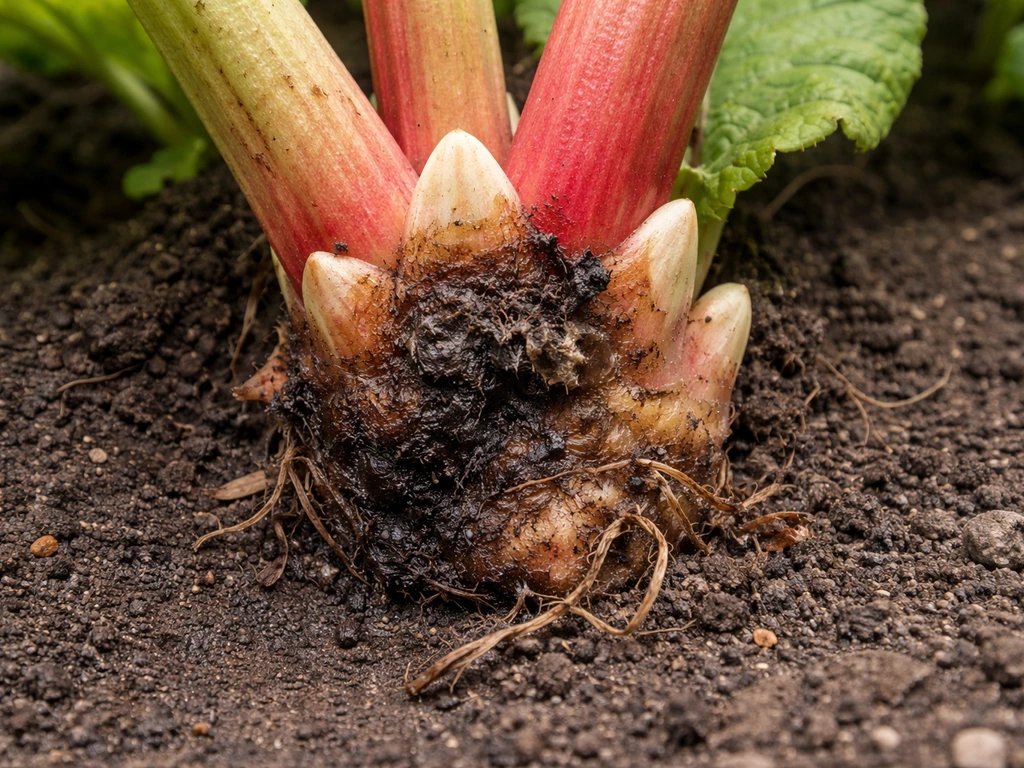
Crown rot is the primary disease threat for rhubarb and it's made worse by poor drainage and excessive moisture sitting at the crown. If a plant collapses suddenly in warm, wet conditions, dig it up and check the crown. Rotted crowns are soft and discolored. Remove and discard the affected plant and don't replant rhubarb in the same spot. Prevention through good drainage and careful mulching (away from the crown) is the best defense.
Is rhubarb worth the effort in Texas?
For most Texas gardeners, the honest answer is no. Texas A&M AgriLife doesn't mince words, and neither will I: if you're in Central, South, or East Texas, rhubarb is going to be a frustrating experiment that ends with thin, pale stalks and a plant that dies out after a few summers. Your time and garden space are better spent on plants that actually love Texas heat.
If you're in the northern Panhandle in zones 6a or 6b, it's a legitimate project worth trying, especially if you can source the right green-petiole variety and give it a well-amended, well-drained bed with afternoon shade. The growing window is short, but it works. If you're elsewhere in the state, I'd redirect your curiosity to what your specific zone can actually grow well rather than fighting the climate.
For comparison's sake, rhubarb runs into similar walls in other warm or moderate climates. Growing rhubarb in California depends almost entirely on elevation and coastal fog, and rhubarb in Virginia is only viable in the cooler mountain regions of the west. Even climates that seem more forgiving can be tricky: growing rhubarb in Hawaii is essentially off the table due to year-round warmth and lack of winter chill. And if you're curious how far south the plant will realistically grow in Latin America, the answer for rhubarb in Mexico is similarly limiting outside high-altitude regions. In general, the further you get from cool-summer, cold-winter climates, the more rhubarb becomes a novelty rather than a productive garden plant. Texas, for all its gardening strengths, mostly falls on the wrong side of that line, with the Panhandle being the narrow exception that proves the rule.
One last comparison worth noting: gardeners sometimes ask about similarly unusual crops in warm climates. If you've ever wondered whether dahlias grow in Hawaii, the answer involves some of the same logic around temperature and dormancy, and it's a useful frame for understanding why certain plants simply don't perform in climates without a proper cool or cold season.
FAQ
If I’m in North Texas but not the Panhandle, can I still grow rhubarb with special tricks like shade cloth or mulch?
Not reliably. In most of Texas, rhubarb either does not get enough winter chilling (28°F to 40°F for about 500 hours) or it heats up too fast for stalk production. If you want to try anyway, pick a high-elevation site and plan on using proven cold-hardy crowns from the northern Panhandle or a zone 6 to 7 source, then protect the crown from summer waterlogging.
Will adding winter protection (hoops, insulation, or heavy mulch) let rhubarb survive in warmer parts of Texas?
Yes, but only if the plant is already established and your winter has truly delivered enough cold. For year-round protection, use dry mulch and avoid covering the crown with wet material. In warm winters where soil does not freeze deeply, adding insulation may not help, because the missing ingredient is chilling, not just freezing protection.
Can I grow rhubarb in a container in Texas instead of planting in the ground?
Container growing is usually a dead end unless you can provide a cool-summer and cold-winter microclimate. Texas summers can overheat containers and the plant can lose vigor quickly, plus crown rot risk increases if drainage is poor. If you do try, use a very large pot with aggressive drainage (and keep it on the sunniest side in spring, shaded afternoons in summer), but expect limited longevity.
Is it safe to harvest rhubarb leaves or use them in recipes if the stalks look okay?
No leaves. Harvest only stalks and never eat the leaf blades. In Texas heat, people sometimes get tempted to trim for space or flavor, but the foliage contains oxalic acid and is toxic if ingested. Remove only what you will use as petioles, and discard leaves.
What should I do if my rhubarb starts bolting or making a flower stalk in Texas heat?
Thick, round flower stalks indicate stress and energy diversion. Cut the flower stalk off at the base as soon as you spot it, and then stop harvesting for a bit if the plant looks exhausted. This helps the crown rebuild reserves for next season.
My Texas rhubarb is producing very thin, pale stalks. How do I tell whether it’s soil, heat, or harvest timing?
If your stalks are pencil-thin, the most common causes are over-harvesting too early, insufficient nutrients, or lingering heat stress that left the crown without enough reserves. In Texas, pause harvest immediately, improve compost and soil fertility, confirm drainage, and give the plant time through one full dormancy cycle before expecting thicker petioles again.
If I notice crown rot, can I save the plant or should I replant somewhere else in my yard?
Yes. Dig up and replace if the crown collapses suddenly in warm, wet weather. Do not replant rhubarb in the same spot, because crown rot pathogens can persist. If you catch it early, remove all rotted tissue and re-root only if the crown is still firm, but in most home situations replacement is the safer call.
Does rhubarb taste more bitter in Texas, and can I adjust anything to improve flavor?
It depends on whether you mean the plant vs. the flavor. Rhubarb in the Panhandle can taste more bitter when grown under summer stress or when harvested too late in the season. Improve success by harvesting during the short spring window (before consistent highs over 90°F) and leaving at least three to four stalks on the plant.