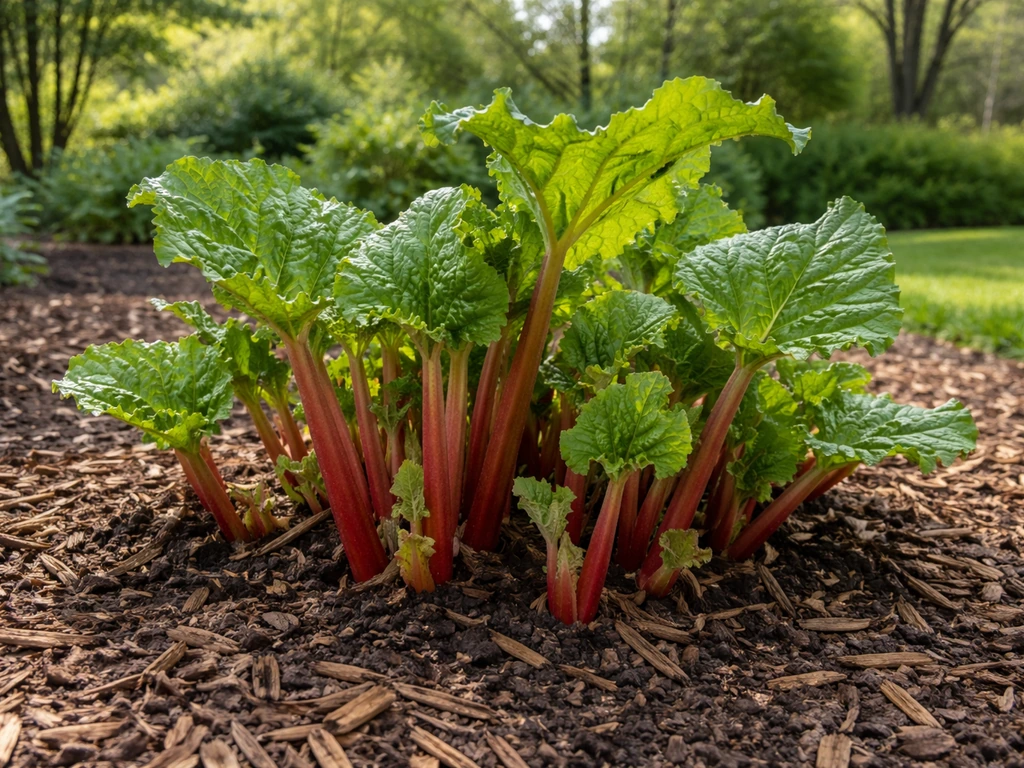
Yes, rhubarb can grow in Tennessee, with some caveats
The short answer is yes, rhubarb can grow in Tennessee, but it is not the slam-dunk success it is in Minnesota or Maine. Tennessee spans USDA hardiness zones 6a through 8a, and that range matters a lot for rhubarb. In the cooler mountain counties of East Tennessee (zones 6a and 6b), rhubarb performs quite well and behaves much like it does in the mid-Atlantic states. In Middle Tennessee (zones 7a and 7b), you can still get reliable harvests, but summer heat shortens the productive season and you need to be thoughtful about variety selection and site placement. In the warmest corners of West Tennessee (approaching zone 8a), growing rhubarb gets genuinely difficult because the winters may not deliver enough cold to properly break dormancy. So if you are in Knoxville or Cookeville, go ahead and plant. If you are in Memphis, manage your expectations and focus on the tips in this guide.
The Tennessee conditions rhubarb actually needs
Cold and chilling hours
Rhubarb is fundamentally a cold-climate plant. Oregon State University Extension confirms that rhubarb requires a dormancy period with temperatures below 40°F to break dormancy and stimulate the production of leaf petioles, those are the stalks you actually eat. Research from Newfoundland suggests that rhubarb can need over 400 cold units before dormancy breaks properly. Most of Tennessee gets there, but barely in the warmest zones. East Tennessee winters routinely satisfy this requirement. In Nashville and west of there, winters are milder and some years you may see sluggish spring growth that traces back to insufficient chilling. This is the single biggest limiting factor for rhubarb in Tennessee and the main reason gardeners in the state's warmer zones sometimes give up on it.
Heat tolerance and summer survival
Rhubarb does not love Tennessee summers, and it will tell you so. Once temperatures consistently push above 90°F, growth slows dramatically and the plant goes semi-dormant. This is normal and not a death sentence, but it means your productive harvest window runs from early spring through late May or early June, and then the plant is just coasting through summer. Afternoon shade during July and August is a real asset in Tennessee. If you have a spot that gets full morning sun but some tree shade by mid-afternoon, that is your rhubarb bed.
Soil, drainage, and pH
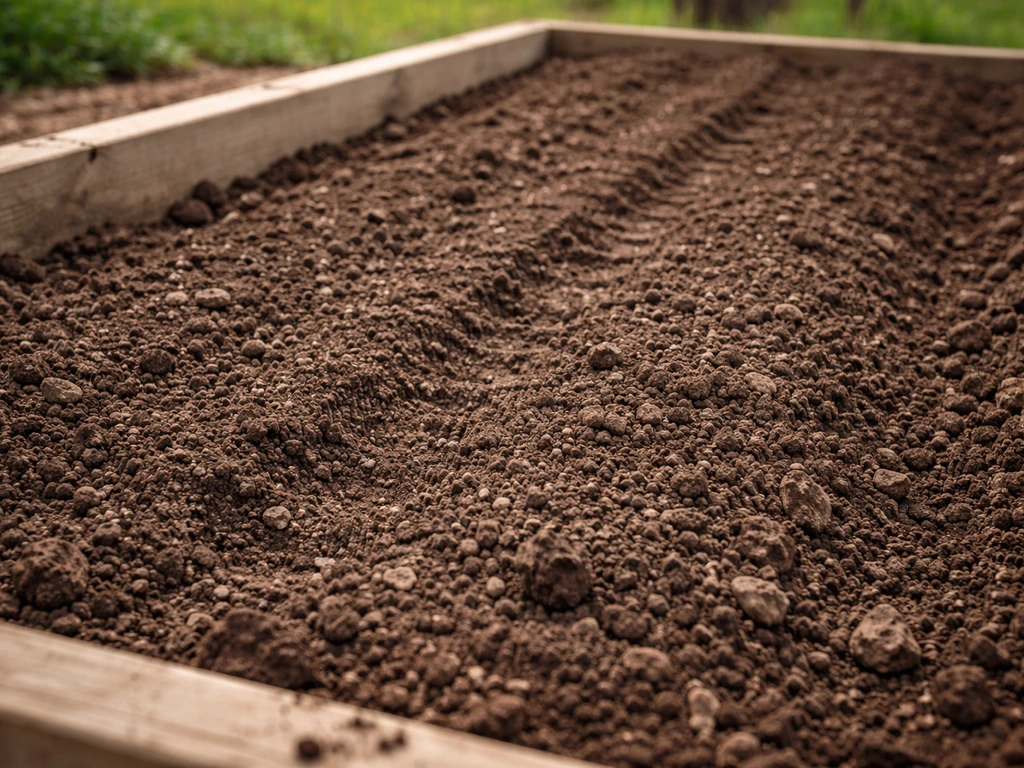
Rhubarb has fairly specific soil preferences that line up reasonably well with good Tennessee garden soil, as long as you address drainage. OSU Extension advises a soil pH between 6.0 and 6.8, which most Tennessee gardens hit naturally or with minor lime adjustment. The bigger issue is drainage. Rhubarb has high water requirements and simultaneously cannot tolerate sitting in wet soil, which is a tricky combination. If your soil is heavy clay (common across Middle Tennessee), you need to break it up and add significant organic matter before planting. Utah State University Extension recommends organic-rich, well-drained soil as the baseline for healthy rhubarb growth. Raised beds are an excellent option in Tennessee precisely because they let you control drainage in a way that flat in-ground planting often cannot.
Sunlight
Rhubarb prefers full sun, and in most of Tennessee's spring growing window that is exactly what you want to give it. Six or more hours of direct sun produces the best stalk growth. The exception is West Tennessee's hotter locations, where partial afternoon shade helps keep the crown from cooking during summer. Think of it as protecting your investment through the off-season.
Best varieties for Tennessee and where to get them
Variety selection is one of the most important decisions you will make, and it is especially true in Tennessee where heat tolerance matters. Both the University of Maine Cooperative Extension and the blank" rel="noopener noreferrer">University of Minnesota Extension have published solid variety lists, and the names that appear on both lists are the ones with the widest track record: 'Canada Red,' 'Valentine,' 'Victoria,' and 'MacDonald.' For Tennessee specifically, 'Canada Red' and 'Victoria' are the most commonly recommended because they handle moderate heat reasonably well and produce reliably in zone 6 and 7 conditions. The University of Tennessee Agricultural Extension Service bulletin “SP291-Q-Rhubarb in Home Gardens” also discusses rhubarb varieties suitable for home gardens in Tennessee Canada Red and 'Victoria'. 'Valentine' is another good choice with a deep red color and decent heat tolerance. Avoid obscure specialty varieties that have been bred specifically for very cold climates and may actually underperform in Tennessee's milder winters.
Always buy crowns (divisions), not seeds. University of Illinois Extension notes that starting rhubarb from seed adds one to two years to your timeline before you get a reliable harvest. Crowns are sold as dormant roots, typically in early spring. Look for them at local Tennessee nurseries and farm supply stores in February through March, or order from reputable mail-order suppliers who ship dormant crowns timed for your planting zone. The crown sourcing approach, buying established divisions rather than starting from scratch, is the standard commercial practice and it is the right call for home gardeners too.
Step-by-step planting guide for Tennessee
- Pick your site in fall or early winter. You want well-drained ground with at least 6 hours of sun. Rhubarb is a long-term planting — University of Illinois Extension notes it can be productive for 5 or more years — so choose a spot where it will not be disturbed by other garden projects.
- Test and amend your soil. Aim for pH 6.0 to 6.8. Work in 3 to 4 inches of compost or well-rotted manure to improve both drainage and water retention. If you have clay-heavy soil, consider building a raised bed at least 10 to 12 inches deep.
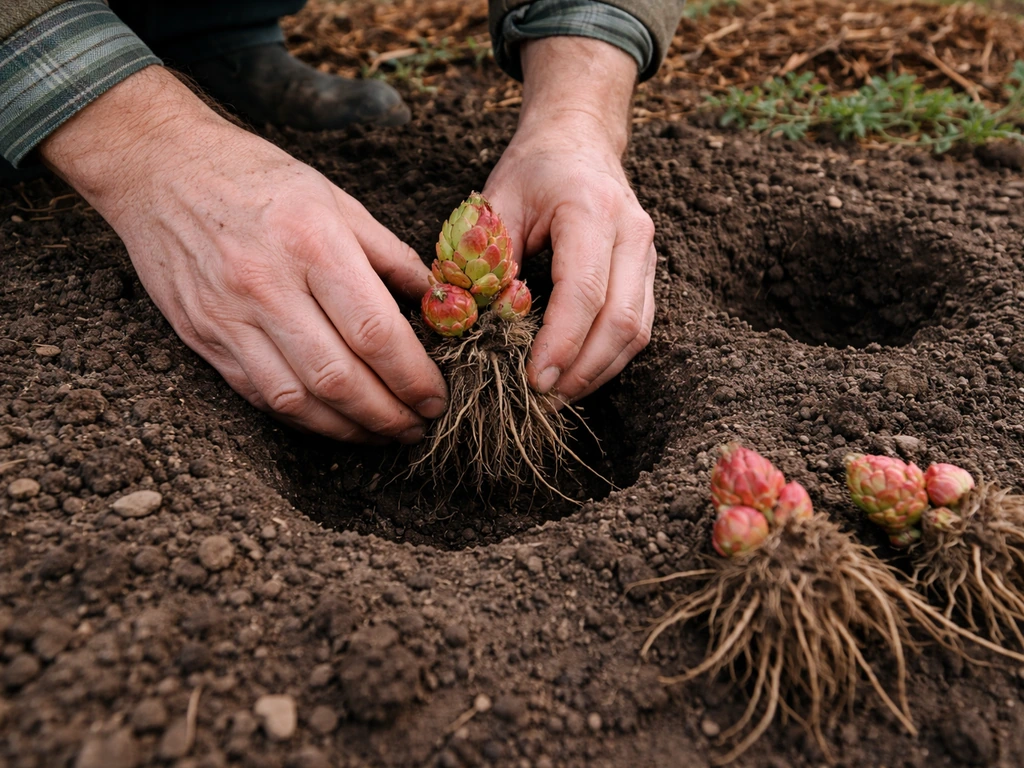
- Plant crowns in early spring as soon as the ground is workable, typically February in West Tennessee, March in Middle Tennessee, and March to early April in East Tennessee mountain zones. Plant while crowns are still dormant or just beginning to show the first bud swells.
- Set crowns with the eyes (buds) facing upward, positioned 1 to 2 inches below the soil surface. USU Extension advises not covering container-grown starts with more than 1 inch of soil over the root ball. Do not bury crowns deep — deep planting promotes the crown rot problems that are especially common in humid Tennessee summers.
- Space crowns 3 to 4 feet apart within the row, with rows 5 to 6 feet apart. Rhubarb plants mature to over 3 feet across, so this spacing is not excessive — it is actually necessary for good air circulation and crown health.
- Water thoroughly after planting so moisture penetrates to the bottom of the root zone, then maintain consistent soil moisture through the establishment period. Do not let new plantings dry out completely in the first growing season.
- Mulch around (not over) the crown with 2 to 3 inches of straw or wood chips to conserve moisture and moderate soil temperature through Tennessee's hot summers.
Season-by-season care in Tennessee
Spring
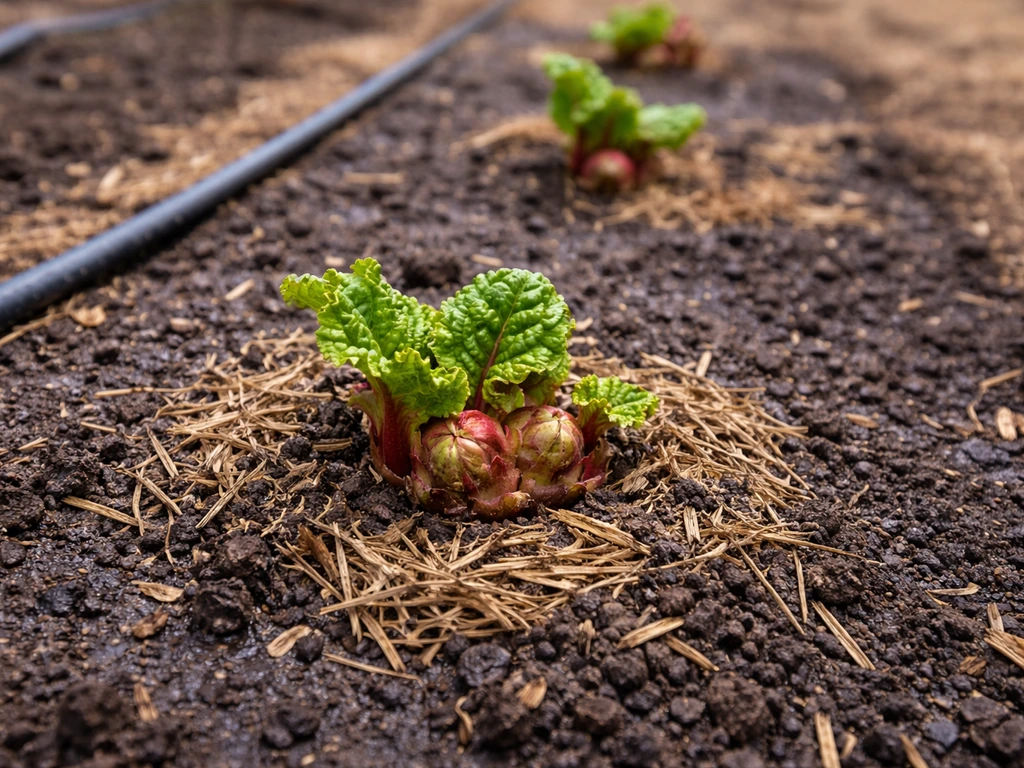
Spring is rhubarb's peak season in Tennessee. Once soil temperatures climb above 40°F, the crowns wake up fast. Keep soil consistently moist but not saturated. Remove any flower stalks (the tall central shoots) as soon as you see them, flowering redirects energy from stalk production and should be cut out at the base. This is also the window when you will do your harvesting in years two and beyond.
Summer
Stop harvesting by late May or early June in Tennessee, the plants need to rebuild energy reserves before the summer heat arrives. Rhubarb will look ragged and semi-dormant through July and August, which is normal. Maintain your mulch layer, water during drought, and otherwise leave the plants alone. Do not be alarmed if leaves look wilted during the hottest afternoons. If you have afternoon shade at your site, now is when you will be glad you planned for it.
Fall
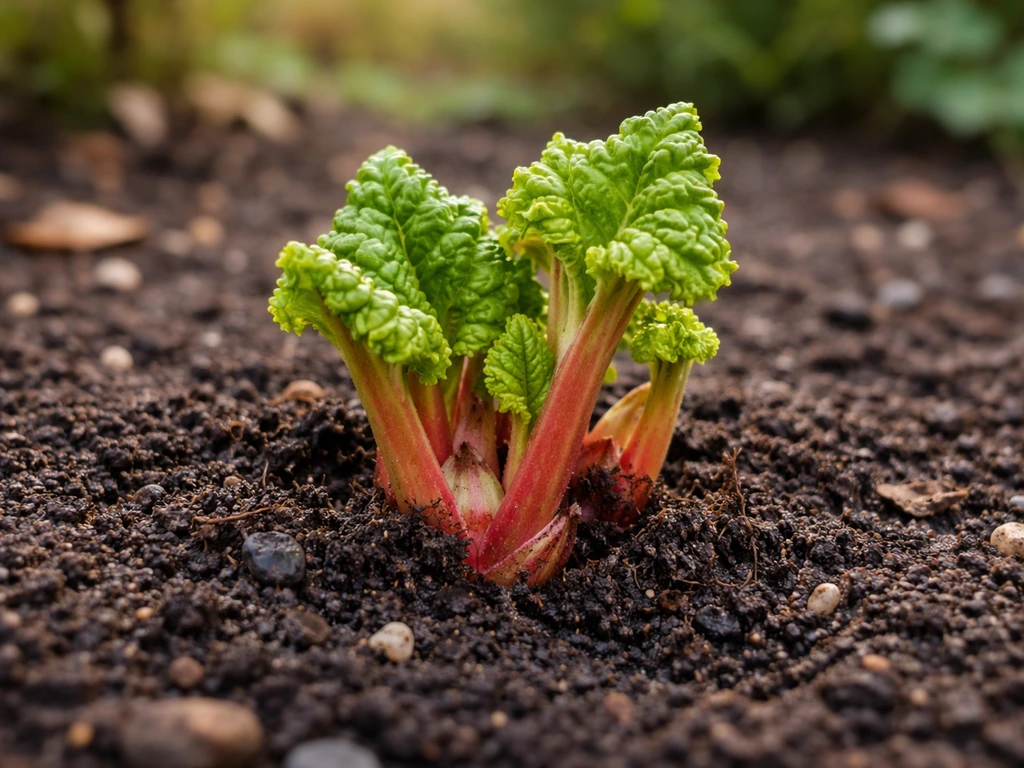
As temperatures drop back below 80°F in September and October, rhubarb sometimes throws out a small flush of new growth. This is a good sign of a healthy crown, but do not harvest it, let the plant bank as much energy as possible heading into winter. Cut back any dead or brown foliage in late fall to reduce habitat for slugs and disease. This is also a good time to top-dress the bed with a couple inches of compost.
Winter
In East and Middle Tennessee, winter care is minimal. The crowns are fully cold-hardy through zone 6 and well into zone 7. Apply a light straw mulch over the crowns in December if you are in zone 6 or if a hard freeze is expected after a warm spell has started the crowns moving. In West Tennessee's warmest locations, the concern is less about the crown freezing and more about whether the winter is cold enough to deliver the chilling hours rhubarb needs. There is nothing you can do to force more winter cold, which is why variety selection and realistic expectations matter so much in that part of the state.
Tennessee problems you are likely to run into
Crown rot
Crown rot caused by Phytophthora and other soilborne fungi is the most common serious problem for Tennessee rhubarb growers, and it is almost always tied to drainage issues. UC IPM's research is clear: Phytophthora root and crown rot is promoted when soil around the base stays wet for prolonged periods or when the plant is set too deeply. Tennessee's humid summers and periodic heavy rains create exactly those conditions in poorly drained spots. Purdue Extension adds that the best defense is starting with disease-free planting stock, another reason to buy quality crowns from reputable suppliers. Kansas State University Extension recognizes crown rot as a documented disease problem specifically in rhubarb production. The fix is prevention: plant in well-drained soil or raised beds, do not overwater, and do not bury crowns too deep.
Leaf spot and fungal issues
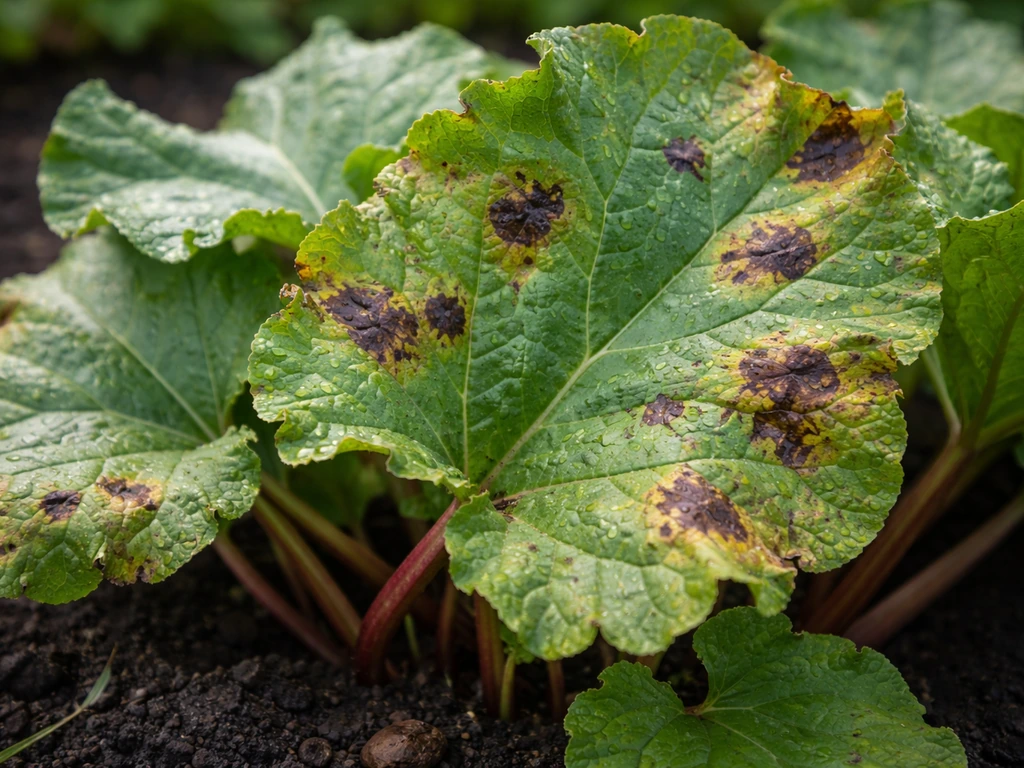
Leaf spot is common in humid climates and Tennessee's summers provide ideal conditions for it. Connecticut's plant pest research identifies soilborne fungi as drivers of both leaf spot and crown/root rot in rhubarb. Good air circulation from proper spacing (3 to 4 feet between plants) is your primary defense. Avoid overhead watering when possible, and clean up dead foliage in fall so you are not leaving fungal inoculum on the ground.
Slugs and aphids
Slugs love the cool, moist conditions under rhubarb leaves and are a common pest in Tennessee gardens, especially in spring when soils are wet. Keeping weeds down and maintaining good drainage around the base of plants reduces slug habitat significantly. Aphids occasionally colonize new growth, a strong spray of water or an insecticidal soap application handles them without harming the plant.
Heat stress and weak growth
If your rhubarb produces thin, spindly stalks or just seems to limp along, heat stress combined with insufficient winter chilling are the most likely culprits in Tennessee. In zone 7b or warmer, this is a real possibility some years. The practical response is to mulch heavily to keep the root zone cooler, ensure you have afternoon shade, and accept that your harvest window is shorter than a Minnesota gardener's. You are working the edge of this plant's comfort zone in the state's warmer regions, and managing that honestly will save you a lot of frustration.
Timing, maturity, and the rules around harvest
Plant crowns in early spring, late February to early April depending on where in Tennessee you are. You will see leaf emergence within a few weeks of planting. Here is the rule that trips up every new rhubarb grower: do not harvest anything the first year. South Dakota State University Extension is emphatic on this point, stating flatly that you should not harvest any stalks from first-year transplants so the crown can establish and build root mass. Harvesting too early is the number one reason young rhubarb plantings fail or take forever to produce well.
In year two, take a light harvest only, pull a few stalks in spring and leave the rest. By year three, you should have a well-established plant that can handle a full harvest window running from the first warm days of spring through late May or early June. Stalks are ready to harvest when they are 12 to 18 inches long and have a good diameter. Twist and pull or cut at the base, never strip the plant entirely. Leave at least a third of the stalks in place each harvest session so the plant keeps growing.
The realistic timeline for a Tennessee gardener: plant crowns this spring, skip harvest entirely this year, take a modest harvest next spring, and enjoy a real crop in your third season. It feels slow, but a well-established rhubarb crown produces reliably for a decade or more with minimal effort.
How Tennessee compares to other tricky rhubarb states
Tennessee's rhubarb situation is actually better than several other warm-climate states gardeners ask about. If you are curious how the challenges here stack up, the rhubarb growing situation in Texas is considerably harder because much of that state falls in zones 8 and above with very limited winter chilling. Similarly, growing rhubarb in California varies enormously by region and coastal versus inland location. On the other end of the spectrum, rhubarb in Hawaii is essentially a non-starter due to the complete absence of winter chilling. Tennessee's East and Middle regions land in a genuinely workable position, not ideal, but far from hopeless.
The closest comparison to Tennessee's situation is the neighboring Southeast. Rhubarb in North Carolina follows very similar rules, with the mountain counties performing well and the coastal plain being marginal. Rhubarb in Virginia is another close parallel, where the Blue Ridge region succeeds reliably but the Tidewater area is a struggle. If you are gardening in Tennessee's eastern mountains, you can borrow strategies from both those states with confidence.
For contrast, rhubarb in Mexico requires high-altitude microclimates to even attempt production, a reminder of just how climate-dependent this plant really is. Tennessee's diversity of zones within a single state is actually one of its interesting quirks, similar to how dahlias in Hawaii face zone-specific challenges that make blanket advice unreliable. The takeaway: where exactly you are in Tennessee matters more than what state you are in.
Quick reference: planting and care at a glance
| Factor | Tennessee Guidance |
|---|
| Best zones in-state | 6a, 6b, 7a (East and Middle TN); marginal in 7b–8a |
| Planting time | Late February (West TN) to early April (East TN mountains) |
| Planting depth | Crown eyes 1–2 inches below soil; no more than 1 inch over root ball |
| Spacing | 3–4 feet between plants, 5–6 feet between rows |
| Soil pH | 6.0 to 6.8 |
| Soil prep | Compost-rich, well-drained; raised beds recommended for clay soils |
| Best varieties | Canada Red, Victoria, Valentine, MacDonald |
| First harvest | Year 3 after planting (skip year 1, light harvest year 2) |
| Harvest window | Early spring through late May/early June |
| Biggest risk | Crown rot from poor drainage; heat stress in zones 7b+ |