
Yes, rhubarb can grow in North Carolina, but let's be honest: it's not a slam dunk everywhere in the state. Your success depends almost entirely on where in NC you live. Gardeners in the mountains around Asheville have a genuinely good shot at reliable harvests. Piedmont gardeners in places like Raleigh can pull it off with some effort and smart variety selection. But if you're in the coastal plain or the warmer southern corners of the state, rhubarb is going to fight you every summer, and you may end up disappointed. This guide will help you figure out exactly where you fall on that spectrum and what to do about it.
Does Rhubarb Grow in NC? How to Grow It Successfully
Marcus Hartwell
4 Apr 2026
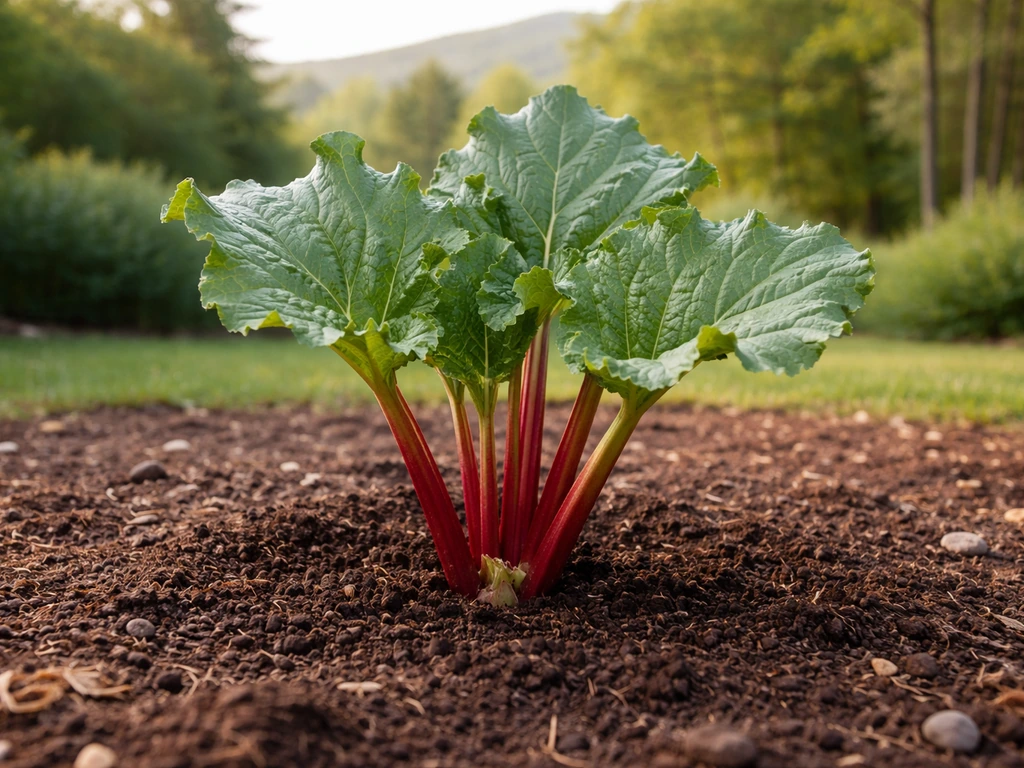
Is rhubarb realistic where you live in NC?
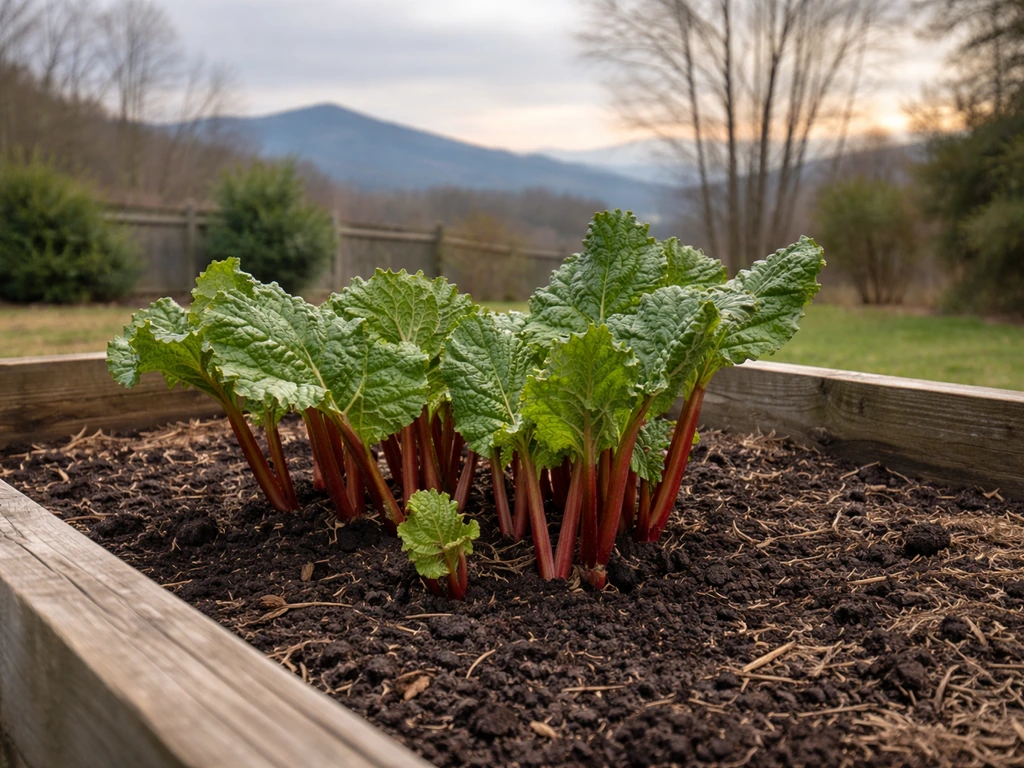
North Carolina spans a remarkable range of USDA Plant Hardiness Zones, from about 6a in the highest mountain elevations all the way to around 9a along the warmest coastal and southern areas. Asheville sits comfortably at Zone 7a, Raleigh is mostly Zone 8a (with some pockets nudging into 8b), and the coast runs warmer still. That spread matters enormously for rhubarb, which is fundamentally a cool-climate plant.
The hard truth is that rhubarb needs at least 500 hours of winter temperatures between 28°F and 40°F to properly form new leaf buds. Without that chill bank, you get crowns that sit in the ground without producing much of anything come spring. Western NC mountains hit that threshold reliably every winter. The Piedmont usually gets there, though some years are borderline. The coastal plain often does not. If you're gardening in Zone 8b or warmer, expect reduced productivity, not a full fail, but definitely not the lush rhubarb patch you picture.
The summer heat issue is just as important as winter chill. Rhubarb goes dormant or stalls badly once temperatures climb consistently above the mid-80s, which happens early and often in NC. Even in the mountains, you're working with a shorter productive window than a gardener in Minnesota or Oregon. Going in with realistic expectations is the first step to actually enjoying the plant.
Varieties that give you the best shot in NC
Not all rhubarb varieties handle heat and marginal chill the same way. For NC conditions, you want varieties that are proven performers in warmer, more variable winters rather than those bred strictly for cold northern climates.
- Victoria: One of the most widely recommended varieties for warmer growing regions. It's mostly green-stalked with a bit of red blushing, and it's rated hardy from Zones 3 to 9, meaning it can handle NC's winter lows while tolerating the shorter chill windows you get in the Piedmont. UC Master Gardeners working in warm California climates have noted Victoria as reliably productive where other varieties struggle, which is a useful data point for NC's warmer zones.
- Canada Red: A compact, deeply red-stalked variety that handles summer heat reasonably well. Good for mountain and upper Piedmont gardeners who want better color and sweetness.
- Crimson Red: Similar heat tolerance profile to Canada Red, worth trying in Zones 7–8 areas of NC.
- Valentine: Another red variety with decent performance in warmer zones. Less common to find but worth seeking out if your local nursery carries it.
Always buy crowns, not seeds. Crowns give you plants that are already through at least one dormancy cycle, which means faster establishment and much more predictable results. You'll typically find rhubarb crowns at local garden centers in late winter through early spring, usually January through March in NC. Order online if your local nurseries don't stock them, but make sure you're ordering early so they ship while still dormant.
What rhubarb actually needs from the climate
Understanding the climate requirements isn't just academic trivia. It directly explains why your neighbor in Boone grows beautiful rhubarb and your cousin in Wilmington can barely keep one alive. Here's the breakdown:
| Climate Factor | What Rhubarb Needs | NC Mountain (Zone 6–7a) | NC Piedmont (Zone 7b–8a) | NC Coast (Zone 8b–9a) |
|---|---|---|---|---|
| Winter Chill | 500+ hours between 28–40°F | Reliable most years | Usually met, some years borderline | Often insufficient |
| Summer Heat Tolerance | Prefers temps below 85°F | Good; shorter hot season | Moderate; long hot summers stress plants | Poor; heat comes early and stays late |
| Sun vs. Shade | Full sun in cool climates; afternoon shade in warm climates | Full sun works well | Afternoon shade strongly recommended | Partial shade essential, still risky |
| Dormancy Trigger | Spring temps rising above 40–50°F breaks dormancy | Clean dormancy break in spring | Less predictable; warm spells can confuse timing | Can break dormancy too early |
The shade question is worth emphasizing for Piedmont and coastal NC gardeners. Placing your rhubarb where it gets morning sun and relief from the brutal western afternoon sun buys you extra weeks of productivity before the plant gives up for summer. A spot on the east side of a fence, wall, or taller shrub is ideal. This is the single biggest practical adjustment NC gardeners in warmer zones can make.
It's also worth noting that NC's situation has some parallels to other warm southern states grappling with the same rhubarb challenge. If you're curious how this plays out across state lines, the situation for rhubarb growers in Tennessee is very similar to what Piedmont NC gardeners deal with, and worth a read for additional context.
How to set up your rhubarb bed in NC
Picking the right spot
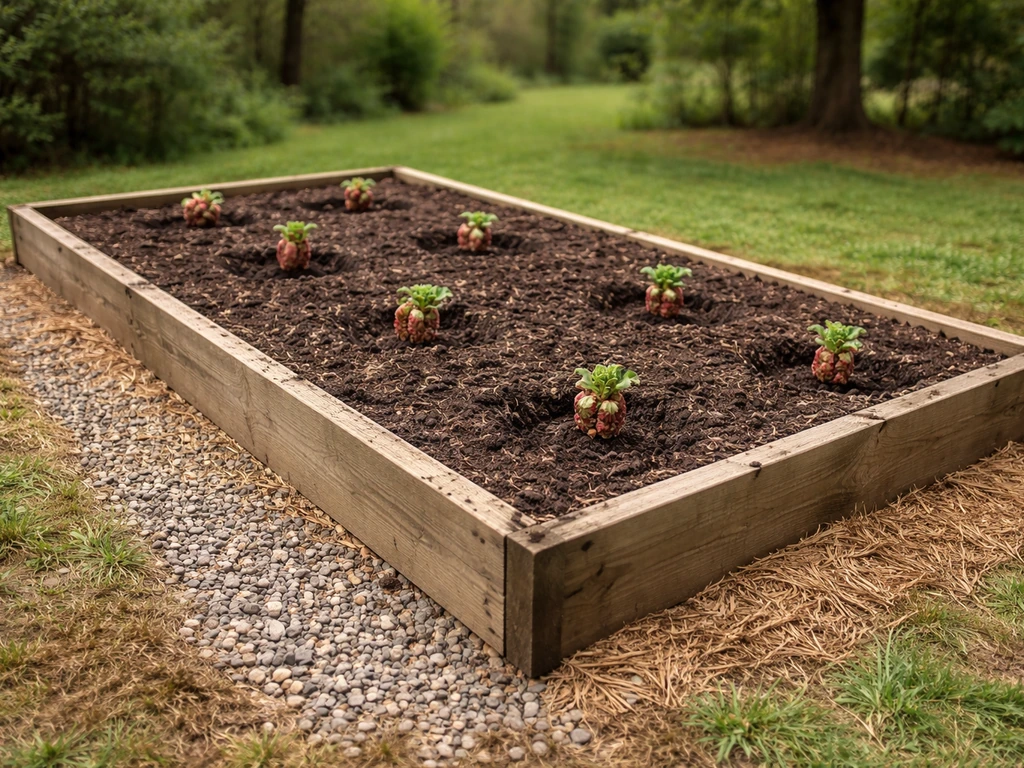
Choose a location with excellent drainage above everything else. Rhubarb crowns sitting in soggy soil are almost guaranteed to rot, especially during NC's rainy winters and humid summers. Raised beds work extremely well in NC for exactly this reason. Avoid any low spots in the yard where water pools after rain.
For mountain gardeners, full sun is ideal. For anyone in the Piedmont or warmer, aim for at least 6 hours of direct sun but engineer some afternoon shade protection. Rhubarb also benefits from being placed away from large trees whose roots will compete aggressively for water and nutrients.
Soil preparation
Rhubarb is a long-term plant. You might be feeding and harvesting from the same crowns for a decade or more, so it's worth spending real effort on the soil before you plant. Work the bed to a depth of at least 12 to 18 inches. Incorporate several inches of compost or well-aged manure to improve both fertility and drainage. NC's clay-heavy Piedmont soils especially need this amendment to prevent compaction and waterlogging around the crowns. Target a soil pH between 6.0 and 6.8, which is typical for many NC gardens. Get a basic soil test through your county cooperative extension office before planting if you haven't already.
Planting crowns
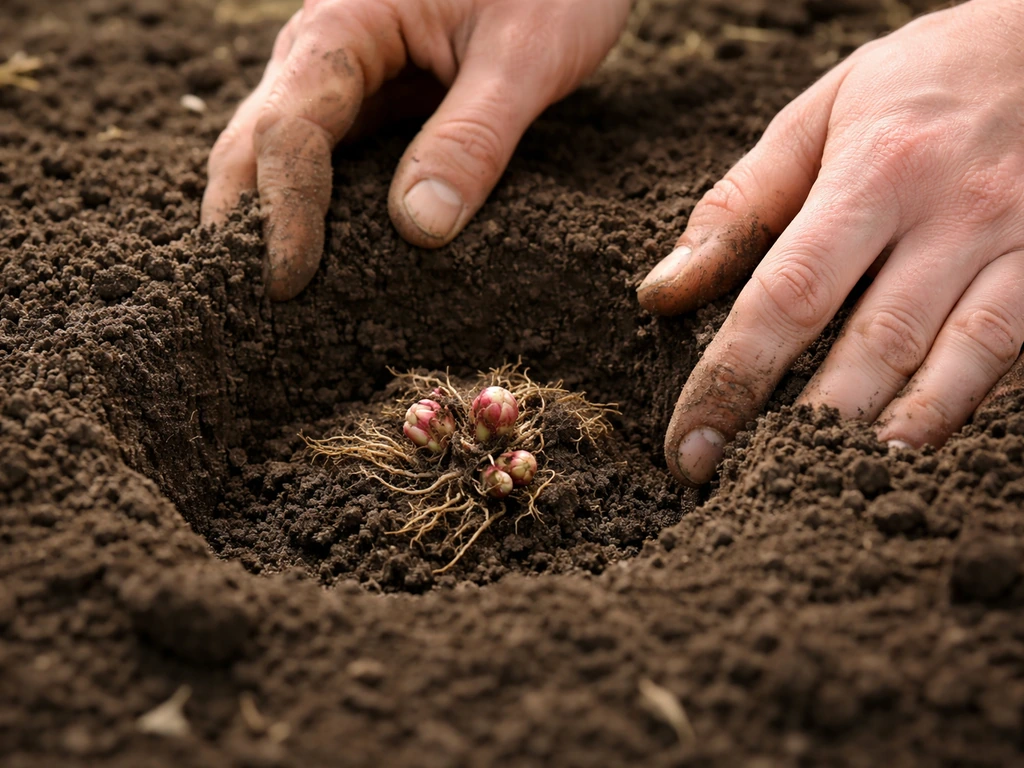
In NC, the best planting window is early spring, as soon as the soil is workable, typically late January to early March in the Piedmont and somewhat later in the mountains. You can also plant in late fall while plants are fully dormant. Avoid planting in summer; heat-stressed new crowns fail routinely.
Plant crowns so the buds (eyes) sit about 1 to 2 inches below the soil surface. Bury them too deep and you'll delay emergence; too shallow and the crown dries out. Space plants 3 to 4 feet apart in all directions. Rhubarb spreads as it matures and needs that room. If you're dividing an existing crown, keep 3 to 5 buds per division and replant at the same depth the original crown sat.
A seasonal care calendar for NC rhubarb
Because NC's seasons move faster and hotter than the northern climates most rhubarb advice is written for, a state-specific calendar matters. Here's how to think about care through the year:
| Season / Month Range | Key Tasks |
|---|---|
| Late Winter (Jan–Feb) | Plant or divide crowns as soon as soil is workable. Apply a light layer of compost or aged manure around crowns before growth begins. |
| Early Spring (Mar–Apr) | Watch for emerging stalks. Begin watering if rainfall is below 1 inch per week. Hold off on harvesting entirely the first year. |
| Late Spring (May–Jun) | Main harvest window for established plants (years 2+). Harvest stalks by pulling, not cutting. Water consistently. Fertilize with a balanced fertilizer after harvest to support recovery. |
| Summer (Jul–Aug) | Plants slow or go dormant. Reduce watering but don't let the bed completely dry out. Mulch heavily (3–4 inches) to keep soil cool and retain moisture. Do not fertilize stressed plants. |
| Fall (Sep–Oct) | Growth may briefly resume in mountain zones. Allow leaves to die back naturally. Good time to plant new crowns or divide established ones. |
| Early Winter (Nov–Dec) | Apply a light winter mulch of compost or straw around crowns to protect against temperature swings. Remove excess mulch in early spring before growth starts. |
Weeds are a real problem in rhubarb beds because the plant's open structure lets light reach the soil. Keep the bed mulched year-round with 2 to 3 inches of straw or wood chips to suppress weeds without smothering the crown. Hand-pull any weeds that push through rather than hoeing near the crown, which can cause damage.
Fertilizing is straightforward: apply a balanced fertilizer (something like 10-10-10) in early spring as growth begins and again after your harvest window closes in late spring. Don't push nitrogen during summer heat; it encourages soft growth that wilts and is more vulnerable to disease.
What to expect at harvest time in NC
The most important rule: do not harvest anything in year one. The plant needs that entire first growing season to build root and crown mass. Harvest too early and you weaken the plant to the point where it may never recover fully. In year two, you can take a light harvest, meaning a few stalks per plant over a short window. By year three, you have a fully established plant and can harvest more freely.
In NC, the harvest window typically opens in late April and runs through May for Piedmont gardens, a bit earlier in very mild winters and later into June for mountain gardeners. Once summer heat arrives in earnest, stop harvesting and let the plant focus on recovery. Stalks become tougher and more fibrous in the heat anyway, so you're not missing much by stopping early.
Harvest stalks by gripping near the base and pulling with a gentle twist rather than cutting. Cutting leaves a stub that can rot and introduce disease. Remove no more than one-third of the plant's stalks at any one harvest session. Always remove and discard the leaves immediately, as rhubarb leaves are toxic and should never be composted or eaten. Rhubarb leaves poisoning is a toxic plant ingestion involving substances found in rhubarb leaves (leaf blade).
Realistic yield expectations for NC: a mature, established plant in a good mountain location might give you 10 to 20 stalks per season. A Piedmont plant in a protected spot with afternoon shade might deliver 6 to 12 good stalks before heat shuts things down. That's not enormous, but it's enough for several pies, jams, or chutneys, and the plant will come back year after year once established.
Troubleshooting the most common NC rhubarb problems
Heat stress and bolting
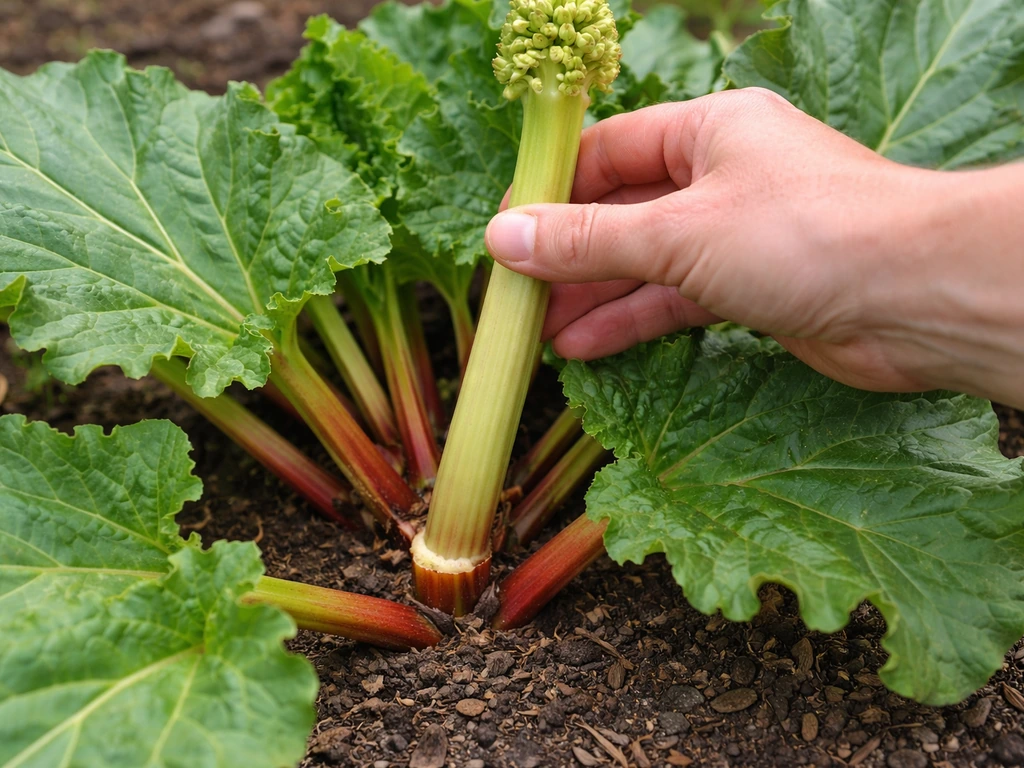
Rhubarb that bolts (sends up a tall flower stalk) is responding to heat or stress signals. Cut flower stalks off immediately at the base as soon as you see them. Letting the plant go to seed drains energy from the crown and shortens your harvest window. In NC, especially in the Piedmont, bolting is common by late May or June. It's not a failure; it's just the plant telling you summer has arrived. Accept the short season and plan around it.
Weak crowns and poor stalk production
If your rhubarb produces thin, spindly stalks year after year, the most likely cause is insufficient winter chill. This is particularly common for coastal and lower Piedmont NC gardeners. The plant didn't get enough of those 500 hours between 28°F and 40°F to fully charge the crown for spring growth. There's no fix mid-season; the best approach is to choose more heat-tolerant varieties like Victoria going forward and accept a lighter harvest in warm-winter years. Gardeners dealing with similar issues in states like Texas or California face the same root cause: warm winters simply don't give rhubarb what it needs to perform.
Crown rot
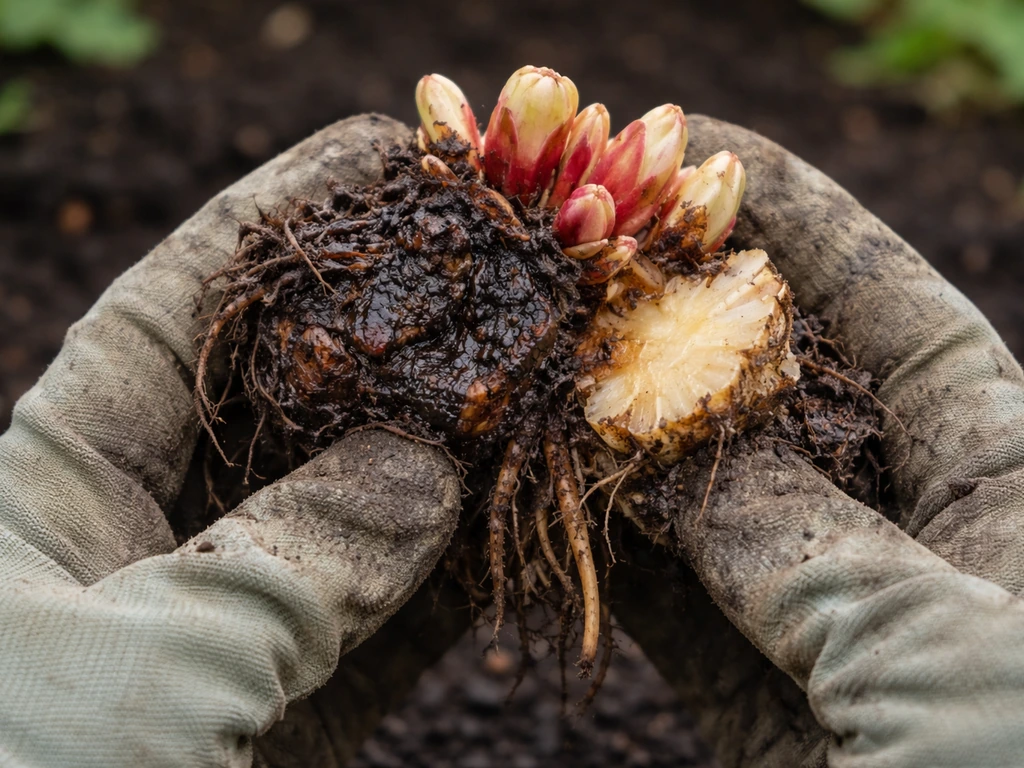
Crown rot caused by Phytophthora and related water molds is probably the most devastating problem NC rhubarb growers face. NC's humid summers and clay-heavy soils create textbook conditions for it. The crown softens, turns brown or black, and the plant collapses. Once crown rot takes hold, the plant is usually a loss. Prevention is everything here: plant in raised beds or very well-drained spots, never let water pool around crowns, and avoid overwatering during summer dormancy. If you lose a plant to crown rot, don't replant rhubarb in the same spot for several years.
Pests and leaf diseases
Rhubarb is relatively pest-resistant, which is one of its genuine advantages as a garden plant. The most common problems in NC are:
- Rhubarb curculio: A brownish snout beetle that bores into stalks and crowns. Hand-pick adults and destroy them. Keeping weeds (especially dock, which this pest also targets) out of and around the bed helps reduce populations.
- Aphids: Usually a minor issue on rhubarb. A strong spray of water dislodges them. Avoid heavy nitrogen feeding, which encourages the soft new growth aphids prefer.
- Leaf spot and powdery mildew: Both are more common during NC's humid summers. Good air circulation between plants (which is why proper spacing matters) reduces risk. Remove and dispose of affected leaves rather than composting them.
- Slugs: Particularly active in spring in NC's moist garden beds. Diatomaceous earth around crowns or slug bait applied in early spring helps manage populations.
Should you try rhubarb in NC? Here's the bottom line
If you're in Western NC or the mountains, go for it without hesitation. Pick up some Victoria or Canada Red crowns this winter, prep a well-draining raised bed, and you're in good shape. If you're in the Piedmont, it's absolutely worth trying with realistic expectations: plant in a protected spot with afternoon shade, accept a shorter harvest window, and be diligent about drainage. If you're on the coast in Zone 8b or 9a, understand you're working against the odds. You might get a few good years from a new crown before the plants weaken, but it's an uphill battle.
Rhubarb's challenges in warm climates aren't unique to NC. Gardeners in hotter states like Mexico deal with even more extreme heat barriers, and even states with seemingly mild climates like Virginia have zones where rhubarb thrives alongside zones where it struggles. Meanwhile, the absolute extreme cases, like trying to grow rhubarb in Hawaii where there's essentially no winter chill at all, show just how critical that dormancy requirement really is.
The practical next step right now, since it's early April, is to check whether any local NC garden centers still have dormant crowns in stock. If they don't, order online for fall planting instead. Use this summer to prep your bed: improve the drainage, amend the soil, and pick your site carefully. A little patience upfront pays off when you're pulling stalks from a well-established NC rhubarb crown several years down the road. And if you're the type who loves growing things that require a bit of regional finesse, rhubarb in the NC Piedmont is genuinely satisfying when you pull it off. Just don't let anyone talk you into planting it at the beach.
One last thing to keep in mind: NC rhubarb gardening also has something interesting in common with the challenges faced by dahlias grown in tropical climates like Hawaii, where the core problem is that plants requiring a cold dormancy period just don't get the reset they need in warm, frost-light environments. Different plants, same fundamental climate logic.
FAQ
If my NC garden is Zone 8b or warmer, is rhubarb still worth planting, or should I switch crops?
It can be worth trying if you can control microclimate, choose a proven heat-tolerant variety, and accept a shorter harvest. Your odds improve with morning sun, strong afternoon shade, and consistently fast drainage using a raised bed, but you may still get light yields or occasional failure in winter-warm years.
How can I tell whether my rhubarb problem is low winter chill versus summer heat stress?
Low winter chill usually shows up as weak leafing or thin, spindly stalks in spring, even when the crowns survived. Summer heat stress tends to produce normal spring growth that suddenly stalls or quits once temperatures stay above the mid-80s. A crown that rots also points to water mold conditions, not just chill.
Can I grow rhubarb from seed in North Carolina instead of buying crowns?
For most NC gardeners, seed is not a practical path because it takes longer to establish and still depends on getting enough winter chill. Buying crowns gives you plants that already passed dormancy once, which is why it is the most reliable option in climates where chill is borderline.
What is the best way to protect rhubarb during NC winters and avoid crown damage?
In colder mountain pockets, use a mulch layer to moderate temperature swings rather than leaving soil bare and exposed. In warmer zones, prioritize keeping crowns dry and avoiding soggy freezes and thaws, since excess winter moisture can trigger crown rot.
Should I water rhubarb differently during dormancy in NC’s hot months?
Yes. Reduce watering once plants naturally slow down or go dormant, because crown rot risk rises when warm, humid conditions keep crowns wet. Water deeply only when the bed is drying, and avoid overhead watering that keeps foliage and crown areas continuously damp.
How often should I fertilize rhubarb in North Carolina, and what should I avoid?
A reliable approach is early spring feeding when growth begins, then a second feeding after your main harvest window ends. Avoid high nitrogen in summer, because it encourages soft growth that wilts, and it can increase vulnerability to disease during NC’s heat and humidity.
What do I do if my rhubarb crowns keep failing, but the bed drains well?
Check for root competition and crown placement. Keep rhubarb away from large tree roots, confirm the eyes are buried about 1 to 2 inches deep, and remove any permanently shaded low pockets where moisture lingers. Also, if you previously lost plants to crown rot, do not reuse that exact spot immediately, since water-mold spores can persist.
My rhubarb sent up flower stalks, does that mean I planted the wrong variety?
Not necessarily. Bolting in NC often happens because heat and stress arrive by late spring, especially in Piedmont. Cutting the flower stalks off at the base right away helps conserve energy, but it does not change the underlying timing issue, so expect a shorter harvest window.
How long should I wait before moving rhubarb to a better location if it struggles?
If you planted very recently, you can relocate crowns while they are dormant, but plan for setback and reduced yield. For established plants, moving is more stressful, so only relocate if drainage or sun exposure is clearly wrong, and be prepared that you may need another year or two to rebuild vigor.
When can I start harvesting in NC, and what counts as a safe first-year harvest?
Do not harvest in the first growing year, because the crown needs that season to build root and bud mass. In the second year, a light harvest means only a few stalks per plant over a short window, then stop so the plant can recover before NC summer heat arrives.