
Rhubarb can grow in Mexico, but only in a relatively small slice of the country. If you're at high elevation in a temperate zone like the highlands around Toluca, parts of the Sierra Madre, or other areas that regularly see winter nights dipping below 40°F (4°C), you have a real shot. If you're in the hot lowlands, along the coasts, or in a warm tropical valley, rhubarb is going to struggle or simply refuse to perform as a perennial. The climate requirement is the hard stop, not soil type or rainfall.
Does Rhubarb Grow in Mexico? Climate and Options by Region
Marcus Hartwell
20 May 2026
Why rhubarb is so picky about cold
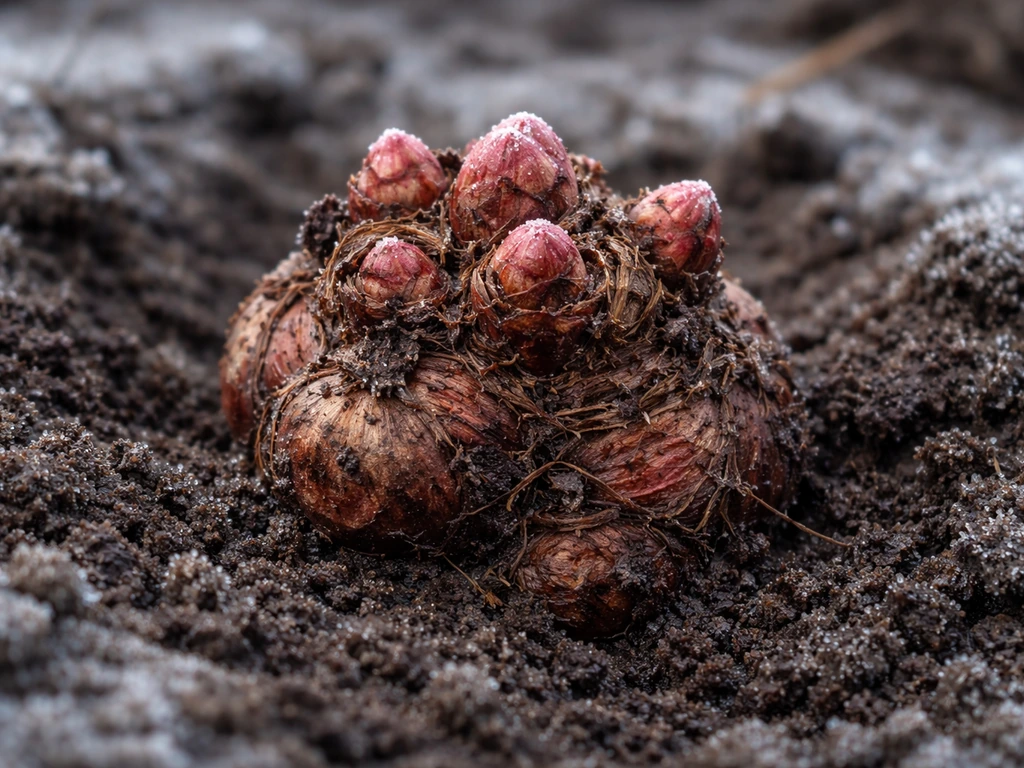
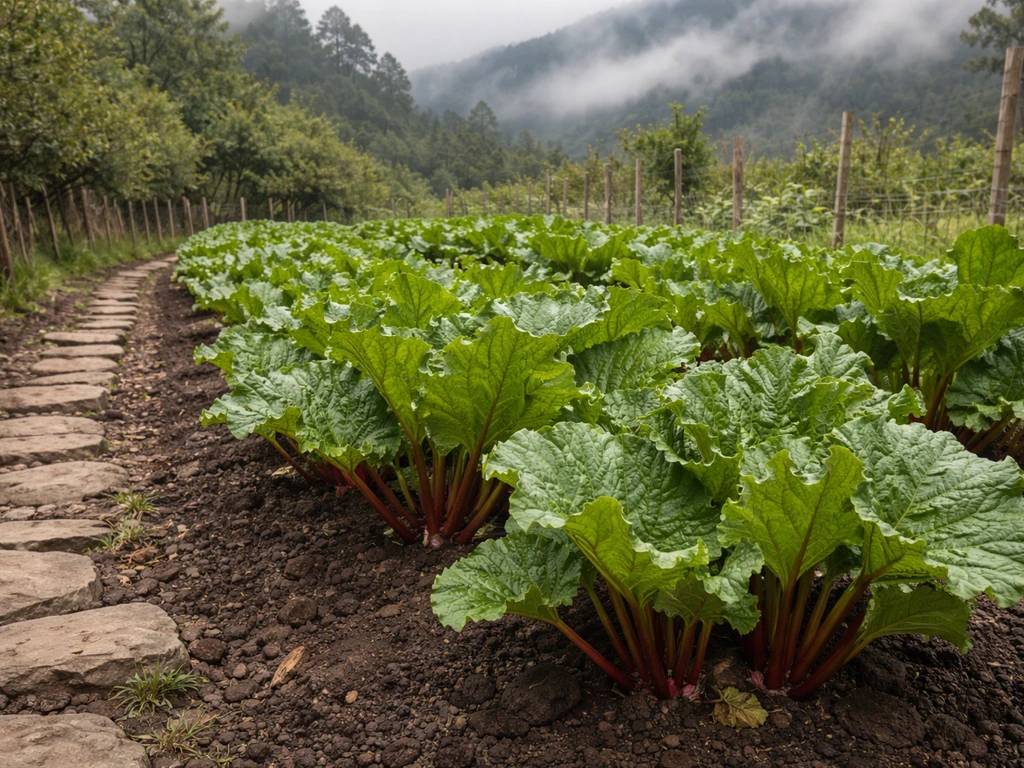
Rhubarb is fundamentally a cool-season plant that evolved in cold continental climates. Every year, the crown needs to go dormant in winter and accumulate cold hours before it can push out healthy new stalks in spring. According to Oregon State University Extension, rhubarb crowns need at least 500 hours of winter temperatures between 28°F and 40°F (roughly -2°C to 4°C) to properly form new leaf buds. Without that chilling period, the plant doesn't reset. It may survive, but it won't produce the thick, vigorous stalks you're expecting.
There's a floor and a ceiling on that cold window. Temperatures above 50°F (10°C) don't count toward the chill hours the plant needs. Temperatures below 28°F (-2°C) can actually reduce yields and stress the crown. So you're targeting a fairly specific band: cold but not brutal, and sustained enough to accumulate those 500-plus hours across the winter months. In much of Mexico, even at altitude, winter nights are simply not cold enough for long enough to hit that threshold reliably.
Mississippi State University Extension puts it plainly: rhubarb may survive in unsuitable conditions but will not thrive. That's a good way to think about marginal sites. Survival and productivity are different things, and with rhubarb in a warm climate, you'll often get the first without the second.
Where in Mexico rhubarb actually has a chance
Mexico's climate is far more varied than people outside the country often realize. Elevation is the single biggest factor. Much of central and southern Mexico sits at 5,000 to 9,000 feet (about 1,500 to 2,700 meters) above sea level, and those higher elevations create microclimates that are genuinely cooler in winter. This is where rhubarb has the best shot.
- Toluca valley and surrounding highlands (Estado de México): At over 8,700 feet elevation, Toluca regularly sees winter nights well below 40°F. This is one of the more promising areas in the country for rhubarb.
- Higher Sierra Madre Occidental and Sierra Madre Oriental ranges: Certain mountain towns and valleys in states like Chihuahua, Durango, Zacatecas (higher areas), and Hidalgo experience genuinely cold winters.
- Parts of Tlaxcala and the high Puebla highlands: Elevation helps here, though even Puebla's valley floor stays relatively mild. The coldest upland areas fare better.
- Northern Baja California inland valleys at elevation: Some parts of Baja see enough cold to be marginal candidates.
- Northern Mexico border states (Chihuahua, Sonora highlands): These areas share climate characteristics with southern New Mexico and Arizona, which NMSU extension notes are too warm for consistent rhubarb success in their lower elevations but workable in colder upland zones.
On the other hand, if you're anywhere along the Gulf Coast, the Pacific Coast, the Yucatán Peninsula, Oaxaca's central valleys at lower elevation, or most of Veracruz, the answer is essentially no. Winter temperatures there rarely get close to the 40°F threshold, let alone stay there for 500 hours. The same challenge applies to popular expat destinations like Puerto Vallarta, Los Cabos, or Cancún. Beautiful places to live, genuinely terrible places to try to grow rhubarb.
How to check if your specific location works
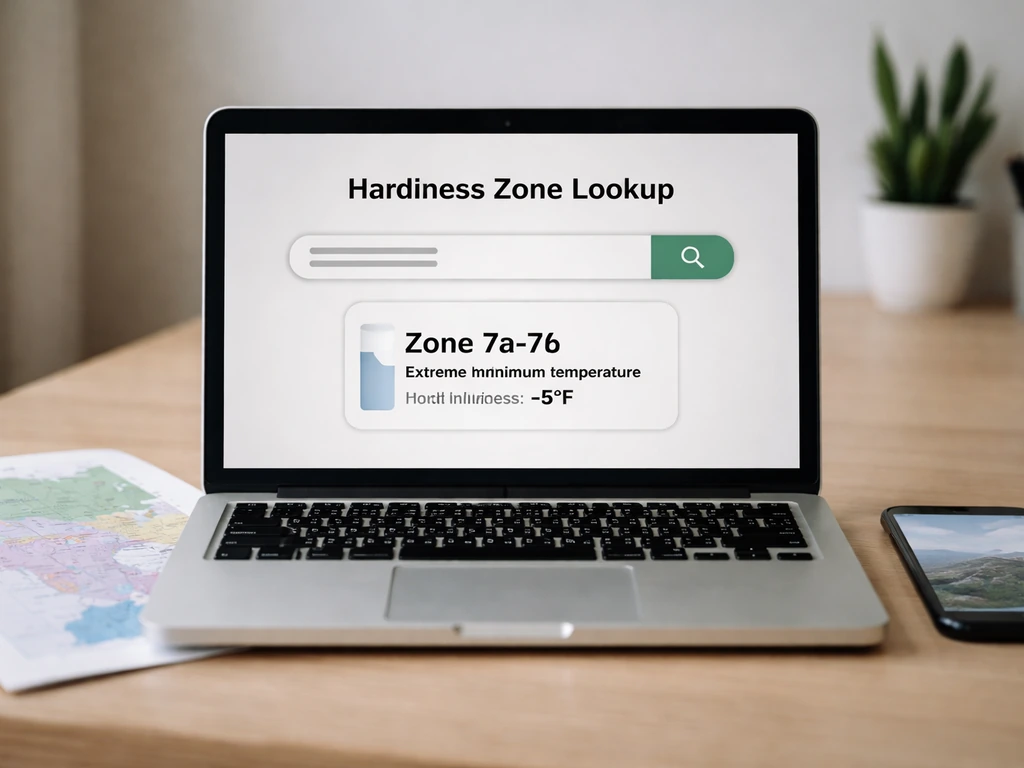
The USDA Plant Hardiness Zone system is based on average annual extreme minimum temperatures, and while USDA hasn't created an official equivalent map for Mexico, Plantmaps.com offers an interactive Mexico-wide hardiness zone map derived from the same USDA zone concepts. It's a useful starting point for any Mexican gardener trying to translate their location into zone language.
For rhubarb specifically, you want to be in approximately USDA Zone 7 or colder. Zone 7 means your coldest winter nights typically bottom out somewhere between 0°F and 10°F (-18°C to -12°C). That sounds colder than necessary for rhubarb, and it is, but the zone cutoff is about the extreme minimum, not the average winter night temperature. In practical terms, if you're in Zone 8 (extreme minimum of 10 to 20°F, or -12 to -7°C), rhubarb is marginal. In Zone 9 and warmer, which covers much of lowland Mexico, it becomes very unlikely to work as a reliable perennial.
The most direct check: look up your town's average January low temperatures over several years. If your coldest nights are consistently above 40°F (4°C), you will not accumulate the chill hours rhubarb needs. In North Carolina, rhubarb usually depends on whether your location gets enough consistently cool winter nights to meet its chill-hour needs does rhubarb grow in nc. If your January and February nights regularly drop into the low 30s°F (around 0 to 2°C) and you see stretches of cool days too, that's where rhubarb starts to become feasible. WeatherSpark is a reliable site for looking up historical average monthly temperature ranges for specific Mexican cities.
| Location Type | Typical Winter Low | Rhubarb Feasibility |
|---|---|---|
| High-elevation highland valleys (e.g., Toluca area, 2,600+ m) | Below 32°F / 0°C on many nights | Good potential as perennial |
| Mid-elevation central plateau (e.g., Mexico City, ~2,240 m) | Mid-to-upper 40s°F / ~7-9°C typical | Marginal; chill hours rarely met |
| High Puebla or Tlaxcala uplands | Low 40s°F / 4-6°C on coldest nights | Borderline; depends on exact site |
| Northern highlands (e.g., highland Chihuahua/Durango) | Below 32°F / 0°C in winter | Reasonable potential |
| Coastal lowlands, Yucatán, tropical valleys | Above 55°F / 13°C on coldest nights | Will not work as perennial |
| Major beach/resort cities (Cancún, Puerto Vallarta, etc.) | 60°F+ / 15°C+ even in winter | Not feasible |
Variety choices and planting strategy for warmer or borderline spots
If you're in a borderline area, variety selection matters. No rhubarb variety eliminates the chill-hour requirement entirely, but some are noted as slightly more tolerant of warmer conditions. Victoria is one of the most commonly available varieties and performs reasonably well in marginal climates. Crimson Red is another widely grown option. That said, variety alone won't save a planting in genuinely warm climates. The environmental requirement is the limiting factor, not the cultivar.
One workaround that ECHO's agricultural resources mention is treating rhubarb as an annual rather than a perennial in subtropical climates. If your location has a genuine cool season, even if it doesn't hit the full 500-hour chill threshold, you can plant crowns or start from seed when temperatures cool in fall, harvest lightly through the cool months, and accept that the plant won't reliably return the following year. It's more work and more expense than growing it as a perennial, but it gives you at least one season of production.
Containers are another option for marginal sites. A large container lets you move the plant to your coolest microclimate in winter, such as a shaded north-facing corner or an elevated spot that gets cold air drainage. This won't manufacture chill hours that don't exist in your climate, but it can maximize the cold exposure your location does offer. Be very cautious about drainage with container rhubarb: Phytophthora crown rot is the most common failure mode, and it's triggered by soil that stays wet around the crown base. Well-draining soil mix and containers with excellent drainage holes are non-negotiable.
Timing your planting is also important in borderline zones. Plant crowns in late fall when temperatures begin to cool, rather than in spring. This gives the plant maximum exposure to whatever cold your winter offers before the heat returns.
If rhubarb won't work where you are
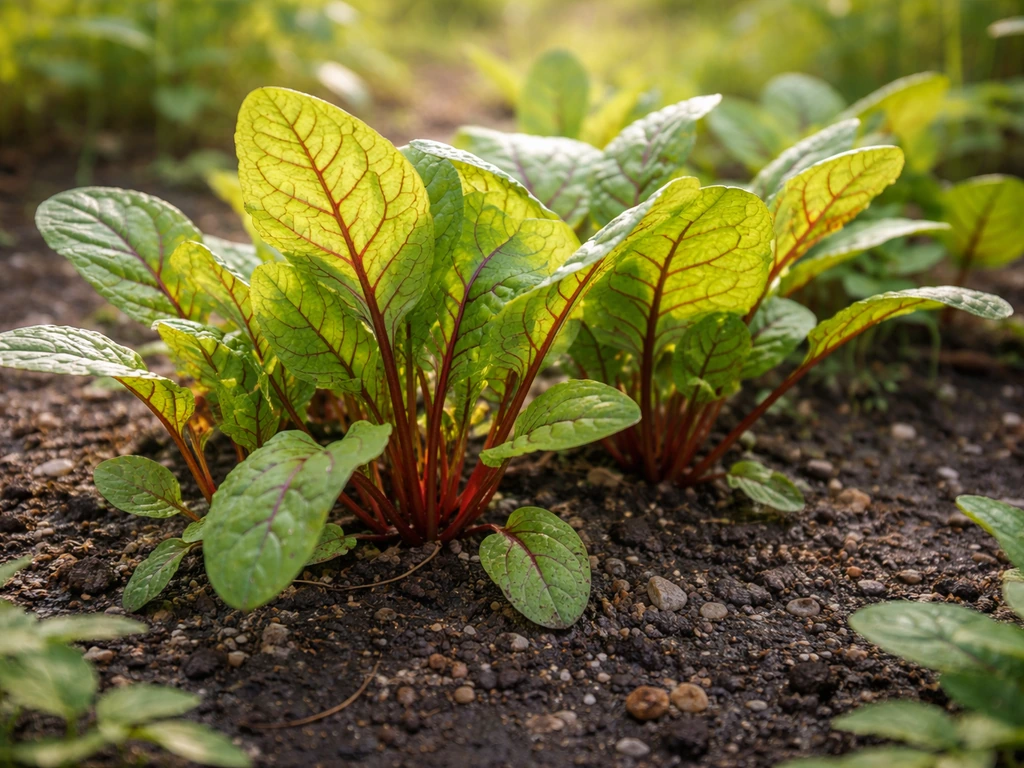
If your winters are too warm, there are some genuinely useful alternatives worth knowing about before you give up on the tart, tangy flavor profile that makes rhubarb appealing in the first place.
- Canaigre dock (Rumex hymenosepalus): Also called Arizona dock or ganagra, this plant is native to parts of northern and central Mexico. Its stalks can be used similarly to rhubarb in some culinary applications. It's a much better climate fit for warm and semi-arid regions.
- Sorrel (Rumex acetosa): Grows as a perennial in much of Mexico's temperate zones and provides a sour, acidic flavor useful in cooking. Much less cold-demanding than rhubarb.
- Hibiscus (Jamaica / Hibiscus sabdariffa): The dried calyces of Jamaica hibiscus provide the deep, tart flavor used in agua de jamaica, and the plant absolutely thrives in warm Mexican climates. If your goal was tart fruit preserves or drinks, Jamaica is your answer.
- Tamarind: In hot lowland regions, tamarind gives you the sour-sweet flavor that appears in many of the same culinary uses as rhubarb. Grows abundantly in tropical Mexico.
- Pitahaya / dragonfruit: For those interested in unique, locally adapted plants for warm regions, pitahaya is increasingly popular and thrives where rhubarb cannot.
It's also worth knowing that some plants sold or described as "wild rhubarb" in Mexico are not actually Rheum rhabarbarum, the true culinary rhubarb. Multiple unrelated plants share that common name. If you see wild rhubarb referenced in a local market or plant listing, verify the species before assuming it's the same plant or that cultivation requirements transfer.
The bottom line for Mexican gardeners
Rhubarb seeds and even crown divisions are available in Mexico, particularly in [Mexico City (CDMX) markets](/cold-hardy-plants/does-rhubarb-grow-in-virginia) and urban agriculture shops. Availability doesn't mean success. The fact that you can buy it doesn't mean it will thrive in your garden. Focus on your specific winter temperatures, not what's on the shelf.
If your location in the Mexican highlands gets consistent cold winter nights in the 30s°F (around 0 to 4°C) and your summers don't get brutally hot, you are in reasonable territory to try rhubarb as a perennial. If you're curious about growing flowers in a similar warm-climate challenge, you may also want to look at whether can you grow dahlias in hawaii. Purdue Extension recommends blank" rel="noopener noreferrer">removing flower stalks (“bolting”) so the plant’s energy goes toward edible stalk production removing flower stalks (bolting) so energy goes toward edible stalk production.
In California, rhubarb is usually only successful in areas where winter nights are cold enough to meet its chill-hour needs. If you're in warm or tropical Mexico, treat it as a cool-season annual at best or invest your energy in the excellent heat-tolerant alternatives that your climate actually supports. You can grow dahlias in Hawaii, but success depends on choosing the right variety and matching the island conditions to their sunlight and soil needs heat-tolerant alternatives.
The same calculus applies to rhubarb in other warm-climate regions. Gardeners asking whether rhubarb works in Texas, California, Tennessee, or Hawaii are dealing with very similar questions about chill hours and winter minimums. Rhubarb is generally only likely to grow in Texas in cooler, higher-elevation areas where winter lows provide enough chill hours. Mexico's diversity means some parts of the country share climate characteristics with successful rhubarb regions, and others are more comparable to those warm-climate cases where the plant reliably underperforms. Know your elevation, check your winter lows, and you'll have your answer.
FAQ
Will rhubarb come back every year in Mexico if I plant it once?
Yes, but in warm parts of Mexico it is usually only feasible as a cool-season annual. If you do not get enough winter chilling hours (the plant needs sustained time in the cool 28°F to 40°F range), it may leaf out but will not reset for a strong second year, so plan to harvest through the cool months and replant next season.
If my Mexican location is borderline, what microclimate choices actually help rhubarb?
For borderline sites, prioritize microclimate cold, not just the city’s average. Place the crown where cold air drains and stays cool longer (an elevated spot that is sheltered from midday sun, or a shaded north-facing corner), and avoid warm radiating walls. This can improve actual chill exposure even when your broad zone looks marginal.
Should I grow rhubarb from seed or buy crowns in Mexico?
Rhubarb crowns are generally more reliable than seed in marginal climates because seed-grown plants still need time to establish roots and may take longer to reach productive stalk size. In marginal areas, starting with a crown and planting at the right cool-season window usually improves your odds of getting edible stalks.
I found “wild rhubarb” locally in Mexico. Is it the same as culinary rhubarb?
Don’t rely on plant labels alone, especially if you encounter “wild rhubarb.” Verify whether it is Rheum rhabarbarum, since different unrelated plants can share the same common name and will not necessarily have the same cold requirement or growth habit.
If rhubarb is sold in Mexico (for example in markets), does that mean it will grow well there?
Yes. In Mexico City and similar highland areas, you can often buy crowns or divisions, but you still must match the winter temperature requirement. Availability is not a success guarantee, so confirm your local winter lows over multiple years before investing in planting.
What’s the biggest risk with growing rhubarb in containers in Mexico?
Use container rhubarb only if you can manage drainage perfectly. The most common failure is crown rot from consistently wet conditions around the base, so choose a large container with excellent drainage holes, a fast-draining mix, and avoid letting water sit in the saucer. In humid coastal climates, container drainage becomes even more critical.
My area rarely gets below 40°F, but it has occasional cold nights. Can rhubarb still work?
If you get occasional cold snaps but not consistent cool winter nights, rhubarb may survive yet produce thin stalks or fail to become vigorous. The practical test is whether you repeatedly reach the needed cool window during winter, not whether the plant survives a single freeze.
When should I plant rhubarb in Mexico if I’m trying to maximize success?
The best planting window in borderline locations is late fall, after temperatures begin to cool, so the crown spends as much of the winter season as possible in the cool range it needs. Spring planting often shifts the plant’s growth and establishment into warmer months and can reduce performance.
What common mistakes reduce rhubarb yields even when the climate is suitable?
Even in regions that can support rhubarb as a perennial, avoid heavy feeding or overwatering. In warm seasons, excess moisture combined with slower growth can increase disease pressure, and in marginal cold climates, weak crowns have less energy to survive the next winter.
How can I tell after planting that my rhubarb is not getting enough chill hours?
Measure your results. If stalk thickness is small and the plant struggles to reflush after winter, it is often a sign of insufficient chilling. At that point, treat it as an annual with staged harvesting during the coolest months, or shift to a more reliable heat-tolerant alternative.