
Yes, you can grow dahlias in Hawaii, but success depends almost entirely on where on the islands you are. You can also grow rhubarb in Hawaii, but you will need to match the right cool, well-drained microclimate and care for it accordingly can you grow rhubarb in hawaii. If you are wondering does rhubarb grow in Virginia, the key is choosing a variety that can handle your winter chill and spring temperatures. If you are also wondering about growing rhubarb, the climate and chill requirements matter just as much as they do for dahlias. You can also grow other plants in California, but it depends on your local climate and how you manage factors like sunlight and drainage does rhubarb grow in california. Rhubarb can also be grown in the right Tennessee conditions, though it depends on temperature, soil, and moisture rhubarb grow in tennessee. Lowland coastal areas below about 1,000 feet are genuinely tough for dahlias because the heat and humidity work against them. Get up to 1,500–3,000 feet on Maui, the Big Island, or even parts of Oahu, and dahlias can thrive impressively. So the honest answer is: dahlias are feasible in Hawaii, but location is everything, and planting them in the wrong spot will leave you frustrated.
Can You Grow Dahlias in Hawaii Yes and How Well
Is it actually worth trying in Hawaii?
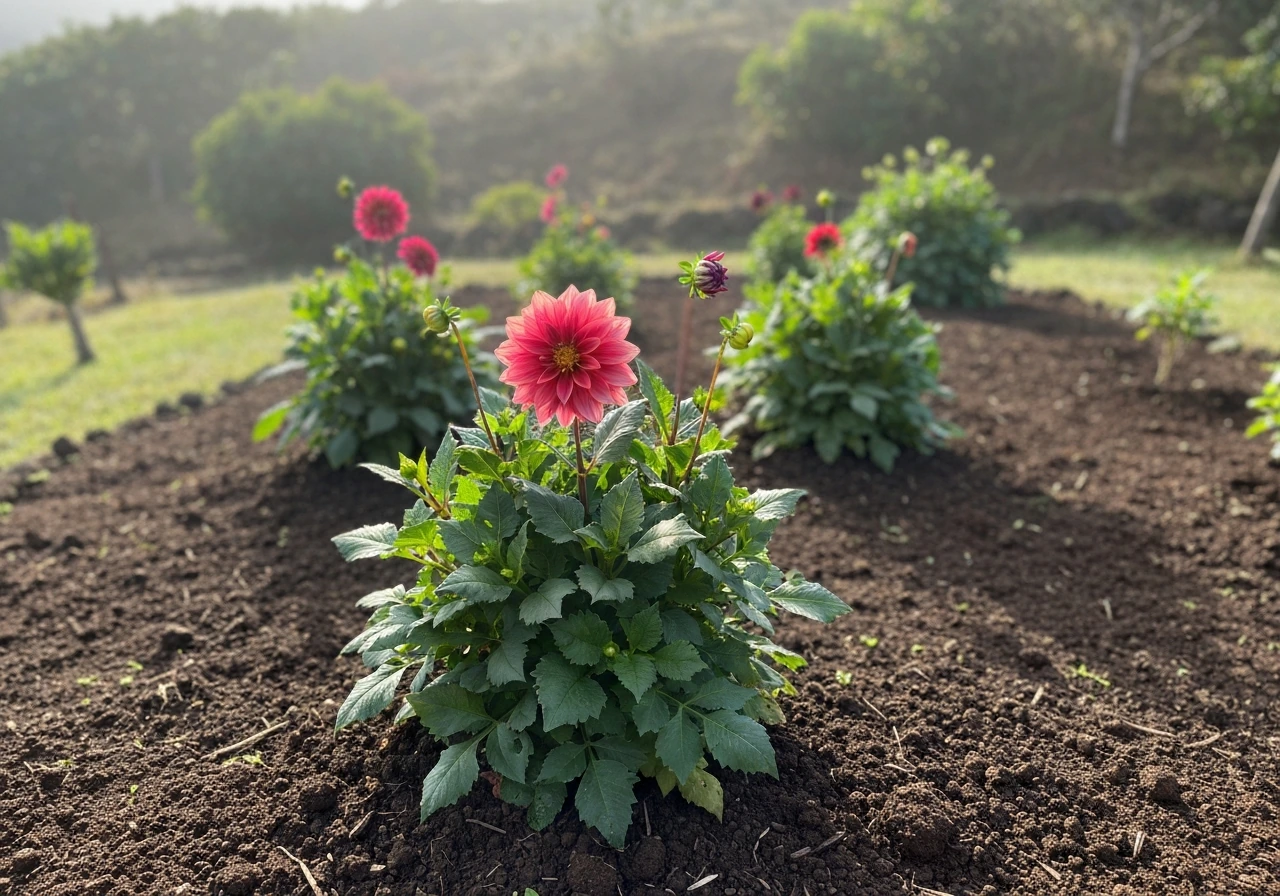
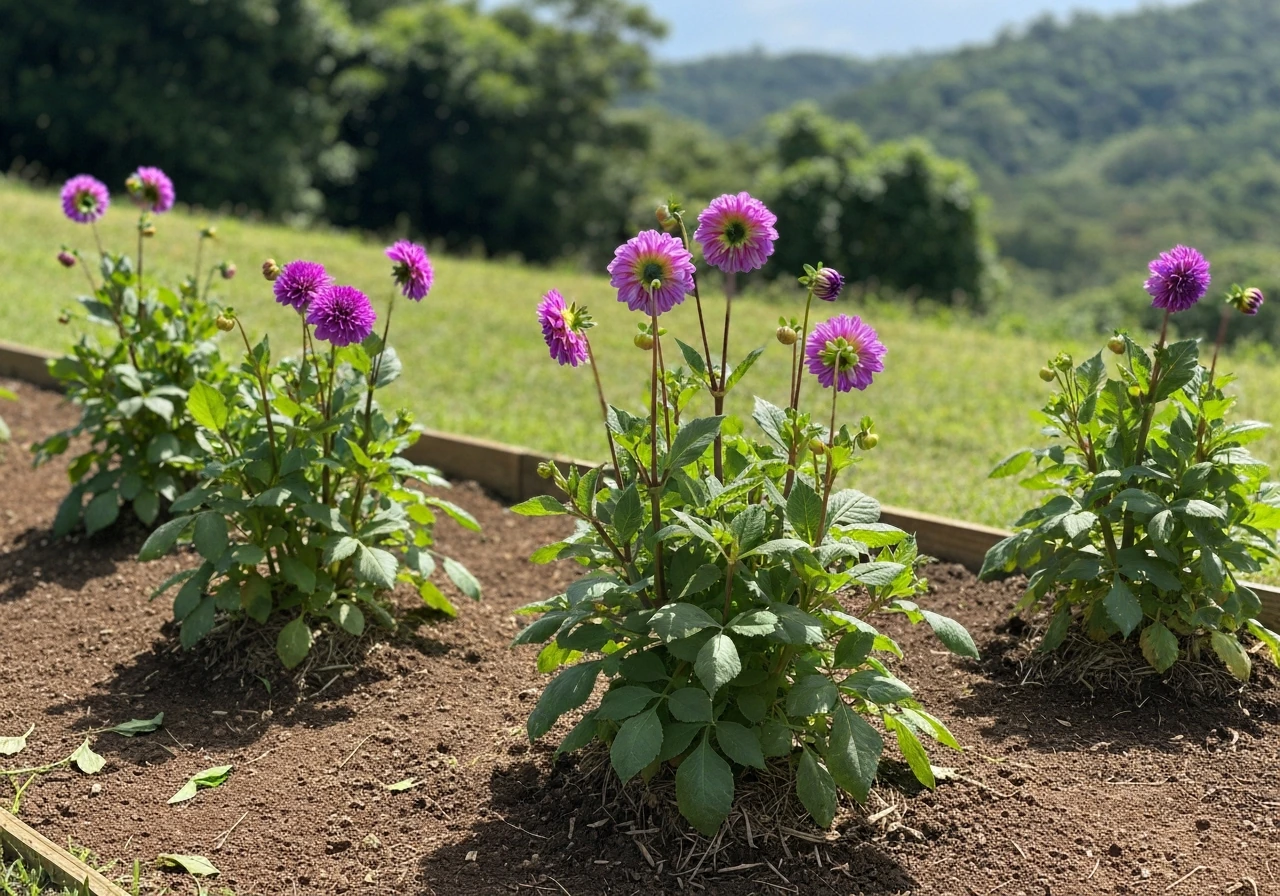
If you are in a cooler upland microclimate, absolutely yes. Gardeners at elevation on Maui's upcountry, around Kula or Makawao, regularly grow stunning dahlias that would rival anything you see in the Pacific Northwest. The same goes for parts of the Big Island near Waimea and Volcano, and for higher neighborhoods on Oahu like the areas around Tantalus. If you are in Honolulu proper, Kona, or a low-elevation beach community, dahlias will struggle, bloom poorly, and often rot out during humid periods. They are not impossible there, but you are working against the climate rather than with it.
The core problem for dahlias in warm, humid Hawaii is that they do not tolerate high summer temperatures well, and they need a mild, somewhat dry rest period to reset and rebloom strongly. Coastal lowlands give them neither. This is a similar challenge to growing rhubarb in Hawaii, another plant that needs a cool period to perform, where elevation ends up being the deciding factor. In Texas, rhubarb can also work, especially if you choose cool-season timing and varieties suited to your area growing rhubarb in Hawaii.
How Hawaii's microclimates affect dahlias
Hawaii is not one climate. The islands have dozens of distinct microclimates stacked on top of each other, and that variation is the biggest thing to understand before you buy a single tuber.
Elevation is the most important factor
Dahlias genuinely prefer daytime highs in the 65–80°F range and cooler nights. At sea level in Hawaii, summer days regularly push into the upper 80s, and nights stay warm and muggy. Get up above 1,500 feet and temperatures moderate noticeably. Above 2,000 feet, you start getting the kind of crisp nights and mild days that dahlias actually love. The Kula district on Maui sits around 3,000 feet and is practically dahlia paradise by Hawaiian standards.
Windward vs. leeward sides
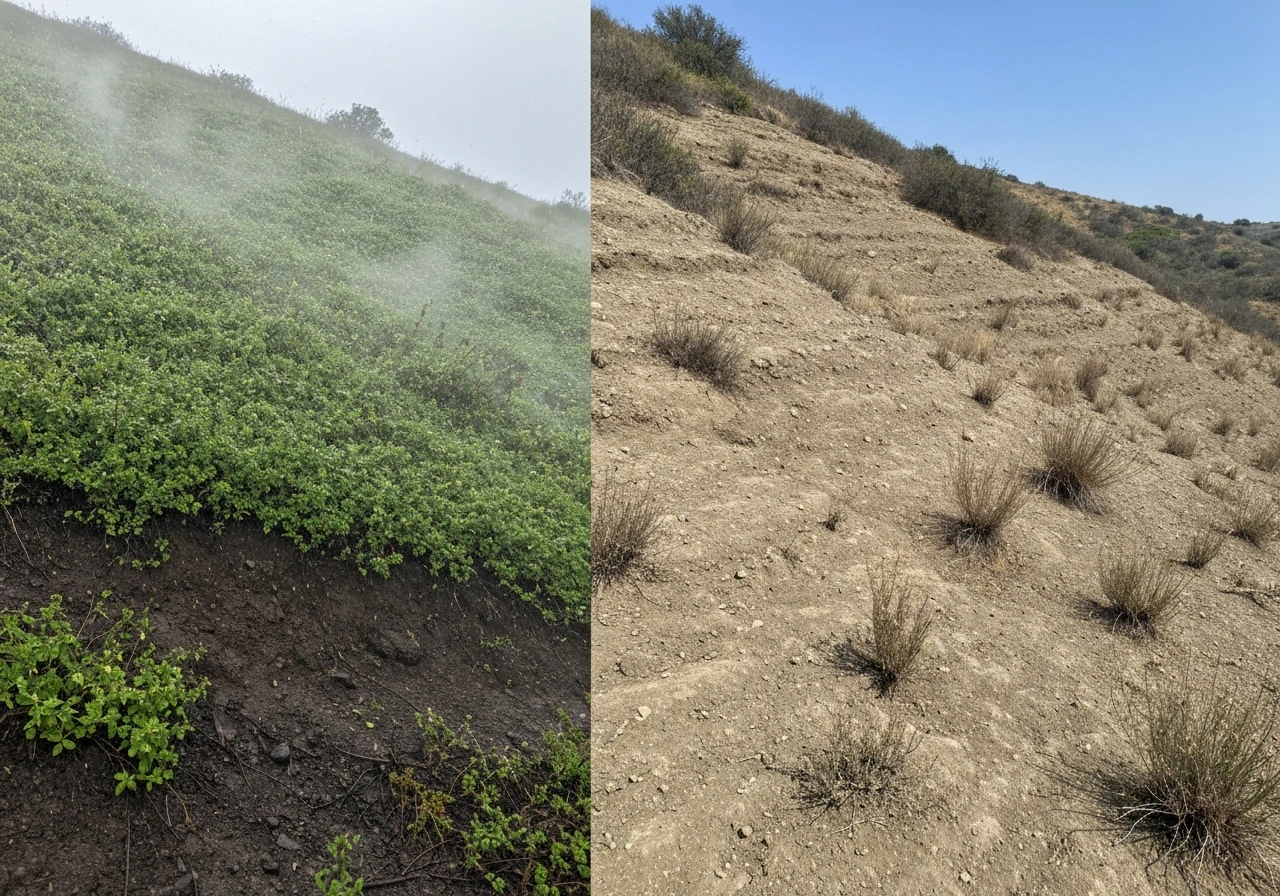
Windward sides of the islands (the northeast-facing slopes that catch the trade winds) receive heavy rainfall and stay humid year-round. This is tough for dahlias because wet soil and humid air together create ideal conditions for fungal disease and tuber rot. Leeward sides are drier and sunnier, which generally suits dahlias better, but they can also get blasted by hot, dry conditions in summer. The sweet spot is a leeward or sheltered mid-elevation site that gets good airflow without extreme heat or coastal salt spray.
Island-by-island quick take
| Island | Best Areas for Dahlias | Challenging Areas |
|---|---|---|
| Maui | Kula, Makawao, Upcountry (2,000–4,000 ft) | Lahaina, Kihei, coastal lowlands |
| Big Island | Waimea, Volcano, Kona highlands above 1,500 ft | Kailua-Kona shoreline, Hilo lowlands |
| Oahu | Tantalus, Nuuanu upper areas, above 800–1,000 ft | Waikiki, Kailua coast, most of Honolulu |
| Kauai | Kokee area, mid-elevation Waimea Canyon rim | Poipu, Lihue, coastal areas |
| Molokai/Lanai | Limited upcountry zones if available | Most low-elevation areas |
Picking the right planting site and timing
Dahlias need at least 6 hours of direct sunlight per day. In Hawaii's cooler upland areas, a full-sun position facing east or southeast works beautifully. In hotter low-elevation spots, afternoon shade becomes important to prevent heat stress and bleaching of the blooms. A location that gets morning sun and filtered afternoon light is your best bet if you are on the borderline.
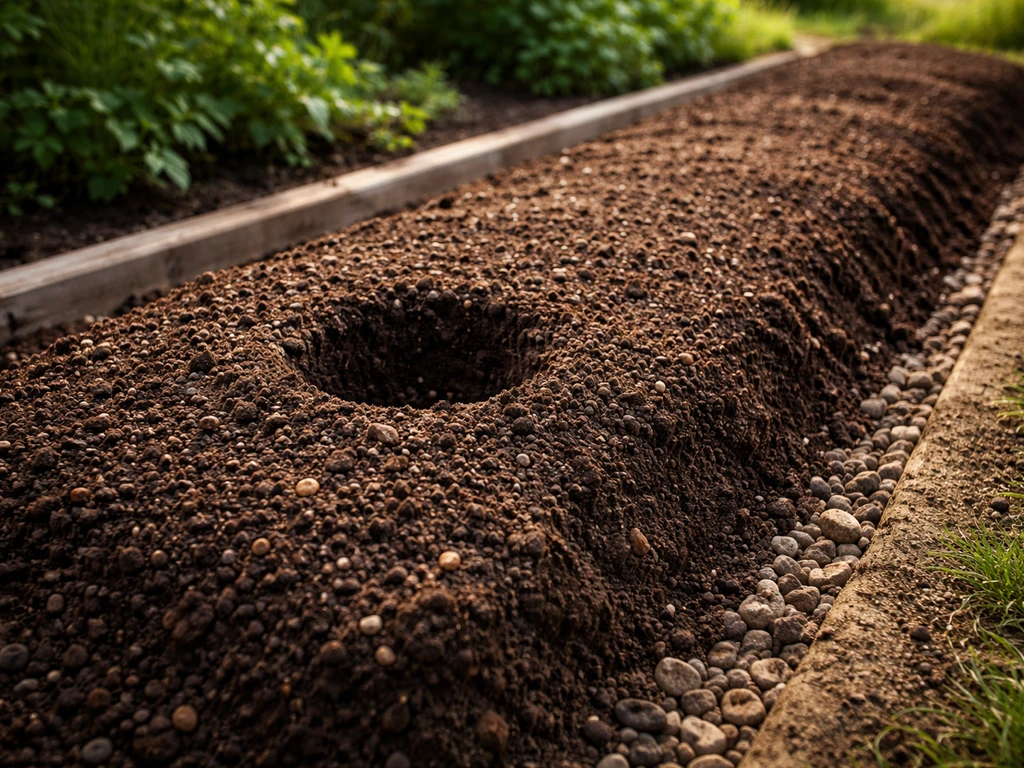
Drainage is non-negotiable. Dahlias sitting in wet, poorly drained soil will rot, especially in Hawaii's humid conditions. UF/IFAS Extension notes that dahlias should not be planted until the soil has warmed up because roots can rot in cold, wet soil Dahlias sitting in wet, poorly drained soil will rot. Raised beds or slightly mounded planting areas work extremely well. Aim for soil that drains freely but holds some moisture, like a loamy mix amended with compost and perlite. If your native soil is dense clay or heavy volcanic material that compacts, build up rather than planting in-ground.
For timing, Hawaii's frost-free climate means you technically can plant tubers any time of year. But the best results come from planting in late fall through winter (October through February) in low-elevation areas, taking advantage of cooler temperatures to get plants established before the heat returns. At higher elevations where temperatures are moderate year-round, spring planting (February through April) works well and gives you blooms through summer and fall.
- Space dahlia tubers 18–24 inches apart for smaller varieties, 24–36 inches for dinner plate types
- Plant tubers 4–6 inches deep with the eye (growth node) facing up
- Avoid low spots in the garden where water pools after rain
- Shelter plants from strong trade winds, which can snap stems and stress foliage
Watering, mulching, and beating the heat and humidity
Consistent watering is important, but overwatering in Hawaii's already-humid climate is a real risk. Water deeply but infrequently, aiming to keep soil evenly moist rather than wet. Let the top inch of soil dry out slightly between waterings. Drip irrigation at the base of the plant is ideal because it keeps foliage dry, which dramatically reduces fungal disease pressure. Avoid overhead watering whenever possible.
Mulch is your friend in Hawaii. A 2–3 inch layer of organic mulch (straw, wood chips, or sugarcane mulch, which is widely available on the islands) keeps soil temperature stable, conserves moisture, and reduces weed competition. Keep the mulch an inch or two away from the stem base to prevent crown rot.
In low-elevation areas during the hottest months, shade cloth rated at 30–40% can prevent heat stress on the plants. Some growers in marginal spots treat dahlias as cool-season plants, essentially letting them go dormant or performing poorly through the hottest stretch (typically August through September) and cutting them back hard, then watching them rebound as temperatures ease in October and November.
What to do about tubers in frost-free Hawaii
This is where Hawaii is genuinely different from most dahlia-growing regions. In cold climates, dahlias die back to the ground after frost, you dig the tubers, store them over winter, and replant in spring. In Hawaii, there is no frost to trigger dormancy. The Royal Horticultural Society explains that dahlias are tender and will not survive frost, so they must be kept indoors until temperatures stay consistently above 5°C (about 41°F) there is no frost to trigger dormancy. This creates a choice.
Option 1: Leave tubers in the ground
In well-draining soil at cooler elevations, you can leave tubers in the ground year-round. Plants may not fully go dormant, but you can encourage a rest period by cutting the plant back hard after the main bloom cycle and reducing watering for 4–6 weeks. This mimics the dormancy cue the plant needs to regenerate strong tubers and prepare for the next bloom flush. After the rest period, resume regular watering and feeding and you should see fresh growth emerge.
Option 2: Dig and store
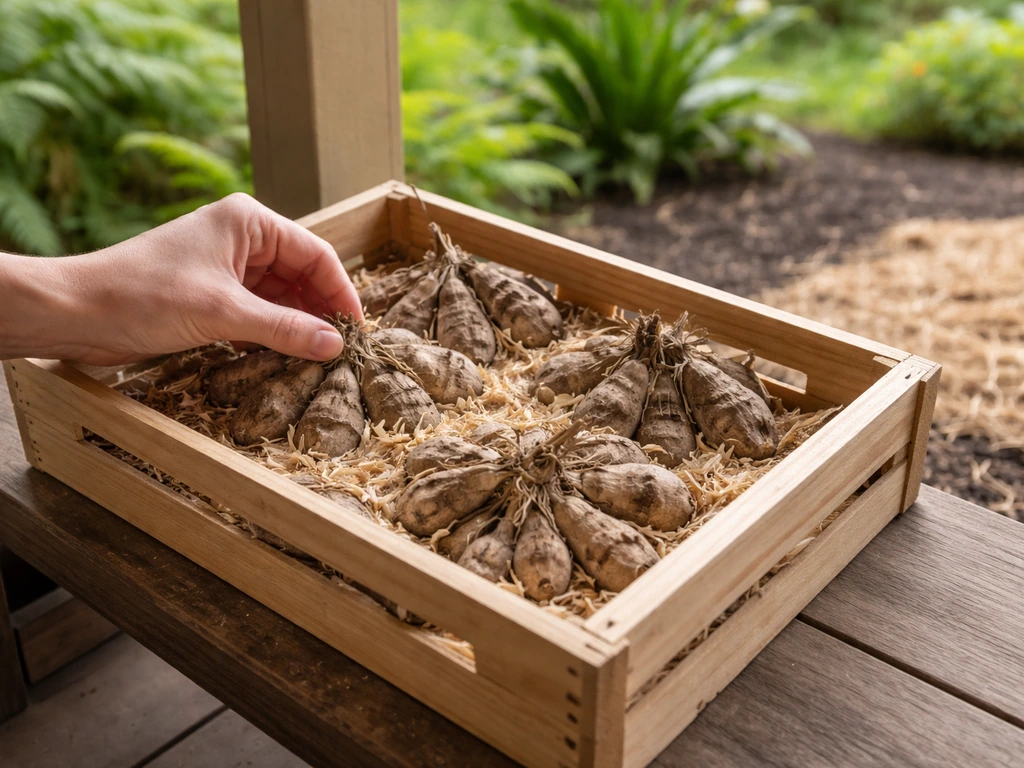
If your soil stays consistently wet or temperatures do not drop enough to slow the plant down, digging tubers after the main bloom period is smarter. Allow the tubers to cure in a dry, shaded spot for a few days, then store them in a breathable container (like a paper bag or wooden crate) with dry peat moss or wood shavings. A cool, dry indoor space works well. Replant after 6–8 weeks. This gives the tubers the rest period they need and lets you inspect for rot before replanting.
Option 3: Treat them as annuals
Honestly, some Hawaii gardeners skip the tuber management entirely and just buy fresh tubers or starts each season. Dahlias grown from tubers by local nurseries or mail-order are not expensive, and treating them as annuals simplifies everything. If you are in a lower-elevation spot where tubers tend to rot in ground anyway, this is a perfectly reasonable approach.
Pests and diseases to watch for in Hawaii
Hawaii's warm, humid conditions create a fairly intense pest and disease environment for dahlias. Knowing what to look for saves a lot of frustration.
Fungal diseases
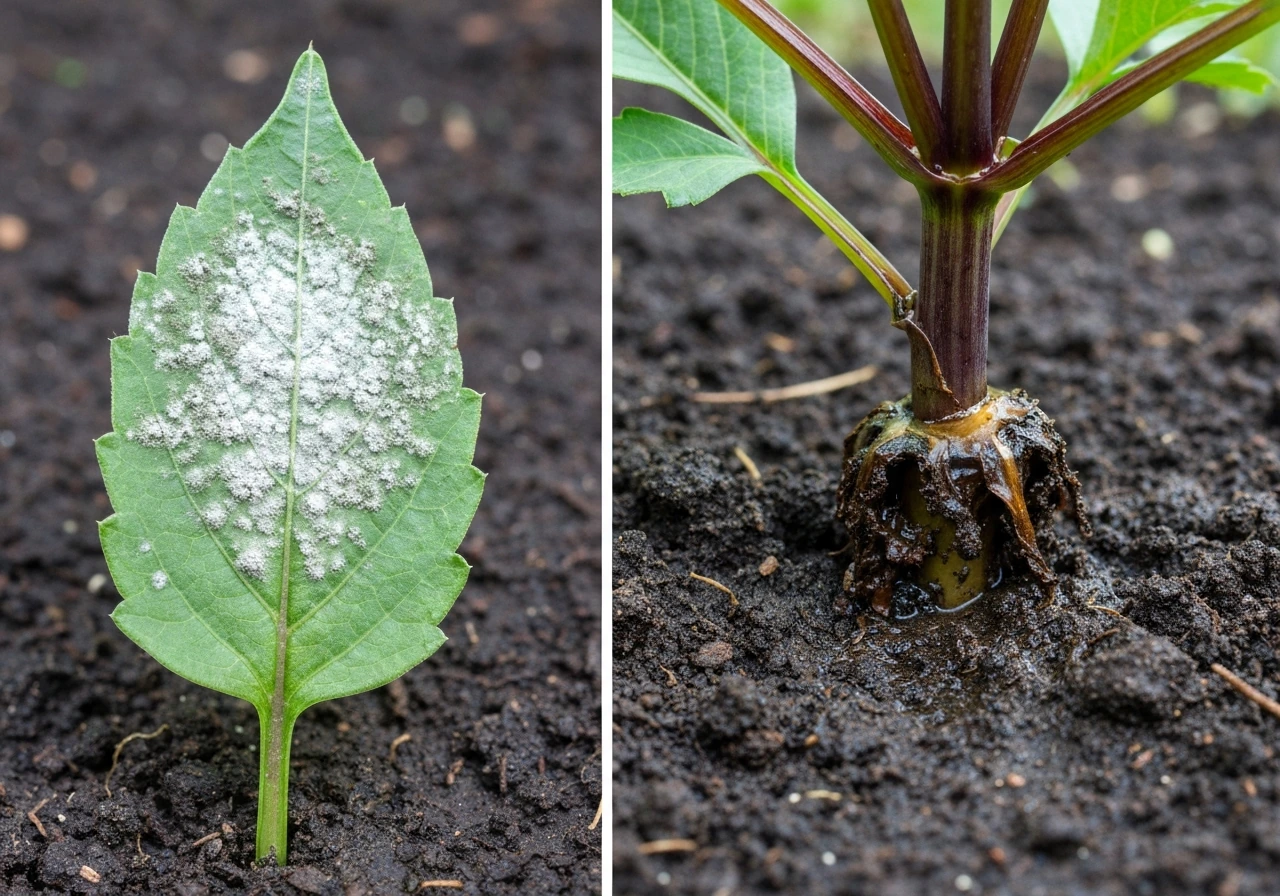
Powdery mildew and botrytis (gray mold) are the most common fungal problems. Powdery mildew shows as a white powdery coating on leaves and thrives in humid, warm conditions with poor airflow. Botrytis causes brown, mushy spots on flowers and foliage during wet periods. Both can be reduced significantly by: spacing plants generously for airflow, watering at the base rather than overhead, and removing dead or damaged foliage promptly. Copper-based fungicide or neem oil applied preventively during humid periods helps manage both.
Root and crown rot
This is probably the number one killer of dahlias in Hawaii lowlands. Poor drainage combined with humidity means tubers and crowns can rot before you even realize the plant is in trouble. The fix is almost always soil improvement and raised planting positions before you plant, not after the problem appears. If you see a plant suddenly wilting despite adequate water, suspect rot and check the base of the stem and tubers immediately.
Insects
- Slugs and snails: Common in humid, mulched beds; use iron phosphate bait or go out at night with a flashlight to hand-pick
- Thrips: Tiny insects that cause silvery streaking on petals and leaves; neem oil or spinosad spray works well
- Spider mites: More common during dry, hot spells; a strong spray of water and neem oil addresses them
- Aphids: Tend to cluster on new growth; knock off with water or use insecticidal soap
- Mealybugs: Occasional issue in sheltered spots; neem oil or rubbing alcohol on a cotton swab for small infestations
Choosing the right varieties and deciding between containers and in-ground
Not all dahlias handle Hawaii's conditions equally. Smaller-flowered, more compact varieties tend to perform better in marginal spots than the massive dinner-plate types, which need ideal conditions to really perform. Ball dahlias, pompon dahlias, and single-flowered types are often more resilient in variable Hawaiian conditions. For lower elevations where heat is a challenge, look for varieties marketed as heat-tolerant or those bred in warm-climate regions.
Containers vs. in-ground
Growing dahlias in containers is genuinely practical in Hawaii and worth considering seriously. A large container (at least 12–15 gallons for medium varieties, 20+ gallons for large types) lets you control drainage completely, move the plant to better light or shelter as needed, and manage the soil mix precisely. Container-grown dahlias in Hawaii can be moved to a shadier spot during the hottest summer weeks and brought back into full sun when temperatures ease. The downside is that containers dry out faster in the heat, so you will be watering more frequently.
For in-ground planting, raised beds are the next best thing. Build them at least 12 inches high with a free-draining mix of loam, compost, and perlite or coarse sand. Avoid heavy clay amendments or topsoil that retains too much moisture.
Your practical next steps
- Identify your elevation and whether you are on the windward or leeward side of your island
- If you are below 1,000 feet in a hot, humid location, plan to use containers, raised beds, and afternoon shade, and choose compact heat-tolerant varieties
- If you are at 1,500 feet or above, select a sunny, sheltered, well-draining spot and plant tubers between October and February for best results
- Amend your soil or container mix before planting to ensure excellent drainage
- Set up drip irrigation or a soaker hose at the base of plants to keep foliage dry
- Decide your tuber management strategy (leave in ground with a forced rest, dig and store, or treat as annuals) before you plant so you have a plan in place
- Check local Hawaii nurseries or dahlia societies for varieties that have been proven in your specific island conditions
FAQ
Can you grow dahlias in Hawaii if you live in Honolulu or a low-elevation beach area?
Yes, but treat them like a marginal-site project. You will usually need afternoon shade (or a site with morning sun and filtered late-day light), drip irrigation to keep foliage dry, and a strong emphasis on airflow. Many gardeners also plan for a heat dip by keeping plants going poorly in late summer, then cutting back hard in August to encourage a stronger rebound in October and November.
What dahlia varieties are most likely to succeed in Hawaii’s heat and humidity?
Smaller-flowered, more compact types generally handle stress better than tall, heavy “dinner-plate” varieties. Ball, pompon, and single-flowered dahlias often do better in variable conditions because they tend to be less prone to bloom issues when days are hot and nights stay warm.
Do dahlias need to be dug up in Hawaii, or can they stay in the ground?
It depends on how wet your soil stays and whether nights cool off enough. In well-drained soil at cooler elevations, you can leave tubers in place and force a rest period by cutting back and reducing watering for 4 to 6 weeks. In lowlands where rot risk is high, digging after the main bloom is safer, then curing tubers briefly in a dry shaded spot before storing.
How do I prevent tuber rot in Hawaii if my ground stays damp after rain?
Start before planting by using raised beds or mounded rows with a fast-draining mix, and avoid adding moisture-retaining amendments in the planting zone. Also confirm airflow around the plant, because humid conditions plus stagnant air raise disease risk. If plants suddenly wilt despite regular watering, check the crown and tubers immediately rather than assuming a watering problem.
What is the best sunlight strategy if my site gets full sun all day?
If you are at higher elevation, full sun is usually fine as long as drainage is excellent. In low-elevation heat, full sun can bleach blooms and slow growth, so aim for morning sun with afternoon shade. A practical test is to watch leaf color and turgor in late afternoon, if leaves look scorched or limp consistently, add shade cloth or relocate the container if possible.
Should I water dahlias every day in Hawaii’s humid climate?
No. Even in humid weather, you want to avoid consistently wet soil. Water deeply but infrequently, and let the top inch of soil dry slightly before watering again. Drip irrigation at the base is especially helpful because it reduces the wetting of leaves and lowers fungal pressure.
Can I grow dahlias in containers on the islands, and what soil mix should I use?
Container culture is often the easiest way to control drainage. Use a large pot (medium types need at least 12 to 15 gallons, larger types 20+ gallons) and a drainage-focused mix, loamy compost plus perlite or coarse sand works well. Containers dry out faster, so be prepared to water more frequently during hot spells and to move plants to brighter or shadier spots as conditions change.
When is the best time to plant dahlias in Hawaii?
Hawaii has no frost, but timing still matters. Low-elevation areas typically do best with tuber planting from October through February so plants establish before the hottest months. At cooler elevations, you can also plant from February through April for blooms through summer and fall.
How can I handle fungal diseases like powdery mildew and botrytis in Hawaii?
Improve airflow with generous spacing, remove damaged foliage promptly, and keep watering at the base to avoid leaf wetness. If humidity stays high for weeks, many growers use a preventive copper-based fungicide or neem oil during humid periods rather than waiting for visible damage. Catching it early matters because botrytis can start on wet, crowded flower heads.
What should I do if my dahlia starts wilting suddenly but the soil looks moist?
Wilting with consistently moist soil strongly suggests crown or tuber rot. Check the base of the stem and gently inspect the tubers, if you see soft or discolored tissue, remove the affected plant and improve drainage immediately for the remaining ones. This is one scenario where acting quickly prevents the rot from progressing unnoticed.
How do I create a rest period for dahlias that stay in the ground year-round?
After the main bloom cycle, cut the plant back hard and reduce watering for 4 to 6 weeks to mimic the dormancy cue. The goal is to slow growth enough for tubers to regenerate, not to keep the soil wet. When you resume normal watering, new shoots should appear and you can feed lightly to support the next flush.