
Camellias can grow in Colorado, but only in the right spots, with the right varieties, and with realistic expectations about what "success" actually looks like here. This is not a camellia-friendly state by default. Most of Colorado sits in USDA Zones 4 through 6, and standard Camellia japonica cultivars are rated for Zones 7 to 9. That gap is the whole problem.
Can Camellias Grow in Colorado? Zones, Types, and Tips
Marcus Hartwell
5 Jun 2026
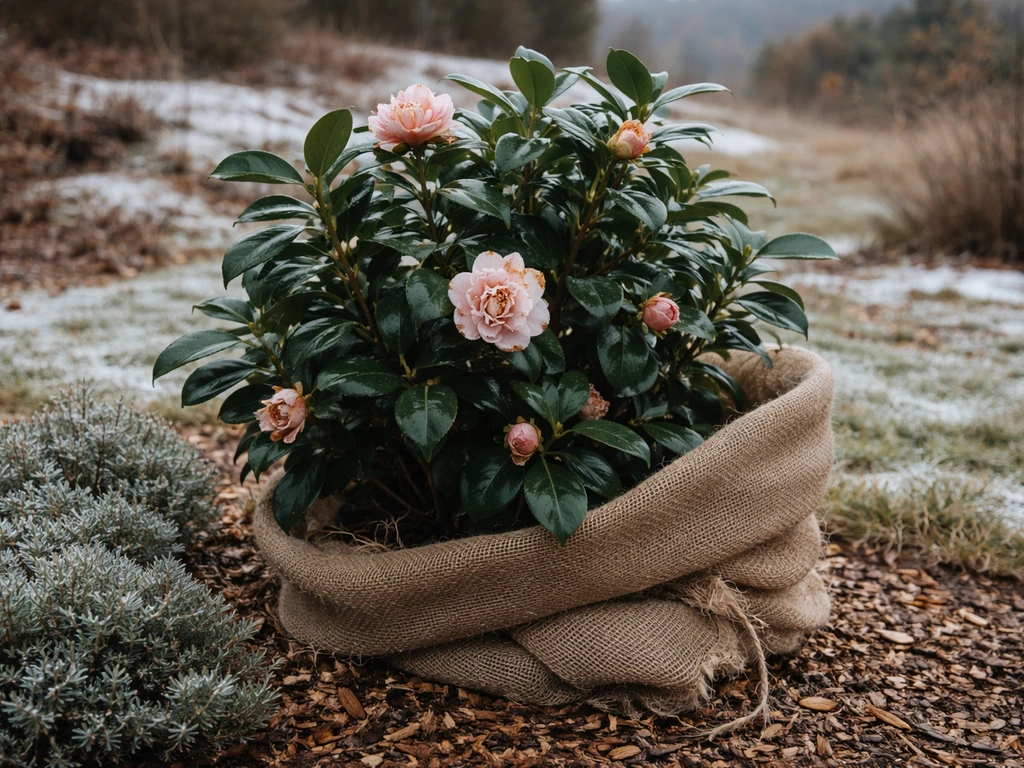
But if you're in Denver, Pueblo, Grand Junction, or another warmer part of the state, and you're willing to choose cold-hardy hybrid varieties and put them in a sheltered microclimate, you have a genuine shot at growing camellias in Colorado. If you want to know how do camellias grow in adverse conditions elsewhere, the same principles of cold tolerance and moisture protection still apply growing camellias in Colorado. Can camellia grow in India?
If you're asking what do camellias need to grow, the key is matching the right zone and providing shelter, moisture, and protection from winter drying winds Can camellia grow in India?. In India, camellias usually need a cool winter climate and protective site conditions to avoid cold snaps and winter dryness camellias in India. It depends on matching a suitable zone and protecting plants from extreme cold and dry winds growing camellias in Colorado.
Why Colorado is so hard on camellias
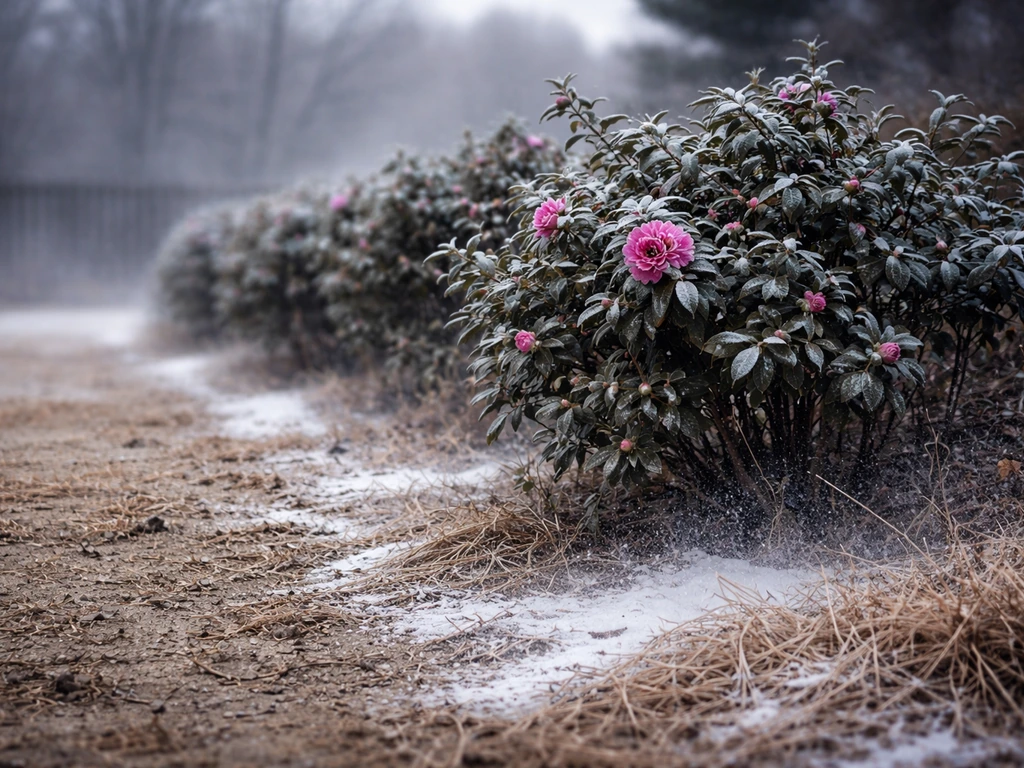
Three things make Colorado genuinely hostile to most camellias: deep winter cold, brutally dry air, and relentless wind. Each one alone is a problem. Together, they're often fatal.
Cold is the obvious threat. Most standard Camellia japonica varieties die below about 10°F, and large parts of Colorado routinely see temperatures well below that. Even in Denver (Zone 6a/6b), a single hard cold snap can push temperatures low enough to kill unprotected plants. But what many people don't realize is that cold alone isn't always what kills the camellia. It's the combination of cold and desiccation that does most of the damage. What do camellias need to grow? In addition to cold tolerance, they need consistent moisture, protection from drying winds, and good soil conditions.
Colorado winters are extremely dry. CSU Extension has documented this specifically: low precipitation, dry air, little soil moisture, and wildly fluctuating temperatures are the norm across the state from fall through winter. When the soil freezes, roots can't absorb water. Meanwhile, the plant's evergreen leaves keep losing moisture to the dry air and wind. The roots can't replace what's being lost, and the plant essentially desiccates from the inside out. You'll see this as blank" rel="noopener noreferrer">browning leaf edges, scorched flower buds, and dead branch tips. That's not just cold injury. That's desiccation injury, and it's a separate problem requiring its own solution.
Wind makes everything worse. Colorado's drying winds accelerate moisture loss from leaves and stems dramatically. Gardening Know How flags cold wind as a major co-factor with freezing temperatures for camellia damage, and that matches what I've seen. A camellia that might survive in a still, sheltered spot can be completely killed by the same temperature if it's exposed to a consistent winter wind. Site selection for wind protection isn't optional here. It's essential.
Your zone matters more than your state
Colorado spans USDA Zones 3b to 7a depending on where you are. That's an enormous range, and it means a blanket answer of "yes" or "no" for the whole state is useless. Michigan also has cold winters and variable growing conditions, so camellia success depends on your local microclimate and hardiness zone camellias grow in Michigan. If you're wondering about the same question for the Lone Star State, the answer depends heavily on your local zone and winter lows. Here's how to think about it by zone:
| Colorado Zone | Example Cities/Areas | Camellia Feasibility |
|---|---|---|
| Zones 3b–5a | High elevations, mountain towns, rural plains | Not realistic. Too cold for any camellia, even cold-hardy hybrids. |
| Zone 5b | Fort Collins, some Denver suburbs, higher elevation Front Range | Very marginal. Cold-hardy hybrids only, with maximum protection. Expect dieback. |
| Zone 6a–6b | Denver, Colorado Springs, parts of the Front Range | Possible with cold-hardy hybrids like Ackerman series. Microclimate and protection required. |
| Zone 7a | Grand Junction, Pueblo, sheltered Western Slope valleys | Best odds in the state. Cold-hardy hybrids are most reliable; some standard sasanqua types may work in protected spots. |
The USDA Plant Hardiness Zone Map was updated in 2023 and is now available as an interactive tool that lets you zoom down to roughly a half-mile resolution. Use it. Don't guess based on your city name alone. Plantmaps also offers city-specific zone lookups for Colorado, which can be helpful for narrowing things down. Your actual zone may be a half-zone warmer or colder than you expect, and that half-zone can make a real difference with camellias.
Pick the right camellia variety or don't bother
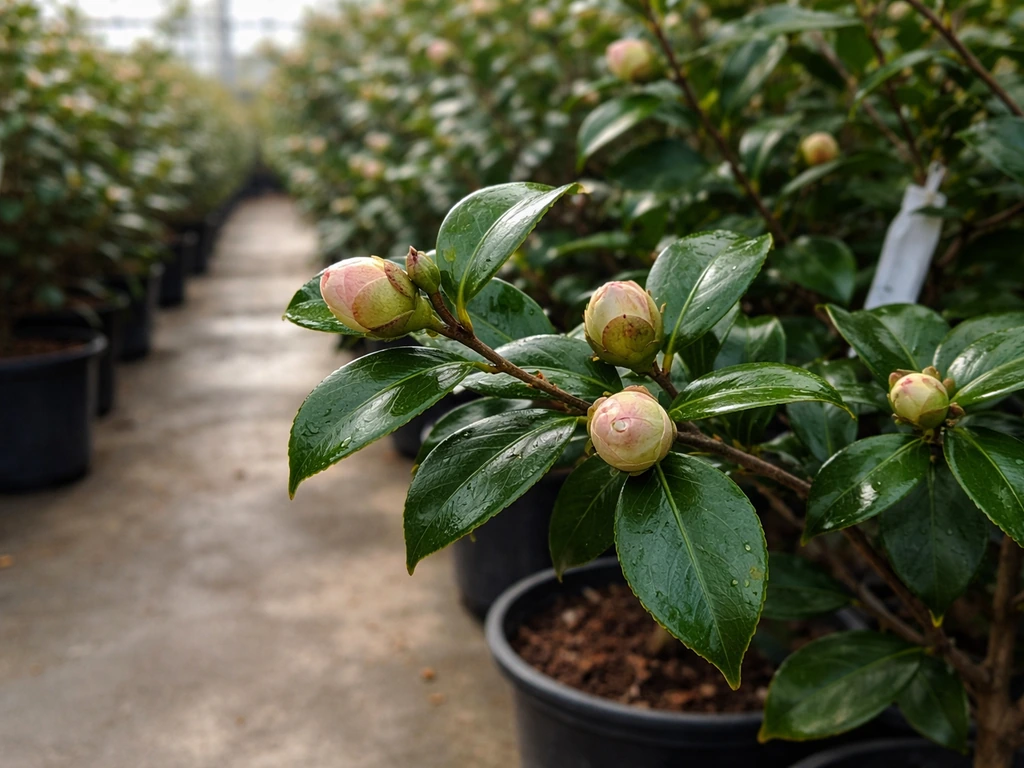
This is where a lot of Colorado gardeners go wrong. They buy a beautiful Camellia japonica at a nursery, plant it in the garden, and watch it die the first hard winter. Standard japonica cultivars are cold-hardy to around Zone 7, maybe Zone 6 at an absolute push. That's not enough for most of Colorado. You need to start with varieties that were specifically bred for cold tolerance.
The best options for Colorado are the Ackerman winter-group hybrids, developed by Dr. William Ackerman at the U.S. National Arboretum. These are crosses between Camellia sasanqua and Camellia oleifera (a cold-tolerant Chinese species), and they've been tested as far north as Zone 6 with little or no winter injury in sheltered locations. NCSU research has documented survival down to -10°F in sheltered spots for this group. That's a genuine game-changer for Front Range gardeners.
A few specific cultivars worth looking for in Colorado:
- 'Winter's Charm': An Ackerman hybrid (sasanqua x oleifera cross) rated cold-hardy to Zone 6b. Produces lavender-pink blooms during winter. One of the most reliably cold-tolerant camellias available.
- 'Winter's Cupid': Another Ackerman hybrid, rated cold-hardy to Zone 6a. Good choice if you're in the colder end of the Denver metro or northern Front Range.
- 'Winter's Joy': Hardy to Zones 6–9 and documented as tolerating down to -10°F. A solid pick for Zone 6 Colorado gardens.
- Camellia sasanqua types (general): More cold-adaptable than japonica and they bloom in fall/early winter before the hardest freezes arrive. UF/IFAS notes this timing advantage specifically: bud damage is less likely because blooming happens before severe freeze events.
Standard Camellia japonica cultivars (the classic glossy-leaf types you see in southern gardens) are not a realistic choice for Zone 6 or below in Colorado. If you're in Zone 7a Grand Junction, you might attempt a sheltered japonica in the warmest microspot in your yard, but it's still a gamble. Stick with the cold-hardy hybrids and save yourself the frustration.
How to find the right spot in your yard
Even in a Zone 6b garden, a well-chosen microclimate can be the difference between a camellia that blooms and one that dies to the ground every winter. Before you plant, walk your yard and check for these conditions:
- South or east-facing walls: These absorb heat during the day and radiate it back at night, raising the local minimum temperature by several degrees. A south-facing masonry wall is one of the best assets you can give a marginal-hardy plant in Colorado.
- Wind protection: A fence, evergreen hedge, building, or combination of these on the north and west sides of the planting spot is critical. You're trying to block the cold, drying winds that drive desiccation damage.
- Roof overhang avoidance: Plants tucked under overhangs miss out on natural precipitation and are at higher risk of drought stress during dry Colorado winters. CSU Extension specifically flags dry areas under overhangs as problem zones.
- No frost pockets: Low spots in your yard where cold air drains and pools at night are the worst possible locations. Avoid depressions, the bottom of slopes, and areas between buildings that create wind tunnels.
- Morning shade after cold nights: East-facing spots that get gentle morning light (rather than direct, intense morning sun after a hard freeze) reduce freeze-thaw stress on buds and leaves.
- Proximity to other plants: Being surrounded by other shrubs and plants adds some thermal mass and wind buffering. A camellia planted in an isolated, exposed spot has much lower survival odds.
Planting and getting through Colorado winters
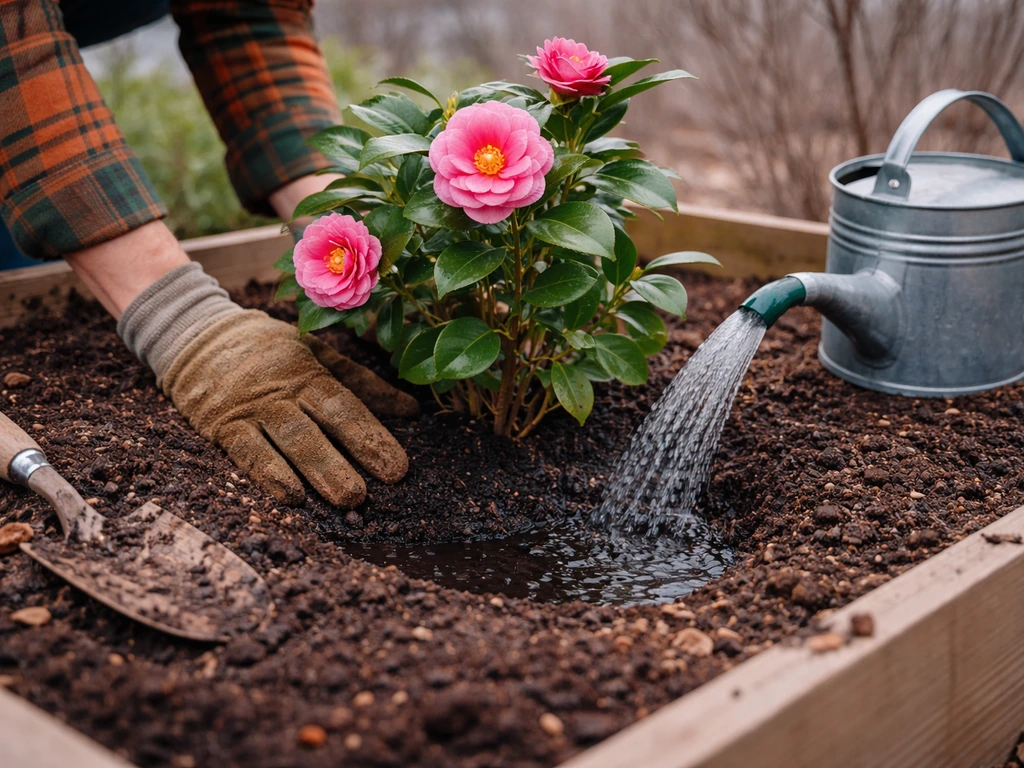
In-ground planting
Plant in spring once the ground has warmed, not fall. Camellias planted in fall don't have time to establish roots before Colorado's brutal winter arrives. Plant in well-drained, slightly acidic soil and get the plant established with consistent moisture through summer. The goal before winter is a healthy root system, which is your plant's best insurance against desiccation stress.
Water deeply going into fall, and then keep watering through the winter during dry spells. PlantTalk Colorado (a CSU resource) specifically recommends watering at least monthly during dry winter conditions to recharge soil moisture. This is not optional for an evergreen like camellia. If the soil around your plant dries out and freezes, the roots cannot absorb water, and you'll lose the plant to desiccation even if the temperature never dropped below the variety's cold tolerance threshold.
Avoid fertilizing in late summer or fall. The International Camellia Society warns that late feeding can stimulate soft new growth that hasn't hardened off, making shoots far more vulnerable to freezing injury. Stop feeding by midsummer and let the plant harden naturally.
Winter protection for in-ground plants
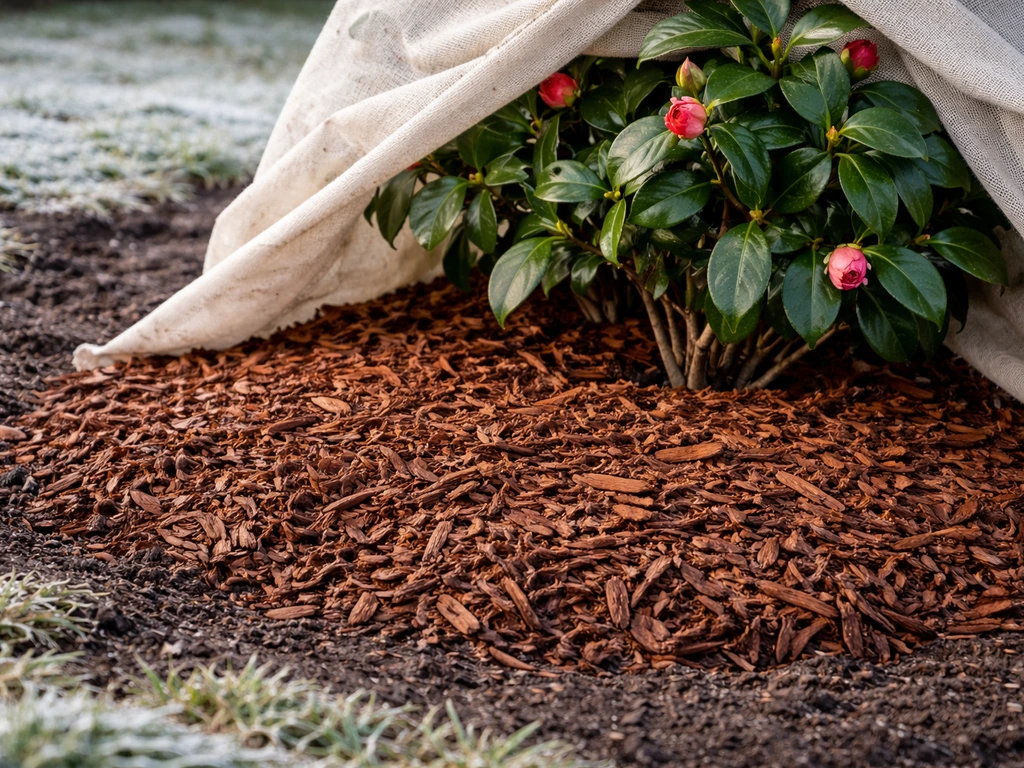
Apply a thick mulch (3 to 4 inches) over the root zone before the ground freezes. This slows soil temperature fluctuation and helps retain moisture. In Zone 6 or colder, consider wrapping the plant with burlap on the north and west sides, or erecting a small windbreak screen around it for the winter months. Don't wrap so tightly that you trap moisture or prevent any air circulation, but a wind buffer makes a measurable difference.
Container growing as a backup strategy
If your zone is marginal or you're not confident in your microclimate, growing camellias in containers and overwintering them in an unheated garage or shed is a legitimate strategy. CSU Extension notes that containerized plants in Colorado need special attention to prevent root desiccation during winter. Penn State Extension suggests treating containerized perennials and shrubs as if they were two zones colder than their in-ground rating (since container roots are fully exposed), so use the largest pot practical and bring the plant to a protected but cool location before hard freezes arrive. The goal is to keep the plant cold enough to stay dormant but above -10°F at the root zone.
What to expect when conditions are marginal
Camellias in Zone 6 Colorado are not going to look like camellias in Georgia or Oregon. Be honest with yourself about what success means here. These are the most common outcomes you'll see in marginal situations:
- Bud drop: You get flower buds, you get excited, and then a cold snap or dry spell in late fall hits and the buds fall off before opening. The Camellia Society lists frost, drought, and low humidity as top causes of bud drop. All three are routine in a Colorado fall. Sasanqua and Ackerman hybrid types bloom earlier in the season, which helps reduce this risk.
- Leaf scorch and browning: Evergreen leaves will show brown edges or tips after hard winters, especially if the plant was exposed to wind or didn't go into winter with adequate soil moisture. This is cosmetic in mild cases but can signal serious desiccation stress in severe cases.
- Stem and bud dieback: After an unusually cold winter, buds and branch tips can die completely. WSU Hortsense describes this as a clear symptom of cold injury and recommends pruning out dead wood in spring (not before) to assess how much of the plant survived and allow recovery.
- Full plant loss: In Zones 5b and colder, or in an exposed site during a severe winter, even Ackerman hybrids can die. This isn't a failure of your gardening skills. It's just the climate.
- Real blooms with the right setup: In Zone 6b or 7a, with a sheltered south-facing spot, a well-established Ackerman hybrid, and consistent winter watering, you can get actual blooms. 'Winter's Charm' and 'Winter's Joy' do bloom in Colorado in good years. It's not guaranteed every year, but it happens.
Your next steps before you buy
Before you spend money on a camellia plant, do these three things. First, confirm your exact USDA zone using the 2023 USDA Plant Hardiness Zone Map online tool or Plantmaps' Colorado city lookup. Don't assume. Your neighborhood may be a half-zone different from your city's listed zone, especially along the Front Range where urban heat islands and elevation changes create significant variation.
Second, identify the most sheltered, warmest microspot in your yard using the checklist above. If you don't have a south or east-facing wall with wind protection, either create one or reconsider whether camellias are the right plant for your space.
Third, source the right varieties. Ackerman winter-group hybrids (Winter's Charm, Winter's Cupid, Winter's Joy) are not always easy to find at big-box garden centers in Colorado. Look for specialty nurseries, mail-order native and ornamental plant dealers, and plant societies. If the only camellias available locally are standard japonicas, skip them and order the cold-hardy hybrids online.
It's also worth noting that if you're wrestling with the same question for other acid-loving ornamentals in Colorado, gardenias face similarly tough odds in this climate for related reasons. Gardenias in particular have similarly tough odds in Colorado's dry, windy winters, so you need the right variety and site conditions. Camellias are actually a more realistic attempt than gardenias for most Colorado gardeners, which says something about how challenging the state's climate is for this whole plant family.
FAQ
What parts of Colorado are most likely to support camellias long-term?
Warm, low-wind locations that stay a bit milder than the general USDA zone are your best bet, for example the warmest microspots near south or east-facing walls, sheltered courtyards, or patio plantings behind a windbreak. Even within the same city, a half-zone and a different exposure can be the difference between repeated winter dieback and surviving to full size.
Can I grow a camellia outdoors if my yard is in Zone 6 but winters are unpredictable?
Yes, but treat Zone 6 as “marginal,” and plan around winter desiccation, not just temperature. Use cold-hardy hybrid types, delay planting until spring, mulch before freezes, and keep up winter watering during dry spells. If you cannot provide reliable wind protection, consider container growing or switching to a hardier alternative.
How do I tell if my camellia is dying from cold versus winter drying (desiccation)?
Cold injury often shows up as sudden dieback of tender growth and may progress from the upper portions. Desiccation shows more “browning scorch,” dry leaf edges, and flower bud damage even when the plant is not frozen solid. In Colorado, the most common pattern is leaf edge browning plus dead tips after cold plus dry wind.
Is fall planting ever a good idea for camellias in Colorado?
Generally no. Planting in fall does not give roots enough time to establish before Colorado’s freeze-dry cycle begins. If you must plant late, prioritize a sheltered location and be prepared for extra winter protection, but spring planting is still the safer default.
Do camellias need pruning in late summer or fall to survive winters?
Avoid late pruning and avoid encouraging new growth late in the season. Hard pruning can trigger flushes of soft shoots that are vulnerable to freezing injury. If shaping is needed, do it after flowering or earlier in the growing season, then let the plant harden before winter.
What fertilizer schedule is safest for Colorado camellias?
Stop feeding by midsummer so growth has time to mature. If you use fertilizers, keep late-season applications light or skip them after midsummer. Overfeeding near fall is a frequent reason camellias grow tender shoots that fail through winter.
How much mulch should I use, and should I leave it on year-round?
Aim for about 3 to 4 inches over the root zone before the ground freezes. Keep it in place through winter for moisture buffering, but do not mound it directly against the trunk or wrap it so tightly that air circulation is blocked. In spring, loosen and pull back excess mulch gradually so crowns warm and dry properly.
Should I wrap my camellia with burlap or cover it with plastic?
Burlap-style wind buffering on the north and west sides can help, but avoid fully sealing the plant. Do not use plastic as a primary cover, especially on mild days, because trapped humidity can worsen disease risk and can create temperature swings that stress evergreen tissue.
What is the best winter watering approach, and how do I avoid overwatering?
Water deeply going into fall, then water during winter dry spells when the ground is not frozen. Use a slow, deep soak rather than frequent light watering. The goal is to keep the root zone supplied with moisture so frozen roots are not “drying out” while the evergreen canopy keeps losing water.
Can I grow camellias in containers in Colorado, and what changes compared with in-ground planting?
Yes, containers are often a better match for marginal zones, but container roots dry out faster. Use the largest pot you can manage, use well-draining acidic soil, and move to a protected, cool location before hard freezes. Plan winter watering carefully, because the “fully exposed roots” issue makes desiccation easier in containers than in-ground.
What winter low temperature should I design around for container camellias?
Think in terms of protecting the root zone rather than just the air temperature. A practical rule is to keep the root area above roughly -10°F (or whatever your specific cold-hardy variety supports) even if the air dips lower. In practice, that often means bringing the pot under cover and protecting it from wind.
Do camellias need acidic soil in Colorado, and how can I maintain it?
They generally need slightly acidic conditions, especially for consistent nutrient uptake. If your soil is alkaline, amend with materials that acidify gradually and monitor with a soil test rather than relying on guesswork. Avoid “acidifying” too aggressively, because swings in pH and salt buildup can stress roots.
Why didn’t my camellia bloom, even though it survived the winter?
Marginal camellias may live but still lose flower buds to cold plus desiccation. Winter wind and dry air are major culprits, and flower buds are sensitive. Improving wind protection, winter watering, and mulch coverage often increases bloom odds more reliably than adding extra fertilizer in fall.
If I can’t find Ackerman winter-group hybrids locally, what should I do?
Skip standard japonica in colder Colorado zones and source the appropriate cold-tolerant hybrids through specialty nurseries or mail order. When choosing plants, verify the cultivar is explicitly part of the cold-hardy hybrid group, not just “camellia” in general, since not all camellias have the same cold tolerance.