
Yes, camellias can grow in India, but only in the right parts of it. If you're in a cool hill station or a region that gets genuine winter cold, you have a real shot at growing them well. For many gardeners, that question comes down to whether your Colorado winters provide enough consistent winter chill for the camellia buds to form If you're in a cool hill station or a region that gets genuine winter cold.
Can Camellia Grow in India Yes With These Conditions

Marcus Hartwell
17 May 2026
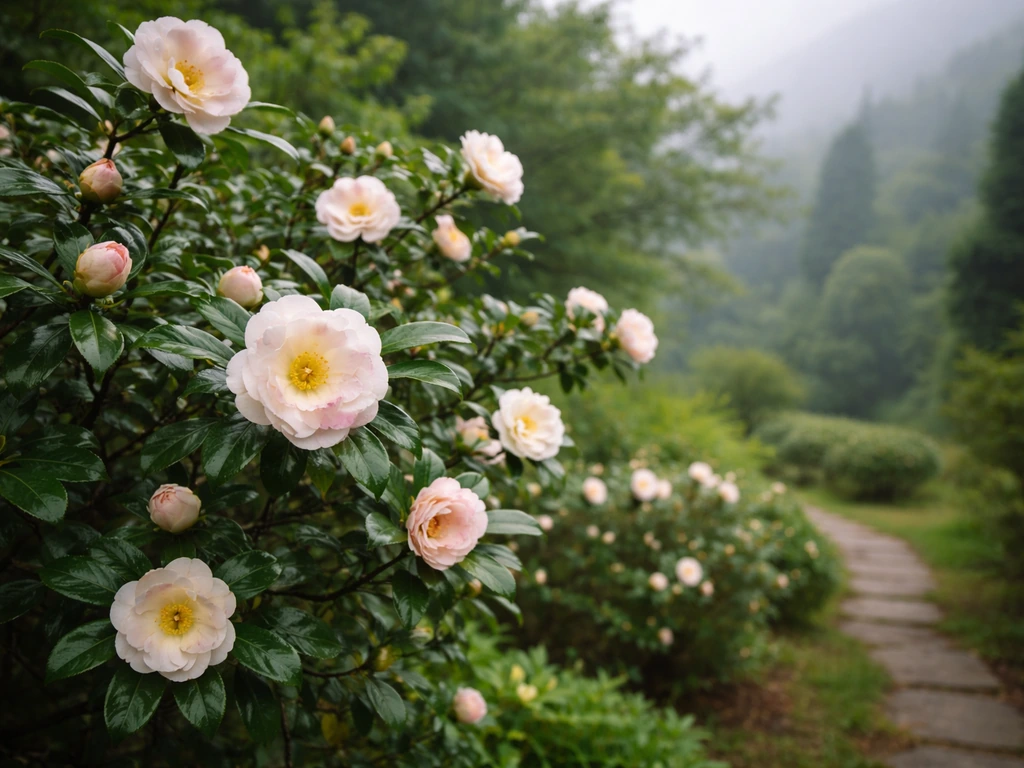
If you're in the hot plains of Rajasthan, coastal Tamil Nadu, or anywhere with year-round heat and no winter chill, camellias are going to struggle to flower reliably, no matter how much care you put in. The honest answer is that India's climate diversity means camellias are a great fit for some gardeners and a frustrating mismatch for others, and figuring out which camp you're in comes down to your altitude, your winter temperatures, and which camellia species you choose.
Quick answer by Indian climate and region
India isn't one climate, it's dozens, and camellia viability shifts dramatically depending on where you live. Here's a fast read on feasibility by region:
| Region / State | Winter Conditions | Camellia Feasibility |
|---|---|---|
| Himalayan foothills and hill stations (Darjeeling, Shimla, Ooty, Munnar, Kodaikanal, Mussoorie) | Cool to cold winters, moderate summers | Excellent — best outdoor success |
| Northeast India (Meghalaya, Arunachal Pradesh, Nagaland) | Cool winters, high rainfall, acidic soils | Very good — natural camellia habitat |
| Western Ghats highlands (parts of Kerala, Karnataka) | Mild winters, humid, acidic soils | Good for heat-tolerant cultivars |
| Northern plains (Delhi, Punjab, Haryana, UP) | Cold winters but short, hot dry summers | Marginal — possible with right cultivar and shade |
| Deccan plateau / central India (Maharashtra, MP) | Mild winters, hot summers | Difficult — container growing recommended |
| Coastal plains (Mumbai, Chennai, Goa, Kolkata lowlands) | Warm winters, humid | Poor for flowering — not recommended outdoors |
| Hot arid zones (Rajasthan, Gujarat plains) | Warm winters, extreme summers | Not suitable |
What camellias actually need to thrive
Before deciding whether camellias will work in your garden, it helps to know exactly what they're asking for. If you want camellias to grow well, start by meeting their temperature, light, and soil needs for your local conditions what do camellias need to grow. These aren't high-maintenance plants in the right climate, but they are specific about their requirements.
Temperature and winter chill
This is the big one for India. Camellias, especially Camellia japonica varieties, need a period of cool to cold weather to develop flower buds properly. Most japonica cultivars are suited to what corresponds roughly to USDA hardiness zones 7 to 9, meaning they can handle occasional frost but prefer winters that stay between 0°C and 10°C for extended stretches. Without that winter chill, buds either don't form or they form poorly and drop before opening. If your winters consistently stay above 15°C at night, you're going to be fighting the plant's natural rhythm every season.
Sun and shade
Camellias prefer filtered light or partial shade, especially during the hottest part of the day. In most of India, where summer sun is intense, full exposure will scorch leaves and stress the plant. A spot with morning sun and afternoon shade is ideal. Camellia sasanqua types are a bit more sun-tolerant and can handle more open conditions, but even they appreciate some midday relief in hot Indian summers.
Soil and drainage
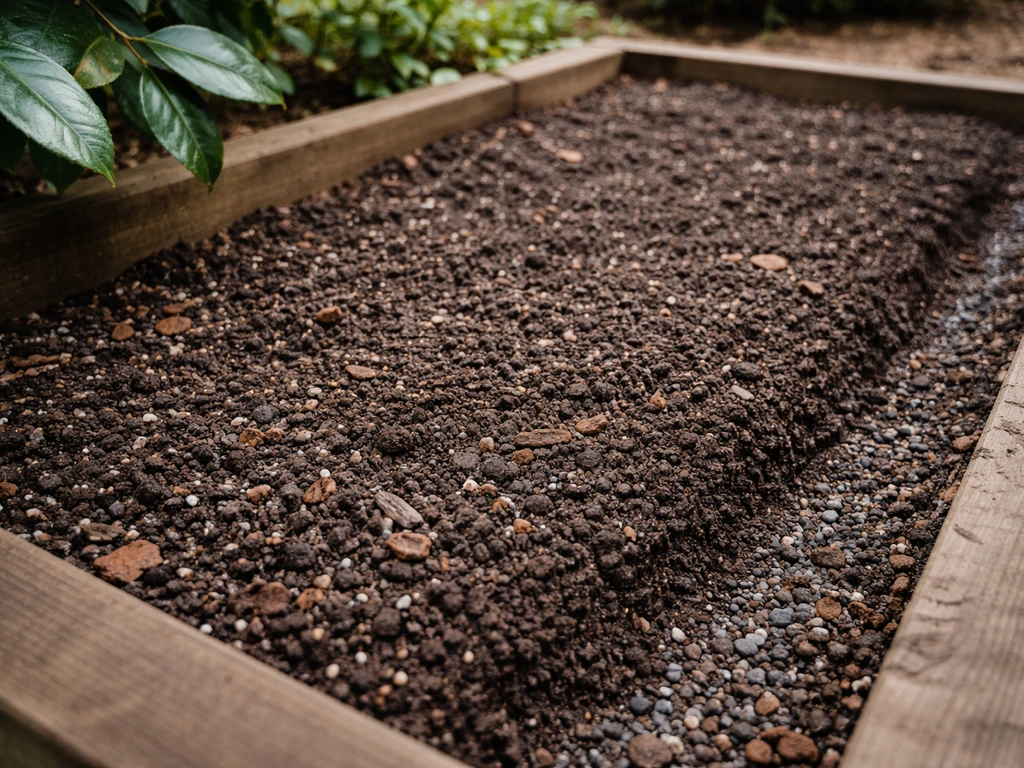
Camellias need acidic, well-draining soil with a pH between 5. North Carolina State Extension describes Camellia sasanqua as needing full sun to partial shade and well-drained soils with a neutral-to-acidic pH, with soil pH kept acidic (below 6.0) acidic, well-draining soil with a pH between 5.. 5 and 6.5. They absolutely cannot tolerate waterlogged roots, which is a real concern in monsoon-heavy regions. A saturated root zone leads quickly to Phytophthora root rot, one of the most common and destructive camellia problems. If your soil is clay-heavy or your garden floods during the monsoon, you need to fix drainage before planting or grow in containers instead.
Moisture and humidity
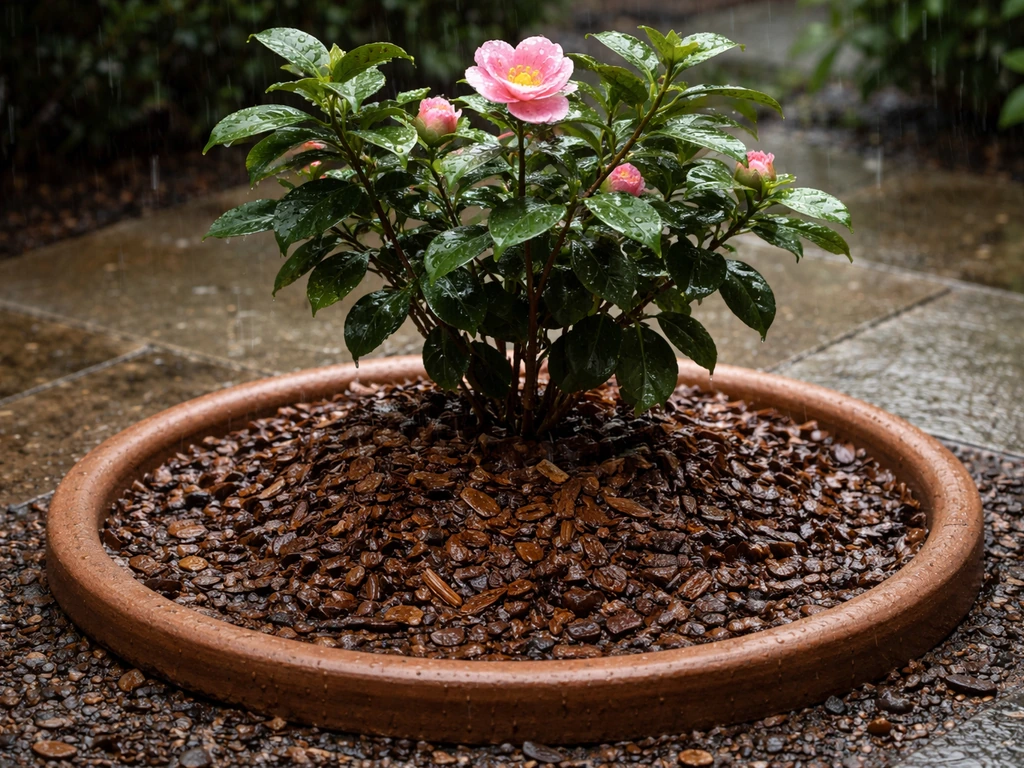
Camellias like consistent moisture but hate sitting in wet soil. India's monsoon pattern, with months of heavy rain followed by dry periods, can be problematic unless you manage drainage well. The northeast and hill stations with gradual, well-distributed rainfall actually suit camellias better than regions with violent monsoon downpours. Good mulching helps maintain moisture during dry spells without encouraging root rot.
Which camellia types do best in India
Not all camellias are built the same. The commonly grown ornamental species include Camellia japonica, Camellia sasanqua, Camellia sinensis (the tea plant), Camellia reticulata, and various hybrids. For Indian gardens, the choice of species matters as much as the location.
- Camellia sinensis: The tea camellia. This is actually the most naturally adapted to Indian conditions because it has been cultivated commercially in Darjeeling, Assam, and the Nilgiris for over a century. It tolerates the region's humidity and rainfall patterns well. Not showy as a garden flower, but incredibly reliable.
- Camellia japonica: The classic ornamental camellia with large, showy blooms. Best suited to cooler hill stations where winters are genuinely cold. Requires the most chill hours to flower well. Avoid planting these in low-altitude or coastal areas.
- Camellia sasanqua: Blooms in autumn rather than winter, which means it needs less intense winter chill to flower. More sun-tolerant than japonica. A better pick for gardens on the edge of viability, like the northern plains or higher parts of the Western Ghats.
- Camellia reticulata: Large-flowered and beautiful but slightly more cold-tender than japonica. Best kept to the cooler hill regions.
- Heat-tolerant hybrids (e.g., 'April' series, 'Survivor'): Bred specifically to handle more warmth and fluctuating winters. If you're in a marginal zone, these hybrids are worth seeking out before giving up on camellias entirely.
Best planting zones in India by state and altitude
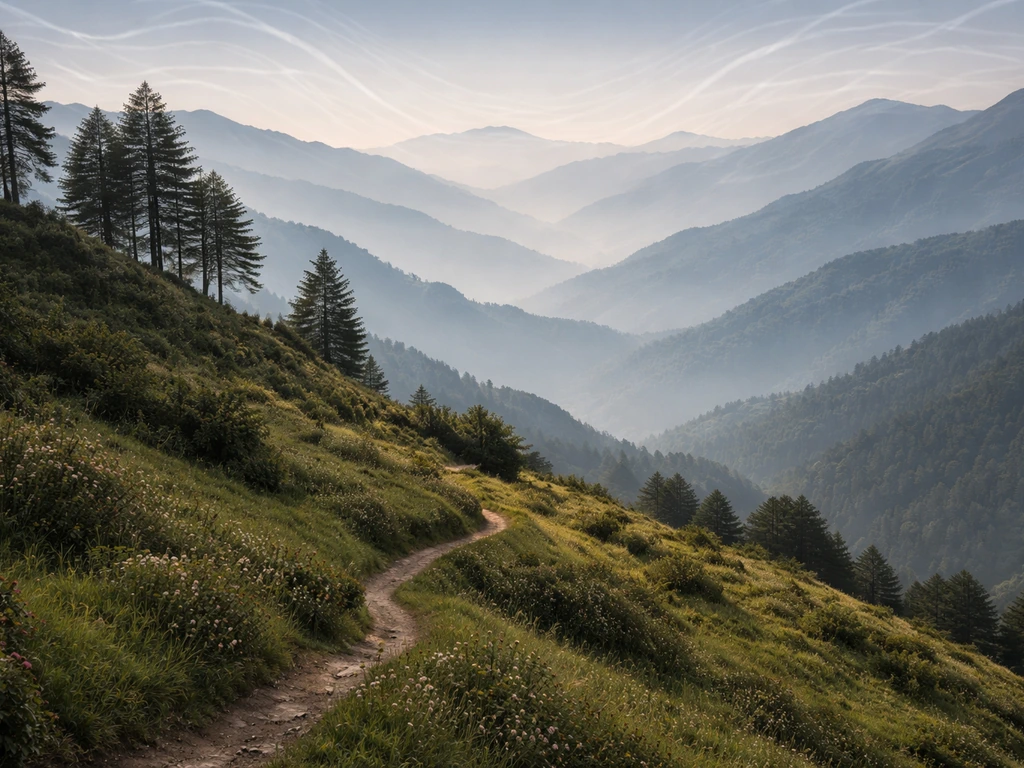
If you want outdoor camellias that flower reliably without heroic intervention, altitude and geography are your best friends. The sweet spot in India is generally above 1,200 meters elevation, where winters are cool enough and summers don't get brutal.
Strongly suitable regions
- Darjeeling and surrounding hills (West Bengal): Possibly the best camellia climate in India. Cool winters, good rainfall, naturally acidic soils from tea cultivation. C. japonica and C. sinensis both thrive here.
- Meghalaya, Arunachal Pradesh, and Nagaland: High rainfall, acidic jungle soils, and cool winters make this region a natural camellia habitat. Largely underutilized for ornamental camellia growing.
- Shimla, Kullu, and Manali (Himachal Pradesh): Cold winters, moderate summers. C. japonica does well here, though harsh freezes require some wind protection.
- Mussoorie and Nainital (Uttarakhand): Similar to Himachal Pradesh. Reliable winter cold supports japonica flowering. Good choice for gardeners in these towns.
- Ooty, Kodaikanal, and Munnar (Tamil Nadu / Kerala highlands): Even in south India, these high-altitude stations get cool enough winters for C. sasanqua and some japonica cultivars. The tea camellia is already part of the agricultural landscape here.
Marginal but possible regions
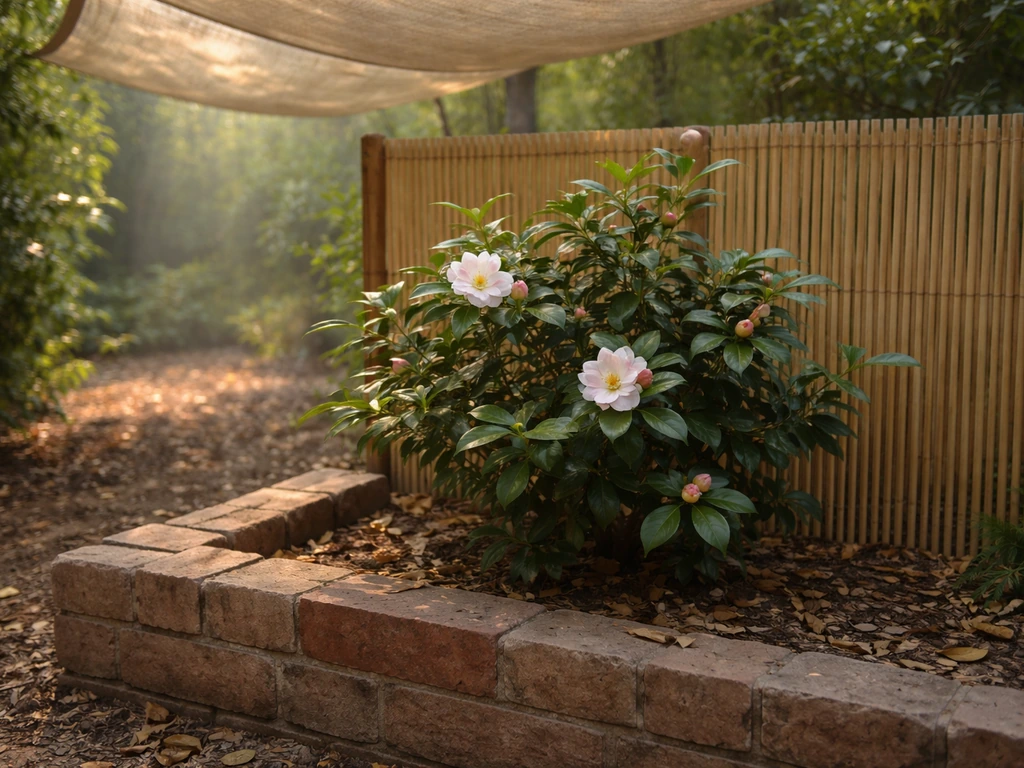
- Delhi and NCR: Short winters with some cold nights, but summers are harsh. Sasanqua cultivars and heat-tolerant hybrids in a shaded, sheltered spot can survive, though flowering is inconsistent.
- Pune and Nashik highlands (Maharashtra): Mild winters, moderate elevation. Worth trying sasanqua types in a sheltered east-facing garden position.
- Bangalore (Karnataka): Elevation (~900m) gives relatively mild temperatures year-round. Winters are too warm for reliable japonica flowering, but sasanqua and some hybrids may bloom.
Growing camellias if your climate is borderline
If you're in a marginal area, don't give up yet. Camellias can still thrive in adverse conditions if you compensate for weak winter chill, intense heat, or unreliable rainfall with the right cultivar and smart container or microclimate management how do camellias grow in adverse conditions. Container growing and microclimate management can extend camellia viability into places where in-ground planting would fail. Gardeners in Delhi, Bangalore, and coastal hill-town edges have pulled this off successfully.
Container growing
Growing camellias in large pots gives you control that in-ground planting doesn't. You can move the plant to a cooler, shadier spot during summer heat, position it where it catches winter sun during the cold months, and protect it from monsoon waterlogging by moving it under cover. Use a well-draining potting mix with added perlite or coarse sand, and make sure your container has multiple drainage holes because wet feet in a pot is just as fatal as wet feet in the ground. Maintain soil pH between 5.5 and 6.5 using acidic potting mixes or adding sulfur if needed.
Microclimate strategies
- Plant near a north-facing or east-facing wall where the plant gets gentle morning sun and is sheltered from harsh afternoon heat.
- Use larger trees or pergolas to filter direct sunlight, especially from March through June when temperatures peak.
- In cold-winter regions where frosts are sharp, position camellias near a south-facing wall that absorbs daytime heat and releases it at night, protecting buds from frost damage.
- Mulch deeply around the base (5 to 8 cm) to regulate soil temperature and retain moisture between waterings.
- In areas with monsoon flooding risk, build raised beds with free-draining soil to keep roots above the waterlogged zone.
Planting and exposure tips for actually getting flowers
Getting a camellia to survive in India is one thing. Getting it to flower reliably is another. Here's what makes the difference between a leafy green shrub and one that actually blooms.
- Time your planting for late monsoon or early autumn (September to October) so the plant can establish roots before winter. Avoid planting in summer heat.
- Choose east-facing or dappled-shade positions. Morning sun triggers bud development; afternoon shade prevents heat stress that causes bud drop.
- Water consistently but not excessively. Irregular watering, especially around bud set, is a leading cause of bud drop. Aim for evenly moist soil, not wet or bone dry.
- Avoid heavy fertilizing in late summer and autumn. Excess nitrogen promotes leafy growth at the expense of flower buds.
- Let the plant experience your coolest winter temperatures freely. Don't protect against mild cold, because that chill is what triggers flowering. Only intervene with fleece or windbreaks when hard frost threatens.
- Prune immediately after flowering, not in autumn. Autumn pruning removes the forming buds for next season's bloom.
- For sasanqua types, expect blooms from October to December. For japonica types, expect January to March, depending on elevation and winter severity.
Common problems that signal a climate mismatch
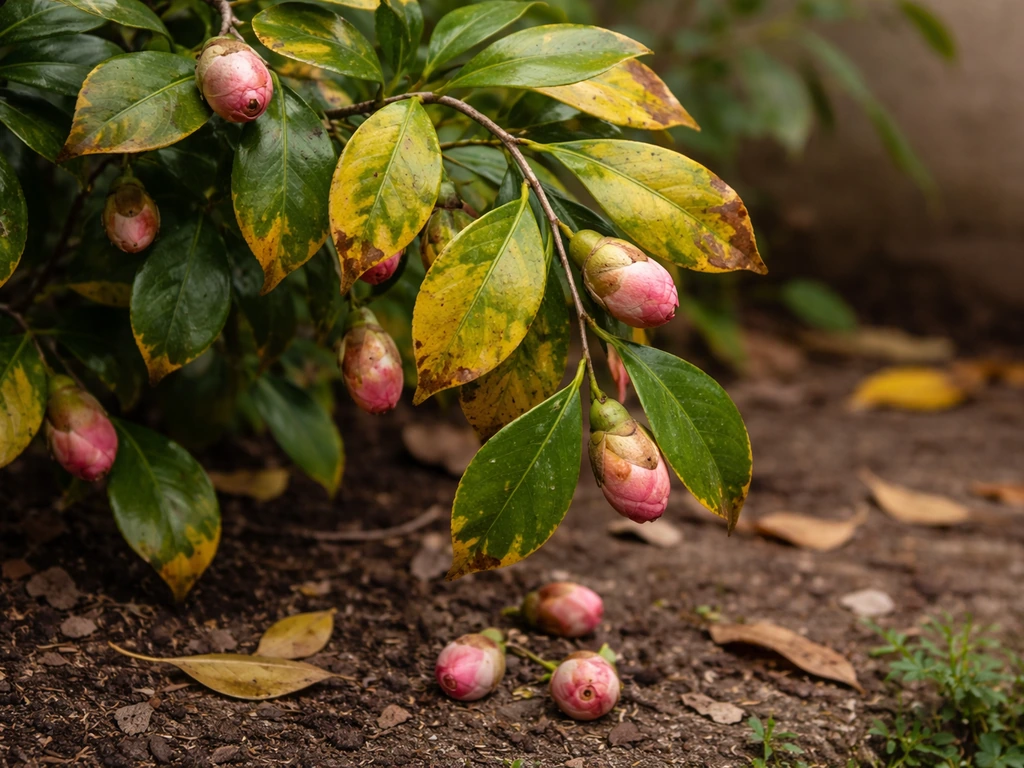
When camellias aren't happy in their location, they tell you clearly. These are the most common signals and what's usually behind them in an Indian garden context.
Buds form but drop before opening
This is the most heartbreaking camellia problem and it's extremely common when the climate is too warm or erratic. Bud drop is triggered by high temperatures during bud development, inconsistent watering, insufficient light, or overfertilization. In India, warm winter spells or a sudden heat surge in February/March are frequent culprits. If this happens repeatedly, move the plant to a cooler, more shaded spot, reduce fertilizer, and water more consistently. If it keeps happening every year despite adjustments, the location is simply too warm and switching to a heat-tolerant hybrid or sasanqua type is your best move.
Plant refuses to flower at all
A camellia that grows lush green leaves but never flowers is almost always lacking winter chill. This is what happens when gardeners in coastal cities or warm plains try to grow C. japonica. The plant can technically survive, but without enough cold-night accumulation it never initiates bud development. Fix: Switch to C. sasanqua or a warm-climate hybrid, which require significantly less chill. Or, if you're in a marginally cool area, experiment with exposing the plant to your most northerly, open winter aspect to maximize chill exposure.
Yellowing leaves and root decline
Yellow leaves combined with a wilting or declining plant during or after the monsoon season typically points to Phytophthora root rot, a fungal disease that destroys roots in waterlogged conditions. This is a major risk anywhere in India during the heavy monsoon months. If you catch it early, improving drainage and reducing watering can help. In severe cases, the plant rarely recovers. Prevention is everything here: plant in raised beds, use well-draining mixes in containers, and never let water pool around the base.
Leaf scorch and bleached foliage
Brown leaf tips, bleached patches, or crispy edges signal too much direct sun or heat stress. This is common when camellias are planted in full sun in low-to-mid altitude Indian gardens. Move container plants immediately to partial shade. For in-ground plants, install shade cloth or plant a fast-growing screen to filter afternoon sun. This isn't a sign the plant can't grow in India, just that it needs a better position.
The honest bottom line for Indian gardeners
Camellias are genuinely worth growing in India if you're in a cool highland region, and genuinely frustrating if you're not. Gardeners in Darjeeling, Shimla, Ooty, and the northeast have the best odds with very little extra effort. Gardeners in Delhi or Bangalore can make it work with the right cultivar selection and some container management. Gardeners in hot plains or coastal cities are better off directing their energy toward other flowering shrubs that naturally suit the climate.
Before you buy a plant, check whether your winters regularly dip below 10°C for at least a few weeks. This same winter-chill reality is why people often wonder, do camellias grow in Michigan, where temperatures can dip but timing and variety still matter a lot. For Texas gardeners, the key question is whether winter temperatures provide enough chill for the camellia’s bud development. If they do, you're in camellia territory.
If they don't, go with sasanqua or a heat-tolerant hybrid, or skip camellias altogether and revisit plants like gardenias or hibiscus that are genuinely built for warmer Indian conditions. In Colorado, the key question is whether your winters provide enough consistent cool weather for gardenias to set buds and survive.
FAQ
Can camellia grow in India if my winters are mild, but I get occasional cold nights?
Occasional cold dips help survival, but camellias usually need a sustained cool period to form buds. If your typical nights stay above about 15°C, you may get leaves but poor flowering. In that case, choose C. sasanqua or a warm-climate hybrid, and consider a container so you can move the plant to the coolest, most open winter spot you have.
Which camellia species is most realistic for warmer parts of India?
For areas without reliable winter chill, C. sasanqua and warm-climate hybrids are generally more dependable than C. japonica for blooming. C. japonica may survive in gardens closer to the hills, but it is the most likely to stay vegetative in warm plains or coastal cities.
Is it better to grow camellias in the ground or in containers in India?
In-ground works best in cool hill environments with steady drainage, but containers often make the process easier elsewhere. Containers let you control soil acidity, prevent waterlogging during monsoon peaks by moving under cover, and reposition for morning sun plus afternoon shade. Use pots with multiple drainage holes and avoid letting any saucer hold water.
How can I tell if I should change my camellia’s location before it starts dropping buds?
Watch for early bud formation followed by buds that swell and then stall, or buds that abort soon after a warm spell. If this happens after February or March heat surges, move the plant to deeper afternoon shade and reduce fertilizer. If buds repeatedly drop despite consistent moisture and shade, that points to insufficient winter chill for that variety.
What is the best watering approach for camellias during the Indian monsoon?
Water consistently during dry intervals, but during heavy monsoon months, the priority is preventing saturation. In-ground plants benefit from raised beds and improved drainage, while container plants may need to be placed under partial shelter to keep the root zone from staying wet. If leaves yellow and the plant declines in wet weather, assume root problems and reduce watering immediately.
What soil pH should I aim for in India, and does it matter more in-ground or in pots?
Aim for acidic soil in the 5.5 to 6.5 range. In pots, pH can drift faster, so use an acidic potting mix and recheck periodically, especially after repotting or using tap water with higher alkalinity. In-ground, test first because amending without measuring can create swings in pH and make nutrient uptake inconsistent.
My camellia gets leaf burn in summer, but it grows fine in winter. What should I adjust?
That pattern usually means sun and heat stress rather than a full climate mismatch. Improve afternoon protection using partial shade, a light shade-cloth, or a thicker screen plant, and ensure the plant is not in full west sun. For containers, you can also relocate temporarily during the hottest weeks to keep morning sun while avoiding midday scorch.
What should I do if my camellia is lush but never flowers?
The most common cause is insufficient winter chill for that specific cultivar. Switch to C. sasanqua or a hybrid made for warmer conditions, or maximize cold exposure by using the most northerly open winter microclimate you have (for example, less sheltered corners). If you are in a coastal city, expect C. japonica to be unreliable for consistent blooms.
How do I prevent Phytophthora root rot in my specific garden setup?
Start with drainage control: raised beds for in-ground planting, and a fast-draining mix plus no standing water for containers. Avoid watering schedules that keep the soil wet for long periods after rains. If you see wilting with yellowing during or right after monsoon, treat it as root rot risk and stop overwatering while improving drainage, and in severe cases consider replacing the plant rather than trying to nurse it back after root damage.
When is the best time to plant or repot camellias in India?
Generally, plant or repot when temperatures are not at their hottest and before the heaviest monsoon begins, so roots can settle in a manageable moisture window. In monsoon-heavy areas, repotting right before the rains can trap roots in a waterlogged environment, increasing root-rot risk. If you must plant during warm months, use containers and provide both shade and strict drainage management first.