
Gardenias can technically survive in parts of Colorado, but honestly, for most of the state the odds are stacked against you. The vast majority of Colorado falls in USDA Hardiness Zones 3b through 6, and standard gardenia cultivars need a minimum of Zone 7b to 8 to make it through winter outdoors. That leaves only a narrow slice of the state's warmest, most sheltered spots where an in-ground gardenia has any realistic shot. For everyone else, container growing with indoor overwintering is the practical path if you're truly committed to gardenias.
Will Gardenias Grow in Colorado? Zones, Climate, and Tips
Marcus Hartwell
17 May 2026
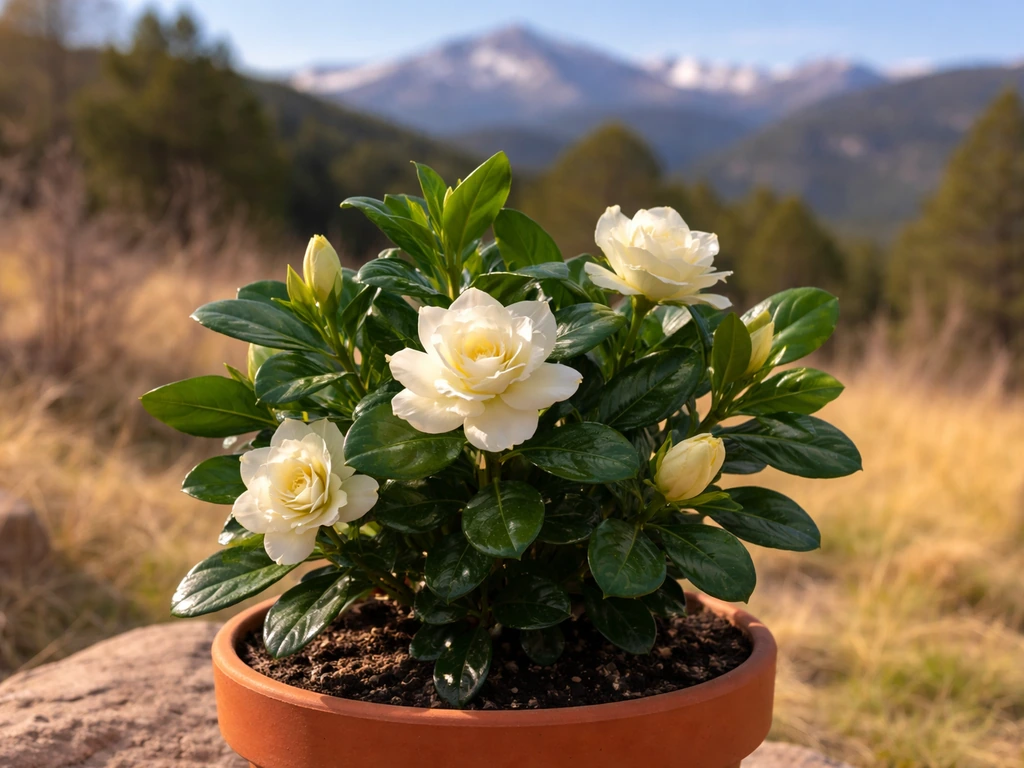
Colorado gardenia feasibility by zone and region
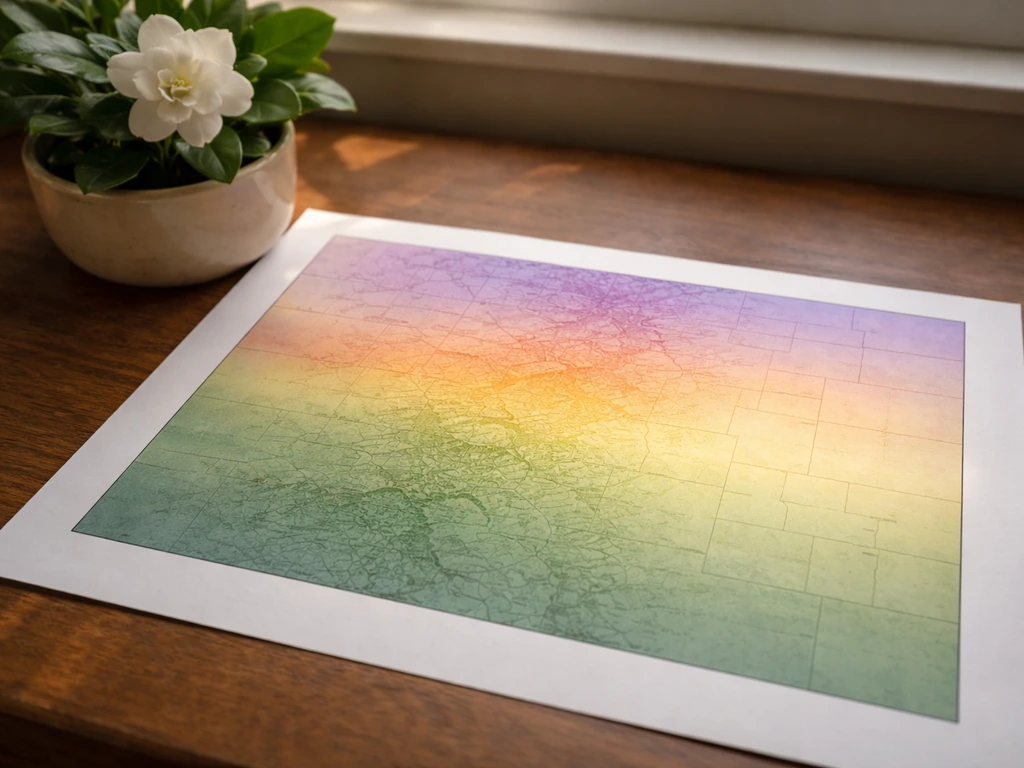
Colorado spans USDA Hardiness Zones 3b through 7b, with five main zone bands across the state. The coldest zones (3b through 5) cover high-elevation mountain areas, the San Juan range, and many Front Range foothill communities. The warmer zones (6a through 7b) are found mostly on the Eastern Plains, in the Grand Junction area, and in some sheltered urban pockets along the Front Range. Most gardenia cultivars are only reliably cold-hardy to Zone 8, meaning they're rated to handle winter lows no colder than about 10 to 15°F. Colorado winters routinely blow past that threshold in nearly every corner of the state.
There are a handful of cold-hardy gardenia cultivars that push the zone envelope a bit. 'Kleim's Hardy' (Gardenia jasminoides 'Kleim's Hardy') is rated hardy to Zone 7 by the Missouri Botanical Garden, and 'Frost Proof' gardenia is marketed for Zones 7a through 11. That opens the door just slightly for Colorado's warmest locations, specifically Zone 7a or 7b spots like parts of the lower Arkansas River valley or well-protected urban gardens in the Grand Junction area. But even Zone 7-rated cultivars are still right on the edge in Colorado, and one hard winter can wipe out years of work.
| Colorado Zone | Typical Locations | Outdoor Gardenia Verdict |
|---|---|---|
| 3b–5b | Mountains, high-elevation towns, ski resort communities | Not feasible outdoors; containers only |
| 6a–6b | Eastern Plains, many Front Range suburbs, lower foothills | Very risky outdoors; cold-hardy cultivars may survive with heavy protection |
| 7a–7b | Grand Junction area, warmest Eastern Plains pockets, sheltered urban spots | Possible with cold-hardy cultivars and microclimate protection; still not guaranteed |
The climate factors that make Colorado so hard on gardenias
Winter cold is the headline problem, but it's not the only one. Colorado's climate hits gardenias in several ways at once, and that combination is what makes the state so challenging even for gardeners in nominally warmer zones.
- Winter temperature extremes: Colorado Springs, for example, has recorded February minimums well below zero. Even in warmer zones, a single polar vortex event can drop temperatures 20 to 30 degrees below a gardenia's survival threshold overnight.
- Dry air and low humidity: Gardenias want high humidity year-round. Colorado's semi-arid to arid climate, with famously dry winters, stresses gardenias constantly, causing bud drop and leaf damage even before the cold becomes lethal.
- Wind: Colorado's persistent winter and spring winds accelerate moisture loss from leaves and amplify cold damage. CSU Extension specifically identifies wind as a major factor in plant failure and recommends windbreaks as a protective tool.
- Wild temperature swings: Colorado is notorious for 50 to 60 degree temperature swings within a single 24-hour period. Gardenias hate rapid temperature fluctuations and will drop buds or suffer root damage even without a hard freeze.
- Short growing season at elevation: In mountain communities, last frost dates can extend into June and first fall frosts arrive by mid-September, leaving almost no window for a gardenia to establish and bloom.
- Alkaline soil: Much of Colorado's native soil trends alkaline, while gardenias demand acidic soil with a pH below 6. This isn't a hardiness issue per se, but it's an extra hurdle for anyone planting in the ground.
Where in Colorado gardenias have the best shot
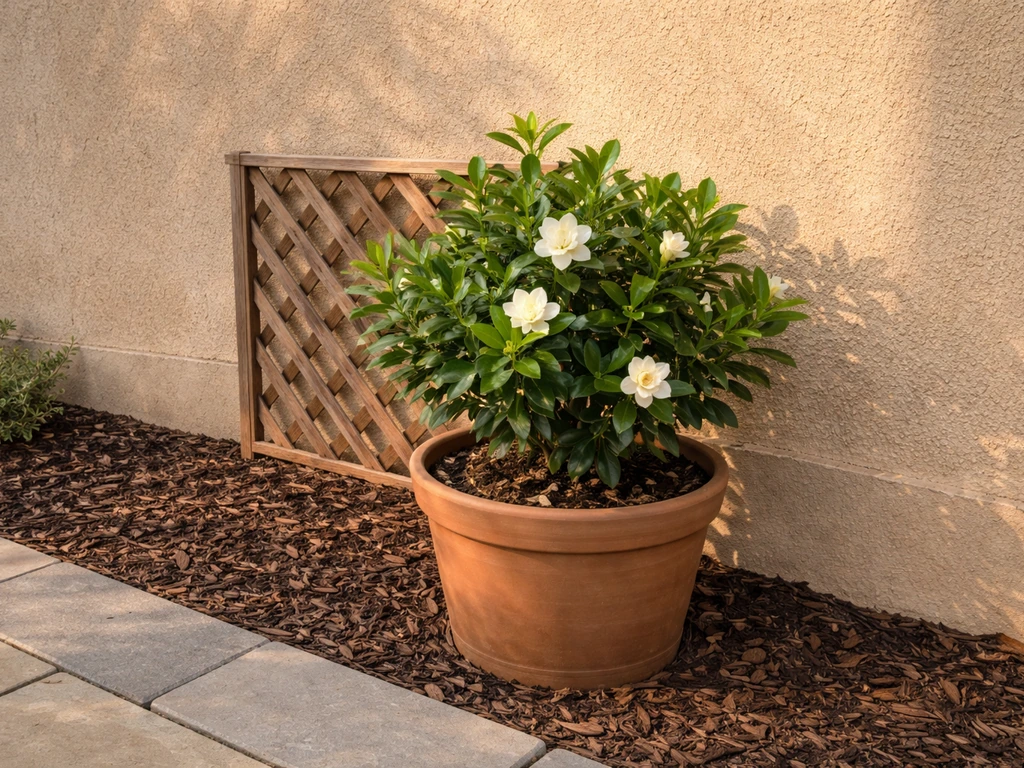
Microclimates can shift effective conditions by a full zone or more, and in Colorado that difference matters enormously. If you're in Zone 6b or 7a and you have the right microclimate, a cold-hardy gardenia cultivar is worth attempting in the ground. If you're in Zone 5 or colder, no microclimate will save a gardenia planted outdoors through a Colorado winter.
The most useful microclimates to look for are south- or southeast-facing walls and fences, which absorb heat during the day and radiate it back at night, raising the local minimum temperature by several degrees. Sheltered courtyards and enclosed patios work similarly. CSU Extension's landscaping guidance specifically points to 'sun pockets' on the south sides of homes as warmer planting sites. A dense windbreak to the north and west can also dramatically reduce wind chill and desiccation. The ideal Colorado gardenia spot would combine all three: a south-facing wall, overhead protection from a porch or eave (which blocks radiative heat loss to the sky on cold clear nights), and a windbreak.
Grand Junction's Mesa County is the single most promising area for in-ground gardenias in Colorado. It sits in Zone 7a, benefits from a lower elevation than the Front Range, and has a longer frost-free season. Even there, though, you'll want to choose 'Kleim's Hardy' or 'Frost Proof' over standard Gardenia jasminoides, and you'll want every microclimate advantage you can stack.
The most practical way to actually grow gardenias in Colorado
Container growing with indoor overwintering is the approach that makes gardenias work anywhere in Colorado, including colder zones. You enjoy the blooms and fragrance outdoors from late spring through early fall, then move the plant inside before the first frost. It's more work, but it's the only reliable method for most of the state.
Container growing basics
Use a well-draining potting mix formulated for acid-loving plants (or amend with peat moss to bring pH below 6). If you're also thinking about camellias, you will want to understand what do camellias need to grow before you pick a site or planting time. Make sure the container has good drainage holes because gardenias rot fast in waterlogged soil. Keep the plant outdoors in a warm, sunny spot from after your last frost date until nighttime temperatures start dropping toward 50°F in fall. That timing varies a lot by elevation; check your specific area's frost dates rather than assuming. CSU Extension’s mountain gardening guidance shows how first and last average frost dates can differ sharply with Colorado elevation, such as a Gilpin County example of an average last frost around June 10 and an average first frost around Sept 15 blank" rel="noopener noreferrer">check your specific area's frost dates.
Overwintering indoors
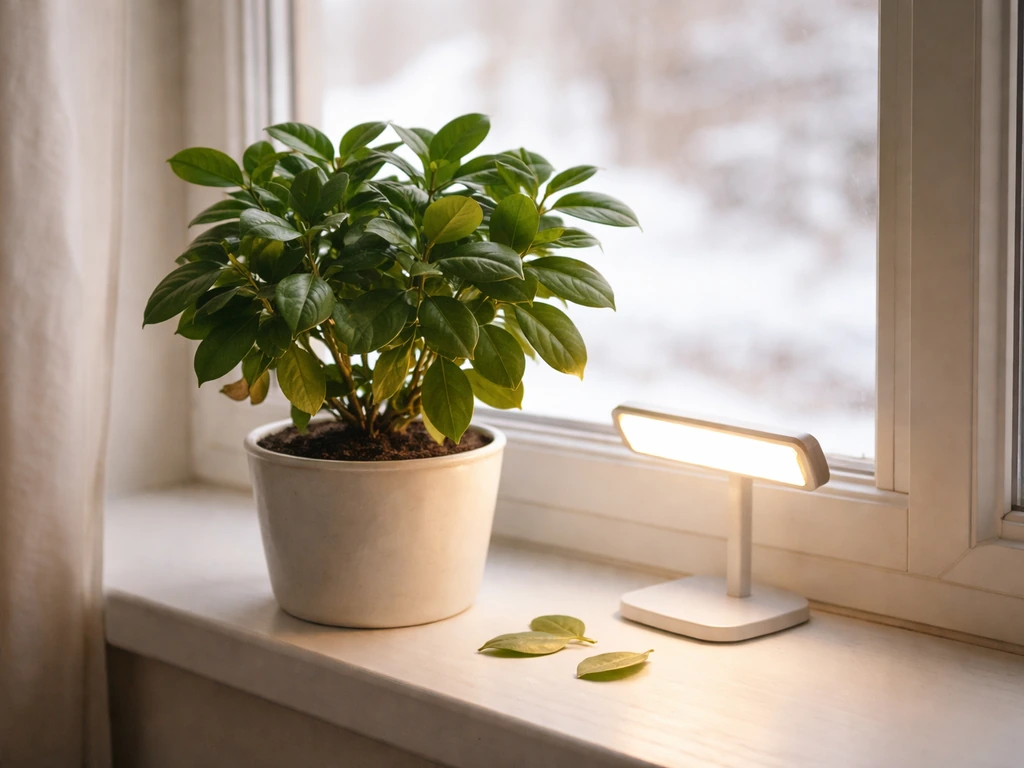
Gardenias don't go dormant the way a deciduous shrub does, so they need real care all winter long. Bring the plant inside to a bright spot with as much natural light as possible, ideally a south-facing window. The Chicago Botanic Garden recommends night temperatures around 60 to 65°F with daytime temps about 10 degrees higher. White Flower Farm targets warm days around 70 to 75°F and nights no lower than 60°F. Colorado's dry indoor air in winter is a serious enemy here: set the pot on a pebble tray filled with water to raise local humidity, and keep the plant away from heating vents and cold drafts near windows. The University of Arizona Cooperative Extension is direct about this: poor humidity control indoors leads to bud drop, which is the main frustration Colorado gardeners have with overwintered gardenias.
What to check before you buy a gardenia for Colorado
Don't buy a gardenia at a Colorado nursery (or online) until you've confirmed a few things for your specific location. It takes five minutes and saves you a lot of money and disappointment.
- Look up your USDA Hardiness Zone: Use the USDA Plant Hardiness Zone Map and enter your zip code. Colorado State University Extension confirms this is the standard starting tool for plant survival decisions. Anything Zone 6b or colder means outdoor planting is very high risk for gardenias.
- Check your actual winter lows, not just your zone: NOAA's Climate Normals tool lets you look up historical temperature data for the weather station nearest you. Compare record and average winter minimums for your location against the cold hardiness rating of the specific cultivar you're considering. Your zone number is an average; a single cold spike can kill a gardenia even in a 'warm enough' zone.
- Know your frost dates: Your last spring frost date determines when the container can safely go outside, and your first fall frost date tells you when to bring it back in. In mountain communities, that window can be as short as 90 to 100 days. In Grand Junction, it's much longer.
- Match cultivar to zone: If you're in Zone 7a, look at 'Kleim's Hardy' (rated hardy to Zone 7) or 'Frost Proof' (Zones 7a through 11) rather than standard Gardenia jasminoides cultivars. If you're in Zone 6 or colder, plan for container growing from the start.
- Consider Monrovia's honest caution: Even the 'Kleim's Hardy' product page from Monrovia includes a note that the climate may be too cold, which is worth taking seriously for anyone on the edge of the zone range.
When gardenias won't work: plants that give a similar look and fragrance
If you're in Zone 5 or 6 and don't want the hassle of container overwintering, there are plants that deliver that white-flower, fragrant-shrub effect without the battle against Colorado's climate. These are genuinely worth considering before you commit to a gardenia.
- Mock orange (Philadelphus coronarius): This is the go-to gardenia substitute for cold climates. It produces clusters of white, intensely fragrant flowers in late spring and early summer, and the 'Minnesota Snowflake' cultivar is rated to survive winters down to about -30°F. The University of Illinois Extension lists sweet mock orange as hardy in Zones 4 through 8, which covers nearly every Colorado location. It won't bloom all summer like a gardenia, but the fragrance is remarkably similar and the plant is bulletproof by Colorado standards.
- Mexican orange blossom (Choisya ternata): This evergreen shrub produces fragrant white flowers and has glossy leaves that read very similar to gardenia foliage. It's rated for Zones 7 to 10, so it's limited to Colorado's warmest spots (and is noted by Missouri Botanical Garden to need container treatment in colder areas). In Zone 7a with a sheltered south-facing position, it's a more reliable bet than a gardenia.
- Hardy gardenia alternatives worth noting: If you want to stay within the Gardenia genus, 'Kleim's Hardy' in a container is the closest thing to a real gardenia you can reliably grow across most of Colorado. You get the fragrance, the waxy white flowers, and the glossy leaves, and you control the environment.
It's worth noting that camellias face very similar Colorado challenges for the same climate reasons: winter cold, dry air, and temperature swings. If you're researching gardenias for Colorado, you'll likely find the camellia-in-Colorado question equally relevant, since the two plants share similar zone requirements and the same basic strategy of sheltered microclimates or container growing applies to both. The same hardiness-zone thinking applies when considering whether do camellias grow in Michigan. Camellias can also grow in Colorado, but success depends on matching the right hardiness zone and giving the plant sheltered microclimates or container protection when needed camellia-in-Colorado question. In India, the key is choosing the right cultivar and matching it to your local winters and microclimates, similar to how gardeners handle gardenias in Colorado camellia-in-Colorado question. For gardeners wondering do camellias grow in Texas, the key is matching the plant to your local hardiness zone and using sheltered microclimates when needed camellia-in-Colorado.
Your next step today
Here's the practical decision flow: look up your zip code on the USDA Hardiness Zone Map right now. If you're Zone 7a or 7b and you have a south-facing sheltered wall with wind protection, buy a 'Kleim's Hardy' or 'Frost Proof' gardenia, plant it in acidic well-draining soil, and give it every microclimate advantage you can. If you're in Zone 6 or colder, skip the in-ground attempt entirely and either commit to container growing with indoor overwintering, or swap to mock orange for a no-fuss, cold-hardy alternative that delivers the same white fragrant flower experience without the annual fight. Either way, check your local NOAA climate normals for actual winter lows before spending money, because your zone rating is an average, and in Colorado, averages can be deceiving. For Colorado Springs specifically, the National Weather Service provides monthly temperature normals and records on its climate normals and extremes page, which can help you gauge local extreme low risk NOAA climate normals for actual winter lows.
FAQ
If I grow a gardenia in a pot outdoors in summer, can I leave it out in early fall?
Yes, but only if you treat it like a short-term outdoor plant and overwinter indoors. Gardenias usually bloom on new growth and can keep slowly growing indoors, but in Colorado you still need to move it inside before nighttime temperatures fall near freezing. If you leave a container out through a cold snap, the plant can drop buds or die back even if it survives briefly in summer.
What can go wrong with gardenias in Colorado containers besides cold?
You need to use an acid-oriented approach, both for potting mix and for how you water. If your water is hard, salts can accumulate and raise soil pH over time, which can cause yellowing and poor bud formation. Consider testing pH after a few months, and if it is drifting up, you may need to refresh the mix or adjust with appropriate acidifying irrigation products designed for container acid lovers.
Can I propagate gardenias to get a hardier plant for Colorado winters?
Propagation is possible, but it is not the easiest route to a Colorado-safe plant. Most people struggle because cuttings root inconsistently in dry, cool indoor conditions and seedlings are not guaranteed to be as cold-tolerant as the parent cultivar. If you want insurance against winter loss, buy a known cold-tolerant cultivar rather than relying on seed or unknown sources.
How do I pick the right microclimate spot if my yard feels too exposed?
A north-facing or exposed yard is usually the difference between “survives” and “dies.” Even if your zone is marginal, wind exposure and radiational cooling can drop the effective temperature far below what the plant can handle. If you cannot find a true south-facing heat-collecting wall, sheltered patio, and wind protection combination, it is safer to plan on container growing.
How can I tell whether my winter lows are really safe for a gardenia cultivar?
Don’t judge your gardenia’s winter safety by average temperature alone. Colorado’s zone ratings are averages and your exact site can swing colder due to elevation, wind, and clear-night radiation. Use recent local minimums from your closest weather station and look at your personal “worst recent winter” in addition to the USDA zone map before assuming any cultivar will reliably make it.
My overwintered gardenia keeps dropping buds, what should I check first?
For overwintering, bud drop is a major red flag, and it is often caused by humidity and temperature swings rather than lack of water. Keep the plant away from heating vents, water consistently so the mix stays evenly moist but not soggy, and aim for stable warm indoor nights. The pebble tray helps, but if your indoor humidity is very low, you may need a small humidifier to keep conditions steady.
How wet can a gardenia pot be in winter indoors?
Yes, and it is one of the biggest mistakes gardeners make. Gardenias dislike “wet feet,” so water only when the top portion of the mix starts to dry, then drain thoroughly. In addition, don’t let water sit in the saucer under the pot, because that can lead to root rot even if the pot looks fine on the surface.
Can I protect an in-ground gardenia with mulch or covers and avoid container growing?
If you try to grow in-ground gardenias in a marginal zone, “winterizing” helps but it does not guarantee success. Mulch and protection can reduce soil heaving and exposure, but the plant’s sensitive tissues still face air-temperature lows and wind. If you are in Zone 6 or colder, your odds improve dramatically by skipping in-ground entirely and committing to container overwintering.
Should I still buy a gardenia at a nursery if I’m not sure I can overwinter it well?
For most gardeners, the simplest approach is to plan your purchase around your overwintering timeline and space. Buy a cultivar suited to marginal cold only if you can provide a bright indoor location, stable warm temperatures, and humidity management. If you cannot do that, it is better to choose a cold-hardy substitute that produces similar white flowers and scent without the same winter sensitivity.
What are good cold-hardy substitutes in Colorado if I want the same look and fragrance?
If you’re aiming for blooms without the hardiness gamble, alternatives can be very effective. Look for cold-hardy shrubs that produce white fragrant flowers and fit your zone, then match the same “sun and shelter” principles you would use for gardenias. This lets you keep the aesthetic and scent goals while reducing the risk of losing the plant to one extreme winter.