
Camellias can absolutely grow in less-than-ideal conditions, but only if you identify the specific problem first and fix it directly. The most common dealbreakers are wrong soil pH, poor drainage, cold exposure without shelter, and inconsistent watering during bud set. Get those four things right and camellias are far more forgiving than their reputation suggests, even in marginal climates. If you are still figuring out what do camellias need to grow, focus first on pH, drainage, and steady moisture.
How Do Camellias Grow in Adverse Conditions Successfully
Marcus Hartwell
7 May 2026
What gardeners usually mean by adverse conditions
When people search for how camellias grow in adverse conditions, they usually mean one of a handful of real problems: the climate is too cold or too hot, the soil is the wrong pH or drains badly, the light is too harsh or too dim, or the wind is stripping buds and drying leaves. Each of these stressors shows up differently on the plant, so it helps to match the symptom to the actual cause before you start throwing amendments at it.
| Adverse Condition | What You'll See on the Plant | Primary Fix |
|---|---|---|
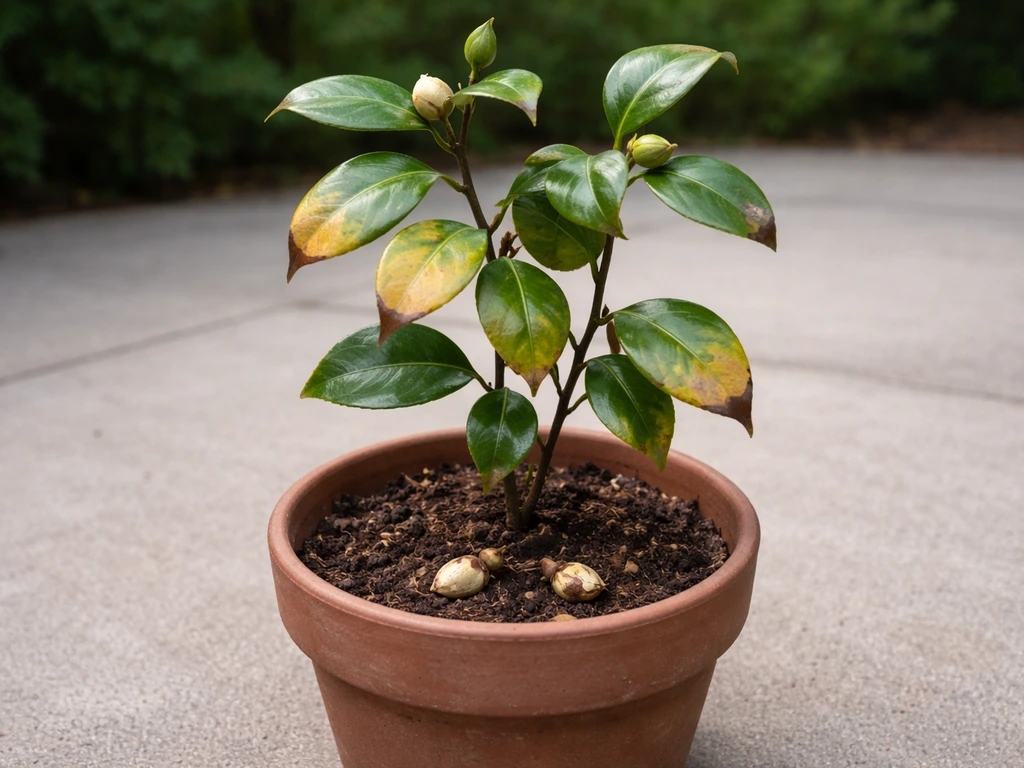
| Wrong pH (too alkaline) | Yellow leaves with green veins (interveinal chlorosis) | Lower soil pH to 5.5–6.5 with sulfur or iron chelate |
| Poor drainage / waterlogged roots | Limp or smaller-than-normal leaves, tip dieback, bud drop, root rot | Improve drainage or move to raised bed/container |
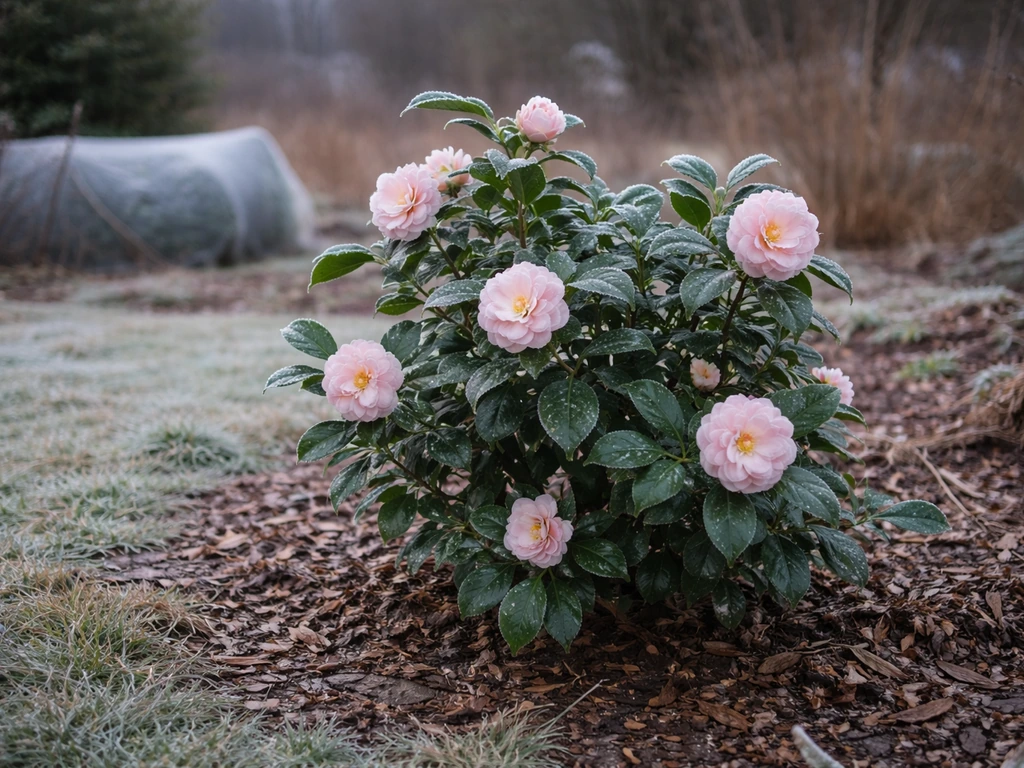
| Cold exposure / wind chill | Brown flower edges, bud death, stem dieback on windward side | Shelter with windbreak, cover during freezes |
| Drought / moisture swings during bud set | Bud drop, leaf drop, general decline | Consistent deep watering; mulch to retain moisture |
| Too much direct sun (especially for C. japonica) | Leaf scorch, bleached foliage, bud stress | Move to dappled shade or east-facing site |
| Sudden temperature swings in fall/spring | Bud drop without obvious physical damage | Avoid warm-side exposures; protect from heat spikes |
Zone and climate check: can you grow camellias where you live?
Before you troubleshoot soil or watering, you need an honest answer to the geographic question. Camellias generally thrive where temperatures stay within suitable hardiness ranges, so if you are wondering where do camellias grow, use your USDA Zone as your starting point. Camellia japonica, the most common type, is reliably winter-hardy in USDA Zones 7 through 9. Temperatures below about 10°F can damage or kill plants, especially when the cold arrives suddenly. Camellia sasanqua is similar in hardiness, rated Zones 7a through 8b, but it handles more sun and tends to be a bit more resilient on exposed sites. If you're in Zone 6 or colder, you're in marginal territory and will need to grow in containers you can bring indoors, or commit to serious winter protection every single year.
Zone 7 is where things get interesting. Gardeners in the warmer parts of Zone 7 (think northern Georgia, the mid-Atlantic, parts of the Pacific Northwest) can grow camellias in the ground with reasonable success if the site is sheltered. In India, camellias can grow if you pick a cool, sheltered location and use acidic, well-draining soil with consistent moisture and winter protection where needed camellias grow in India. Readers asking whether camellias grow in places like Michigan or Colorado are dealing with a tougher situation: those climates push into Zone 5 and 6, where ground planting is a real gamble. Because can camellias grow in Colorado depends heavily on your zone and how cold winter spells hit, container growing or serious winter protection is usually the safer route. In fact, the same idea applies to gardeners asking will gardenias grow in Colorado: you generally need a sheltered spot and strong attention to cold protection and drainage. The cold-hardiness chapter of this site covers those specific states in more detail, but the short version is: container growing or very protected microclimates are your best path in those regions.
If you're in a warm climate like Texas (most of which sits in Zones 8–9), camellias are generally compatible, but summer heat and alkaline soils become the main obstacles rather than cold. The geographic feasibility flips: instead of protecting against freeze, you're managing heat, moisture, and pH. Whatever your region, the next sections tell you exactly what to adjust.
Soil adjustments that build real stress tolerance
Get the pH right first
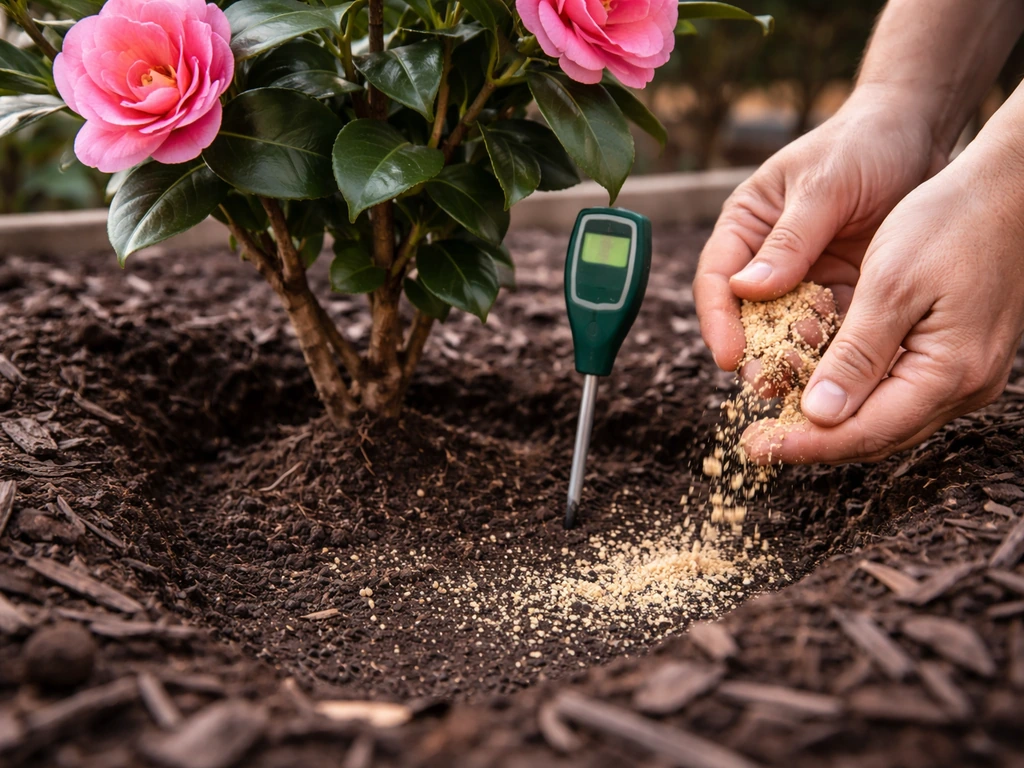
Camellias want a soil pH of 5.5 to 6.5, with 6.0 to 6.5 being the sweet spot. If your soil runs alkaline (pH 7 or above, which is common in the Southwest, Midwest, and parts of Texas), iron becomes chemically unavailable even when it's physically present in the soil. That's what causes interveinal chlorosis: the leaves turn yellow or whitish but the veins stay green. A foliar iron spray will green the plant up temporarily, but the only long-term fix is lowering the soil pH itself. Elemental sulfur, ferrous sulfate, or aluminum sulfate worked into the soil and watered in will do it, though it takes time. Get a soil test before you start so you know how far off you actually are.
Drainage is non-negotiable
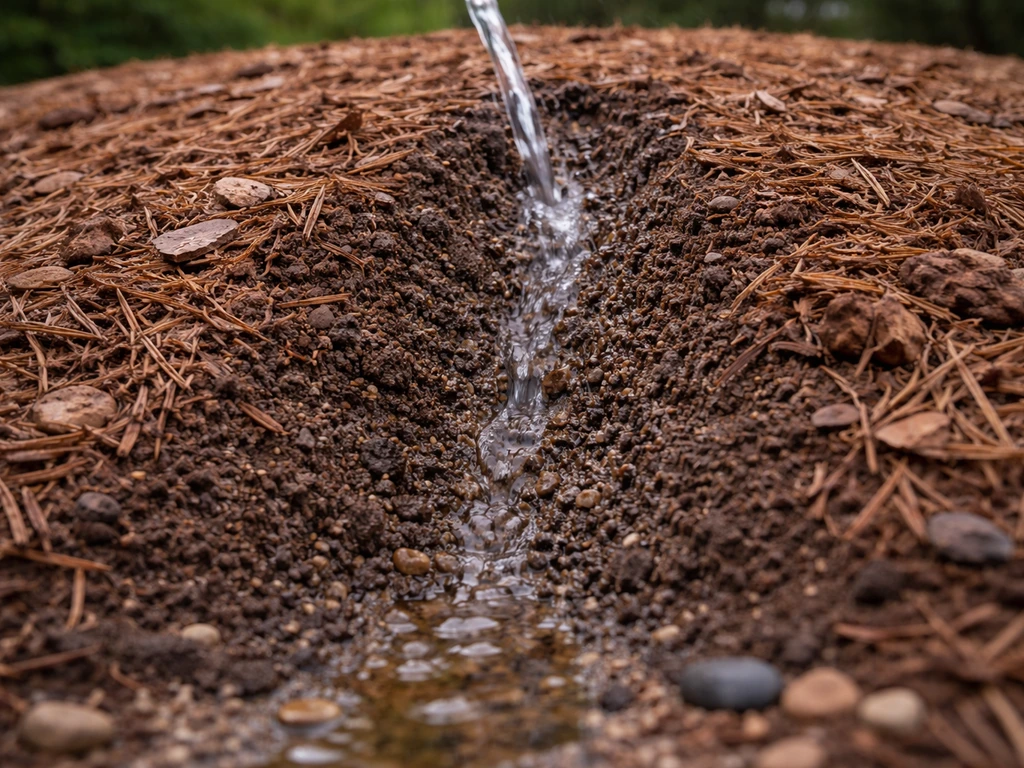
Phytophthora root rot is the single most serious disease camellias face, and it's almost entirely a drainage problem. The pathogen's spores move through standing water from root to root, so a waterlogged bed is essentially a delivery system for rot. Early signs include foliage that yellows, leaves that look smaller or limper than normal, tip dieback, and buds that stall or drop. By the time the symptoms are obvious, the feeder roots may already be compromised enough that the plant can't take up water even when you water it, which accelerates decline especially in warm weather. If your soil drains slowly, raise the planting bed by at least 6–8 inches or move to containers.
Mulch: yes, but don't overdo it
A 2–3 inch layer of organic mulch (pine bark, pine straw, or shredded leaves) does a lot of work: it stabilizes soil moisture, keeps root-zone temperatures more consistent, and gradually lowers pH as it breaks down. Keep it a few inches away from the trunk. More is not better here. Piling mulch too deep or too close to the stem traps excess moisture against the root crown, which is exactly where you don't want it.
Watering and protecting against heat and cold
Watering during bud set is critical
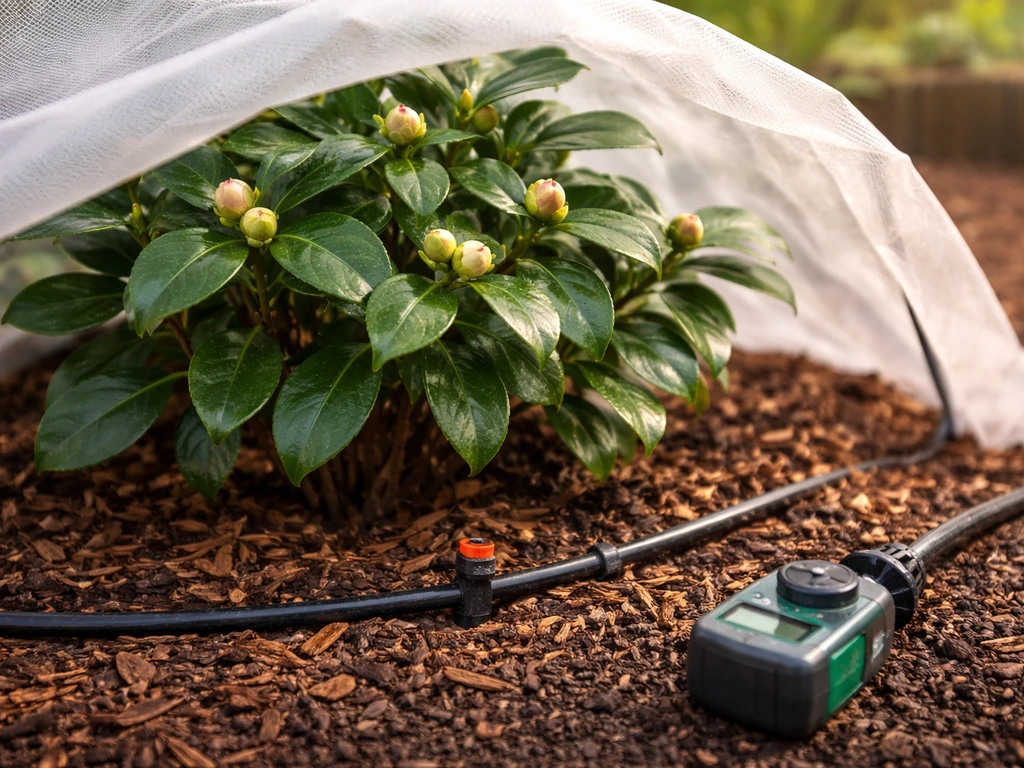
Inconsistent soil moisture during the bud-formation period (typically late summer through fall) is one of the most common causes of bud drop, and it's easily preventable. The goal is steady, even moisture, not wet-dry swings. Deep, infrequent watering is better than frequent shallow watering. A drip system or soaker hose under the mulch layer is ideal because it keeps moisture consistent at the root zone without wetting foliage. During drought or heat waves, check soil moisture every few days by pushing a finger a few inches into the mulch and soil.
Cold protection: what actually works
Camellias can survive surprisingly low temperatures if the cold arrives gradually and doesn't last long, and if the plant is properly dormant when it hits. The two biggest killers aren't the cold itself: they're wind desiccation and early morning winter sun. Wind strips moisture from leaves and buds faster than frozen roots can replace it. Sun shining on dark green leaves in cold conditions creates a surface microclimate that can run 10–15°F warmer than the surrounding air, which then causes rapid freeze-thaw cycling when the sun moves off. Both of these cause more damage than the raw temperature number suggests.
Practical protection steps for a cold spell: wrap or cover the plant with frost cloth (not plastic), make sure the covering traps still air around the plant, and block prevailing cold winds with a temporary burlap windbreak or fence. For ground-planted camellias in Zone 7 and colder, do this any time temperatures are forecast to drop below 15–20°F, especially if wind is in the forecast. Remove coverings during the day when temperatures recover to avoid overheating.
Managing heat stress
In warm-climate regions, heat in fall can push new shoot growth at exactly the wrong time, redirecting the plant's energy away from bud development and contributing to bud drop. There's no simple fix for regional heat, but siting the plant correctly (morning sun, afternoon shade) and keeping soil moisture consistent both reduce heat stress significantly. Avoid heavy nitrogen fertilizing in late summer, which pushes leafy growth when you want the plant focused on flowering.
Light, placement, and wind management
C. japonica does best in dappled shade or morning sun with afternoon protection. C. sasanqua tolerates more sun and is a better choice for open, sunnier spots. Severe damage from cold or sun exposure tends to be worst on the side of the plant directly facing the wind or the winter sun, so orientation matters. A north or east-facing wall gives reflected warmth without the damaging early-morning winter sun that a south or west exposure brings.
Windbreaks are underrated for camellias in marginal areas. A solid fence, dense evergreen hedge, or even a well-placed garden structure on the north and west sides of the plant can drop effective wind chill dramatically and reduce moisture loss from foliage in cold weather. If you're planting near a building, the southeast side of the building often gives the best balance: some winter sun protection plus radiated warmth from the structure.
Container and raised-bed tactics for marginal climates
If you're in Zone 6 or colder, or if your native soil is severely alkaline and clay-heavy, containers or raised beds are not a compromise. They're actually the smarter choice. In a container, you control every variable: pH, drainage, and the ability to move the plant to shelter before a hard freeze. The American Camellia Society recommends a mix of equal parts coarse peat moss (or oak leaf mold) and sharp sand for containers. This creates the loose, well-drained, slightly acidic environment camellias want. One caution: fine peat moss can swing between waterlogged and bone-dry very quickly in a container, and both extremes cause plant loss. Coarse-textured peat and regular moisture checks prevent this.
For raised beds, build up 12–18 inches of amended, acidic, well-draining mix above your native soil. This gives roots the environment they need even if the ground below is clay or alkaline. In cold climates, raised beds do freeze more quickly than in-ground planting, so you'll still need frost-cloth protection during hard freezes, but the drainage advantage is significant for root health year-round.
Container plants in Zones 6 and colder should come inside (into an unheated garage, basement, or porch) when temperatures drop below 15°F for more than a couple of days. They don't need warmth: they just need protection from the most extreme cold and from freezing-and-thawing repeatedly.
Troubleshooting the most common stress problems
Yellow leaves with green veins (iron chlorosis)
This is almost always a pH problem. Because iron chlorosis is often linked to high soil pH (often above 7.0), extension guidance recommends soil testing when symptoms persist iron chlorosis is almost always a pH problem. If the leaves are turning pale yellow, light green, or nearly white between the veins while the veins themselves stay green, the plant is iron-deficient due to alkaline soil locking up available iron. Apply a foliar iron spray for a quick fix, then start lowering soil pH with elemental sulfur or ferrous sulfate for a lasting correction. This process takes months, not days, so start now.
Bud drop before flowering
Bud drop has several causes, but the most common are temperature swings, moisture inconsistency, and excessive heat during bud set. Check your watering pattern first: if the soil has been drying out between waterings, that's likely the culprit. If watering has been consistent, look at recent temperatures. A warm spell in fall followed by a cold snap, or vice versa, is enough to trigger bud drop in sensitive varieties. Site adjustments (more shelter, less direct afternoon sun) and consistent moisture reduce this significantly over time.
Root problems and general decline
If the plant looks progressively worse despite correct watering, think drainage and root rot. Dig carefully near the base and look at the feeder roots: healthy camellia roots are white or cream-colored. Dark, mushy roots mean rot. If caught early, you may be able to save the plant by moving it to better-draining soil and treating with a Phytophthora-labeled fungicide drench, but the underlying drainage problem has to be fixed or the rot returns. In severe cases, it's better to remove the plant, improve the site completely, and replant.
Brown flower edges and cold-damaged buds
Brown edges on open flowers are classic cold-damage symptoms, and they're common in Zone 7 during late frosts. The flowers are more sensitive than the plant itself. Protecting buds with frost cloth before a hard freeze preserves the blooms even when the plant itself would survive unprotected. If stems are dying back, the damage is more significant: prune to live wood after the last frost date and the plant will usually recover if roots are healthy.
A simple setup plan you can start today
Here's a practical sequence for either a new planting or a struggling existing camellia. Do these in order and you'll have addressed the most common adverse-condition problems.
- Test your soil pH today. A basic home test kit or county extension lab test gives you the number you need. Aim for 5.5–6.5 before or shortly after planting.
- Assess drainage. Pour a bucket of water in your planting area and watch how fast it drains. If water is still sitting after 30–60 minutes, you need a raised bed or containers instead of in-ground planting.
- Choose the right species for your light. If your site gets more than 5–6 hours of direct sun, use C. sasanqua. For shadier spots, C. japonica is the better fit.
- Pick a sheltered site. North or east-facing spots near a wall or fence reduce both winter wind and early morning sun damage. If your site is exposed, install a temporary windbreak before your first winter.
- Apply 2–3 inches of pine bark or pine straw mulch over the root zone, keeping it away from the trunk.
- Set up consistent watering. A soaker hose or drip line on a timer is worth it, especially from late summer through fall when buds are forming.
- If you're in Zone 6 or have alkaline clay soil: start in a container with a peat/sand mix and plan to move it inside during hard freezes.
- For existing chlorotic plants: apply foliar iron spray now for quick green-up, then begin sulfur or ferrous sulfate applications to work down the pH over the coming months.
- Before the next cold spell: have frost cloth ready to cover buds and flowers; check the forecast weekly from October through February in Zones 7–8.
The gardeners who succeed with camellias in tough conditions are not doing anything magical. They're just matching the plant's real requirements to the site, fixing what doesn't fit, and protecting the plant at the specific moments it's most vulnerable. Start with the soil and drainage, get the siting right, and the rest gets a lot easier.
FAQ
How can I tell if my camellia is struggling from pH versus watering or root rot?
If new growth is pale yellow or nearly white between green veins, start with pH. If leaves yellow along with stalling buds, smaller limp foliage, or tip dieback, strongly suspect drainage and root rot, especially if the soil stays wet after rain.
My soil test says my pH is high, how long will it take before the camellia improves after lowering pH?
Expect change in months, not weeks, because sulfur or sulfate amendments must convert and move through the root zone. Plan on another soil test later in the season to confirm you moved toward the 5.5 to 6.5 target.
Can I use mulch to lower soil pH if my soil is alkaline, or is fertilizer more important?
Organic mulch can gradually help, but it works slowly. In alkaline soils, it usually supports pH correction rather than replacing it, so you still typically need sulfur or ferrous sulfate and steady moisture for best results.
Is it better to plant camellias in the ground or in containers when conditions are marginal?
In Zone 6 or colder, or if your native soil is clay-heavy or strongly alkaline, containers and raised beds are often the smarter choice because you can control drainage and pH and move the plant before hard freezes.
What’s the safest way to water during bud set if my camellia is in the shade or on a slope?
Use deep, infrequent watering so the root zone stays evenly moist, and check with a finger under the mulch. On slopes, watch for fast runoff, you may need a slower drip or soaker schedule to prevent dry swings.
Should I fertilize in late summer to help camellias flower, or can that worsen adverse conditions?
Avoid heavy nitrogen feeding in late summer, because it can trigger new shoot growth at the wrong time and contribute to bud drop. If you fertilize, use a light approach and keep focus on steady moisture and correct pH.
Why do my buds turn brown or drop, even though the plant seems healthy otherwise?
Bud drop often follows moisture inconsistency or heat during bud formation, especially after a warm spell then a cold snap. Review your watering pattern first, then check whether late-season temperatures are swinging and whether the plant sits in harsh afternoon heat.
How can I protect camellia buds from late freezes without overheating the plant?
Use breathable frost cloth and cover before hard freezes. Remove the covering during daytime when temperatures recover, overheating can happen under a cover when sun returns.
What should I do if I see dark, mushy roots, but the plant is still flowering?
Treat it as an urgent drainage issue. Check feeder roots for rot, then switch to better-draining conditions (often raised beds or containers). A labeled fungicide drench can help early, but it will not fix recurring rot if the soil stays waterlogged.
Can camellias tolerate full sun in hot climates if I have good pH and drainage?
Some can, especially C. sasanqua, but heat stress still increases the risk of bud drop. Prioritize morning sun with afternoon protection, and manage moisture so the root zone does not swing dry to wet during hot periods.
What’s the best indicator that I need winter wind protection, not just a freeze cover?
If leaves or buds suffer even when temperatures were near the survivable range, wind desiccation is likely. A windbreak that blocks prevailing winter winds can reduce moisture loss and improve survival beyond what frost cloth alone provides.
Should I prune camellias after cold damage right away or wait?
Wait until after the last frost for your area, then prune to live wood. If roots are healthy, camellias generally recover, but pruning too early can compound stress during another cold event.
If my container camellia keeps dying, is it more likely to be too wet or too dry?
Either extreme can kill a container camellia because peat mixes can swing quickly. Use coarse-textured media and check moisture regularly, aim for evenly moist not waterlogged, and ensure drainage holes are clear.