Camellias grow best in the mild, humid climates of the American Southeast and Pacific Coast, roughly USDA zones 7 through 10. If you live anywhere from coastal Virginia down through Georgia, across the Gulf South, and into the Carolinas, or if you're in Northern California or the Pacific Northwest, camellias will almost certainly grow for you. Outside those core regions, it gets more complicated, and zone, humidity, and winter lows all matter a lot before you spend money on a plant.
Where Do Camellias Grow Best? Zones, Regions, and Tips
Marcus Hartwell
4 Apr 2026
Where camellias naturally come from
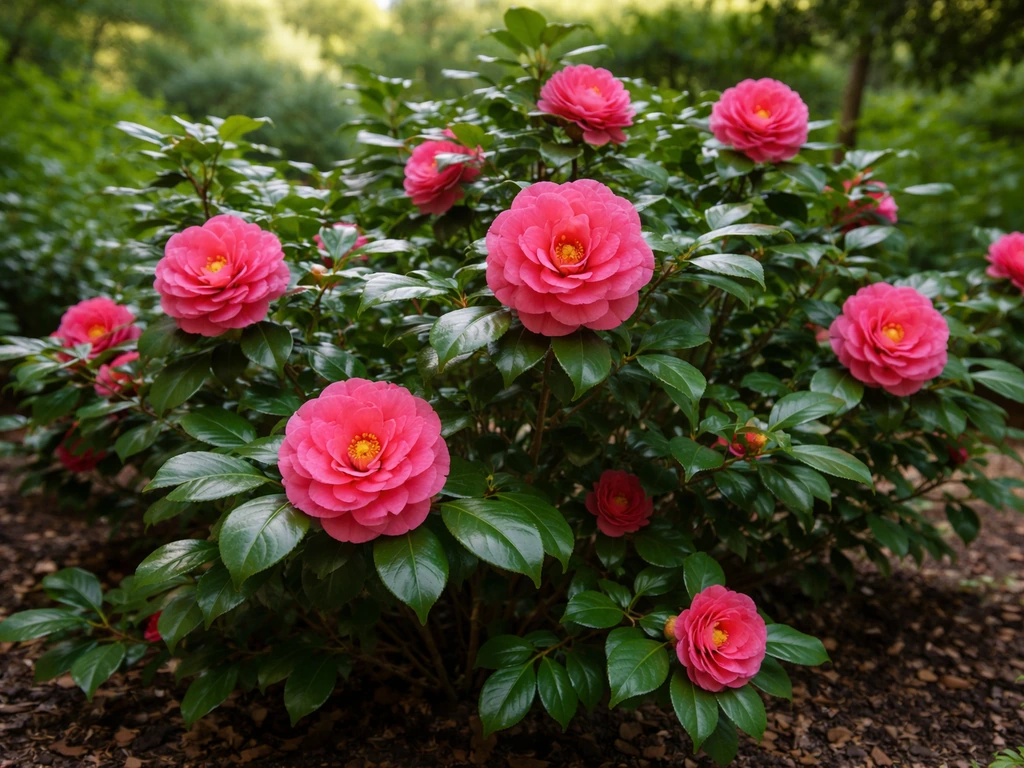
Understanding native range helps you decode what a camellia actually wants from your climate. The most commonly grown species, Camellia japonica, is native to China, Japan, Korea, and Taiwan. In the wild it grows as an understory shrub or small tree in mixed forests, anywhere from sea level up to about 7,500 feet. That understory origin matters: it tells you right away that these plants evolved under a canopy, with filtered light, consistent moisture, and protection from temperature extremes.
blank" rel="noopener noreferrer">Camellia sasanqua comes from southern Japan, specifically the Kyushu, Ryukyu Islands, and Shikoku regions. Those are warmer, more coastal areas than where C. japonica originates, which is why sasanqua tolerates heat a bit better and blooms earlier in fall. A third species worth knowing, Camellia reticulata, is native to the Yunnan and Sichuan provinces of southwestern China, an area with mild winters, high humidity, and distinct wet-dry seasons. Together, these three species map out a clear preference: warm winters, humid summers, filtered shade, and rich moist soil.
Hardiness zones: the cold and heat limits you actually need to know
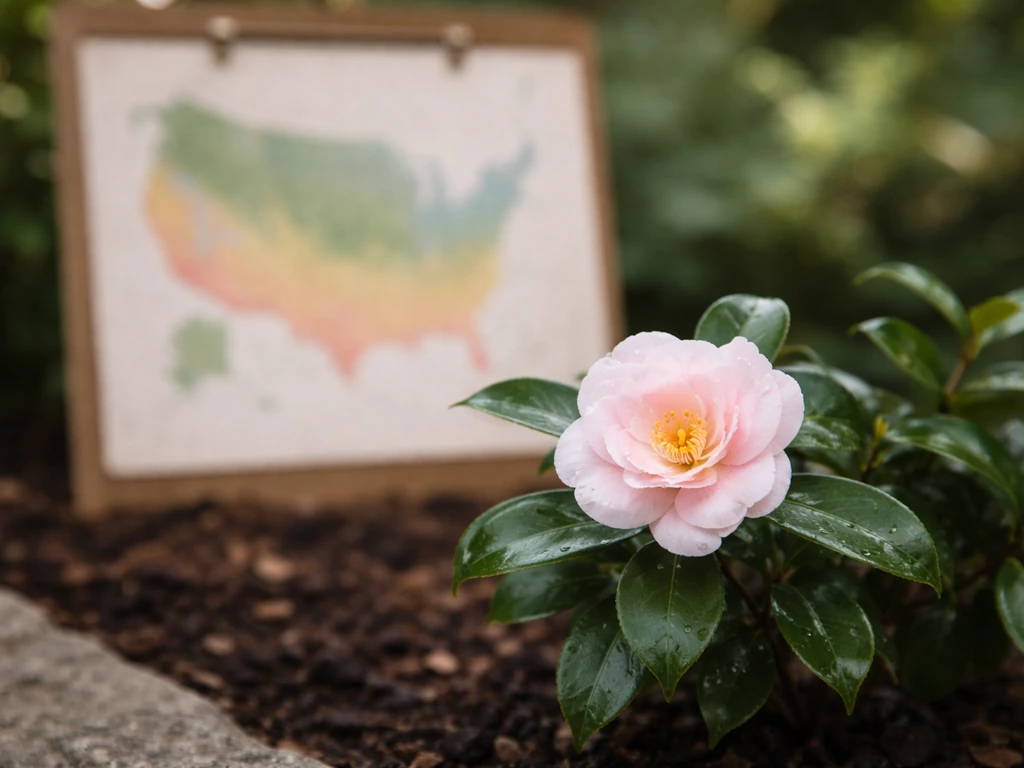
Camellias are rated primarily for cold hardiness. Standard Camellia japonica varieties are comfortable in USDA zones 7 through 9, meaning they can handle winter lows down to about 0°F (-18°C) on the hardier end, though most prefer no colder than 10°F (-12°C). Camellia sasanqua is slightly more cold-tolerant and heat-tolerant, fitting comfortably in zones 7 through 10. Specialty cold-hardy hybrids, like the 'Ice Angels' and 'Winter's' series developed partly from C. oleifera, can push into zone 6 and occasionally zone 5b with protection.
The heat side of the equation gets overlooked. Most camellias struggle above USDA heat zone 9, where summer temperatures are consistently brutal and soils dry out fast. In zones 8 and 9, heat is manageable with shade and irrigation. In zone 10, you're really limited to sasanqua and a few heat-adapted selections. If you're wondering whether camellias can grow in Colorado, the honest answer is that the cold isn't the only challenge: the dry air and alkaline soils make it tough even where the zone number technically allows it.
What the right planting spot looks like
Camellias are not full-sun plants in most of the country. They want dappled shade or morning sun with afternoon protection, especially in warmer zones. In zone 7 or cooler, you can get away with more sun because temperatures stay moderate, but in zones 8 and 9 the afternoon sun will scorch leaves and stress the plant during bloom. Under tall pines or deciduous trees is ideal, which mirrors that understory forest habitat they evolved in.
Soil is non-negotiable. Camellias need blank" rel="noopener noreferrer">acidic soil, roughly pH 5.5 to 6.5, with excellent drainage and consistent moisture. Heavy clay that holds standing water will rot the roots. Sandy soil that drains in seconds won't hold enough moisture. The sweet spot is loamy, organic-rich soil that drains freely but stays evenly moist. If you're struggling to dial in your site conditions and wondering exactly what camellias need to grow, soil pH and drainage are the two factors that most often kill plants that would otherwise survive the winter just fine.
Where in the U.S. camellias grow best by region
The Southeast: the home turf
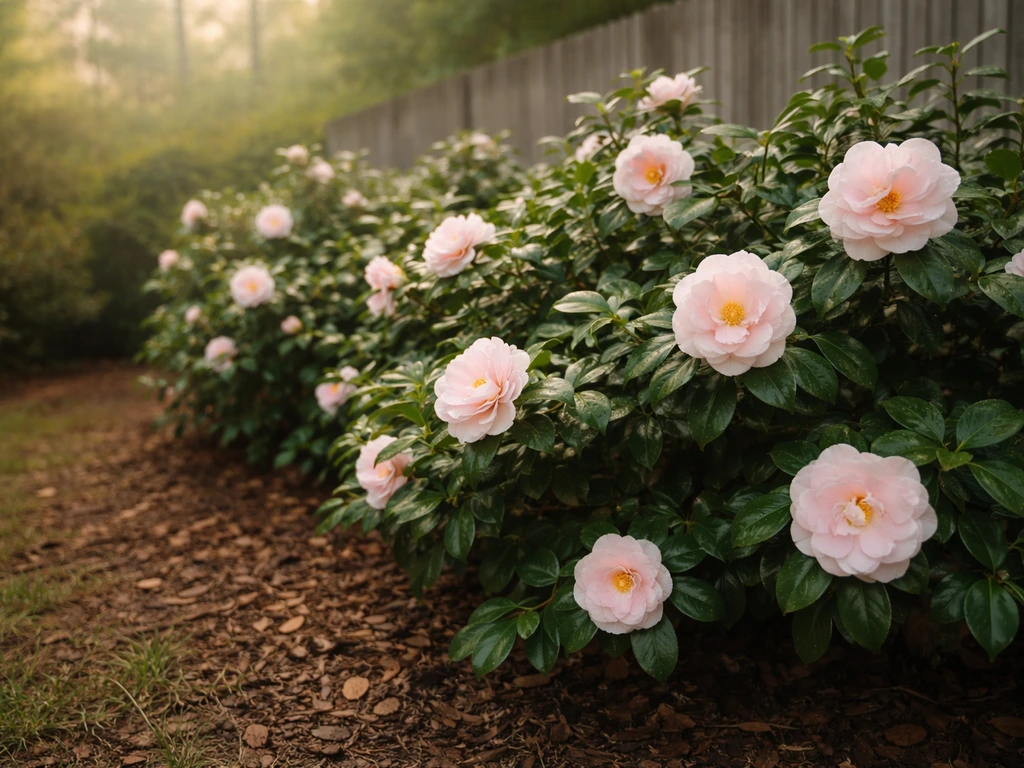
Georgia, Alabama, Mississippi, Louisiana, coastal South Carolina, and North Carolina are about as close to a camellia paradise as you'll find in the United States. Zones 7b through 9a, humid winters, acidic soils from centuries of pine litter, and mild enough summers that camellias bloom without constant stress. Savannah, Charleston, and New Orleans are practically built around camellia gardens. If you're in this region, the question isn't whether camellias will grow, it's which variety to pick.
Texas: depends heavily on where you are
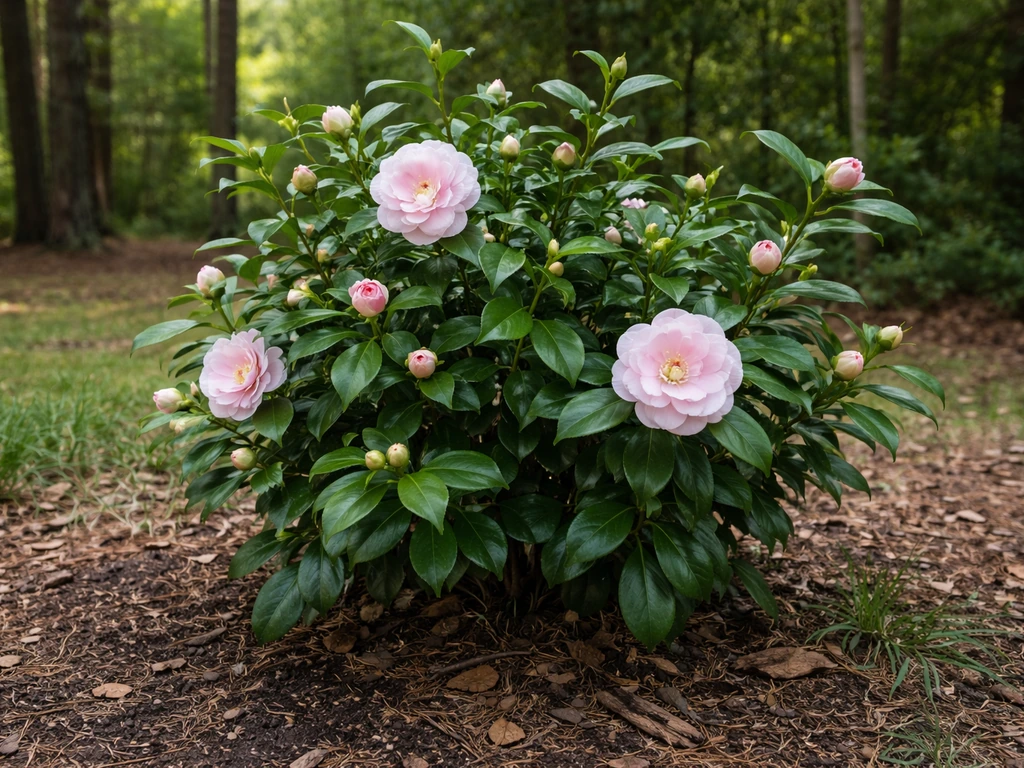
Texas is a big state with wildly different climates. East Texas, around Tyler and Beaumont, has the humidity and acidic soils that camellias love, and they grow extremely well there. Central Texas turns drier and more alkaline, which creates real challenges. West Texas is essentially a non-starter without major soil amendment and irrigation. If you're anywhere in the Lone Star State and trying to decide, the detailed breakdown of whether camellias grow in Texas will save you a lot of guesswork about your specific county.
The Pacific Coast: surprisingly great camellia country
Northern California, the Bay Area, Oregon's Willamette Valley, and coastal Washington are excellent for camellias, sometimes even better than the Southeast because summers are cooler and less extreme. The maritime influence keeps winters mild and summers moderate. San Francisco has world-class camellia collections. Portland and Seattle gardeners grow spectacular C. japonica specimens. Inland California is trickier due to heat and drought, but coastal zones 8 through 10 on the West Coast are genuinely ideal.
The Upper South and Transition Zone
Zone 7 covers a band from northern Virginia and Maryland down through the piedmont of the Carolinas, Tennessee, Arkansas, and northern Georgia. Camellias are very doable here with the right variety selection and some winter protection in colder microclimates. Harsh cold snaps can damage buds and flowers, but established plants usually survive. Zone 6 is a stretch for standard varieties, though cold-hardy hybrids are genuinely expanding what's possible.
The Midwest and Great Lakes: mostly too cold and too dry
Most of zone 5 and 6 in the Midwest doesn't have the humidity or the mild winters that camellias need. Michigan is a tough case: parts of the state sit in zone 6, and the question of whether camellias grow in Michigan gets asked a lot, especially by gardeners who see them thriving in nurseries and assume they'll make it through winter. Cold-hardy hybrids offer the best shot there, but even they need sheltered spots and mulched root zones.
Global equivalents worth knowing
Outside the U.S., camellias thrive in the UK's mild southwest coast (Devon, Cornwall), New Zealand's North Island, parts of southern Australia, and highland India. If you've ever wondered whether camellias can grow in India, the answer is yes in the cooler hill stations of the northeast like Darjeeling and Shillong, where elevation keeps temperatures in range.
What to expect when growing camellias: timing, bloom, and growth rate
Camellias are slow growers. A new plant might put on 6 to 12 inches per year in ideal conditions. Don't expect a hedge in two seasons. The payoff is that they're long-lived and low-maintenance once established, with some specimens surviving well over a century. In the Southeast, C. japonica blooms from November through March, providing color during the dead of winter when almost nothing else does. Sasanqua blooms earlier, typically October through December.
Plant camellias in fall in the South and Pacific Coast, which gives them the whole cool season to establish roots before summer heat arrives. In zone 7 and colder, spring planting after last frost gives them a full growing season before facing their first winter. Consistent watering during the first two years is the biggest factor in whether a camellia thrives or just survives. Understanding how camellias grow in adverse conditions comes down largely to root establishment: a deeply rooted plant handles cold snaps, drought, and heat stress far better than one that's been in the ground for six months.
Picking the right variety for your region
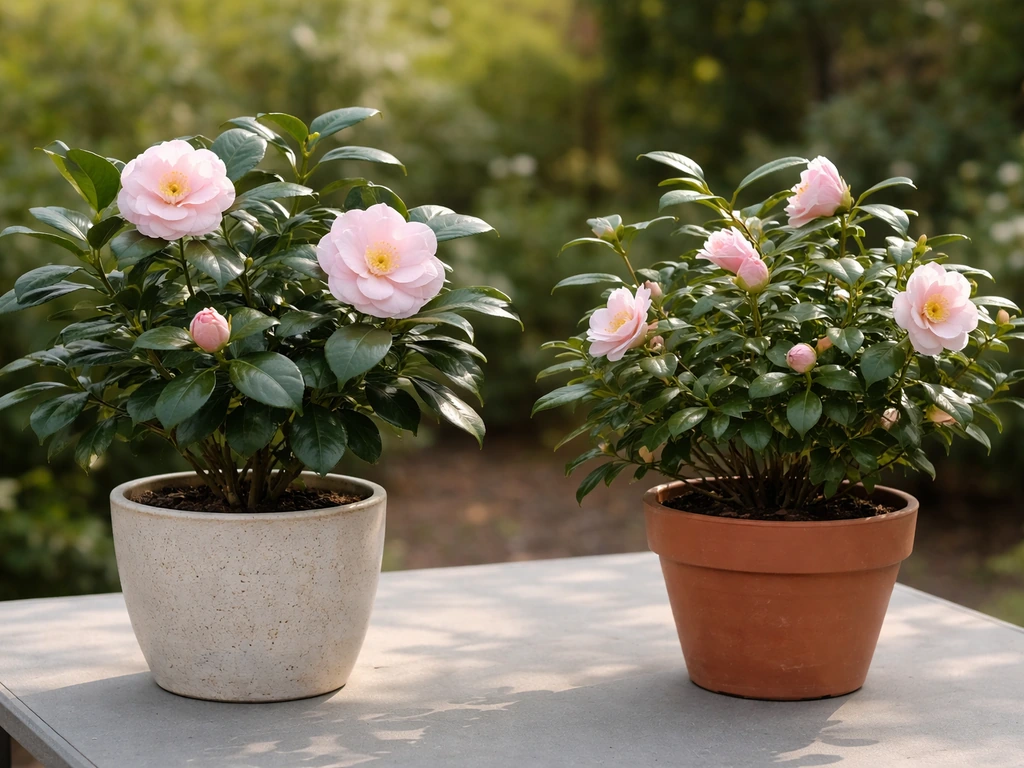
Not all camellias are created equal when it comes to cold and heat tolerance. Matching variety to region is where most gardeners either get it right or waste their money.
| Variety Type | Best Zones | Cold Limit | Bloom Season | Best For |
|---|---|---|---|---|
| Camellia japonica (standard) | 7b–9a | ~5°F (-15°C) | Nov–March | Southeast, Pacific Coast |
| Camellia sasanqua | 7–10 | ~5°F (-15°C) | Oct–Dec | Warmer South, Pacific Coast |
| Camellia reticulata | 8–10 | ~15°F (-9°C) | Feb–April | Mild Pacific Coast, Deep South |
| Cold-hardy hybrids (e.g., 'Winter's Star', 'Ice Angels') | 6–7a | ~-5°F (-21°C) | Nov–March | Upper South, Transition Zone, Midwest trials |
If you're in the warm, humid Southeast, almost any C. japonica variety will work, and the variety selection is enormous. In zone 8 and south Texas, lean toward sasanqua for its heat tolerance and earlier bloom. On the Pacific Coast, C. reticulata's enormous flowers are worth trying since the mild summers suit it well. In zones 6 and colder, cold-hardy hybrids are your only realistic option, and even then you should site them against a south-facing wall for reflected warmth. For gardeners in the Southwest who garden in the same general arid region as those weighing whether gardenias will grow in Colorado, the challenge is similar: camellias and gardenias both want humidity and acid soils that the arid West doesn't naturally offer.
Will camellias grow where you live? Run through this checklist
Before you buy anything, run your location through these questions. If you can answer yes to most of them, you're in good shape.
- Are you in USDA zones 7 through 10, or in zone 6 with access to cold-hardy hybrid varieties?
- Does your average winter low stay above -5°F (-21°C), even in cold snaps?
- Is your summer humidity moderate to high, or can you irrigate consistently through dry spells?
- Is your soil naturally acidic (pH 5.5 to 6.5), or are you willing to amend it before planting?
- Do you have a spot with morning sun and afternoon shade, or dappled light under taller trees?
- Does that spot drain well enough that it never holds standing water after heavy rain?
- Are you in the Southeast, Pacific Coast, or a similar mild-winter, humid climate zone globally?
If you hit yes on six or seven of those, camellias are a solid bet for your landscape. If you're saying no to three or more, especially the zone, cold limit, and soil questions, consider whether the effort to amend and protect is worth it compared to a plant that naturally fits your climate. Camellias reward gardeners who match them to the right conditions, and they punish gardeners who try to force them into the wrong ones.
FAQ
Can camellias grow in my area even if the USDA zone number says they might not? If so, what microclimate matters most?
Camellias can still succeed in the same general USDA zone if your yard creates the right microclimate. Favor north or east sides of buildings, the protected side of a hedge, and spots under evergreen trees. Avoid low areas that trap cold air and avoid windy openings, since bud drop and leaf scorch often track wind exposure more than zone numbers.
What light conditions should I plan for, and why do camellias sometimes fail in the “right” region?
Try to target the full light pattern, not just the zone. In warmer zones, a plant that gets bright afternoon sun will commonly bloom poorly and show leaf tip burn even when soil pH is perfect. Morning sun with afternoon shade, or dappled shade all day, is the safest setup, especially for C. japonica.
My soil test isn’t very acidic. Is there a way to grow camellias anyway?
If you have neutral or alkaline soil, camellias can decline even with winter hardiness that would otherwise be adequate. The practical fix is improving the planting bed, not just top-dressing once, by adding sulfur or an acid-forming amendment and using an acidic organic mulch. Expect to monitor pH and re-adjust periodically, because rainfall and irrigation can push pH back up over time.
How do I know whether drainage is my real problem, and what should I change if it is heavy clay?
If the site tends to stay wet, root rot is a common failure mode, even in climates that look ideal. Use a planting mix that drains freely, keep mulch from piling against the trunk, and consider raised beds on heavy clay. A camellia can survive occasional dryness, but it usually cannot survive standing water or chronically soggy roots.
Do all camellia types tolerate cold the same way, or should I choose differently near the edge of their range?
Yes, but not equally. Standard C. japonica is the most sensitive to winter conditions, while sasanqua and select cold-hardy hybrids tolerate colder temperatures better. Still, bud damage often happens during sudden cold snaps, so in zone 6 or near the cold edge, choose cold-tolerant types and plan extra protection for flowers, not just the shrub.
Why do camellias struggle with summer heat in zones 8 to 9 even when they survive winter?
Heat stress is often a “soil moisture and airflow” issue, not just temperature. In zones 8 and 9, consistent irrigation, deeper watering less often, and a mulched root zone help. If your summers are sunny and dry, prioritize afternoon shade and consider sasanqua selections that handle heat better.
Should I plant camellias in fall or spring in my region?
Planting timing can affect establishment more than people expect. Fall planting is usually best in mild coastal areas because roots establish before summer heat. In cooler zones, spring planting after last frost reduces the chance of losing new plants to winter exposure, especially in windy, open sites.
What are common mistakes after planting, and how can I tell whether my camellia needs fertilizer or just better growing conditions?
If your camellias are in the wrong light, fertilizer usually will not rescue them. After correcting site conditions, use fertilizer sparingly and avoid high-nitrogen feeding right before flowering. Many gardeners also overwater when they see slow growth, but camellias are naturally slow, so focus on steady moisture and good root establishment before adding nutrients.
Can I grow camellias in containers if I do not live in a prime growing region?
Yes, containers work, especially if your climate is dry or you are outside the best zones. Use an oversized pot with drainage, keep the mix acidic and well-aerated, and water consistently through summer. The biggest risk is winter temperature swings in the container, so protect the pot and avoid letting roots freeze and thaw repeatedly.
What watering schedule is realistic for the first two years, and how do I avoid overwatering?
Watering should be consistent, but not constant. During the first one to two years, the goal is evenly moist soil, then gradually taper toward “deep but less frequent” watering once the plant is established. Also, water at the root zone and avoid wetting foliage at night, since that can worsen leaf problems in humid climates.
My buds fall off or flowers look damaged. Is there something I can do, and how do I prevent it?
If you see flowers failing to open or buds dropping, the cause is often cold snap injury or bud damage, not lack of fertilizer. In marginal climates, protect with burlap or a frost cloth during extreme cold events, and shield from drying winds. Once buds are injured, no treatment will restore them, so prevention during cold events is key.
What long-term care matters most in the long run, not just the first season?
They are long-lived, but you still have to match the variety and maintain the soil. The two most practical long-term steps are keeping pH in range and preventing root stress through mulch and irrigation. If you replant or move shrubs, handle root disturbance carefully and water well afterward, since newly disturbed roots establish slowly.