
Trailing azalea (Rhododendron serpyllifolium, also called Wild Thyme Azalea) can handle some genuinely tough conditions: cold down to about -10°F (USDA Zone 6), exposed and windy sites if you give it a little shelter, and moderately dry spells as long as the soil stays reasonably moist between dry periods. That said, it has clear limits. Waterlogged soil will kill it, [high-pH or alkaline ground stresses it badly](https://www. rhododendrons.
What Harsh Environment Does Trailing Azalea Grow In
Marcus Hartwell
19 May 2026
co. uk/advice/11-site-advice), and intense afternoon sun bleaches its flowers and scorches its leaves. Knowing those specific thresholds is what lets you answer the real question: does your yard actually work for this plant? Knowing those specific thresholds is what lets you answer the real question: does your yard actually work for this plant where to grow azaleas.
What trailing azalea actually is and how it gets used
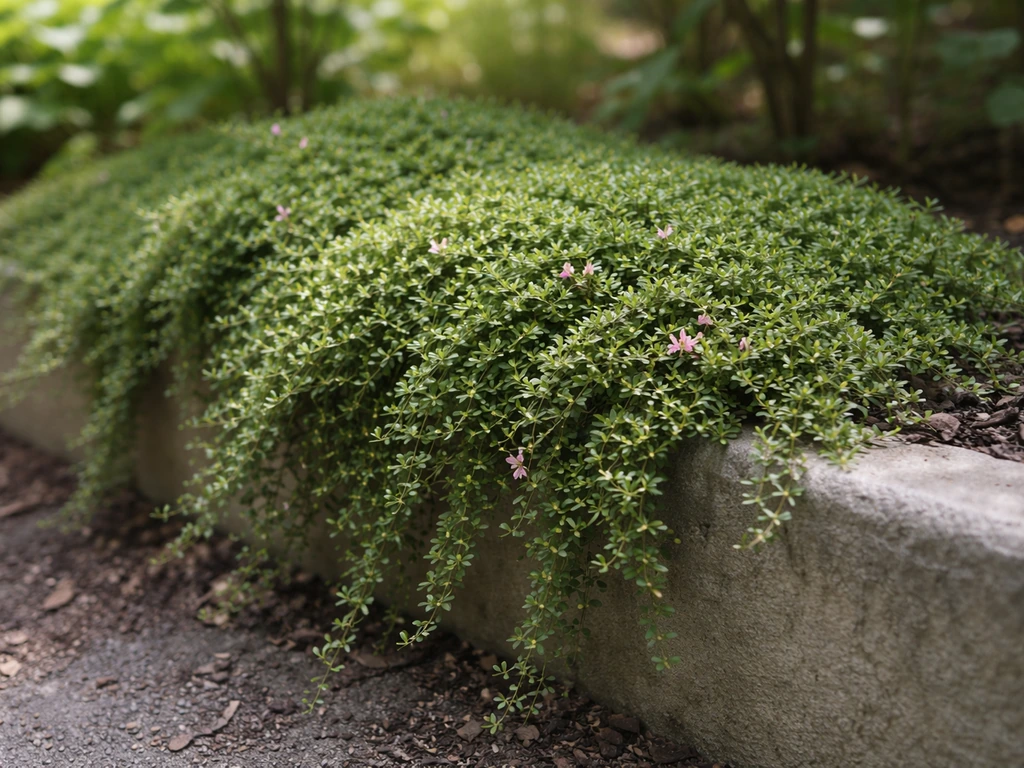
Rhododendron serpyllifolium is a small-leaved, low-growing azalea species native to Japan. It stays compact and spreads in a trailing or mounding habit, which makes it useful for rock gardens, slopes, and ground-cover situations where you need something that hugs the terrain rather than growing upright. Like all azaleas, it sits in the broader Rhododendron genus, so the cold-hardiness data and soil guidance that applies to rhododendrons generally applies here too. Gardeners who've looked into where azaleas grow as a group, or what azaleas need to thrive, will find the tolerances for trailing azalea follow the same basic rules, just applied to a slightly tougher, more compact plant.
What 'harsh environment' actually means for this plant
When gardeners ask whether trailing azalea handles harsh conditions, they usually mean one or more of four things: extreme cold, punishing sun exposure, persistent wind, or low rainfall. Here's how it stacks up against each.
Cold tolerance
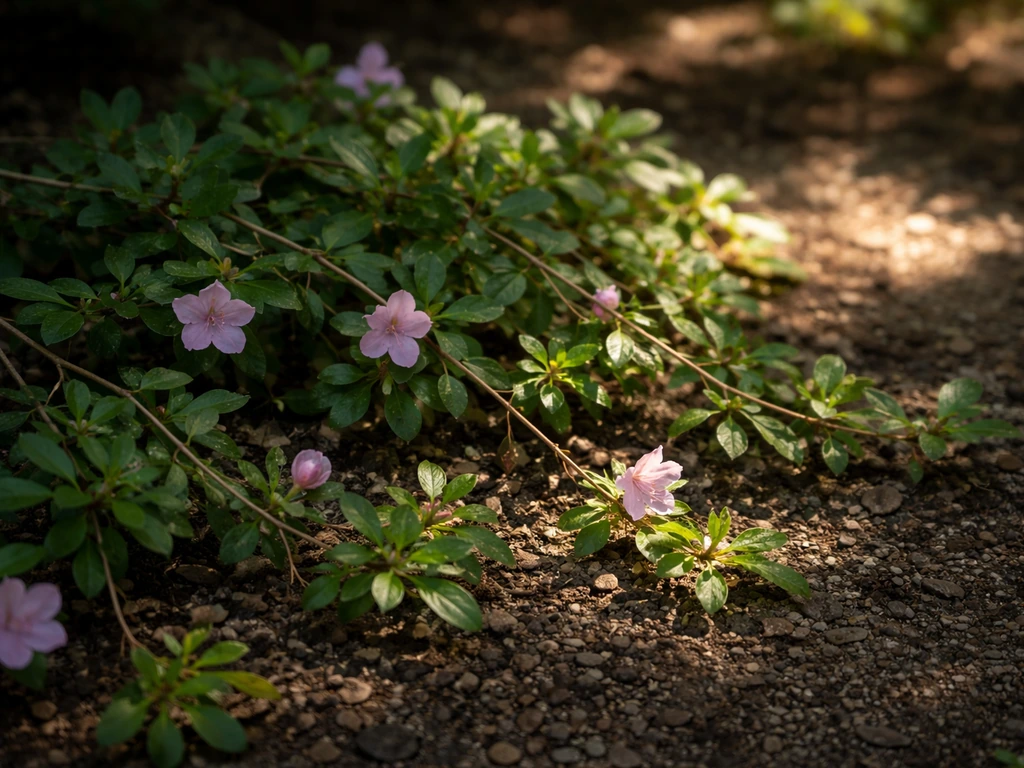
Mature trailing azalea plants can survive temperatures down to around -10°F, which puts them solidly in USDA Zone 6 and above. That covers a wide swath of the country, from the mid-Atlantic inland through much of the Midwest transition zone. The catch is that cold hardiness in azaleas isn't just about the lowest temperature on record. What really damages the plant is a sudden hard freeze after a warm stretch, especially in early fall or late spring.
The flower buds are the most vulnerable part: they can look perfectly normal on the outside but be dead brown on the inside when you cut them open. Young plants are more susceptible than established ones, so if your yard regularly swings from mild to cold overnight, that's actually more of a threat than a single brutal cold spell.
Sun exposure
Trailing azalea prefers part shade, and that preference becomes a firm requirement in hotter climates. It can tolerate more sun if the soil stays consistently moist, but intense afternoon sun will bleach the flower color and eventually cause leaf scorch. The PNW Pest Management Handbooks recommend moving the plant to a more shaded location when leaf scorch or sunburn occurs, as it indicates sensitivity to intense light eventually cause leaf scorch. If your site gets strong direct sun for most of the day, expect faded blooms and stressed foliage. Part-day sun, especially morning light with afternoon shade, is the sweet spot.
Wind
Wind is underrated as a problem for azaleas. Cold winter wind causes bark splitting and leaf scorch even when temperatures haven't dropped to dangerous lows. In exposed, windy yards, trailing azalea needs a windbreak: a fence, a grouping of taller shrubs, a burlap screen during the worst months. Without some protection, you'll see the same damage symptoms as you'd get from drought, because wind is essentially drying the plant out faster than its roots can compensate.
Drought and low water
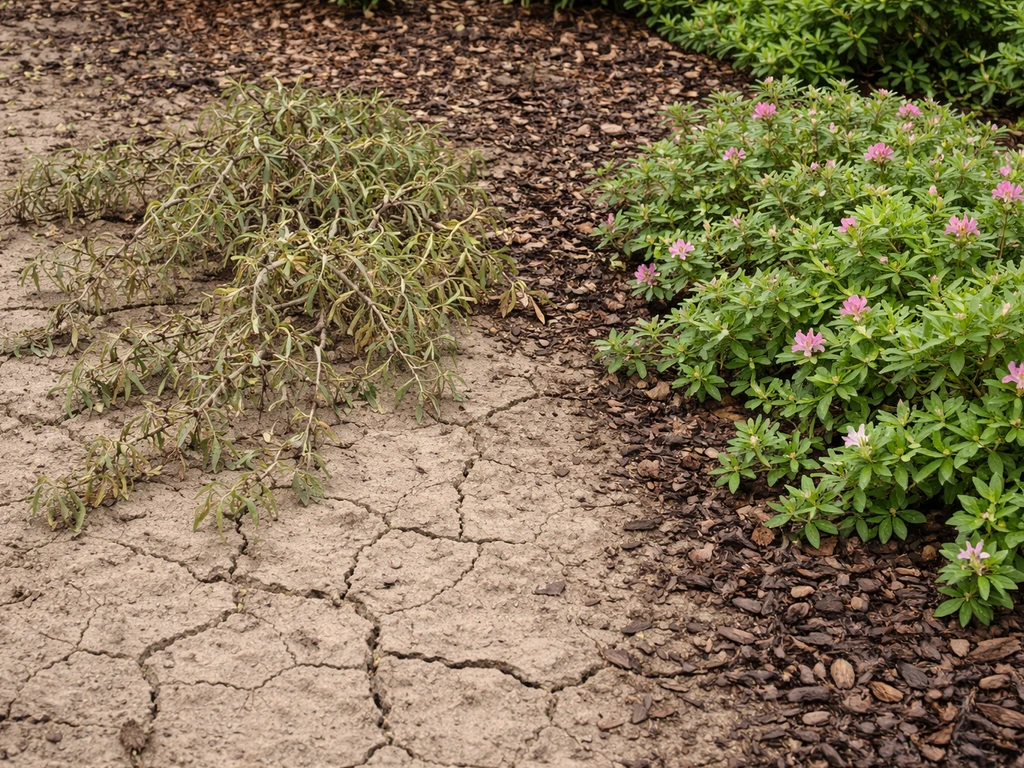
Trailing azalea is not a drought-tolerant plant in the way a native prairie shrub or a lavender bush is. It has shallow, fine feeder roots that dry out quickly, and once the root ball dries out completely, it's genuinely difficult to re-wet. That said, it doesn't need constant irrigation the way a bog plant does. The practical goal is consistent moisture, not wet soil. In regions with dry summers, supplemental watering during hot stretches is essential. Watering deeply before the first hard freeze in fall also matters, because moist soil holds heat better than dry soil and reduces winter desiccation injury.
Soil and moisture extremes it can handle
Soil is where most trailing azalea failures actually happen. The requirements are specific and non-negotiable on the pH side: trailing azalea needs acidic soil in the 4.5 to 6.0 pH range. Some sources narrow that further to 4.5 to 5.5 for best performance. If your soil pH creeps above 6.0, you'll start seeing yellowing leaves (chlorosis) as the plant struggles to take up iron and other nutrients. Alkaline or chalky soils are a near-certain failure unless you amend heavily or grow in raised beds with imported acidic media.
Drainage is equally important. The rule is simple: if water sits anywhere in that planting area at any time of year, it's not the right spot. The shallow roots need both moisture and oxygen, and waterlogged soil cuts off the oxygen supply, leading to root rot. A practical test: dig a hole 10 to 12 inches deep, fill it with water, and watch how fast it drains. If the water is still sitting there four hours later, you either need to install drainage or build a raised bed. On the dry extreme, the plant can handle short dry periods but needs reliable moisture between them, especially through summer heat and before winter freeze-up.
Temperature patterns and seasonal stress across growing zones
Zone 6 is roughly the coldest zone where trailing azalea can be expected to survive winter as a mature plant. Zones 7 through 9 are generally more comfortable, though the upper end of that range (Zone 9 and warmer) introduces the opposite problem: summer heat stress, insufficient winter chill, and soil moisture management becoming more difficult. The most damaging seasonal patterns aren't necessarily the coldest ones. A mild December followed by a sharp freeze in January, or a warm February followed by a late March cold snap, is exactly the scenario that kills flower buds and sometimes entire young plants. If your region sees those kinds of erratic swings, plan for them rather than hoping for a typical winter.
Freeze-thaw cycling through late winter and early spring is hard on the roots too. Soil that heaves repeatedly can physically displace the shallow root system. Mulching around the base of the plant (but not piled against the stem) moderates those swings and reduces both winter cold injury and summer heat stress on roots.
Light conditions that count as 'harsh' for trailing azalea
Full sun is genuinely harsh for this plant, and that's worth spelling out clearly. A south-facing slope with no overhead protection, a spot against a west-facing wall that radiates heat in late afternoon, or any open position with six-plus hours of direct summer sun are all borderline-to-unsuitable unless the soil stays reliably moist. What the plant handles well is dappled light or part shade: the kind of light you get under a high-branched tree canopy, on the north or east side of a structure, or in a spot that gets morning sun and afternoon shade. If your only available spots are full-sun exposures, you can sometimes compensate with consistent irrigation, but it's working against the plant's natural preference.
Does your yard match? A quick site checklist
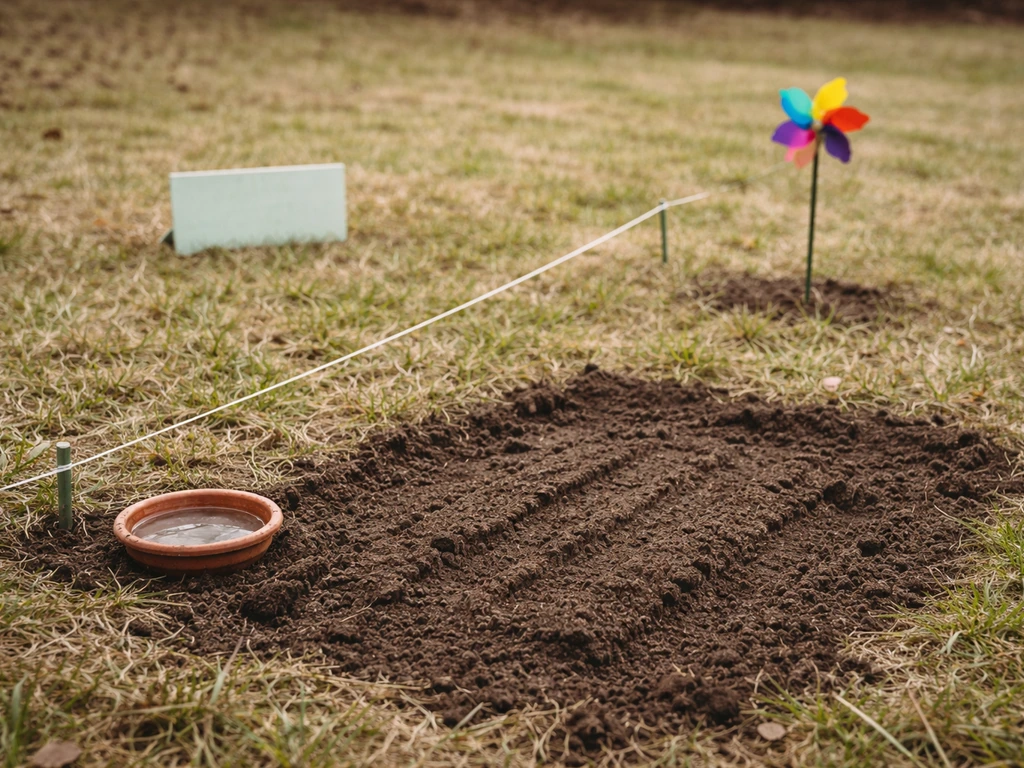
Run through these five points before you buy or plant. If you’re still struggling after checking moisture, sun, wind, and soil pH, this is the same kind of root-cause question covered in why won't my azaleas grow. To make azaleas grow well, you mainly need the right light, acidic soil with good drainage, and consistent moisture that never leaves the roots waterlogged what azaleas need to grow.
In Arizona, azaleas can grow only where you can manage heat and moisture, and where you choose the right site and conditions do azaleas grow in arizona. If you want the full rundown, the best magnolia how to grow guidance focuses on sun, soil, and consistent watering tailored to your climate Run through these five points. If you check all five, you're in good shape. If you're hitting two or more problems, the conditions may be genuinely borderline.
If you are also wondering can you grow basil in phoenix, start by thinking about your heat, sun exposure, and watering consistency.
- Winter lows: Does your yard stay above -10°F in a typical winter? If you're in Zone 6 or warmer, you're within the plant's cold tolerance range. If you're in Zone 5 or colder, mature plants may survive mild winters but flower buds will regularly be killed.
- Freeze pattern: Do you get sudden hard freezes after warm spells in early fall or late spring? If yes, flower bud damage is a real annual risk even in Zone 6 and 7.
- Summer sun exposure: Does the spot get more than five to six hours of direct afternoon sun? If so, it's likely too exposed unless you can keep the soil consistently moist throughout the hottest months.
- Drainage: Does water drain away from your planting area within four hours of a heavy rain or watering? If not, root rot is a genuine threat and you'll need to raise the bed or improve drainage before planting.
- Soil pH: Have you tested your soil? A reading between 4.5 and 6.0 is the target. If you're above 6.0, especially above 6.5, plan to amend with sulfur or acidic organic material, or use a raised bed with imported acidic mix.
Where to place it and what to do if conditions are borderline
If your site mostly checks out but one or two conditions are marginal, there are practical adjustments that genuinely help. Here's how to think through placement and problem-solving:
- Too much sun: Choose a spot on the north or east side of a structure, fence, or established shrub group. Even a single large deciduous tree to the west can cut afternoon heat enough to make a previously harsh spot workable.
- Wind exposure: Install a burlap windscreen or temporary fence panel on the windward side for the first two to three winters while the plant establishes. Taller evergreen shrubs planted upwind as a permanent windbreak are the long-term fix.
- Borderline drainage: Build a low raised bed, even just 8 to 10 inches of amended, acidic soil above grade. This alone solves most drainage problems without major site work.
- Soil pH too high: Work granular sulfur into the planting area well ahead of planting (ideally a season ahead) and amend with peat moss or aged pine bark. Retest before planting.
- Dry summers: Mulch 2 to 3 inches deep with shredded bark or pine needles (which are also mildly acidic) to slow surface moisture loss. Water deeply and less frequently rather than shallowly and often, so roots grow down rather than staying at the surface where they dry out fastest.
- Borderline cold zone: Plant in a microclimate that's naturally a degree or two warmer, like against a south-facing wall with overhead protection from an eave. Water deeply in late fall before the ground freezes. This is one of the simplest and most effective ways to reduce winter injury.
If you're genuinely in Zone 5 or colder, or if your site is alkaline, waterlogged, and in full blazing sun with no realistic way to change those conditions, trailing azalea probably isn't the right plant for that spot. In those cases it's worth looking at what azaleas grow wild in your region or what conditions native azalea species have naturally adapted to, since some deciduous native types are considerably tougher in cold or exposed situations. In your region, researching what azaleas grow wild can also help you choose the best-adapted native options. Spending time on site selection before you buy is always the better investment than fighting conditions that are fundamentally wrong for the plant.
FAQ
What is the most damaging “harsh environment” for trailing azalea beyond just low temperatures?
The harshest pattern is often not the cold minimum, it is a warm stretch followed by a hard freeze (late fall or late spring). That combination can kill flower buds while the outer look stays normal, so late-winter inspection and bud checks matter.
How do I know if my yard has the wrong soil moisture conditions for trailing azalea?
Trailing azalea is not reliably tolerant of clay that stays wet after rain. If your water-drainage test shows standing water 4 hours later, plan on a raised bed or a drainage solution before planting, because root oxygen is the limiting factor.
Can I fix poor conditions by watering more, even if drainage seems questionable?
Yes, you can over-correct by watering too often in heavy soils. In a slow-draining spot, frequent watering can create the same lethal waterlogged condition, so adjust watering only after drainage is confirmed and your soil pH is in range.
What should I do if my soil test shows pH is too high for trailing azalea?
If your soil pH is above 6.0, simple top-dressing is usually not enough because pH tends to rebound. A common practical approach is growing in raised beds with imported acidic media, and retesting pH after amendments and over time.
Do young trailing azaleas need harsher-condition protection than mature plants?
Yes. In marginally cold or windy sites, give young plants extra winter protection like burlap screening plus a well-placed windbreak, and avoid moving them right before the coldest months so their roots can establish.
What common mistakes cause trailing azalea failures even when gardeners are “fertilizing enough”?
A bag of fertilizer will not solve the main threats. For trailing azalea, the priorities are acidic soil (roughly 4.5 to 6.0), reliable drainage, and consistent moisture, then light feeding only if chlorosis or slow growth suggests a nutrient issue.
What is the best sun pattern if I only have partial shade options in my yard?
If you want flowers, prioritize morning light with afternoon shade. In hot climates, full-day sun is more than a color issue, it can scorch leaves, so relocating the plant later is often easier than trying to shade with temporary covers.
How should I mulch trailing azalea to reduce winter freeze-thaw stress without creating new problems?
Use mulch to stabilize temperature and moisture, but keep it away from the stem. Piling mulch directly against the plant can trap moisture and encourage stem issues, and it does not replace the need for correct drainage.
If my trailing azalea turns yellow, how can I tell whether it is a pH problem versus a watering problem?
Look for yellowing leaves (chlorosis) plus weak new growth, then confirm pH rather than guessing. High pH blocks nutrient uptake, so treating the symptom without correcting pH often keeps the problem coming back.