
Azaleas grow best in USDA zones 6 through 9, in spots with morning sun and afternoon shade, acidic well-drained soil, and reliable moisture. If you live in the Southeast, Pacific Northwest, or mid-Atlantic, you are sitting in prime azalea territory. If you are in the desert Southwest, the northern Plains, or anywhere with hot summers and alkaline soil, the odds are stacked against you and there are better choices for your landscape. Here is how to figure out which side of that line you are on, and exactly where on your property azaleas will perform.
Where to Grow Azaleas: Best Regions, Zones, and Placement
Marcus Hartwell
24 Mar 2026
Where azaleas come from (and why it matters for your garden)
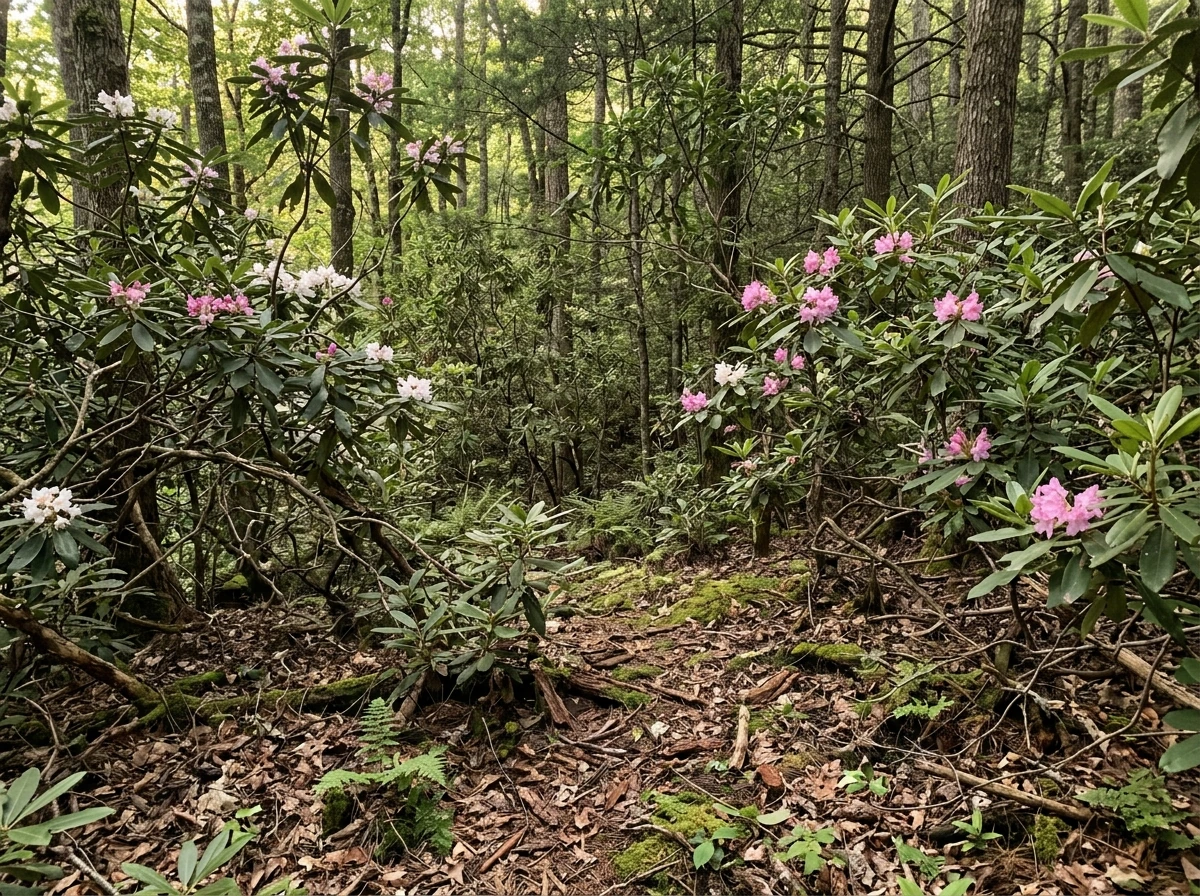
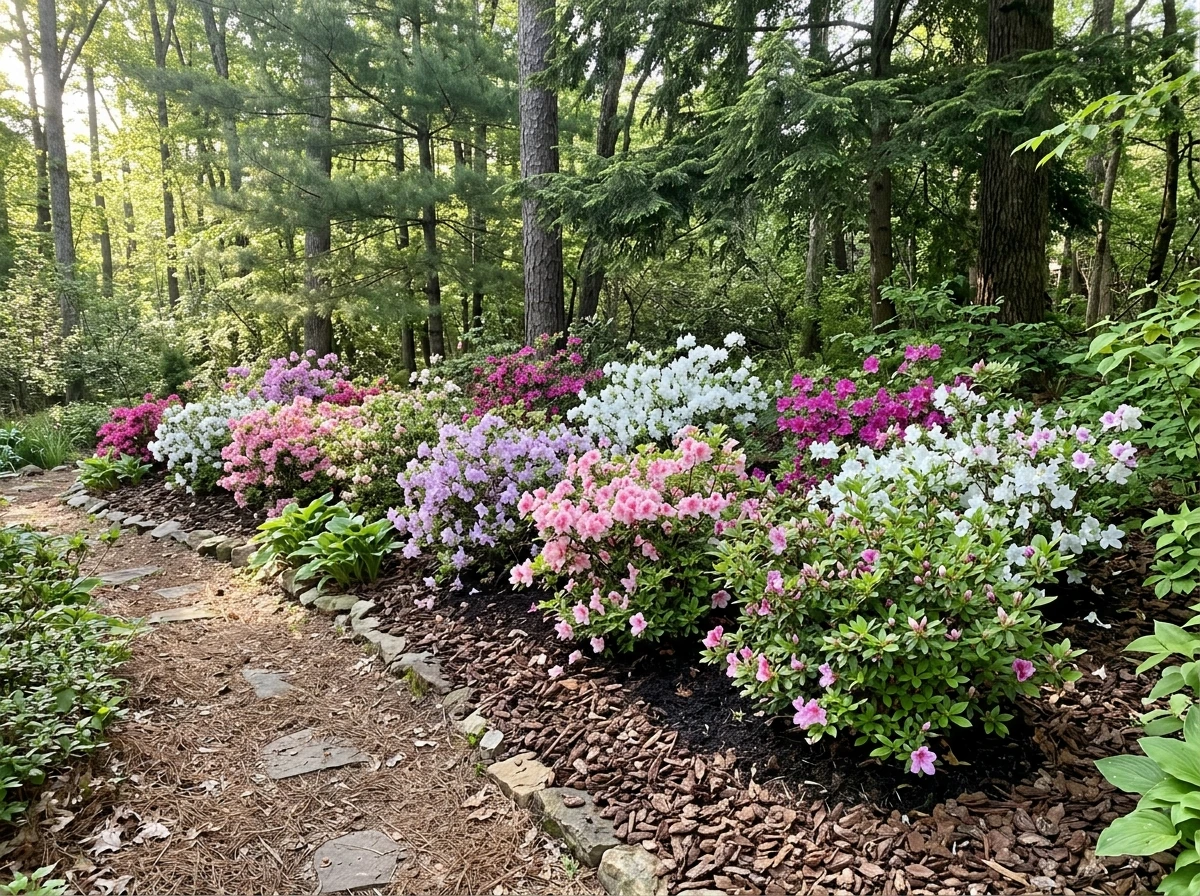
Azaleas are part of the Rhododendron genus, and their native range tells you almost everything you need to know about where they will thrive. Deciduous species are most numerous in the southeastern United States and Japan, with a few isolated species in the western US. In eastern North America, you will find them in habitats defined by highly organic soils, high rainfall, high humidity, and temperate climates. Specific examples include the Oconee azalea (Rhododendron flammeum), native to Georgia and South Carolina, and the smooth azalea (Rhododendron arborescens), which is chiefly Appalachian. The coastal azalea (Rhododendron atlanticum) runs from coastal New Jersey south to Georgia.
What does that history tell you? Azaleas evolved in places that are warm but not brutally hot, reliably moist but not waterlogged, and where the soil is loaded with organic matter and naturally acidic. If your garden shares those traits, you are in good shape. If your climate is the opposite, you are fighting the plant's entire evolutionary background every single season.
The Midwest sits at the edge of azalea territory in a meaningful way. Native populations do extend from the Appalachian foothills into areas near the Ohio River and as far as south-central Missouri, but these are isolated outposts, not thriving colonies. That range edge is a useful signal: gardeners in the Midwest can sometimes grow azaleas, but they need to work harder to replicate the conditions those isolated populations depend on.
Growing zones and whether you can realistically grow azaleas
Most standard azalea cultivars are rated for USDA zones 6 through 9. Kurume azaleas, one of the most popular groups, are generally listed as hardy to zone 6, though some sources extend them to zone 7 depending on the cultivar and microclimate. If you are in zone 6a, you are looking at minimum winter temperatures around -5 to -10°F, which is right at the edge of what many azaleas can handle without cold damage. The Encore series, bred specifically for cold hardiness and repeat blooming, pushes that boundary and is rated to zone 6a with proper mulching. do azaleas grow wild
Here is a plain-language breakdown of azalea feasibility by region. This is based on climate reality, not just the zone number on the tag.
| Region | USDA Zones | Azalea Feasibility | Key Limiting Factor |
|---|---|---|---|
| Southeast (GA, SC, NC, AL, MS) | 7–9 | Excellent | Choose heat-tolerant cultivars; watch drainage |
| Mid-Atlantic (VA, MD, NJ, DE) | 6b–7b | Very good | Protect from late frosts in zone 6b |
| Pacific Northwest (OR, WA coast) | 7–9 | Excellent | Cool, moist climate is nearly ideal |
| Upper South / Transition Zone (TN, KY, northern AR) | 6b–7a | Good with care | Mulch heavily; choose cold-hardy cultivars |
| Midwest (MO, OH, IN, IL) | 5b–6b | Marginal to possible | Winter cold, alkaline soil, low humidity |
| Northeast (NY, PA, MA) | 5b–7a | Possible in zones 6+ | Winter bud damage in zone 5; need shelter |
| Florida (north and central) | 8b–9b | Good for shade-tolerant cultivars | Heat and sandy soil require irrigation |
| Florida (south) | 10a–11 | Limited | Few cultivars recommended; heat is extreme |
| Desert Southwest (AZ, NM, west TX) | 7–11 | Poor to very poor | Alkaline soil, low humidity, extreme heat |
| Mountain West / Northern Plains | 3–5 | Generally not feasible | Too cold; winter kills most cultivars |
If you are in Arizona specifically, the alkaline soils and low humidity create a double problem that goes beyond just zone numbers. There is a full breakdown of that challenge in our article on whether azaleas grow in Arizona, which is worth reading before you invest in plants for that region. For most desert climates, plants like lantana, Texas sage, or desert willow will give you the flowering color azaleas promise without the uphill battle.
The right spot on your property: light, shade, and exposure
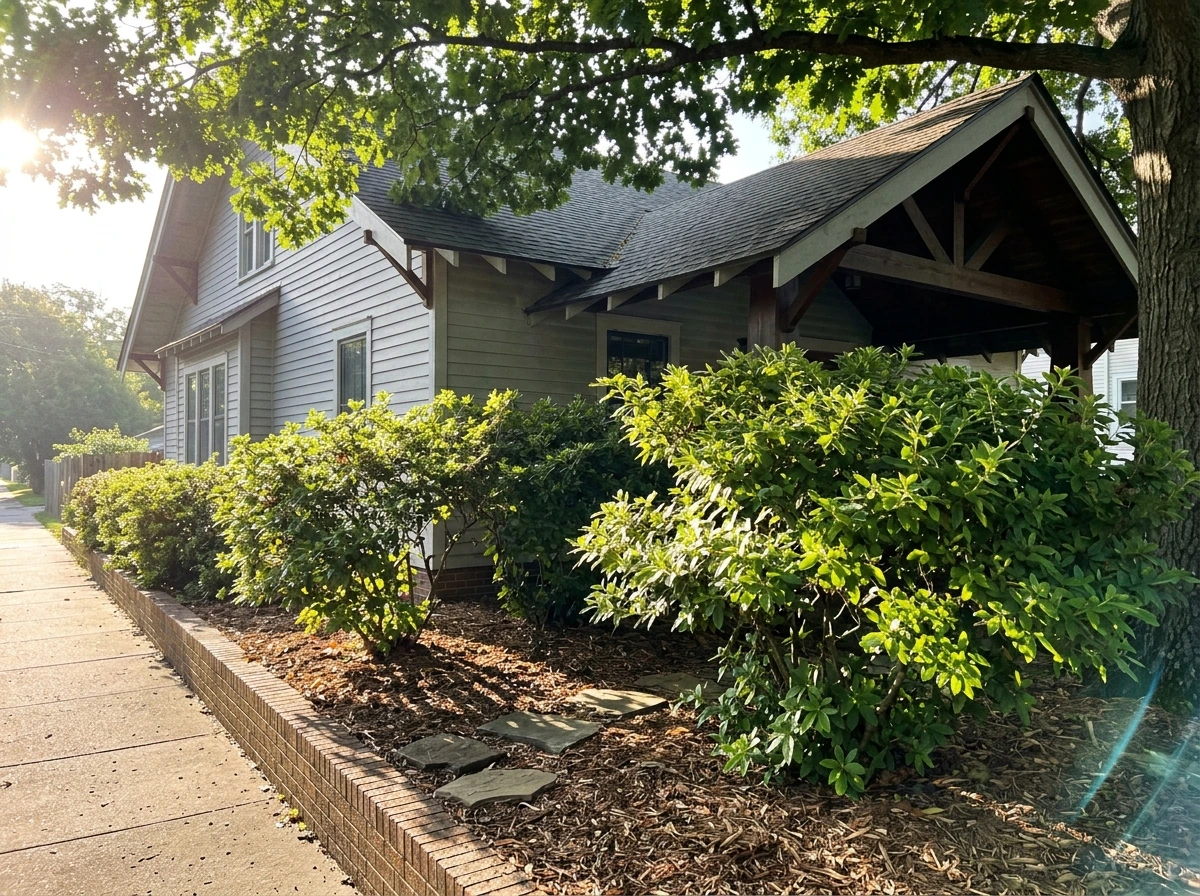
Once you know your region is workable, the single biggest placement decision is sun exposure. That is not a minor preference. Full afternoon sun in most of the US will bleach flower colors, cause leaf scorch, trigger twig dieback, and make plants more vulnerable to lace bug infestations. A south-facing wall in a hot climate is one of the worst spots you can choose.
In Florida, the guidance from extension specialists is to plant under pine trees or strategically spaced hardwoods. That dappled light under a pine canopy mimics the forest understory conditions where azaleas evolved, and it cuts afternoon heat load significantly. In the Pacific Northwest, where summers are cooler and overcast, azaleas can handle more open exposure without stress. Know your climate before assuming what 'partial shade' means in your specific location.
There is also a winter exposure angle that many gardeners overlook. Early morning sun after a hard freeze is damaging for azaleas because it thaws frozen plant tissue too rapidly. Placing azaleas on the north or east side of a building naturally avoids this. Avoid spots that receive direct winter sun from the south or southwest, especially in zones 6 and 7 where freeze events are common.
Wind and shelter matter too
Cold, drying winter winds cause significant damage to azalea buds and foliage. If you are near the edge of the cold-hardiness range, a windbreak from a fence, building, or evergreen hedge can make the difference between a plant that flowers reliably and one that dies back every February. Isolated plants in open yards are the most vulnerable. Grouping azaleas or tucking them into a sheltered corner gives them a better microclimate than the official zone number might suggest.
Site conditions that will make or break your azaleas
Soil pH and organic matter
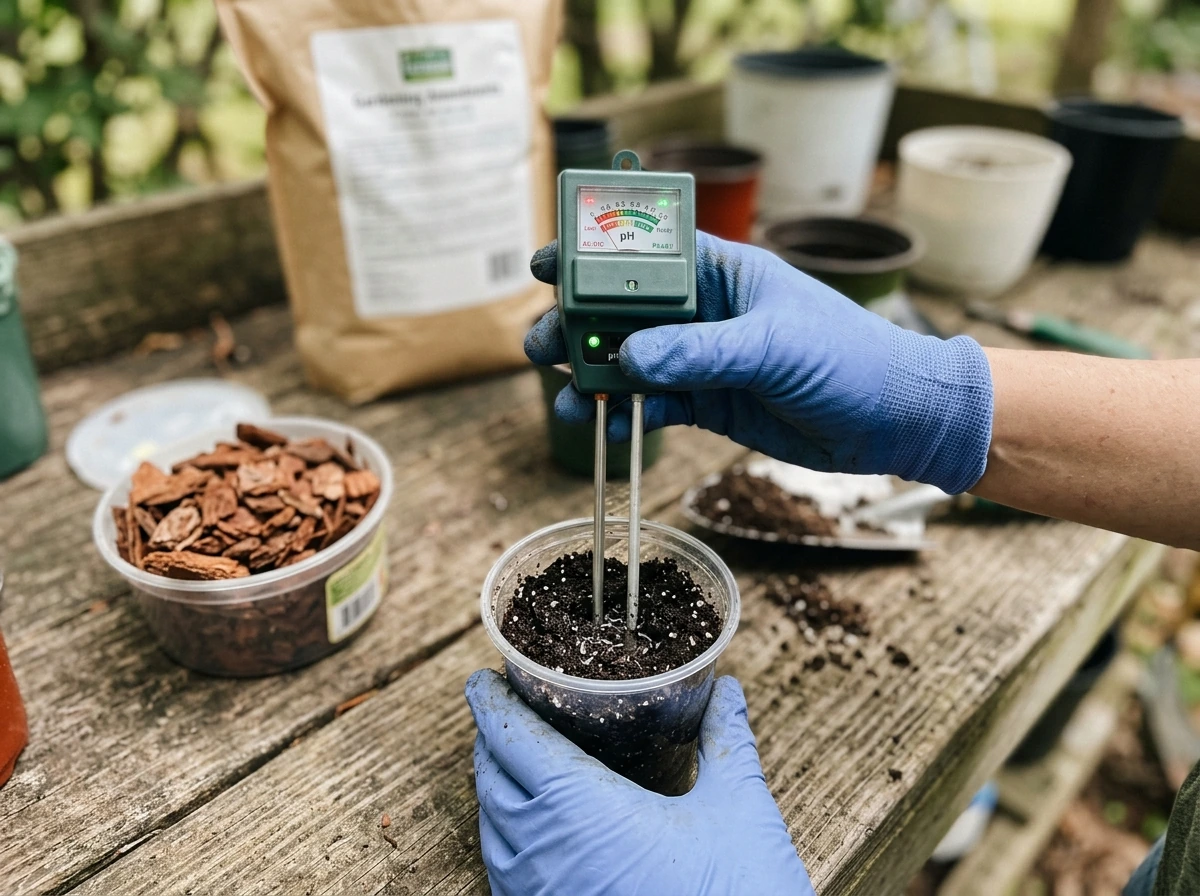
Azaleas need acidic soil, and that is non-negotiable. The ideal pH range is 4.5 to 6.0. At pH 6.5 and above, azaleas start struggling to absorb nutrients even when they are present in the soil, and you will see yellowing foliage and poor growth that fertilizer alone cannot fix. If your native soil is neutral or alkaline, like in many Midwestern and Western states, you are dealing with a foundational incompatibility that requires significant soil amendment to overcome, if it can be overcome at all.
Beyond pH, azaleas want soil that is high in organic matter. The native habitats we talked about earlier are loaded with leaf litter, decaying wood, and forest duff. Replicating that in a garden means working in compost and using organic mulches like pine needles, shredded oak leaves, or wood chips at 2 to 3 inches deep. Pine needles are particularly good because they break down slowly and gently acidify the soil over time.
Drainage: the most overlooked failure point
Planting azaleas in blank" rel="noopener noreferrer">wet, poorly drained soil is one of the most reliable ways to kill them. Iowa State University Extension also explains that wet, poorly drained soils favor infection that leads to Phytophthora root rot, which you can avoid by planting azaleas and rhododendrons in well-drained soil Planting azaleas in wet, poorly drained soil is one of the most reliable ways to kill them.. The roots need oxygen, and waterlogged soil cuts that off, making plants susceptible to root rot diseases. Iowa State Extension puts it bluntly: poorly drained soil usually results in death. If your site stays wet after rain or puddles regularly, you have three options. Improve drainage by building raised beds or berms. Choose a different location on your property. Or choose a different plant entirely.
In clay-heavy soils, the UGA Extension recommendation is to plant with the top of the root ball slightly above the surrounding soil level rather than flush or below. This small adjustment allows water to drain away from the crown rather than pooling around it. It is a detail that makes a real difference in regions with heavy clay.
Moisture: consistent but not excessive
Azaleas have shallow, fibrous root systems that dry out faster than you might expect, especially in sandy soils or during hot weather. In the first year after planting, you may need to water sandy-soil plantings twice a week during warm months. Once established, they need less intervention, but drought stress during summer is a serious problem because it can destroy next year's flower buds as they are forming. Mulch is your best tool for holding soil moisture steady between waterings.
Salt and road proximity
If you are in the northern US where road salt is used in winter, keep azaleas away from streetside locations where salt spray or salt-laden runoff can reach the roots. Salt accumulation in soil causes the same kind of root stress as alkaline pH, and it will ruin a planting over time even if your zone and light conditions are otherwise fine.
How azaleas actually grow and bloom (what this means for placement)
Azalea flowers grow on last year's wood. The plant sets its flower buds during the summer, then those buds sit through the winter and open in spring. This biology has two direct implications for where and how you plant them. First, anything that damages the buds over winter, including hard freezes, rapid temperature swings, or drying wind, will reduce or eliminate flowering the following spring. Second, any stress the plant experienced the prior summer, especially drought, can destroy flower buds before they even form, meaning you get no flowers the next year even though the plant looks healthy.
This is why site conditions and bloom performance are inseparable. A plant sitting in a spot that gets hammered by afternoon heat, drying winds, or irregular moisture is not just surviving poorly. It is losing next year's flowers one stressful week at a time. Choosing the right location from the start is directly choosing where the flowers will be and whether they will show up at all.
For zone 6 gardeners especially, late frosts after a warm early spring are a real risk. If a stretch of warm weather pushes buds out of dormancy early, a hard freeze can destroy that entire bud set. There is nothing you can do after the fact, but planting in a sheltered north or east-facing location naturally delays bud break by a week or two, which sometimes means those buds survive a frost that would wipe out a more exposed planting.
If you want to dig deeper into the specific needs that control azalea performance, If you want to dig deeper into the specific needs that control azalea performance, the companion article on what azaleas need to grow covers the nutrition, pruning timing, and care cycle in more detail. covers the nutrition, pruning timing, and care cycle in more detail. what do azaleas need to grow
Choosing your spot and deciding what to do next
Here is how to turn everything above into a practical decision for your specific yard.
- Find your USDA hardiness zone. Go to the USDA Plant Hardiness Zone Map website and enter your zip code. Zones 6 through 9 are your target range. Zone 5 and below means standard azaleas will struggle and cold-hardy cultivars are your only realistic option.
- Check your soil pH. A basic soil test from your local cooperative extension office, usually under $20, will tell you your pH and whether amendment is practical. If your native soil is above pH 6.5, you need to either amend aggressively, plant in raised beds, or reconsider azaleas.
- Evaluate your drainage. After the next rain, check whether water pools in the area you are considering. If it sits for more than an hour, drainage is a problem you need to solve before planting.
- Pick an exposure that favors morning sun. Walk your yard in the morning and afternoon. The east side of your house, under a deciduous tree canopy, or in the filtered light of a pine grove are ideal starting points. Avoid south and west walls, especially in zones 7 and warmer.
- Consider your wind exposure. In zones 6 and 7, look for a spot that has some natural shelter from prevailing northwest winter winds. A building wall, fence, or evergreen screen counts.
- Choose cultivars matched to your zone. In zone 6 to 6b, prioritize cold-hardy cultivars like the Encore series or PJM hybrids. In zone 9 and warmer, look for heat-tolerant varieties bred for the South. Ask your local nursery what is actually overwintering well in your area, not just what is on the tag.
- If your conditions do not fit, pivot early. If your soil is alkaline, your summers are brutal, or you are in zone 5 or below, consider alternatives with a similar look: mountain laurel (Kalmia latifolia) tolerates colder zones and similar soil conditions, and native deciduous azalea relatives can sometimes handle more marginal conditions than their evergreen counterparts.
One last thing worth saying directly: the most common reason azaleas fail in home landscapes is not a mystery pest or disease. One last thing worth saying directly: the most common reason azaleas fail in home landscapes is not a mystery pest or disease. It is Wrong location. Wrong sun. Wrong soil drainage. Wrong zone. Getting those three factors right before you buy a plant is the entire game. If you match the site to the plant's actual requirements, azaleas are genuinely low-maintenance once established and they reward you with one of the most spectacular spring flowering displays of any shrub you can grow.
FAQ
Can I grow azaleas in full sun if I keep them well-watered?
Usually no. Even with extra irrigation, full afternoon sun in many regions bleaches flowers and can scorch leaves and buds, which reduces next year’s blooms. If your yard only offers bright exposure, choose a spot with protection from late-day sun (like a wall casting shade) and use a thick organic mulch to moderate heat at the root zone.
What if my azalea is in a good zone but still won’t bloom?
Check winter and prior-summer stress first, since azalea flowers form on last year’s wood and buds can be lost before you see any problems. Look for sites that get winter sun spikes after freezing, drying winds, or a prior-season drought signal (leaf drop, drooping, or early yellowing). These conditions can create a “healthy plant, no flowers” outcome even when the shrub survives.
How do I know if my soil pH is suitable before I plant?
Use a real soil test (not a home strip) and test before amending. Azaleas do best around pH 4.5 to 6.0, and at about pH 6.5 they often struggle to take up nutrients. If you’re neutral to alkaline, confirm how much amendment you’ll actually need and plan for ongoing adjustments, because one-time changes rarely hold long in many landscapes.
If my yard stays wet, is raised-bed planting enough to save azaleas?
It can be, but only if the root zone stays oxygenated during wet periods. Raised beds or berms help, but also verify you can prevent constant saturation right at planting depth. If water puddles or the area remains spongy for days after rain, it’s better to relocate than to try to “drain it later.”
Should I plant azaleas flush with the ground or above it in clay soil?
In clay-heavy areas, planting with the top of the root ball slightly above surrounding grade is safer than placing it flush or below. That small elevation helps keep the crown from pooling water, which lowers root-rot risk. If you’re unsure, mound up slightly rather than trying to bury the plant deeper to “set it firmly.”
How much winter sun is too much for azaleas in zones 6 to 7?
The issue is direct sun after freezing, not just “having sun.” Spots that get south or southwest winter rays can thaw buds and stems rapidly, then refreeze later, damaging flower tissue. North or east exposures typically stay colder longer and delay thawing, which can protect next spring’s buds.
Do azaleas need more water once they’re established?
They still need consistent moisture, but the urgency depends on soil type and summer conditions. Because roots are shallow and fibrous, sandy soils may require more frequent watering even after establishment. If summer drought hits during bud formation, you can lose next year’s flowers, so focus on keeping moisture steady during hot months rather than only watering lightly or sporadically.
Is pine bark or pine needles always the best mulch for azaleas?
Pine needles are excellent for slow, gentle acidification and moisture buffering, but any well-chosen organic mulch can work if it’s applied correctly. Keep mulch 2 to 3 inches deep, avoid piling it against the trunk, and refresh it as it breaks down. If your mulch source is very alkaline (some composts can be), it may offset your efforts to keep pH in range.
What’s the best spacing and grouping approach for edge-zone gardeners?
Group plants or tuck them into sheltered corners to improve microclimate, especially where cold-hardiness is borderline or winds are strong. Spacing should still allow airflow, so buds and leaves dry reasonably after rain. The goal is reduced wind exposure and more stable temperatures, not crowding that stays wet for long periods.
Can I use fertilizer to fix poor growth if my soil is alkaline?
Fertilizer won’t fix the core problem when pH is too high, because azaleas may not absorb nutrients effectively. If your soil tests above the ideal range, prioritize pH correction and ongoing management (and consider major amendments or relocation). Treat fertilizer as support, not as a substitute for suitable soil chemistry.
How far from a road salt area should azaleas be?
As a practical rule, avoid placing them where salt-laden runoff or spray can reach the root zone, not just where the street is visible. If you can see that water from plowed snow or treated roads flows toward the planting bed, that’s a red flag. Move the planting farther uphill or choose a different plant if the salt exposure is unavoidable.
What’s the single most common placement mistake that kills azaleas?
Putting them in the “right zone” but the wrong site conditions, especially wrong sun and wrong drainage. Even a healthy-looking shrub can decline quickly if roots stay oxygen-starved or if buds are repeatedly stressed by heat, wind, or freeze-thaw cycles. Always verify drainage, pH, and exposure before buying.