
Trailing azaleas grow best in USDA Zones 7 through 9, across the Southeast, Mid-Atlantic, Pacific Northwest coast, and parts of coastal California. If you're in the Deep South, the Carolinas, Virginia, or west of the Cascades in Oregon and Washington, you're in prime territory. Go colder than Zone 7 and the most common type (the evergreen Satsuki/indica-style azalea) starts struggling to survive winter. Go hotter and drier than Zone 9 and the summer heat becomes the enemy. That's the quick regional map, but the fuller picture matters if you want to actually succeed with these plants.
Where Do Trailing Azaleas Grow Ideal Regions and Zones
Marcus Hartwell
30 Apr 2026
First, which 'trailing azalea' are you actually talking about?
This is worth sorting out upfront because the name 'trailing azalea' gets applied to two very different plants in commerce and casual gardening conversation, and they have almost nothing in common in terms of where they grow.
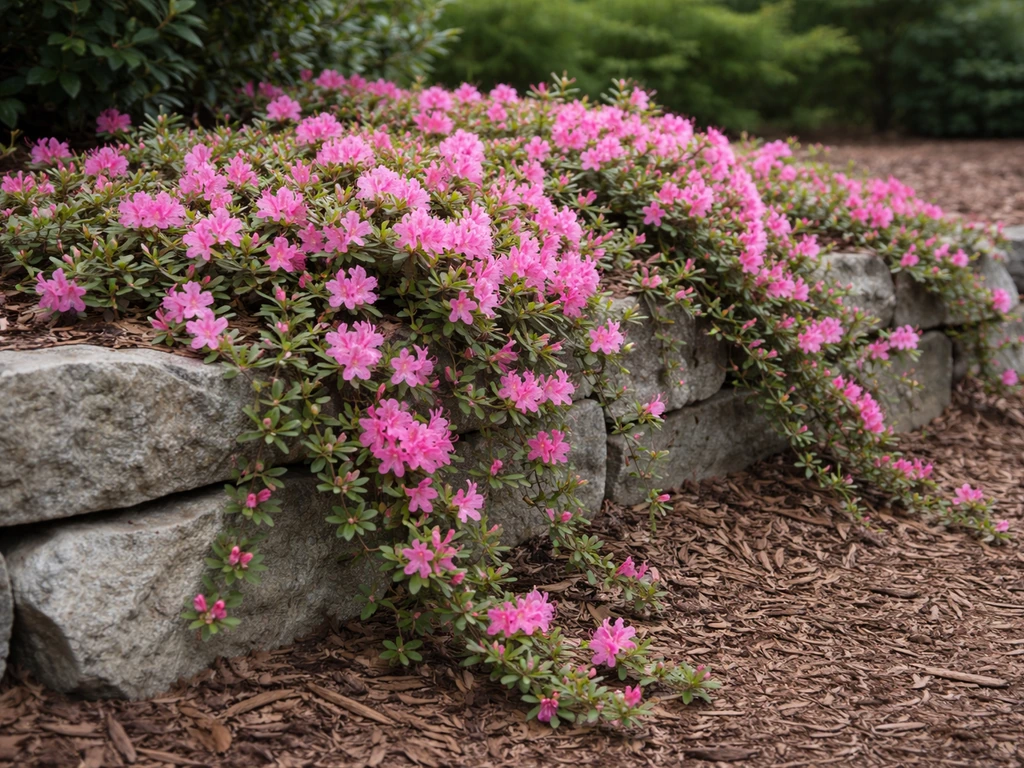
The one most homeowners mean when they search this is an evergreen, low-growing or cascading azalea in the Satsuki or Southern Indica style. These are cultivars derived from Rhododendron indicum and related evergreen species in the Tsutsusi section of the Rhododendron genus. They're sold under names like 'Satsuki azalea,' 'spreading azalea,' or 'trailing azalea' at nurseries, and they're the compact, ground-hugging types you see planted along walkways or draping over retaining walls in Southern landscapes. This is the type this article focuses on, since it's what most homeowners are planning to plant.
The other plant sometimes called trailing azalea is Kalmia procumbens, also known as alpine azalea or creeping azalea. If you mean the evergreen trailing azalea people plant in southern landscapes, it typically does not grow wild in the way alpine creeping azalea can. It's a completely different plant, a mat-forming arctic-alpine shrub that grows natively in high-latitude and high-elevation regions of the Northern Hemisphere. In North America, its natural range dips as far south as the mountain peaks of Maine, New Hampshire, New York, and Washington state. It's a plant for alpine rock gardens and cold northern climates, not a typical landscape choice for most homeowners.
Where trailing azaleas come from originally
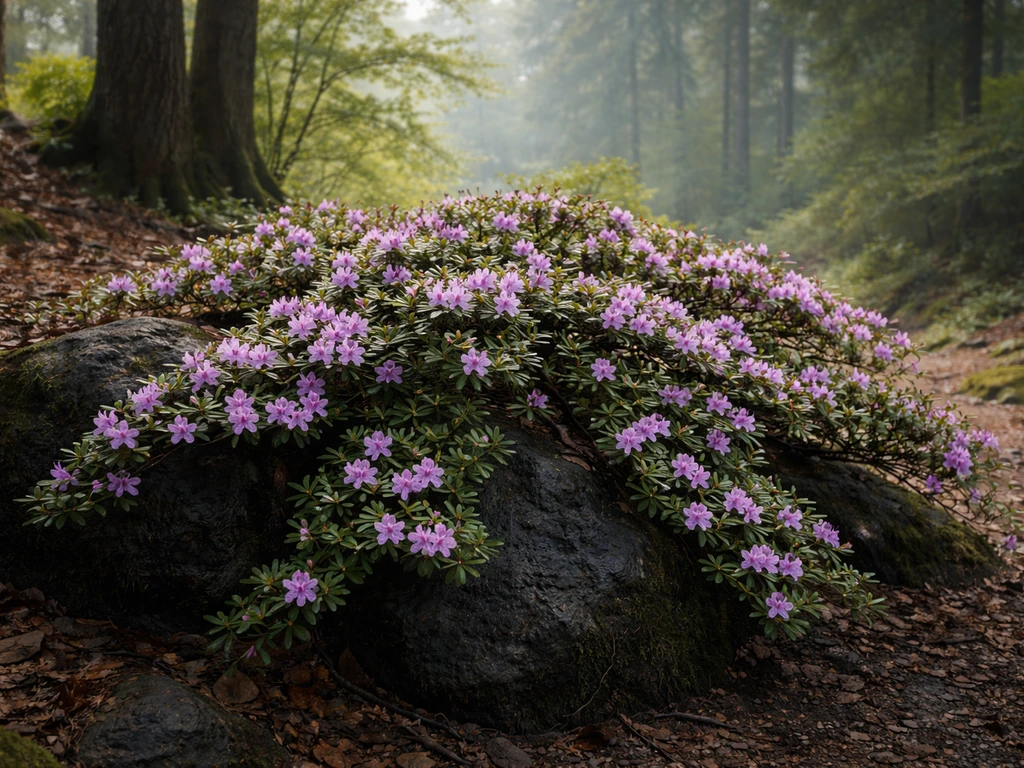
Rhododendron indicum, the species at the heart of the Satsuki/indica evergreen azalea group, is native to Japan: specifically to southern and western Honshu, Shikoku, Kyushu, and Yakushima. blank" rel="noopener noreferrer">All evergreen azalea species are native to Japan and were introduced through Asia centuries ago, according to the Azalea Society of America. In those regions, it grows in mountain valleys and along stream banks, usually in moist, acidic, well-drained soils with filtered light. That describes the harsh environment that trailing azaleas try to avoid, especially droughty heat and long periods of stress moist, acidic, well-drained soils. That native habitat tells you a lot about what the plant wants: consistent moisture, good drainage (not waterlogged), acidic conditions, and protection from prolonged harsh sun. It is not a plant built for drought, alkaline soils, or extreme continental winters.
Japanese breeders spent centuries selecting and refining Satsuki azaleas, which is why the cultivar group now covers an enormous range of flower colors and forms. Western horticulture picked them up from there, and today's 'trailing' or low-spreading evergreen azaleas grown in American gardens are direct descendants of that Japanese breeding tradition, just selected for the compact, spreading growth habit that makes them useful as groundcovers or edging plants.
The hardiness zone reality: where they reliably survive winter
Rhododendron indicum and most Satsuki-type evergreen azaleas are cold hardy to about 0°F (-18°C), which puts them comfortably in USDA Zones 7 through 9. Missouri Botanical Garden specifically notes that Rhododendron indicum is not reliably winter hardy in Zone 6, and that lines up with what you see on the ground: these plants struggle in the colder Midwest, the upper Mid-Atlantic, and anywhere that sees consistent deep freezes below 0°F.
Zone 7 covers a wide swath of the country including most of Virginia, North Carolina, Tennessee, Arkansas, northern Texas, much of the Pacific Northwest coast, and parts of northern Georgia and Alabama. Zone 8 and 9 extend deeper into the South, the Gulf Coast states, coastal California, and western Oregon and Washington. These are the sweet spots for trailing evergreen azaleas in American landscapes. If you want a practical answer for your location, focus first on USDA zones, then match your sun, soil pH, and moisture to the sites where azaleas naturally do well sweet spots for trailing evergreen azaleas in American landscapes.
| USDA Zone | Winter Low (°F) | Trailing Azalea Fit | Example Regions |
|---|---|---|---|
| Zone 5-6 | Below -10°F to -10°F to 0°F | Poor to unreliable | Upper Midwest, New England, northern plains |
| Zone 7 | 0°F to 10°F | Good with siting care | Virginia, N. Carolina, Tennessee, Pacific NW coast |
| Zone 8 | 10°F to 20°F | Excellent | Georgia, Alabama, Gulf Coast, coastal Pacific NW |
| Zone 9 | 20°F to 30°F | Excellent to good | S. Texas, Florida, coastal California, Louisiana |
| Zone 10+ | Above 30°F | Often too hot/dry | South Florida, Phoenix, desert Southwest |
One nuance worth knowing: even within Zone 7, how a hard freeze arrives matters. Clemson Extension points out that early morning sun hitting frozen foliage after a hard freeze can cause cold injury, even when the plant is technically zone-hardy. If you're planting in Zone 7, avoid east-facing spots where winter sun hits the plant first thing in the morning after a freeze. A north or west-facing bed with protection from drying winter winds is often safer.
Sun, soil, and moisture: the non-negotiables
Light
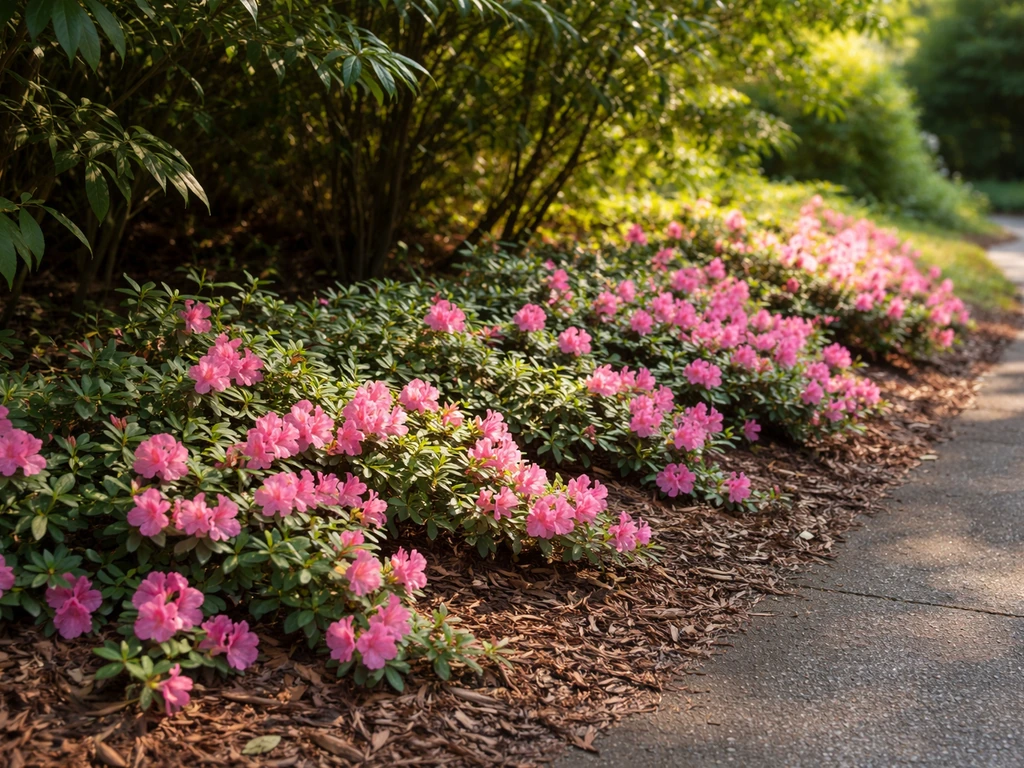
Trailing azaleas want part shade, and that's not optional in warmer climates. The ideal setup is morning sun and afternoon shade. University of Georgia Extension specifically warns against planting near unshaded sidewalks, driveways, or west-facing walls because the radiant heat in summer causes serious moisture stress. Hot, full sun all day combined with drying winds is one of the most reliable ways to kill an azalea, regardless of zone. Deep shade is also a problem, it weakens growth and cuts flowering drastically. Dappled light under tall trees is often the perfect middle ground.
Soil pH and type
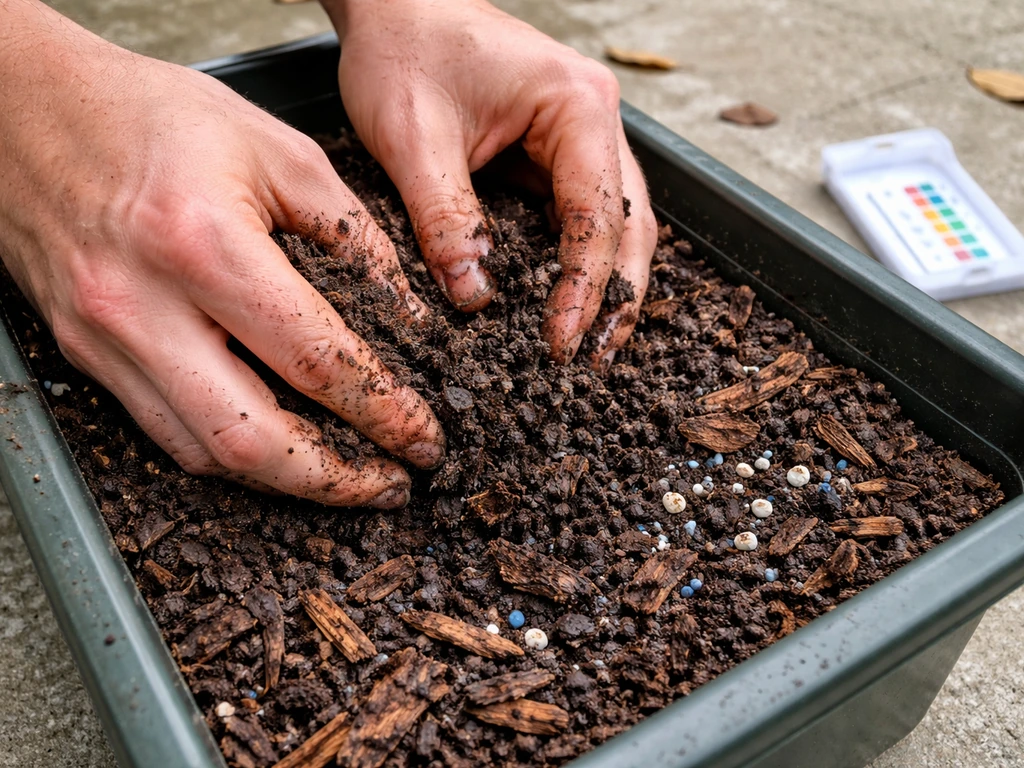
Azaleas need acidic soil, and this is the requirement that eliminates more would-be growing locations than cold hardiness does. The target pH is 4.5 to 6.0. Clemson Extension and the Azalea Society of America both point to this range, and going above it causes real problems. At pH 7.5 or higher, iron becomes chemically unavailable to the plant, and you start seeing iron chlorosis: yellowing leaves while veins stay green, progressively weaker growth, and eventual decline. OSU Extension is blunt about this: if your soil is above pH 7.5, stop trying to grow azaleas there and choose something else.
Beyond pH, drainage is critical. Beyond pH, drainage is critical, and understanding what do azaleas need to grow helps you set up the right planting site from the start. Azaleas have shallow, fibrous root systems that need oxygen. If you’re wondering how to grow magnolias too, pay close attention to their sunlight, soil pH, and drainage needs just like you would for azaleas magnolia how to grow. Clay-heavy soils that hold water after rain are a serious mismatch. The Azalea Society of America recommends working in up to about 50% organic matter in heavy soils to improve drainage and aeration, but avoid amendments containing lime or highly alkaline materials. Mulching with wood chips, bark, or pine needles helps retain moisture and keeps soil temperatures stable, which suits those shallow roots.
Moisture
These plants want consistently moist soil, but not wet soil. If you’re asking “why won’t my azaleas grow,” it’s usually a mismatch with one of these basics, like light, soil pH, or drainage why won't my azaleas grow. There's an important difference. Waterlogged conditions invite Phytophthora crown rot, a water mold that thrives in poorly drained or overly wet sites. Clemson Extension describes this as one of the main disease killers of azaleas in landscape settings. If your planting spot stays soggy after rain, you'll almost certainly lose plants to root and crown rot within a few seasons. On the flip side, drought stress during summer is equally damaging, which is why consistent moisture with good drainage is the non-negotiable combination.
Where trailing azaleas struggle: a regional breakdown
Knowing where these plants fail is as useful as knowing where they thrive, especially if you're in a borderline region. If you want to compare other heat-tolerant gardening efforts in the same region, can you grow basil in phoenix is a useful adjacent question. If you are wondering do azaleas grow in Arizona, the key is whether your site can mimic their preferred cool winters, acidic soil, and reliable moisture without heat stress.
- Upper Midwest and Great Plains (Zones 4-6): Too cold. Rhododendron indicum isn't reliably hardy below 0°F, and these regions regularly see colder winters. On top of that, many Midwestern soils run pH 6.5 to 7.5, well above the acidic range azaleas need. Iowa State Extension flags this soil pH disconnect as the primary reason azaleas and rhododendrons underperform across much of Iowa and similar states.
- Desert Southwest (Zones 9b-10 in AZ, NV, NM): Too hot, too dry, and usually too alkaline. Phoenix and similar cities combine scorching summer sun, very low humidity, and highly alkaline soils, which is the opposite of what trailing azaleas need on every front.
- Florida (Zone 10+, especially South Florida): Heat stress and humidity disease pressure. Some azalea types do grow in northern Florida, but deep South Florida gets too consistently hot with minimal winter chill, which disrupts the flowering cycle.
- Inland California and the Central Valley: Hot, dry summers with alkaline soils common in many areas. Coastal California is a much better fit than the inland valleys.
- Exposed, windy sites anywhere: Drying winds stress azaleas even in otherwise suitable zones. Wind exposure in winter combined with freeze-thaw cycles can cause significant foliage and stem damage.
How to check if trailing azaleas will grow in your yard right now
Don't buy plants until you've answered three quick questions about your specific yard. You can do all of this today.
- Check your USDA hardiness zone: Go to the USDA Plant Hardiness Zone Map (search 'USDA zone map' and enter your zip code). The map assigns zones based on the average annual extreme minimum winter temperature. If you're in Zone 7 or warmer, you're in range. Zone 6 is marginal. Zone 5 and colder, look at alternatives.
- Test your soil pH: This is the step most people skip and then regret. Contact your local county Cooperative Extension office (every county in the U.S. has one) and ask about soil testing. The Azalea Society of America specifically recommends this route, and tests are often low-cost or free. If your pH comes back above 6.5, you'll need to amend heavily. Above 7.5, seriously consider a different plant.
- Assess drainage honestly: Dig a hole about 12 inches deep, fill it with water, and watch. If it's still holding water several hours later, drainage is poor and azaleas will struggle without significant raised-bed work.
- Look at your light: Walk your planting area at different times of day. Aim for morning sun and afternoon shade. If the spot bakes in full western sun all afternoon, either choose a different location or pick a more sun-tolerant plant.
- Visit local nurseries: If you see trailing or spreading azaleas on the sales floor at your local independent nursery (not a big-box garden center that ships nationally), that's a strong signal the plant is considered viable in your area. Ask the staff which cultivars they recommend for your specific zone.
Good alternatives when trailing azaleas aren't the right fit
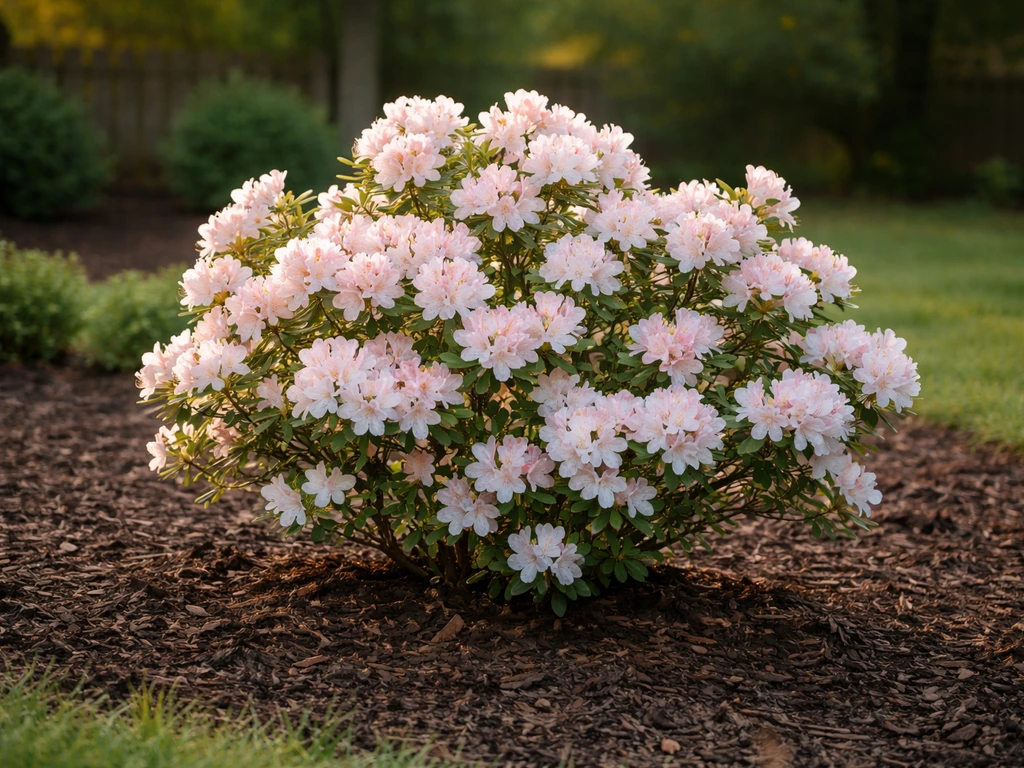
If your zone, soil, or conditions don't line up, there are solid alternatives depending on what's holding you back.
| Problem | Alternative Plant | Why It Works |
|---|---|---|
| Too cold (Zone 6 and colder) | Northern Lights azalea series, cold-hardy deciduous azaleas (Rhododendron x) | Bred specifically for Zones 4-6 with documented cold hardiness |
| Too cold (Zone 5) | PJM rhododendron, Encore azalea series (cold-tolerant cultivars) | Hardy to Zone 4b-5; PJM handles cold and some alkalinity better |
| Alkaline soil above pH 7.5 | Potentilla, Spirea, native viburnums | Perform well in neutral to alkaline soils without pH manipulation |
| Hot, dry desert zones | Lantana, Texas sage (Leucophyllum), desert willow | Heat and drought tolerant; native or adapted to alkaline desert soils |
| Poor drainage/wet sites | Itea virginica (Virginia sweetspire), swamp rose (Rosa palustris) | Tolerates wet conditions that would kill azaleas from crown rot |
If you're in Zone 6 and determined to try azaleas, look into cold-hardy deciduous azalea cultivars or the Northern Lights series developed by the University of Minnesota, which can handle winters down to Zone 4. They won't give you the evergreen trailing habit, but they deliver comparable flower impact in climates where Satsuki-types simply won't survive.
For readers in borderline regions who are also exploring other broad-leaved evergreen shrubs, camellias and gardenias face similar zone and soil constraints and are worth comparing side by side before you commit to a purchase. Getting the zone and soil pH questions answered first is the same starting point for all of them, and it will save you a lot of money and frustration before you ever set foot in a nursery.
FAQ
How do I make sure the “trailing azalea” I’m buying matches the zone information?
Trailing evergreen azaleas (Satsuki or Southern Indica types) are usually sold as landscape groundcover plants, but they are not the same thing as alpine creeping azalea (Kalmia procumbens). If you are buying plants labeled “trailing azalea,” confirm the genus name on the tag, or look for Satsuki Southern Indica style evergreen descriptions, otherwise your region guidance may not apply.
My yard is Zone 7, so why do trailing azaleas still die there?
Even if your USDA zone falls in 7 to 9, the first failure is often an exposure problem rather than cold hardiness. Avoid east-facing beds that get morning sun right after a hard freeze, and also avoid planting right against surfaces that bake and radiate heat (driveways, unshaded sidewalks, west-facing walls).
Can I grow trailing azaleas if my soil pH is slightly too high?
If your soil test shows pH above 7.5, do not rely on iron supplements as a long-term fix. At that pH, iron becomes chemically unavailable, so the practical move is to switch plants or amend your planting approach (for example, build an acidic, well-drained planting bed) rather than expecting the azalea to “green up” and thrive.
Where should trailing azaleas be planted if I only have containers or raised beds?
For container plants or raised beds, you can use a quicker “target fit” approach: use an acidic, well-draining mix and keep the root zone consistently moist but never waterlogged. Because the roots are shallow and fibrous, containers dry out faster than in-ground beds, so you will need more frequent checks in summer heat.
How can I tell if my location drains well enough for trailing azaleas?
Azaleas struggle when the root zone stays soggy after rain because crown and root rot can develop. A good rule of thumb is to test drainage by observing how quickly the area dries after a heavy watering, if water persists and soil stays cool and wet for days, that site is higher risk than a slightly drier but well-drained bed.
What’s the best way to handle trailing azalea watering in hot summers without causing rot?
If your yard is dry but you are within Zone 7 to 9, don’t just add more water during the hottest weeks. The key is maintaining even moisture while ensuring airflow and drainage, so use mulch correctly (wood chips, bark, or pine needles) and avoid piling mulch against the crown where it can trap moisture.
Will trailing azaleas grow in heavy shade if I’m in a warm zone?
Deep shade usually reduces flowering and weakens plants, so don’t treat “low light” as the same thing as “part shade.” Aim for morning sun plus afternoon shade (or dappled light under taller trees), because that setup balances photosynthesis with protection from harsh, drying afternoon conditions.
I’m on the edge of the recommended zones, what should I check first?
Soil acidity and drainage often matter more than small zone differences. If you are between Zone 6 and Zone 7, do not base your decision on zone alone, measure soil pH and assess winter exposure, because even zone-hardy plants can be injured by freeze timing and site heat retention.
How do I distinguish iron chlorosis from other causes when trailing azaleas turn yellow?
A symptom often mistaken for “winter damage” is iron chlorosis, where leaves yellow but veins remain greener because iron is not available in alkaline conditions. If yellowing appears during the growing season and pH is high, treat it as a soil chemistry problem first, not a light problem.