Quick answer: can azaleas grow in Arizona?
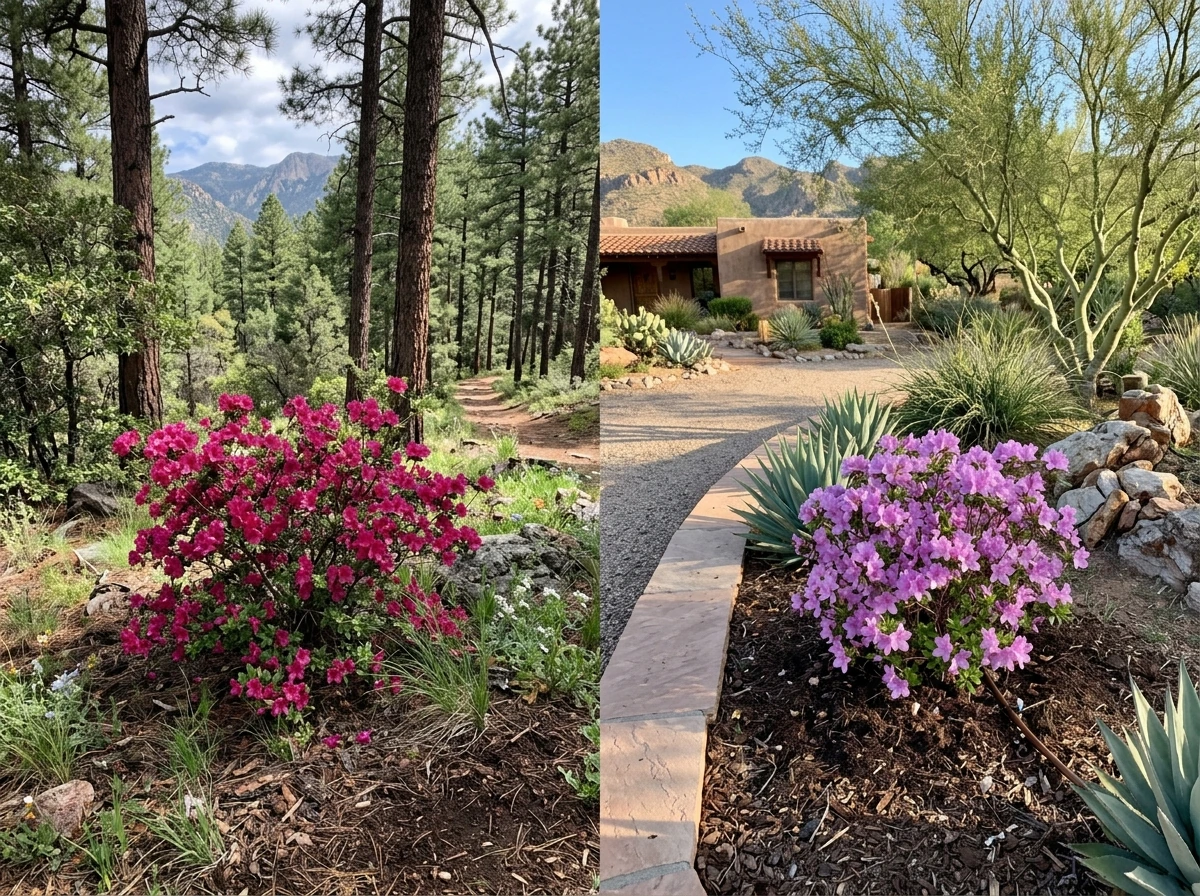
Yes, azaleas can grow in Arizona, but not everywhere and not without some deliberate effort. Whether they work for you depends almost entirely on where in Arizona you live. Gardeners in higher-elevation areas like Flagstaff have a genuinely good shot at growing azaleas. Down in the desert metros like Phoenix and Tucson, the odds shrink fast because of intense summer heat, alkaline soils, and low humidity. Can you grow basil in Phoenix? If you are growing magnolias instead, you will want to match your variety to your local sun, soil, and watering needs for the best results. The short version: high elevation equals more realistic; low desert equals an uphill battle that most gardeners eventually lose.
Arizona conditions that make azaleas succeed or fail
Azaleas are picky plants. They need well-drained, acidic soil in the pH range of about 4. If you are wondering what do azaleas need to grow, start with soil pH, filtered or morning-only light, and consistent moisture without waterlogging. 5 to 6.0, filtered or morning-only sun, consistent moisture without waterlogging, and reasonable summer temperatures. Arizona throws a lot of curveballs at every one of those requirements.
The biggest issue across most of Arizona is soil pH. Arizona soils tend to be naturally alkaline, sometimes well above pH 7. 0. The biggest issue across most of Arizona is soil pH.
Arizona soils tend to be naturally alkaline, sometimes well above pH 7. 0. When the pH climbs that high, iron becomes chemically unavailable to the plant even if it is physically present in the soil. The result is iron chlorosis: the youngest leaves turn yellow while the veins stay green.
It looks like a nutrient deficiency, and in a functional sense it is, but the real cause is pH. Amending soil down to the 5. 0 to 6. 0 range azaleas need is doable, but it requires ongoing effort and soil testing, not a one-time fix.
Summer heat and low humidity are the second major problem. Azaleas, especially evergreen types, lose moisture through their leaves faster than their roots can replace it when temperatures soar and the air is bone dry. Afternoon sun in the Sonoran Desert is brutal, and even a partially shaded spot can still see ground temperatures that stress azalea roots. Drought stress compounds everything, making plants more vulnerable to root rot and pest pressure at the same time.
Drainage is the third factor, and it cuts both ways in Arizona. Desert soils can be compacted and caliche-heavy, meaning water pools above an impermeable layer instead of draining through. Azaleas have fine, shallow root systems that suffocate and rot quickly in waterlogged conditions. Even if your soil drains on the surface, a caliche layer a foot down can create a hidden bathtub effect that kills azaleas within a season or two.
On the positive side, Arizona's higher elevations offer real advantages. Cooler summers, more humidity during the monsoon season, better chances of natural soil acidity, and genuine winter chill all work in azaleas' favor. Flagstaff in particular sits at around 7,000 feet, which completely changes the game compared to the Valley of the Sun.
USDA zones and elevation: where in Arizona azaleas work
Arizona spans an unusually wide range of USDA hardiness zones, roughly from Zone 5b up to Zone 10a depending on elevation and location. That spread matters enormously for azaleas because different cultivar groups have very different zone requirements.
| Arizona Region | Approx. USDA Zone | Azalea Feasibility |
|---|
| Flagstaff and White Mountains (6,000–8,000+ ft) | 5b–6b | Best chance in Arizona; cold-hardy deciduous and reblooming types work well |
| Prescott and higher Rim country (4,500–6,000 ft) | 6b–7b | Viable with right cultivar selection and soil amendment |
| Tucson metro (2,400 ft) | 8b–9a | Difficult; possible in heavy shade with aggressive soil management |
| Phoenix metro (1,000–1,200 ft) | 9b–10a | Very difficult; high heat and alkaline soils make sustained success rare |
Flagstaff sits mostly in Zone 6a with some pockets of 5b, which aligns well with many cold-hardy azalea cultivars. If you garden at elevation in northern Arizona, you are working with a climate that has more in common with parts of the Pacific Northwest or the upper South than it does with Phoenix. That is a genuinely different situation, and gardeners there should not assume the blanket 'azaleas don't grow in Arizona' advice applies to them.
In the desert metro areas, the challenge is not so much cold hardiness as it is summer survival, soil chemistry, and humidity. Even Zone 9 azalea cultivars that technically tolerate warm winters struggle when they face 110-degree days and alkaline, poorly draining desert soil at the same time.
Which azalea types to choose for Arizona
Not all azaleas are created equal, and in Arizona, cultivar choice is one of the most important decisions you will make. Here is how the main groups break down for Arizona conditions.
Northern Lights series (deciduous, cold-hardy)
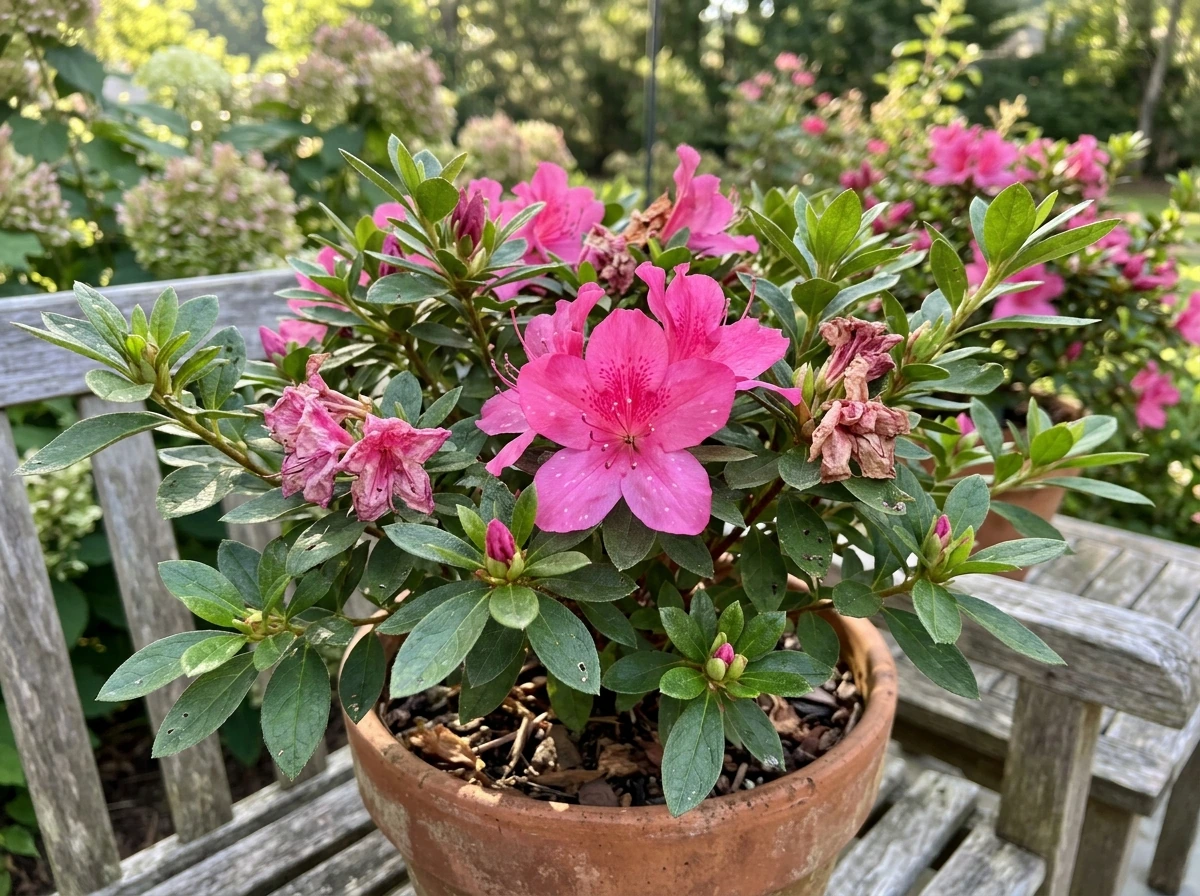
For high-elevation Arizona in Zones 5b through 7, the Northern Lights series developed by the University of Minnesota is the most reliable option for answering do azaleas grow wild do azaleas grow wild. blank" rel="noopener noreferrer">These deciduous hybrids were specifically bred for bud hardiness in brutal winters, with documented cold tolerance down to Zone 3 or 4 depending on the cultivar. Because they drop their leaves in winter, they are also less vulnerable to the desiccation issues that kill evergreen azaleas in dry climates. If you are in Flagstaff or the White Mountains, start here.
Encore azaleas (reblooming, heat-tolerant)
Encore azaleas are a reblooming line marketed with documented hardiness claims of roughly Zone 6a through 10b depending on the cultivar. That range overlaps with parts of central and southern Arizona. Some Encore cultivars have performed better than expected in borderline climates, which has made them popular for gardeners in Prescott or higher-elevation Tucson neighborhoods. They still need acidic, well-drained soil and afternoon shade, but they handle heat somewhat better than traditional evergreen azaleas. If you are in a Zone 7 to 9 part of Arizona, Encore cultivars are worth looking into as your best realistic option among evergreen types.
Traditional evergreen azaleas (Southern indica types, etc.)
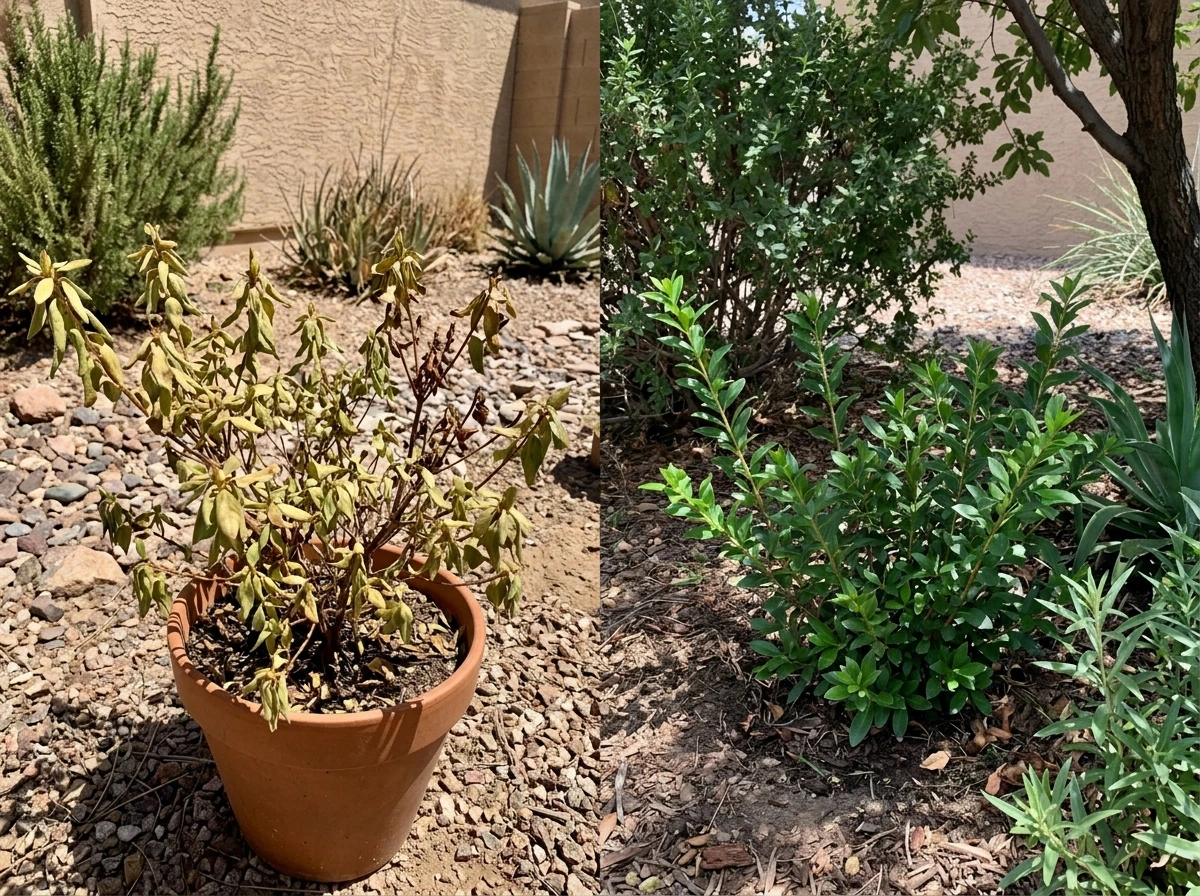
Standard evergreen azaleas common in garden centers are usually bred for the humid Southeast. They are generally a poor fit for most of Arizona. The combination of alkaline soils, low humidity, intense afternoon sun, and dry winters creates exactly the conditions that cause these plants to fail through chlorosis, leaf scorch, and root problems. You might get one or two seasons out of them in a heavily amended, well-shaded spot, but sustained success is unlikely in all but the most favored microclimates.
Native deciduous azaleas
Native species like Rhododendron austrinum (Florida Flame Azalea), which is typically listed as hardy in Zones 7a through 9b, can sometimes work in Arizona microclimates that match those conditions, though they are still better suited to more humid regions. They are worth researching if you are in a mid-elevation area with naturally more acidic soil, but they are not a magic bullet for desert conditions. You can also ask whether azaleas grow wild in your area, since that can hint at how well local conditions match their natural habitat do azaleas grow wild.
What to check before planting
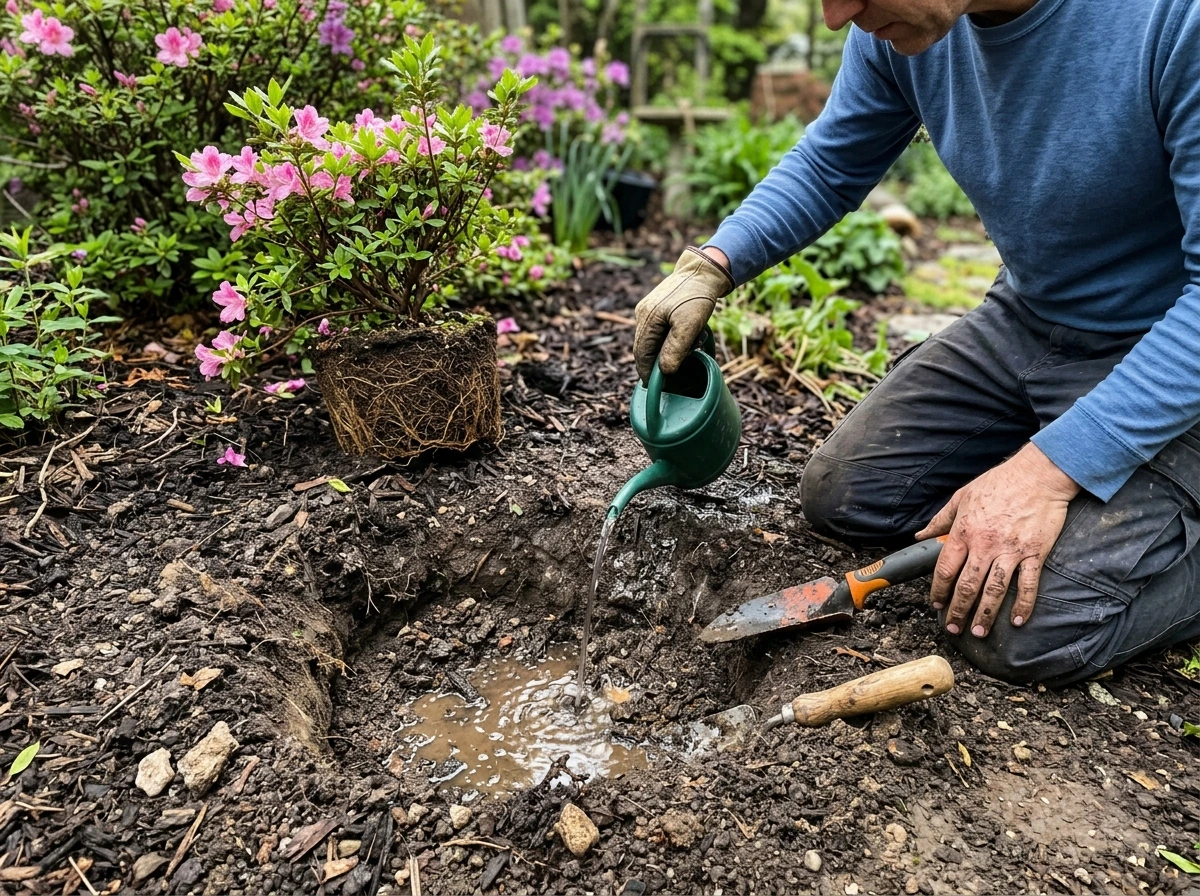
Before you buy a single plant, run through these four checks. They will tell you quickly whether your specific yard in Arizona can support azaleas, and they will save you from an expensive, frustrating failure.
- Confirm your USDA zone: Use the official USDA Plant Hardiness Zone Map to find your exact zone. Arizona's zones vary dramatically by elevation and even by neighborhood, so do not guess based on your city name alone.
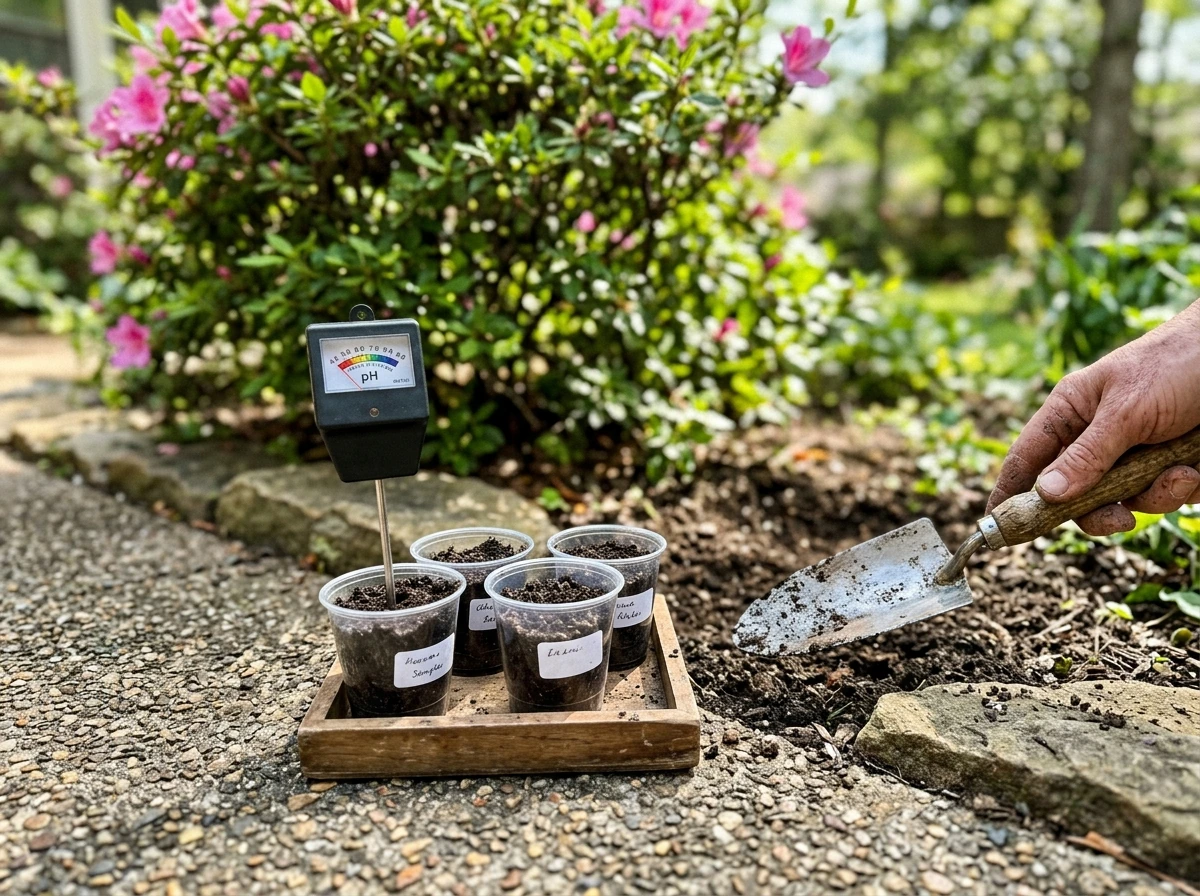
- Test your soil pH: This is non-negotiable. Arizona soils are often alkaline, and azaleas will not thrive above a pH of about 6.0. A basic soil test kit from a garden center or a test through your local Cooperative Extension office will tell you where you stand. If your pH is above 7.0, plan on significant soil amendment with elemental sulfur and acidic organic matter like pine bark, and budget for ongoing maintenance.
- Check drainage, including for caliche: Dig a hole about 12 inches deep and fill it with water. If water is still sitting there an hour later, you have a drainage problem. Also probe deeper with a metal rod to check for a caliche layer. Azaleas planted above poor drainage will die from root rot regardless of how good everything else is. Raised beds or heavily amended planting holes are the workaround.
- Assess sun and wind exposure: Azaleas need protection from Arizona's afternoon sun. East-facing exposures that get morning light and shade after noon are ideal. Also look for wind protection, since dry winds pull moisture from leaves faster than roots can compensate, especially for evergreen types.
- Match cultivar zone to your zone: Once you know your zone, only buy cultivars with a documented hardiness range that includes it. Do not rely on general 'azalea' labels at the nursery. Ask specifically about the cultivar name and look up its zone rating.
If you want locally specific advice, the University of Arizona Cooperative Extension operates Master Gardener programs and plant help desks in multiple counties, including a Plant Help Desk through the Maricopa County program. These are staffed by trained volunteers who know what actually works in your specific county's soil and climate conditions, which is far more useful than general azalea care guides written for the Southeast or Pacific Northwest.
Next steps: how to decide and shop with confidence
Here is how to turn everything above into a practical decision today.
- Look up your exact USDA zone using the official USDA hardiness zone map. If you are in Zone 6 or below (most likely in Flagstaff or the White Mountains), you are in the best position to grow azaleas in Arizona. Zone 7 is doable with the right cultivar. Zone 8 and above requires serious site management and realistic expectations.
- Get a soil pH test before you buy anything. Your county Cooperative Extension office can point you to testing resources. If your pH is above 6.5, factor in the cost and ongoing effort of acidifying your soil as part of your budget.
- Choose cultivars by zone and heat tolerance, not by flower color or what looks good at the nursery. For cool-elevation Arizona, start with Northern Lights series deciduous hybrids. For mid-elevation zones 7 to 8, look at Encore cultivars with confirmed zone ratings. Bring the cultivar name with you when you shop, not just 'azalea.'
- Pick your planting site based on afternoon shade and drainage first. The prettiest corner of your yard is not the right spot if it gets blasted by western sun or drains poorly. Work backward from a good microclimate, then decide where the plant goes.
- Contact your local Master Gardener program if you are still unsure. The UA Cooperative Extension network covers all 15 Arizona counties and offers free or low-cost plant advice tailored to your specific area. A quick call or email to a Master Gardener can save you significant time and money on a plant that may not suit your specific conditions.
If you decide azaleas are not the right call for your part of Arizona, that is a completely reasonable conclusion to reach. The same site conditions that make azaleas difficult often favor other flowering shrubs that are native or better adapted to desert climates. It is worth reading up on what harsh environment does trailing azalea grow in, since understanding their requirements makes it much easier to see quickly whether your yard fits the bill, and also helps you troubleshoot if you do plant them and run into the yellowing, dieback, or poor flowering that Arizona conditions can cause.