
Azaleas fail for a handful of very predictable reasons: wrong climate or variety for your zone, soil pH that's too high, planting too deep, overwatering, poor drainage, or winter damage to flower buds. Most of the time it comes down to one or two of these, and once you identify which one is hitting your plant, the fix is straightforward. Run through the checklist below first, then dig into whichever section matches what you're seeing.
Why Won’t My Azaleas Grow? Fix Climate, Soil, and Sun Problems
Marcus Hartwell
4 May 2026
Fast diagnosis checklist: start here
Before anything else, go outside and look at your plant with fresh eyes. Most azalea problems telegraph themselves if you know what to look for. Run through these questions quickly:
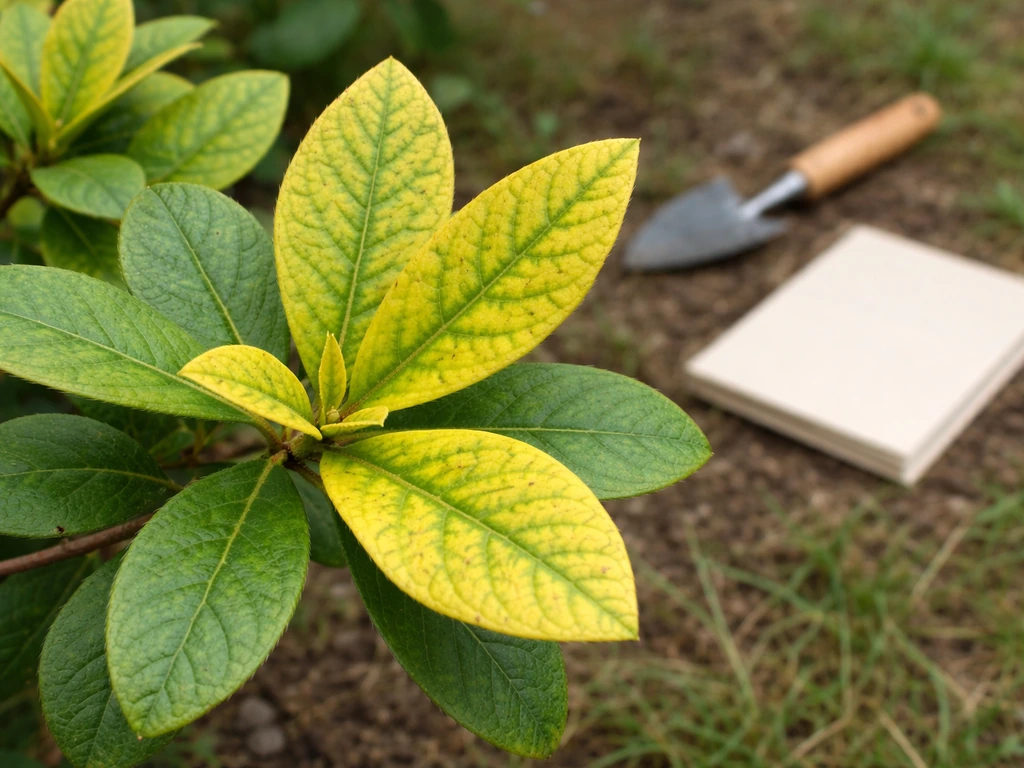
- Are the leaves yellowing between the veins while veins stay green? That's iron chlorosis, almost always a soil pH problem.
- Are leaves bleached, bronzed, or covered in tiny pale stippling with dark specks on the underside? That's azalea lace bug damage, not a growth problem.
- Did your plant leaf out normally but just not bloom? Winter cold likely killed the flower buds before they could open.
- Is the whole plant wilted or collapsing even though the soil is moist? Check the roots for Phytophthora root rot.
- Is growth just very slow with small pale leaves? Could be wrong pH, too much shade, or planting too deep.
- Is the crown sitting at or below ground level? That's a planting depth problem that strangles drainage and invites rot.
- Do you know what hardiness zone you're in and whether your azalea variety is rated for it? This is the first thing to confirm.
Does your azalea even belong in your zone?
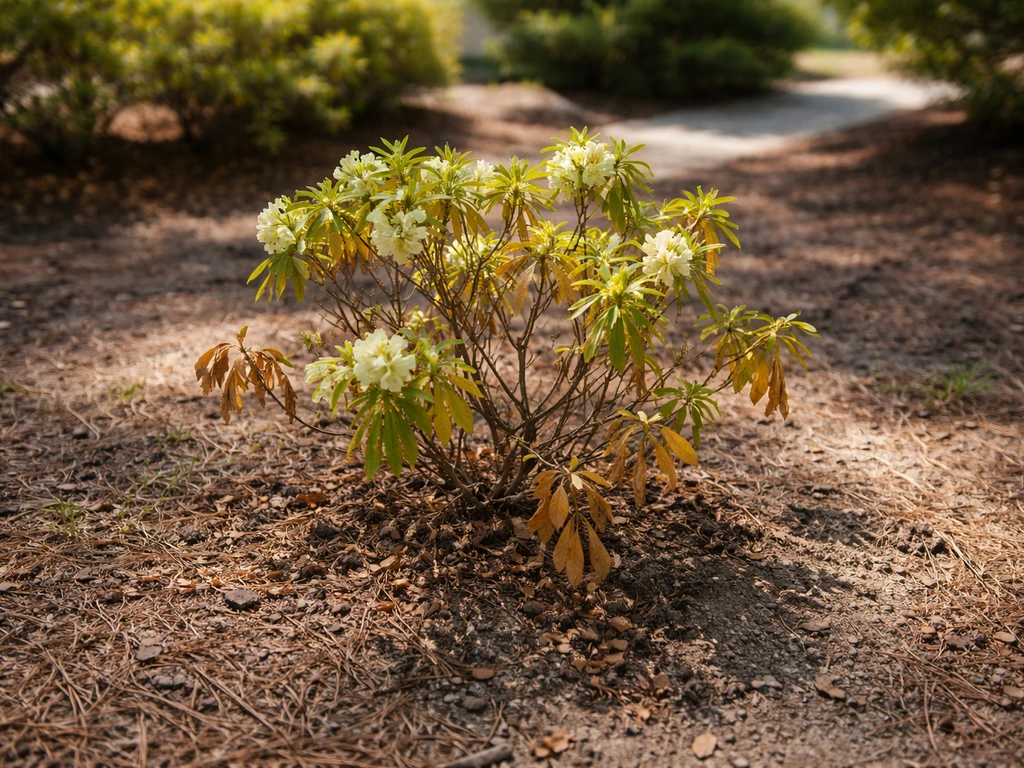
This is the question a lot of gardeners skip, and it explains a huge number of frustrated azalea owners. Not all azaleas are interchangeable. Native North American azaleas are all deciduous, meaning they drop their leaves in fall, while the evergreen types you typically see in nurseries are Asian-origin hybrids. Those hybrid evergreens are generally hardy in USDA zones 6 through 9, but performance varies a lot by variety. If you're in zone 5 or colder and you planted a standard nursery azalea without checking its cold rating, your plant may survive but it'll struggle every single year. If you're in a hot dry climate like Arizona, most azaleas will fight you constantly unless you're growing in a very specific microclimate with shade and consistent moisture. If you're also trying to grow basil in phoenix, remember that heat and inconsistent moisture can stress many garden plants, not just azaleas hot dry climate like Arizona. If you're wondering whether do azaleas grow in arizona, the answer depends heavily on choosing the right variety and giving it the right shade and consistent moisture. There's a companion piece on growing azaleas in Arizona that gets into that situation in detail.
Reblooming types like Encore azaleas are rated for zones 6 through 10 and handle more sun than most classic evergreen azaleas, which makes them a smarter pick in warmer regions. On the other end of the spectrum, if you're in a cold northern zone and your azalea's flower buds keep dying every winter, the fix might not be cultural at all. It might be that you need a variety specifically bred for cold hardiness rather than a standard nursery pick.
If you're not sure what zone you're in, look it up before buying or troubleshooting further. Everything else in this guide only matters if you have the right plant for your climate. If you're working through the broader question of where azaleas actually perform well regionally, that topic is covered in detail separately. If you're trying to decide where trailing azaleas grow best, focus on the right climate, sun exposure, and well-draining soil for your area where do trailing azaleas grow.
Sunlight, heat, and cold damage: what to look for
Too much sun or heat
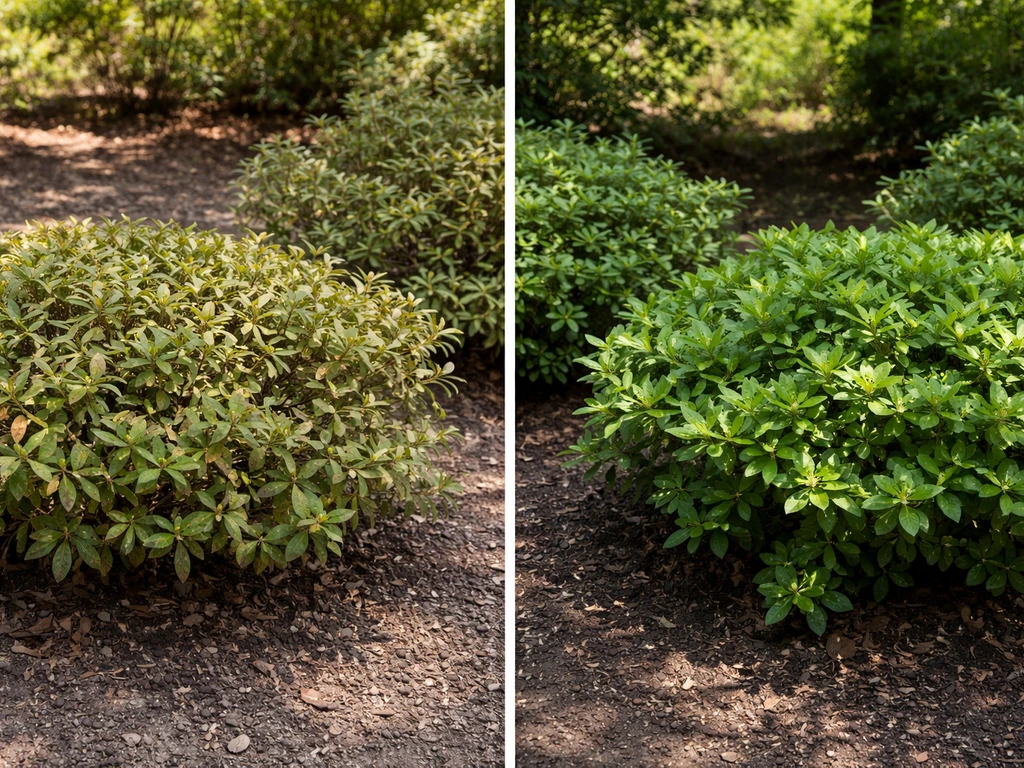
Classic evergreen azaleas want dappled light or morning sun with afternoon shade, especially in hotter climates. Full afternoon sun in zones 8 and above will stress most varieties, causing leaf scorch, bleaching, and reduced bloom. If your plant sits in a south- or west-facing spot that bakes all afternoon, that's almost certainly contributing to its poor performance. Even Encore azaleas, which tolerate more sun than most, perform better with some filtered afternoon shade in very hot climates.
Winter cold and bud damage
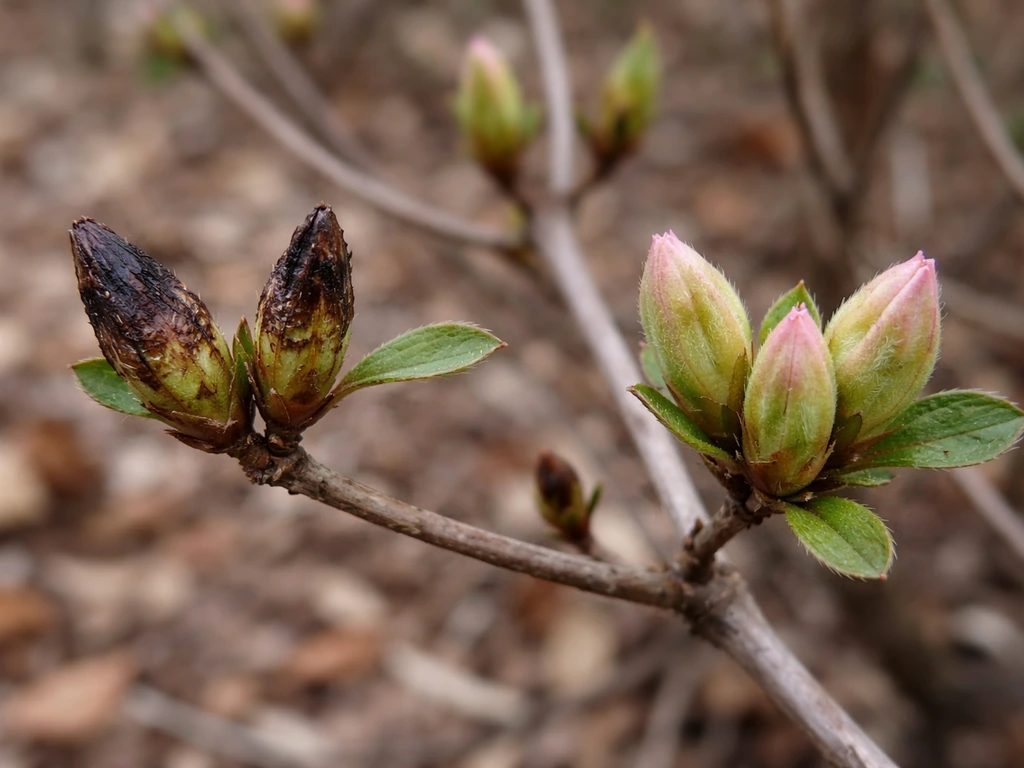
If your azalea leafs out fine in spring but just doesn't bloom, winter cold damage to flower buds is the most likely cause. Azaleas set their flower buds in late summer and fall, and a hard winter freeze can kill those buds while leaving the rest of the plant alive. You'll see a plant that looks healthy but produces no flowers. This is especially common in zones 5 and 6 with late cold snaps, and in any zone where you're growing a variety that's marginal for your winter lows. Shoot dieback and leaf drop after winter are also signs of cold injury that goes beyond just the buds.
Too much shade
Deep shade is just as problematic as too much sun. Azaleas in heavy shade get leggy, bloom poorly, and are more vulnerable to fungal disease. A plant that's growing toward the light, has long weak stems, and produces sparse flowers is probably in too much shade.
Soil pH and nutrient problems
Soil pH is probably the single most common reason azaleas underperform in landscapes. Azaleas need a soil pH between about 4.5 and 6.0. In that range, iron is readily available to the plant. Once pH climbs above 6.0, iron becomes locked up in the soil even if it's physically present, and the plant can't access it. The result is iron chlorosis: leaves turn yellow between the veins while the veins themselves stay green. It looks dramatic and people often assume the plant is dying, but it's usually fixable.
Many common landscape soils, especially in the Midwest, Mountain West, and areas with alkaline water, run well above pH 6.0. If you've never tested your soil and your azalea's leaves are yellowing, that's the first thing to check. You can get a basic test from your local cooperative extension office or buy a home test kit. Extension offices in states like Georgia, Maryland, and Missouri specifically recommend a soil test as the starting point before any amendment.
How to lower soil pH safely
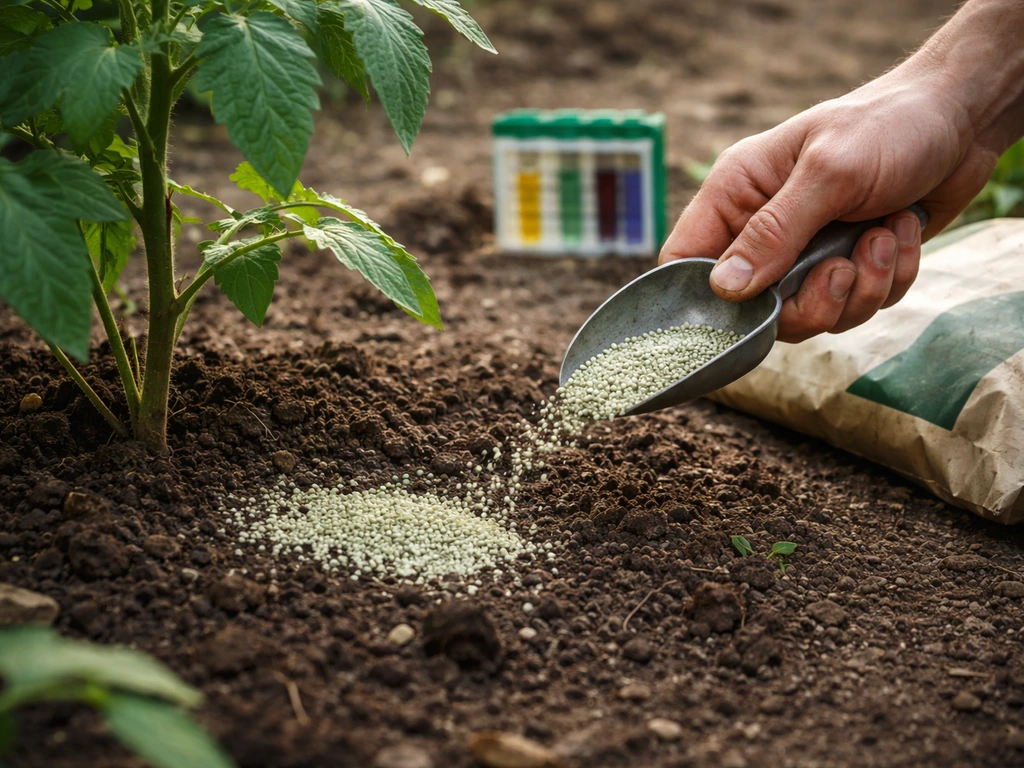
If your pH is too high, you can lower it with iron sulfate or agricultural sulfur. One important caution: do not use aluminum sulfate. Research from UGA Extension shows it can be toxic to azalea roots. Acidifying is a gradual process, so don't expect overnight results, and retest the soil after a few months to track progress.
Fertilizer mistakes
Azaleas are light feeders. Over-fertilizing with high-nitrogen products pushes leafy growth at the expense of blooms and can damage the root system. The best nitrogen source for azaleas is the ammonium form, found in fertilizers like ammonium sulfate or ammonium nitrate, because it doesn't push pH higher the way nitrate-based fertilizers can. If you haven't done a soil test and want a starting point, a general recommendation from Mississippi State University Extension is 2 to 4 pounds of an acid-formulated fertilizer with roughly a 2-1-1 ratio (nitrogen-phosphorus-potassium) per 100 square feet of bed area. Fertilize right after spring bloom finishes, use a slow-release product, and follow package directions rather than assuming more is better.
Watering and drainage: the Goldilocks problem
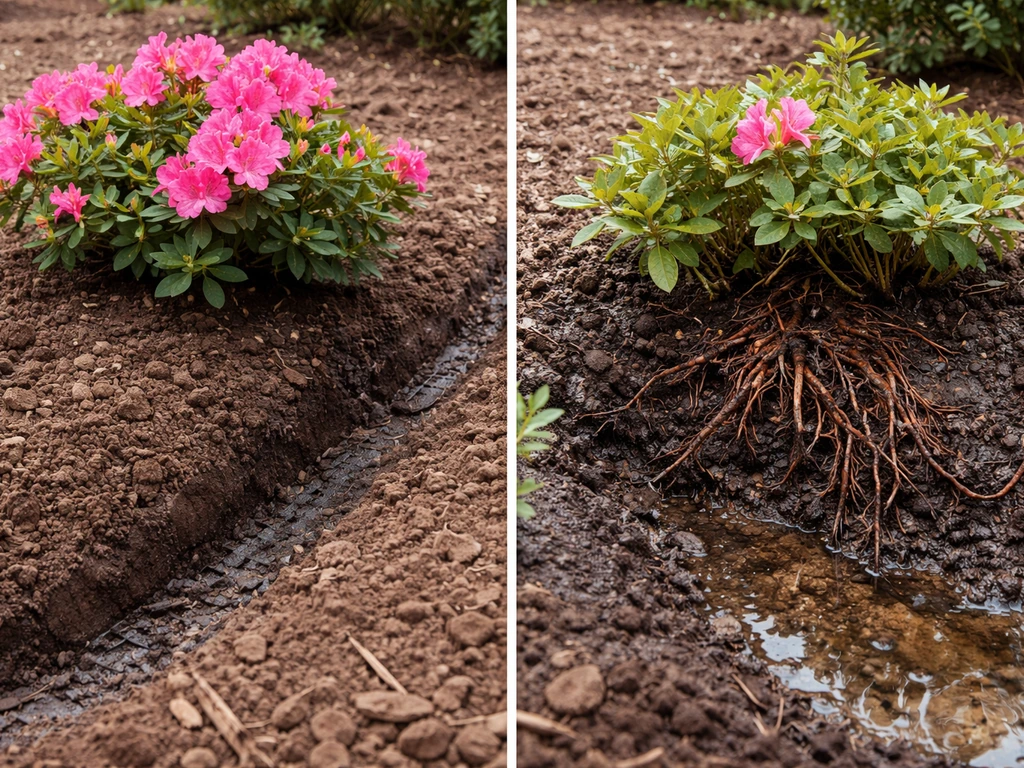
Azaleas have shallow, fibrous root systems that need consistent moisture but absolutely cannot sit in waterlogged soil. During the growing season, they need roughly the equivalent of 1 inch of rain every 7 to 10 days. In dry stretches, you need to supplement. But overwatering, especially in heavy clay soils or low spots where water collects, creates conditions for Phytophthora root rot, which is often fatal.
Phytophthora root rot causes the roots to turn reddish-brown or blackish and rot away. The outer layer of the root can actually peel away from the inner core if you pull on it. Above ground, the plant wilts and collapses even when the soil is moist, because the destroyed roots can't move water up through the plant. If you dig up a struggling plant and see soggy, dark, soft roots, that's root rot. At that point, replanting in better-draining soil (or a raised location) is usually the only realistic path forward.
For watering method, drip irrigation or a soaker hose is better than overhead watering, which can promote fungal issues. In winter, established azaleas need very little supplemental water unless you're in a dry climate.
Planting depth, mulch, and root competition
Planted too deep is one of the most common mistakes
Azaleas should be planted high, not flush with the ground. The top of the root ball should sit 2 to 4 inches above existing soil grade. Clemson Extension and UGA Extension both make this point clearly: planting the crown at or below grade restricts drainage around the root zone, smothers the shallow roots, and invites crown rot. If your plant looks like it's slowly declining with no other obvious cause, dig around the base and check whether the crown has been buried. This happens gradually when mulch builds up over years too.
Mulch: how much and where
A 3-inch layer of organic mulch (wood chips, pine bark, shredded leaves) conserves moisture, moderates soil temperature, and slowly acidifies the soil as it breaks down. Both Clemson and the Azalea Society of America recommend this depth. The key detail: keep the mulch away from the stems. Mulch piled against the crown holds moisture there and promotes rot and disease. Apply it out to the drip line of the plant, not right up against the base.
Root competition and circling roots
Azaleas planted near large trees can get outcompeted for water and nutrients, especially from shallow-rooted trees like maples. If your azalea is under a dense tree canopy, it's dealing with both shade and root competition. At planting time, if you're working with a container-grown plant, cut any circling or girdling roots before you put it in the ground. Circling roots that are left intact can eventually restrict the root system's ability to expand, limiting the plant's long-term growth.
Step-by-step fixes you can do today
- Test your soil pH first. Pick up a test kit from a garden center or send a sample to your county Extension office. You need to know your actual pH before adding any amendments. If it's above 6.0, plan to treat with iron sulfate or agricultural sulfur (not aluminum sulfate).
- Check your planting depth. Scrape away mulch and look at where the crown of the plant sits. If it's at or below soil grade, carefully expose the crown and mound soil up so the root ball top sits 2 to 4 inches above grade. Backfill with amended, acidic organic material.
- Pull back any mulch touching the stem. Re-apply to a 3-inch depth out to the drip line, leaving a clear ring around the base of the plant.
- Evaluate your sun exposure honestly. If the plant is in deep shade or brutal afternoon sun (especially in zones 7 and up), consider whether the location can be improved with pruning overhead canopy or whether moving the plant makes more sense.
- Check for root rot. If the plant is wilting despite moist soil, gently dig and examine the roots. Soggy, dark, easily peeling roots mean Phytophthora. Improve drainage immediately, and if the plant is severely affected, remove it and don't replant azaleas in the same spot without correcting drainage first.
- Assess your watering routine. Azaleas want 1 inch of water equivalent every 7 to 10 days during the growing season. If you're watering daily or letting them go bone dry, adjust to a consistent, moderate schedule. Switch to drip or soaker irrigation if you can.
- If it didn't bloom this spring, look at flower buds now. Gently scratch a bud with your fingernail. Green inside means it's alive. Brown and dry means it was killed by cold. If this keeps happening year after year, research cold-hardy varieties for your zone, or try a different microclimate in your yard with more winter wind protection.
- Fertilize after bloom, not before. If you haven't fertilized at all, apply a slow-release acid fertilizer (2-1-1 ratio) right after spring flowers finish. If you've been over-fertilizing with a general high-nitrogen product, stop, water thoroughly to flush excess, and switch to an acid-formulated product at the correct rate.
- Decide honestly whether to replant or replace. If your plant is in the wrong zone, the wrong spot, has severe root rot, or has been struggling for multiple years without improvement, the most practical answer is to start over with the right variety for your location. Matching the variety to your zone is the most important factor of all.
Quick comparison: common symptoms and most likely causes
| Symptom | Most Likely Cause | First Fix |
|---|---|---|
| Yellow leaves, green veins | Iron chlorosis from high soil pH | Test pH, acidify soil with iron sulfate or sulfur |
| No blooms, healthy leaves | Winter bud damage or wrong variety for zone | Check bud viability, consider cold-hardy variety |
| Wilting despite moist soil | Phytophthora root rot | Check roots, improve drainage, consider replanting |
| Pale, slow, stunted growth | Wrong pH, too deep, or too much shade | Soil test, correct planting depth, assess light |
| Bleached or bronzed leaves with stippling | Azalea lace bug | Inspect undersides of leaves, treat with appropriate insecticide |
| Leggy, sparse growth | Too much shade or over-fertilizing | Improve light exposure, scale back nitrogen fertilizer |
| Crown rot or dieback at base | Crown buried too deep or mulch against stem | Expose crown, replant at correct height, pull back mulch |
Azaleas are genuinely rewarding plants when they're in the right place, and most of the problems above are fixable once you identify them. The honest truth is that the majority of struggling azaleas are victims of location and planting mistakes, not disease or bad luck. Get the zone match right, get the soil pH right, plant high, mulch correctly, and water consistently, and most azaleas will reward you well. For help pinpointing the best conditions, use this guide on where to grow azaleas in your region. If you're thinking about what azaleas fundamentally need to grow, or whether they can grow wild in your area, those angles tie closely into everything covered here and are worth exploring as you plan your next steps. If you're wondering about magnolia specifically, follow a dedicated guide for magnolia how to grow so you can match the right light, soil, and watering to the variety you have.
FAQ
How can I tell if my azalea is failing because of soil pH versus watering or sunlight?
Do two quick checks at the same time: look at leaf pattern (yellowing between veins with veins staying green usually points to high pH/iron chlorosis), and check drainage (dig a small test hole after rain or irrigation, if it stays soggy for 24 to 48 hours your issue is likely waterlogged conditions or poor drainage). Then confirm with a soil test, since visual clues can overlap.
What soil test results are “good enough” for azaleas, and what should I do if my pH is only slightly high?
Aim for roughly 4.5 to 6.0. If you are just a bit high (for example, 6.1 to 6.3), you often need a slower, smaller acidifying approach and retesting rather than heavy correction. Add amendments gradually, retest after a few months, and watch for new growth color change, because pH shifts take time.
Can I use coffee grounds or “natural” acids to lower my azalea soil pH?
Coffee grounds and homemade “acids” are unreliable for changing pH because the effect is inconsistent and can also add nutrients you did not intend. If your pH is out of range, use iron sulfate or agricultural sulfur as a targeted treatment, then retest to verify the soil actually moved into the azalea range.
Why do my azaleas leaf out but never bloom, even though they look healthy?
The most common cause is bud damage or marginal hardiness, since flower buds are formed late in the growing season and can be killed by freezes. Another possibility is too much nitrogen or a fertilizer plan that favors foliage, which can reduce bloom. Check for subtle shoot dieback after winter and consider adjusting fertilizer timing to right after spring bloom.
Is it normal for azaleas to grow slowly for the first year after planting?
Some slowdown is normal while roots reestablish, especially if the plant was newly moved or planted into a heavy or compacted area. But if growth stays flat for a full season and the plant looks tired, it usually signals one of the big drivers: planted too deep, crown trapped by mulch, alkaline soil, or persistent wet soil.
How deep should I plant azaleas, and what if I already buried the crown with mulch?
Set the root ball so the crown sits about 2 to 4 inches above existing grade. If mulch has crept up and buried the crown, pull it back gradually and keep mulch off the stems. Avoid digging the plant out aggressively unless you see root rot signs, instead focus on restoring drainage around the crown.
How often should I water, and what’s the difference between “consistent moisture” and overwatering?
Azaleas like evenly moist soil, but they cannot sit in water. Use your drainage and root-rot prevention as the guide: water during dry periods to approximate about 1 inch of rain every 7 to 10 days, then wait until the top layer starts to dry before watering again. If the site stays wet or water stands after rainfall, your “frequency” is too high or drainage is the real problem.
What are the signs of root rot early, before the plant collapses?
Early clues include wilting on days when the surface soil still feels damp, leaf drop after irrigation, and new growth that looks stunted despite adequate moisture. If you confirm by digging, healthy roots should feel firm, while infected roots are dark, soft, and can slough away. Once Phytophthora root rot is advanced, replanting into improved drainage is often the only practical fix.
What should I do if my azaleas are in heavy shade but I cannot change the location?
If you cannot move them, maximize light the best you can by pruning nearby branches for airflow and light access, and avoid planting into the deepest part of the canopy. Also protect them from leaf-breeding conditions by using drip/soaker irrigation and spacing so leaves dry faster, since dense shade increases fungal pressure and weakens growth and bloom.
My azalea is near a tree, could that be the problem even if my soil pH and sun seem okay?
Yes, tree competition is a frequent hidden cause. Shallow-rooted trees can steal moisture and nutrients, making azaleas appear drought-stressed even with regular watering. If your azalea is under a dense canopy or roots are close, consider creating a dedicated mulch ring zone and, if needed, adjusting watering deeper and longer term rather than only surface watering.
Should I fertilize azaleas if I recently amended soil or lowered pH?
Wait until you see new spring growth and the plant responds, then fertilize with an acid-formulated, ammonium-based product. Right after major soil changes, overfeeding can worsen stress because roots are adjusting. Stick to slow-release options and the recommended rates, since azaleas are light feeders and “more” is a common mistake.
Why is my azalea yellowing but the rest of the plant seems fine?
Yellow leaves with green veins (iron chlorosis) usually points to high pH or blocked iron availability. Before trying multiple fixes, confirm with a soil test and check whether watering water is alkaline (which can keep pH elevated over time). Target the soil pH and recheck after a few months rather than repeatedly adding fertilizer.
How do I handle circling roots if my azalea came from a container and seems root-bound?
When planting, gently loosen the root ball and cut or remove circling roots so the root system can expand outward. If you simply set a root-bound plant into the ground, it can keep restricting growth for years, leading to slow establishment and poor long-term size even when light, soil pH, and watering are corrected.