
Yes, some jasmine types will grow in New Mexico, but you have to pick the right one for your part of the state. Winter jasmine (Jasminum nudiflorum) is the most reliably hardy option statewide, handling the cold snaps that knock out other species. Star jasmine (Trachelospermum jasminoides) works in southern and lower-elevation New Mexico but struggles in the north and at altitude. Arabian jasmine (Jasminum sambac) is essentially a container plant here because it can't survive a New Mexico winter in the ground. The short version: know your zone, pick your species accordingly, and you can absolutely grow jasmine in New Mexico. Jasmine can also be grown in North Carolina, but the best choice depends on your exact hardiness zone and which jasmine type you’re planting.
Does Jasmine Grow in New Mexico? Types and Best Options
Why "jasmine" can mean different plants
When people search for jasmine, they could be talking about three or four genuinely different plants that share little beyond the name and a vaguely similar flower. This matters a lot in New Mexico because these plants have very different cold tolerance, and buying the wrong one can mean a dead plant by February.
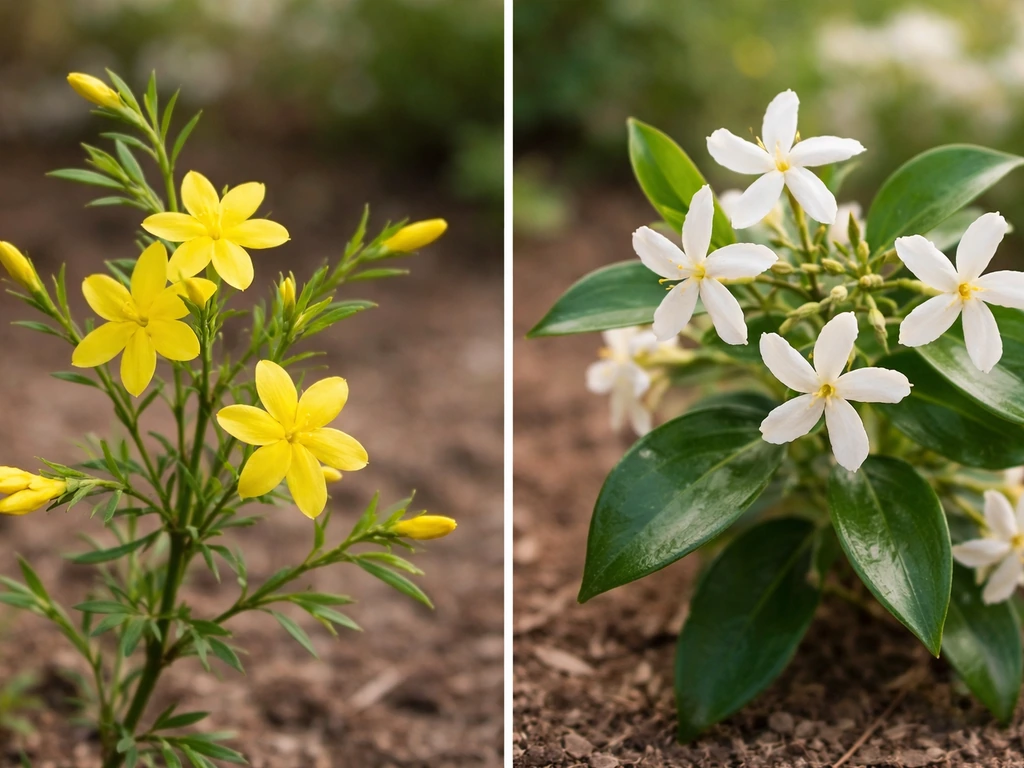
- Jasminum sambac (Arabian jasmine or true jasmine): The heavily fragrant, white-flowered tropical that most people picture when they think of jasmine. It's the one used for jasmine tea and lei garlands. Hardy only to USDA Zones 9–11, which means it cannot survive a New Mexico winter in the ground.
- Jasminum nudiflorum (winter jasmine or false jasmine): A cold-tough, viny shrub that blooms bright yellow in late winter before the leaves even appear. It's hardy from Zones 6–10, making it the most compatible jasmine for most of New Mexico.
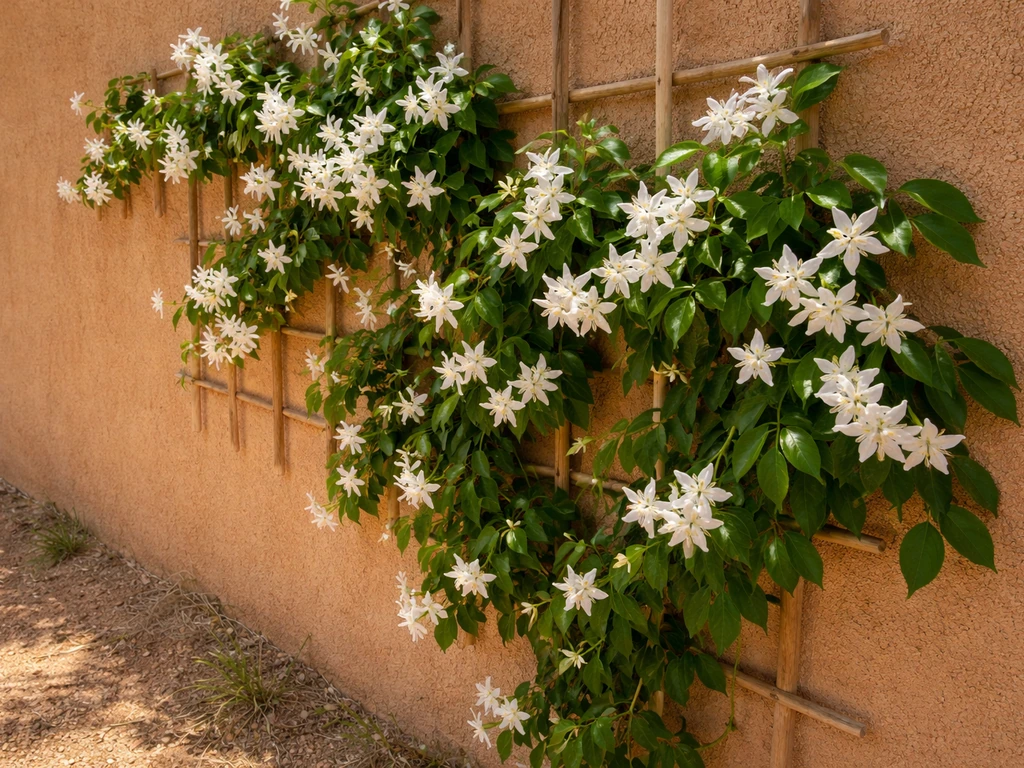
- Trachelospermum jasminoides (star jasmine or Confederate jasmine): Not a true jasmine at all, but a fragrant evergreen vine that gets lumped in with jasmine constantly. It's hardy in Zones 7–10 (with some sources stretching it to Zone 7B with protection), which makes it viable in southern New Mexico and Albuquerque but risky above roughly 5,500–6,000 feet.
- Carolina jessamine (Gelsemium sempervirens): Another plant often sold or recommended as a jasmine alternative in warmer states. Hardy to Zone 7, so similar southern-NM viability as star jasmine, but not as commonly available in New Mexico nurseries.
The reason this matters so much in New Mexico specifically is that the state spans zones 4b through 9a. That's an enormous range. A plant that's fine in Las Cruces can die outright in Santa Fe or Taos. Getting the species right before you buy is the single most important step.
Quick answer: which jasmines grow in New Mexico
| Jasmine Type | USDA Hardiness | Grows in NM? | Where It Works |
|---|---|---|---|
| Jasminum nudiflorum (winter jasmine) | Zones 6–10 | Yes, statewide | Most of New Mexico including Albuquerque, Santa Fe area, and higher elevations (check your specific zone) |
| Trachelospermum jasminoides (star jasmine) | Zones 7–10 (7B–10) | Yes, in warmer areas | Southern NM (Las Cruces, Roswell, Carlsbad), Albuquerque in protected microclimates |
| Jasminum sambac (Arabian jasmine) | Zones 9–11 | Container only | Anywhere in NM as a potted plant overwintered indoors; not suitable for in-ground planting |
| Carolina jessamine (Gelsemium sempervirens) | Zone 7+ | Southern NM only | Las Cruces area and southern Rio Grande valley in sheltered spots |
Zone-by-zone feasibility across New Mexico
New Mexico's hardiness zones spread from the cold, high-elevation north all the way down to the warm Chihuahuan Desert south. The USDA Plant Hardiness Zone Map (based on average annual extreme minimum winter temperatures over a 30-year period) is your baseline, but always factor in local microclimates and elevation, which New Mexico has in abundance.
Southern New Mexico (Las Cruces, Deming, Carlsbad), Zones 7b–9a
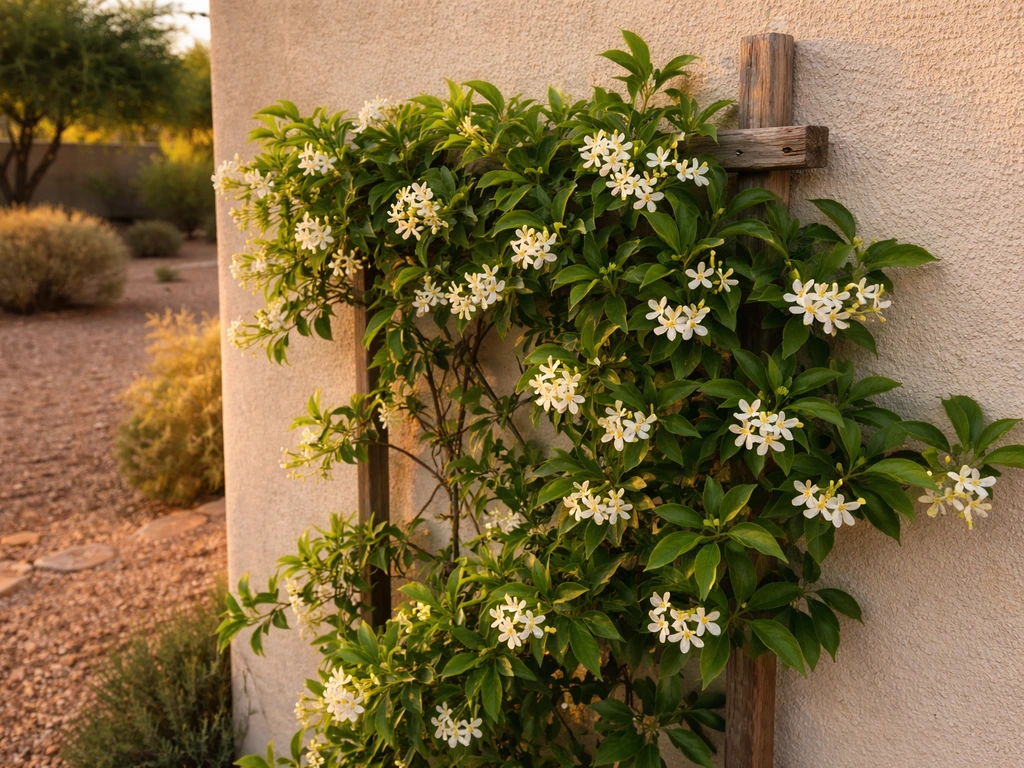
This is the most jasmine-friendly part of the state. Las Cruces and the lower Mesilla Valley sit in Zones 8a–9a, where star jasmine grows reliably in the ground. Gardenia notes that Trachelospermum jasminoides performs best in USDA Zones 8, 10, and it may overwinter in protected Zone 7 gardens with some winter damage star jasmine grows reliably in the ground in Zones 8a–9a. Winter jasmine is absolutely fine here too, though it almost feels like overkill given how mild winters can be. Arabian jasmine could even push zone boundaries in the most sheltered Las Cruces spots, but I'd still treat it as a container plant unless you're prepared to lose it in a bad freeze year.
Albuquerque and the Rio Grande corridor, Zones 6b–7b
Albuquerque is roughly Zone 7a–7b depending on where exactly you are in the metro. Winter jasmine is a solid yes here. Star jasmine is doable but needs a protected south- or west-facing wall and a bit of luck on hard winters. The city's urban heat island helps, but cold snaps do push into the teens some years, which can damage or kill star jasmine without wind protection. Arabian jasmine stays in a pot and comes inside when temperatures threaten to drop below 40°F.
Santa Fe, Taos, and the northern mountains, Zones 5a–6b
Santa Fe sits around Zone 6a, and Taos runs colder, hitting Zone 5b or even 5a in some spots. Winter jasmine is still your best bet here, it's rated to Zone 6, so Santa Fe is on the edge but doable with site selection. Missouri Botanical Garden's Plant Finder lists winter jasmine (Jasminum nudiflorum) for hardiness zones 6 to 10 and notes its bright yellow late-winter blooms rated to Zone 6. Star jasmine gets dicey above Zone 7 and isn't a practical choice for this part of the state without serious winter protection. At elevations above 7,000 feet, honestly skip the jasmine experiment and go straight to the alternatives listed at the end of this article.
Eastern plains and southeastern lowlands
Roswell, Artesia, and Hobbs cluster around Zones 7a–7b, similar to Albuquerque but with harsher, drier winds and less urban heat island effect. Winter jasmine works well. Star jasmine is possible in sheltered locations but the wind exposure on the eastern plains makes it risky without a windbreak. Southeastern NM near the Texas border (think Hobbs, Lovington) can share climate similarities with west Texas, where jasmine options are a bit broader, though they're still working with the same zone constraints. Since Hobbs and Lovington sit near west Texas, you may be wondering whether jasmine grows in Texas as well.
Site and climate conditions needed to succeed
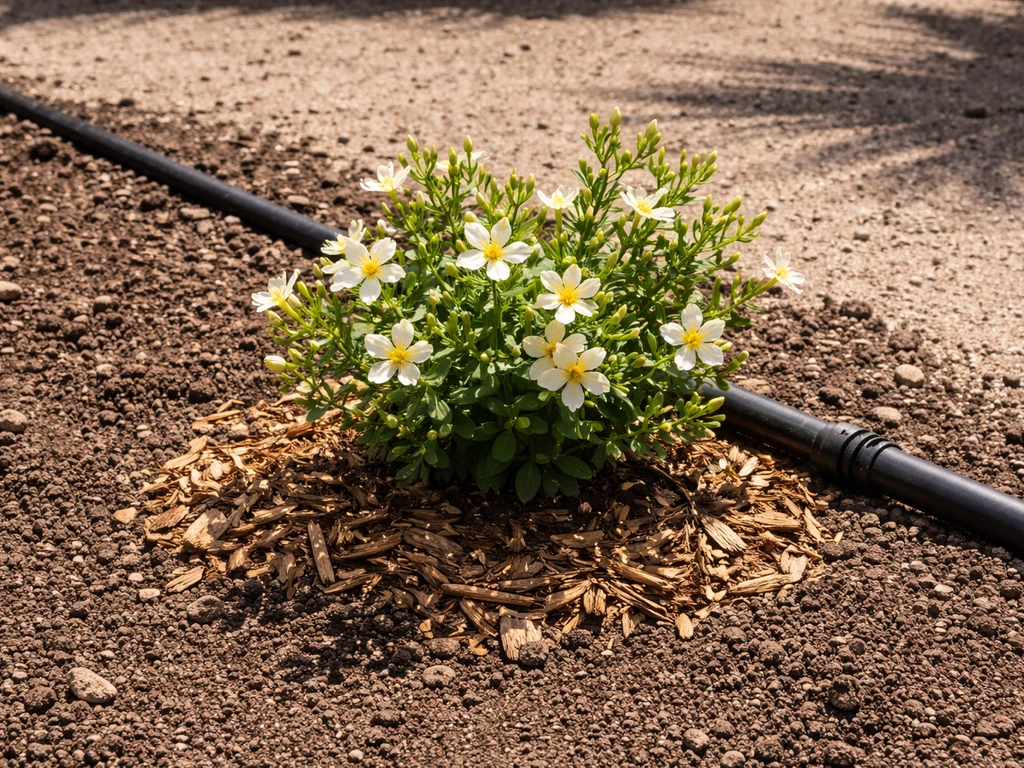
Zone hardiness is only part of the equation in New Mexico. The state's arid conditions, intense sun, low humidity, and dramatic temperature swings between day and night add a layer of challenge that doesn't apply in humid southeastern states where jasmine tends to thrive effortlessly. If you’re wondering does jasmine grow in Tennessee, the answer is usually yes, but the exact type and your location in the state still matter for cold tolerance. Gardeners in Georgia or Tennessee often have it easier with jasmine for this reason alone. If you want to know whether jasmine can grow in Georgia, the key is matching the right species to your specific USDA hardiness zone Georgia or Tennessee.
- Sun exposure: Winter jasmine tolerates part shade and actually benefits from some afternoon shade protection in the intense New Mexico sun. Star jasmine prefers full sun to part shade and blooms best with at least 6 hours of direct light.
- Wind protection: This is critical in NM. Cold, desiccating winter winds damage evergreen plants like star jasmine more than the temperature alone. A south- or west-facing wall, fence, or solid windbreak dramatically improves your odds.
- Soil drainage: All jasmines hate sitting in wet, poorly drained soil, but in New Mexico's alkaline soils you're more likely facing compaction and low organic matter. Amend with compost before planting and make sure water doesn't pool.
- Irrigation: New Mexico's low rainfall means supplemental watering is non-negotiable. Established winter jasmine is drought-tolerant once settled, but star jasmine needs consistent moisture, especially during the first two growing seasons and through summer heat.
- Microclimates: A courtyard, south-facing stucco wall, or sheltered entryway can raise your effective growing zone by half a zone or more. In Albuquerque especially, the right microclimate can push star jasmine from 'risky' to 'reliable.'
Planting strategy: in-ground vs container vs protection
In-ground planting
Winter jasmine is your best candidate for a permanent, in-ground planting across most of New Mexico. Plant it in fall or early spring, give it a south-facing slope or wall to trail across, and it will reward you with cheerful yellow blooms in late winter when almost nothing else is flowering. It's a vining shrub that spreads from a central crown, so give it room or plan to trim it back annually. In southern NM, star jasmine can also go in the ground permanently, plant it near a wall, water it through its first two summers, and it generally establishes well.
Container growing
Arabian jasmine was essentially made for container life in New Mexico. Grow it in a large pot with well-draining, humus-rich soil, give it full sun on a patio from late spring through early fall, and bring it inside when nighttime temperatures start dropping below 40–45°F (usually October in Albuquerque, earlier in Santa Fe). A sunny south-facing window indoors keeps it alive through winter. Star jasmine also does well in containers if you're in a zone that's borderline, you can move the pot into an unheated garage or shed during hard freezes.
Winter protection strategies
If you want to push star jasmine in-ground in Albuquerque or Zone 7 areas, give it extra help: mulch heavily around the base (3–4 inches of wood chip mulch over the root zone), wrap the plant loosely in frost cloth during hard freeze events, and plant it against a thermal mass like a masonry wall that radiates stored heat overnight. Don't prune in fall, leave the old growth on to act as insulation. In spring, cut back any winter-damaged stems once you see new growth emerging.
If jasmine won't work: best New Mexico alternatives
If you're in the northern mountains, at high elevation, or just want something you know will thrive without babying, there are fragrant flowering vines and shrubs that deliver a similar landscape effect without the hardiness headaches.
- Native honeysuckle (Lonicera sempervirens or L. arizonica): Hardy, drought-tolerant, and produces tubular red-orange flowers that hummingbirds love. Works in Zones 4–9 and handles New Mexico conditions naturally.
- Desert willow (Chilopsis linearis): Not a vine, but a small tree with trumpet-shaped fragrant flowers in pink, white, and purple. Thrives across most of New Mexico and is extremely drought-tolerant once established.
- Trumpet vine (Campsis radicans): A vigorous, cold-hardy vine (Zones 4–9) that covers fences and walls fast and blooms heavily in summer. It's aggressive but earned, and it laughs at New Mexico winters.
- Apache plume (Fallugia paradoxa): A native shrub with white rose-like flowers and feathery seed heads. Drought and cold tolerant, perfect for higher elevations where jasmine won't survive.
- Sweet autumn clematis (Clematis terniflora): Hardy to Zone 4, produces masses of small white flowers with a mild sweet scent in late summer and fall. Easy to grow across all of New Mexico, and the bloom time fills a gap when other flowering vines are winding down.
- Moonflower vine (Ipomoea alba): Grown as an annual in most of NM, it produces huge, fragrant white blooms in the evening — somewhat scratches the 'fragrant white jasmine' itch even if it doesn't overwinter.
The bottom line for New Mexico gardeners: don't give up on jasmine until you know which one you're actually talking about. Winter jasmine is genuinely worth trying across most of the state, star jasmine has real potential in the south, and Arabian jasmine makes a beautiful patio container plant anywhere. Just match the species to your zone, protect it from wind, and water it through establishment, that's the whole strategy. If you're wondering whether jasmine grows in Maryland, the answer depends on the specific type and your local hardiness zone does jasmine grow in Maryland. If you're wondering does jasmine grow in Arkansas, the answer depends on the same hardiness and species-matching factors.
FAQ
If my New Mexico neighborhood is in a higher USDA zone, can I still plant star jasmine in the ground safely?
Sometimes, but you also need to account for exposure. Cold air drains and wind can both make a spot behave like a colder zone. If you are near an open yard, on a slope with frost pockets, or exposed to strong winter winds, treat star jasmine as a higher-risk planting and plan for wind protection, a thermal wall, and freeze monitoring.
What is the biggest reason jasmine dies in New Mexico even when the zone looks right?
Overwinter damage from hard freezes plus wind, and root stress from uneven watering. Jasmine is drought tolerant once established, but during establishment (first 1 to 2 summers and before the plant fully anchors) it still needs consistent deep watering, then gradual reduction as winter approaches to avoid vulnerable, waterlogged growth.
Can I grow Arabian jasmine outdoors year-round in New Mexico if I mulch heavily?
Usually no. Arabian jasmine is highly unlikely to survive an average New Mexico winter in-ground, mulch or not, because the cold is the limiting factor. The more reliable approach is a large container with well-draining soil, then moving it indoors before nighttime lows drop into the mid 40s Fahrenheit range.
Should I plant jasmine in fall or spring in New Mexico?
For most gardeners, early spring is the safer choice for in-ground plantings, especially in colder or windier areas. Fall can work for winter jasmine if you plant early enough for root establishment, but if you plant too late, the plant may start growing too late and lose that establishment time before winter.
How much sun do jasmine plants need in New Mexico?
Aim for full sun for the best flowering, but adjust for extreme afternoon heat. In the hottest southern cities, a little afternoon shade or reflective protection on the wall side can help prevent leaf stress. For container Arabian jasmine, prioritize bright light, and ensure the pot is not overheating at the soil surface.
Do I need to fertilize jasmine in New Mexico, and when?
You can fertilize lightly, but avoid heavy feeding in late fall. For in-ground winter jasmine, a balanced fertilizer in spring as new growth starts is usually enough. For container jasmine, use a diluted feed during the active growing season only, then stop before you start moving plants indoors to prevent weak, frost-susceptible growth.
Can star jasmine survive in Albuquerque without frost cloth if I plant it near a wall?
A wall improves the odds, but it is not a guarantee in every hard freeze year. Wind protection matters as much as radiated heat. If you have a history of teens Fahrenheit nights or your site is gusty, use frost cloth during the coldest events and keep the plant tucked close to the thermal mass.
What soil conditions do jasmine plants need in New Mexico?
They do best in well-draining soil. If your ground stays wet after storms or irrigating, jasmine roots can suffer. For containers, use a high-drain potting mix and do not let the pot sit in runoff water. If planting in-ground, consider amending with coarse material to improve drainage on heavy soils.
How should I prune jasmine in New Mexico for best blooms?
Winter jasmine is the exception where timing matters. Avoid hard pruning right before winter, and instead prune after the main flush if you need shape or containment. For star jasmine, you generally want to prune in late winter or early spring after you assess winter damage, not in fall, since leaving some old growth can offer minor insulation.
My jasmine blooms less after the first year, what should I check first?
Start with exposure and watering balance. Low sun, winter wind scorch, or inconsistent watering during establishment commonly reduce bloom the next season. Also check that you are not cutting off the flowering stems at the wrong time, since each jasmine type forms flowers on different wood.
Is it better to train winter jasmine or let it sprawl in New Mexico?
Training is usually better, because it improves air flow and reduces wind rub on sprawling stems. Winter jasmine is a vining shrub that can spread from a central crown, so plan for a trellis or a guided path over a south-facing surface. If it is left unmanaged, it can become a tangle that is harder to protect during freezes.