
Yes, jasmine grows in Georgia, but the answer depends entirely on which jasmine you mean. In North Carolina, your results depend heavily on your hardiness zone and on which jasmine type you choose does jasmine grow in North Carolina. { jasmine in New Mexico. In Texas, jasmine can be grown, but the best results depend on the specific variety and your local winter lows jasmine grows.
Does Jasmine Grow in Georgia? Which Types Survive
Marcus Hartwell
3 May 2026
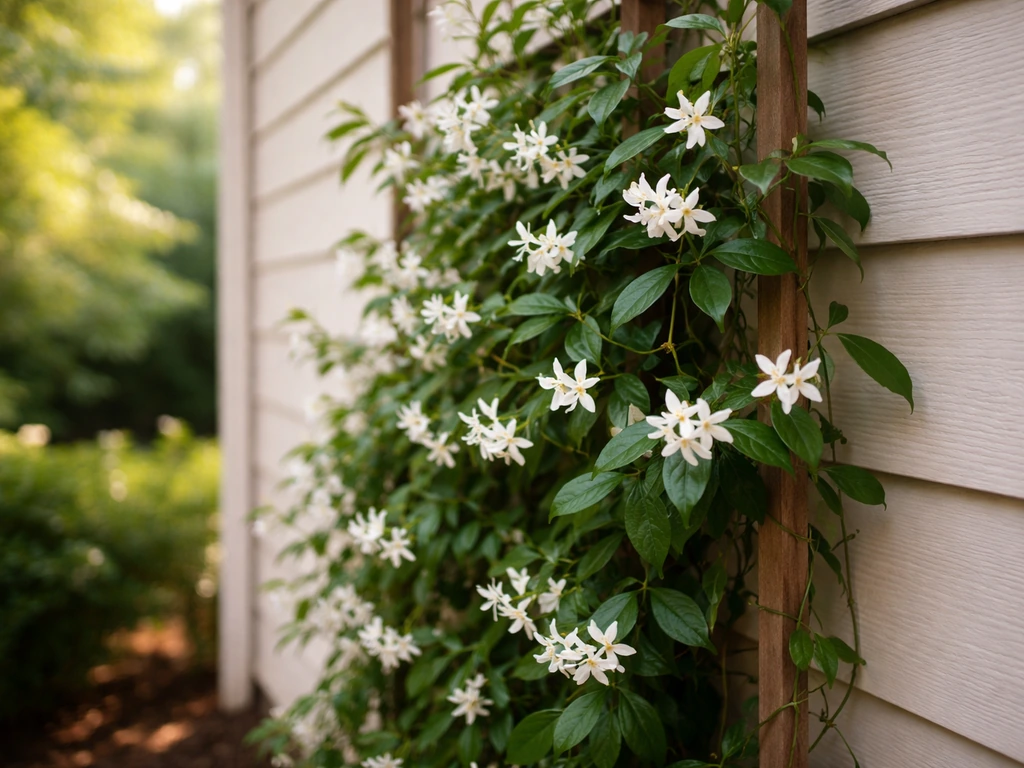
Star jasmine (Trachelospermum jasminoides) is the most reliable performer across most of the state and can handle Georgia winters without much drama. True jasmines in the Jasminum genus are a different story: some species are cold-sensitive enough that they'll die back or outright die in North Georgia winters, while a few hardier species can manage in the right spots.
If you buy a plant at a garden center labeled simply 'jasmine,' there's a real chance it's one of the tender types that won't make it through January in Gainesville or Dahlonega. Here's exactly what survives where. In Arkansas, jasmine can be grown if you choose hardy types and protect them during freezes, especially in colder regions of the state jasmine in Arkansas.
Quick answer by jasmine type
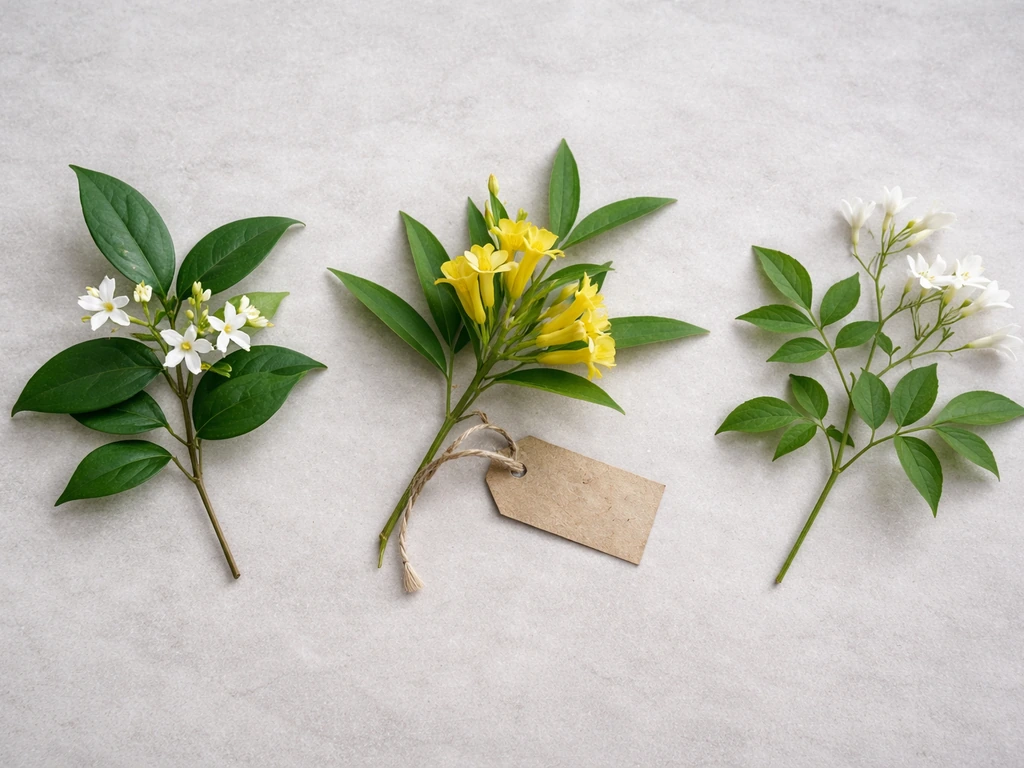
| Plant / Common Name | Scientific Name | Cold Tolerance | Georgia Viability | Best Georgia Region |
|---|---|---|---|---|
| Star jasmine (Confederate jasmine) | Trachelospermum jasminoides | Down to 10°F (Zone 7) | Yes, most of Georgia | Statewide except coldest north Georgia pockets |
| Star jasmine 'Madison' cultivar | Trachelospermum jasminoides 'Madison' | 0–10°F (Zone 7) | Yes, reliably across Georgia | Statewide including mid-north Georgia |
| Carolina jessamine | Gelsemium sempervirens | Hardy to 15°F (Zone 7–8) | Yes, statewide | Statewide, native to Georgia |
| Common jasmine / Poet's jasmine | Jasminum officinale | Hardy to around 0–5°F (Zone 6–7) | Yes, most zones | North, central, and coastal Georgia |
| Winter jasmine | Jasminum nudiflorum | Hardy (Zone 6+) | Yes, statewide | North and central Georgia especially |
| Pink jasmine / Many-flowered jasmine | Jasminum polyanthum | Zones 8–11 only | Marginal: coastal and south Georgia only | Coastal/south Georgia; container elsewhere |
| Arabian jasmine / Sambac | Jasminum sambac | Zones 9–11 tropical | No (outdoors), container only | Outdoors only in coastal Georgia with protection |
Georgia's climate and hardiness zones
Georgia spans a wide range of climates from north to south, and that range matters a lot for jasmine. [According to the 2023 USDA Plant Hardiness Zone Map (based on 1991–2020 temperature data)](https://planthardiness. ars. usda.
gov/system/files/NationalMapHZ36x24300. pdf), Georgia runs from Zone 6a in the Blue Ridge mountains of the north all the way to Zone 9a along the coast near Brunswick and the Golden Isles. Most of the state sits in Zones 7b to 8b. The USDA zones are built around one specific number: the average annual extreme minimum winter temperature.
That's the coldest night you can realistically expect in a given spot. In Zone 7b, that number is 5–10°F. In Zone 8a, it's 10–15°F. In Zone 9a near the coast, it's 20–25°F.
That one night of brutal cold is what kills or spares a plant, not the average winter temperature.
Atlanta sits in Zone 7b–8a. Savannah and Brunswick are Zone 8b–9a. Macon is Zone 8a. The mountains around Blue Ridge and Blairsville can dip into Zone 6b, which is genuinely cold for anything sold as a southern ornamental. Knowing your specific half-zone matters here, because a plant rated to Zone 7 might survive Macon easily but struggle badly in Ellijay when temperatures crash below 5°F.
What jasmine actually needs to thrive
Sun and soil
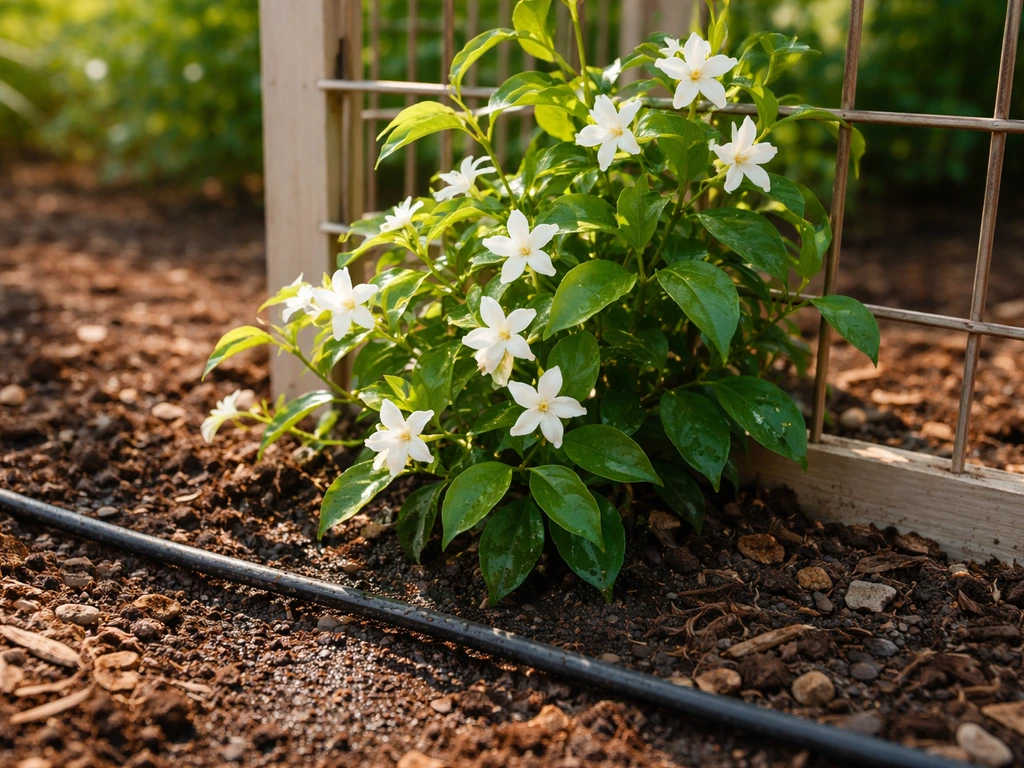
Most jasmine types and their lookalikes want full sun to partial shade. Star jasmine grows well in both, which is one reason it's so popular in Georgia landscapes. Carolina jessamine (a native vine often sold alongside jasmine at nurseries) prefers moist, organically rich, well-drained soil and does best in full sun, though it tolerates partial shade. For all of these vines, soggy soil is a bigger problem than occasional drought once they're established. If your yard has clay-heavy soil that holds water, amend it or plant in a raised area.
Watering
Water regularly in the first season to get roots established, then back off. Carolina jessamine grows rapidly once it has a foothold, and star jasmine becomes quite drought-tolerant after year two. Don't overwater mature plants; consistent moisture during establishment is the key window where most people lose them.
Frost and winter wind
Cold temperatures get all the attention, but UGA Extension is clear that winter wind is equally destructive for evergreen vines. Wind causes desiccation, which means the leaves keep losing moisture even when the ground is frozen and the roots can't absorb water to replace it. Star jasmine can handle 10°F air temperatures, but a cold north wind during a hard freeze pushes it much harder.
Planting star jasmine on a south or east-facing wall, or sheltering it with a fence or evergreen hedge, makes a real difference in Zone 7 spots across Georgia. UGA Extension also recommends mulching around the base to buffer soil temperature and moisture during winter. Avoid fertilizing in fall, which pushes new growth that's vulnerable to frost damage.
How jasmine performs across Georgia's regions
North Georgia (Zones 6b–7b)
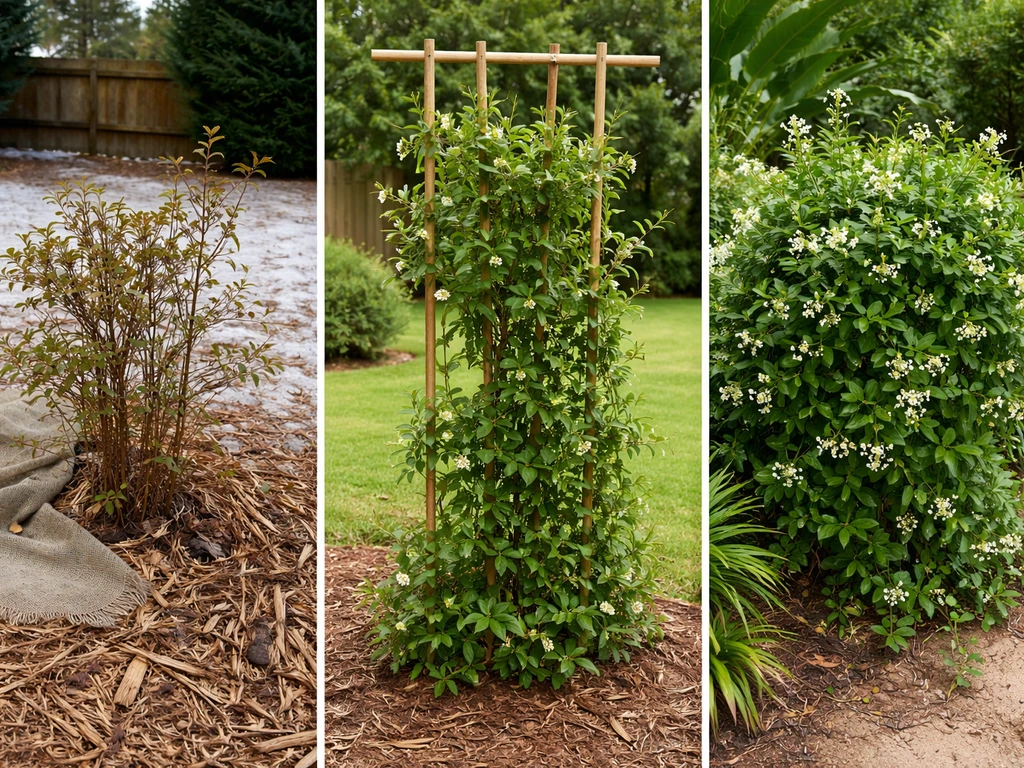
This is the trickiest zone for jasmine in the state. True jasmines like Jasminum polyanthum and Jasminum sambac won't survive outdoors here without significant winter protection or overwintering indoors. Your best options in north Georgia are Carolina jessamine (native, reliable, cold-hardy), the 'Madison' cultivar of star jasmine (rated to 0–10°F, meaning it can handle Zone 7 minimums), and Jasminum nudiflorum (winter jasmine), which is actually quite cold-hardy. Garden Debut’s product sheet for [Sunseeker™ Carolina Jessamine (Gelsemium sempervirens selection)](https://www.
gardendebut. com/_ccLib/image/plants/BENCH-6644. pdf) lists it as hardy in USDA Zone 6. If you want the star jasmine fragrance, look specifically for the 'Madison' cultivar rather than the standard Trachelospermum jasminoides, which may struggle in your coldest winters.
Site selection matters hugely here: a sheltered south-facing wall near a structure adds effective warmth and can bump your microclimate up by a zone.
Central Georgia (Zones 7b–8a)
The Atlanta metro, Macon, and surrounding areas are the sweet spot for standard star jasmine. At 10–15°F minimums, Trachelospermum jasminoides is reliably hardy and used widely in residential landscapes across this zone. UGA Extension has specifically highlighted star jasmine as a landscape vine for Georgia gardeners, and it's a common sight on fences and arbors across the suburbs of Atlanta. UGA Extension notes that star jasmine (Trachelospermum jasminoides) is an intensely fragrant, evergreen vine with white flowers opening in late spring. Common jasmine (Jasminum officinale) also does well here, and Carolina jessamine thrives in central Georgia's climate. Jasminum polyanthum pushes the limit in warmer microclimates of Zone 8a but is risky for most homeowners in this region.
Coastal Georgia and the South (Zones 8b–9a)
From Savannah south to Brunswick and St. Simons Island, you can grow almost every jasmine type without serious winter concern. Jasminum polyanthum can overwinter outdoors in Zone 8b–9a. Even the tropical Jasminum sambac can occasionally stay outside in the mildest coastal spots, though most gardeners treat it as a container plant that gets moved in during cold snaps.
In Maryland, jasmine success depends mainly on your local winter lows and which jasmine type you choose jasmine in Maryland. Valdosta State University in south Georgia maintains star jasmine on its campus, which gives you a real-world snapshot of how well it performs in that part of the state. The coast is also where you can get serious fragrance from true jasmine species that simply aren't realistic further north.
Best jasmine choices for Georgia gardens
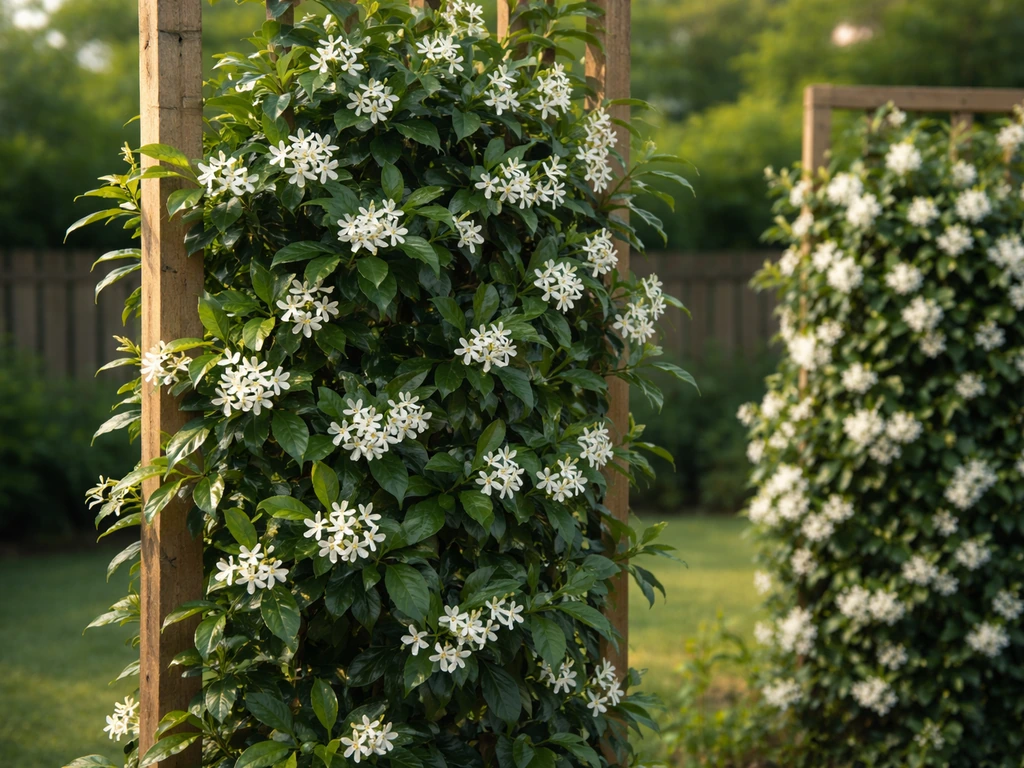
If you want a fragrant climbing vine and you live in Georgia, here's the shortlist worth spending money on.
- Star jasmine (Trachelospermum jasminoides) or the 'Madison' cultivar: The safest choice statewide. Fragrant white flowers, evergreen, tough, and widely available. Check the scientific name on the tag before buying because 'jasmine' labels can cover very different plants.
- Carolina jessamine (Gelsemium sempervirens): Technically not a jasmine, but it looks like one, blooms in late winter and early spring, and it's native to Georgia. Hardy across the whole state. Brilliant yellow flowers. A no-brainer for north Georgia gardeners who want something that definitely survives.
- Winter jasmine (Jasminum nudiflorum): Hardy, yellow-flowered, and blooms in late winter. Not fragrant, but one of the most cold-tolerant true jasmines available. Good for Zone 6–7 north Georgia.
- Common jasmine / Poet's jasmine (Jasminum officinale): A true jasmine with strong fragrance. Hardy to Zone 6–7 in good conditions, so it works across most of Georgia with reasonable siting.
- Pink jasmine (Jasminum polyanthum): Coastal and south Georgia only (Zone 8b+). Don't plant it outdoors in central or north Georgia and expect it to live.
Buying tips and mistakes to avoid
The biggest mistake Georgia gardeners make with jasmine is buying a plant based on the common name alone. A tag that says 'jasmine' at a big-box garden center could be Trachelospermum jasminoides (reliably cold-hardy), Jasminum polyanthum (marginal in Zone 8+), or Jasminum sambac (essentially tropical). Always flip the tag and look for the scientific name. If the tag only lists a common name, ask the nursery staff or skip it and buy from a specialty grower who labels plants correctly.
Buy in spring (like right now in May) rather than fall, so the plant has a full growing season to establish its root system before it faces Georgia winters. A well-rooted star jasmine going into its first winter is dramatically more likely to survive than one planted in October with half-developed roots. If you're in Zone 7 or colder, plant against a south or east-facing wall or fence to give yourself a real microclimate advantage. Mulch heavily around the base in late fall: three to four inches of organic mulch buffers the root zone against the sharp temperature swings Georgia gets in winter.
For container growing of tender types like Jasminum sambac or polyanthum, UGA Extension recommends clustering containers together and insulating the sides with burlap or blankets when temperatures drop, which significantly reduces heat loss. That's a practical option if you love the fragrance of sambac and live in the Atlanta area: grow it in a pot, bring it onto a covered porch or into a garage when nights drop below 30°F, and put it back out in spring.
One last thing: don't assume winter kill is permanent. Star jasmine in particular can look completely dead after a hard freeze, with brown leaves and what looks like total dieback. UGA Extension notes that cold damage can mimic disease or canker. Before pulling a plant, scratch the stem with your fingernail and check the cambium layer just under the bark. If it's still green, the plant is alive and will come back. Give it until late spring before making any decisions. Gardeners in neighboring states like Tennessee and North Carolina face similar decisions with jasmine cold-hardiness, and the same species hierarchy applies: star jasmine and Carolina jessamine first, true Jasminum species second, tender tropical types last.
FAQ
If my plant tag just says “jasmine,” which one is most likely in Georgia?
In Georgia garden centers, “jasmine” is commonly used for star jasmine (Trachelospermum jasminoides) or sometimes Carolina jessamine. True Jasminum species are often sold less consistently, so check the scientific name on the tag or receipt. If the tag lacks a scientific name, assume it could be tender and plan extra protection for Zone 7 or colder areas.
What Georgia hardiness zone number should I use, the USDA zone on the map or the actual winter I get?
Use the USDA zone as a starting point, but focus on the half-zone and your site exposure. Microclimates from wind exposure, slope, and nearby walls can shift outcomes by more than one practical step. If you are on the Blue Ridge or in a colder pocket of a city, treat the USDA zone as optimistic unless you’ve seen past minimums in your exact neighborhood.
Is star jasmine a good choice for north Georgia if I’m worried about the “January freeze”?
Yes, but not all “star jasmine” is equal. Look specifically for the cold-tolerant selection described in the article, such as the 'Madison' cultivar, rather than assuming every plant with “jasminoides” will behave the same. Also plan for wind protection, because winter wind can dry evergreen leaves even when the plant is otherwise hardy.
Will I lose jasmine the first winter even if I plant it correctly in Georgia?
It’s possible, especially if the plant is small or newly established. The highest-risk window is the first winter because roots are still developing. Buying in spring and keeping consistent moisture during establishment improves the odds, and in Zone 7 areas you’ll further reduce risk by mulching and planting near a warm, sheltered surface.
How much mulch should I use, and should I pull it back in spring?
Use about 3 to 4 inches of organic mulch around the base in late fall to buffer temperature swings. In spring, keep mulch in place but avoid burying the crown or stems. If mulch gets matted or stays wet for long periods, reduce thickness slightly to prevent prolonged soggy conditions.
Does jasmine need fertilizer in fall in Georgia?
Avoid it. Fertilizing in fall can trigger fresh growth that is more easily damaged by frost. If you want to feed, do it earlier in the season so new shoots harden off before winter arrives.
How do I tell if jasmine is dead or just winter-damaged after a freeze?
Before removing it, scratch the stem and check the cambium layer just under the bark. If it’s still green, the plant is alive and can regrow later. Wait until late spring to make a final call, since cold injury can mimic disease or canker symptoms.
Can I grow true jasmine (Jasminum polyanthum or Jasminum sambac) outdoors in Georgia?
Sometimes, but it’s highly dependent on winter lows and your protection strategy. In most of Georgia, these are best treated as container or protected plants, especially in Zone 7. If you attempt outdoors, plan for insulation of container sides or bringing the plant into a protected space when nights drop to risky levels.
Do jasmine vines suffer more from drought or overwatering in Georgia?
Overwatering is usually the bigger risk, especially in clay-heavy yards that hold water. Jasmine prefers well-drained soil, and soggy conditions during establishment can cause decline even if summer heat is not an issue. Improve drainage with raised planting or amended soil before planting if water sits after rain.
Is Carolina jessamine truly more reliable across all of Georgia than star jasmine?
Carolina jessamine is often the most dependable choice for north Georgia because it’s native and better aligned with local conditions. However, star jasmine can be very reliable in central Georgia and coastal areas. If your goal is “lowest risk” across colder north sites, prioritize Carolina jessamine and consider 'Madison' star jasmine where you want the classic fragrance.
What’s the best planting location for jasmine vines if I’m in Atlanta or nearby Zone 7 spots?
Plant against a south- or east-facing wall or fence to reduce exposure to cold winds and gain reflected warmth. This can improve survival chances during harsh nights and helps evergreen leaves avoid desiccation. Pair the site choice with mulch and careful watering during the first growing season.
For container jasmine, how should I overwinter it in Georgia?
If you keep tender types in containers, cluster pots close together and insulate the sides during cold snaps. Move the plant onto a covered porch or into a garage when nights fall below about 30°F, then return it outdoors in spring. This approach reduces heat loss and protects roots from repeated freeze-thaw cycles.