
Yes, jasmine absolutely grows in Texas. In fact, Texas is one of the better states in the country for growing multiple types of jasmine outdoors, thanks to its warm climate across most of the state. That said, Texas is enormous and wildly varied, so the answer isn't quite the same if you're gardening in Amarillo versus San Antonio versus Houston. The short version: if you're in Central, South, or East Texas, you're in great shape. If you're in the Panhandle or West Texas, you'll need to choose your variety carefully and give it a little winter protection. Let's break it all down.
Does Jasmine Grow in Texas? Types, Planting, Care Tips
Marcus Hartwell
6 Apr 2026
Texas climate check for jasmine
Texas spans USDA Hardiness Zones 6 through 10, which is an extraordinary range for a single state. The Panhandle sits in Zone 6, where winter temperatures can drop to -10°F on rare occasions. Move down to the DFW area and you're in Zone 7 or 8. Austin and San Antonio are solidly Zone 8b. Houston and the Gulf Coast sit in Zone 9, and the Rio Grande Valley dips into Zone 10. Most jasmine varieties are rated for Zones 7 to 11, which means the majority of Texans can grow jasmine outdoors without any special tricks.
What really helps jasmine thrive in Texas is the heat and humidity in the eastern and southern portions of the state. Jasmine is native to warm, subtropical regions, and those hot, humid Texas summers actually encourage it to grow aggressively and bloom heavily. The challenge is on the other end of the calendar: sudden cold snaps, late freezes, and the occasional hard winter in northern Texas can damage or kill less cold-hardy varieties. The 2021 winter storm was a sobering reminder that Zone 8 and even Zone 9 gardens can get hit with temperatures well below what their zone labels suggest.
Which jasmine types succeed in Texas (and which struggle)
Not all jasmine is created equal when it comes to Texas. There are dozens of plants called jasmine, but a handful are genuinely reliable here, and knowing which is which will save you money and frustration.
The reliable performers
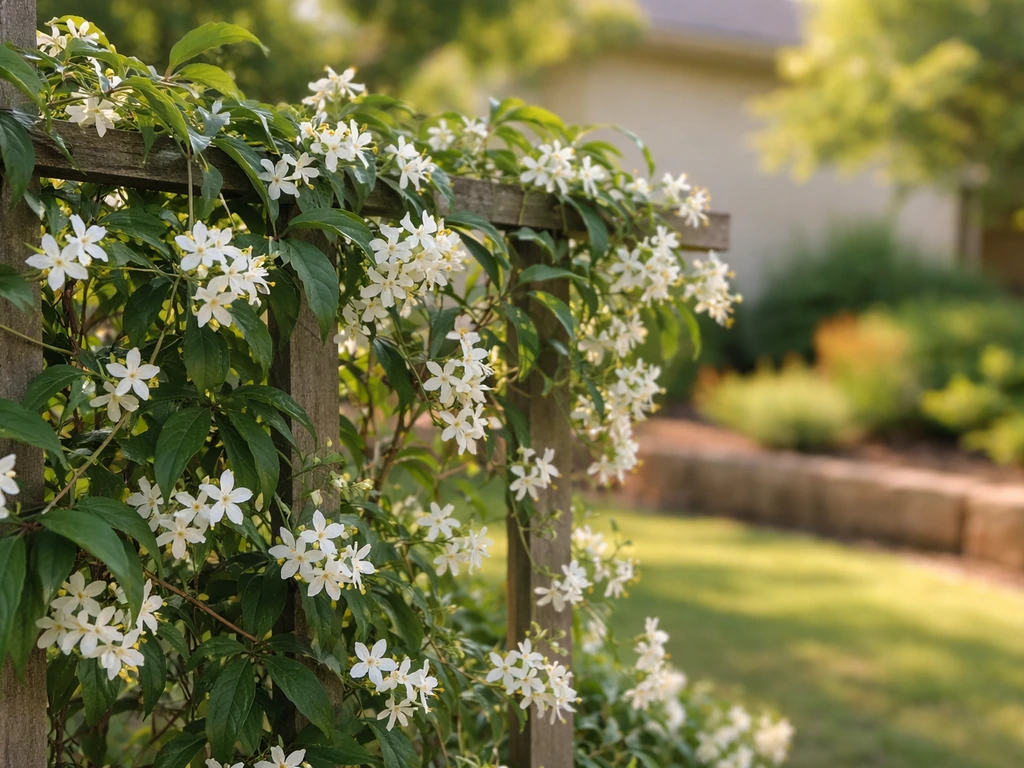
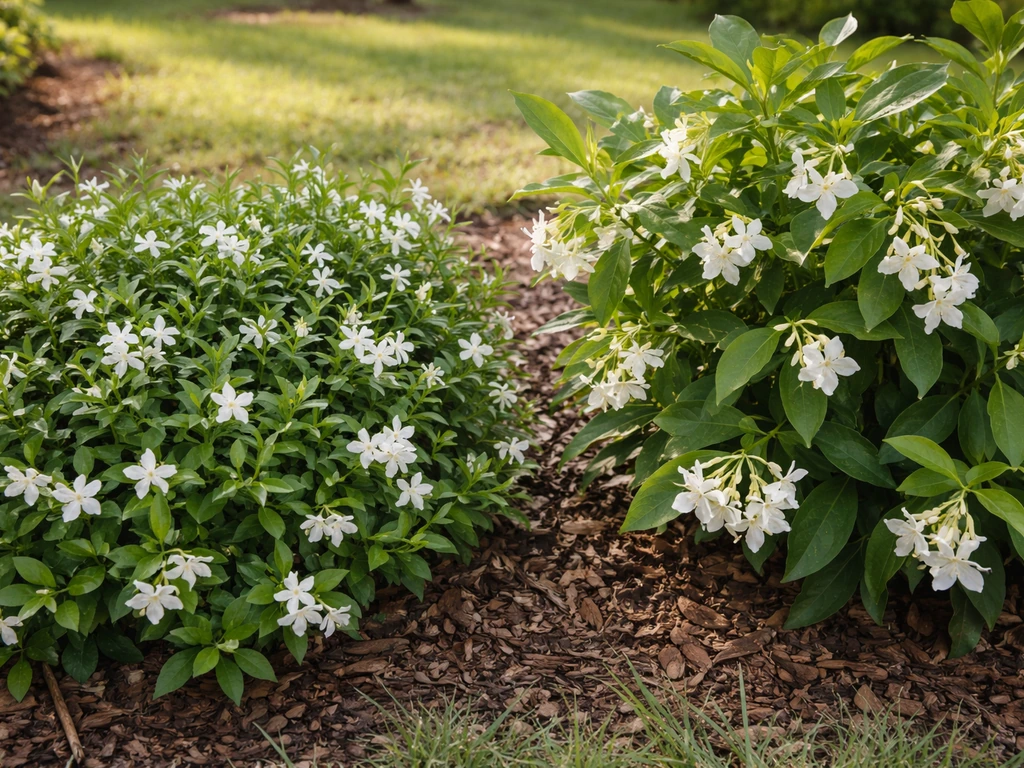
- Asian star jasmine (Trachelospermum asiaticum): This is the ground-cover workhorse of Texas landscaping. It's evergreen, tough, handles both sun and shade, and is reliably hardy to Zone 7b. You'll see it blanketing medians and front yards all over Austin, San Antonio, and Houston. It produces small, fragrant cream-colored flowers in spring.
- Confederate jasmine (Trachelospermum jasminoides): Technically a star jasmine relative, this is one of the most popular vining plants in Texas. It's hardy to Zone 7b (about 5°F), grows fast, and blooms in late spring with intensely fragrant white flowers. Perfect for fences, trellises, and pergolas across most of the state.
- Spanish jasmine (Jasminum grandiflorum): A true jasmine, this one thrives in Zones 8 and warmer. It's a favorite in Central and South Texas for its prolific white blooms. It will die back in a cold Zone 7 winter but often regrows from the roots.
- Arabian jasmine (Jasminum sambac): This is the jasmine used to make jasmine tea and lei flowers. It loves heat and is best suited to Zone 9 and 10 in Texas, meaning it's ideal for Houston south to the Rio Grande Valley. It can work as a container plant farther north.
- Winter jasmine (Jasminum nudiflorum): This one is cold-hardy down to Zone 6, making it the right pick for Amarillo and the Panhandle. It blooms in late winter with yellow flowers before the leaves emerge. It's not fragrant, but it's tough as nails.
What to avoid or treat with caution
Common white jasmine (Jasminum officinale) is hardy only to about Zone 7, so it works in Dallas and north but can struggle in the fierce summer heat farther south. Pink jasmine (Jasminum polyanthum) is beautiful but only reliably hardy to Zone 8, and even then it can get scorched in Texas heat if not given afternoon shade. Both are worth trying in containers if you live at the edge of their zones, since you can move them inside during extremes.
| Jasmine Type | Hardiness Zone | Best Texas Regions | Fragrant? | Sun/Shade |
|---|---|---|---|---|
| Asian star jasmine | Zone 7b–11 | Statewide except Panhandle | Mildly | Full sun to full shade |
| Confederate jasmine | Zone 7b–10 | DFW south to Rio Grande Valley | Strongly | Full sun to part shade |
| Spanish jasmine | Zone 8–11 | Central, South, East Texas | Strongly | Full sun |
| Arabian jasmine | Zone 9–11 | Houston, Gulf Coast, Rio Grande Valley | Strongly | Full sun to part shade |
| Winter jasmine | Zone 6–9 | Panhandle, North Texas | None | Full sun to part shade |
| Pink jasmine | Zone 8–11 | South and Gulf Coast Texas | Strongly | Part shade preferred |
If you're curious how jasmine fares in neighboring states with similar climate dynamics, the situation in Arkansas gardens offers a useful comparison, since the northern border region of Texas shares many of the same Zone 6 and 7 challenges you'll find there.
How to pick the right spot (sun, soil, drainage)
Site selection is where most Texas gardeners either set their jasmine up for success or quietly doom it before it ever blooms. Here's what to prioritize.
Sun exposure
Most flowering jasmines want full sun, meaning at least six hours of direct sun per day. Confederate jasmine and Spanish jasmine bloom most heavily with eight or more hours of sun. The exception is Asian star jasmine used as a ground cover, which handles deep shade without complaint, though it won't bloom much in heavy shade. In South Texas and the Rio Grande Valley, afternoon shade becomes important during the peak of summer to prevent leaf scorch on more delicate varieties like Arabian jasmine. A spot with morning sun and light afternoon shade is often the sweet spot in Zone 9 and 10.
Soil and drainage
Jasmine is not picky about soil type, but it absolutely cannot tolerate waterlogged roots. This matters a lot in Texas because the state has everything from the heavy black clay of the Blackland Prairie around Dallas to the sandy loam of East Texas to the rocky, alkaline Hill Country soils. If you have clay soil, which drains poorly and stays wet after rain, you need to amend it before planting.
Mix in two to three inches of coarse sand and compost worked into the top foot of soil, or build up a raised planting area at least six inches above the surrounding grade. For alkaline Hill Country soils, add sulfur or acidic compost to bring the pH closer to the 6. 0 to 7. 5 range jasmine prefers.
Good drainage is honestly more important than soil richness.
Planting timing and setup for Texas gardens
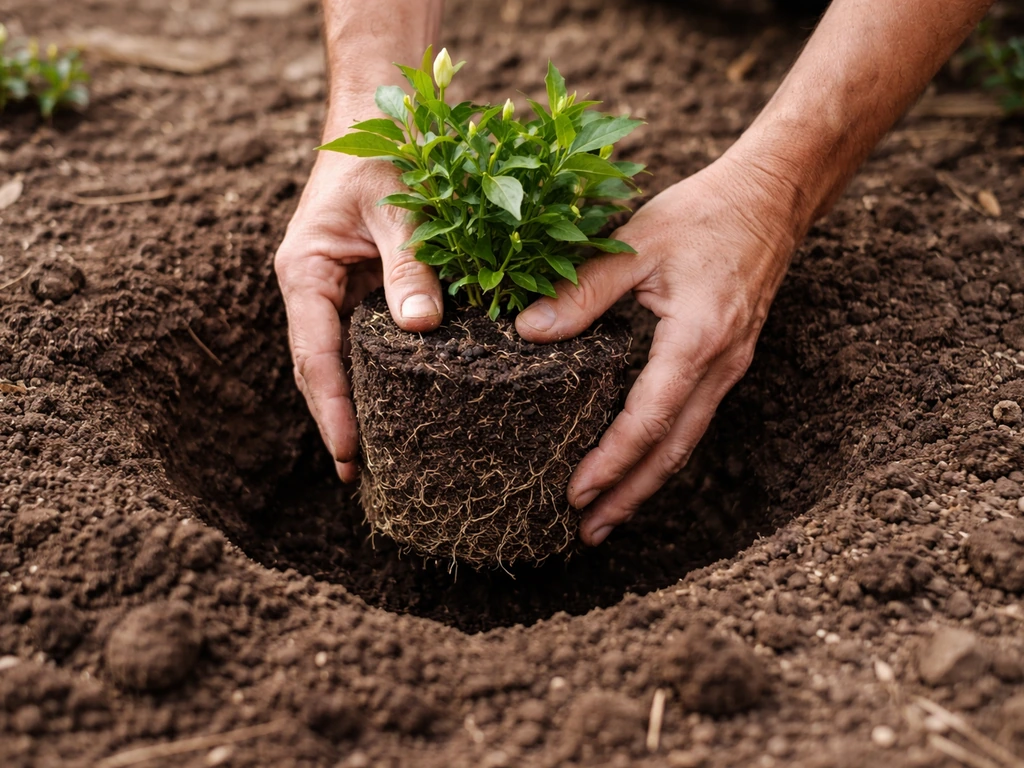
Spring is the ideal time to plant jasmine in Texas, specifically between late February and mid-April in Central and South Texas, and between mid-March and late April in North Texas. Planting in spring gives the roots a full growing season to establish before they face their first winter. Fall planting (September to October) is the second-best option in Zone 8 and warmer, where winters are mild enough to allow root growth right through to spring. Avoid planting in summer if at all possible: the combination of heat stress and the need to establish roots at the same time is hard on new transplants.
When you plant, dig your hole twice as wide as the root ball but no deeper. Set the plant so the top of the root ball is level with or just slightly above the surrounding soil, especially in clay-heavy spots. Backfill with the native soil mixed with a little compost, water deeply, then mulch the root zone with two to three inches of shredded bark or wood chips. That mulch layer is critical in Texas: it keeps roots cool in summer, retains moisture during dry spells, and moderates soil temperature during winter cold snaps.
Watering, fertilizing, and pruning basics
Watering
Newly planted jasmine needs consistent moisture for the first growing season. Water deeply two to three times per week for the first six to eight weeks, then gradually back off to once a week as roots establish. Once established, Confederate jasmine and Asian star jasmine are surprisingly drought-tolerant and can get by on one deep watering per week in summer, or even every ten days if you've mulched well. Arabian jasmine is a bit more thirsty and does better with consistent moisture through the summer. Always water at the base of the plant, not overhead, to avoid fungal issues in humid regions like East Texas and the Gulf Coast.
Fertilizing
Feed jasmine once in early spring as new growth appears, and again in early summer. Use a balanced slow-release granular fertilizer, something like a 10-10-10 or a bloom-booster formula with higher phosphorus (the middle number) to encourage flowering. Don't over-fertilize with nitrogen-heavy products or you'll get lush green growth but few flowers. Stop fertilizing by late August so the plant can begin hardening off before cooler fall temperatures arrive, particularly in Zone 7 and 8 gardens.
Pruning
Prune flowering jasmines right after the main bloom period ends. For Confederate jasmine and Spanish jasmine, that means pruning in late spring to early summer after the flowers fade. Cutting back at this time lets the plant set new growth that will produce next year's flower buds. For Asian star jasmine ground cover, a light shearing in late winter or early spring keeps it tidy and encourages a dense new flush of growth. Avoid heavy pruning in fall, which can stimulate new tender growth that gets damaged by the first frost.
Winter protection and dealing with frost and heat stress
Winter is where Texas jasmine growers face their biggest risks, and those risks vary a lot by region. In Zone 9 and 10 (Houston, the Valley), most jasmines will sail through winter without any help. In Zone 8 (Austin, San Antonio, Dallas), Confederate jasmine and Asian star jasmine are reliably hardy, but Spanish jasmine and Arabian jasmine may need protection during hard freezes. In Zone 7 (North Texas, including the northern DFW suburbs), winter jasmine is your safest bet, and everything else should be considered borderline. Winter jasmine (Jasminum nudiflorum) is rated by Oklahoma State University Extension for USDA hardiness Zone 6.
When a hard freeze is forecast, cover your jasmine with frost cloth (not plastic) the evening before. Frost cloth lets some air circulation happen and won't crush the plant the way a tarp can. Wrap the base with an extra layer of mulch, piling it up four to six inches around the crown. After the 2021 freeze, many Texas gardeners found that even dead-looking Confederate jasmine came back from the roots by late spring once temperatures warmed. So if yours looks dead after a hard winter, don't pull it. Wait until mid-April and look for new growth emerging from the base.
Heat stress is the summer counterpart to watch for. Symptoms include yellowing leaves, wilting despite adequate water, and leaf drop. This usually shows up in July and August in South Texas and the Valley. Afternoon shade, deep mulching, and consistent watering are the main defenses. Planting on the east or north side of a structure where the plant gets morning sun but is shielded from the brutal late-afternoon sun can make a significant difference.
Gardeners in neighboring states with similarly variable winter conditions deal with the same balancing act. The way jasmine grows in Tennessee across its range of zones offers a useful parallel to the North Texas experience, where Zone 7 winters require the same strategic variety selection and frost prep.
Troubleshooting: why it won't bloom or keeps dying
No flowers
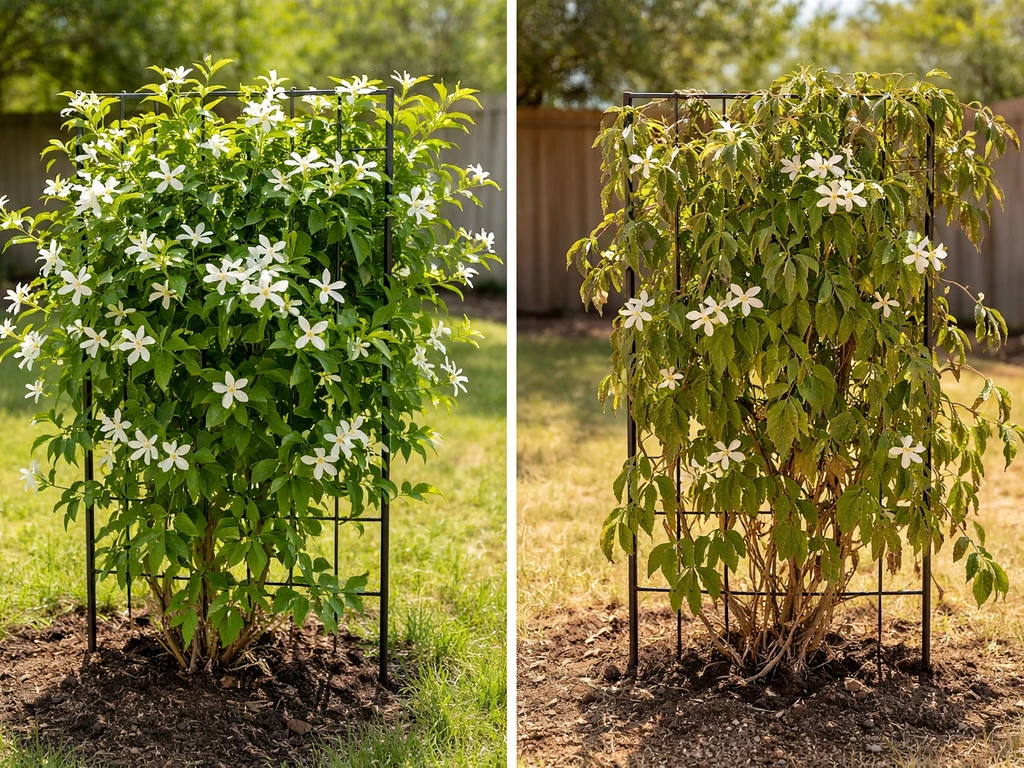
The most common reason jasmine won't bloom in Texas is too much shade. If your plant is getting fewer than five to six hours of direct sun per day, move it or clear some of the surrounding vegetation. The second most common cause is too much nitrogen fertilizer, which pushes leafy growth at the expense of flowers. Switch to a low-nitrogen, high-phosphorus fertilizer and you'll usually see improvement within one growing season. Finally, if you pruned your plant in late summer or fall, you may have cut off the buds before they developed. Remember: prune right after flowering, not before.
Plant keeps dying back or won't establish
If your jasmine keeps dying and you've eliminated winter damage as the cause, check the drainage situation first. Soggy roots are the number-one killer of jasmine in Texas's clay-heavy soils. Dig down next to the root zone after a rain and see how long it stays wet. If it's still waterlogged 24 hours later, you need to either raise the planting bed or move the plant to higher ground. Root rot from poor drainage will kill jasmine faster than any freeze.
Yellowing leaves
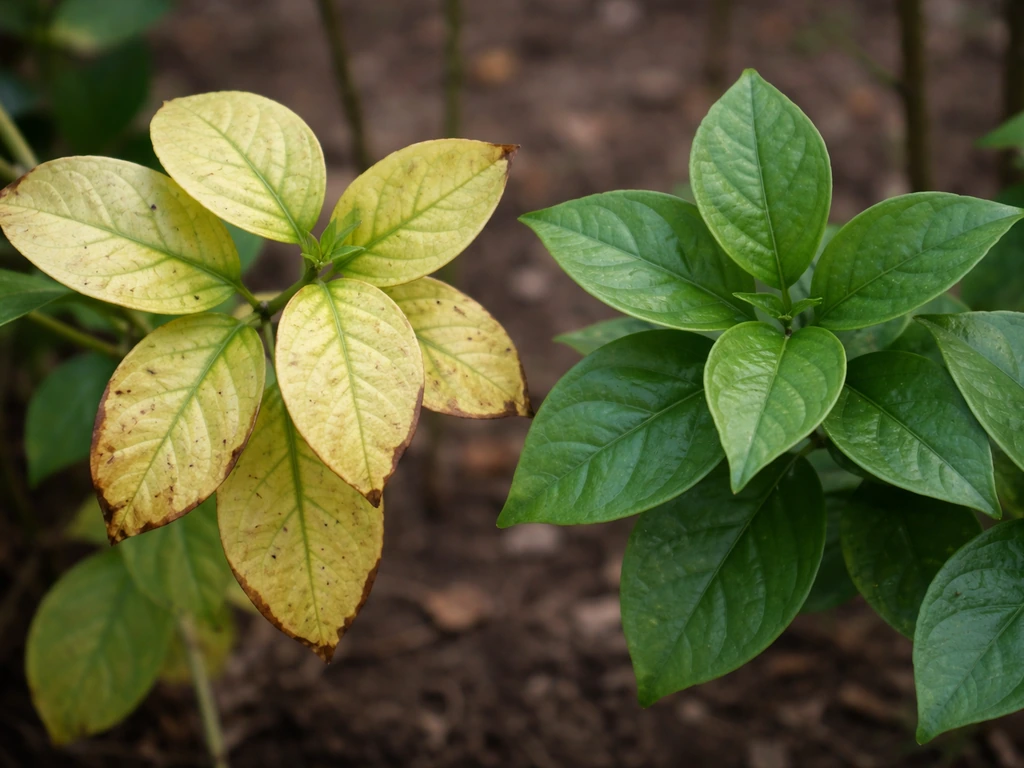
Yellowing leaves in Texas jasmine usually point to one of three things: overwatering (especially in clay soil), iron chlorosis from alkaline soil in the Hill Country or West Texas, or spider mite damage in hot dry conditions. For iron chlorosis, treat with chelated iron according to package directions. For spider mites, a strong spray of water from a hose knocks them back, and insecticidal soap handles heavier infestations. For overwatering, let the soil dry out between waterings and check your drainage.
The experience of growing jasmine in Georgia is instructive here, because Georgia gardeners in the humid coastal zones deal with similar drainage and fungal issues that Texas Gulf Coast gardeners face. The fixes are largely the same: improve drainage, reduce overhead watering, and choose resistant varieties.
How Texas compares to other nearby states
Texas is actually one of the easier places in the South to grow jasmine because such a large portion of the state sits in warm zones. Compare that to jasmine growing conditions in New Mexico, where the dry desert climate and colder winters across much of the state make success much harder to achieve. Even within the broader Southeast, states like North Carolina have a narrower comfortable window for jasmine due to colder winters across their mountain and piedmont regions. Texas, with its long warm season and access to Zones 8 through 10 across most of the population centers, gives jasmine more room to succeed than most states outside the Deep South.
Even compared to a state like Maryland, where jasmine is limited to the warmest coastal and suburban zones, Texas gardeners have a clear advantage. The majority of Texans can grow at least two or three jasmine varieties without any special coddling, which puts the state firmly in the favorable column for this plant.
Your action plan before you buy
- Find your specific Texas zone using the USDA Hardiness Zone Map and confirm which jasmine varieties are rated for your zone before buying anything.
- Choose Confederate jasmine or Asian star jasmine if you want reliable, low-maintenance performance across most of the state.
- Pick a spot with at least six hours of direct sun and check that it drains well after rain.
- Plant in spring (late February to mid-April depending on your region) and water deeply right after planting.
- Mulch the root zone immediately with two to three inches of shredded bark to conserve moisture and protect roots.
- Feed once in spring and once in early summer with a bloom-boosting fertilizer, and prune only after flowers fade.
- Keep frost cloth on hand if you're in Zone 7 or 8 and watch the forecast in January and February.
That's really the whole picture. Jasmine in Texas isn't a gamble if you match the right variety to your zone and give it decent drainage and sun. Most of the state is genuinely well-suited for it, and once Confederate jasmine or star jasmine gets established, it tends to take care of itself with very little help from you.
FAQ
Can I grow jasmine in Texas from seed, or should I buy established plants?
Yes, but jasmine in Texas is almost always happiest in spring or in a protected fall planting window. If you start in winter, use a container indoors or in a sheltered spot and only harden it off after nights are reliably above about 50°F, otherwise tender shoots can be set back just as the growing season begins.
What’s the best strategy for winter-protecting jasmine in the Panhandle or West Texas?
If you are in Zone 6 (Panhandle) or borderline Zone 7, plan on a “moveable” setup. The easiest approach is to keep jasmine in a large pot with good drainage, bring it under shelter during the coldest weeks, and still follow the same sun and watering rules once the plant is outside again.
Does jasmine need full sun in Texas, or will it bloom in partial shade?
For best blooming, aim to keep most jasmines in at least 6 hours of direct sun, with morning sun preferred. If you only get low light, star jasmine may survive as a ground cover but you should not expect heavy flowers.
How close should mulch be to the jasmine plant, especially in Texas heat?
Use mulch like you would in other parts of the South, but avoid piling it so tightly against stems that it stays constantly damp. Keep mulch 2 to 4 inches away from the main stem or trunk, and refresh in spring so you do not smother the crown.
How can I tell if my jasmine is being overwatered or underwatered in Texas?
Overwatering is common in heavy soils, but underwatering can also look similar in July and August. The quick test is to dig 2 to 3 inches down, if it is dry at that depth then water deeply, if it is still wet then wait and check drainage before adding more water.
Will jasmine work better in containers than in-ground planting for Texas clay soils?
Yes, but only if you improve drainage first. Jasmine dislikes soggy roots, so planting in a container indoors or outdoors with a fast-draining mix is a good edge-case solution when your yard clay stays wet after rain.
What should I do if my jasmine leaves turn yellow in the Hill Country (iron chlorosis)?
In very alkaline Hill Country soils, jasmine can stall without the right nutrition even if it looks otherwise healthy. Chelated iron helps for yellowing from iron chlorosis, but you will usually get better results by also adjusting soil acidity or choosing a variety that tolerates your pH.
When is the worst time to prune jasmine in Texas if I want it to bloom?
Avoid pruning in late summer or early fall, because fresh tender growth can be damaged by first frosts and it also wastes the plant’s energy instead of forming next-season buds. If you must correct shape, do it lightly right after flowering rather than later in the year.
My jasmine is growing lush leaves but not flowering, what should I check first?
Treat fertilizer like a schedule, not a constant feed. If you see mostly leaves and few flowers, pause nitrogen-heavy feeding, switch to a bloom-leaning fertilizer, and make sure the plant is getting enough sun, because light is often the other limiting factor.