Yes, jasmine can grow in Arkansas, but which jasmine and where in the state matters a lot. In North Carolina, jasmine depends heavily on which type you have and your local USDA hardiness zone. The vine most commonly sold and recommended for Arkansas landscapes is actually Confederate jasmine (Trachelospermum jasminoides), not true jasmine. It's reliably hardy in southern and central Arkansas, and marginal but doable in the north with some protection. True jasmine and tropical types are a different story, and buying the wrong one is how gardeners end up with dead plants after the first hard freeze.
Does Jasmine Grow in Arkansas? Varieties, Zones, and Tips
Marcus Hartwell
13 May 2026
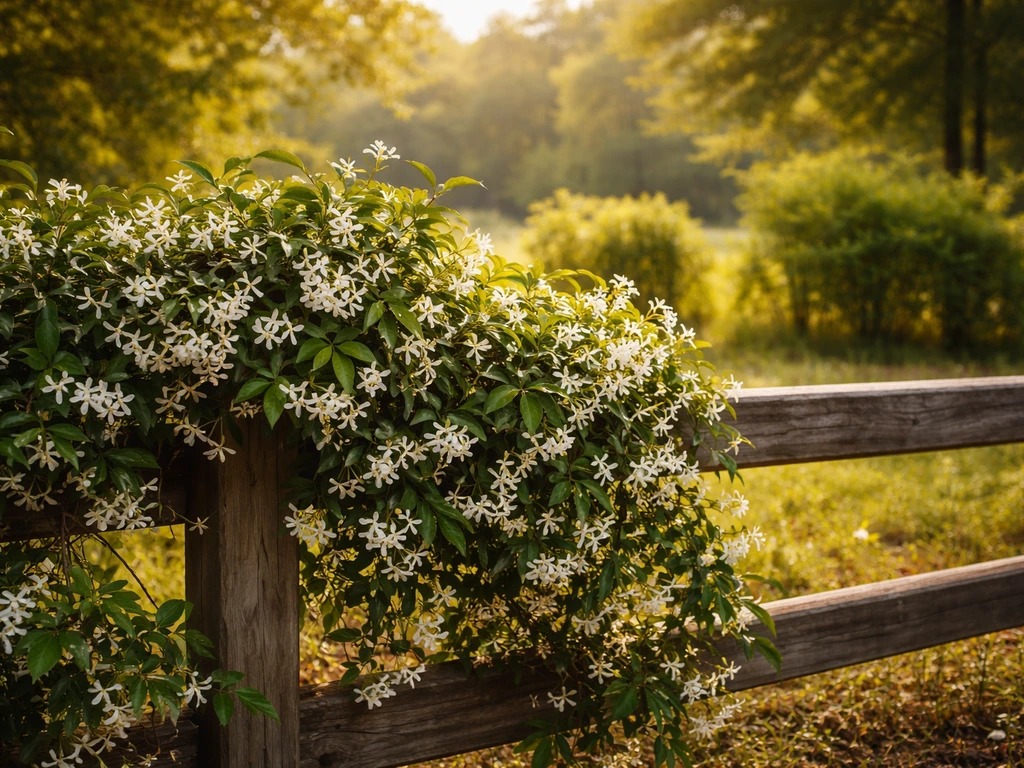
Which jasmine do most Arkansas gardeners actually mean?
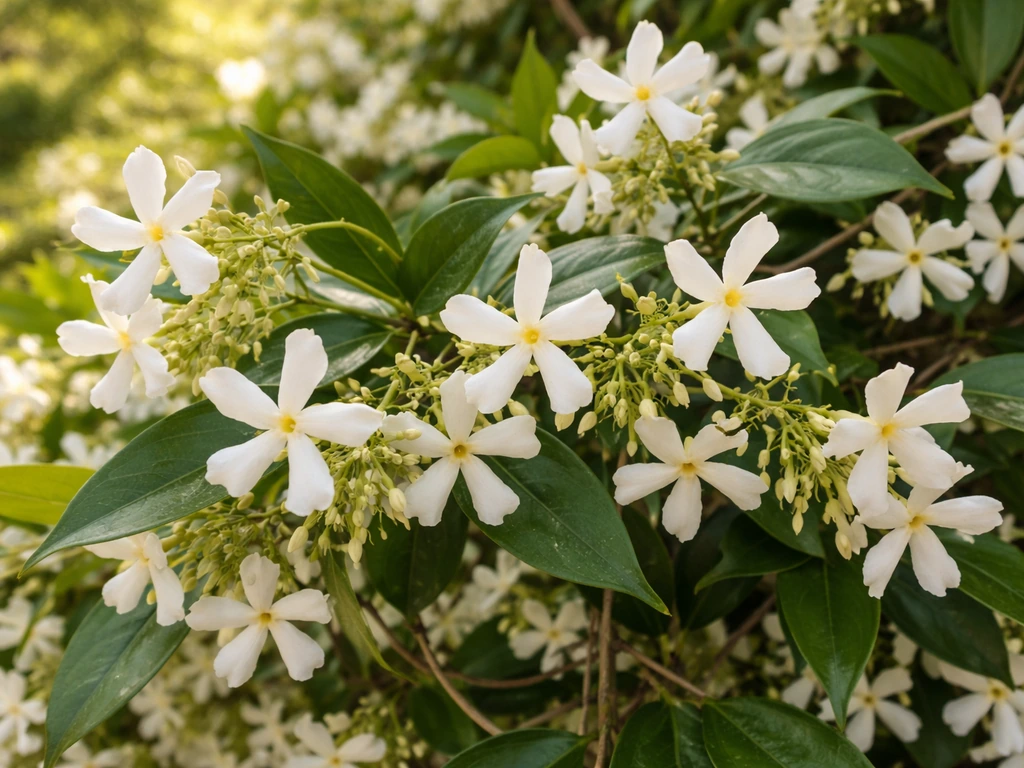
When someone in Arkansas asks about jasmine, they almost always mean one of two things: Confederate jasmine (Trachelospermum jasminoides), the fragrant evergreen vine you see climbing fences and trellises all over the South, or occasionally true jasmine (Jasminum officinale), the old-fashioned cottage plant with star-shaped white flowers. The University of Arkansas Cooperative Extension lists Confederate jasmine by name in their plant database and master gardener vine resources, so it's clearly the standard local recommendation. The name is a little confusing because Confederate jasmine is not a true jasmine at all, but it looks and smells similar enough that the common name stuck. If you're shopping at a local nursery and you ask for jasmine, there's a good chance that's what you'll be handed.
Arkansas's climate and why it matters for jasmine
Arkansas spans USDA hardiness zones 7a through 8b, which creates a real split in how well jasmine performs. The Ozark highlands and areas near the Missouri border sit in zones 7a and 7b, where winter lows can hit 0 to 10 degrees Fahrenheit. Central Arkansas, including Little Rock, falls in zone 7b to 8a. The southern Delta and Texarkana corner reach zone 8a and 8b, with milder winters that rarely drop below 10 to 20 degrees Fahrenheit. That zone difference is the whole ballgame when it comes to jasmine survival.
Confederate jasmine is rated hardy in zones 7 through 9, so it fits most of Arkansas on paper. The catch is that zone 7 plants can still take serious cold damage in harsh winters, especially if there's no protection from wind or a hard freeze comes on fast. Southern Arkansas growers rarely have to worry. Northern Arkansas growers have to think harder about placement and backup plans.
True jasmine vs Confederate jasmine vs the tropical types
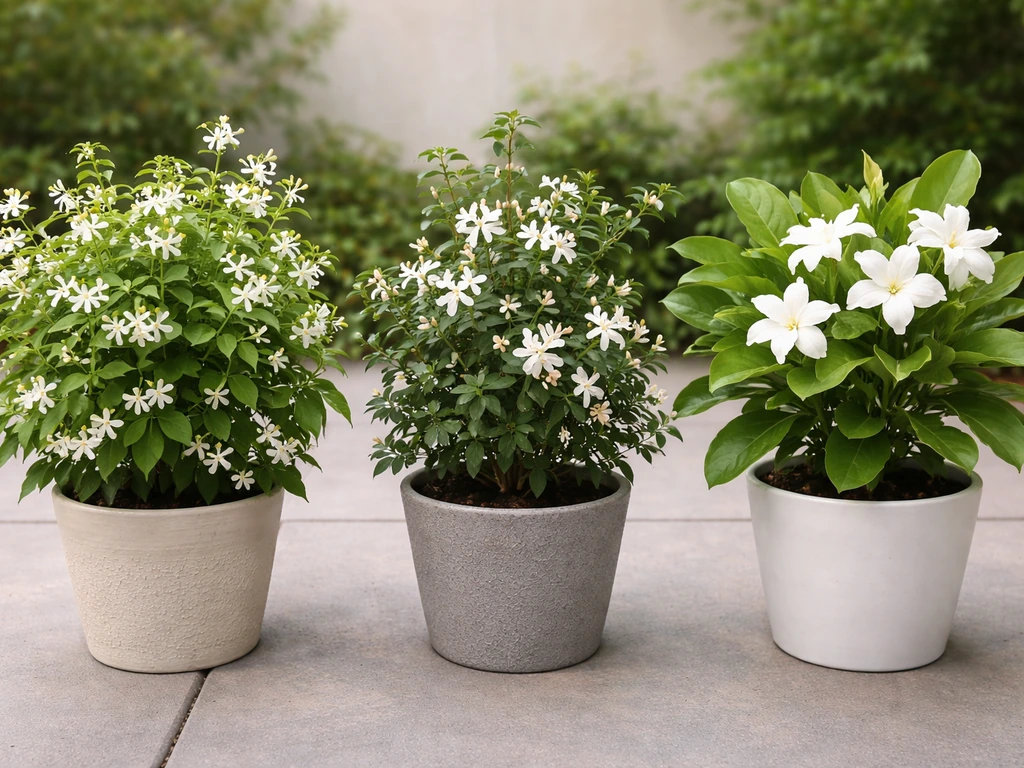
It's worth knowing exactly what you're buying, because these plants are not interchangeable for Arkansas winters.
| Plant | Scientific Name | Hardiness Zones | Realistic in Arkansas? |
|---|---|---|---|
| Confederate (Star) Jasmine | Trachelospermum jasminoides | 7–9 | Yes, reliably in central/south; marginal in north |
| True (Common) Jasmine | Jasminum officinale | 7–10 (cold edge) | Marginal; needs protection in zones 7a/7b |
| Arabian/Sambac Jasmine | Jasminum sambac | 9–11 | No, outdoor year-round; container/houseplant only |
| Carolina Jessamine | Gelsemium sempervirens | 6–9 | Yes, very reliable statewide (not a true jasmine) |
True jasmine (Jasminum officinale) sits right at its cold tolerance edge in zone 7, so it can survive in Arkansas but isn't bulletproof the way Confederate jasmine is. North Carolina State Extension notes it's not reliably cold tolerant beyond zone 7, which means northern Arkansas is a gamble. Jasminum sambac, the highly fragrant tropical type sometimes sold at nurseries, is rated for zones 9 to 11 and will not make it through an Arkansas winter outdoors, full stop. Treat it as a houseplant. Carolina jessamine is often lumped into jasmine conversations and is actually very reliable all across Arkansas, though it's a completely different plant.
North, central, and south Arkansas: the regional breakdown
Southern Arkansas (zones 8a–8b)
Confederate jasmine performs very well here. Winters are mild enough that established plants sail through without protection, and you can treat this vine the same way gardeners in Georgia or east Texas do. It's a landscape staple in this part of the state. Even the more tender Jasminum officinale has a reasonable shot at overwintering outdoors if you give it a sheltered spot.
Central Arkansas (zones 7b–8a)
Confederate jasmine is reliable here too, especially established plants with a few years in the ground. Little Rock and surrounding areas fall right in this range. Expect occasional winter dieback on younger plants or exposed stems during especially cold snaps, but the roots and main structure almost always survive. The cultivar 'Madison' is specifically noted for improved cold tolerance within the zone 7 range, so look for it if you're in this region and want extra insurance.
Northern Arkansas (zones 7a–7b)
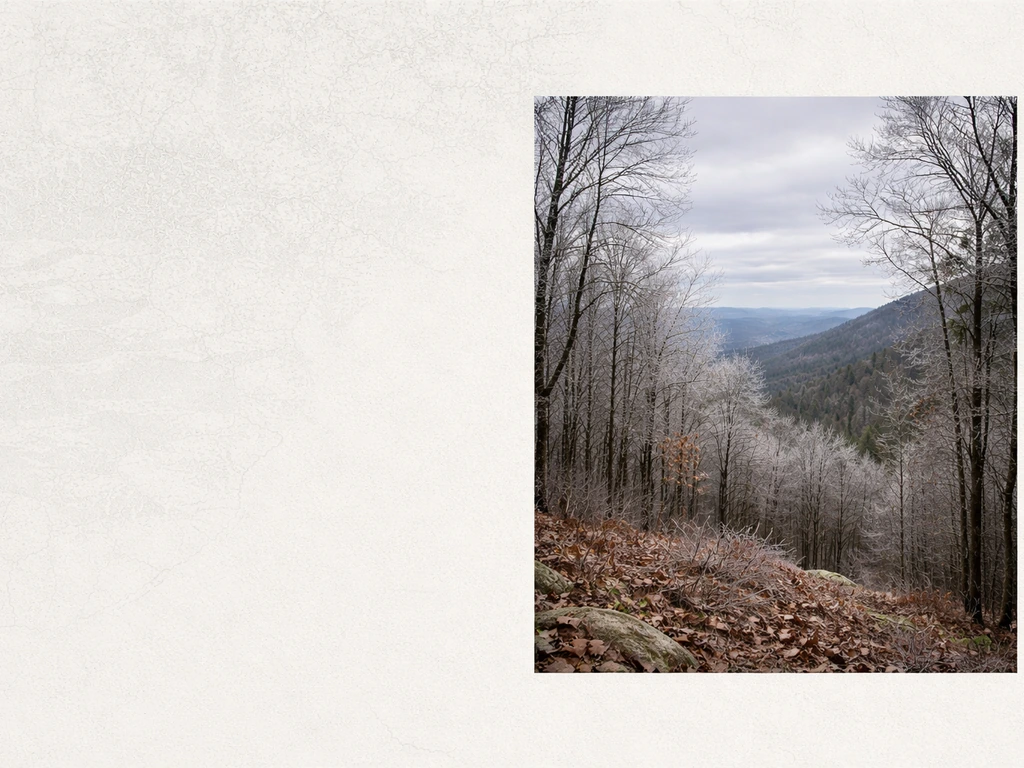
This is where it gets tricky. Confederate jasmine is technically zone 7 hardy, but the Ozark highlands see colder, more variable winters than the zone average suggests. You can grow it here, but you'll want to plant it against a south- or west-facing wall for radiated heat, mulch heavily at the base in fall, and accept that some years it will die back to the crown and need to regrow from the roots. If you want something that just works without drama in northern Arkansas, Carolina jessamine is the honest answer.
How to give jasmine its best shot in Arkansas
Site selection is the single biggest factor in whether Confederate jasmine thrives or struggles. A south-facing brick wall is almost like giving the plant a free half-zone of warmth: the masonry absorbs heat during the day and radiates it back at night, which can make the difference during a cold snap. Good drainage is equally important. Jasmine sitting in soggy soil through a cold winter is far more likely to rot or suffer cold damage than the same plant in well-drained ground. If your soil holds water, amend with compost and plant in a slightly raised area.
- Plant against a south- or west-facing wall or fence for heat reflection and wind protection
- Choose well-drained soil; avoid low spots that collect water in winter
- Mulch 3 to 4 inches deep around the base before first frost to insulate roots
- In zone 7a, wrap established plants loosely with burlap during hard freezes below 5°F
- Water sparingly in late fall to slow growth and harden the plant before cold arrives
- Look for the 'Madison' cultivar for the best cold hardiness within the Confederate jasmine options
Container vs in-ground: which is smarter for your part of Arkansas
In southern and central Arkansas, planting Confederate jasmine directly in the ground is almost always the better long-term move. In-ground plants develop deeper root systems that handle drought and temperature swings much better than pots. But if you're in northern Arkansas, or if you want to grow true jasmine or sambac jasmine (which aren't reliably hardy here), containers give you the flexibility to bring the plant inside when temperatures drop hard.
Container growing comes with a real trade-off though: pot roots are exposed to ambient air temperature on all sides, so they experience cold more intensely than roots in the ground. Penn State Extension points out that container roots can drop close to outside air temperature during a freeze, which is a problem for marginally hardy plants. If you go the container route in a colder part of Arkansas, use the largest pot you can manage, group pots together against a wall or on a covered porch, and move them to an unheated garage or shed when extended freezes are forecast. Water sparingly during that period but don't let the roots go completely dry.
What to look for when buying jasmine in Arkansas
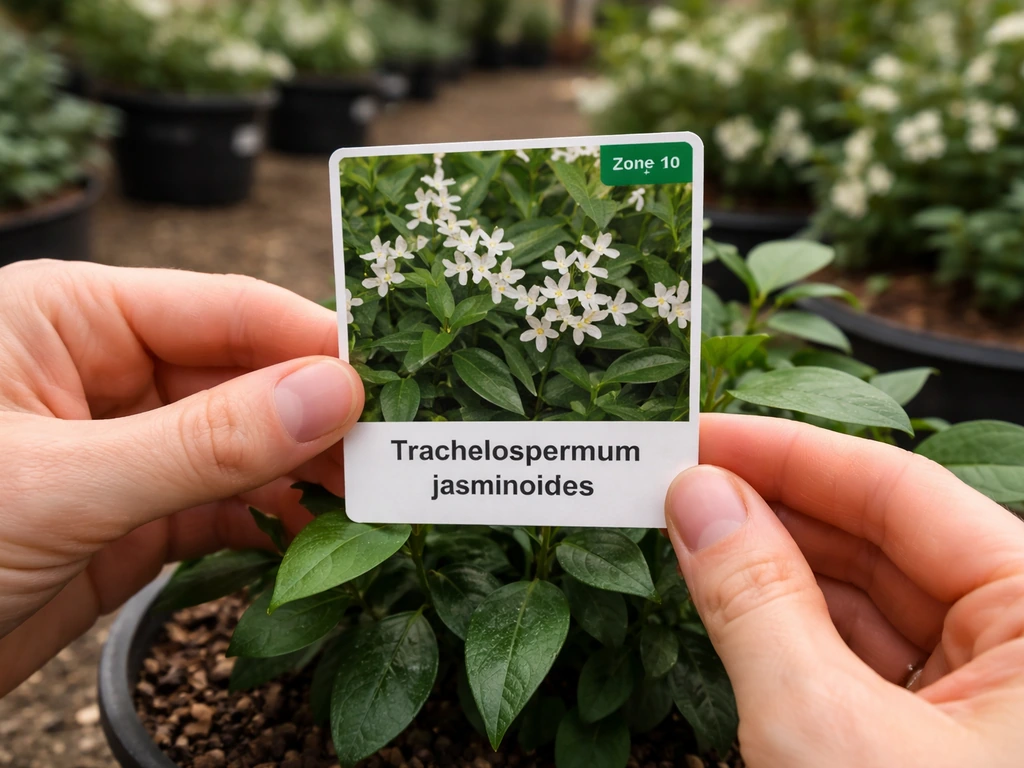
The common name on the tag almost doesn't matter. What you need to check is the botanical name and the hardiness zone rating printed on the label or the grower's card. Here's what to look for specifically.
- Confirm the botanical name: look for Trachelospermum jasminoides (Confederate or star jasmine) for the most reliable Arkansas choice. If the tag just says 'jasmine' with no species name, ask the nursery staff before buying.
- Check the hardiness zone: you want a plant rated to at least zone 7 if you're in central or northern Arkansas. Zone 8 ratings only won't cut it north of Little Rock.
- Look for the cultivar 'Madison' if you're in zone 7a or 7b. It's specifically selected for better cold hardiness than standard stock.
- Avoid anything listed as Jasminum sambac without planning to keep it as a houseplant. It's tropical and won't survive outdoors in Arkansas winters.
- Be cautious with Jasminum officinale in northern Arkansas. It can work, but it's at its cold limit and should be treated as a marginal choice rather than a sure thing.
- Skip buying jasmine in late fall unless you're planting in the southern tip of the state. Spring planting gives the root system time to establish before winter stress hits.
Arkansas is in a similar position to neighboring states like Tennessee and Georgia when it comes to jasmine: the southern regions have real success with Confederate jasmine, while the northern areas require more careful planning. Georgia’s growing conditions are similar to Arkansas’s milder areas, so Confederate jasmine usually performs well there with the right placement. Does jasmine grow in Tennessee? The same rule applies: Confederate jasmine tends to do best in the milder parts, while colder areas may need protection. If you're curious how the plant performs just across the border in similar climates, the comparison is pretty consistent: the warmer and lower you are, the easier it gets. If you're wondering does jasmine grow in New Mexico, the same zone-and-placement logic applies, but the hot-summer and wide temperature swings change what will actually thrive there. If you're wondering does jasmine grow in Texas, the answer depends on which jasmine you have and your local winter lows, since the state ranges from mild to colder pockets. For most Arkansas gardeners, Confederate jasmine is the practical, proven choice, and if you're in the northern half of the state, pairing it with good site selection and winter prep is what separates the plants that thrive from the ones that disappoint. Jasmine can grow in Maryland too, but which type you choose and how you protect it for winter matters does jasmine grow in maryland.
FAQ
If I buy jasmine in Arkansas, how can I tell the difference between Confederate jasmine and true jasmine before planting?
Check the label for the botanical name, Trachelospermum jasminoides for Confederate jasmine, and Jasminum officinale for true jasmine. Nursery tags often use “jasmine” loosely, so don’t rely on flower color or scent, also confirm the hardiness zone listed for the specific cultivar, not just the common name.
What is the safest way to protect Confederate jasmine in northern Arkansas during a sudden deep freeze?
Focus on wind blocking and insulated roots, cover the crown area with a thick mulch layer (not a thin blanket) after the soil cools, then add a temporary plant cover or burlap to reduce drying. Avoid covering with plastic that can trap moisture and then freeze, if you must, use breathable fabric.
Should I prune Confederate jasmine in Arkansas in fall or winter?
It’s better to wait until spring for major pruning in Arkansas. After winter dieback, you can remove dead or damaged tips once temperatures are stable, pruning too early can encourage new growth that is more likely to be killed when the next cold snap arrives.
My Confederate jasmine looks fine in early fall but seems to fail after the first hard freeze, what’s usually going wrong?
The most common issue is planting in a spot with poor drainage or cold wind exposure, which leads to crown damage or rot when cold weather hits wet soil. Another frequent mistake is buying a young plant that is still establishing, it needs extra siting protection for the first couple winters.
Can jasmine grow in Arkansas in shade, or does it need full sun?
Confederate jasmine performs best with at least several hours of sun, morning light is especially helpful because it dries leaves and reduces disease risk after dew. In deeper shade it may survive but bloom less and become slower to recover after winter dieback.
Does jasmine climb reliably in Arkansas if I plant it near a fence or trellis?
Yes, but provide a sturdy support system early, the vine can get heavy after a few seasons. Use a trellis or wires spaced for twining growth and avoid flimsy plastic supports that can shift in freeze-thaw cycles, which can break new stems.
Is growing jasmine in a container always better if I’m in the colder part of Arkansas?
Not always. Containers give you the option to move the plant, but they expose roots to colder air than in-ground planting, increasing freeze risk. If you containerize, use the largest pot you can, ensure excellent drainage, and plan to move it to a sheltered, above-freezing environment during forecast freezes.
How often should I water Confederate jasmine in winter if I’m trying to keep it alive?
Water sparingly in winter, only if the soil is dry and not frozen. Overwatering during cold weather increases the odds of root and crown problems, so let the ground dry slightly between waterings and prioritize mulch for consistent soil moisture.
What should I do in spring if my jasmine dies back to the ground?
Don’t remove everything immediately. Wait until you see new growth from the crown or main stems, then prune back only the clearly dead sections. If regrowth is coming from the roots, the plant likely survived and will rebound during the growing season.
Can I grow Carolina jessamine instead of Confederate jasmine for better cold tolerance in northern Arkansas?
Carolina jessamine (often discussed as “jasmine” but different from true jasmine) is typically more reliable across Arkansas than true jasmine. If you’re in the northern half and want a lower-maintenance option, it can be a better fit, but still choose a sheltered location and ensure drainage.
Are there jasmine diseases in Arkansas that I should watch for?
A common problem is stress-related dieback that can be worsened by wet conditions, poor airflow, and soggy soil. Keep the base mulched but not waterlogged, space plants if you’re growing multiple vines, and watch for leaf discoloration that worsens after extended wet spells.