Yes, jasmine can grow in North Carolina, but which type you're planting makes all the difference. If you want to know whether jasmine can grow in Tennessee, start by matching the jasmine type to your local hardiness zone jasmine grow in Tennessee. Winter jasmine (Jasminum nudiflorum) is the toughest and works statewide, star jasmine (Trachelospermum jasminoides) thrives in the Piedmont and coast but struggles in the mountains, and true jasmine (Jasminum officinale) is risky anywhere in NC without container growing or serious winter protection. Getting this right before you buy saves you a lot of dead plants.
Does Jasmine Grow in North Carolina? Zones, Types, Tips

Marcus Hartwell
23 May 2026
Why "jasmine" in NC depends on the type
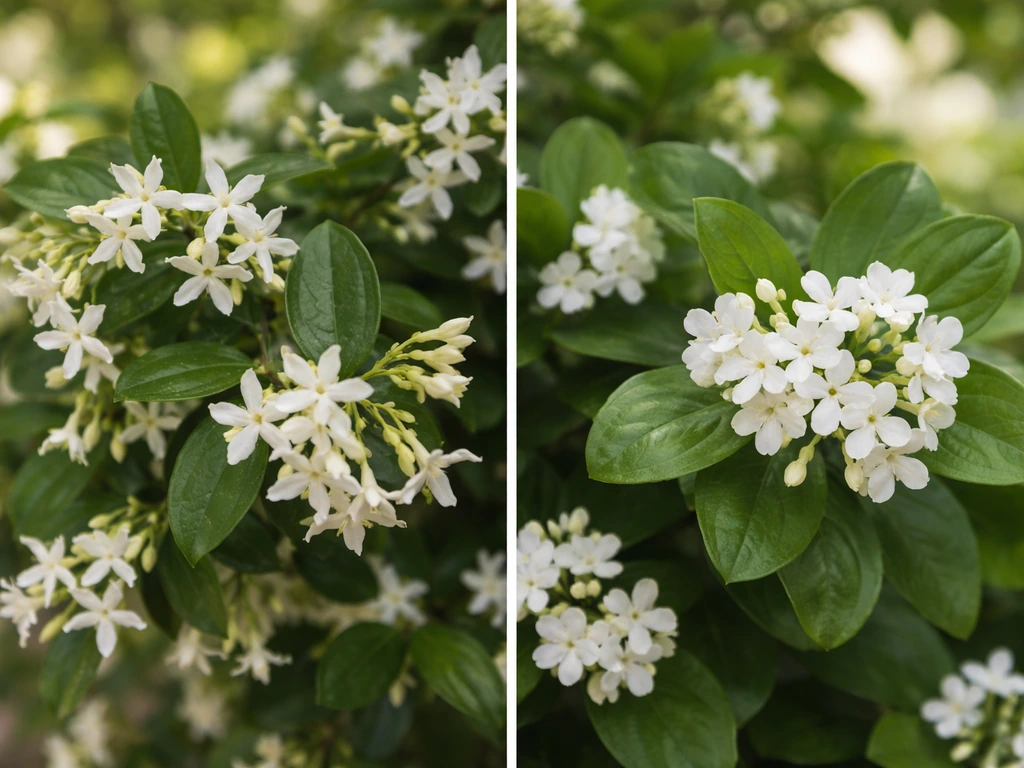
When someone says "jasmine," they could mean four or five completely different plants. That's not just a trivia point, it's the single most important thing to sort out before you plant anything. If you're also wondering does jasmine grow in georgia, your best first step is still matching the exact jasmine type to the local cold tolerance and planting zone. True jasmine (Jasminum officinale, also called common jasmine or poet's jasmine) is what most people picture when they imagine that intoxicating fragrance. Then there's winter jasmine (Jasminum nudiflorum), a cold-tough deciduous shrub that blooms yellow in late winter. And then there's star jasmine, also sold as Confederate jasmine, which is actually Trachelospermum jasminoides and not a true jasmine at all. It's in a completely different plant genus, but it gets called "jasmine" constantly at garden centers and in casual conversation. These plants have very different cold tolerances, which means they have very different fates in a North Carolina winter.
North Carolina Extension (NCSU) specifically flags this distinction, noting that Trachelospermum jasminoides is a jasmine-like ornamental rather than a member of the genus Jasminum. Clemson Extension puts it even more bluntly, calling out that Confederate jasmine is "not a true jasmine." If you grabbed a plant labeled "jasmine" at a big box store, flip the tag over and look for the Latin name. That one step will tell you everything you need to know about whether your purchase survives a NC winter in the ground.
Quick zone check: can jasmine survive your winter lows?
North Carolina spans a wide range of USDA hardiness zones, and that range is exactly why this question doesn't have a single answer. Asheville and the mountain west sit in zone 7a, where winter lows can drop to 5°F. Raleigh and the Piedmont run from zone 7b to 8a, meaning typical lows between 5°F and 15°F. The coastal plain around Wilmington is zone 8b, with average minimums between 15°F and 20°F, though even Wilmington has hit 0°F on a record cold night. That's the key phrase: average minimums. Jasmine doesn't care about averages when a rare polar event rolls through.
| NC Region | USDA Zone | Typical Winter Low | True Jasmine (J. officinale) | Star Jasmine (T. jasminoides) | Winter Jasmine (J. nudiflorum) |
|---|---|---|---|---|---|
| Mountains (Asheville area) | 7a | 0°F to 5°F | Not reliably hardy; container only | Marginal; needs protection | Reliable |
| Piedmont (Raleigh area) | 7b–8a | 5°F to 15°F | Risky in-ground; best in containers | Usually fine with good siting | Reliable |
| Coastal Plain (Wilmington area) | 8b | 15°F to 20°F | Possible with protection | Very reliable | Reliable |
NCSU Extension states directly that true jasmine (Jasminum officinale) is not cold tolerant beyond zone 7, which immediately rules out the mountain region for in-ground planting and puts Piedmont gardeners in a grey zone. Star jasmine is hardier, with most sources citing zones 7b through 10, meaning it fits most of the Piedmont and coast comfortably. Winter jasmine runs from zones 6a through 10b, making it the only jasmine that works without hesitation anywhere in the state. You can look up your exact zip code zone on the USDA Plant Hardiness Zone Map to get a precise starting point. You can use the USDA National Arboretum's official USDA Plant Hardiness Zone Map to check your location's baseline hardiness zone before choosing a jasmine.
Best jasmine options for NC (mountains, Piedmont, coast)
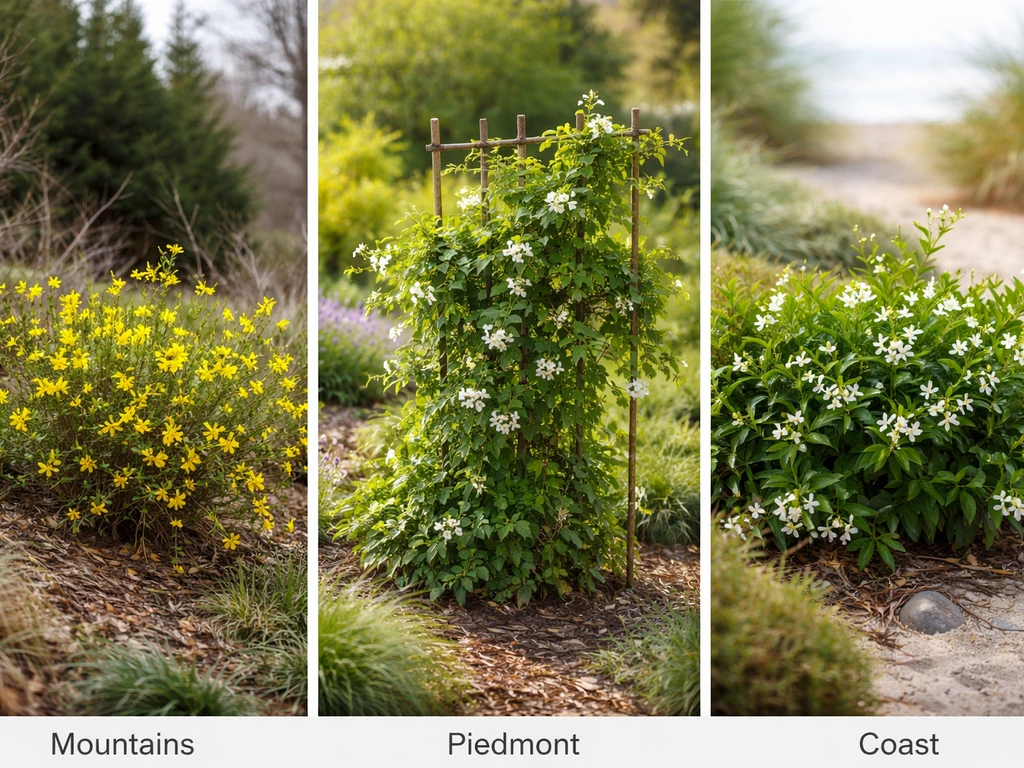
Mountains (zone 7a and colder)
Your reliable, plant-it-and-forget-it choice is winter jasmine (Jasminum nudiflorum). It's a deciduous shrub or sprawling groundcover that produces cheerful yellow flowers in late winter, often while there's still frost on the ground. It won't give you the fragrance of true jasmine, but it's tough, comes back reliably, and looks great cascading over walls or banks. Star jasmine is marginal here. You might get away with it against a south-facing brick wall in a sheltered Asheville neighborhood, but you're gambling. True jasmine should be kept in a container in the mountains, full stop.
Piedmont (zones 7b–8a)
This is where your options open up meaningfully. Winter jasmine is still the no-worry choice, and star jasmine is generally reliable here with good siting. Many Piedmont gardeners use star jasmine as an evergreen groundcover or low vine with fragrant white flowers in spring, and it performs well. True jasmine in-ground is still a calculated risk, especially in the colder end of zone 7b. You might get a few seasons before a hard winter sets it back. If you want the fragrance of true jasmine in the Piedmont, growing it in a large container and moving it to an unheated garage or enclosed porch in December through February is the most reliable approach.
Coastal Plain (zone 8b)
The coast is your best shot at the widest jasmine selection. Star jasmine absolutely thrives here, blooming heavily in late spring and early summer with that sweet, almost honey-like scent. True jasmine in-ground is genuinely possible in zone 8b with good siting, though that 0°F record low in Wilmington is a reminder to never plant tender things without a backup plan. Winter jasmine works here too, though it's almost overkill given how many better-looking options you have in this zone.
How to improve success: site, sun, and wind protection
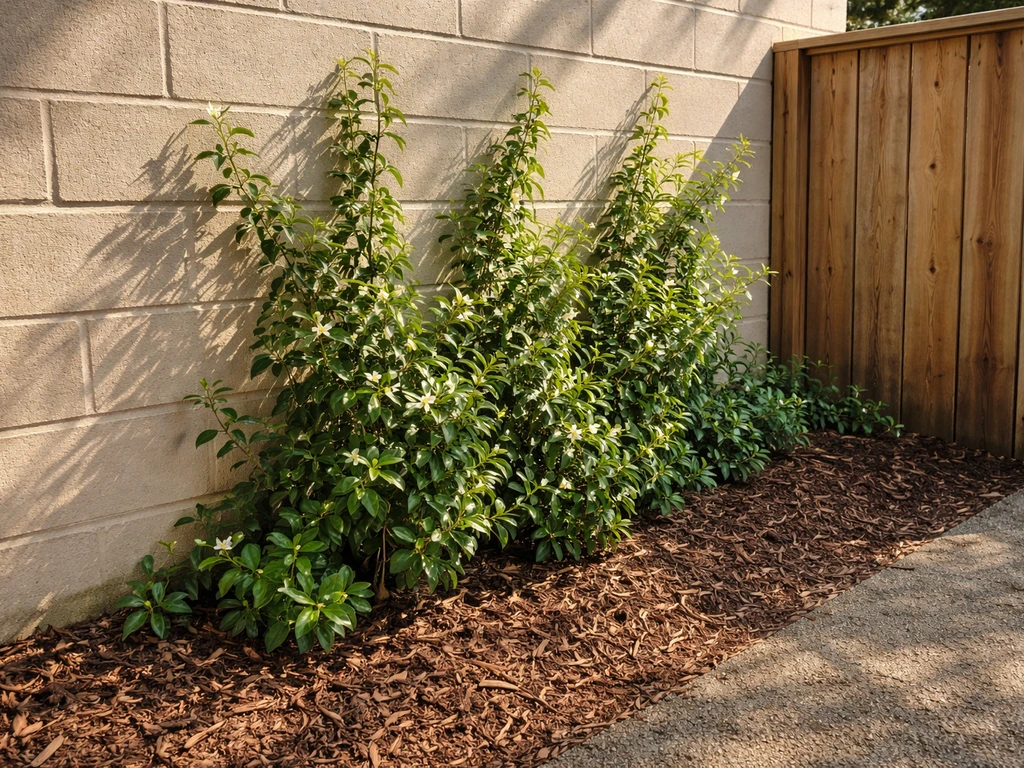
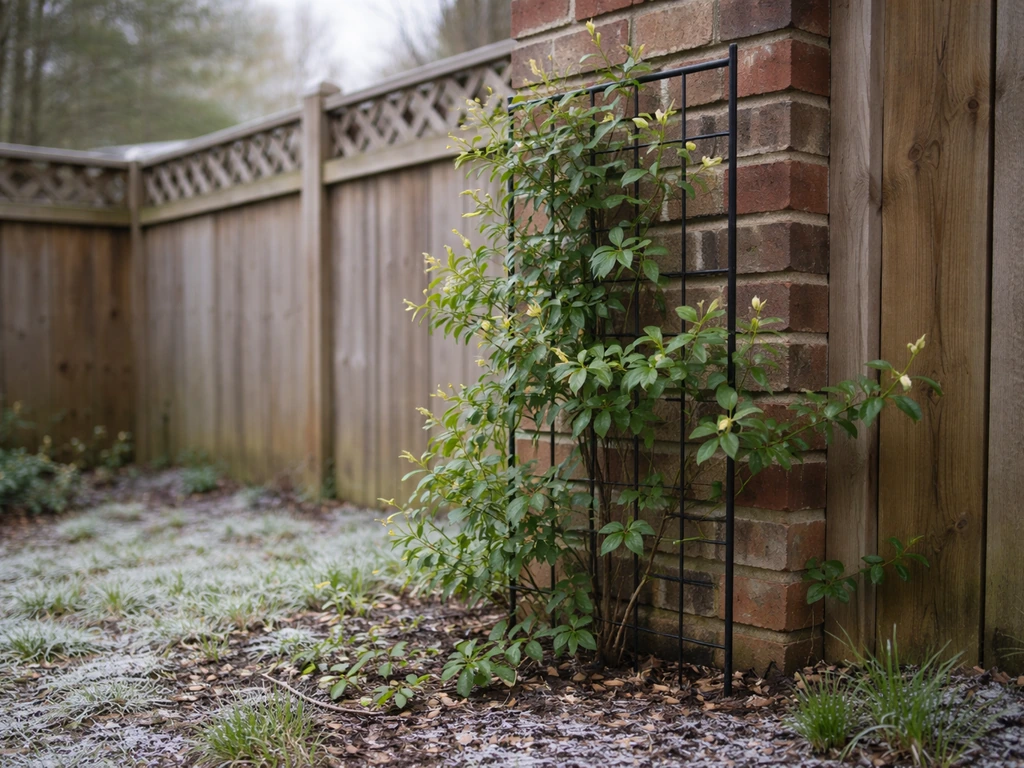
Where you plant jasmine inside your yard matters almost as much as which zone you're in. NCSU Extension recommends full sun for optimal jasmine health, and that's not negotiable if you want good bloom. A south or southeast-facing location against a wall or fence is ideal because it captures more winter heat and buffers cold wind. The same principle NCSU applies to tender gardenias applies perfectly to jasmine: shelter from cold and strong winds to prevent winter burn. That brick or stone wall isn't just aesthetic, it absorbs heat during the day and releases it overnight, which can add two or three critical degrees of warmth on a borderline night.
- Plant against a south or southeast-facing masonry wall, fence, or structure
- Avoid low-lying spots where cold air pools on still winter nights
- Choose a location with wind protection from the northwest, where most cold fronts arrive
- Make sure drainage is excellent because wet roots in winter dramatically increases cold damage
- Mulch the root zone with 2 to 3 inches of mulch going into winter to insulate soil temperature
- Jasmine blooms on old growth, so prune only right after flowering to avoid cutting off next season's buds
That last point about pruning is one that trips up a lot of gardeners. If you prune jasmine in late summer or fall thinking you're tidying it up, you're cutting off exactly the growth that would have bloomed the following season. NCSU Extension explicitly notes that jasmine flowering is associated with old growth and recommends pruning after flowering, not before. Get that timing right and you'll get a much better show.
If winter is too harsh: container growing and overwintering
NCSU Extension's own recommendation for true jasmine (Jasminum officinale) in colder NC regions is to grow it as a container plant and bring it indoors to overwinter. This is genuinely a workable strategy and not a consolation prize. A large pot of true jasmine on a sunny deck or patio from April through October gives you all the fragrance and beauty you're after. Then in late October or early November, before the first hard frost, you move it to a cool but frost-free spot like an unheated garage with a window, an enclosed sunporch, or a bright basement spot.
A few things make container overwintering easier. Choose a pot that's large enough for root development but small enough to actually move. Terra cotta is beautiful but heavy and breakable in a freeze, so a high-quality resin or lightweight fiberglass pot is more practical. During overwintering, water sparingly and skip fertilizer entirely until you see new growth in late winter or early spring. When you bring it back outside in spring, harden it off over a week or two rather than going straight from a warm interior to full outdoor sun. Mountain and upper Piedmont gardeners who want fragrant true jasmine will get the best results with this method.
Common mistakes: mislabeling jasmine and lookalikes
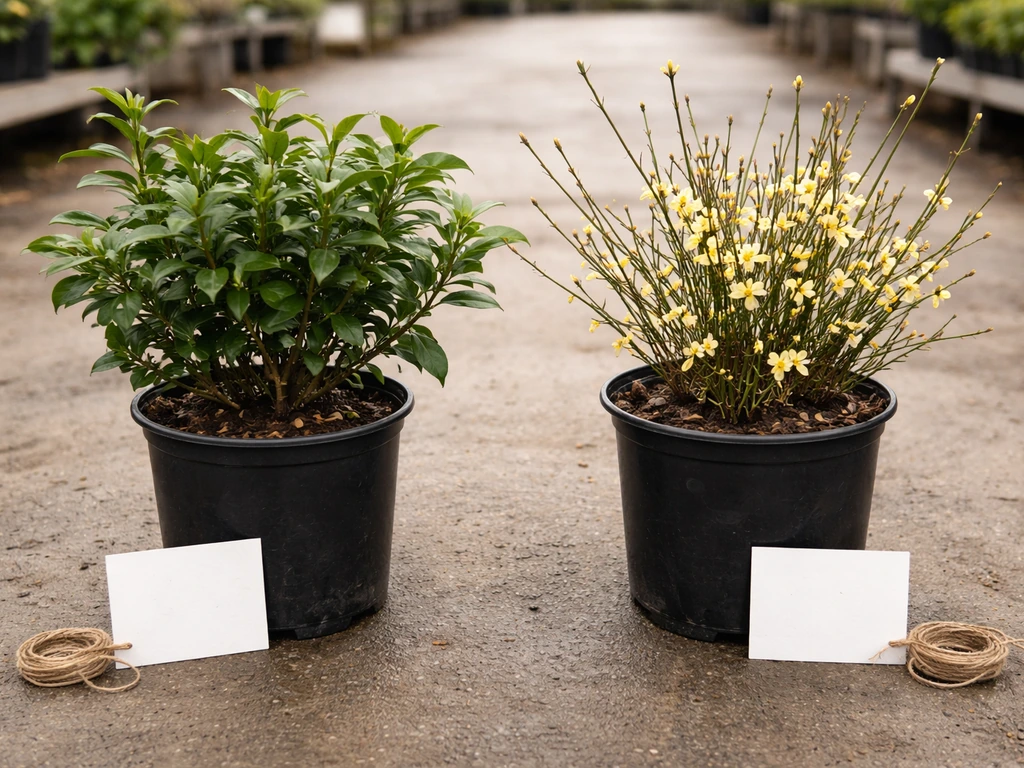
The biggest practical mistake NC gardeners make with jasmine is buying a plant based on a common name without checking what they actually have. "Confederate jasmine," "star jasmine," "poet's jasmine," and just plain "jasmine" all appear on garden center tags, and they're not the same plant. As already noted, Trachelospermum jasminoides isn't even in the genus Jasminum, but it outsells true jasmine at many NC nurseries because it's hardier and easier to grow here. That's not a bad thing, but if you buy it expecting the exact scent profile of true jasmine, you might be surprised. The fragrance is similar but not identical.
Another common confusion is Carolina jessamine (Gelsemium sempervirens), a native vine that blooms bright yellow in early spring and gets called "yellow jasmine" in some parts of the South. It is not a jasmine at all and is actually toxic if ingested, which matters if you have pets or children. It's beautiful and extremely well adapted to NC, but know what you're planting.
One more mistake: assuming that because a plant is sold locally, it's hardy locally. Garden centers stock plants that sell, not always plants that survive. This is especially true in spring when things look lush and green. A tender true jasmine will look spectacular in a 4-inch pot in April and be dead by February if you plant it in zone 7a soil and walk away. Always check the Latin name, match it to your zone, and plan your winter strategy before you buy.
If you're comparing notes with gardeners in neighboring states, the same jasmine-type questions come up across the Southeast and Mid-Atlantic. If you're wondering does jasmine grow in Maryland, the same first step applies: confirm which jasmine type you have and then check its cold tolerance for your specific USDA zone. In Arkansas, the same basic rule applies: choose a jasmine type matched to your local winter conditions and verify it by the Latin name the same jasmine-type questions. If you are wondering does jasmine grow in New Mexico, the answer depends heavily on your region and the jasmine type you choose. If you’re wondering does jasmine grow in Texas, the answer depends on which type of jasmine you mean and your local winter lows neighboring states. The zone dynamics in North Carolina sit between the warmer conditions you'd find further south and the colder thresholds that create challenges in states with more northern exposure. Knowing your specific NC zone gives you a much clearer answer than any general Southern gardening advice.
What to buy if you're shopping today
If you're in the mountains or upper Piedmont and want something reliable in the ground, get winter jasmine (Jasminum nudiflorum). It's not fragrant, but it's bombproof and will bloom for you every late winter without drama. If you're in the Piedmont or coastal areas and want fragrance with a vine habit, star jasmine (Trachelospermum jasminoides) is your best bet for in-ground planting. Look for the Latin name on the tag to confirm. If you specifically want the classic fragrance of true jasmine (Jasminum officinale), buy it in a container, plan to overwinter it indoors, and treat it as a moveable seasonal feature rather than a permanent landscape plant unless you're in the warmest coastal zip codes. That honest framing will save you money and disappointment.
FAQ
Which jasmine should I buy in North Carolina if I want it to survive winter with the least effort?
Choose winter jasmine (Jasminum nudiflorum) and confirm the Latin name on the tag. It is the most dependable in-ground option across the state, and it blooms on older growth, so avoid trimming back in late summer or fall.
How do I check my USDA hardiness zone quickly if I know my city in North Carolina?
Use your ZIP code to look up the USDA Plant Hardiness Zone Map, then match the jasmine type to that zone range. If you are between ranges, prioritize site protection (full sun, south or southeast wall, wind shielding) because rare cold snaps can be colder than the “average minimum” your zone is based on.
Can star jasmine (Confederate jasmine) grow in the mountains of North Carolina?
It is possible only with careful siting and extra cold protection, but it is not a sure bet. The most reliable strategy is to plant it against a heat-retaining wall in full sun and consider adding winter mulch and a protective cover during hard freezes.
What temperature damage should I look for after a cold snap?
For jasmine that is marginal in your area, watch for blackened or mushy tips, leaf drop, and dieback from the tips downward. If the crown is firm and new shoots appear in spring, you can often recover by removing dead stems after flowering rather than cutting everything back too early.
If I prune after flowering, how hard can I cut back jasmine in North Carolina?
You generally want to remove dead or overgrown stems, but avoid drastic pruning right before winter. For star jasmine and winter jasmine, light to moderate shaping after flowering is safer, and for true jasmine you should be more conservative because cold stress plus heavy pruning can reduce overwinter survival.
What’s the best location in my yard if my soil stays wet in winter?
Pick a spot with fast drainage and full sun, since wet soil increases root injury during freezes. If your yard collects water, plant jasmine on a slight mound or improve drainage with compost and controlled grading so the crown does not sit in standing water.
Do I need to fertilize jasmine in North Carolina?
In most home gardens, you should limit fertilizer, especially in fall. For container true jasmine, skip fertilizer during the winter overwintering period and resume feeding only when you see active new growth in late winter or early spring.
How should I overwinter true jasmine in a container if I don’t have an unheated garage?
Use any cool, frost-free indoor or sheltered space that has a window for light, such as an enclosed sunporch, bright basement, or a covered entry area that stays above freezing. The key is to keep it from freezing solid, water sparingly, and ensure it receives light so it does not become weak and leggy.
How much water should I give container jasmine during winter indoors?
Water sparingly enough to prevent the pot from fully drying out, aim for slightly moist rather than wet. Overwatering in a cool indoor spot can lead to root problems, so let the top inch or two of mix dry before watering again.
Can I plant jasmine in spring and expect it to survive that same winter?
Sometimes, but it is riskier with true jasmine (and often with marginal star jasmine) because new plants have less-established roots before their first harsh winter. If you are planting closer to colder zone edges, consider starting in a container or using temporary protection for the first winter.
Is Carolina jessamine the same as jasmine, and is it safe for pets?
No. Carolina jessamine (Gelsemium sempervirens) is sometimes called “yellow jasmine,” but it is not a true jasmine and is toxic if ingested. If you have pets or children, confirm the plant label and keep any potentially toxic vines out of reach.
What should I do if my jasmine tag says “jasmine” but I can’t find the Latin name?
Treat it as a red flag. Ask the seller for the Latin name (or a clear plant label), because “jasmine” can refer to different genera with different cold tolerances. Without that confirmation, you risk buying a plant that looks similar but will not survive your North Carolina winter.