Yes, jasmine can grow in Tennessee, but the answer depends almost entirely on which jasmine you're talking about. Tennessee is home to multiple hardiness zones, and the word 'jasmine' gets applied to several different plants with very different cold tolerances. Some types will thrive and bloom reliably without any fuss. Others will survive but sulk in a bad winter. And a couple of popular varieties are simply too tender for most of the state and will disappoint you every February. Here's exactly what you need to know before you buy.
Does Jasmine Grow in Tennessee? Types, Zones, and Tips
Marcus Hartwell
20 Apr 2026
Quick answer: which jasmine types can grow in Tennessee
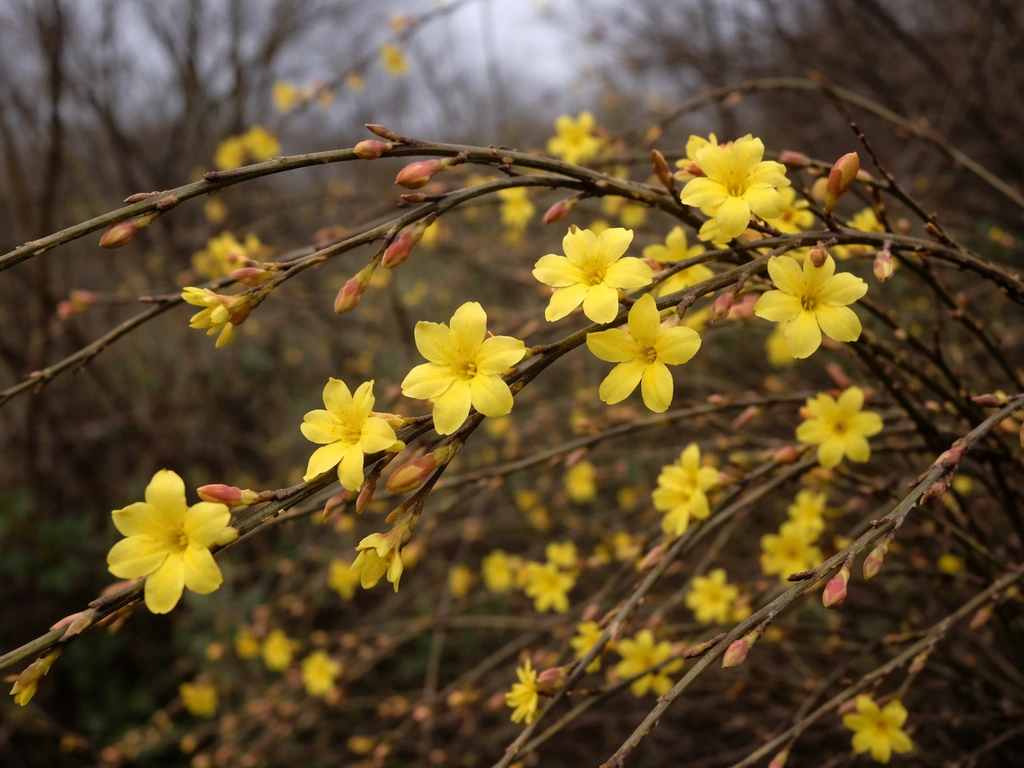
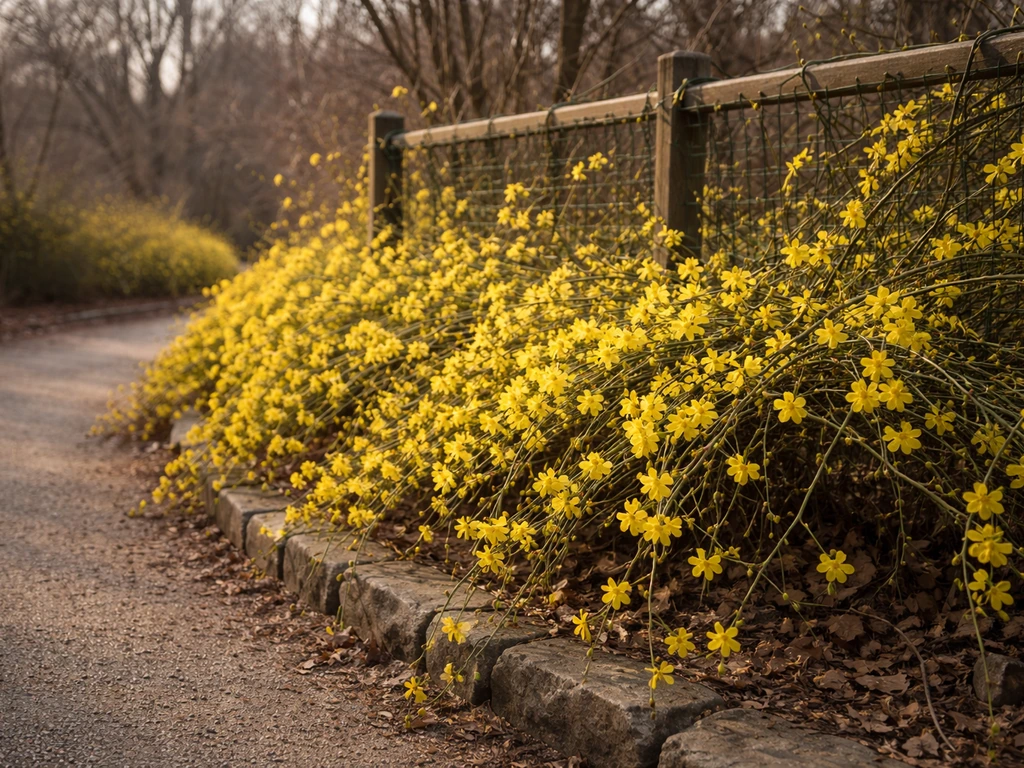
Winter jasmine (Jasminum nudiflorum) is your most reliable choice across the entire state. It's a true jasmine, it's hardy to Zone 6, and it will handle even East Tennessee mountain winters without complaint. Winter jasmine (Jasminum nudiflorum) is hardy to USDA Zone 6, commonly listed as hardy Zones 6 to 10 by horticultural sellers hardy to Zone 6. Star jasmine (Trachelospermum jasminoides) is not a true jasmine, but it's widely sold as one, and it works well in West Tennessee and possibly sheltered spots in Middle Tennessee. Confederate jasmine (Gelsemium sempervirens, also called Carolina jessamine) is another popular option rated for Zones 7 to 9, making it realistic for Middle and West Tennessee but risky further east. Arabian jasmine (Jasminum sambac) is Zone 9 to 11 territory and is a hard no for outdoor year-round planting anywhere in Tennessee unless you're treating it as a container plant you bring inside.
| Jasmine Type | True Jasmine? | Hardy Zones | Works in TN? |
|---|---|---|---|
| Winter jasmine (J. nudiflorum) | Yes | Zone 6+ | Yes, statewide |
| Star jasmine (T. jasminoides) | No | Zone 8–10 | West TN + sheltered Middle TN |
| Carolina jessamine (Gelsemium sempervirens) | No (lookalike) | Zone 7–9 | Middle and West TN reliably; risky in East TN |
| Arabian jasmine (J. sambac) | Yes | Zone 9–11 | No (container only) |
Tennessee's climate basics that determine jasmine success
Tennessee is a longer state east to west than most people realize, and the climate shifts substantially across it. The USDA 2023 Plant Hardiness Zone Map places East Tennessee's highlands and the Great Smoky Mountain foothills in Zones 6a and 6b, where winter lows can drop to -10°F in the coldest pockets. Middle Tennessee, including Nashville and the surrounding counties, sits in Zone 7a to 7b, with Nashville specifically in Zone 7b. Winter lows there typically range from 0°F to 10°F. West Tennessee, including Memphis and its suburbs, reaches Zone 8a in the city core, where minimum lows average around 10°F to 15°F and hard freezes are shorter-lived.
Frost timing matters too, especially for blooming. In the Memphis area, the average last killing frost falls around March 20. Nashville's last frost typically arrives a week or two later. For Nashville, TN, Almanac.com’s Frost Dates data provide an average last frost date range to help gauge late-cold-snap risk to early buds Nashville's last frost typically arrives a week or two later.. In East Tennessee at higher elevations, late frosts can push into April. All of this affects not just whether a plant survives winter, but whether early blooms get clipped by a late cold snap, which is a real issue for some jasmine types.
True jasmine vs star jasmine and everything in between
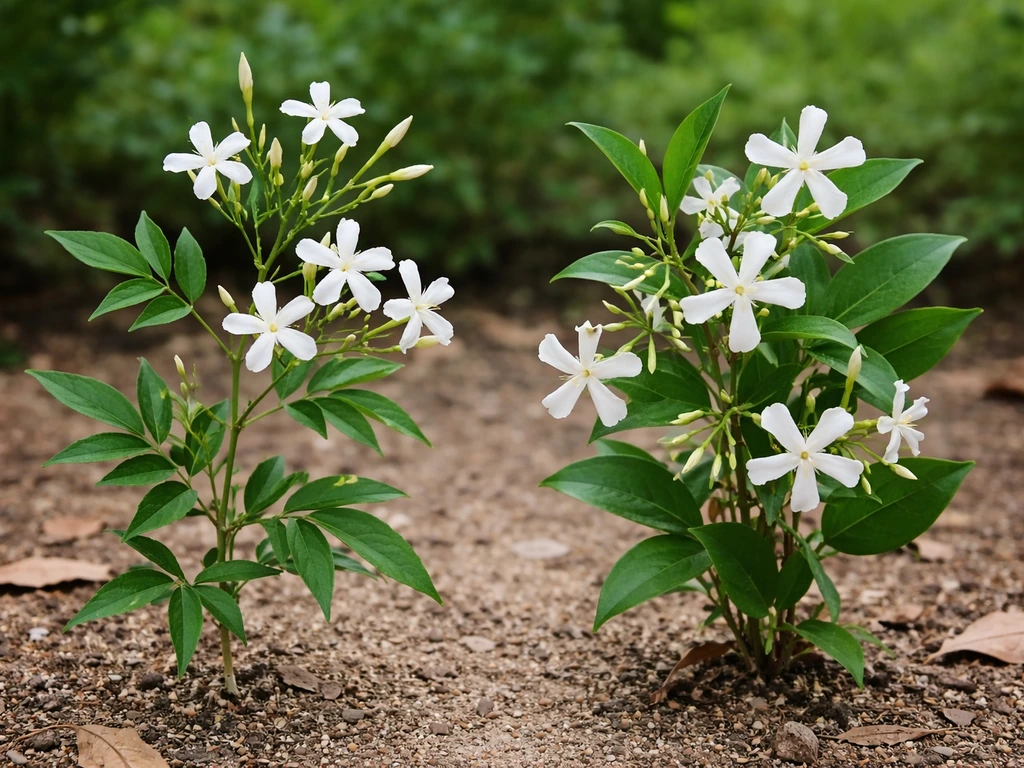
This is the part where a lot of Tennessee gardeners get tripped up. 'Jasmine' is used as a common name for plants across several completely different genera, and their cold hardiness doesn't line up at all. True jasmines belong to the genus Jasminum. Winter jasmine and Arabian jasmine are both in this group. Star jasmine, despite being one of the most commonly sold 'jasmines' at Tennessee garden centers, is actually Trachelospermum jasminoides, which belongs to the dogbane family and is not a true jasmine at all. Carolina jessamine (Gelsemium sempervirens) is sometimes called Confederate jasmine but is its own genus entirely. Knowing which plant you're actually looking at on the nursery shelf changes everything about whether it will make it through a Tennessee winter.
For practical purposes: if you want something that's genuinely winter-tough and calls itself jasmine, look for Jasminum nudiflorum on the label. If you're in West Tennessee and want the classic evergreen vine with fragrant white flowers that most people picture when they say jasmine, star jasmine (T. jasminoides) is what you want, but go in knowing it has Zone 8 roots and needs a warm microclimate to be reliable in the middle part of the state.
Where jasmine does best in Tennessee
West Tennessee (Zone 7b–8a): the most jasmine-friendly region
If you're in Memphis or anywhere in the western lowlands, you have the best options. Star jasmine can be planted in the ground here with good confidence, especially against a south- or west-facing wall where reflected heat adds a few extra degrees of protection. Carolina jessamine performs very well here too and gives you those early-spring yellow trumpets that feel like a reward for surviving winter. Winter jasmine is also perfectly happy in this region, though some West Tennessee gardeners skip it because the competition is stronger.
Middle Tennessee (Zone 7a–7b): reliable with smart placement
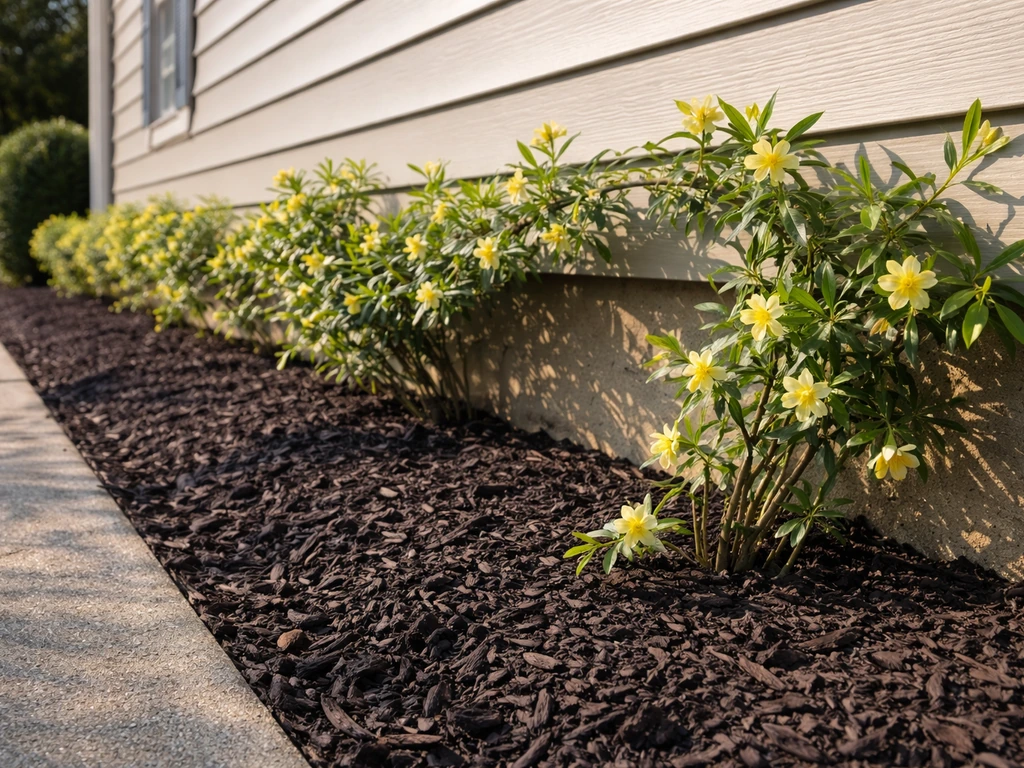
Nashville and the surrounding counties are the sweet spot for variety and manageable risk. Winter jasmine is completely bulletproof here. Carolina jessamine is reliable in most years, though a sharp cold snap below 5°F can cause dieback on exposed plants. Star jasmine is genuinely a judgment call in Middle Tennessee. In a sheltered courtyard, against a brick wall on the south side of your house, or in a protected urban lot, many gardeners grow it successfully. In an open yard with no wind protection, you're gambling on whether any given winter is mild or brutal. The Nashville urban heat island does push some neighborhoods closer to Zone 8 conditions in practice.
East Tennessee and the Highlands (Zone 6a–6b): stick with winter jasmine
In Knoxville you're mostly in Zone 7a, so your options are similar to Nashville, just with a slightly higher risk of damaging cold. But go further into the foothills, the Cumberland Plateau, or anywhere with elevation, and you're in Zone 6 territory where star jasmine and Carolina jessamine are unreliable long-term bets. Winter jasmine is the clear choice here. It's genuinely attractive in bloom, flowers in late winter (often January through March), and adds structural interest with its arching yellow-green stems the rest of the year.
When jasmine survives but won't bloom reliably
This is one of the most frustrating situations in gardening: the plant doesn't die, but it also doesn't really perform. It happens most often with star jasmine and Carolina jessamine in Zone 6b to 7a areas. Both can survive a typical winter in decent shape but then get hit by a late frost in March or April that kills off the emerging flower buds. You're left with a healthy-looking vine that just doesn't bloom that year. If this happens two or three years in a row, most gardeners understandably write the plant off even though it technically 'survived.'
Winter jasmine sidesteps this problem in a clever way. It blooms on bare stems in late winter, before the leaves come out, and the flowers appear progressively over weeks rather than all at once. Even if one wave of blooms gets frozen, another round usually follows. That reliability is genuinely underrated, and it's why I'd push winter jasmine to gardeners in the eastern half of the state even if other types are technically possible.
How to choose and buy the right jasmine for your yard
At a Tennessee garden center, you're most likely to encounter star jasmine, Carolina jessamine, and occasionally winter jasmine. The first thing to do is look past the common name and check the botanical name on the tag. 'Confederate jasmine,' 'star jasmine,' and 'jasmine' by itself often all refer to Trachelospermum jasminoides. That plant is gorgeous but has Zone 8 roots, so placement matters enormously if you're in Nashville or points east.
- Check the botanical name: Jasminum nudiflorum (winter jasmine) is the hardiest true jasmine for Tennessee.
- Ask the nursery which zone the plant was grown in. A plant that overwintered at a local Tennessee nursery has already been tested.
- Look for plants labeled Zone 7 or lower if you're anywhere east of Nashville.
- Avoid Arabian jasmine (Jasminum sambac) for outdoor planting. It's lovely as a patio container brought inside for winter, but it won't survive Tennessee winters in the ground.
- If the tag only says 'jasmine' with no zone information, ask or skip it.
It's also worth noting that gardeners in neighboring states face similar decisions. Star jasmine is a reliable landscape plant in Georgia and parts of North Carolina's coastal plain, but those states include large stretches of Zone 8 that Tennessee simply doesn't have in the same proportions. The Zone 7 reality of most Tennessee gardens means the margin for error with tender jasmines is genuinely thinner here.
Where to plant and how to protect jasmine through a Tennessee winter
Placement does more work than any winter product you can buy. For star jasmine or Carolina jessamine in Middle Tennessee, pick a site on the south or southeast side of your home, ideally against a wall or fence that absorbs heat during the day and radiates it at night. Avoid low-lying spots where cold air settles on still, clear nights. Those pockets can be 5°F to 8°F colder than a slightly elevated spot just a few feet away, which is the difference between success and a dead vine in a Zone 7 garden.
Good drainage is non-negotiable for all jasmine types. Wet, cold soil in winter kills more jasmines than the air temperature alone. If your site holds water after rain, amend it or build up a raised planting area before you put anything in the ground.
For winter protection, the most effective and low-effort approach is a 3- to 4-inch layer of mulch applied after the first killing frost in fall, not before. Applying mulch too early keeps the soil warmer than it should be going into winter, which can actually cause problems. Once the ground has experienced that first hard freeze, mulch helps stabilize soil temperature and prevents the freeze-thaw cycling that damages roots. For star jasmine in Zone 7 sites, you can also wrap the base of the plant loosely with burlap in a forecasted severe cold event, but honestly, if your site isn't protected to begin with, burlap alone won't save it in a Tennessee cold snap.
- Choose a south- or west-facing planting site with wind protection from the north.
- Ensure excellent soil drainage before planting.
- Wait until after the first killing frost to apply 3–4 inches of mulch around the base.
- For star jasmine in borderline zones, plant near a wall or structure that holds daytime heat.
- If growing Arabian jasmine, keep it in a container you can move indoors when temps drop below 40°F.
- In Zone 6 East Tennessee, skip star jasmine and Carolina jessamine and go straight to winter jasmine for reliable results.
Bottom line: Tennessee is absolutely a state where jasmine can grow, and in most of the state you have at least two or three realistic options depending on your specific zone and yard conditions. If you're wondering, does jasmine grow in Maryland, the answer depends on your specific hardiness zone and the type of jasmine you choose jasmine in Maryland. Star jasmine is a reliable landscape plant in Georgia and parts of North Carolina's coastal plain, and it's a similar comparison point when you ask does jasmine grow in north carolina. The key is matching the plant to your actual location rather than buying whatever's labeled 'jasmine' at the garden center. Texas has similar zone-based gardening decisions, but you need to match the jasmine type to your local hardiness zone jasmine in Texas. If you're wondering whether jasmine can grow in New Mexico, the same approach applies: choose the right jasmine type for your local hardiness zone jasmine in New Mexico. Get that part right and you'll have a plant that actually performs instead of one that just barely hangs on.
FAQ
Which “jasmine” should I choose in Tennessee if my goal is reliable flowers every year?
If you want to plant outdoors and expect repeat blooming, stick to winter jasmine (Jasminum nudiflorum) for most of Tennessee. Star jasmine and Carolina jessamine can survive in parts of the state, but late frosts can wipe out the season’s buds even when the vine looks healthy.
Why do some “jasmine” plants survive but don’t perform in my Tennessee yard?
Look for the botanical name on the tag, not the common name. “Jasmine” and “star jasmine” are often Trachelospermum jasminoides, which is not a true jasmine and is typically less forgiving in Tennessee’s colder zones.
When should I mulch jasmine in Tennessee, and does timing really matter?
In Tennessee, “too early” often means before you’ve had a hard freeze. Mulch too early can keep soil warmer than it should be, which may disrupt dormancy timing. Apply after the first killing frost, then keep the layer about 3 to 4 inches deep.
What’s the biggest soil-related mistake Tennessee gardeners make with jasmine?
Yes. Wet, cold soil can be more damaging than typical winter low temperatures. If water pools after rain or the site stays soggy, amend the soil or build up a raised planting area so the root zone drains.
Can I grow star jasmine in Tennessee without a protected spot, like a fence line or wall?
For star jasmine in particular, add microclimate protection beyond general winter care. A south- or west-facing wall, reflected heat, and good airflow help. In exposed yards, you can end up with dieback or no blooms even if the plant lives.
How far east or uphill can I go and still reasonably grow star jasmine outdoors?
It depends on where you are. In the Nashville area, some gardeners successfully grow star jasmine in sheltered courtyards, but in higher elevations and foothills (Zone 6 territory), it’s much less dependable long-term. Winter jasmine remains the safer bet as you move east and into higher elevations.
Will wrapping jasmine with burlap keep it alive through an unusually hard winter?
During a cold snap, you can wrap the base loosely with burlap for star jasmine or other tender types, but treat it as a short-term supplement, not a substitute for site selection. If the planting location traps cold air or lacks sun and drainage, burlap usually cannot fix the problem.
Can I grow Arabian jasmine outdoors in Tennessee if I’m willing to cover it?
Yes, especially for the least hardy “jasmine” options sold as containers. Move Arabian jasmine (Jasminum sambac) indoors before cold weather and keep it in a bright spot. Outdoor, year-round planting for Arabian jasmine is generally not realistic anywhere in Tennessee.
My jasmine didn’t bloom this year but it looks green, what happened?
If you see a vine that looks alive but has no blooms, the common cause is bud damage from late frost. This is especially frequent with star jasmine and Carolina jessamine in Zone 6b to 7a areas, where the plant survives typical winters but flower buds freeze.
Does elevation within my yard matter for jasmine in Tennessee?
Planting on slightly higher ground can make a noticeable difference because cold air settles in low spots. Aim to avoid depressions where frost forms and cold stays longer, even if the rest of the yard is in the same general zone.
If jasmine barely grows after winter in Tennessee, should I remove it or troubleshoot first?
Yes. A healthy-looking vine may still be struggling with cold and drainage balance. Check for dieback on tips and confirm whether growth resumes normally after winter, then reassess site exposure (wind, sun) and drainage before assuming the plant is done.