Yes, jasmine can grow in Maryland, but the honest answer depends heavily on which jasmine you mean and exactly where in the state you garden. Star jasmine (Trachelospermum jasminoides) is your most realistic option across most of Maryland, especially in the warmer coastal and suburban zones. True jasmines like Jasminum officinale are possible in sheltered spots in the warmer parts of the state but are a gamble. Jasminum polyanthum, the pink jasmine you often see at grocery stores and garden centers in late winter, is not reliably hardy in Maryland at all. Get the plant ID right before you buy anything.
Does Jasmine Grow in Maryland? Types, Zones, and Tips
Marcus Hartwell
1 May 2026
First, figure out which jasmine you're actually talking about
The word "jasmine" gets applied to several completely different plants, and this matters a lot for Maryland because their cold hardiness varies by a full zone or more. The two you'll most commonly encounter are true jasmine and star jasmine, and they are not the same plant.
True jasmine refers to plants in the Jasminum genus. The most common ones sold in the US are Jasminum officinale (common or poet's jasmine, with white flowers) and Jasminum polyanthum (pink jasmine, the one sold as a houseplant in spring). Both are known for intensely fragrant blooms.
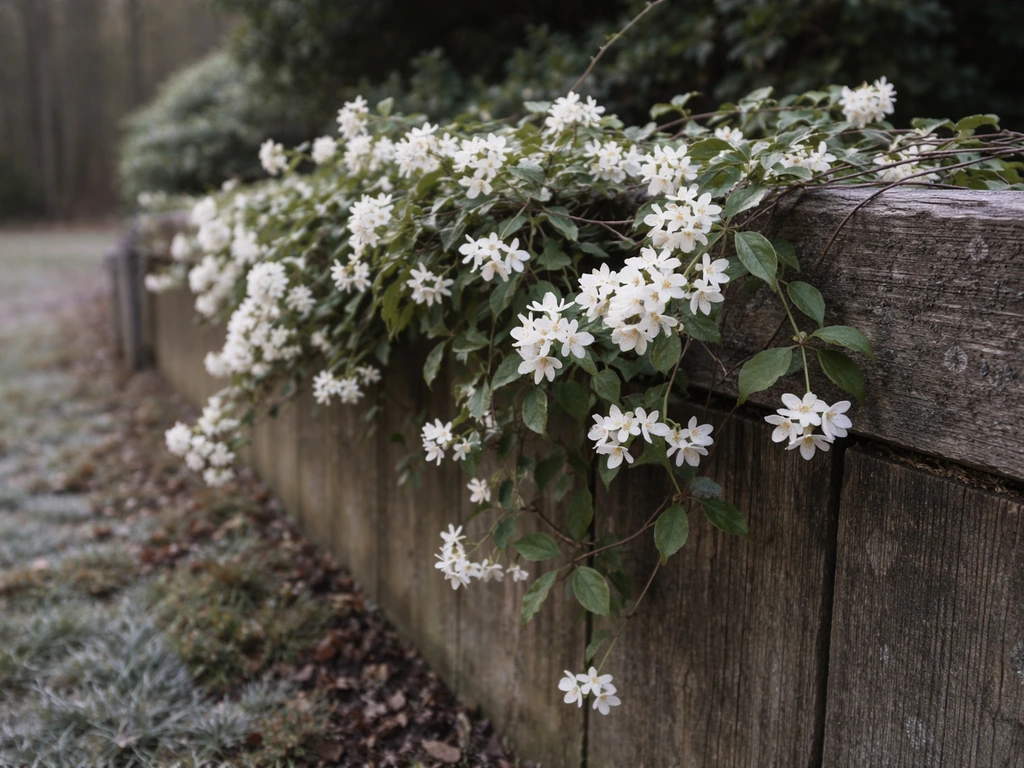
Star jasmine (Trachelospermum jasminoides) is a completely different plant in a different genus, but it shares the same sweetly fragrant white blooms and a vining growth habit, so it gets called jasmine constantly. It's the one you'll see on garden center shelves in the South labeled as Confederate jasmine. For most mid-Atlantic gardeners, star jasmine is actually the plant they want because it's more cold-tolerant than most true jasmines.
Maryland's climate: what jasmine is actually dealing with
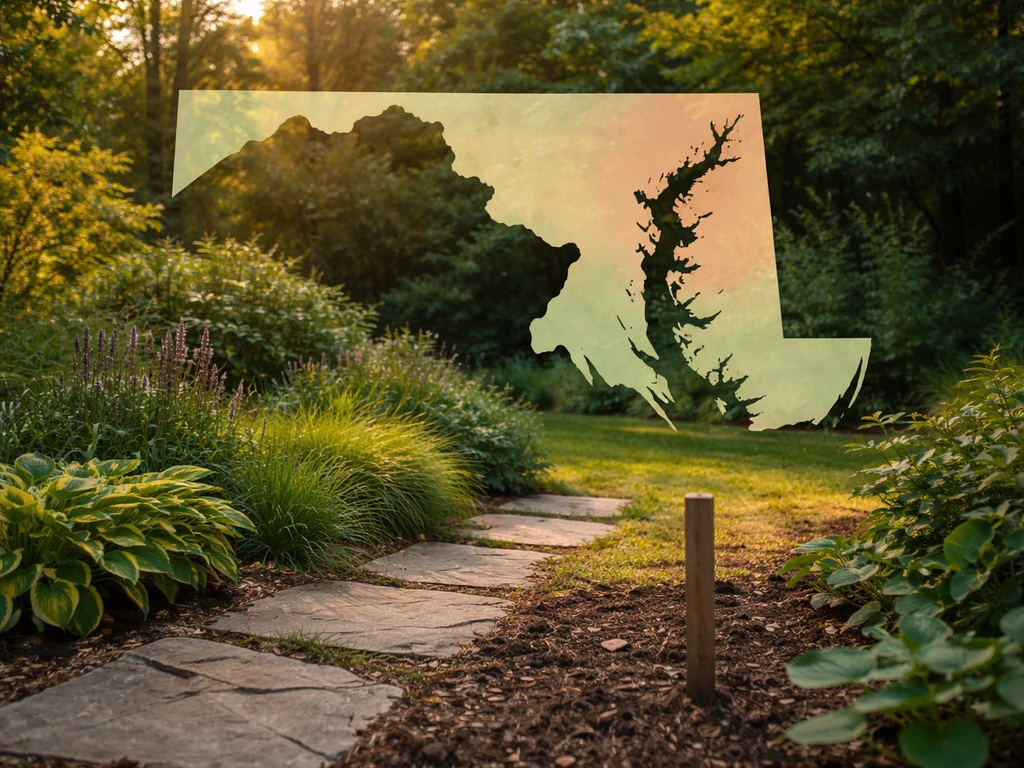
Maryland spans a surprisingly wide range of climates for a small state. The USDA Plant Hardiness Zone Map places most of Maryland in zones 6b to 7b, with some variation. Western Maryland and the mountains around Garrett County drop into zone 6a. The Eastern Shore, Annapolis, and the Baltimore-Washington corridor push into zone 7a and 7b. Parts of the very southern shore can touch zone 8a. You can look up your exact ZIP code on the USDA's interactive zone map to pin down exactly where you fall. The USDA provides downloadable versions of the Plant Hardiness Zone Map, including materials intended for general use such as maps and legends USDA's interactive zone map.
What the zone number translates to in real life is this: zone 6b sees average annual extreme winter lows between -5°F and 0°F. Zone 7a is 0°F to 5°F. Zone 7b is 5°F to 10°F. Zone 8a is 10°F to 15°F. Those are averages, not guarantees. Hagerstown in western Maryland has a recorded all-time low of -27°F, which is a useful reality check for anyone thinking hardiness zones tell the whole story. A bad winter can push temperatures well below what the zone map suggests.
So can jasmine actually grow in Maryland? Here's the honest breakdown
| Jasmine Type | Hardy to Zone | Maryland Compatibility | Verdict |
|---|---|---|---|
| Star jasmine (Trachelospermum jasminoides) | Zone 7 (some sources say 7b) | Zone 7a/7b coastally and in Baltimore-DC corridor; marginal in zone 6 | Yes, with site selection; risky in western MD |
| Jasminum officinale (common jasmine) | Zone 7 (7b per NCSU; 7-10 per MBG) | Possible in zone 7b with shelter; unreliable in zone 6 | Maybe in warmest parts of MD only |
| Jasminum polyanthum (pink jasmine) | Zone 8 | Not reliably hardy anywhere in Maryland outdoors | No for in-ground; container only |
blank" rel="noopener noreferrer">Star jasmine is rated hardy to USDA Zone 7 by Oregon State University and zone 7b through 10 by UF/IFAS. That puts it right at the edge in most of Maryland. In zone 7a and 7b areas, particularly sheltered spots in Baltimore, Annapolis, and suburban DC, star jasmine can establish and survive most winters. It may take some foliage damage in hard winters, but it typically rebounds. If you’re wondering whether jasmine grows in Arkansas, the same idea applies: pick the right jasmine type and match it to your local winter conditions star jasmine. In zone 6 areas like Frederick or Hagerstown, it's a much harder sell in the ground.
Jasminum officinale is rated zone 7 to 10 by the Missouri Botanical Garden, and North Carolina State Extension gets more specific: they list it as hardy starting at zone 7b. For the same true jasmine, North Carolina State Extension lists hardiness starting around zone 7b, which helps explain why it is a tougher fit in colder parts of the region. That's an important nuance. Zone 7b in Maryland means the warmer corridor from southern Maryland through the Eastern Shore. In those spots, a sheltered wall planting might work. MBG also notes it should not be expected to survive north of zone 7, which rules it out for most of western and central Maryland.
Jasminum polyanthum, the pink jasmine, needs zone 8 to overwinter outdoors. There's nowhere in Maryland that consistently meets that threshold. If you fall in love with one at a garden center, treat it as a container plant you bring inside before first frost, typically by mid-October in most of Maryland.
How to figure out your real odds of success
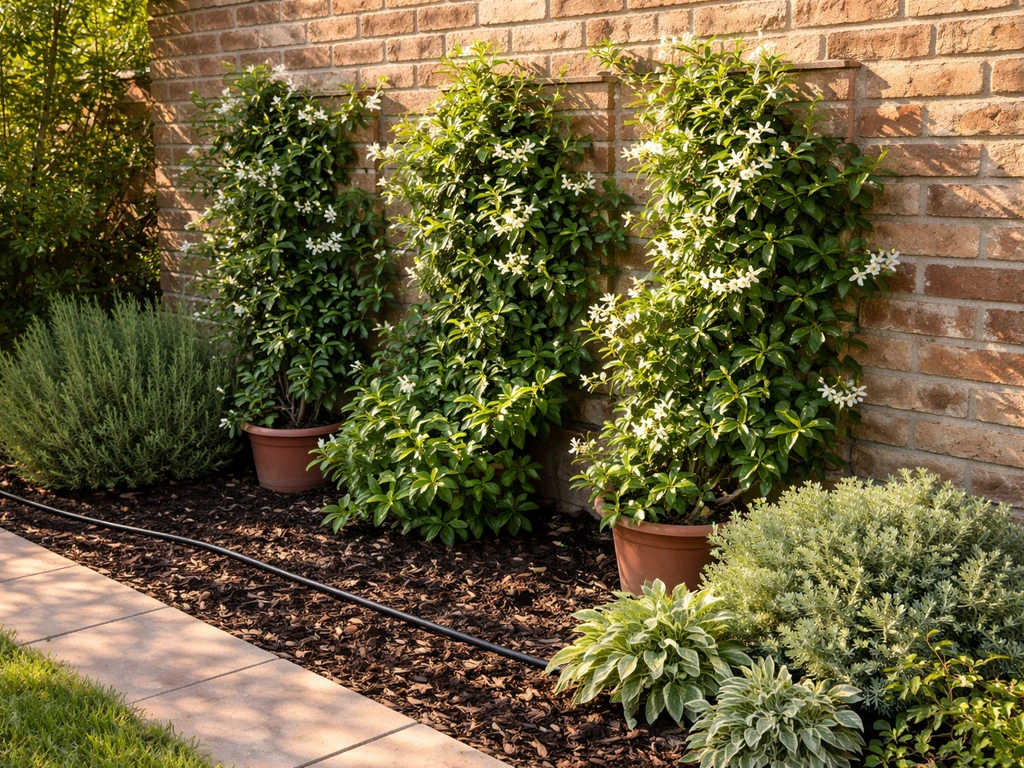
Your USDA zone is the starting point, but your microclimate is what actually determines whether a marginal plant lives or dies. Two gardens in the same ZIP code can have meaningfully different winter conditions depending on slope, proximity to buildings, and wind exposure.
The best sites for pushing jasmine in Maryland are south- or west-facing walls of brick or stone buildings. That masonry absorbs heat during the day and releases it overnight, creating a warmer buffer zone right where the plant lives. Low-lying frost pockets, north-facing slopes, and exposed hilltops are the worst spots. A garden on the lee side of a fence or hedge that blocks northwest winds is also meaningfully warmer in winter than an open yard.
Think about your coldest winter in recent memory and ask whether your planting spot would have offered any protection during that event. If your garden is exposed and you remember pipes freezing or seeing single-digit temperatures on your outdoor thermometer, a zone 7 plant in your zone 6b garden is likely to fail sooner or later.
The best jasmine choices for Maryland gardens
If you want the best shot at success in Maryland, star jasmine is your plant. Within that species, two cultivars stand out for cold-climate gardeners:
- 'Madison': This cultivar is specifically sold as hardy to Zone 7, and Logee's notes it can tolerate temperatures into the teens as a container plant. It's widely available and a good label to look for when shopping.
- 'Winter Ruby': Rated hardy to zone 8a by some sources, which sounds less cold-tolerant, but it's noted for improved cold hardiness relative to the straight species and is worth asking about at specialty nurseries.
- Trachelospermum jasminoides (straight species): In a protected zone 7a or 7b site in Maryland, the species itself can work well. The 'Madison' selection is a safer bet if you can find it.
For anyone in zone 7b in southern Maryland or on the Eastern Shore who is set on trying Jasminum officinale, a south-facing wall planting is your best strategy. Set realistic expectations: you may get dieback in harsh winters and need to cut it back in spring, but the plant can resprout from the roots if they survive. It likely won't look as lush and established as the same plant would in Georgia or the Carolinas, where jasmine in zone 8 is essentially carefree.
If you're going for it: winter protection and what to expect
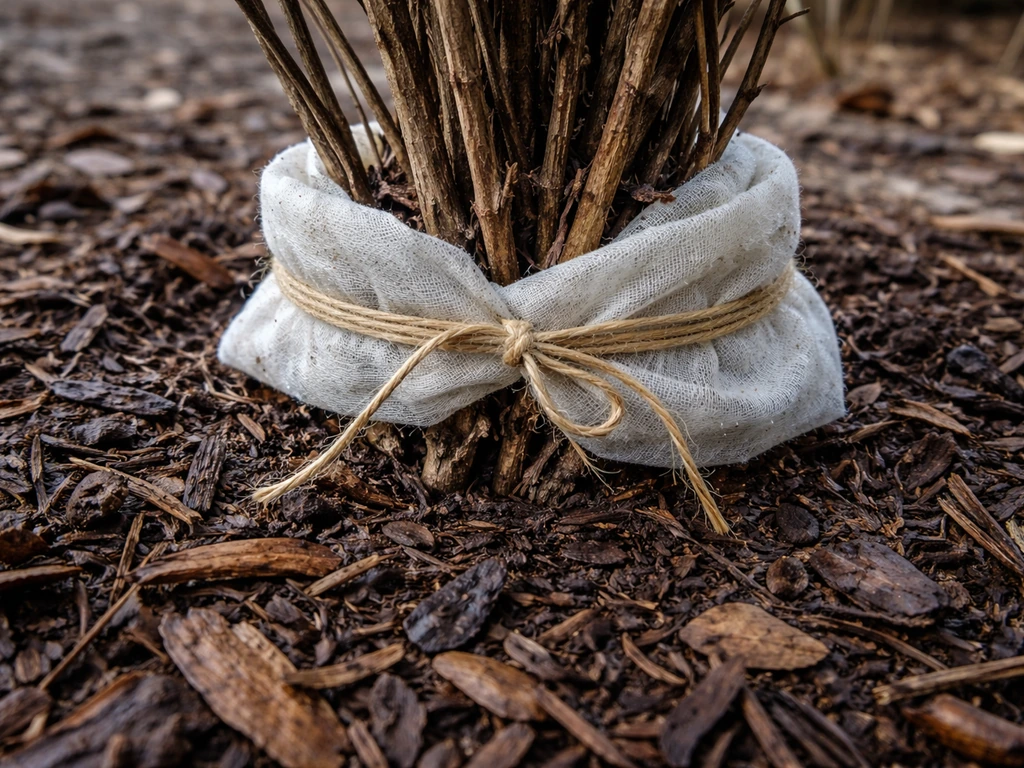
For star jasmine planted in marginal zone 6b or 7a spots, a few protective habits significantly improve survival odds. The most important one is mulching. Apply a 3 to 4 inch layer of mulch around the base of the plant each fall, keeping it a few inches away from the stem itself. This insulates the root zone, which is often what you're really trying to protect. Even if the top growth dies back, a living root system means the plant can regrow.
In very cold zones or during forecast hard freezes, wrapping the plant with burlap or a thermal frost blanket adds meaningful protection. This is more work than most gardeners want to do every year, so factor that into your decision before planting. If you're in zone 6b in Garrett County or Frederick, honestly, a container plant you bring into an unheated garage is less frustrating than trying to overwinter star jasmine in the ground.
Planting timing also matters. Spring planting, in April or May after frost risk has passed, gives the plant a full growing season to establish roots before its first Maryland winter. Fall-planted jasmines are at a serious disadvantage in zone 7 and colder because the root system hasn't had time to develop. If you buy it in fall, pot it up and overwinter it indoors, then plant out the following spring.
Be honest with yourself about flowering performance, too. Star jasmine blooms most prolifically in consistently warm climates. In Maryland, a zone 7 plant pushed through harsh winters may bloom less freely and show more stress than the pictures on the tag. Texas has far hotter summers and milder winters in many areas, so your odds depend on whether you are trying star jasmine or a true jasmine variety Maryland, a zone 7 plant pushed through harsh winters may bloom less freely. In a good year in a warm spot, you can get lovely fragrant bloom in late spring. In a hard year, you may spend the season nursing it back from winter damage.
Your next steps: how to choose, where to plant, and when to buy
- Look up your exact USDA zone. Use the official USDA Plant Hardiness Zone Map's ZIP code tool. This takes 60 seconds and tells you exactly which zone you're in, not just a rough estimate.
- Identify your microclimate. Walk your yard and find your warmest, most sheltered spot. A south-facing wall near the house foundation is ideal. Avoid open, exposed, or low-lying frost-pocket areas.
- Choose the right jasmine. If you're in zone 7a or warmer, star jasmine (especially the 'Madison' cultivar) is your best bet. If you're in zone 6 or colder, plan for containers that come inside in fall.
- Buy in spring, not fall. Purchase jasmine in April or May and plant it as soon as nighttime temperatures are reliably above freezing. This gives you the maximum establishment window before winter.
- Check the label at the garden center. Confirm the botanical name on the tag. Trachelospermum jasminoides (star jasmine) and Jasminum officinale are very different from Jasminum polyanthum. Don't assume all fragrant vining plants sold as jasmine are the same hardiness.
- Plan for mulching from day one. Budget 3 to 4 inches of mulch around the base each fall. This is the single easiest thing you can do to improve survival odds in colder Maryland zones.
- Set a winter survival check. After your first winter, assess the plant in March or April. Green stems and new growth mean it survived. Brittle, brown stems mean you lost the top growth, but scratch the stem near the base and check for green tissue before giving up.
Maryland gardeners in the warmer zones of the state are in a similar situation to those in nearby North Carolina and Tennessee, where star jasmine works in sheltered spots but true jasmine remains hit or miss. If you're willing to invest in site selection and consistent fall mulching, star jasmine in zones 7a and 7b across Maryland is a realistic, rewarding choice. In New Mexico, the best odds depend on whether your jasmine type can handle the hot summers and your specific winter low temperatures star jasmine in zones 7a and 7b across Maryland. Just go in knowing it's living at the edge of its comfort zone and give it the best possible spot to prove itself.
FAQ
What jasmine is most likely to survive in Maryland, even if winters are unpredictable?
Star jasmine (Trachelospermum jasminoides) is the best bet for most Maryland locations. It is generally more cold-tolerant than true jasmines, but in zone 6b or 7a expect occasional dieback and plan on protection plus spring pruning.
How can I tell if the plant I’m buying is star jasmine or true jasmine?
Check the botanical name on the tag or label. Star jasmine is Trachelospermum jasminoides. True jasmine is Jasminum (for example Jasminum officinale or Jasminum polyanthum). If the label says “Confederate jasmine,” it is almost always star jasmine.
If my zone says 7b, will jasmine definitely live through winter?
Not necessarily. USDA zones are averages, and a single extreme cold event can damage or kill marginal plants. Use your memory of the coldest winter you experienced, and if you had prolonged single-digit temperatures or deep freezes in your garden, assume you are effectively colder than the zone suggests.
Can I grow the pink “jasmine” (Jasminum polyanthum) outdoors in Maryland?
Usually no. It typically needs around zone 8 for outdoor overwintering. In Maryland, the practical option is treating it as a container plant, bringing it indoors before first frost (often around mid-October depending on your area).
What’s the best planting location in Maryland for a jasmine that’s on the edge?
Plant near a south- or west-facing brick or stone wall where heat is stored during the day and released overnight. Avoid frost-pocket areas like low spots, and avoid exposed hilltops and north-facing slopes where wind and cold air settle.
Does mulching really matter for jasmine in Maryland, and how should I do it?
Yes, mulching is one of the most effective protections because it insulates the root zone, not just the top growth. Apply a 3 to 4 inch layer each fall, keeping mulch a few inches away from the plant stem to reduce rot risk.
If my jasmine dies back in winter, should I prune it right away?
In most cases, wait until spring to prune. For star jasmine, dieback is common in colder years, and cutting too early can expose tissue to additional cold. Trim after you see active growth or after the last hard-freeze risk passes.
What should I do if my jasmine is flowering poorly in Maryland?
Expect reduced bloom if your winters are harsh or the plant is stressed. Focus on consistent sun and a protected microclimate, and understand that even a living plant may look less lush and bloom less than pictures from warmer states. Fertilize lightly and avoid overfeeding, since stressed plants often prioritize survival over flowering.
Is it better to plant in spring or fall in Maryland?
Spring planting generally gives the best odds because the roots establish before winter. If you buy in fall, a safer approach is pot it up and overwinter it indoors (unheated garage is often a workable compromise), then plant out the following spring.
Can I overwinter jasmine in a container instead of planting in the ground?
Yes, and for zone 6b or other marginal spots it can be less frustrating. Keep the container well-drained, water as needed so the root ball does not fully dry out, and protect it from repeated freeze-thaw swings by placing it in a sheltered location or an unheated garage.
How do wind and exposure affect jasmine survival in the same ZIP code?
They can change survival dramatically. A yard that is slightly sheltered by a fence or hedge from northwest winter winds will usually be warmer than an open exposure, even within the same ZIP code. When choosing a spot, prioritize wind protection and steady winter warmth.