
Yes, hibiscus can absolutely grow in Texas, and in most parts of the state it does exceptionally well. The real answer, though, depends on which hibiscus you're talking about. Texas spans several USDA hardiness zones, and the word 'hibiscus' covers plants with very different cold tolerances. Get the right type for your area and you're set up for years of giant, show-stopping blooms. Get the wrong one and you'll be replacing it every spring after a hard freeze. Here's how to sort it out fast.
Can Hibiscus Grow in Texas? Types, Cold Tolerance, and How To
Marcus Hartwell
6 Apr 2026
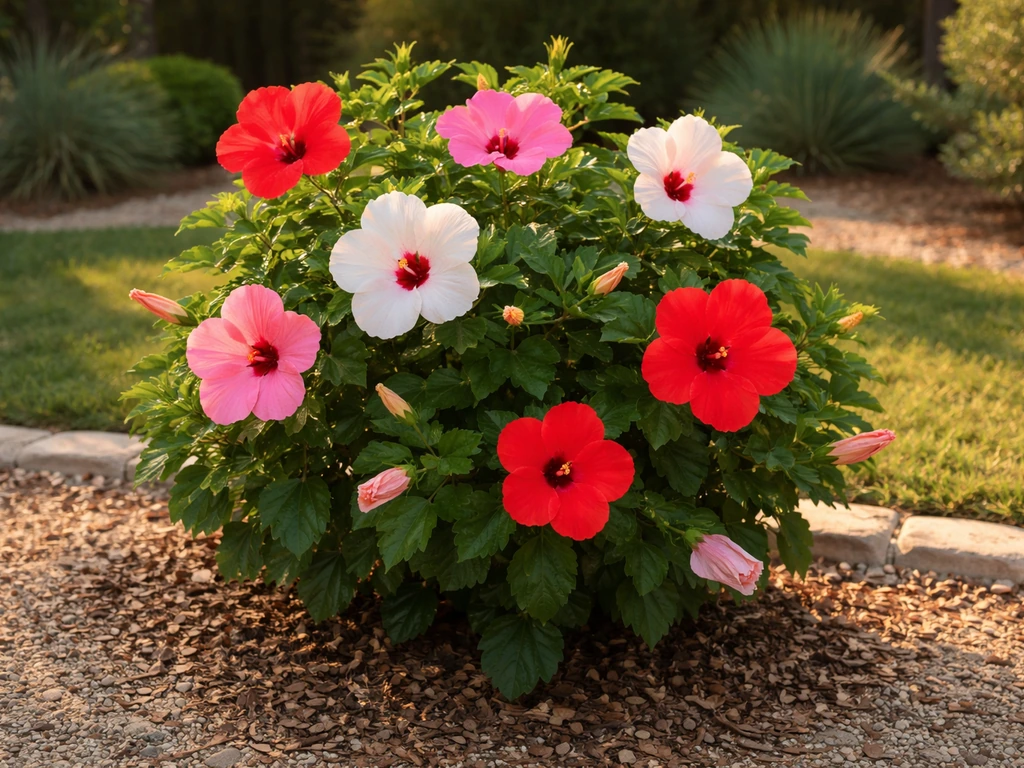
Texas is genuinely great hibiscus territory
Texas runs from USDA hardiness zone 6 in the northern Panhandle all the way to zone 9b along the Gulf Coast and the Rio Grande Valley. That's an enormous range, and it means the hibiscus conversation is different depending on where you live. The good news is that for the vast majority of the state, including all of Central, South, and East Texas, at least one type of hibiscus will thrive in the ground year-round without any serious babying. Even gardeners in the Dallas-Fort Worth Metroplex, which sits primarily in zone 8b with average extreme lows around 15°F, have reliable options. The key is matching the plant to your zone, not just picking whatever looks prettiest at the nursery.
Texas A&M AgriLife has actually invested in breeding and expanding hardy hibiscus varieties specifically for Texas conditions, including work centered on Hibiscus moscheutos and related native species. That's a good signal: this isn't a plant that's being forced into a climate it can't handle. Hardy hibiscus belongs here.
North Texas vs the rest of the state: why it matters
North Texas is where the hibiscus question gets interesting. The Metroplex was recently reassigned to a warmer USDA zone (zone 8b), reflecting warming trends over time. But here's the thing that catches gardeners off guard: USDA zones are based on average annual extreme minimum temperatures, not average winter lows. That means a zone 8b label doesn't guarantee you won't see a sudden 10°F night, like the kind of freeze event the region has experienced in recent years. The zone tells you what's typical, not what's guaranteed.
In practical terms, North Texas gardeners need to think of themselves as zone 8a/8b with occasional zone 7 surprises. That rules out keeping tropical hibiscus in the ground year-round without protection, but it leaves the door wide open for hardy hibiscus types that are rated to zone 5 or 6. South Texas, the Gulf Coast, and the lower Rio Grande Valley sit in zones 9 and 9b, where tropical hibiscus can actually overwinter outside if sited well. The further north you are in the state, the more important it is to choose a cold-hardy variety and give it proper winter protection.
If you're curious how Texas stacks up against other warm-southern-state hibiscus conversations, the situation in Georgia is fairly comparable to Central Texas, while the challenge in states like Missouri or Indiana is significantly harder because their winters are more reliably severe.
Which hibiscus types actually work in Texas
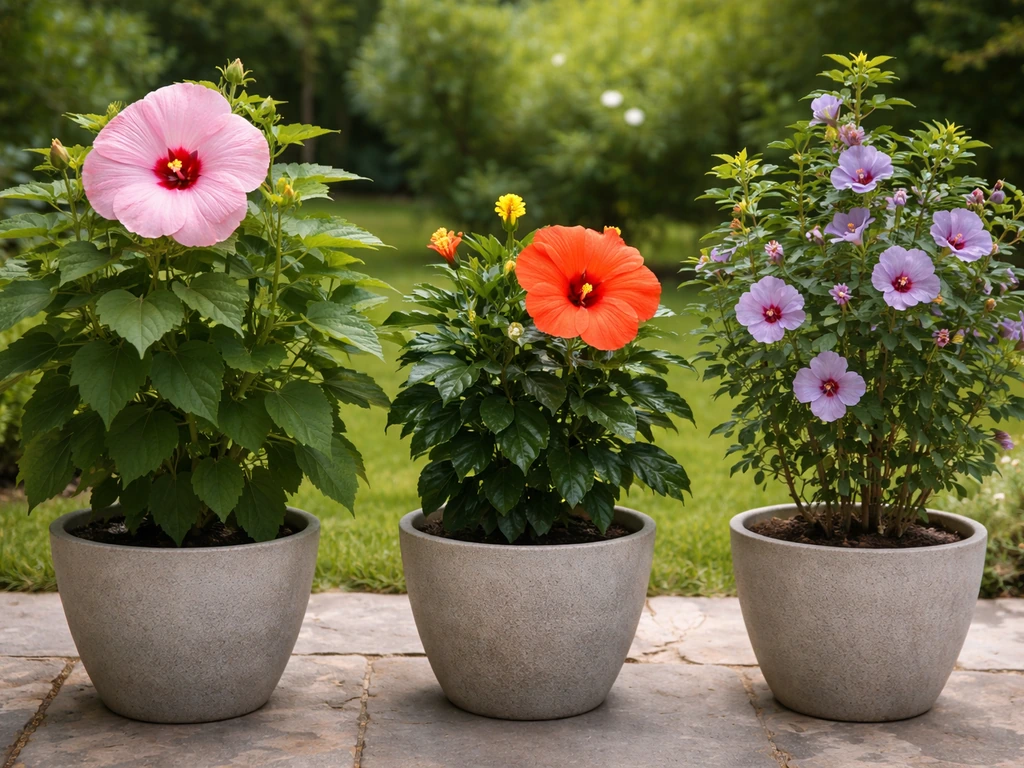
There are three main types of hibiscus you'll encounter in Texas nurseries and garden centers, and they're not interchangeable. Knowing the difference before you buy saves you real money and frustration.
Hardy hibiscus (Hibiscus moscheutos)
This is your best bet for most of Texas, including North Texas. Hibiscus moscheutos, also called rose mallow or perennial hibiscus, is blank" rel="noopener noreferrer">rated hardy in USDA zones 5 to 9 by both Texas Tech University's plant database and NCSU Extension, which makes it perfectly suited for nearly the entire state. The flowers are enormous, often dinner-plate sized, and cultivars like 'Southern Belle' and 'Lady Baltimore' are well-documented performers in Texas landscapes. 'Lady Baltimore' is specifically recommended for North Texas placement by local horticulture resources in the Frisco area. The mature plant typically reaches 4 to 6 feet tall and 3 to 4 feet wide, though smaller cultivars like 'Southern Belle' stay closer to 36 inches tall and 24 to 36 inches wide. One important thing to set expectations on: this is a herbaceous perennial, meaning the above-ground stems die back in winter and the plant re-emerges from the roots in spring. It's not a woody shrub. Seeing bare stems in January doesn't mean it's dead.
Tropical hibiscus (Hibiscus rosa-sinensis)
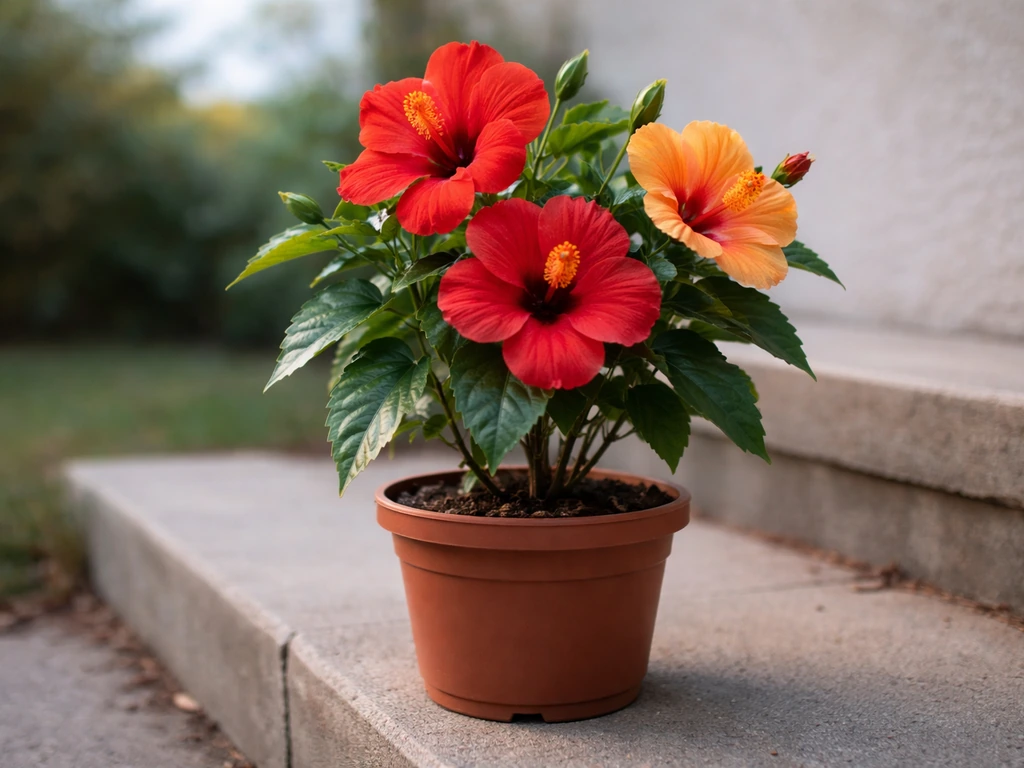
This is the flashy red, orange, or pink shrub you see everywhere in nurseries and at home improvement stores in spring. It's also the one that causes the most heartbreak in Texas. Tropical hibiscus is hardy only in zones 9 to 10, meaning it's a true year-round landscape plant only along the Gulf Coast and in the Rio Grande Valley. Everywhere else in Texas, including Houston in a bad year, it will be damaged or killed by sustained freezing temperatures. North Texas gardeners who buy tropical hibiscus are essentially buying an annual or a container plant. It will look spectacular from May through October, but plan on either overwintering it indoors or replacing it each spring. That's not a deal-breaker if you go in with the right expectations, but it is a reason to think carefully before planting it in the ground.
Rose of Sharon (Hibiscus syriacus)
Rose of Sharon is a woody deciduous shrub hardy in zones 5 to 8, which makes it a solid option for North and Central Texas. It's not as showy as the giant-flowered moscheutos types, but it's extremely durable, handles Texas summer heat well, and behaves like a proper landscape shrub with woody stems that persist through winter. If you want something that looks neat and structured in the yard all year, this is worth considering alongside the perennial types. Some cultivars, like those studied at the US National Arboretum, have been documented performing reliably down to zone 5b.
| Type | Botanical Name | Hardy Zones | North Texas Suitable? | Winter Behavior |
|---|---|---|---|---|
| Hardy Hibiscus | Hibiscus moscheutos | 5–9 | Yes | Dies back, returns from roots in spring |
| Tropical Hibiscus | Hibiscus rosa-sinensis | 9–10 | Container only | Dies at sustained freezing temps |
| Rose of Sharon | Hibiscus syriacus | 5–8 | Yes | Woody shrub, dormant but stems persist |
How to grow hibiscus in Texas the right way
Sun and siting
Hardy hibiscus wants full sun to partial shade, and in Texas, that generally means you should aim for at least 6 hours of direct sun per day. Full sun will give you the best flowering. Light conditions directly affect branching and bloom output, so don't shortchange the plant on sunshine thinking Texas summers are already brutal enough. It can handle the heat as long as it has adequate water. Tropical hibiscus has the same preference: full sun and well-drained soil. The Grayson County Master Gardeners in North Texas specifically note full sun to part shade as the cultural requirement for hardy hibiscus in Texas landscapes.
Soil
Texas soils range from heavy black clay in the Metroplex to sandy loam in East Texas, and hibiscus is somewhat flexible but has clear preferences. Both hardy and tropical types do best in well-drained, slightly acidic soil. Clay soil is the most common problem: it holds water too long, which can stress roots. If you're in North Texas with the classic heavy clay, amend your planting area with compost and consider raised beds or mounded planting spots to improve drainage. Soil pH also matters: HGTV notes that pH imbalances can affect nutrient uptake and cause the plant to underperform even when everything else looks right. A simple soil test from your local extension office is worth doing if your plants consistently look off.
Planting timing and spacing
In Texas, plant hardy hibiscus after the last frost date for your area, which ranges from late February on the Gulf Coast to mid-April in the Panhandle. Spring planting gives the roots time to establish before the heat of summer arrives. Give full-sized Hibiscus moscheutos plants at least 3 to 4 feet of space in all directions since they spread 3 to 4 feet wide at maturity. Smaller cultivars like 'Southern Belle' can be planted closer together if you want a mass planting effect.
Watering
Texas summers are no joke, and hibiscus is thirsty during the growing season. Regular, consistent watering is essential, especially in the first season while the plant is establishing. Using mulch around the base of the plant helps retain soil moisture and keeps roots cooler during triple-digit heat, which is a real concern in Central and West Texas. Once established, hardy hibiscus is more drought-tolerant than tropical hibiscus, but you'll still see stress and reduced flowering if you skip watering during dry stretches.
Getting hibiscus through a Texas winter
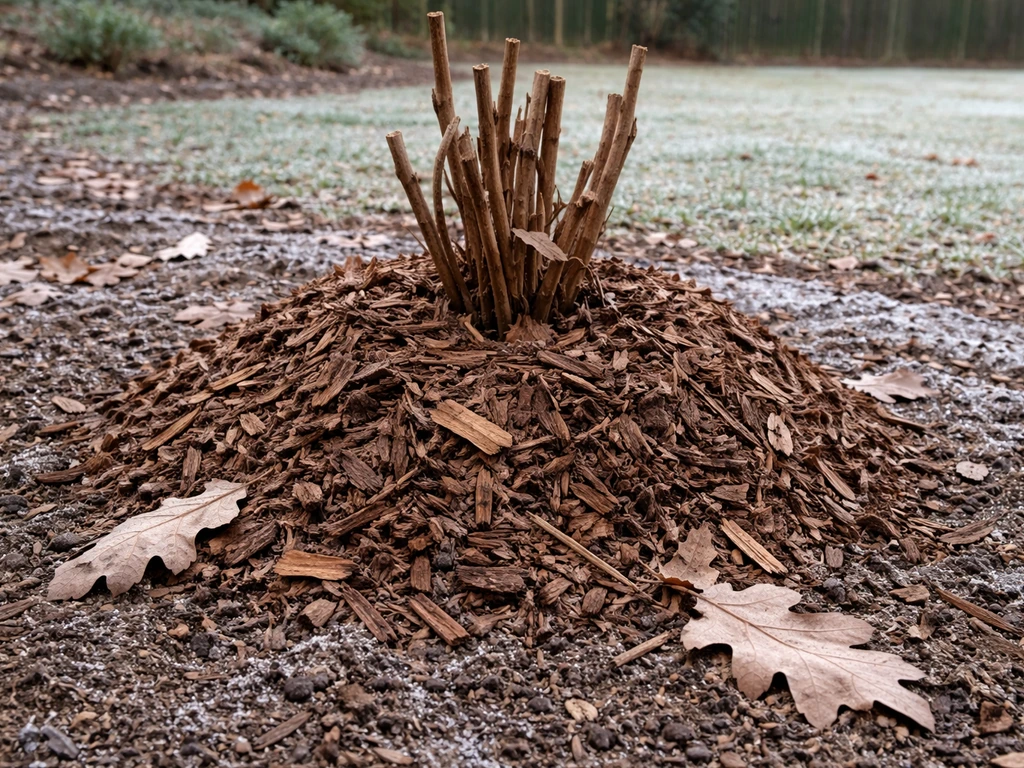
Winter is where Texas hibiscus gardening requires the most active thinking, especially if you're in the northern half of the state. Here's the reality: when nighttime temperatures drop to around 32°F, the above-ground leaves and stems of hibiscus can be damaged. In North Texas, that's going to happen multiple times every winter. The Dallas News gardening coverage specifically lists hibiscus among the North Texas plants that should always be covered when a cold snap is forecast.
For hardy hibiscus (Hibiscus moscheutos), the good news is that the roots survive hard freezes even when the stems die back to the ground. The plant re-emerges in spring, often later than you'd expect, sometimes not until May. Don't pull it up thinking it's dead. What you can do to improve winter survival is apply a thick layer of mulch around the base of the plant, which insulates the root zone during hard freezes. Both the Galveston County Master Gardeners and HGTV's hibiscus guidance specifically call out mulching as the key winter protection move for hardy hibiscus.
For tropical hibiscus in North Texas, your options are: move container plants indoors when temps approach freezing, cover in-ground plants with frost cloth during cold snaps and hope for the best, or plan on buying replacements each spring. Covering works for light freezes but won't save the plant during a sustained hard freeze like the ones the Metroplex has seen in recent years. Mulching helps but is not enough on its own for tropical types.
- Apply 3 to 4 inches of mulch around the base before the first expected freeze
- Cover plants with frost cloth when temperatures are forecast to drop below 32°F
- Move container plants indoors or into a garage when freezes are sustained
- Don't cut back the dead stems of hardy hibiscus until spring, since they offer some additional insulation
- Wait until mid to late spring before assuming a hardy hibiscus is dead; they emerge late
If you're in a state with truly unpredictable winters and want context for how differently this plays out elsewhere, growing hibiscus in Ohio is a useful comparison since Ohio gardeners face consistently harder winters with less flexibility. On the warmer end, hibiscus in Arizona deals with heat and aridity challenges that are in some ways the opposite problem from Texas winters.
Container vs in-ground: where to put your hibiscus
Both approaches work in Texas, but they serve different goals. In-ground planting is the right move for hardy hibiscus in zones 7 through 9. Once established, these plants come back every year, get larger over time, and require less maintenance than container plants. They're also more drought-resilient once their root systems are established. Place them in a spot with good sun, decent drainage, and enough room to spread 3 to 4 feet wide.
Container growing is the smarter choice for tropical hibiscus if you're in North or Central Texas. A large container (at least 15 to 20 gallons for a mature plant) allows you to move the plant indoors or into a protected spot during winter, which is really the only reliable way to keep tropical hibiscus alive through a North Texas winter without replanting annually. Containers also let you fine-tune soil conditions more easily than fighting your native clay. The trade-off is that containers need more frequent watering in Texas's heat, sometimes daily during July and August.
If you're in zone 9 or warmer, basically Corpus Christi south and the Houston area in most years, you can plant tropical hibiscus in the ground and treat it as a landscape shrub. Just keep it in a spot with some protection from north winds, which tend to carry the most damaging cold air during Texas freeze events.
Your next steps based on where you live in Texas
Before you buy anything, look up your specific ZIP code on the USDA hardiness zone map to confirm your zone. Texas DOT also has a state-specific hardiness zone graphic that shows zones by region and city, which makes it easy to orient yourself. Then use that zone to guide your selection: zone 8 and below means stick with hardy hibiscus (Hibiscus moscheutos) or Rose of Sharon as your in-ground plants. Zone 9 and above gives you more flexibility to try tropical hibiscus in the ground, though protecting it from north winds and mulching heavily each fall is still good practice.
When you're at the nursery, flip the plant tag over and check the zone range before putting it in your cart. A lot of what's sold as 'hibiscus' in Texas retail in spring is tropical, and the tags often make this clear if you look. If you want a perennial that comes back every year and doesn't require indoor overwintering, look specifically for Hibiscus moscheutos cultivars or confirm with a staff member that you're buying a hardy variety.
Texas is one of the better states in the country for hibiscus gardening overall. The heat that makes summers brutal is actually an asset for a plant that loves warmth and produces its biggest, most dramatic blooms in hot conditions. Neighbors in states like Colorado face a much tighter window for hibiscus success, and even Georgia gardeners deal with humidity challenges that can complicate disease management in ways Texas gardeners in drier regions don't always face. Pick the right type, mulch it well before winter, and hibiscus will reward you with some of the most dramatic flowers in your entire landscape.
FAQ
If I buy hibiscus in Texas, how do I know which type it is so it will actually survive?
In Texas, “hibiscus” can mean hardy hibiscus (Hibiscus moscheutos), tropical hibiscus, or Rose of Sharon. The ones that are most reliable in-ground for most Texans are hardy hibiscus (zones 5 to 9) and Rose of Sharon (zones 5 to 8). Tropical hibiscus is the one most likely to fail north of the Gulf Coast unless it is containerized.
My hardy hibiscus looks dead after winter, should I remove it or will it come back?
For hardy hibiscus, it is normal for stems to look dead after a freeze, then regrow later, sometimes as late as May. Do not dig it up too early. Wait for consistent spring warmth, and focus on winter root protection (thick mulch) rather than cutting or moving the plant in late winter.
How can I tell if my watering is helping or harming hibiscus in Texas clay soil?
Texas summers can be extremely hot, but hibiscus also depends on soil moisture and drainage. If you have clay soil, overwatering or poorly draining spots can cause stress even when you water regularly. Use a simple test (dig a small hole and check moisture 6 to 8 inches down) and consider raised beds or mounded planting to keep roots from sitting in water.
Is frost cloth enough to protect tropical hibiscus in North Texas?
A frost cloth can help with brief, light freezes, but it is not reliable for sustained hard freezes, especially for tropical hibiscus. If you are growing tropical hibiscus in North Texas, treat it as a container crop that moves indoors when temperatures approach freezing, because ground protection usually cannot replicate the warmth it needs.
What should I do when temperatures are near freezing, especially if the forecast is uncertain?
When nighttime temps hover around freezing, covered plants may still be damaged if cold persists. For hardy hibiscus, the key is insulating the root zone with a thick mulch layer before your first real cold snaps. For containers, move them to a sheltered, bright location when freezes are forecast to reduce root chilling.
Can I transplant hibiscus in Texas, or is it better to leave it alone?
Yes, but you should match the method to the hibiscus type. Hardy hibiscus generally becomes larger each year and prefers staying in the same in-ground spot. Tropical hibiscus can be more forgiving in containers because you can adjust soil, move it, and control winter conditions, but it will require frequent watering during Texas heat.
My ZIP code shows zone 8b, does that mean tropical hibiscus will survive in the ground?
Not exactly. USDA zones reflect average extreme minimum temperatures, but Texas weather includes sudden freeze events. Treat your zone as a starting point, then look for “worst case” lows from your local history and choose cold-hardy varieties or prepare winter protection accordingly.
Why would hibiscus leaf out but not bloom well in Texas, and what should I check first?
If your hibiscus blooms poorly, first check sun exposure, then soil drainage, then feeding. A common Texas issue is planting in part shade, which reduces branching and flower output. Another frequent factor is nutrient uptake in imbalanced soil pH, so a soil test from your local extension office can prevent guesswork.
What’s the practical indoor setup needed to overwinter tropical hibiscus from Texas?
If you want overwintering success for tropical hibiscus, plan for a realistic indoor setup: a bright window, a cooler-but-not-freezing area, and consistent watering. Also budget for container size, because smaller pots dry out faster during Texas summers and can stress the plant quickly after you bring it indoors.
How should I apply mulch for hibiscus winter protection without accidentally causing problems in spring?
Mulch helps, but do it in a way that protects the crown and root zone without smothering the plant. Apply a thick layer around the base in fall, then keep it in place through winter. If you notice new growth, gradually clear mulch away from the new stems so they do not stay buried as spring warms.
How much spacing does hibiscus need in Texas, and does closer planting improve results?
Yes, spacing matters because hibiscus spreads widely when grown well. For hardy hibiscus, allowing about 3 to 4 feet in all directions improves airflow, reduces competition for water, and supports better flowering. For tighter masses, use smaller cultivars and still avoid crowding to the point where leaves stay wet and airflow is limited.