
Yes, hibiscus can absolutely grow in Indiana, but the answer comes with a big asterisk: it depends entirely on which type of hibiscus you're talking about. Hardy hibiscus (the perennial kind) will thrive in every corner of the state and come back year after year with almost no fuss. Tropical hibiscus, the showstopper you see at garden centers with the glossy leaves and dinner-plate blooms, can grow here too, but it won't survive an Indiana winter outdoors. You'll need to bring it inside or treat it as an annual. Get that one distinction right before you buy, and you'll save yourself a lot of frustration.
Can Hibiscus Grow in Indiana? Types, Care, and Winter Tips

Marcus Hartwell
17 Apr 2026
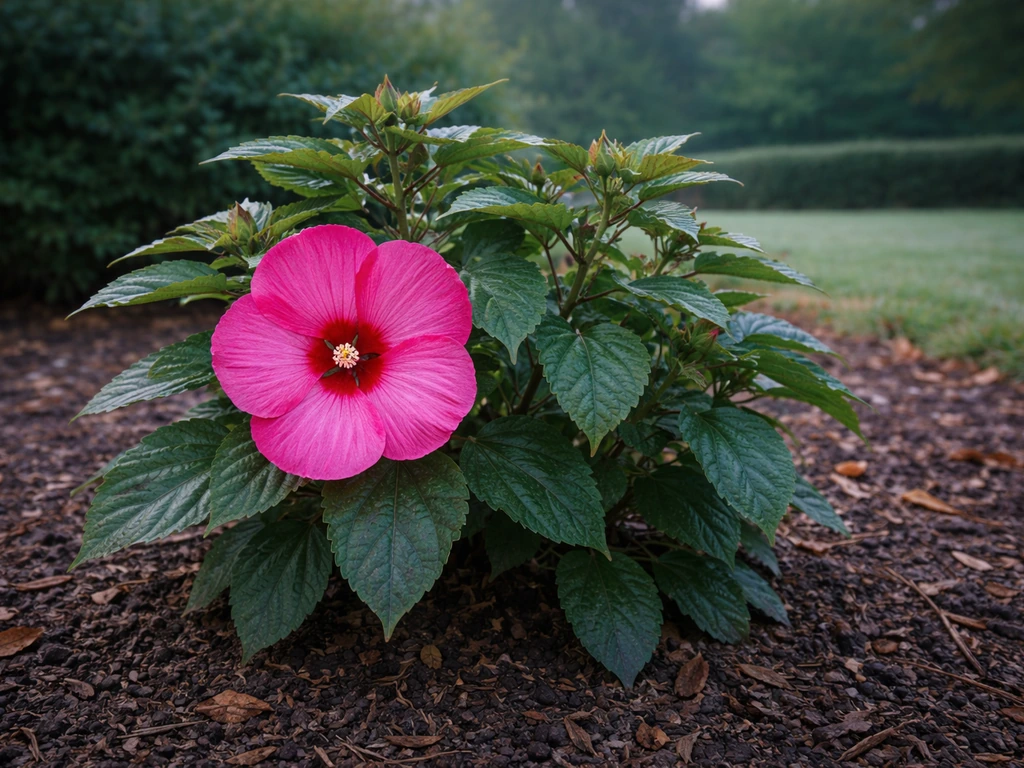
Indiana's climate and which hibiscus actually fits
Indiana has a humid continental climate with cold winters, hot humid summers, and a frost season that can bite early or late depending on the year. That combination is genuinely good for hardy hibiscus, which loves the heat and moisture of Indiana summers and doesn't mind the cold dormancy period in winter. Tropical hibiscus, on the other hand, originates from warm, frost-free climates and simply cannot handle what a northern Indiana December throws at it. The same warm, humid summers that make Indiana feel like a great hibiscus state are paired with winters that drop well below freezing for months, which is the dealbreaker for the tropical type growing outdoors year-round.
The good news is that if you're looking for bold, dramatic blooms, hardy hibiscus delivers. Varieties like Hibiscus moscheutos produce enormous flowers, sometimes 10 to 12 inches across, and they do it reliably in Indiana landscapes without any special coddling. If you've seen a similar setup work in neighboring states, it's worth knowing that hibiscus growing in Ohio faces nearly identical winter challenges, so anything that works there translates pretty directly to Indiana.
Hardiness zones in Indiana: check this before anything else
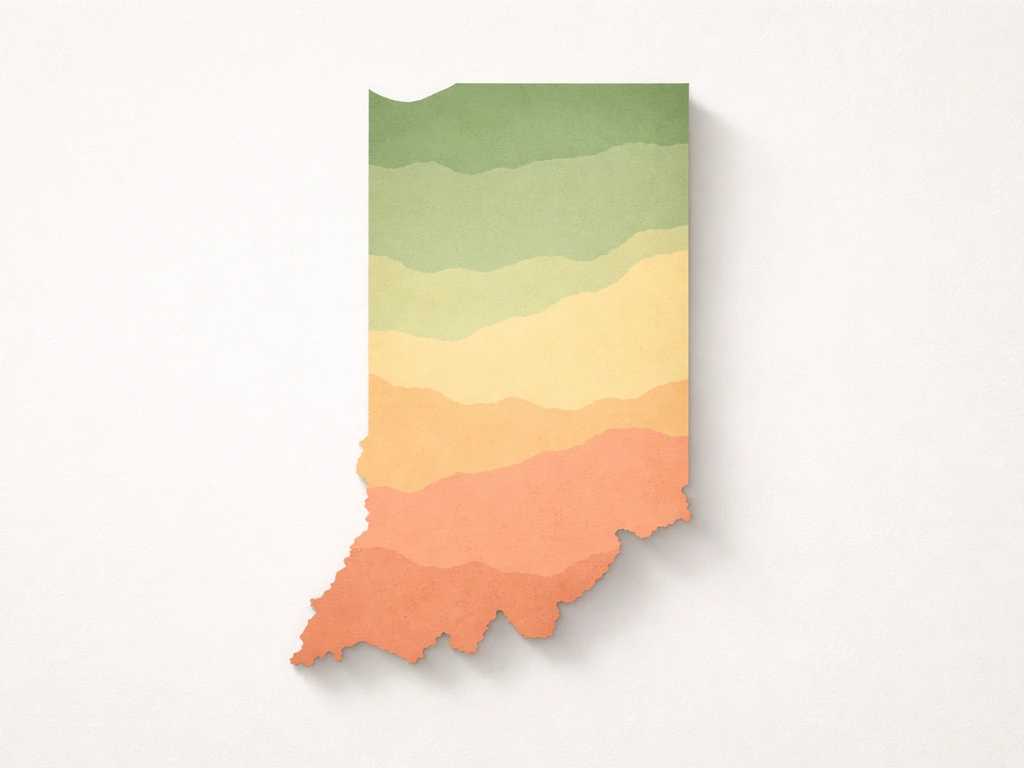
Indiana spans USDA hardiness zones 5b through 7a, according to Purdue Extension's summary of the 2023 updated USDA map. The USDA Plant Hardiness Zone Map provides not only whole 10°F zones but also 5°F half-zone subdivisions (A and B) to improve precision [USDA hardiness zones](https://planthardiness. ars. usda.
gov/pages/map-downloads). The northwest corner of the state, around Lake County and the Chicago suburbs, sits in Zone 5b, where average annual extreme minimum temperatures run about -15 to -10°F. Move toward the Ohio River in the south, and you're looking at Zone 7a, where winter lows average around 0 to 5°F. Central Indiana, including Indianapolis, falls in the middle around Zones 6a and 6b.
That range matters because a plant labeled "hardy to Zone 6" might not make it through a northwest Indiana winter, even if it sails through winters down near Evansville.
Before you buy a single plant, look up your specific USDA zone using your zip code on the USDA's interactive map. The zones changed slightly in the 2023 update, so if you checked years ago, it's worth a quick revisit. This one step eliminates all the guesswork about whether a plant's cold hardiness rating actually applies to your yard.
Tropical hibiscus vs hardy hibiscus: the comparison that matters most
This is the central question for Indiana gardeners, so here it is laid out plainly. Hardy hibiscus (mostly Hibiscus moscheutos and related cultivars) is a true perennial that dies back to the ground in fall and re-emerges in late spring. It's winter-hardy through Zones 4 to 9, which means it covers every single part of Indiana with room to spare. Tropical hibiscus (Hibiscus rosa-sinensis) is the species most commonly sold at nurseries and garden centers in northern climates, and it's a beautiful plant, but it cannot survive Indiana winters outdoors. It needs to come inside when nighttime temperatures regularly drop below about 45°F.
| Feature | Hardy Hibiscus | Tropical Hibiscus |
|---|---|---|
| Common species | Hibiscus moscheutos, H. coccineus | Hibiscus rosa-sinensis |
| Winter hardiness | Zones 4–9 (all of Indiana) | Not cold-hardy; dies below freezing |
| Indiana outdoor survival | Yes, reliably perennial | No, must overwinter indoors |
| Bloom size | Very large (up to 12 inches) | Medium to large (3–6 inches typical) |
| Foliage | Coarse, matte green | Glossy, tropical-looking |
| Spring emergence | Late (May or even June) | Year-round indoors |
| Best use in Indiana | Permanent landscape plant | Container/patio plant; seasonal |
The recommendation for most Indiana homeowners is to go with hardy hibiscus as your permanent landscape plant and treat tropical hibiscus as a container patio plant you enjoy in summer and move inside in fall. If you're curious how gardeners handle this balance in warmer climates, the approach for hibiscus growing in Missouri is a useful comparison since Missouri shares similar zone ranges and the same tropical-versus-hardy decision.
Where hibiscus grows best in Indiana
Sun exposure
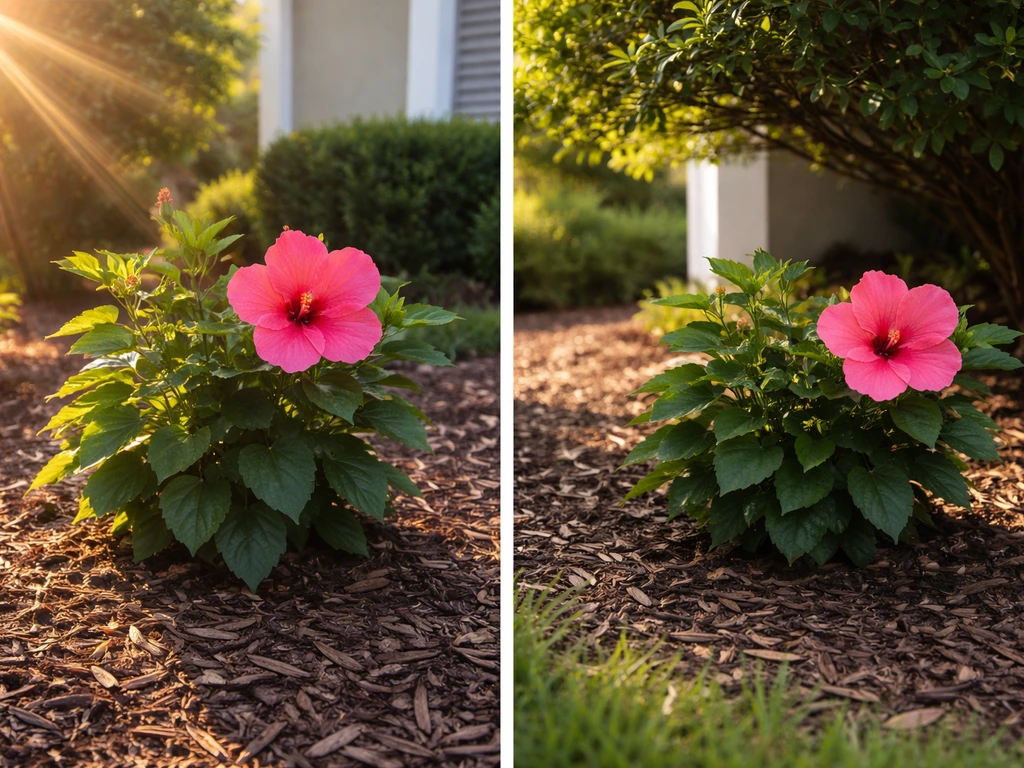
Both types want full sun to light shade, but more sun means more blooms. Aim for at least six hours of direct sunlight per day. Hardy hibiscus planted in full shade will grow but will bloom weakly and become leggy. South or west-facing spots tend to be the sweet spot in Indiana landscapes, especially since those positions also pick up reflected warmth from walls or fences that can extend the season slightly and improve winter survival odds for borderline plants.
Soil and drainage
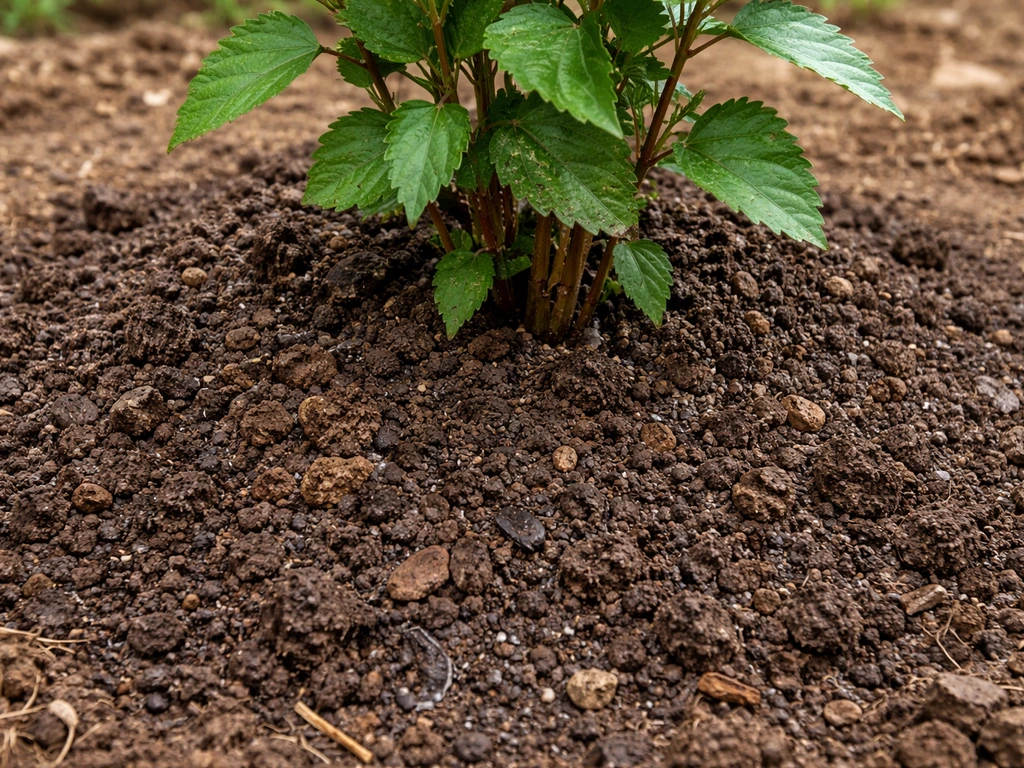
Hardy hibiscus thrives in consistently moist, well-drained soil. It handles wet areas better than many perennials, which is useful since Indiana's clay-heavy soils in central and northern parts of the state can retain water. That said, there's a difference between moist and waterlogged. Standing water around the crown in winter is a real winter-kill risk, even for cold-hardy plants. If your yard has drainage issues, either amend the soil with compost to improve structure or plant hibiscus in a slightly raised bed. For tropical hibiscus in containers, use a quality potting mix and make sure your containers have drainage holes.
Moisture needs
Hardy hibiscus is thirsty during summer. In dry stretches, which Indiana gets in July and August, you'll want to water deeply once or twice a week rather than shallow daily watering. Mulch around the base helps hold soil moisture and also protects the crown zone heading into fall. Two to three inches of organic mulch applied after the first hard frost is a simple but effective step most gardeners skip.
Seasonal care plan for Indiana hibiscus
Spring planting
Plant hibiscus outdoors only after the danger of spring frost has passed. For most of Indiana, that means late April to mid-May for central and southern areas, and closer to mid-to-late May in northern Indiana. Hardy hibiscus is a notoriously late riser, so don't panic if there's no green above the soil in early May. It sometimes doesn't show growth until the soil has warmed well, which can make new gardeners think the plant died over winter. Resist the urge to dig it up and check before Memorial Day. One practical tip: mark the location of your hardy hibiscus with a stake in fall so you don't accidentally dig into it during spring cleanup.
Summer care
Once established, hardy hibiscus is fairly low-maintenance. Keep up with watering during dry periods, deadhead spent blooms to encourage more flowering, and watch for Japanese beetles, which love hibiscus foliage in Indiana summers. Tropical hibiscus in containers will need more frequent watering and regular fertilizing through summer since containers dry out faster and nutrients flush out with every watering.
Fall preparation and frost timing
This is where Indiana's variability becomes important. The National Weather Service notes that frost timing across Indiana can swing significantly from year to year. A 32°F freeze has occurred as early as September 13 in central Indiana in recent climate records, while in other years it hasn't arrived until November 14. That kind of range means you can't just wait to "see how it goes" if you have tropical hibiscus in containers on your patio. The safe move is to watch nighttime forecasts starting in mid-September and bring tropical hibiscus inside as soon as nights regularly start dipping toward 45°F or below. Don't wait for an actual frost event.
Overwintering tropical hibiscus indoors
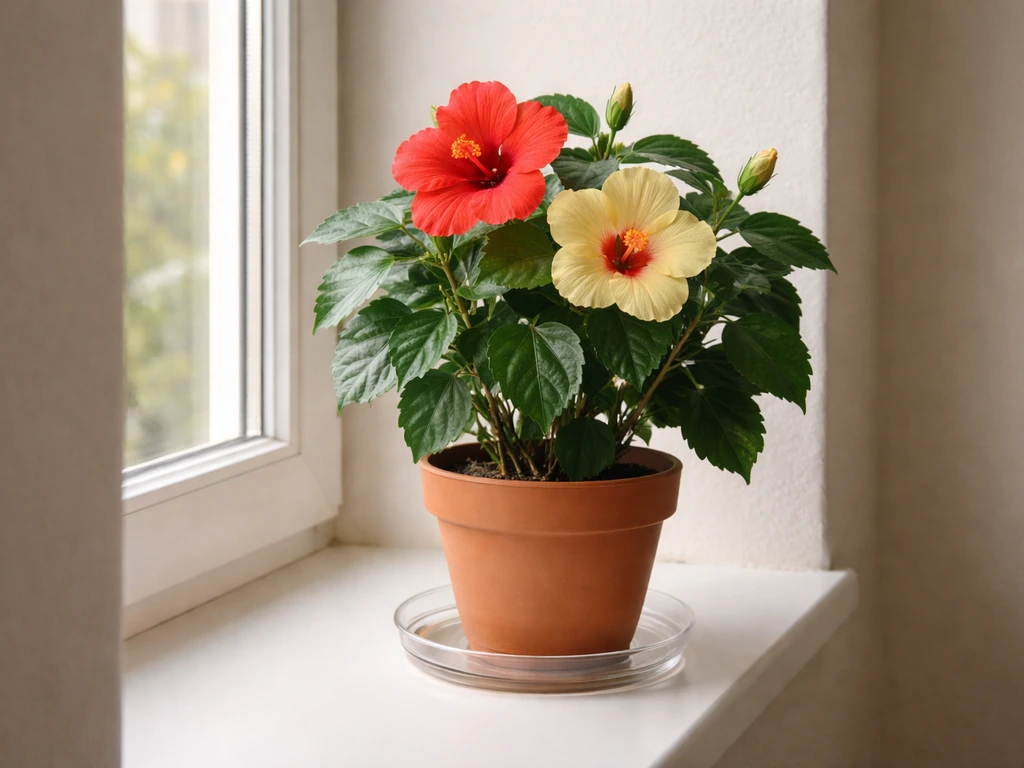
Bring tropical hibiscus inside before first frost, set it in the brightest window you have (south-facing is ideal), and cut back on watering since the plant will slow down significantly indoors. You can prune it back by about one-third before bringing it inside to make it more manageable and to remove any pest-harboring foliage. Check it periodically for spider mites and scale insects, which are common indoor hibiscus problems during winter months. Move it back outside only after frost danger has passed in spring, hardening it off gradually by starting with a few hours of outdoor exposure in a sheltered spot before leaving it out full-time.
Overwintering hardy hibiscus in the ground
After the first hard frost, cut hardy hibiscus stems back to about 6 inches above the ground. Apply a 2 to 3-inch layer of mulch over the crown area. That's genuinely all you need to do for established plants in most Indiana zones. In Zone 5b (northwest Indiana), a thicker mulch layer of 4 to 5 inches provides extra insurance against the coldest winters. Remove the mulch in spring after the last frost risk passes to let the soil warm up and encourage that late emergence.
Buying tips and mistakes that catch Indiana gardeners off guard
What to look for when buying
The single most important thing to check at the nursery is whether the plant is labeled as a tropical hibiscus (Hibiscus rosa-sinensis) or a hardy hibiscus (Hibiscus moscheutos or a named perennial cultivar). The label "hibiscus" alone tells you almost nothing about cold hardiness. Many big-box garden centers sell tropical hibiscus right next to hardy perennials without making the distinction obvious. Look for the species name on the tag, and if it says Hibiscus rosa-sinensis, you're buying a tropical plant that needs to come inside for winter. If it says Hibiscus moscheutos or lists a hardiness rating of Zone 4, 5, or 6, you've got a plant that can stay in the ground year-round.
Also verify that the zone rating on the tag actually matches your Indiana zone. A plant labeled "hardy to Zone 6" will do fine in Indianapolis or Terre Haute but may struggle through a tough winter in South Bend or Valparaiso, which sit in Zone 5b. This same logic applies whether you're shopping for your Indiana garden or comparing notes with a friend in another region. Someone gardening in a warmer state like Georgia growing hibiscus has a very different cold-tolerance threshold to worry about than an Indiana gardener does.
Common mistakes to avoid
- Buying a tropical hibiscus thinking it will overwinter in the ground. It won't. Hibiscus rosa-sinensis will die in an Indiana winter if left outside, full stop.
- Waiting too long to bring tropical hibiscus indoors. Chill injury can start before an actual frost, once nights are consistently below 45°F. Don't wait for a freeze warning.
- Planting in poorly drained soil and losing plants to crown rot over winter. Good drainage matters more than most people realize, especially in Indiana's clay-heavy spots.
- Panicking when hardy hibiscus doesn't emerge in early spring. It's a late riser. Give it until late May or even early June before writing it off.
- Skipping the mulch on hardy hibiscus crowns in fall. Two to three inches of mulch is cheap insurance against winter kill, especially in northern Indiana zones.
- Ignoring your specific zip code zone. Indiana's zone range is wide enough that a Zone 7 plant recommendation for southern Indiana is wrong advice for someone in the northwest corner of the state.
- Planting too early in spring. A late frost after planting can stress or kill young hibiscus plants. Wait until after your local average last frost date, and keep an eye on forecasts.
One last thought: if you're drawn to tropical hibiscus specifically for its glossy foliage and year-round bloom potential but don't want the hassle of bringing it inside every fall, look for named hardy hibiscus cultivars bred for large, tropical-looking flowers. Varieties like 'Summerific' and 'Luna' series deliver the big, bold color without the winter anxiety. They're widely available at Indiana nurseries and they're genuinely reliable in this climate. That combination of easy care and real performance is hard to beat when you're planning what actually stays in your landscape long-term.
If you're also weighing hibiscus options across different climates in your region, it helps to see how the plant performs across the spectrum. Gardeners who want to understand how climate extremes shape hibiscus choices might find it useful to compare how hibiscus fares in Colorado, where cold and aridity create a very different set of challenges, or how growers in the opposite extreme manage hibiscus in Arizona, where heat and drought are the limiting factors instead of cold. For the warmest end of the hibiscus-friendly spectrum, hibiscus growing in Texas shows what the plant looks like when winter is barely a consideration at all.
FAQ
If my nursery tag just says “hibiscus,” can I still grow it in Indiana?
Most of the time, “hibiscus” on a plant label is too vague to predict survival in Indiana. If the tag does not explicitly say Hibiscus moscheutos (or another listed hardy perennial cultivar) or provide a clear Zone hardiness rating, treat it as tropical and assume you will need to overwinter it indoors.
What part of hardy hibiscus needs winter protection in Indiana?
You should plan to protect only the crown area, not the whole plant. For hardy hibiscus, cut stems back after the first hard frost, then mulch over the crown zone, and in Zone 5b use a deeper mulch layer (about 4 to 5 inches) for extra insurance against the coldest winters.
My yard stays wet in winter, will hardy hibiscus still survive?
If your hardy hibiscus is in a low spot, the biggest risk is water sitting around the crown during freeze-thaw cycles. Improve drainage by amending with compost, planting in a slightly raised mound, or choosing a spot that does not collect runoff after spring storms.
When should I bring tropical hibiscus indoors if my area gets frost late?
Tropical hibiscus usually needs to come inside based on night temperatures, not on whether you see frost. A practical trigger is when nights start regularly dropping toward about 45°F, beginning watchful monitoring in mid-September.
How do I keep tropical hibiscus healthy through Indiana winter indoors?
For container tropical hibiscus, use the brightest window you have, but it also needs a consistent light period and airflow. Cut back watering once indoors because growth slows, and inspect for spider mites and scale during the first few weeks inside, when problems are easiest to control.
My hardy hibiscus is not growing yet in May, did I lose it?
Hardy hibiscus often does not shoot up right away, especially in spring. It is normal for new growth to lag until soil temperatures warm, so avoid digging or replanting until after you confirm the plant has had enough time to emerge (often through May).
Why is my hardy hibiscus not blooming well in Indiana?
Deadheading helps, but don’t expect to fix weak flowering by trimming alone. The fastest path to better blooms is increasing direct sun, aiming for at least six hours, and ensuring consistent moisture during summer droughts.
Can I prune hardy hibiscus early in fall to “tidy it up”?
Yes, but timing matters. Wait to cut back hardy hibiscus until after the first hard frost, then apply mulch. If you cut too early in fall, you can reduce winter hardening and may increase dieback.
Can I divide or propagate hibiscus in Indiana, and when?
If it is a hardy hibiscus, you can usually leave it in place year-round, as long as the crown is not waterlogged. For propagation, take cuttings or divide only when the plant is actively growing in late spring or early summer, not during winter dormancy.
What happens if the hibiscus is listed as hardy, but the Zone number seems slightly different from my area?
Yes, some so-called “hardy-looking” hibiscus can still underperform if the tag’s Zone rating does not match your specific Indiana zone. Double-check your USDA zone by zip code, because a cultivar labeled hardy to a warmer Zone can still struggle in places like northwest Indiana (Zone 5b).