
Yes, hibiscus can grow in Ohio, but the answer really depends on which hibiscus you're talking about. Hardy hibiscus (the kind bred to survive cold winters) will come back year after year in the ground with almost no intervention. Tropical hibiscus (the showy, dinner-plate-flowered type you see at garden centers in May) can absolutely grow in Ohio, but it will die if you leave it outside over winter. Knowing which type you have or want changes your entire planting plan, so let's sort that out first.
Can Hibiscus Grow in Ohio? Types and Care Guide

Marcus Hartwell
5 Apr 2026
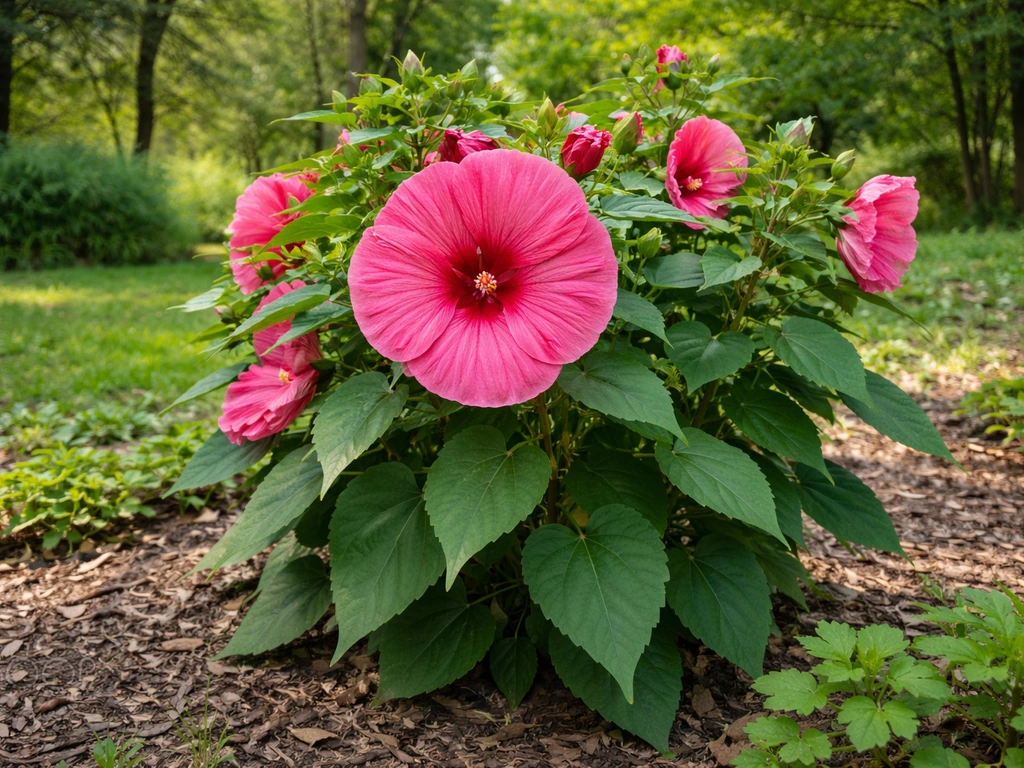
Quick Answer by Hibiscus Type and Ohio Zone
Ohio sits primarily in USDA Hardiness Zones 5b through 6b, with a small sliver of Zone 7a in the far southern tip near the Ohio River. These zones are defined by the average annual extreme minimum winter temperature, which in most of Ohio means lows somewhere between -15°F and 5°F depending on where you live. Cleveland and Toledo sit in Zone 6a, Columbus and Dayton are typically 6a to 6b, and Cincinnati nudges into 6b. The further north you go, the colder and more punishing winter gets for any marginally hardy plant. Ohio location zone visualizations (including third-party USDA 2023-style hardiness mapping) show colder subzones moving farther north across the state.
| Hibiscus Type | Ohio Zone Compatibility | Ground Plant? | Overwintering Needed? |
|---|---|---|---|
| Hardy Hibiscus (H. moscheutos, H. coccineus) | Zones 5b–6b (most of Ohio) | Yes | Mulch only |
| Rose of Sharon (H. syriacus) | Zones 5b–6b (all of Ohio) | Yes | None needed |
| Tropical Hibiscus (H. rosa-sinensis) | Not winter hardy in Ohio | Not reliably | Must bring indoors |
| Swamp Rose Mallow (H. moscheutos native) | Zones 5–6 (most of Ohio) | Yes | Mulch only |
The short version: if you want a no-fuss perennial hibiscus that comes back every spring, plant a hardy variety. If you want tropical hibiscus for its bold, exotic color, plan to grow it in a container and bring it inside before your first fall frost.
What Ohio's Climate Actually Does to Hibiscus
Ohio winters are genuinely cold and variable. A Zone 6a garden might see -10°F in a bad winter, and even Zone 6b areas around Cincinnati occasionally dip below 0°F when an Arctic blast rolls through. The USDA Plant Hardiness Zone map, last updated in 2023, is based on those extreme minimum winter temperatures, not average cold, which matters because it only takes one brutal night to kill a marginally hardy plant that sailed through mild winters for two or three years.
Ohio's last spring frost dates range from late April in the south to mid-May in the northeast. First fall frosts arrive from early October in northern Ohio to late October further south. That gives you roughly 150 to 180 frost-free days depending on your location, which is enough for tropical hibiscus to bloom well in summer if you get plants established early. Hardy hibiscus pushes out new growth slowly in spring and blooms mid-to-late summer, so its timeline fits Ohio's season perfectly. Tropical hibiscus, by contrast, needs the full warm window and suffers if put outside too early.
Humidity is rarely a problem for hibiscus in Ohio. The state gets enough summer moisture to support these plants, though the combination of clay-heavy soil in many areas and wet springs can create drainage issues that hurt roots more than cold does.
Best Hibiscus Types and Cultivars for Ohio
Hardy Hibiscus: The Reliable Choice
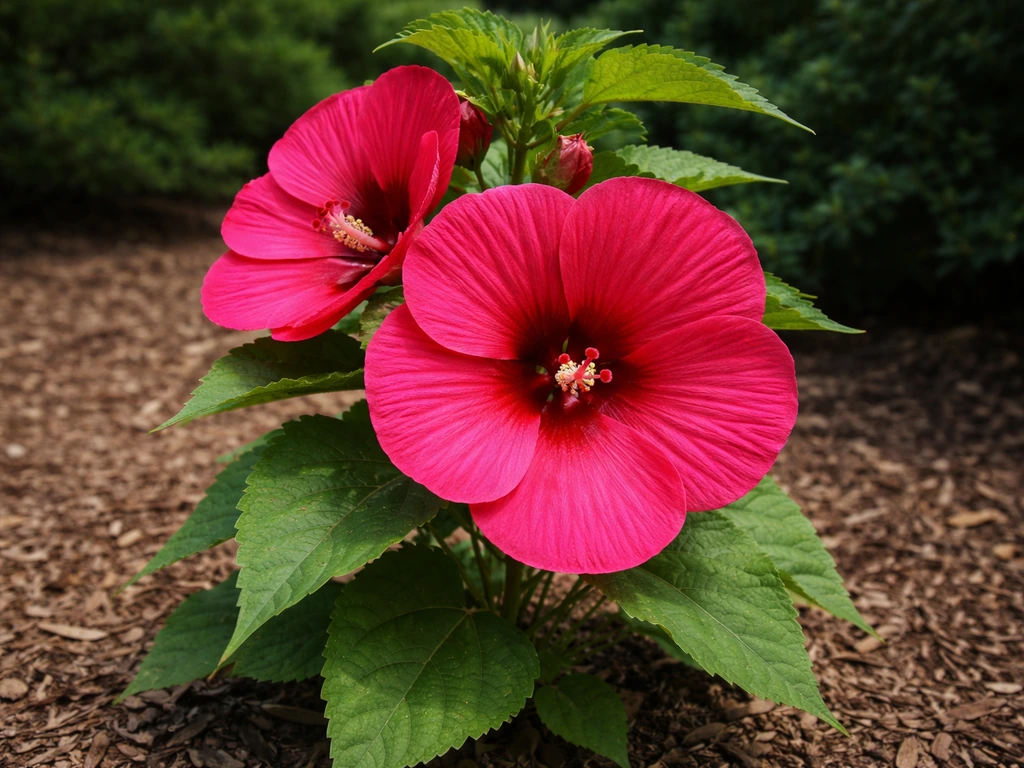
Hardy hibiscus (Hibiscus moscheutos and related hybrids) is the star of Ohio gardens. It's rated for Zones 4 through 9, so it handles Ohio's winters without any special care beyond a layer of mulch. These plants die back to the ground each fall and re-emerge in late spring, often much later than you'd expect, which panics gardeners into thinking the plant is dead. It isn't. Wait until late May before giving up on it.
Top cultivars worth planting in Ohio include 'Dinner Plate' hybrids with flowers up to 12 inches across, the Luna series (compact, 2 to 3 feet tall, great for smaller beds), the Summerific series from Proven Winners (especially 'Berry Awesome' and 'Holy Grail'), and the older 'Lord Baltimore' with its classic red blooms. All of these are reliably hardy through Zone 5b. Rose of Sharon (Hibiscus syriacus) is a different species but equally reliable, growing as a shrubby, multi-stemmed plant that reaches 8 to 12 feet. It blooms in mid-to-late summer and handles Ohio cold without complaint.
Tropical Hibiscus: Stunning but Seasonal
Tropical hibiscus (Hibiscus rosa-sinensis) isn't a perennial in Ohio, full stop. It's rated for Zones 9 through 11, meaning it evolved in climates that don't freeze. Ohio gardeners can absolutely enjoy it, but treat it as an annual or a container plant you bring indoors. Cultivars like 'Fiesta,' 'Crown of Bohemia,' and the newer double-flowered hybrids from California Tropicals grow beautifully in Ohio from June through September. They'll bloom prolifically as long as temperatures stay above 55°F at night. Just don't leave them in the ground when October arrives.
If you're comparing options across different states, it's worth noting that hibiscus growing in Georgia includes tropical types that can overwinter in the ground, something Ohio gardeners simply don't have the luxury of doing without extra protection.
Where to Plant Hibiscus in Ohio
Sun is non-negotiable. Hibiscus, both hardy and tropical, needs a minimum of 6 hours of direct sun per day, and 8 hours is better if you want maximum blooms. In Ohio's somewhat cloudy climate (especially in the northern part of the state near Lake Erie), shade is your enemy. Site your plants where morning sun hits first, with afternoon sun continuing as long as possible. South-facing or west-facing exposures work well.
Soil is where Ohio gardeners often run into problems. Much of central and northern Ohio has heavy clay soil that holds moisture and drains poorly. Hibiscus roots need consistent moisture but can't sit in waterlogged soil without developing root rot. Amend clay soil with compost before planting, at least 4 to 6 inches worked into the planting bed. Raised beds are a smart option in areas with stubborn clay. Hardy hibiscus actually tolerates moist soil better than most plants (it's naturally found near wetlands), but standing water after heavy rain is still a problem.
Wind protection matters more than most people realize. Ohio gets regular strong winds, especially in the northwest and along the lake. Tropical hibiscus in containers can topple in wind, and even hardy hibiscus stems can snap before they're established. Plant near a fence, building wall, or established shrub line that buffers the prevailing southwest and northwest winds without blocking sun.
How to Help Hibiscus Succeed Through Ohio Winters
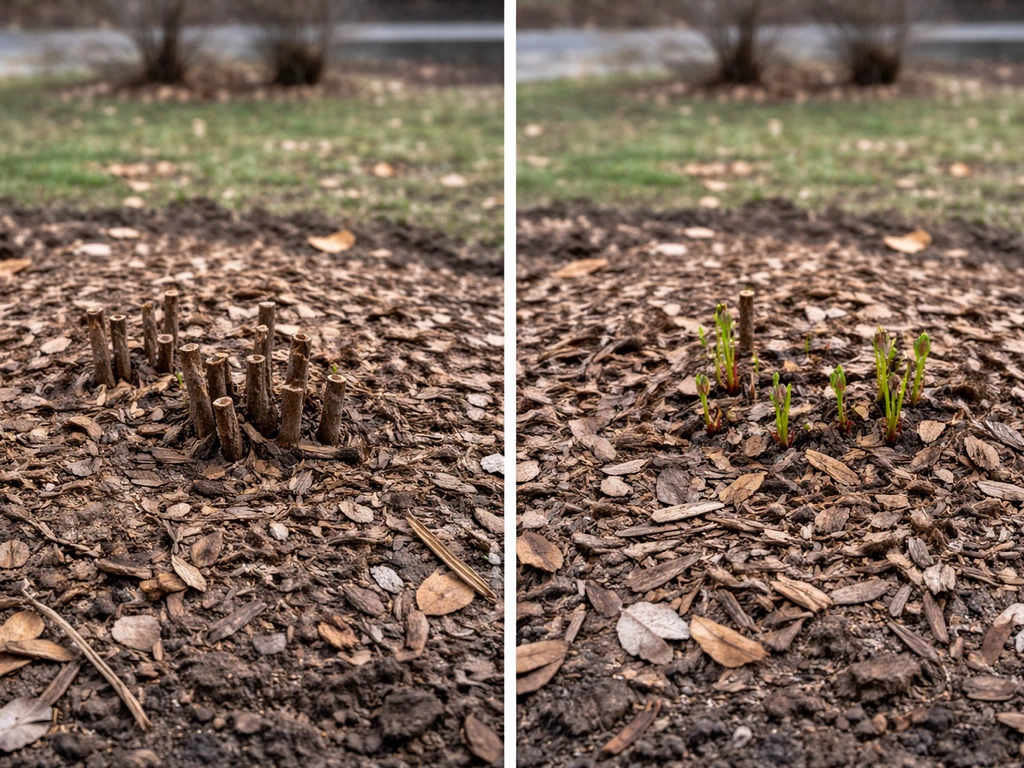
Overwintering Hardy Hibiscus in the Ground
Hardy hibiscus planted in Zone 5b or 6 soil needs one thing to survive winter: mulch. After the first hard freeze kills back the top growth (usually November), cut stems down to 6 inches and cover the crown and root zone with 4 to 6 inches of shredded leaves or wood chip mulch. This insulates the crown from freeze-thaw cycles that are actually more damaging than sustained cold. Remove the mulch in late April once you're past the worst frost risk. The plant will emerge from the soil, slowly, and begin growing once temperatures consistently stay above 50°F.
Overwintering Tropical Hibiscus Indoors
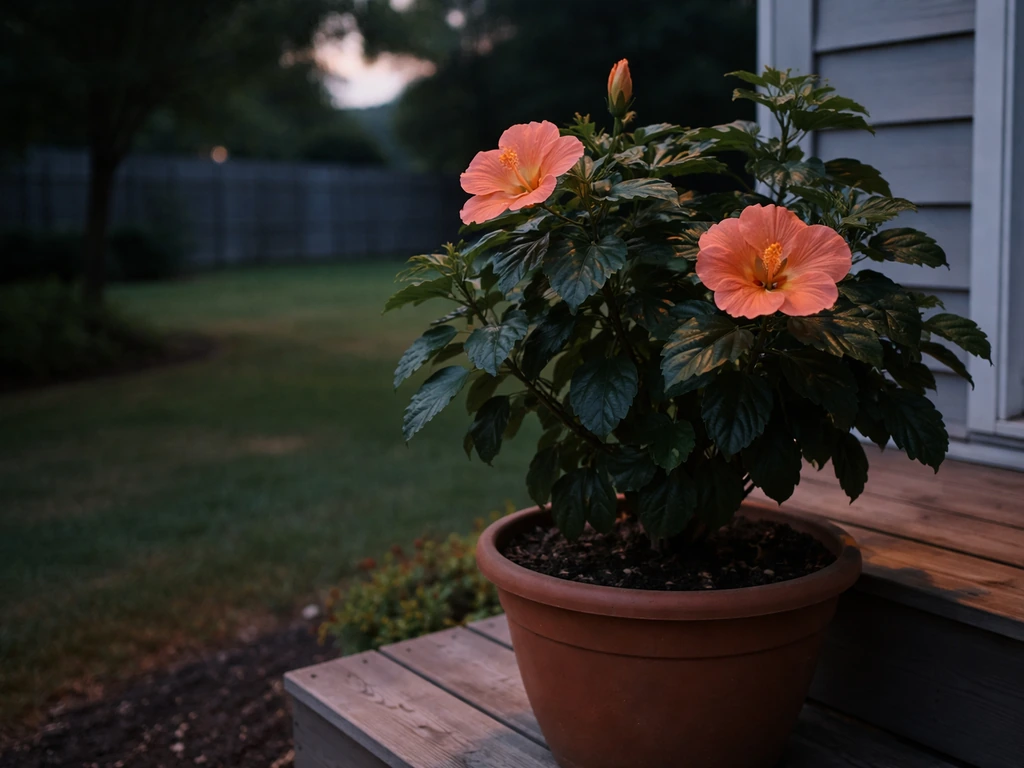
Tropical hibiscus must come inside before nighttime temperatures drop below 50°F, typically mid-to-late September in most of Ohio. Move it to a sunny south-facing window or supplement with grow lights. Reduce watering significantly during winter since the plant goes semi-dormant. Don't fertilize from October through February. Expect some leaf drop after the transition indoors, that's normal stress, not death. In March, you can begin fertilizing again and by mid-May, after Ohio's last frost date, move it back outside gradually over the course of a week to acclimate it.
Growing tropical hibiscus in containers from the start makes this annual migration much easier. Use a 12 to 15-gallon container with drainage holes, fill with quality potting mix, and you'll have a plant that thrives in summer and travels indoors in fall without any digging.
Ohio's situation is notably different from states where tropical hibiscus can stay outside year-round. For comparison, hibiscus in Arizona faces the opposite challenge: protecting plants from summer heat extremes rather than winter cold.
Maintenance Through the Ohio Growing Season
Watering is the biggest ongoing task. Hardy hibiscus planted in the ground needs deep, consistent moisture, roughly 1 inch per week from rain or irrigation during summer. Container-grown tropical hibiscus may need watering every day or every other day in hot Ohio summers because containers dry out fast. Check the top inch of soil and water when it's dry. Drip irrigation or soaker hoses save a lot of work for in-ground plantings.
Fertilizing should start in spring when growth appears (for hardy hibiscus) or when you move tropical hibiscus back outside (mid-May). Use a balanced slow-release fertilizer like a 10-10-10 or a formula slightly higher in phosphorus to encourage blooming. Feed every 4 to 6 weeks through August, then stop. Late-season fertilizing, especially nitrogen-heavy fertilizer, pushes soft new growth that can get damaged by early frost and makes overwintering harder.
Pruning hardy hibiscus is simple: cut it back to 6 inches in fall after frost, or wait and cut it in early spring before new growth emerges. Either works. For Rose of Sharon, prune in late winter or early spring before leaf-out to control size and shape. Deadheading (removing spent flowers) on tropical hibiscus won't produce more blooms since each stem typically produces flowers sequentially, but removing dead blooms keeps the plant tidy. Hardy hibiscus flowers last just one day, so deadheading is mostly cosmetic.
Neighbors in Indiana growing hibiscus face nearly identical conditions to Ohio gardeners in the western part of the state, so the same maintenance calendar applies across the border.
Common Ohio Hibiscus Problems and How to Fix Them
Yellow Leaves
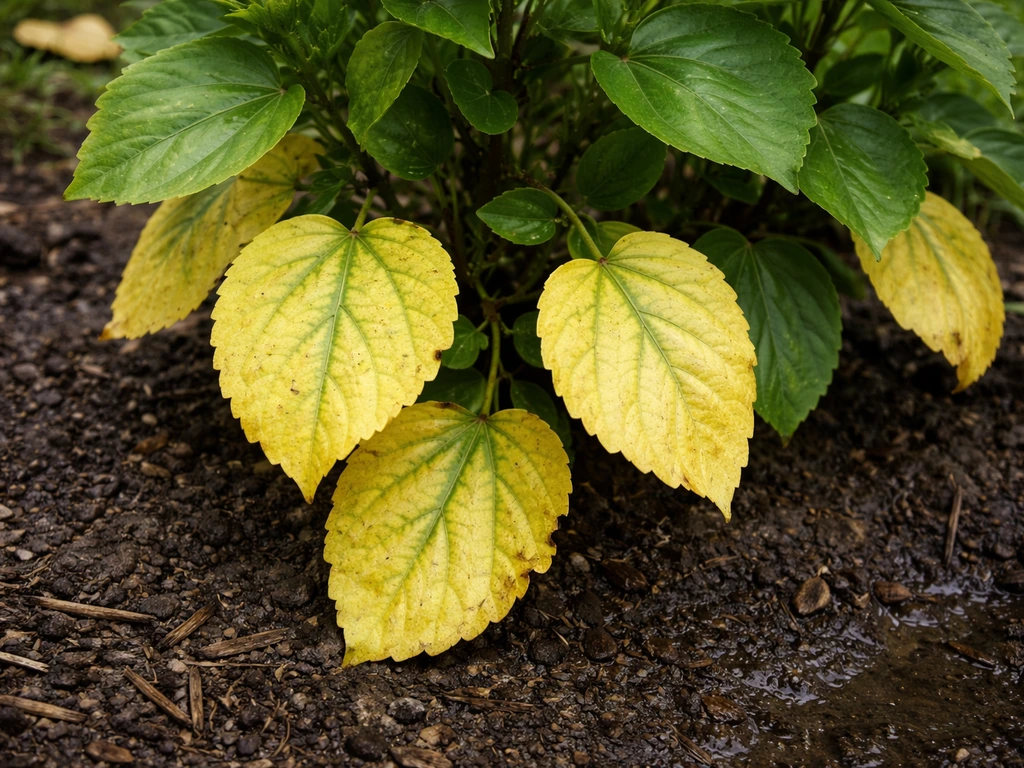
Yellow leaves on hibiscus in Ohio are almost always one of three things: overwatering, nutrient deficiency, or stress from a sudden temperature drop. In clay-heavy Ohio soil, overwatering and poor drainage are the usual culprits. Check that your soil isn't waterlogged after rain. If drainage looks fine, a magnesium or iron deficiency (common in Ohio's somewhat alkaline soils) can cause yellowing between leaf veins, called chlorosis. A soil test through Ohio State University Extension can confirm this. Treat with chelated iron or Epsom salt for magnesium.
Bud Drop
Hibiscus drops buds when it's stressed, and the most common stressors in Ohio are inconsistent watering, sudden temperature swings in early summer, and moving the plant too abruptly between indoor and outdoor environments. If your tropical hibiscus drops buds after you move it outside, slow down the transition. Give it a few hours of outdoor shade each day for a week before moving to full sun. Bud drop can also happen if the plant gets too dry between waterings.
Dieback and "Dead" Plants in Spring
Hardy hibiscus is notoriously late to emerge in spring, often showing no sign of life until late May or even early June. This freaks people out every year. Before you dig it up, scratch the stem near the base, if you see green under the bark, the plant is alive and just taking its time. Mark the spot in fall so you don't accidentally dig into it with spring planting. If stems are hollow and brown all the way down and you see no green at the crown by June, the plant likely didn't survive the winter, which can happen in Zone 5b after an especially brutal cold snap without sufficient mulch.
Not Enough Blooms
If your hibiscus is leafy and green but not blooming, the most likely cause is too much shade, too much nitrogen, or planting tropical hibiscus outdoors too late in the season. Hardy hibiscus blooms on new wood in mid-to-late summer, so it needs time to grow. Tropical hibiscus blooms best when it's slightly root-bound in a container and gets consistent, bright direct sun. If you've had Rose of Sharon for years without great blooms, try a harder pruning in early spring, cutting back one-third of the older stems to encourage fresh flowering growth.
If Your Current Plan Isn't Working
If you've tried tropical hibiscus in the ground and keep losing it over winter, switch to containers or switch to a hardy variety entirely. If your hardy hibiscus keeps dying back completely rather than returning, your mulching may be insufficient or your drainage may be poor enough to rot the crown. Solve drainage first, then try again with 6 inches of mulch applied after a hard freeze. If Rose of Sharon is your plant and it's spreading aggressively through self-seeding (a common Ohio complaint), switch to a sterile or near-sterile cultivar like 'Lil' Kim' or 'Azurri Blue Satin.'
Ohio's climate puts it in a middle zone, more forgiving than states further north but not as easy as the South. Missouri hibiscus growing faces a similar challenge since large parts of that state share Zone 6 conditions with Ohio, and the same variety choices apply. If you're curious how Ohio compares to a colder climate, hibiscus growing in Colorado is considerably harder due to that state's intense cold and dryness, making Ohio actually look quite hospitable for hardy types.
The bottom line is that Ohio is genuinely good hibiscus territory if you match the variety to your setup. Hardy hibiscus planted in a sunny, well-drained spot with fall mulch will reward you for years. Tropical hibiscus in a container gives you that exotic look all summer if you're committed to the indoor overwintering routine. Choose based on how much effort you want to put in, and you'll get blooms. Warmer-state comparisons, like hibiscus thriving in Texas, show what's possible with more forgiving winters, but Ohio gardeners who pick the right type have plenty to work with right in their own backyard.
FAQ
Which hibiscus type should I buy in Ohio if I want it to survive winter in the ground?
Look for hardy hibiscus, often labeled as Hibiscus moscheutos or hardy “swamp rose mallow” hybrids (rated for about Zones 4 to 9). Avoid tropical hibiscus sold as Hibiscus rosa-sinensis if you want zero overwintering effort.
If my hardy hibiscus is alive in spring but never blooms, what should I check first?
First check sun hours, then timing. Hardy hibiscus typically blooms mid-to-late summer, and it needs enough time to build new growth. If you have thick leafy growth with few blooms, cut back on nitrogen-heavy fertilizer and make sure it is getting near 8 hours of direct sun.
Can I grow tropical hibiscus outdoors in Ohio as long as I cover it during cold snaps?
Usually no. Covers can reduce wind damage and frost touch, but tropical hibiscus is rated for much warmer zones and can be killed by a single night below about 50°F. If you want tropical blooms reliably, plan for indoor overwintering or a protected microclimate that still stays above freezing nights, not just a blanket.
What’s the best way to prevent root rot in Ohio clay soil?
Improve drainage before planting, mix in compost, and avoid planting in low spots that collect water. Raised beds are often the simplest solution. After heavy rain, if the bed stays soggy for more than a day or two, adjust the site or raise the planting height.
How thick should the mulch be on hardy hibiscus, and when should it be removed?
After a hard freeze, cut back stems to about 6 inches and apply roughly 4 to 6 inches of shredded leaves or wood chips over the crown and root zone. Remove the mulch in late April so the crown warms and sprouts do not rot in a cold, wet cover.
Is late frost in Ohio likely to kill hardy hibiscus?
It can delay growth more than it kills mature crowns. Hardy hibiscus emerges late, so cold snaps often pass before the plant is actively growing. If you see no shoots by early June, do a quick scrape test near the crown for green tissue before assuming failure.
Should I deadhead hibiscus in Ohio to get more flowers?
For tropical hibiscus, removing spent blooms keeps the plant looking tidy but usually does not force more flowers on the same stem, since buds form sequentially. For hardy hibiscus, deadheading is mostly cosmetic because each bloom lasts about a day, and overall flowering is more about sun and nutrition.
How big of a container should I use for tropical hibiscus in Ohio?
Use a 12 to 15-gallon container with drainage holes and quality potting mix. Bigger pots hold moisture more evenly through Ohio heat, and that helps prevent bud drop from quick drying.
My tropical hibiscus loses buds after I bring it inside. Is that always a sign of a problem?
Not always. Leaf or bud drop after moving indoors is common stress during the shift in light and temperature. Reduce watering, keep it sunny, and do not fertilize in winter. If the leaves become mushy or foul-smelling, that suggests overwatering rather than normal transition stress.
Can I propagate hibiscus in Ohio to replace plants that didn’t overwinter well?
Yes, but time it carefully. For hardy hibiscus, spring divisions or cuttings are typically more reliable than fall attempts. For tropical hibiscus, take cuttings in late spring to early summer so they can root during warm growth before the indoor overwintering period.
Why did my hibiscus leaves turn yellow in Ohio, even though I’m watering regularly?
Yellowing is often linked to drainage and nutrients. Check for waterlogged soil first, since clay and wet springs can cause stress. If soil is not waterlogged, consider iron or magnesium deficiency (chlorosis), and confirm with a soil test before applying amendments broadly.
What should I do if my hardy hibiscus returns but is much smaller than last year?
That pattern often means winter stress, poor drainage, or low nutrients. Recheck mulch coverage after hard freezes, and top-dress with compost in spring. Also ensure full sun, because shaded plants can return small and take longer to bloom.