
Yes, hibiscus can absolutely grow in Georgia, but the answer comes with one important detail: which type of hibiscus you're talking about. Georgia is a big state with a wide range of climates, and the difference between a hardy hibiscus and a tropical hibiscus is the difference between a plant that comes back every spring on its own and one that dies the moment temperatures drop below freezing. Get that part right and you're set up for serious success.
Can Hibiscus Grow in Georgia? Types, Zones, and Care
Marcus Hartwell
10 Apr 2026
Quick answer: hibiscus types that can grow in Georgia
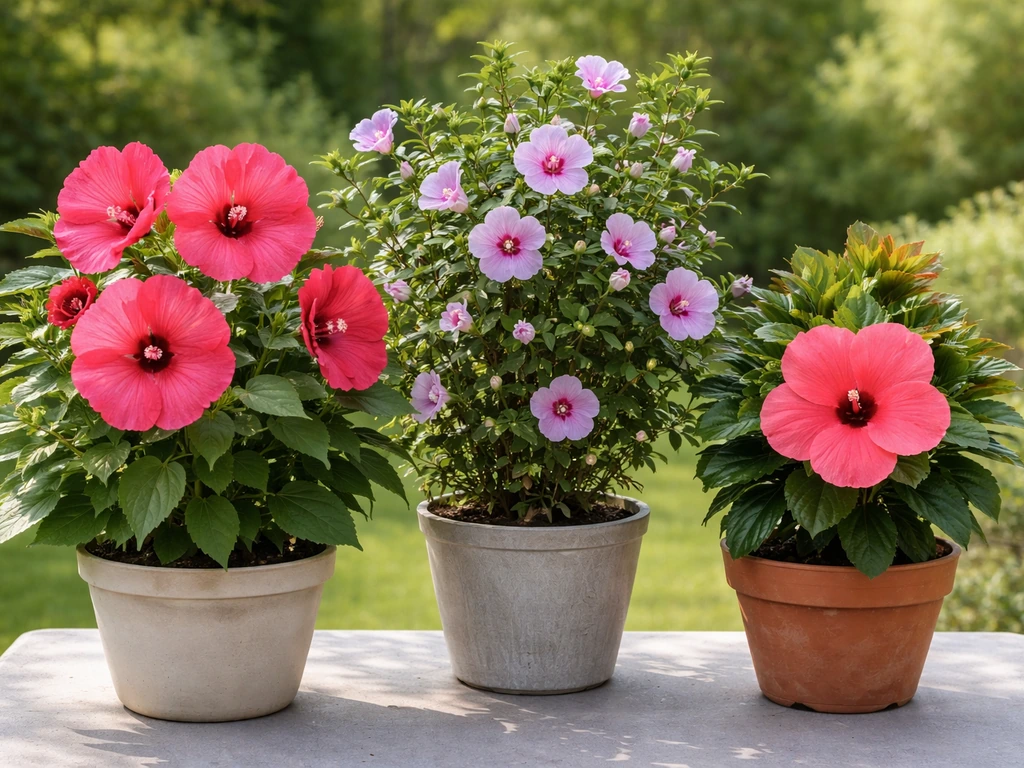
There are three main types of hibiscus that Georgia gardeners actually grow, and they behave very differently in your landscape.
| Hibiscus Type | Scientific Name | Winter-Hardy in Georgia? | Best For |
|---|---|---|---|
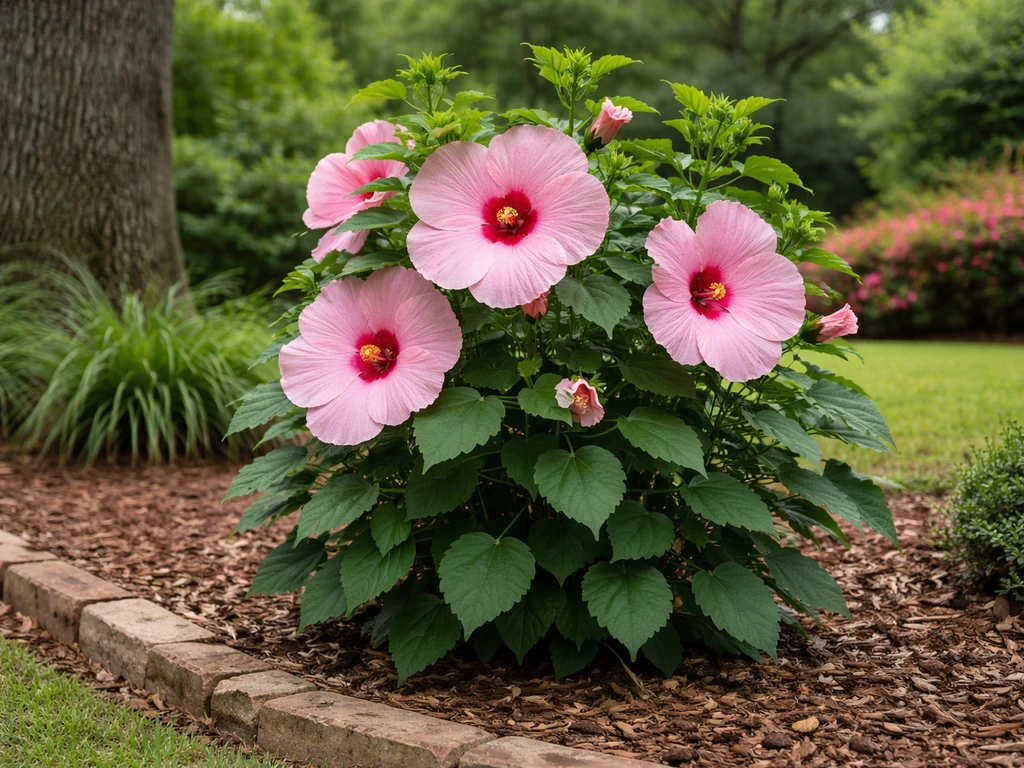
| Hardy/Perennial Hibiscus (Swamp Rose Mallow) | Hibiscus moscheutos | Yes, statewide (zones 6b–9a) | Reliably returning summer color, native gardens |
| Rose of Sharon | Hibiscus syriacus | Yes, statewide (zones 5b–9) | Long-blooming woody shrub, low maintenance |
| Tropical Hibiscus | Hibiscus rosa-sinensis | No (not frost-tolerant) | Container growing, bring indoors in winter |
If you want something you can plant in the ground and forget about over winter, go with Hibiscus moscheutos or Hibiscus syriacus. If you fall in love with the glossy-leafed tropical hibiscus at the garden center (those are the ones with the bright orange and coral flowers in small pots), you can still grow it in Georgia, but plan on either wintering it indoors or treating it as an annual.
Georgia's climate and hardiness zones: what actually matters here
Georgia spans roughly USDA hardiness zones 6b in the Blue Ridge Mountains of the north all the way to zones 8b to 9a along the Atlantic coast and the Florida border in the south. That's a meaningful range. A gardener in Blairsville, Georgia faces average winter lows in the single digits (Fahrenheit), while someone in Savannah rarely sees a hard freeze at all. The 2023 updated USDA Hardiness Zone Map, which is based on 1991–2020 temperature data, reflects this spread clearly.
For most of metro Atlanta and the Piedmont region, you're looking at zones 7b to 8a. That sweet spot is exactly where both hardy hibiscus and Rose of Sharon thrive without any extra help. In the mountain counties of north Georgia, zone 6b winters are cold enough that you want to plant hardy varieties with proven cold tolerance and give them a little mulch protection. In the Coastal Plains and south Georgia, tropical hibiscus can sometimes survive a mild winter in the ground, but it's still a gamble most gardeners lose eventually.
One thing worth understanding about hardiness zones: they reflect average annual extreme minimum temperatures, not every factor that affects plant survival. A low spot that collects cold air, a bed with heavy clay that holds standing water all winter, or a north-facing wall with no wind protection can make your microclimate behave like a colder zone than your map says. Drainage and site exposure matter almost as much as the zone number itself.
Choosing the right hibiscus variety for your zone
Hardy perennial hibiscus (Hibiscus moscheutos)
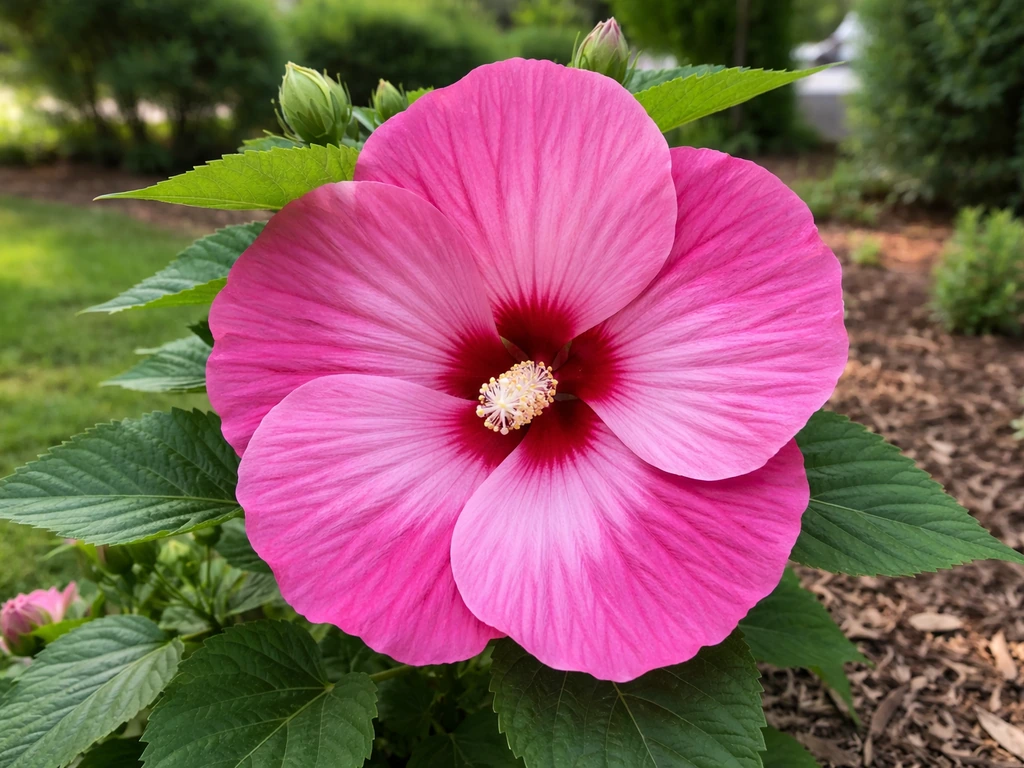
This is the one the Atlanta Journal-Constitution has called the 'dinner plate hibiscus,' and for good reason: the blooms can reach 10 to 12 inches across and they're genuinely stunning. Hibiscus moscheutos is native to the southeastern U.S. and feels completely at home in Georgia. It dies back to the ground in winter (which can alarm first-time growers who think the plant is dead) and re-emerges in late spring, then blooms heavily from midsummer through early fall. UGA Extension notes it typically grows 3 to 8 feet tall. Varieties like 'Plum Crazy,' 'Cranberry Crush,' and the Summerific series are reliable performers across Georgia.
Rose of Sharon (Hibiscus syriacus)
This one is a woody deciduous shrub, not an herbaceous perennial, so it keeps its branching structure through winter rather than dying back to the ground. It's extremely cold-tolerant, with named cultivars like 'Aphrodite,' 'Helene,' and 'Minerva' developed through the U.S. National Arboretum that have been tested for hardiness into zone 5b. For Georgia, Rose of Sharon is as close to a sure thing as you can get. It blooms in late summer when not much else is flowering, which makes it especially valuable in the landscape.
Tropical hibiscus (Hibiscus rosa-sinensis)
Tropical hibiscus is what you'll find in most big-box garden centers in colorful pots. It's a beautiful plant, but it has no cold tolerance whatsoever and will die at frost. If you're in south Georgia's zones 8b–9a and you get a genuinely mild winter, you might get lucky keeping one in a sheltered spot, but most gardeners treat it as an annual or a container plant. If you're comparing your options to somewhere like Phoenix, how hibiscus grows in Arizona gives you an idea of what truly frost-free conditions look like for tropical varieties, which Georgia simply can't guarantee.
Site requirements for reliable bloom in Georgia
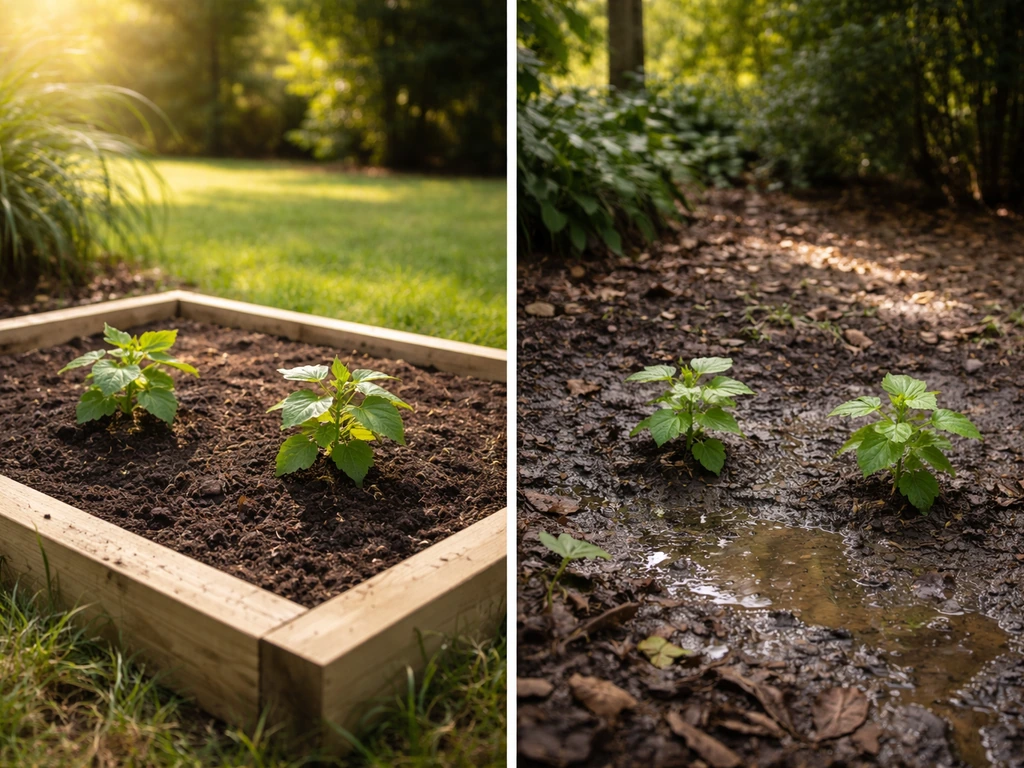
Hibiscus isn't particularly fussy about soil type, but it has strong opinions about two things: sunlight and drainage. UGA Extension's Bulletin 977 on flowering perennials for Georgia gardens is clear that hibiscus needs full sun and excellent drainage to perform well. UGA Extension’s Georgia Pest Management Handbook lists hibiscus as a host affected by Phytophthora and Pythium root rots. Full sun means at least 6 hours of direct sun per day, and ideally more during the peak summer months when it's actively blooming. A spot that gets filtered afternoon shade in Georgia's brutal July heat is tolerable, but anything less than 6 hours and you'll get leggy plants with fewer flowers.
Here's the one nuance worth noting: Hibiscus moscheutos (swamp rose mallow) naturally grows in wetland edges and prefers moist to wet soil. Swamp hibiscus (Hibiscus moscheutos) is a full-sun plant suited to lower, wetter areas near streams or ponds, and UGA Extension notes it commonly grows about 3 to 8 feet tall and 2 to 5 feet wide [swamp rose mallow](https://site. extension. uga.
edu/kbb/swamp-hibiscus/). So while it wants excellent drainage in the sense that it doesn't want to sit in stagnant, airless soil, it actually does fine in consistently moist conditions that would stress other plants. If you have a rain garden, a low area near a downspout, or a spot near a pond, swamp rose mallow is one of the best things you can plant there.
Soil pH is worth paying attention to as well. Hibiscus moscheutos prefers moist, acidic soil, and can show chlorosis (yellowing leaves from nutrient deficiency) when the pH runs too high. A rough target range is pH 6.0 to 7.0 for best performance, though hibiscus can tolerate up to about pH 8.0. Georgia soils vary quite a bit, and if you're not sure where your soil stands, your local UGA Extension office can help with a soil test, which is exactly the kind of site-specific guidance they're set up for.
Winter protection and overwintering strategies
For hardy hibiscus in the ground
For Hibiscus moscheutos planted in the ground, winter protection is minimal and mostly about managing expectations. The plant will die back completely to the ground, usually after the first hard frost in fall. Leave the stalks through early winter if you want (they provide some structure and food source for wildlife), then cut everything back low in late winter before new growth emerges.
UGA Extension's guidance on ornamental plant care confirms this kind of late-winter cutback approach for plants that die to the ground seasonally. In north Georgia's zone 6b, adding 2 to 3 inches of mulch over the root zone after the ground cools down in late fall gives extra insurance. In the Atlanta metro and south, it's optional but doesn't hurt.
For tropical hibiscus
Tropical hibiscus needs to come indoors before the first frost, full stop. If you're growing it in a container (which is the smart approach for Georgia gardeners who love this plant), move it inside to a bright window once nighttime temperatures start dropping into the mid-40s Fahrenheit. If you made the mistake of planting one in the ground, you'll need to dig it up, pot it, and bring it inside before a frost hits. University of Maryland Extension is explicit on this: in-ground tropical hibiscus must be dug up and placed in a container before overwintering indoors. It won't survive a Georgia winter outside, even in Savannah most years.
Common reasons hibiscus fails in Georgia, and how to fix it
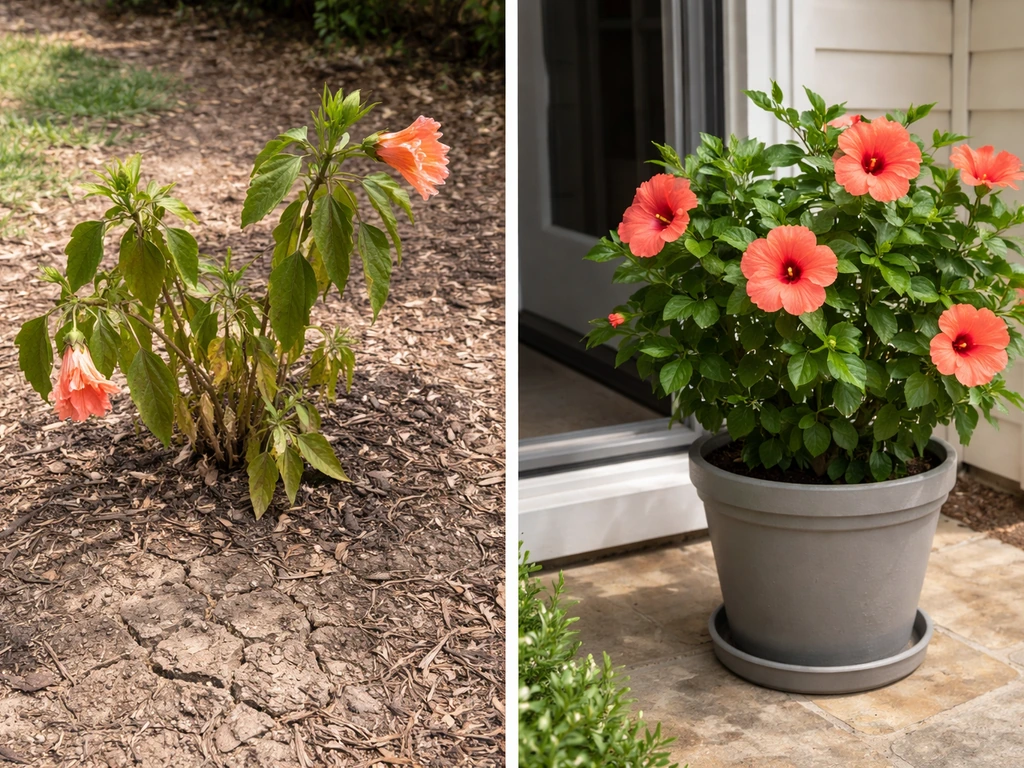
- Planting tropical hibiscus in the ground and leaving it: It won't come back in spring. Grow tropical hibiscus in containers so you can bring it inside, or buy hardy varieties instead.
- Poor drainage causing root rot: Hibiscus sitting in waterlogged, oxygen-deprived soil is highly vulnerable to Phytophthora and Pythium root rot, which UGA Extension's pest management resources flag as real problems for ornamentals in Georgia. Amend heavy clay soil with compost before planting, or build a raised bed.
- Not enough sun: Less than 6 hours of direct sun leads to fewer buds and a floppy plant. Move container plants to a sunnier spot; for in-ground plants, consider pruning overhanging branches that are casting shade.
- Late spring anxiety: Hardy hibiscus is notorious for emerging weeks after you expect it. Don't dig it up in April assuming it's dead. Wait until late May before giving up on it.
- Whitefly infestations: UGA Extension specifically flags whiteflies as a late-summer pest problem on hibiscus in Georgia. Check the undersides of leaves and treat with insecticidal soap or neem oil if you spot them.
- Transplant shock from moving too early: Hibiscus is a warm-season plant. Don't rush it into the ground before soil temperatures have warmed and your last frost date has passed. Timing matters as much as anything else.
How Georgia compares to neighboring states
Georgia's situation is somewhere in the middle of the southeastern range. If you're curious how the calculus changes just across state lines, growing hibiscus in Texas deals with a similar warm-climate dynamic but with more extreme summer heat. Meanwhile, gardeners in the upper Midwest face a completely different challenge: hibiscus growing in Ohio involves much shorter growing seasons and harder winters. Georgia gardeners, especially those in zones 7 and 8, actually have one of the better situations in the country for growing both hardy and container tropical hibiscus with reasonable effort.
If you're in one of the cooler corners of the state and wondering whether your conditions are more like a colder region, it may help to look at what hibiscus growers in Colorado face for reference, where zone 5 and 6 winters make even hardy varieties a tougher proposition. Georgia's mountain counties are cold but generally still warmer and more humid than the high plains, so most hardy hibiscus varieties still work there with some basic mulching.
Best next steps: how to decide and what to buy
Here's the decision process laid out simply. First, figure out your zone: look up your county using the USDA's online zone finder or ask your local UGA Extension office. If you're in zones 6b through 9a (which covers all of Georgia), both Hibiscus moscheutos and Hibiscus syriacus will overwinter in the ground without drama. If you want tropical hibiscus, plan to grow it in a pot and bring it inside each fall.
- Know your zone: Confirm your specific USDA zone before buying anything. The 2023 map has shifted some areas by half a zone, so double-check if you haven't recently.
- Choose your type: For low-maintenance, plant Hibiscus moscheutos (swamp rose mallow) or Hibiscus syriacus (Rose of Sharon). For a showier container plant, go tropical but commit to overwintering it indoors.
- Pick your site first: Before purchasing, identify a spot with at least 6 hours of full sun and either good drainage or consistently moist soil (depending on species). Don't plant hibiscus in a shady corner as an afterthought.
- Amend your soil if needed: Get a soil test if you've had problems with yellowing leaves or root issues in the past. Target pH 6.0–7.0 and improve drainage with organic matter before planting.
- Time your planting: For in-ground hardy hibiscus, plant after your last frost date and once soil is consistently warm. In Atlanta that's typically mid-April. In north Georgia mountain areas, wait until early May.
- Shop for proven varieties: Look for named cultivars of Hibiscus moscheutos like 'Lord Baltimore,' 'Cranberry Crush,' or any of the Summerific series, and for Rose of Sharon try Arboretum-tested cultivars like 'Aphrodite' or 'Minerva.'
- Prepare for late emergence: Mark where your hardy hibiscus is planted so you don't accidentally dig it up in spring. It will look completely dead for weeks before emerging.
If you're also weighing hibiscus decisions in states with similarly transitional climates, the comparison is useful: hibiscus growing in Missouri shares some of Georgia's zone overlap challenges in its northern reaches, while Indiana hibiscus growers deal with more consistently cold winters where only the hardiest perennial types make sense. Georgia, by comparison, gives you genuine flexibility, and that's worth taking advantage of by making a smart variety choice upfront.
The bottom line: yes, hibiscus can grow beautifully in Georgia, and for most of the state, the hardy perennial types will thrive year-round with minimal intervention. Pick the right plant for your zone, give it full sun and good soil, and Georgia's long, warm growing season will do the rest.
FAQ
How do I tell whether my hibiscus is the kind that will come back in Georgia or the kind that will die off?
If it has a woody, branching shrub form that stays above ground through winter, it is likely Rose of Sharon (Hibiscus syriacus). If it dies back completely to the soil after cold weather and then re-sprouts in late spring, it is likely hardy swamp rose mallow (Hibiscus moscheutos). Tropical hibiscus usually comes from small nursery pots and has no reliable cold tolerance, so it will not behave like a year-round plant in Georgia.
What’s the best way to choose a hardy hibiscus for north Georgia (zone 6b) without wasting money?
Choose cultivars with proven cold tolerance for your exact area and treat mulch as non optional. For zone 6b, plan on 2 to 3 inches of mulch over the root zone after the ground cools in late fall, and avoid planting in low spots where cold air pools. Even hardy hibiscus can fail if winter wet plus cold reduces root survival.
My hibiscus grows but flowers are sparse. What common cause should I check first in Georgia?
Sunlight is the first thing to verify. If the plant gets less than about 6 hours of direct sun, many hibiscus types become tall and leggy with fewer blooms. After that, check drainage and soil moisture. For swamp rose mallow, consistently dry conditions can also reduce flowering, so “not soggy” does not mean “dry.”
Can I grow tropical hibiscus in Georgia in a container outdoors all summer and still keep it alive?
Yes, outdoors in summer is typically fine, but you need a plan for timing the move indoors. Bring it inside before the first frost and place it in a bright window, once night temperatures start dropping into the mid 40s Fahrenheit. Don’t wait for visible wilting, because frost damage can begin before leaves look bad.
What should I do if my hardy hibiscus looks dead during winter, even though I planted it correctly?
For Hibiscus moscheutos, complete dieback is normal. You may see the stems turn brown and the plant disappear above ground after the first hard frost. Leave stalks through early winter if you want, then cut back low in late winter before new growth starts.
Is more fertilizer helpful for getting larger hibiscus blooms in Georgia?
Not necessarily. Over-fertilizing can boost leaf growth while reducing blooms, especially in already fertile soils. A better approach is to ensure correct sun, then match soil moisture to the type (swamp rose mallow prefers consistently moist conditions, tropical hibiscus in a pot needs regular watering without waterlogging). If you amend soil, do it based on a soil test rather than guesswork.
What soil pH problem symptoms should I look for with swamp rose mallow?
Watch for chlorosis, which is yellowing leaves with green veins or generally pale growth. That often points to pH being too high for nutrients to be taken up efficiently. Aim roughly around pH 6.0 to 7.0, and if your soil is uncertain, get a soil test through your local UGA Extension office.
I have heavy clay and winter puddling. Can I still grow hibiscus in Georgia?
Sometimes, but you must control the root environment. Hibiscus generally requires excellent drainage to thrive, yet swamp rose mallow tolerates and even prefers moist conditions, so the key is avoiding stagnant, airless mud. Improve the planting area for drainage where possible, and avoid burying the crown too deeply. If water sits for long periods, consider raising the bed or shifting to a naturally wetter location like a rain-garden edge.
When is the right time to prune hibiscus in Georgia?
For Hibiscus moscheutos, cut back low in late winter before new shoots emerge. For Rose of Sharon, wait until after it has finished winter structure, then shape or prune in the dormant-to-early-spring window that your local schedule supports. For tropical hibiscus in containers, light trimming can be done while it is actively growing, but avoid major pruning right before overwintering indoors.
Can hibiscus survive Georgia summer heat if it is windy or exposed?
It can, especially in full sun, but exposure matters. A very hot, drying site plus low moisture can stress swamp rose mallow, reducing flowering even if the plant lives. Providing consistent moisture for moscheutos and ensuring the potting mix or ground soil holds moisture while draining well can make the difference between flowering and flop.