
Yes, hibiscus can grow in Colorado, but the honest answer depends almost entirely on which type you plant and where in the state you live. Hardy hibiscus varieties will survive Colorado winters and come back reliably every year. Tropical hibiscus will not survive outdoors through winter in most of Colorado, so you treat it as either a container plant you bring indoors or a seasonal annual. Get that distinction right before you buy anything, and you'll save yourself a lot of frustration.
Can Hibiscus Grow in Colorado? Types, Zones and How to Grow
Marcus Hartwell
7 Apr 2026
Which hibiscus types actually work in Colorado
There are two camps here, and they behave completely differently in Colorado's climate.
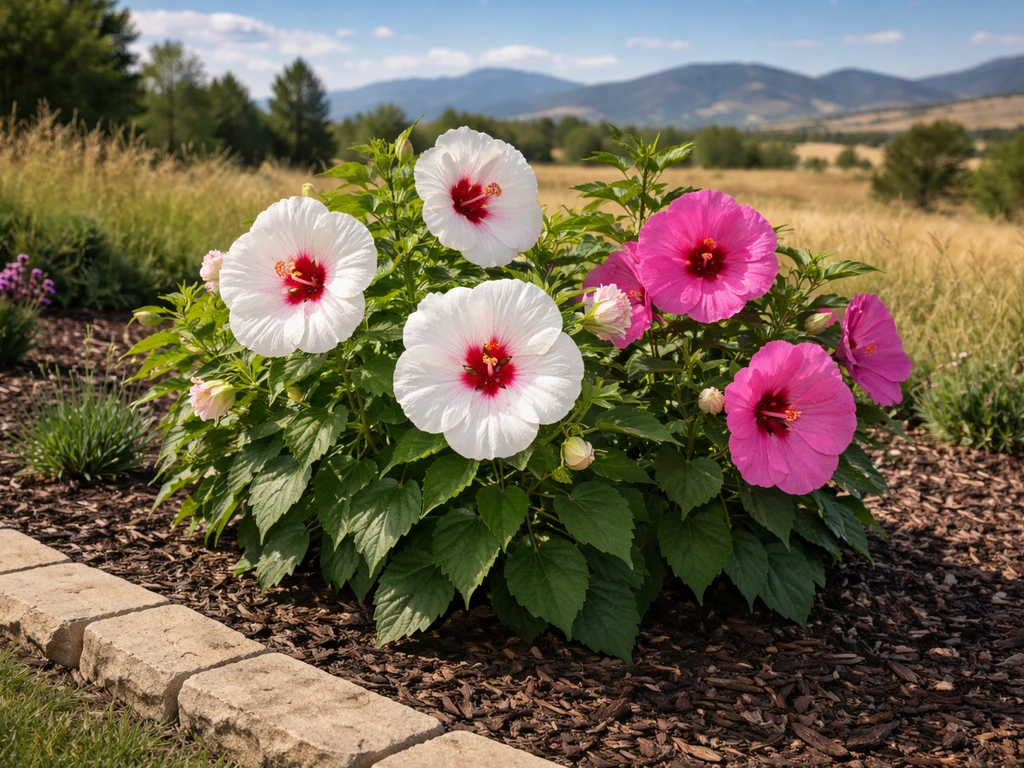
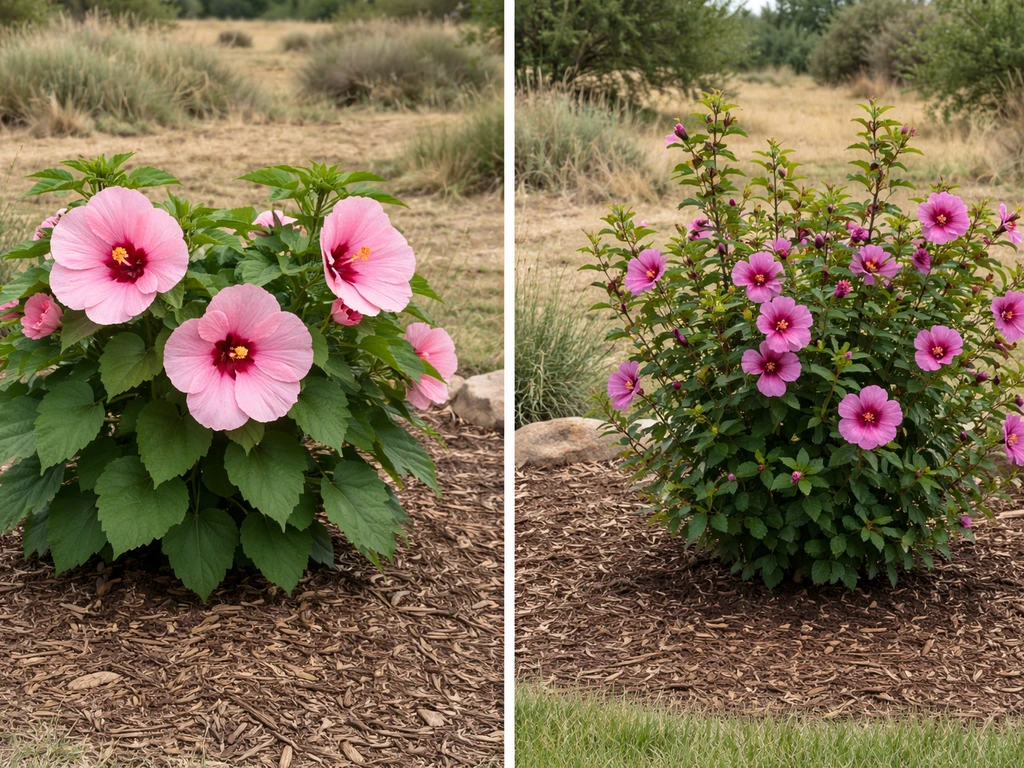
Hardy hibiscus (mainly Hibiscus moscheutos, the swamp rose mallow, and Hibiscus syriacus, rose of Sharon) are your best bets for in-ground planting. Hibiscus moscheutos is rated for USDA Zones 4 through 9, which covers essentially all of Colorado's populated areas. Rose of Sharon is hardy to Zone 5, which covers the Front Range and most of the lower-elevation parts of the state. These plants die back to the ground in winter and come back from the roots every spring, so a Colorado winter doesn't kill them.
Tropical hibiscus (Hibiscus rosa-sinensis) is only reliably hardy in USDA Zones 9 through 11. Colorado tops out around Zone 7a in its warmest spots, which means tropical hibiscus will be killed by hard frost if left outside. You can absolutely grow it in Colorado, but you're either treating it as a warm-season annual or you're committing to bringing it indoors when temps drop. That's a real trade-off worth knowing before you spend $30 on a plant at the garden center.
| Hibiscus Type | Cold Hardiness | Colorado Viability | Best Use |
|---|---|---|---|
| Hibiscus moscheutos (Rose Mallow) | Zones 4–9 | Reliable in-ground perennial statewide (lower elevations) | In-ground or container |
| Hibiscus syriacus (Rose of Sharon) | Zone 5+ | Reliable in-ground shrub on Front Range and lower elevations | In-ground shrub/hedge |
| Hibiscus rosa-sinensis (Tropical) | Zones 9–11 | Not winter-hardy outdoors; treat as annual or container plant | Container, bring indoors in fall |
Colorado's climate and what it means for hibiscus
Colorado's USDA hardiness zones range from about Zone 3b in the high mountains to Zone 7a in the warmest parts of the San Luis Valley and some Front Range urban areas. The Front Range cities, including Denver, Colorado Springs, and Fort Collins, sit mostly in Zones 5b to 6b. That zone range is squarely within the comfort zone for hardy hibiscus but well outside what tropical hibiscus can handle year-round.
Denver's last spring frost averages around May 4, and the first fall frost comes around October 5 to 12 depending on the year and exact location. That gives you roughly 150 to 160 frost-free days, which is enough for hardy hibiscus to establish, grow, and bloom, but it's tight. Hardy hibiscus is a slow starter in spring, often not showing signs of life until late May or even June. Don't panic and assume it's dead if your neighbor's garden is already green and your hibiscus looks like a dead stick in mid-May.
Elevation is the wildcard. Colorado State University Extension makes clear that elevation and terrain drastically affect local frost timing and growing season length. A gardener in Denver has a very different reality than someone in Leadville or even Conifer. If you're above 7,000 feet, your growing season shrinks considerably, and even hardy hibiscus may struggle to hit full bloom before fall frost cuts it short. Below that elevation, you're in good shape with the right variety.
Colorado's dry air and intense sun are also factors. Hibiscus prefers humidity, and the state's semi-arid conditions mean you'll need to be more intentional about watering than a gardener in, say, the Midwest or Southeast. Wind also desiccates plants fast, especially on the Front Range where wind is a constant.
Setting up the right spot: sun, soil, drainage, and microclimates
Hibiscus wants full sun. Both Hibiscus moscheutos and Hibiscus syriacus perform best with at least six hours of direct sunlight per day, and in Colorado's intense high-altitude sun, they usually handle it well as long as water is consistent. Part shade is tolerable but expect fewer blooms.
Soil is where Colorado gardeners often run into trouble. Hibiscus moscheutos prefers moist, well-drained soil with high organic matter and a slightly acidic pH between 6.0 and 6.5. Colorado's native soils tend to be alkaline, often well above pH 7.0, and clay-heavy in many Front Range areas. High pH can cause chlorosis, where leaves turn yellow because the plant can't absorb iron. If your soil is alkaline, you'll want to amend it with compost and sulfur before planting, and you may need to apply chelated iron periodically.
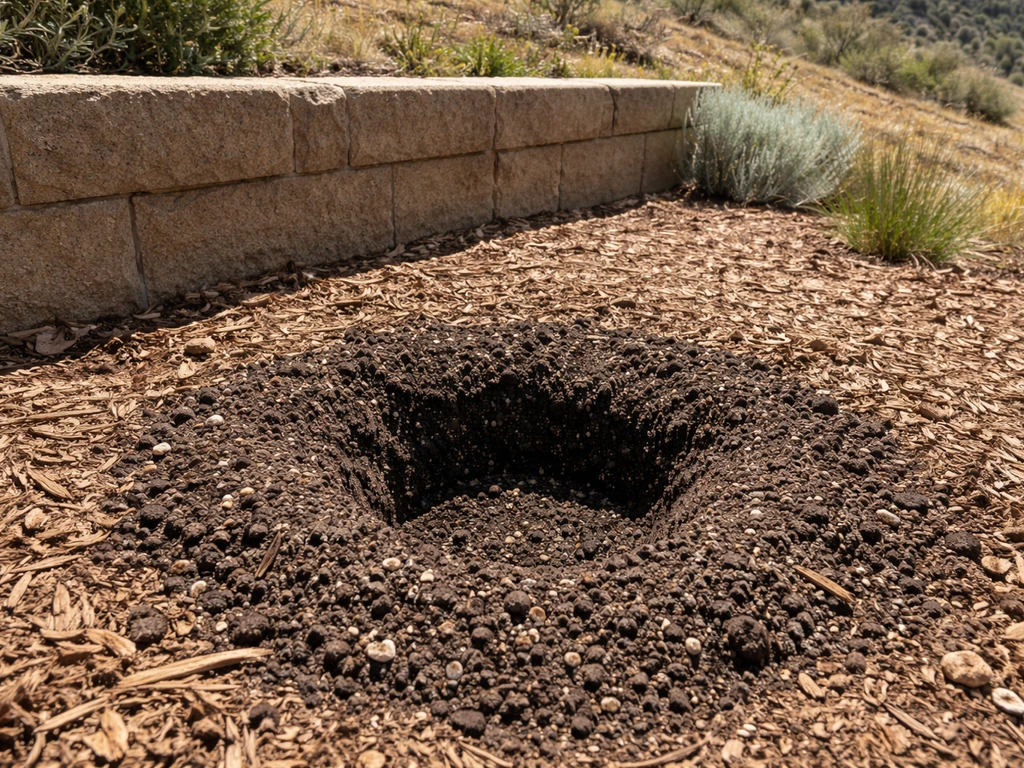
Drainage matters too. Hibiscus likes moisture but not waterlogged roots. If your yard has heavy clay that holds water after rain, build up your planting area a few inches or mix in compost and coarse sand to improve drainage before you put anything in the ground.
Microclimates are your secret weapon in Colorado. Colorado State University Extension notes that cold air drains downhill and pools in low spots, and landscape features like walls and fences can trap either warmth or cold. Plant your hibiscus on the south or east side of a structure if you can. A south-facing wall radiates heat, extends your season, and protects from north wind. This is especially valuable if you're trying to push hibiscus at the colder edge of your zone.
How to grow hibiscus in Colorado: step by step
- Choose the right variety first. For in-ground planting, go with Hibiscus moscheutos (Zone 4–9) or Hibiscus syriacus (Zone 5+). Buy from a local nursery that sources plants appropriate for Colorado's climate, not a big-box store that ships in tropical hibiscus mislabeled as 'hibiscus' without zone info.
- Plant after your last frost date. In Denver, that means after May 4 on average, but wait until soil temperature is consistently warm, ideally above 60°F, not just air temperature. Planting into cold soil stresses roots and slows establishment.
- Match your planting depth to the container. Plant at the same depth the hibiscus was growing in its pot, no deeper. Burying the crown invites rot, especially in clay-heavy Colorado soils.
- Water deeply right after planting and keep soil consistently moist through the first full growing season. In Colorado's dry climate, this typically means watering two to three times per week in summer unless you get significant rain. Deep, infrequent watering beats shallow daily sprinkles for root development.
- Fertilize with a balanced, slow-release fertilizer in late spring when new growth appears. A formula higher in potassium and phosphorus supports blooming. Avoid excess nitrogen, which pushes leafy growth at the expense of flowers.
- Mulch generously, 3 to 4 inches of organic mulch around the base, to retain moisture and moderate soil temperature. Keep mulch a few inches away from the crown to prevent rot.
- Be patient in spring. Hardy hibiscus is one of the last perennials to emerge. Wait until late May or June before concluding a plant hasn't survived winter.
Getting through winter: protection and overwintering
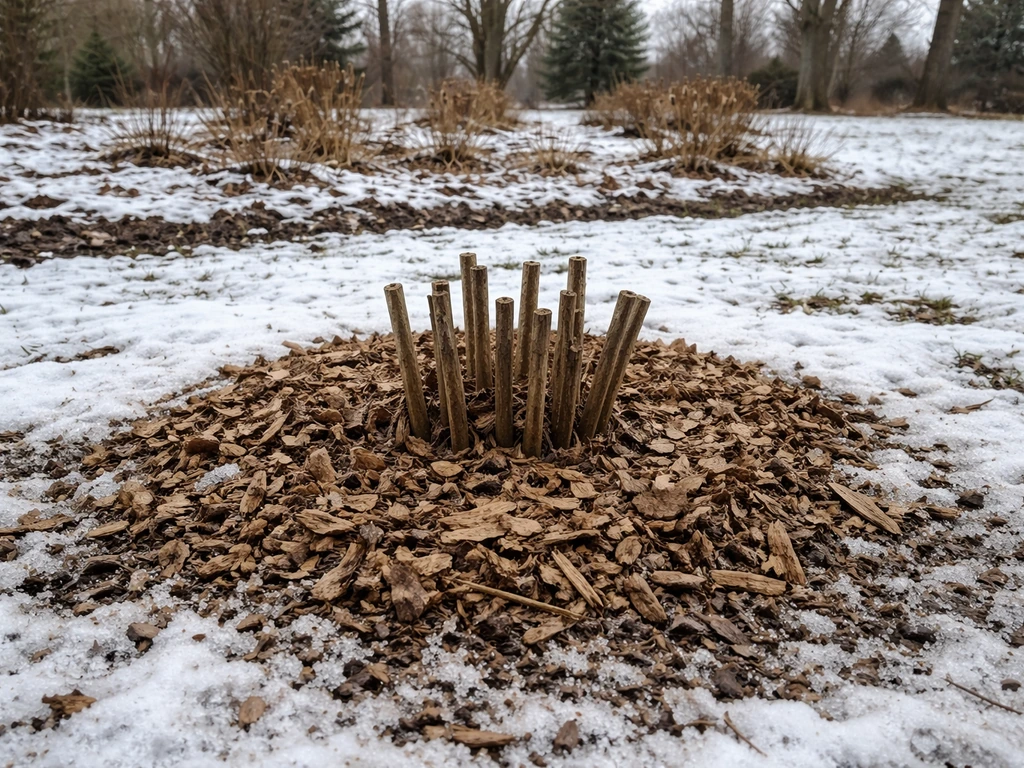
For in-ground hardy hibiscus, winter protection is straightforward. After the first hard frost kills the foliage back, cut the stems down to about 4 to 6 inches. Then pile 4 to 6 inches of mulch, shredded leaves, or straw over the crown. This insulates the root zone through Colorado's freeze-thaw cycles, which can be more damaging than a steady cold freeze. Remove the mulch gradually in spring as temps warm up.
For tropical hibiscus (Hibiscus rosa-sinensis) grown in Colorado, you have two realistic options: treat it as a disposable annual and buy a new one each year, or bring it indoors before the first frost. If you're overwintering it indoors, bring it in before nighttime temps drop below 50°F, usually by late September in Denver. Put it near your sunniest window or under a grow light. Cut back watering significantly and don't fertilize until spring. Expect some leaf drop as it adjusts. Move it back outside gradually in spring after frost risk is past.
Rose of Sharon shrubs are tough enough in Zones 5 and 6 that they typically need no special winter protection once established. Young first-year plants benefit from a burlap wrap or windbreak screen on the north and west sides their first winter.
Container vs. in-ground: the Colorado choice
If you want tropical hibiscus and you're committed to keeping it year after year, containers are the only practical answer in Colorado. You can grow it in a large pot (15 gallons or bigger for a mature plant), set it on a patio or deck all summer, and roll it inside before frost. It also means you can control the soil mix and pH more precisely, which matters given Colorado's alkaline native soils.
For hardy hibiscus varieties, in-ground planting wins in the long run. Plants establish deeper root systems, need less watering over time, and are much more resilient through Colorado's dry summers and cold winters. The trade-off is that you're committing to a spot in your garden, doing soil prep work upfront, and protecting the crown each fall.
Container-grown hardy hibiscus is also an option if your outdoor space is limited to a patio or if you want flexibility. Use a large container, at least 10 to 15 gallons, fill it with a well-draining potting mix amended with compost, and plan to either bring it into an unheated garage for winter or mulch the pot heavily and push it against a south-facing wall for insulation. Roots in containers are more exposed to temperature extremes than roots in the ground, so they need more protection.
It's worth comparing notes with how hibiscus works in neighboring climates. Gardeners in states like Missouri or Indiana grow hardy hibiscus in-ground with minimal fuss because their humidity levels and milder winters reduce the stress on plants. Colorado gardeners are fighting dry air and sometimes more extreme temperature swings on top of cold, so you just have to be a bit more hands-on. The core approach is the same, but the execution requires more attention to irrigation and microclimate placement.
Why your hibiscus isn't thriving (and what to fix)
Yellow leaves
Yellow leaves on hibiscus in Colorado are almost always a pH problem. If your soil is too alkaline (common throughout the state), the plant can't absorb iron properly and leaves turn yellow with green veins, a classic sign of iron chlorosis. Test your soil, and if pH is above 7.0, apply chelated iron and lower pH over time with elemental sulfur worked into the soil. Overwatering can also cause yellowing, so check that drainage is adequate before assuming it's always a nutrient issue.
Leaf spots and fungal issues
Colorado's dry climate actually reduces fungal pressure compared to humid states, but you can still get leaf spot issues like Cercospora or Alternaria during wet spells or if you're overhead watering. Water at the base of the plant rather than overhead, improve air circulation by not crowding plants, and remove affected leaves promptly. Fungal sprays are available if the problem is severe, but usually good cultural practices are enough.
Aphids, whiteflies, and other pests
Aphids are a common hibiscus pest and they can colonize new growth quickly. Check the undersides of leaves regularly. Knock them off with a strong spray of water, or apply insecticidal soap or horticultural oil early in the infestation before populations explode. Whiteflies are another known hibiscus pest, especially on tropical hibiscus kept indoors during winter. They thrive in warm, dry indoor conditions, which is exactly what your overwintering tropical hibiscus is sitting in. Check plants regularly when they're inside and treat with insecticidal soap as needed.
Plant appears dead in spring
Hardy hibiscus is notoriously late to emerge. If it's June and you still see no growth, scratch the stem near the base. Green tissue under the bark means the plant is alive and just hasn't broken dormancy yet. If the stem is dry and brown all the way through, the plant may not have survived. Before assuming the worst, wait until at least late June in higher-elevation areas. The most common reason hardy hibiscus actually dies is crown rot from mulch piled directly against the stem, so always keep mulch away from direct contact with the crown.
No blooms
If your hardy hibiscus leafs out fine but never blooms, the usual culprits are too much nitrogen (makes lots of foliage, few flowers), insufficient sun (less than six hours), or the plant is still too young (first-year plants often don't bloom much). Scale back nitrogen fertilizing, make sure the location gets plenty of sun, and give young plants another season before worrying.
How Colorado compares to other hibiscus-friendly states
It helps to have context. States like Texas and Arizona can grow tropical hibiscus outdoors year-round in their warmest zones because winters rarely freeze hard enough to kill the plants. Colorado is the opposite end of that spectrum. Even states like Georgia and Ohio get better hibiscus results with tropical varieties than Colorado does because they're warmer and more humid. That doesn't mean Colorado gardeners are out of luck, it just means the strategy has to be different: lean hard into the hardy varieties, and treat tropicals as a container project rather than a landscape staple.
The bottom line: what to do today
If you're on the Front Range below about 6,500 feet elevation, pick up Hibiscus moscheutos or a rose of Sharon cultivar, prep a south-facing spot with amended, well-draining soil, and plant after May 4 when soil has warmed. That's your lowest-effort path to hibiscus that comes back every year. If you're at higher elevation or want tropical hibiscus specifically, go container: use a big pot, enjoy it on your patio all summer, and bring it in before late September. Either way, you can absolutely grow hibiscus in Colorado. You just need to match your strategy to the plant. If you’re also wondering can hibiscus grow in Georgia, that warmer, more humid climate can make tropical hibiscus easier to keep going outdoors.
FAQ
When is the best time to plant hibiscus in Colorado so it actually establishes?
For in-ground hardy hibiscus, wait until soil warms and the risk of late cold has passed, typically after your area’s last spring frost (Denver averages around May 4). If you plant earlier, the stems may stall or rot in cool, wet soil. For containers, you can move the pot outside once nights stay consistently mild, then bring it in at the first hard frost.
Can I leave tropical hibiscus outside all winter if I mulch it?
Yes, but only for the right type. Tropical hibiscus can’t be “hardened” enough to survive typical Colorado frosts outdoors, so winterizing it means either keeping it inside or treating it like a seasonal plant. Hardy hibiscus can handle winter with simple crown mulching after foliage is killed by the first hard frost.
My hardy hibiscus looks dead in May, how can I tell if it’s alive?
Scratch-test it before you dig anything up. If the stem has green tissue under the bark, it’s alive and just delayed. For crown rot prevention, make sure mulch is not touching the crown or stem base, since that is one of the most common reasons hardy hibiscus fails.
Why are my hibiscus leaves yellow in Colorado, is it always a watering problem?
Not usually. If your leaves are yellow with green veins, that points to iron chlorosis from alkaline soil. Confirm with a soil test, then use chelated iron for a faster fix, and address pH over time. Also check drainage, since waterlogged roots can cause overall yellowing and decline.
How can I reduce leaf spot on hibiscus during Colorado rainy spells?
Overhead watering increases the odds of leaf spot in wet periods. Water at the base, avoid splashing onto leaves, and give plants enough spacing for airflow. Remove badly affected leaves promptly to slow spread.
My hibiscus grows leaves but no flowers, what should I check first?
Targeting the plant type matters. Hardy hibiscus often needs more time to bloom in its first season, and it’s very easy to suppress flowers with too much nitrogen. If you see fast leafy growth but no buds, cut back nitrogen and confirm you have at least about six hours of direct sun.
Can hibiscus handle part shade in Colorado?
Yes. Hardy hibiscus can benefit from slightly shaded protection in extreme afternoon conditions, but consistently low light will reduce bloom. Aim for full sun as the default, then if you face harsh afternoon glare or wind exposure, use a nearby structure for shelter rather than moving it into deep shade.
What should I do if my soil stays wet after rain but I still want to plant hardy hibiscus in-ground?
If your yard has heavy clay, don’t rely on fertilizing alone. Improve the planting bed with compost and, if needed, coarse material to increase drainage, and consider raising the bed so the crown stays drier. Hibiscus likes moisture, but waterlogged roots are a fast path to decline.
How do I overwinter hardy hibiscus in a container in Colorado?
For containers, plan on more insulation and closer attention to moisture because pot roots swing with temperature. Use a large pot, a well-draining mix, and either move it into an unheated garage for winter or protect the pot heavily and keep it near a south-facing wall for winter warmth.
When should I start pest checks for hibiscus, and what pests are most common indoors?
Begin checking soon after you move plants indoors or once new growth starts outside. Aphids tend to cluster on fresh shoots, so early intervention matters. For tropical hibiscus indoors, watch for whiteflies when indoor air is warm and relatively dry, and treat with insecticidal soap before populations explode.