
Yes, hibiscus can absolutely grow in Michigan, but the answer depends almost entirely on which type you're planting. Hardy perennial hibiscus (Hibiscus moscheutos, also called rose mallow) will survive Michigan winters and come back every year. Tropical hibiscus will not survive outdoors in winter and needs to come inside or be treated as an annual. Get that distinction right before you buy, and you'll save yourself a lot of frustration.
Can Hibiscus Grow in Michigan? Best Types and How to Grow

Marcus Hartwell
7 Apr 2026
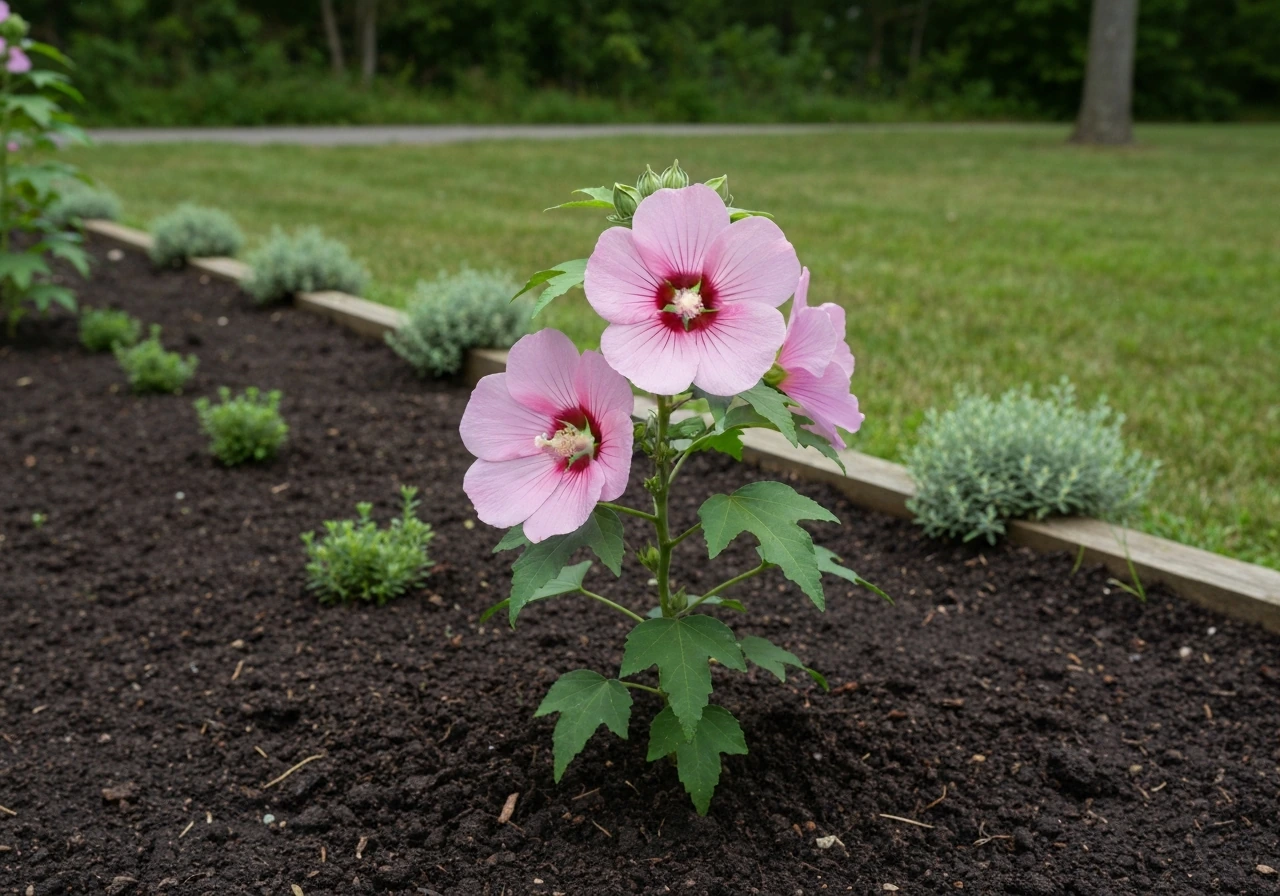
Which hibiscus types can actually survive a Michigan winter
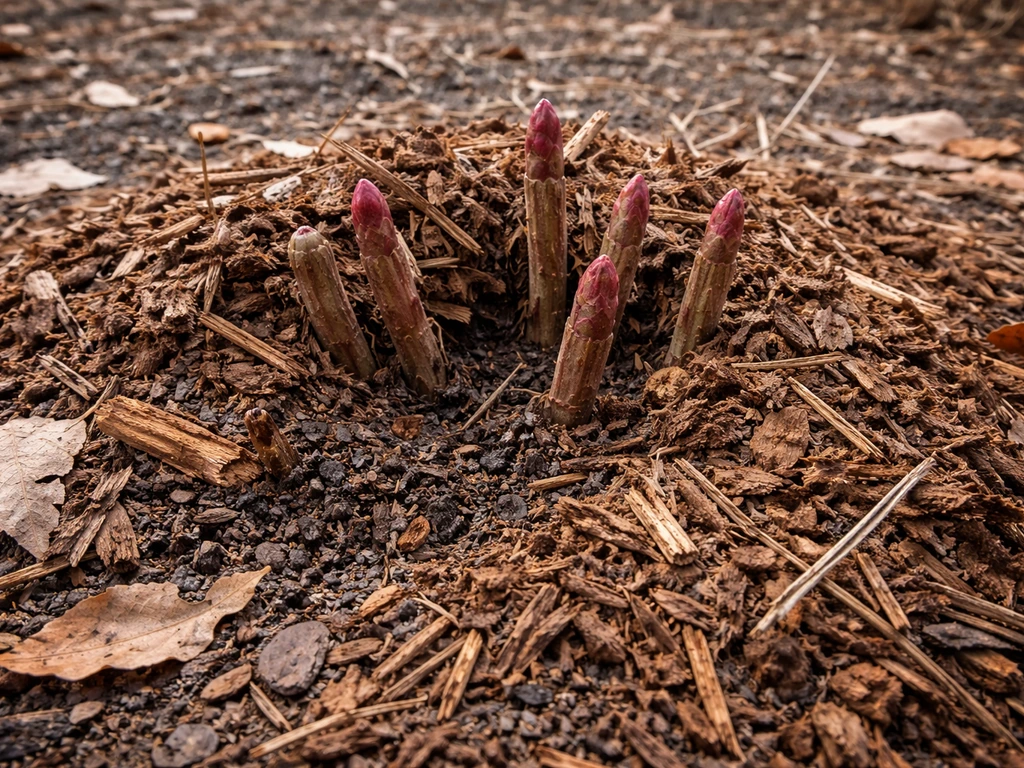
There are really two categories of hibiscus that Michigan gardeners encounter. Hardy hibiscus (Hibiscus moscheutos and closely related species/cultivars) is cold-hardy to USDA zones 4 through 9, which means it can handle winter lows down to around -30°F in its hardiest forms. These plants die back to the ground each fall and re-emerge in late spring. You will think they are dead until June, and that is completely normal. Popular hardy series include 'Summerific,' 'Dinner Plate,' and Luna, with flowers that regularly hit 10 to 12 inches across. Tropical hibiscus (Hibiscus rosa-sinensis) is cold-hardy only to around zone 9 or 10, meaning it survives outdoor winters only where temperatures rarely drop below 25 to 30°F. That rules out permanent outdoor planting anywhere in Michigan.
Michigan's growing zones and what that means for hibiscus
Michigan spans USDA hardiness zones 4a through 6b based on the 2023 updated map, which uses 30-year average extreme minimum temperatures from 1991 to 2020. The Upper Peninsula sits in zones 4a to 5a, where winter lows can reach -25 to -15°F. The Lower Peninsula ranges from zone 5a in the north to zone 6b in the southwest corner near Benton Harbor and St. Joseph, where lake effect from Lake Michigan moderates winter temperatures enough to push the zone warmer. The Detroit metro area and Ann Arbor typically sit in zone 6a. Grand Rapids is generally zone 5b to 6a depending on the specific neighborhood.
The practical takeaway: hardy perennial hibiscus is a realistic outdoor perennial across all of Michigan's zones. Zones 5 and 6 in the Lower Peninsula are the sweet spot for the widest variety of cultivars. If you're gardening in the Upper Peninsula or northern Lower Michigan in zones 4a or 4b, stick to cultivars specifically rated to zone 4 to avoid repeated winter kill. Frost dates matter too for timing your growing season. Grand Rapids, for example, typically sees its last spring frost around early to mid-May, which means hardy hibiscus barely pokes out of the ground before frost risk passes, explaining why it often doesn't bloom until July or August.
Hardy perennial vs. tropical: picking the right plant for your situation
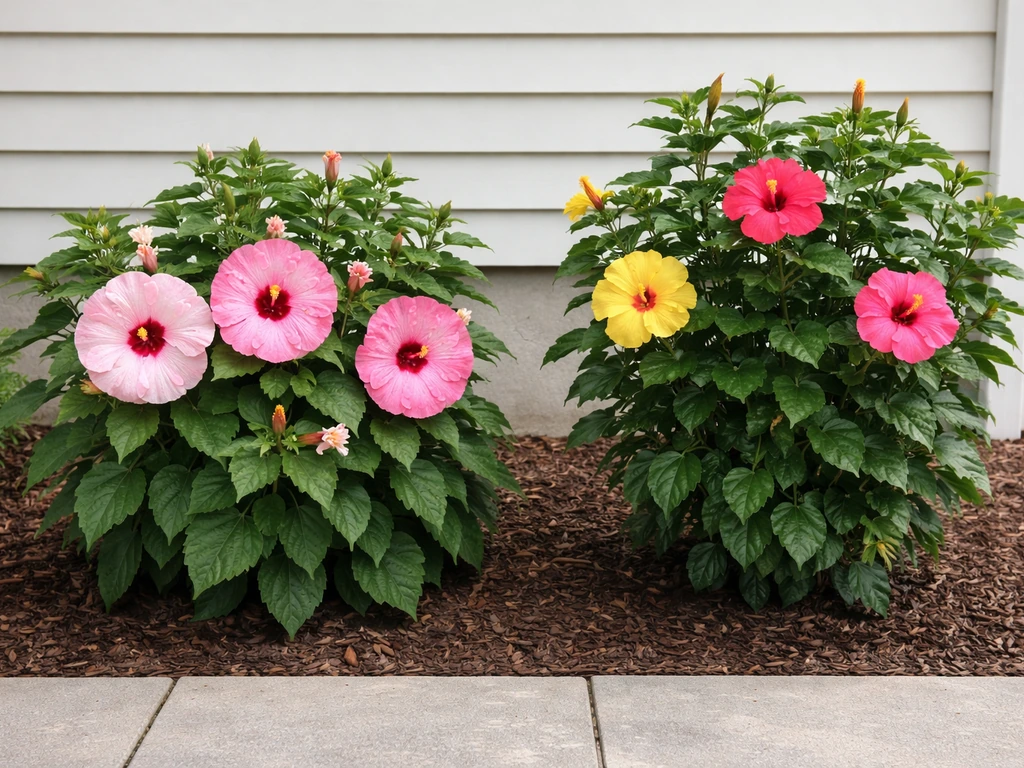
Choosing between hardy and tropical hibiscus comes down to two questions: do you want a plant that comes back on its own, and how much work are you willing to do each fall and spring? If you want low-maintenance color that returns year after year, hardy perennial hibiscus is the obvious choice for Michigan. If you love the look of tropical hibiscus with its smaller, glossy-leaved form and year-round blooming potential, you can make it work in Michigan as a container plant that spends summers on a patio and winters indoors. Both are rewarding. They are just different commitments.
| Feature | Hardy Perennial Hibiscus | Tropical Hibiscus |
|---|---|---|
| Cold hardiness | Zones 4–9 (handles Michigan winters) | Zones 9–10 only (dies below ~25°F) |
| Winter behavior | Dies back, re-sprouts from roots | Must be moved indoors or treated as annual |
| Flower size | Up to 10–12 inches across | Typically 3–6 inches |
| Foliage | Large, coarse, deciduous | Smaller, glossy, evergreen in warm climates |
| Bloom season | July–September in Michigan | Nearly year-round if kept warm |
| Best use in Michigan | In-ground perennial border | Patio container, overwintered indoors |
| Effort level | Low (plant it and let it grow) | Moderate (container management, overwintering) |
My recommendation for most Michigan gardeners: start with a hardy perennial hibiscus. You get massive, showstopping flowers with minimal effort, and you don't have to worry about a hard freeze killing a plant you paid $40 for. If you already have a tropical hibiscus you love, keep it in a container and bring it inside when nighttime temps start dropping below 50°F in fall.
Where and how to grow hibiscus in Michigan
Site and sun
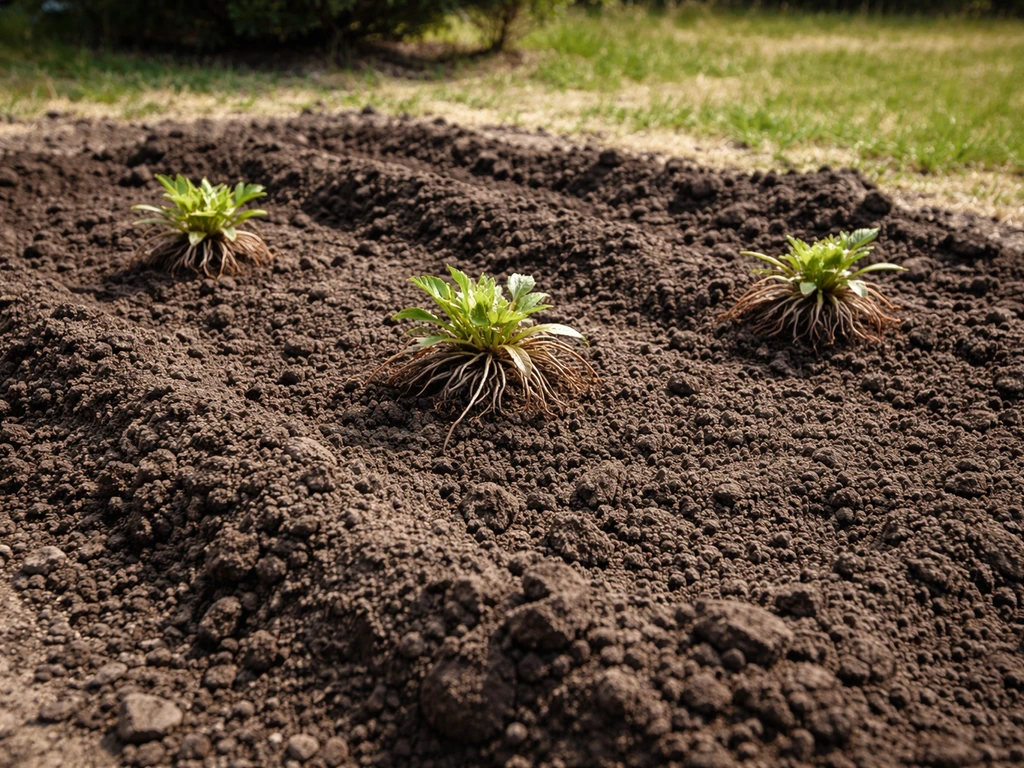
Hardy hibiscus needs full sun, meaning at least 6 hours of direct sunlight daily, ideally 8. In Michigan's relatively short growing season, sun exposure directly affects how vigorously the plant grows and how many blooms you get. A shaded location will produce a leggy plant with few flowers. South or west-facing borders work best. Avoid low spots in your yard where cold air pools in spring and fall, since late frosts in those microclimates can knock back early growth.
Soil and drainage
Hibiscus moscheutos is native to wetlands and tolerates consistently moist soil better than most perennials. That said, it doesn't want to sit in standing water all winter. Well-drained, moisture-retentive soil is the ideal, something like a loamy garden bed amended with compost. Michigan soils vary widely, from the sandy soils of the western Lower Peninsula to the clay-heavy soils around Detroit. Sandy soil will need organic matter added to retain moisture. Clay soil should be loosened and amended to prevent waterlogging, which can rot roots over a wet Michigan winter.
Spacing
Give hardy hibiscus room. Mature plants spread 3 to 4 feet wide and reach 3 to 7 feet tall depending on the cultivar. Spacing them 3 to 4 feet apart allows good air circulation, which helps prevent fungal issues in Michigan's humid summers. Compact cultivars like the Luna series can be placed slightly closer, around 2 to 3 feet apart.
Planting timing and keeping hibiscus fed and watered
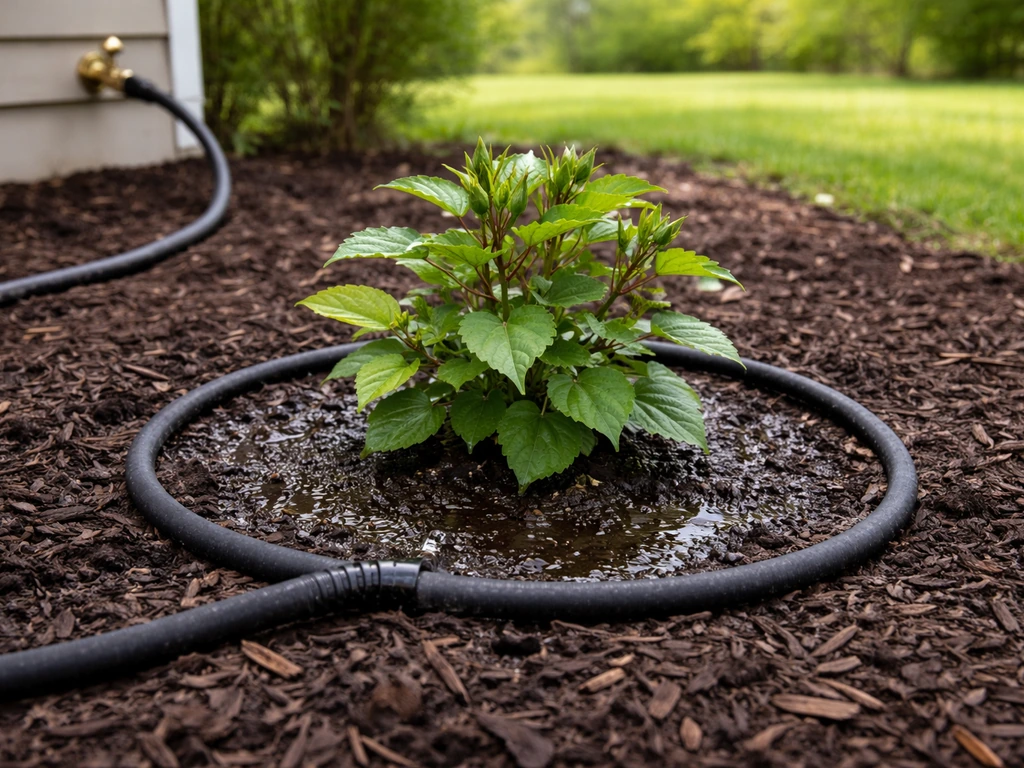
Plant hardy hibiscus outdoors after your last frost date, which across most of Michigan falls somewhere between late April (southern zones) and late May (northern zones and the Upper Peninsula). You can look up the specific frost dates for your location using ZIP-code-based historical data to nail the timing for your town. Planting too early into cold soil just stalls the plant anyway, so there's no benefit to rushing. Container-grown plants from the nursery can go in the ground from mid-May through early summer with good results.
Water deeply and consistently through the first growing season to establish roots. Once established, hardy hibiscus is surprisingly drought-tolerant for short stretches, but it blooms best with regular moisture, roughly an inch of water per week during the growing season. Mulching helps retain soil moisture between waterings.
For fertilizing, hibiscus is a moderately heavy feeder. A balanced slow-release granular fertilizer (something like 10-10-10) applied at planting and again in early summer works well. Avoid high-nitrogen formulas mid-season, which push leafy growth at the expense of flowers. If you want to go more targeted, switch to a bloom-boosting fertilizer with higher phosphorus and potassium around June, just before bud set begins.
Getting hibiscus through a Michigan winter
Hardy perennial hibiscus: mulching and patience
After the first hard frost kills back the foliage, cut the stems down to about 6 inches and apply 3 to 4 inches of mulch (shredded bark or straw works well) over the crown. This insulates the root system through Michigan's coldest months. In zones 4 and 5, that mulch layer can be the difference between a plant that survives and one that doesn't make it. Remove the mulch gradually in spring as temperatures warm, usually by mid-May. The plant will look completely dead well into spring, sometimes until late May or June. Don't panic and don't dig it up. Wait until you see new growth emerging from the base before writing it off.
Tropical hibiscus: bringing it inside for winter
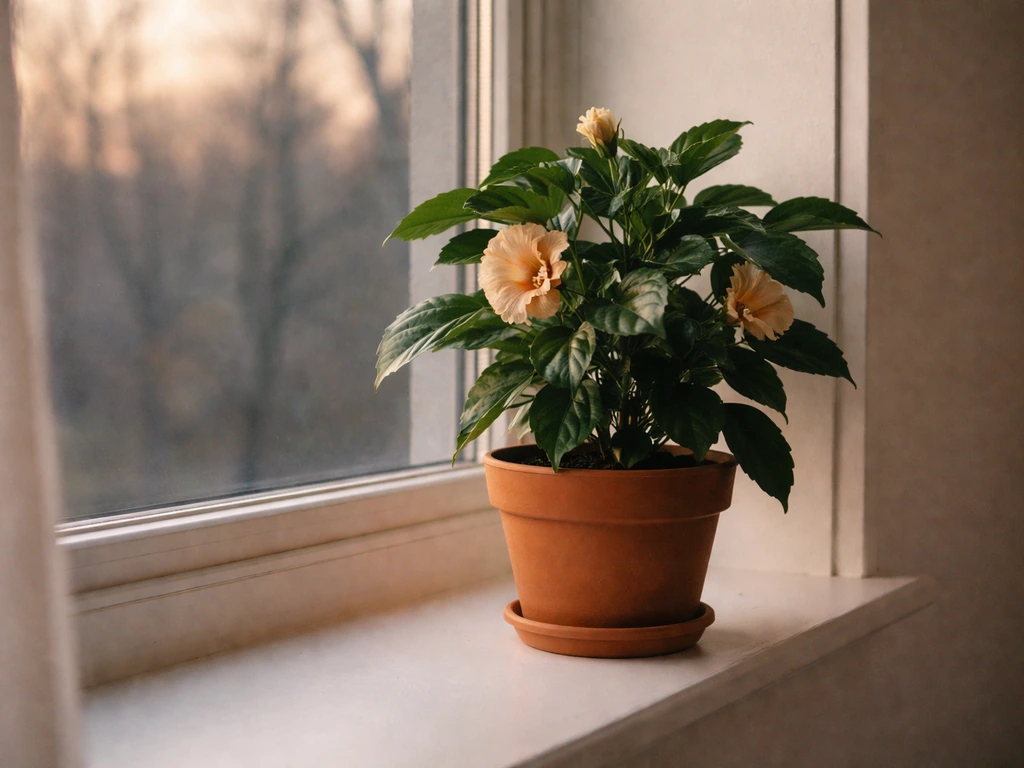
If you're growing tropical hibiscus in a container, bring it indoors before nighttime temperatures drop below 50°F, typically late September in southern Michigan and early to mid-September in the north. Before bringing it inside, inspect the plant carefully for pests, especially spider mites and whiteflies, which will multiply rapidly in a warm indoor environment. Give the plant a light trim to reduce its size and make it more manageable. Place it in the sunniest window you have, ideally south-facing, and water sparingly through winter since growth slows significantly. It will likely drop some leaves. That's normal. Resume regular watering and feeding in spring, and move it back outside after your last frost date once nighttime temps are reliably above 55°F.
Common problems Michigan hibiscus growers run into
No blooms
The most common reason hardy hibiscus doesn't bloom in Michigan is too much shade or too much nitrogen fertilizer. Both push vegetative growth instead of flowers. Too little heat can also delay blooming, especially in cooler northern zones where summer warmth arrives later. If your plant is in full sun and still not blooming by mid-August, check your fertilizer routine and make sure you're not overfeeding. Young plants also sometimes skip blooming in their first year while they establish roots, so give a newly planted hibiscus at least one full season before worrying.
Dieback and slow emergence
Hardy hibiscus is one of the last perennials to emerge in spring. It is genuinely normal for nothing to appear above ground until late May or even June in cooler parts of Michigan. If you scrape the soil near the crown and see green or white growth just below the surface, the plant is alive. If by mid-June there's still nothing, scratch the stem lightly with your fingernail near the base. Green tissue under the bark means it's alive. Brown, dry tissue all the way through means the plant likely didn't survive winter, which can happen in zone 4 with inadequate mulching or an unusually harsh cold snap.
Pests
Japanese beetles are a real problem for hibiscus in Michigan, showing up in July and chewing irregular holes in leaves and flowers. Hand-picking early in the morning (when beetles are sluggish) and dropping them into soapy water is effective for small infestations. For larger problems, pyrethrin-based sprays work but need to be reapplied frequently. Aphids also target hibiscus, clustering on new growth and buds. A strong spray of water knocks them off, and insecticidal soap handles persistent infestations. Spider mites are mainly a problem on indoor tropical hibiscus in winter, where dry indoor air encourages them. Raising humidity around the plant helps prevent mite outbreaks.
Michigan fits well in a broader regional picture
Michigan isn't alone in navigating hibiscus hardiness questions. Gardeners in neighboring states face similar decisions. If you're curious how the approach compares, the calculus for hibiscus in a cold-climate state like growing hibiscus in Wisconsin is nearly identical, with the same emphasis on hardy perennial types and protective mulching. Move a bit further south and the options open up, as growing hibiscus in Illinois gives gardeners in the southern part of that state a longer warm season and slightly milder winters. On the opposite coast, hibiscus in California is a completely different story, where tropical types thrive outdoors year-round in many regions. The Pacific Northwest presents its own quirks, and hibiscus in Washington State depends heavily on whether you're west or east of the Cascades. The Northeast faces conditions more similar to Michigan, and hibiscus in New York follows the same hardy-perennial-first approach that works so well here. For something a little different in the hibiscus family, tropical growers sometimes explore the ornamental awapuhi plant as a California garden option, though that's a world away from what works in a Michigan winter.
Your next steps before you buy
Here's what to do right now if you're ready to plant hibiscus in Michigan. First, confirm your USDA hardiness zone using your ZIP code on the 2023 USDA map. If you're in zone 4 or low zone 5, look specifically for cultivars rated to zone 4. If you're in zone 5b through 6b in the southern Lower Peninsula, you have the widest selection available. Second, look up your specific frost dates by ZIP code so you know when it's safe to plant or when to bring container plants inside in fall. Third, choose your type: hardy perennial for in-ground planting, tropical for a container-only setup you're willing to manage through winter. Buy from a local Michigan nursery when possible since their stock is typically already acclimated to local conditions. Plant in full sun, amend your soil with compost, mulch the crown in fall, and you'll have blooms by midsummer.
FAQ
How can I tell from the plant label whether hibiscus will actually survive Michigan winters?
For Michigan, the safest rule is: if the label says “hardy” (often Hibiscus moscheutos or related hardy rose mallow types), you can plant in-ground. If it says tropical (Hibiscus rosa-sinensis), plan on container growing and winter protection indoors, because outdoor winter survival is not reliable across USDA zone 4 through most of zone 6 in the state.
Can I grow hardy hibiscus in containers first and then move it outside in spring in Michigan?
Yes, but treat it as temporary. Start with a hardy perennial hibiscus, and don’t move it outdoors until nights are consistently warm and the last-frost period has passed (roughly late April to late May depending on location). Repeated early cold snaps can delay emergence and bloom, even if the plant survives the winter.
My hardy hibiscus hasn’t sprouted, when should I worry in Michigan?
If your hardy hibiscus looks dead, don’t dig immediately. Wait until late spring, then check for live tissue near the crown (green or white under the bark). If there is no live tissue by mid-to-late June, it likely didn’t survive and you can replant in the same season if you want, but expect reduced size if you replace too late.
What yard spots are worst for hibiscus in Michigan, even if the zone is correct?
Avoid planting in areas that collect cold air, like low spots near lawns or depressions. Even though hardy hibiscus can take cold, cold-pocket microclimates can cause winter kill or slow regrowth so badly that it struggles to bloom. If you only have one spot, improve drainage and consider a slight mound or raised bed.
How much sun does hibiscus need in Michigan to actually bloom?
Aim for full sun, but it’s especially important for blooming. If you get less than about 6 hours of direct light, you may still get leaf growth but fewer flowers. A practical approach is to observe sun patterns in midsummer (not early spring) and choose the spot that gets the longest direct sun window.
What fertilizing mistakes most often prevent hibiscus from blooming in Michigan?
Yes, but keep it controlled. Fertilizers high in nitrogen or heavy feeding late in the season can push lush growth that is more vulnerable to winter damage and can reduce flowering. If you’re feeding, use a balanced slow-release at planting, then shift to a bloom-oriented blend around bud set, and stop high feeding after that.
My hardy hibiscus didn’t bloom its first year. Is that normal?
Most hardy hibiscus problems in the first year are establishment-related. Some cultivars also bloom later and in smaller amounts when young, especially when summers are cool. A common mistake is switching fertilizers or moving the plant too soon. If it’s in good sun and properly mulched, give it a full season before making major changes.
Can hardy hibiscus handle wet Michigan soil and spring rains?
Yes, but only if the drainage is good. Hardy hibiscus likes consistently moist soil during the growing season, not standing water through winter. If your yard holds water, amend with compost and consider improving drainage or using a raised bed so the crown stays from sitting in wet conditions for long periods.
How far apart should I plant hardy hibiscus in Michigan to avoid disease?
For hardy hibiscus, the key spacing is to keep airflow around the mature canopy. Many varieties spread 3 to 4 feet wide, so crowding reduces airflow and can increase fungal leaf issues in humid Michigan summers. If you have a compact cultivar, you can space a bit tighter, but don’t compress the plant so much that leaves constantly overlap.
What’s the most effective way to deal with Japanese beetles on hibiscus in Michigan?
Japanese beetles are often the main summer stress, and they can defoliate and reduce blooms. For a manageable starting point, check leaves early in the morning and hand-pick beetles. If you need sprays, follow the product directions carefully and expect more than one application for ongoing pressure.
How do I prevent spider mites on indoor tropical hibiscus in Michigan winter?
For tropical hibiscus kept indoors, spider mites are common when air is dry and warm. A simple preventive step is to keep the plant near the sunniest window and monitor leaves weekly, especially the underside. If you see stippling or webbing, increase humidity around the plant and consider an appropriate treatment rather than waiting for it to spread.
When should I remove mulch from hardy hibiscus in spring in Michigan?
If you need to remove winter mulch early, do it gradually. In many Michigan gardens, fully uncovering too soon can expose the crown to late freezes. A safer approach is to pull back part of the mulch as temperatures consistently warm, then top up again if a cold snap returns.