Yes, hibiscus can grow in Washington state, but the answer depends almost entirely on which type of hibiscus you're talking about and where in Washington you live. Hardy hibiscus (the perennial kind) can absolutely survive and bloom across most of western Washington, including Seattle. Tropical hibiscus can grow outdoors in Washington during summer, but it won't survive a typical Washington winter in the ground. Get that distinction straight before you buy anything and you'll save yourself a lot of frustration.
Can Hibiscus Grow in Washington State? Seattle to Zones Guide
Marcus Hartwell
19 Apr 2026
Seattle vs the rest of Washington: microclimates matter a lot
Washington is two completely different states when it comes to gardening. West of the Cascades, the Puget Sound lowlands benefit from a marine climate that keeps winters relatively mild. Seattle sits in USDA hardiness zone 9a on the 2023 USDA map, which means the average coldest night of the year bottoms out around 20 to 25°F.
USDA also provides map download files for the Plant Hardiness Zone Map, including resources for the current edition and comparison materials USDA Plant Hardiness Zone Map.
That's actually been upgraded recently from the old zone 8b designation (which pegged it at 15 to 20°F), reflecting the measurable warming trend in the region. In practical terms, zone 9a is generous enough for a wide range of plants that would die outright in colder inland climates.
East of the Cascades, the picture changes dramatically. Yakima falls around zone 7a, where winter temperatures can drop to 0 to 5°F. Spokane is even colder, landing in zone 6b to 7a territory. Those aren't just numbers on a map, they represent the kind of winters that kill the roots of many plants that cruise through Seattle winters without a second thought. If you're gardening in Yakima, Spokane, or the Tri-Cities area, your hibiscus strategy will be more limited than if you're in Seattle, Olympia, Tacoma, or Bellingham.
Even within western Washington, microclimates create real differences. A garden in a sheltered south-facing spot in Seattle's Capitol Hill neighborhood behaves differently from a windswept garden in Snohomish County. The coast, river valleys, and urban heat islands all shift the practical cold tolerance by a zone or more in some cases. So even though zone maps are the best starting tool we have, your specific site within Washington adds another layer to what's actually possible.
Hardy hibiscus vs tropical hibiscus: which one are you buying?
This is the most important thing to sort out before you spend a dollar. There are two very different plants that most people call 'hibiscus,' and they behave completely differently in Washington's climate.
Hardy hibiscus (the perennial kind)
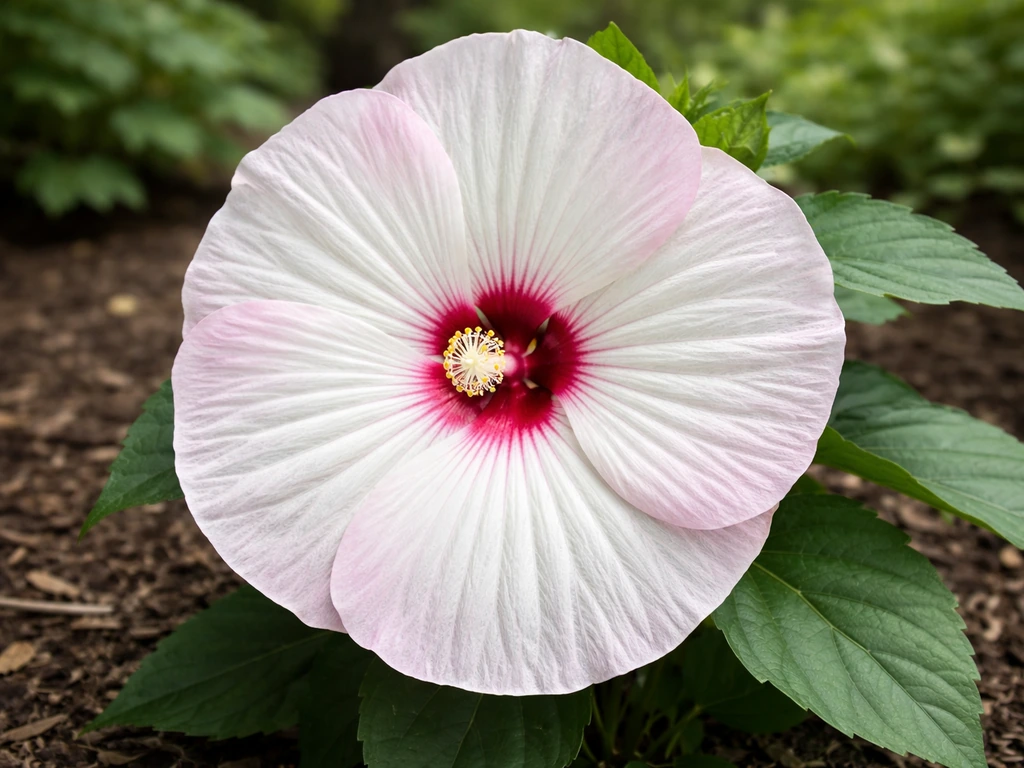
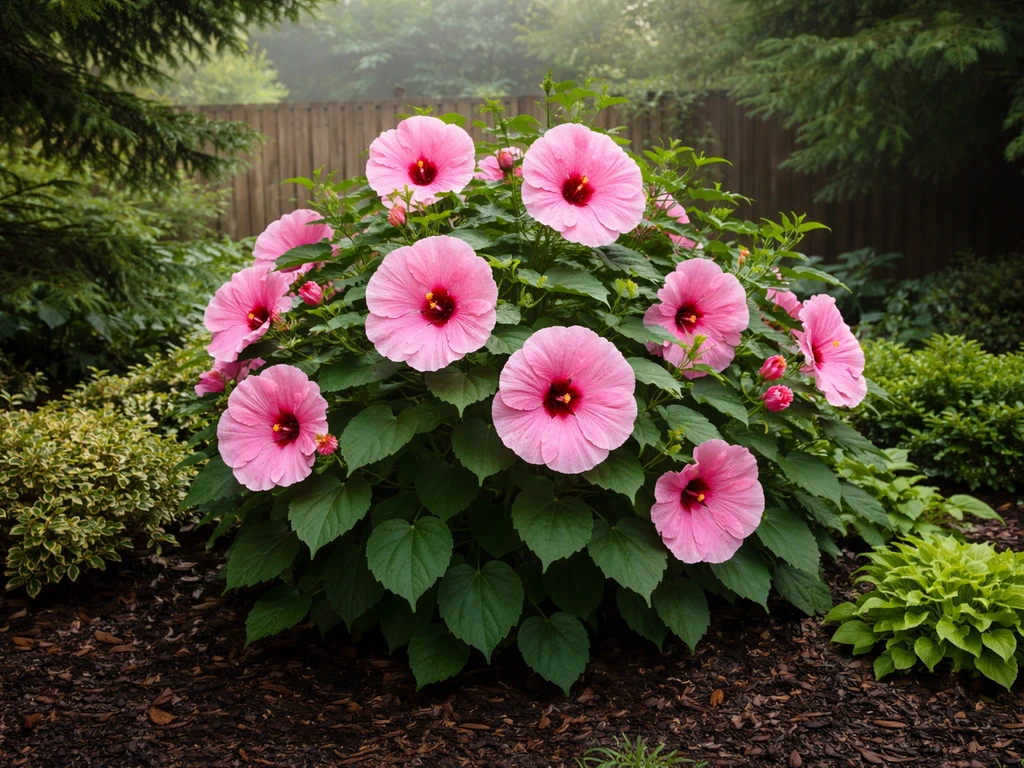
Hardy hibiscus, which includes Hibiscus moscheutos and its cultivated hybrids, is a true perennial. It dies back to the ground after frost, goes dormant over winter, and then regrows from its crown and root system the following spring. This is the one that works reliably across most of Washington's western lowlands, and it can work in inland areas too with some extra care. It's native to wet meadows and creek edges in North America, so it has no problem with the consistently moist soils that are common across western Washington. It's also tolerant of acidic soils, which happen naturally in much of the Pacific Northwest. In Seattle and other Puget Sound communities, hardy hibiscus is a perfectly reasonable perennial choice.
Tropical hibiscus (Hibiscus rosa-sinensis)
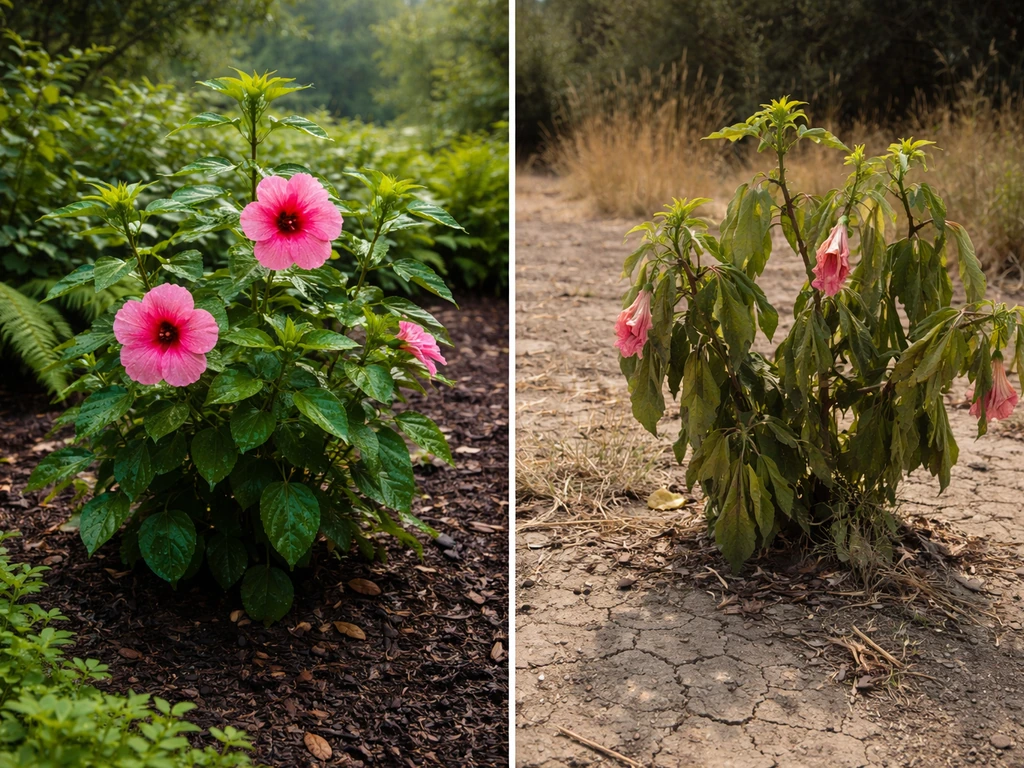
Tropical hibiscus is the one you usually see covered in glossy red, orange, or yellow flowers at the nursery in those colorful pots. It's gorgeous, but it's not cold-hardy. Tropical hibiscus prefers temperatures above 50°F at all times, and Washington winters will kill it outright if it's left in the ground. Even in Seattle's relatively mild zone 9a, winter nights routinely drop well below 50°F for months at a stretch.
This plant is not a perennial for Washington, full stop. That said, you can grow it as a container plant outdoors in summer and bring it indoors before temperatures drop, which a lot of Washington gardeners do successfully. Can hibiscus grow in Illinois? Tropical hibiscus is typically grown the same way as a container plant so you can protect it from cold winters container plant outdoors in summer.
| Feature | Hardy Hibiscus | Tropical Hibiscus |
|---|---|---|
| Cold hardiness | Zones 4–9 (roots survive hard freezes) | Needs temps above 50°F year-round |
| Winter strategy in WA | Dies back, regrows from crown | Must overwinter indoors or in a greenhouse |
| Soil preference | Average to moist, tolerates acidic soils | Well-drained, consistent moisture |
| Best for western WA? | Yes, reliable perennial | Summer only, then bring inside |
| Best for eastern WA? | Yes with site selection, zones 6b–7a | Summer container only |
| Flower size | Very large (dinner-plate sized blooms) | Medium to large |
| Bloom season in WA | Mid-summer to early fall | Summer (while outdoors) |
Winter hardiness, frost dates, and what the zones actually tell you
Hardy hibiscus is typically rated for zones 4 through 9, which means it can handle average winter minimums well below zero in the coldest end of that range. Hardy hibiscus (including Hibiscus moscheutos) is described by North Carolina State Extension as hardy in Zones 5 to 9 Hardy (perennial) hibiscus is hardy in Zones 5 to 9. Seattle's zone 9a sits comfortably within that window. Even Yakima (zone 7a) and Spokane (zone 6b to 7a) fall within the rated cold tolerance of most hardy hibiscus cultivars, though those colder zones mean harder winters that push the plant more aggressively into dormancy and leave a shorter window for it to establish and bloom.
Frost dates are where eastern Washington gets tricky for hibiscus. Yakima's average last spring frost is around May 15, and the first fall frost returns around September 30. That gives hardy hibiscus only about four and a half months of frost-free growing time to emerge from dormancy, put on full growth, and bloom. Hardy hibiscus is a slow starter in spring (it's famously one of the last perennials to show green), so that tight window means eastern Washington gardeners may see shorter or less reliable bloom seasons compared to Seattle, where the frost-free window stretches from late March or early April all the way to late November or early December.
One thing worth keeping in mind: USDA zones only measure average extreme minimum winter temperature. They don't account for wind exposure, soil drainage, rainfall patterns, or late spring cold snaps. A zone 7a rating doesn't guarantee a plant survives every winter in that zone, and a zone 9a plant in Seattle can still get surprised by an unusually cold winter. Use zones as your first filter, not your only one.
Sun, site conditions, and the container vs in-ground decision
Hardy hibiscus needs full sun to bloom well. That means a minimum of six hours of direct sunlight per day, and more is better. This is actually one of the bigger practical constraints in western Washington, where cloudy days are common and tree cover is dense in many neighborhoods. If you're picking a spot in your Seattle or Tacoma garden, go for the sunniest south or west-facing location you can find. A spot that gets afternoon shade will produce leafy but disappointing plants with few or no flowers.
On the soil side, western Washington's naturally moist, slightly acidic soils are actually well-suited to hardy hibiscus. This plant is native to wetland edges and tolerates consistently moist conditions that would rot most other perennials. You don't need to amend heavily or build raised beds for drainage the way you might with lavender or other Mediterranean plants. If your garden holds moisture reasonably well, that's a feature, not a bug, for hardy hibiscus.
For tropical hibiscus, the container strategy is your best option anywhere in Washington. A large container (at least a 12- to 15-gallon pot) gives you the flexibility to move the plant outdoors once nighttime temperatures reliably stay above 50°F in late spring, enjoy it through summer, then bring it inside to a bright, warm room or a heated greenhouse before the first fall chill. This is genuinely how many Washington gardeners handle tropical hibiscus, and it works well if you have the indoor space.
Practical tips for success, and where most Washington gardeners go wrong
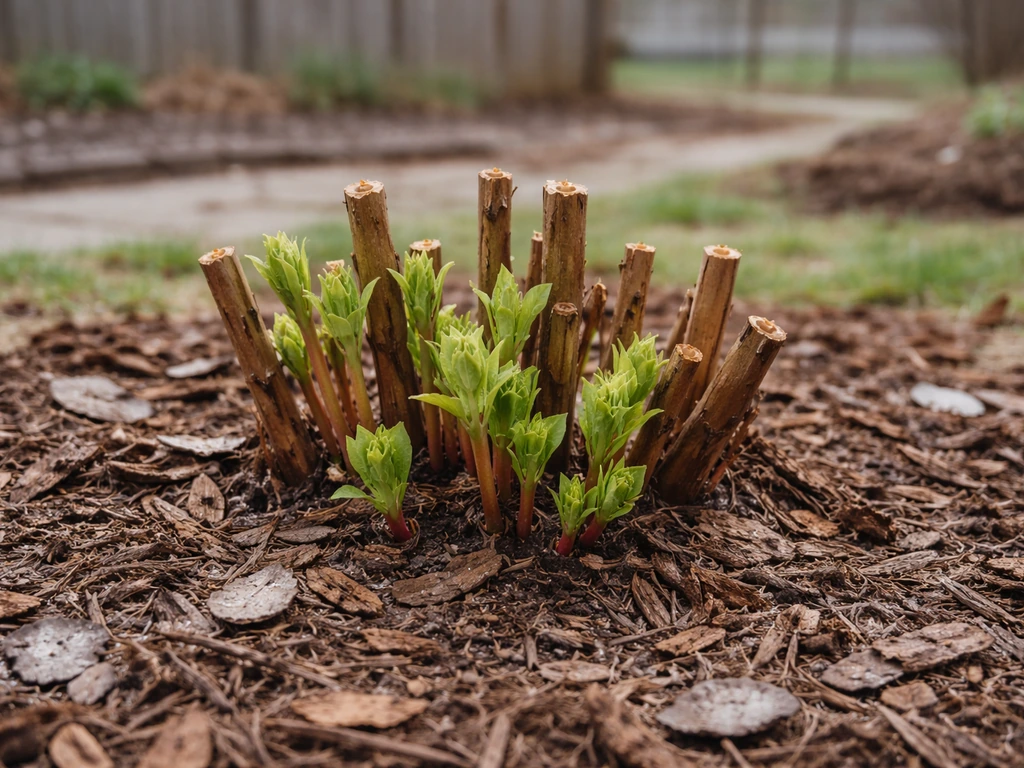
The single most common mistake with hardy hibiscus in Washington is panicking in spring. This plant is one of the absolute last perennials to emerge from dormancy, and in a cool Pacific Northwest spring it can look completely dead well into May. Don't dig it up. Don't replace it. Give it until late May or even early June before you write it off. Once it gets going, it grows fast.
- Plant in the sunniest spot available. Six or more hours of direct sun is non-negotiable for blooms.
- After the first hard frost kills the foliage, cut stems back to a few inches above the ground. The crown stays in place and overwinters in the soil.
- Mulch the crown with 3 to 4 inches of bark or straw in colder inland areas (Yakima, Spokane) to protect against the deepest freezes.
- Water consistently during the first growing season to establish the root system. Once established, hardy hibiscus is fairly drought-tolerant but blooms best with regular summer moisture.
- If you're growing tropical hibiscus in a container, don't rush it outside. Wait until nighttime temps are reliably above 50°F, typically late May to early June in Seattle and even later in eastern Washington.
- Bring tropical hibiscus indoors before the first fall frost. A sudden cold snap below 50°F can damage or kill the plant even without a hard freeze.
- Fertilize hardy hibiscus in spring when new growth appears. A balanced, slow-release fertilizer supports the vigorous growth it puts on each season.
One failure point specific to western Washington is choosing a shady garden spot and then blaming the climate when hibiscus underperforms. The climate isn't the problem there, the sun is. If your yard is heavily shaded by conifers or other trees, hibiscus is genuinely the wrong plant. It's not a shade-tolerant ornamental, and no amount of good soil or careful watering will compensate for low light.
What to actually expect: bloom timing and realistic growth
In Seattle and the western lowlands, hardy hibiscus typically starts blooming in mid to late July and continues through September, sometimes into early October in a warm year. The flowers are enormous, often 10 to 12 inches across depending on the cultivar, and they're individually short-lived (each bloom lasts a day or two), but the plant produces them continuously throughout the season. One plant in a good spot can easily reach 4 to 6 feet tall and wide by midsummer.
In eastern Washington, expect blooming to run about two to four weeks shorter on each end due to the later spring and earlier fall frost. A Yakima gardener can realistically expect blooms from late July into September. The plants will still grow large, but the season compression is real and worth knowing before you set your expectations.
One thing Washington gardeners consistently underestimate is how slowly hardy hibiscus establishes. The first year, the plant puts most of its energy into the root system and produces modest growth above ground. By year two it picks up considerably, and by year three you get the full show. This is a plant you're investing in for the long term, not one that wows you the first summer.
If you're comparing notes with gardeners in other states, Washington's western lowlands are actually better positioned for hardy hibiscus than many people expect. The mild winters and naturally moist soils play to this plant's strengths in a way that's different from, say, the Great Lakes region, where harsh winters push hardy hibiscus much closer to its cold limits, or California's drier climates, where irrigation becomes a bigger factor. Hardy hibiscus can still grow in California, but you may need to plan around hotter, drier conditions and more consistent irrigation. Washington's main trade-off is cloud cover limiting sun availability, which is why site selection matters so much here.
Bottom line for Washington gardeners: buy a hardy hibiscus, pick your sunniest spot, plant it this spring, and be patient through the slow start. Bottom line for Washington gardeners: buy a hardy hibiscus, pick your sunniest spot, plant it this spring, and be patient through the slow start, and if you're wondering can hibiscus grow in New York, the same hardy versus tropical and zone-matching logic applies.
If you're wondering can hibiscus grow in Wisconsin, the same hardy versus tropical and zone-matching logic applies. Can hibiscus grow in Illinois? Can hibiscus grow in California Can hibiscus grow in Illinois. The same approach of matching hibiscus type to your local USDA hardiness zone and frost-free season is key.
It will reward you. If you want tropical hibiscus, treat it as a seasonal container plant and plan for indoor storage over winter. Both approaches work, but only if you go in with accurate expectations.
FAQ
Can I grow hibiscus in Washington if my garden is only part sun, like 3 to 5 hours of direct light?
Hardy hibiscus needs at least about six hours of direct sun to reliably bloom. If you get less, you may still get leafy growth, but flowers will likely be sparse. In that situation, the best move is to pick the sunniest spot you have, prune nearby shrubs to open up light, or consider a different plant rather than expecting similar flower performance.
What’s the safest hibiscus choice for Seattle if I want the easiest, lowest-risk option?
Choose hardy hibiscus, not tropical. In Seattle’s typical winters, hardy types can regrow from the crown after dying back, while tropical types left in the ground will usually not survive. If you already bought a tropical plant, plan on treating it as a container and bring it indoors before sustained cool nights.
When should I expect hardy hibiscus to come back if it looks dead in April or early May?
Give it time. Hardy hibiscus is one of the last perennials to emerge in spring, so green growth can be late into May. Avoid digging it up early, and instead wait until late May or early June before deciding it failed.
Do I need raised beds or special drainage for hardy hibiscus in Washington?
Usually no. Hardy hibiscus tolerates and even prefers consistently moist soils, which align with many western Washington gardens. The exception is if your site is unusually fast-draining or very dry, where you may need more regular watering rather than improving drainage.
Can hardy hibiscus survive a colder-than-usual winter in Washington?
Sometimes, but no zone rating is a guarantee. Severe cold snaps, prolonged wind exposure, or poor site conditions can tip survival either way. If you’re in an inland or exposed location, consider extra winter protection such as a thicker mulch layer around the base (applied after the plant goes dormant) and choosing a sheltered spot.
How should I handle hardy hibiscus if my first frost is early (like in the Tri-Cities or Spokane area)?
Expect a shorter bloom season, because the plant needs time to regrow, grow, and set flowers before fall cold. To help it establish, focus on buying a healthy starter and planting it promptly so roots can develop during the first year. Also set expectations that the biggest flower show often improves by years two and three.
Is it better to start hardy hibiscus indoors or plant directly outside in Washington?
Direct planting outdoors after spring conditions stabilize is often simplest, but eastern Washington’s short frost-free window can tempt earlier starts. If you start plants early indoors, harden them off gradually before planting, and avoid keeping them in overly warm conditions too long, which can delay establishment once outdoors.
Can I keep tropical hibiscus outdoors year-round in coastal Washington?
Not reliably in-ground. Even in mild coastal areas, winter nights commonly dip too low for outdoor survival. If you want tropical hibiscus, use a large container and bring it indoors or into a heated greenhouse before nighttime temperatures drop consistently below about 50°F.
What container size is actually useful for tropical hibiscus in Washington?
A larger pot gives you a better buffer during the transition seasons and reduces how quickly the plant dries out. Aim for at least a 12 to 15 gallon container, and make sure the pot drains well so the roots are not sitting in wet soil during indoor storage.
Can I prune hardy hibiscus in fall or spring, and will pruning affect blooming time?
Yes, but timing matters. After frost and dormancy, you can tidy dead stems, but avoid heavy spring pruning before you see new growth because the plant is late to re-emerge. Once it starts growing, light shaping can be fine, but major changes close to the start of flowering can reduce bloom quantity.
Does watering frequency matter for hibiscus in Washington?
Yes, especially for tropical hibiscus in containers. Hardy hibiscus generally tolerates moist conditions, but containers dry out faster than ground soil, particularly in summer sun. Water deeply when the top portion of the mix dries, then adjust as the plant transitions indoors and growth slows.