Quick answer for Illinois and Chicago
Yes, hibiscus can grow in Illinois, but the answer depends entirely on which type you plant. There are two very different plants sold under the name 'hibiscus' at garden centers, and they behave completely differently in an Illinois winter. Hardy perennial hibiscus (mainly Hibiscus moscheutos and related cultivars) can survive Chicago winters and come back every year. Tropical hibiscus (Hibiscus rosa-sinensis) cannot survive outdoors through an Illinois winter and will die if you leave it in the ground. Get that distinction right before you buy anything, and you are most of the way there.
Winter hardiness: which hibiscus types actually survive
Illinois spans USDA hardiness zones 5a through 7b, depending on where you are in the state. Chicago and most of the northern third of Illinois sit in zones 5b to 6a. That matters because the two main hibiscus types have dramatically different cold tolerances.
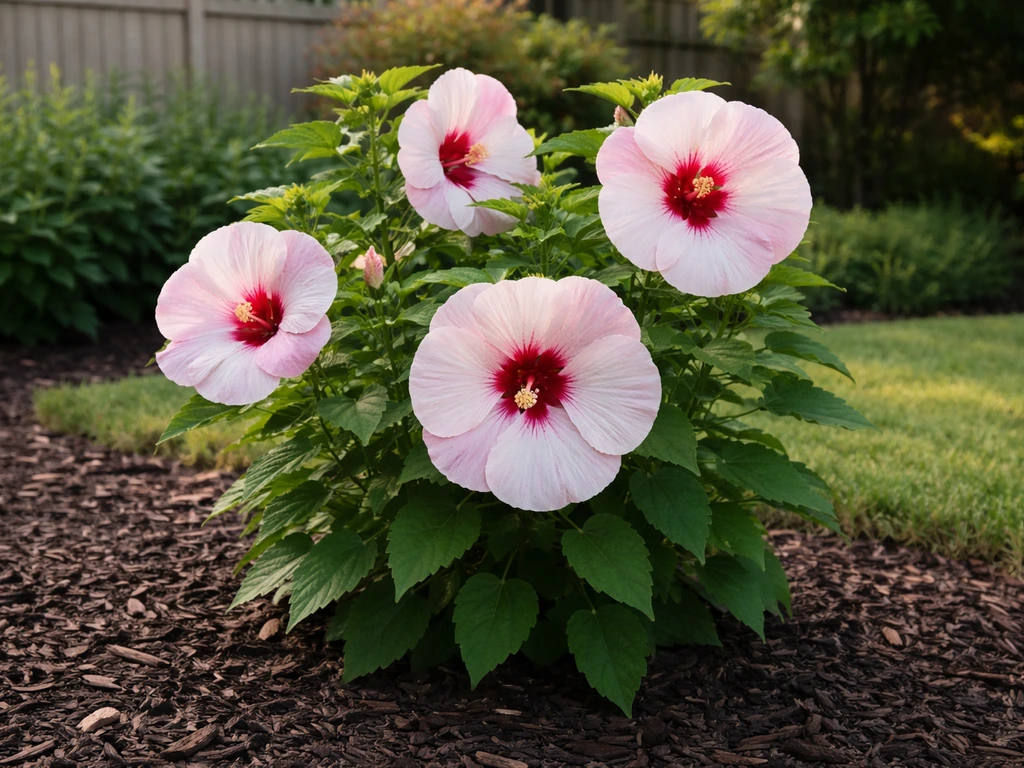
Hardy perennial hibiscus (Hibiscus moscheutos, also called rose mallow) is rated for zones 4 through 9, which means it is built for Chicago winters and then some. The Chicago Botanic Garden lists it as a winter-hardy perennial for the Chicago area and has even evaluated specific cultivars in local trials to confirm real-world performance, not just paper zone ratings. The Morton Arboretum observes cultivars like 'Luna White' (a Hibiscus moscheutos selection) blooming right in Chicago. This is the plant you want if you want a permanent, in-ground hibiscus in Illinois.
Tropical hibiscus (Hibiscus rosa-sinensis) is a completely different story. It begins showing damage at temperatures below 35°F and can die outright below that threshold. It is not winter hardy in any part of Illinois. The Chicago Botanic Garden treats it as a tender annual outdoors and recommends moving it indoors well before the first fall frost. If you plant tropical hibiscus in the ground in Illinois, plan to dig it up every fall, pot it, and bring it inside, or accept that you will lose it every year.
| Type | Scientific name | Hardy zones | Survives Illinois winter in-ground? | Strategy |
|---|
| Hardy perennial hibiscus | Hibiscus moscheutos | Zones 4–9 | Yes | Plant in ground, mulch in fall, prune in spring |
| Tropical hibiscus | Hibiscus rosa-sinensis | Zones 10–12 | No | Grow in container, bring indoors before first frost |
| Rose of Sharon | Hibiscus syriacus | Zones 5–9 | Yes | Plant in ground, minimal winter care needed |
Where to plant in Illinois: sun, soil, wind, and microclimates
Hardy hibiscus needs full sun to perform well. Plan for at least six hours of direct sun daily. In Illinois, south-facing and west-facing exposures tend to accumulate the most heat through the growing season, which helps the plant bulk up before it goes dormant. Avoid planting in low spots where cold air pools overnight in spring and fall, since those spots can trigger late frost damage right when new growth is emerging.
Wind is genuinely underappreciated as a problem in Illinois, especially in Chicago where the lakefront and open corridors can be brutal in winter. A windbreak, even a fence or a neighboring shrub, reduces desiccation of the crown and helps mulch stay in place. If you are gardening in the city, a spot along a south-facing brick wall is a legitimate microclimate advantage and can push you effectively one zone warmer.
Soil should drain well. Hardy hibiscus tolerates moist soil better than most perennials, but standing water around the crown in winter is a reliable way to rot the roots. Amend heavy clay with compost before planting, and consider a slightly raised planting position to ensure drainage.
Growing zone mapping and picking the right cultivar
Illinois's zone range matters more than most people realize. If you are in Chicago (zone 5b or 6a), you have a narrow but workable window for hardy hibiscus. If you are in central Illinois around Springfield (zone 6a to 6b), you have a bit more flexibility. Southern Illinois around Carbondale can reach zone 7a to 7b, which opens the door to a wider range of hibiscus and even some marginally hardy tropical varieties with protection.
For northern Illinois and Chicago specifically, stick to hardy hibiscus cultivars that have been documented to perform in the area. The Chicago Botanic Garden runs ongoing plant evaluation trials specifically for hardy herbaceous hibiscus, which is the most reliable source of cultivar-level guidance for this region. 'Kopper King', 'Summerific Evening Rose', and the Luna series (Hibiscus moscheutos) are all commonly cited performers in colder Midwest zones. Look for a plant tagged as zone 4 or 5 hardy, not just zone 6, if you want a reliable buffer.
If you are curious how Illinois compares to neighboring states, the zone picture is similar to growing hibiscus in Michigan, where the same cold-hardy versus tropical distinction applies just as strongly. On the other end of the spectrum, if you have ever looked at a catalog from the West Coast and wondered why their options seem so much broader, it comes down to climate, as you can see when you compare notes with someone growing hibiscus in California, where tropical types can stay in the ground year-round.
Seasonal care in Illinois: what to do and when
Spring
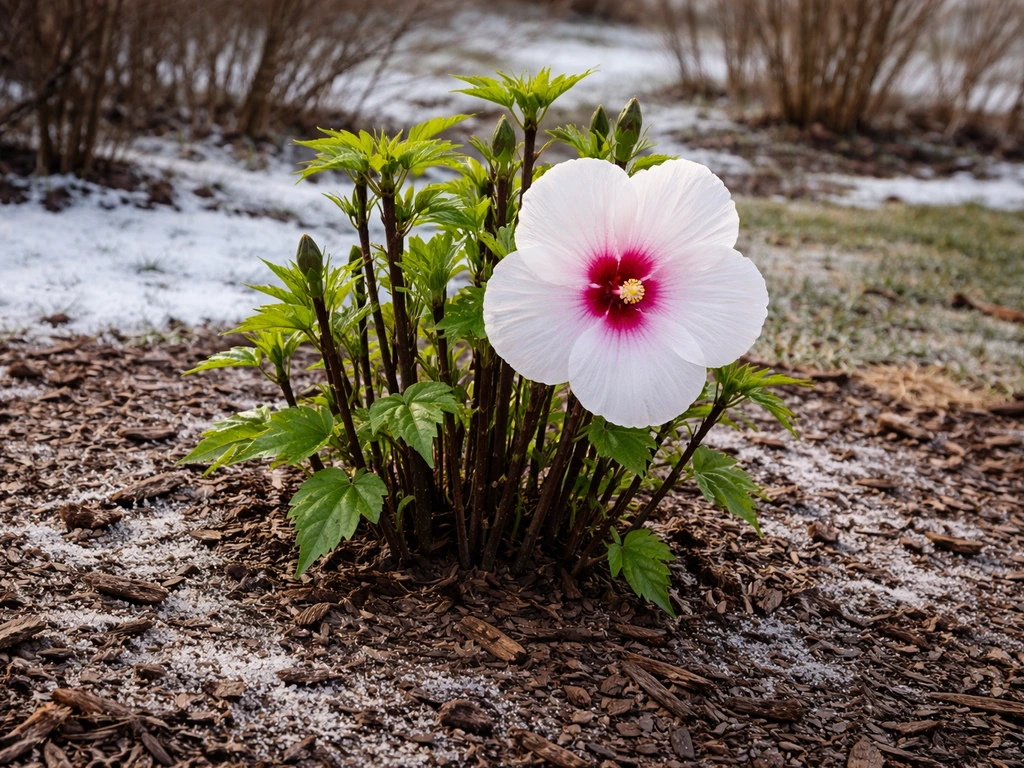
Hardy hibiscus is a notoriously late riser. Do not panic if nothing is happening in April or even early May in Chicago. It often does not break dormancy until soil temperatures are consistently warm, sometimes as late as mid-May in zone 5b. Once you see new growth at the base, that is your cue to prune the old stems back, leaving two or three buds on each stem. The Chicago Botanic Garden specifically recommends this approach, and it keeps the plant tidy without removing the new season's growth.
Summer
This is hibiscus season in Illinois. Plants can grow 3 to 5 feet tall during the warm months and produce dinner-plate-sized blooms from midsummer through early fall. Water consistently during dry spells, targeting the root zone rather than overhead watering. Hardy hibiscus appreciates even moisture but does not need constant irrigation if the soil has good organic matter.
Fall and winter
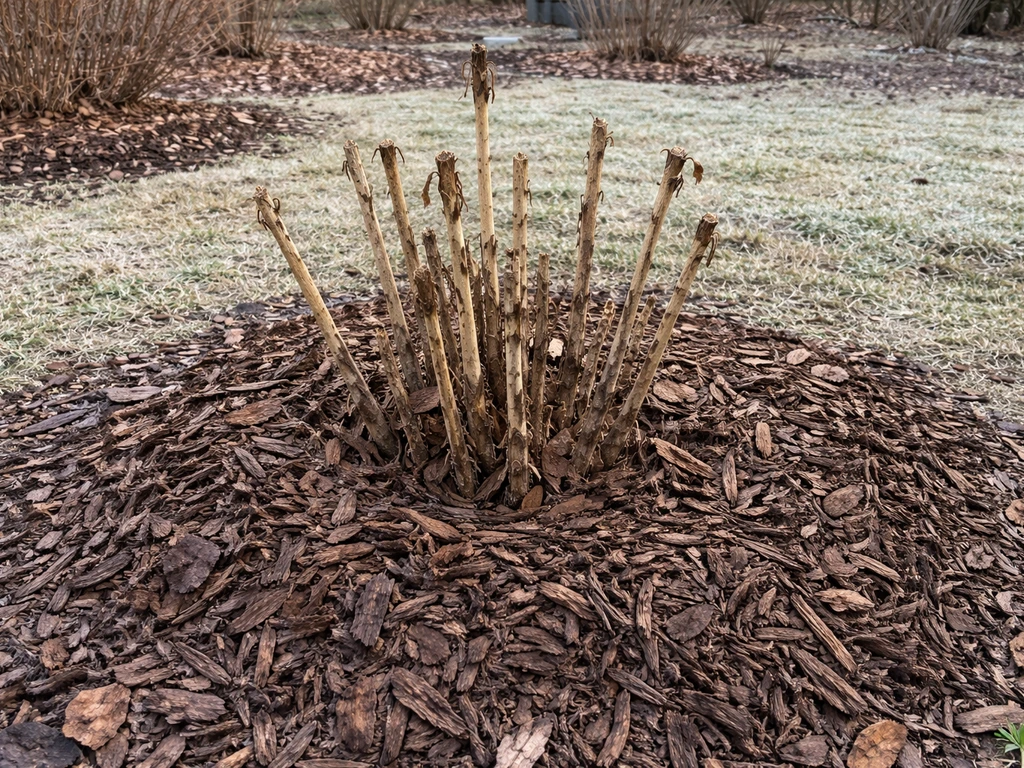
Once hard frost hits and the stems die back, apply a 4 to 6 inch layer of mulch over the crown. Research from UMN Extension confirms that this depth of mulch helps prevent soil heaving caused by freeze-thaw cycles, which is a real issue in Illinois winters. UMN Extension explains that mulch slows heat loss from soil during cool seasons and helps protect plant roots from rapid temperature changes, reducing the risk of freeze-thaw injury this depth of mulch helps prevent soil heaving caused by freeze-thaw cycles. Shredded bark or straw works well. You can leave the old stems as a marker for where the plant is, since it will look completely dead and you do not want to accidentally dig it up in spring. Do not cut the stems all the way to the ground in fall. Wait until spring growth appears and then prune.
Container vs in-ground: the right strategy for your winter
If you are growing hardy hibiscus, plant it in the ground. It overwinters better with the insulation of surrounding soil, and in-ground plants establish larger root systems that produce more impressive blooms each year. Containers work, but they expose roots to colder air on all sides and require more careful protection or moving to an unheated garage in winter.
If you are growing tropical hibiscus and want to keep it from year to year, containers are the right call from the start. Plant it in a container you can actually carry, and keep it outside in full sun through the summer. Before the first fall frost (typically mid-October in Chicago), bring it inside to a bright window or a south-facing room with good light. If you made the mistake of planting it in the ground, dig it up before frost, pot it up into a well-draining container, and move it inside. This is doable but awkward, as the University of Maryland Extension notes, the transition from in-ground to container mid-season stresses the plant.
Once indoors, tropical hibiscus needs temperatures above 50°F. Let it rest through winter with reduced watering, then in late winter, prune back any leggy growth and begin fertilizing every two weeks to push new growth for spring. The Chicago Botanic Garden lays out this exact indoor care sequence as the standard approach for overwintering tropical hibiscus in northern Illinois.
What to buy and how to confirm it will thrive
When you walk into a garden center in Illinois, the tag is your most important piece of information. Look for these things before you buy anything:
- Check the hardiness zone on the tag. For in-ground planting anywhere north of Springfield, you need zone 5 hardy at minimum. Zone 4 hardy gives you a comfortable buffer.
- Confirm the species. 'Hibiscus moscheutos' or 'hardy hibiscus' or 'perennial hibiscus' means you have the right plant for in-ground planting in Chicago. If the tag says 'Hibiscus rosa-sinensis' or just 'tropical hibiscus,' plan on containers and indoor overwintering.
- Buy from local garden centers if possible. Nurseries in the Chicago area or central Illinois stock cultivars that are proven performers for local winters. A plant shipped from a zone 9 nursery catalog may not be acclimated the same way.
- Check the Chicago Botanic Garden's hardy hibiscus plant evaluation list. This is publicly available and gives you cultivar-level data on what actually performs in Chicago-area conditions, not just what the breeder says should work.
- If you are gardening in southern Illinois near zones 6b to 7b, you have more room to experiment. You can try marginally hardy varieties and even some tropical types in sheltered spots, though container growing is still safer for tropicals.
It is also worth knowing what your neighbors in similar climates are dealing with. Gardeners asking whether hibiscus can grow in Wisconsin face essentially the same decisions as northern Illinois gardeners, and the cultivar guidance that works there applies here too. Meanwhile, gardeners in the mid-Atlantic or Northeast have a slightly warmer baseline, but the cold-hardy versus tropical distinction still matters, as anyone researching hibiscus in New York will find.
Common pitfalls and how to avoid them
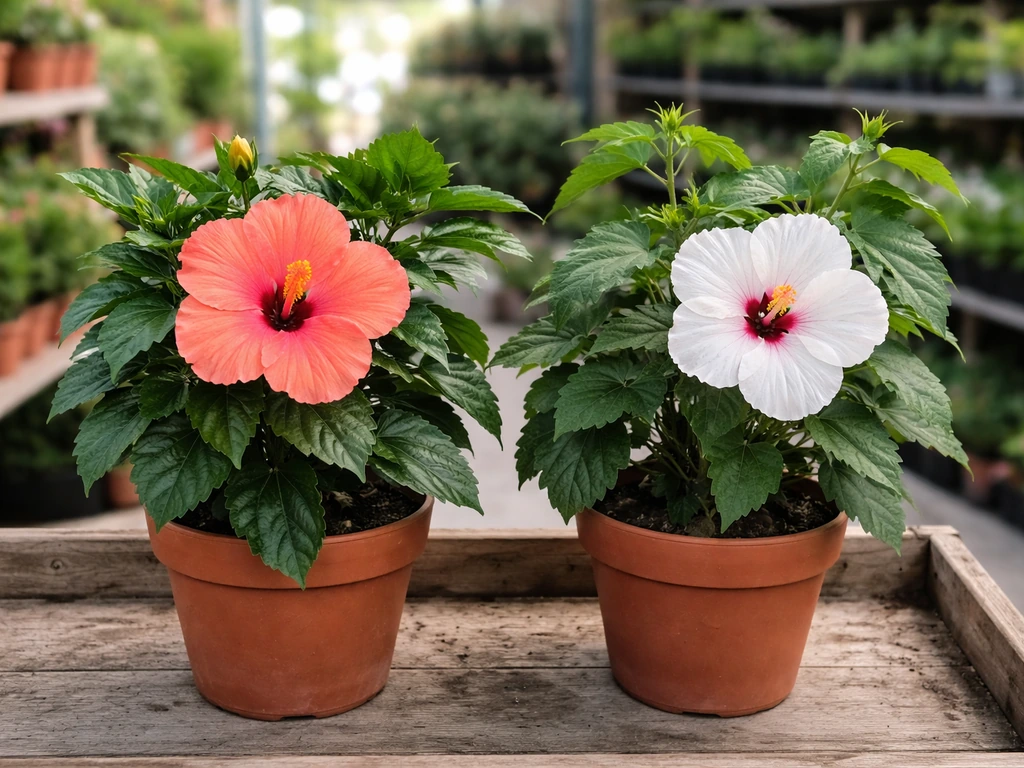
- Buying tropical hibiscus thinking it is the same as hardy hibiscus: This is the single most common mistake. Both are sold as 'hibiscus' in spring, often right next to each other. Read the tag every time.
- Panicking when hardy hibiscus does not emerge until May or June: This plant is one of the last perennials to wake up in spring. Give it until the end of May in zone 5b before writing it off.
- Pruning in fall instead of spring: Cutting stems to the ground in fall removes the natural protection the dead stems provide to the crown. Wait until you see new growth emerging in spring.
- Skipping mulch: In zones 5a and 5b especially, the crown of hardy hibiscus can be damaged during severe winters without mulch protection. A 4 to 6 inch layer over the crown is not optional in northern Illinois.
- Leaving tropical hibiscus outside too long: Once night temperatures drop into the 40s, tropical hibiscus starts to suffer. Do not wait for frost. Move it inside when the forecast consistently shows nights in the mid-40s.
- Planting in a shaded spot: Hardy hibiscus grown in partial shade will survive but produce fewer blooms and weaker stems. Full sun really is the requirement, not a suggestion.
- Expecting blooms in the first year from seed or small transplants: Hardy hibiscus can take a full growing season to establish before it blooms heavily. The second and third years are when it really performs.
One last thing worth knowing: hibiscus in general is a plant that rewards patience and correct placement. Illinois gardeners in zones 5 and 6 who plant hardy hibiscus in a sunny, sheltered spot with good drainage and proper mulching consistently report reliable bloom every summer. The tropical types are gorgeous and absolutely worth growing here, but they require a real commitment to the indoor overwintering routine. Decide which version of that commitment you are willing to make before you buy, and you will not be disappointed. If you want to see how the same decision plays out in another Pacific Northwest climate with its own set of challenges, the comparison is interesting when you look at growing hibiscus in Washington state, where moisture and mild temperatures create a very different set of trade-offs.
And if you have ever come across a garden catalog featuring tropical ornamentals like awapuhi in California and wondered whether any of those exotic plants could work in your Illinois garden, the answer is almost always: not without bringing them inside for winter. Illinois is a rewarding place to garden, but it demands honesty about what the climate will and will not tolerate.