
Yes, hibiscus can absolutely grow in California, and in most parts of the state it thrives with very little fuss. The real question is which type of hibiscus and where exactly you are in California, because the answer looks different if you're gardening in San Diego versus the foothills of the Sierra Nevada. The short version: Southern California and the coast are practically paradise for tropical hibiscus, while Northern California gardeners need to be a bit more strategic. Let's get into the specifics.
Can Hibiscus Grow in California? Northern to Southern Guide
Marcus Hartwell
9 Apr 2026
Quick answer by California region
California covers an enormous range of climates, so the answer to 'can hibiscus grow here?' really does depend on your zip code. Here's a fast breakdown by region:
| Region | Typical USDA Zone | Tropical Hibiscus | Hardy Hibiscus |
|---|---|---|---|
| Southern California (San Diego, LA, OC) | 10–11 | Yes, year-round outdoors | Yes, but often unnecessary |
| Central Coast (Santa Barbara, Monterey) | 9b–10a | Yes, with minimal frost caution | Yes |
| Central Valley (Sacramento, Fresno, Bakersfield) | 9a–10a | Yes, protect in cold snaps | Yes |
| San Francisco Bay Area | 9b–10a | Yes, coastal zones great; inland pockets riskier | Yes |
| Northern California (Redding, Chico, Napa inland) | 8b–9b | Risky in zone 8b; doable in 9a+ | Yes, very well |
| Mountain foothills / High elevation | 5–8a | No, unless in containers | Yes (zones 5–9) |
If you're in zones 9b and above, you can grow tropical hibiscus outdoors year-round with confidence. Below that, especially in zone 8 territory, you'll want to stick with hardy varieties or plan to bring plants inside during winter.
Tropical vs hardy hibiscus: which one fits California?
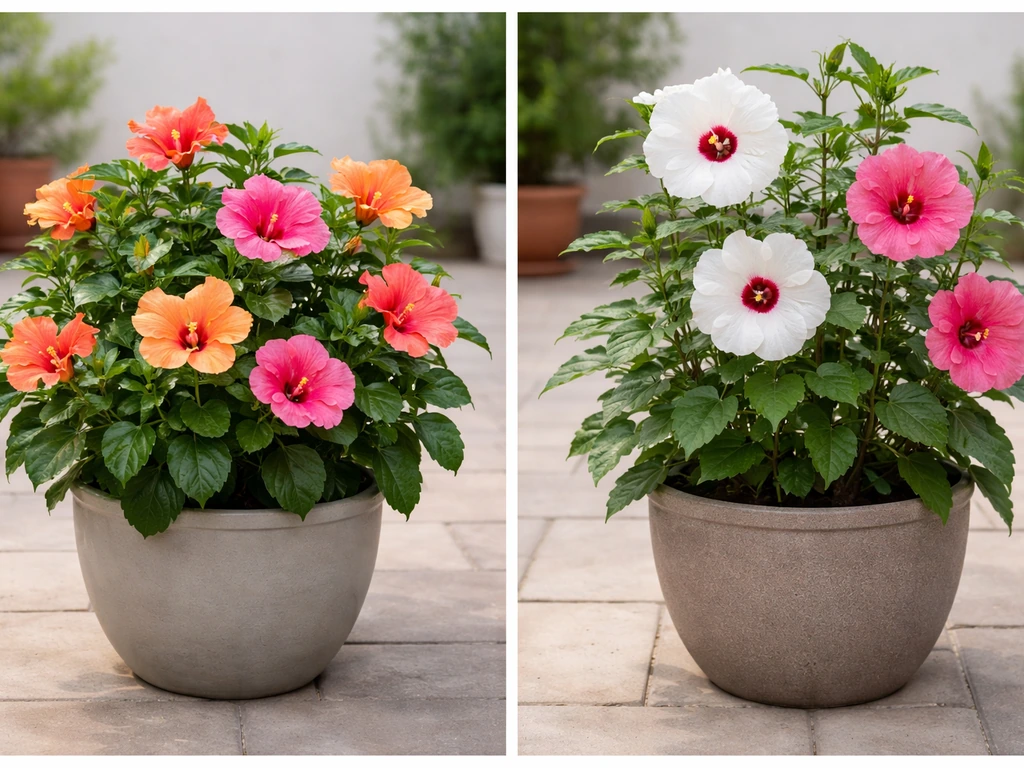
These two types of hibiscus look similar to a casual observer, but they behave very differently in cold weather, and that distinction drives almost every decision you'll make as a California gardener.
Tropical hibiscus (Hibiscus rosa-sinensis)
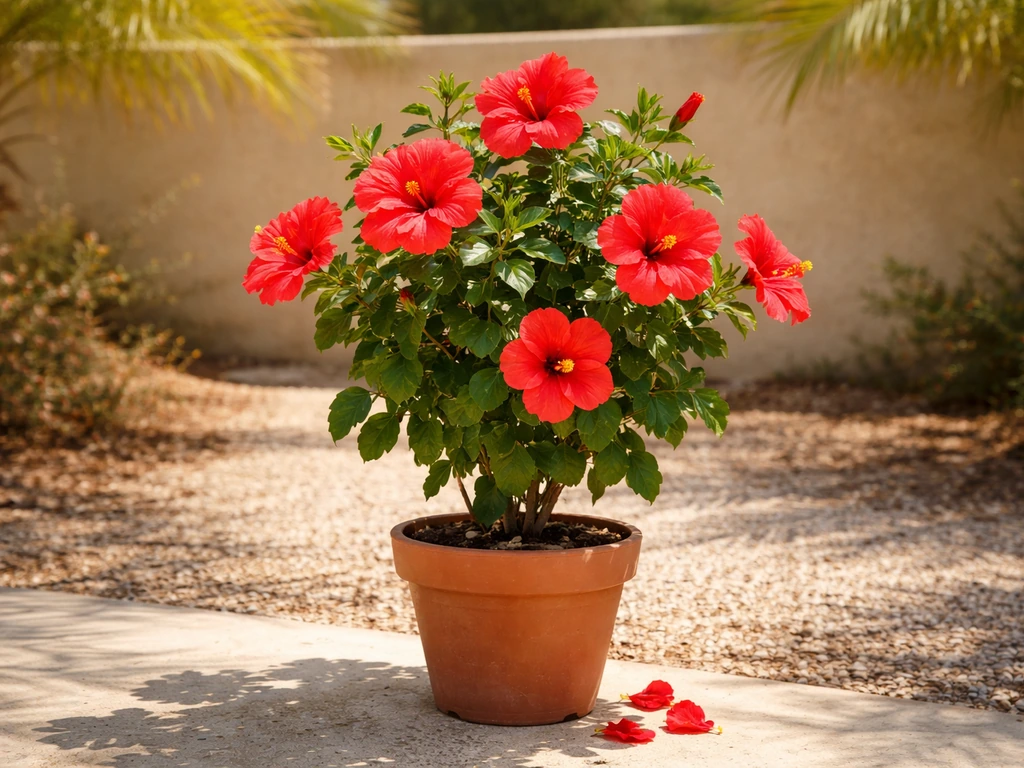
This is the classic showy hibiscus you picture when someone says the word, the one with dinner-plate blooms in red, orange, yellow, and pink. It's technically hardy only in USDA zones 9 through 11 as a permanent outdoor plant, which means most of Southern California and coastal areas are perfect for it. The catch is that tropical hibiscus is genuinely sensitive to cold. According to Smithsonian Gardens, it can show damage or even die at temperatures below 35°F. That's not a lot of cold tolerance. If you've ever seen one look burnt and sad after a surprise frost in January in Sacramento, that's exactly what's happening.
Hardy hibiscus (Hibiscus moscheutos and rose-of-sharon)
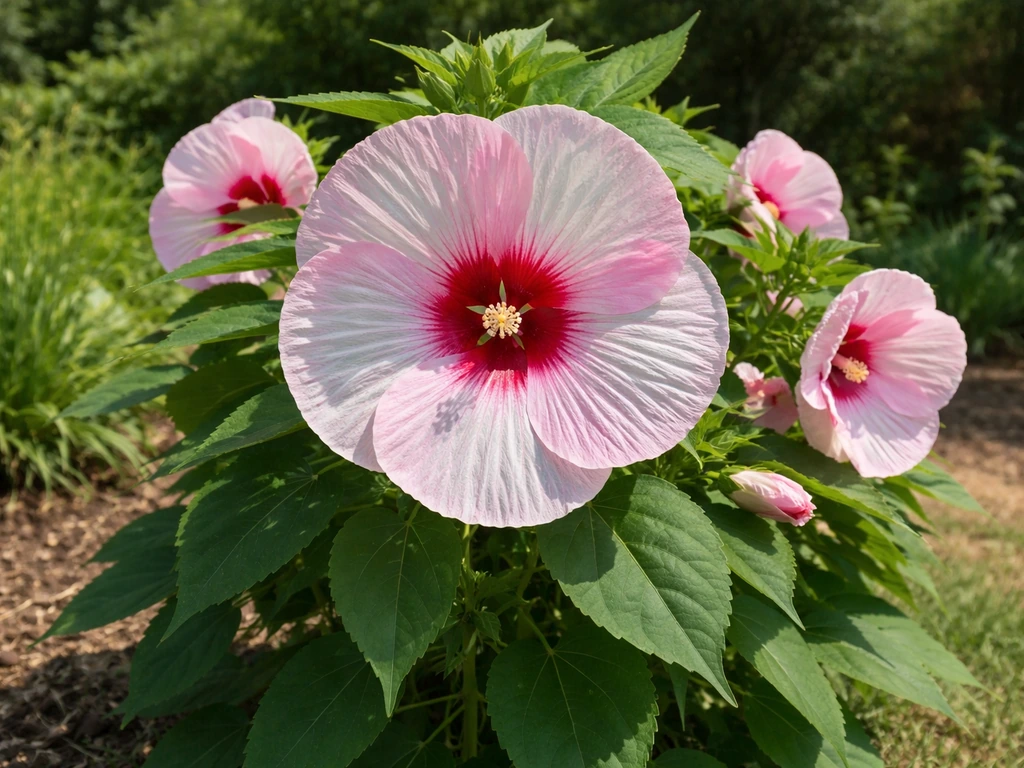
Hardy hibiscus covers a couple of different plants. Hibiscus moscheutos (swamp rose mallow) grows in USDA zones 4 through 9 and produces those famously enormous 'dinner plate' flowers. Rose-of-sharon (Hibiscus syriacus) is a landscape shrub that handles cold just as well. Neither of these will give you the neon tropical flower colors of H. rosa-sinensis, but they are rock-solid performers in climates where frosts are a real thing. Hardy hibiscus hybrids can survive winters down to around -30°F, so cold is basically never a limiting factor in California for these types.
For most California gardeners, the choice comes down to this: if you're in zone 9 or warmer, tropical hibiscus is the showier and more satisfying pick. If you're in zone 8 or colder, especially at elevation, go with hardy hibiscus and skip the stress.
Northern California: what's actually realistic?
Northern California gets the most questions because it's genuinely complicated. The region isn't one climate, it's dozens. The Sonoma and Napa valleys, most of the greater Sacramento area, and Redding all fall into zones 9a to 9b, which means tropical hibiscus can work there with a little winter attention. But move into the foothills east of Sacramento, or up into Shasta or Trinity counties, and you're in zone 8 territory where hard freezes are a regular event from November through February.
The Bay Area is its own story. Coastal microclimates in places like San Francisco, Marin, and the Peninsula tend to stay mild enough for tropical hibiscus, but inland East Bay pockets like Livermore can dip colder than you'd expect. It's worth noting that the 2023 USDA hardiness zone update shifted some Bay Area areas roughly half a zone warmer compared to the previous map, so if you looked up your zone a few years ago, it's worth rechecking. That small shift can be the difference between leaving a tropical hibiscus out over winter and needing to protect it.
For Northern California broadly: tropical hibiscus is feasible in the valleys and along the coast, but needs frost protection. Hardy hibiscus is the safer, more reliable bet if you want a perennial you don't have to babysit every November. If you're curious how growers in similarly borderline states manage this, the approach gardeners take in Washington State is actually pretty relevant, since parts of Northern California share a similar climate pattern of mild coastal zones bordered by colder inland areas.
Using your USDA zone and local microclimate to decide
Your USDA hardiness zone is the single most useful piece of information before you buy any hibiscus plant. The zone is calculated from the average annual extreme minimum temperature recorded at weather stations near you, so it's a real measure of how cold your spot gets, not just an average. You can look up your specific address on the 2023 USDA Plant Hardiness Zone Map, which was updated with newer climate data and is more accurate than the old 1990 version many older gardening books still reference.
But zones are averages, and California is famous for microclimates that break the rules. A south-facing wall in Sacramento can act like it's a full zone warmer than the official zone suggests, which is great for tropical hibiscus. A frost pocket in a low-lying backyard in Napa can get noticeably colder than the surrounding neighborhood. Before you commit to a tropical variety, think about where in your yard you're planting. Does it get radiant heat from pavement or a wall? Is it in a spot where cold air pools on still nights? These details matter more in California than almost anywhere else because the margins are so tight.
A good mental model: if your zone is 9b or above and you have a sunny, sheltered spot, plant tropical hibiscus with confidence. If your zone is 9a and you're in an exposed or low-lying location, treat tropical hibiscus as a borderline plant and have a backup plan. If you're zone 8b or below, skip tropical altogether as a landscape plant and go hardy.
Best planting conditions for California success
Getting the location right is half the battle. Hibiscus, whether tropical or hardy, wants full sun, and in California that's rarely the limiting factor. Aim for at least six hours of direct sun daily, though in the hottest Central Valley summers, some light afternoon shade can actually help prevent flower drop on tropical varieties during triple-digit heat waves.
- Sun: Full sun (6+ hours), with light afternoon shade during extreme heat in inland zones
- Soil: Well-draining, amended with compost; hibiscus roots do not like to sit in water
- Watering: Consistent moisture during the growing season; tropical hibiscus is thirstier than hardy types
- Fertilizer: A balanced fertilizer with higher potassium supports heavy blooming; apply every 4 to 6 weeks during the growing season
- Frost protection: In zones 9a and colder, position plants against south- or west-facing walls and have frost cloth on hand for cold snaps
- Mulch: A 2 to 3 inch layer of mulch over the root zone helps retain soil warmth in winter and moisture in summer
For Southern California specifically, tropical hibiscus can go in the ground in virtually any season, though spring planting gives it time to establish before the heat peaks. In Northern California and the Central Valley, a late spring planting after the last frost date is the safer call. Curious about whether the awapuhi plant can grow in California as a companion to your hibiscus? It's worth reading up on, since both plants share similar tropical preferences.
When your climate is borderline: containers and overwintering
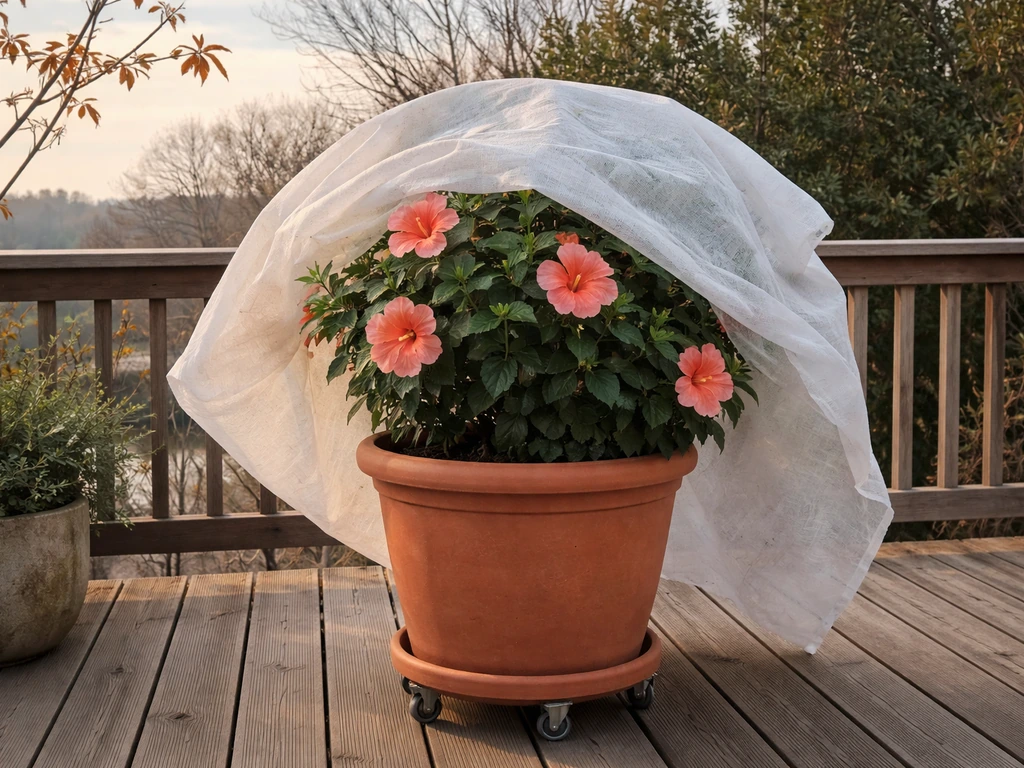
If you're in a zone 8b to 9a area, or just have a yard with a particularly cold microclimate, containers are your best friend. A tropical hibiscus in a large pot (15 gallons or bigger works well) can live outdoors from spring through fall and then move to a protected spot, an unheated garage, a covered porch, or indoors near a bright window, before your first expected frost. Chicago Botanic Garden recommends this exact approach for gardeners who want tropical hibiscus in cold climates: bring it indoors before frost, keep it in a cool but frost-free space, water sparingly, then acclimate it back outdoors gradually once temperatures stay reliably above 50°F in spring. If you are wondering whether hibiscus can grow in Illinois, the same container-and-overwintering strategy is often the easiest way to succeed with tropical varieties containers and overwintering.
In Northern California, where frosts can be unpredictable but not necessarily brutal, you often only need to protect plants for a few weeks in December and January. That makes the container strategy very practical. You're not storing the plant indoors for six months like a gardener in Michigan or Wisconsin would need to do. Even in Illinois, where winters are far more severe, hibiscus growers use this same container method successfully, so the approach is well-tested across many climates.
If containers aren't your style and you really want a perennial hibiscus in the ground in a colder Northern California spot, lean on hardy hibiscus varieties like 'Summerific' series moscheutos hybrids. They die back to the ground in winter but return reliably each spring, and you don't need to do a thing to protect them. The flowers are genuinely spectacular, and you lose nothing but the tropical color palette.
How to pick a variety and get started today
Here's a practical decision tree to help you act on this right now:
- Look up your USDA zone at the official 2023 USDA Plant Hardiness Zone Map using your zip code. Write it down.
- If you're zone 9b or above: go straight to tropical hibiscus (H. rosa-sinensis). Pick a cultivar based on color preference. Deep red and coral varieties like 'Brilliant' or 'Jason Blue' are popular in California landscapes and widely available at nurseries in spring.
- If you're zone 9a: choose tropical hibiscus but plant it in your warmest, most sheltered spot. Have frost cloth ready for winter cold snaps.
- If you're zone 8b or below: choose hardy hibiscus. Hibiscus moscheutos hybrids ('Luna', 'Summerific', 'Cranberry Crush') are excellent landscape plants for California's colder zones. Rose-of-sharon (H. syriacus) works well too if you want a shrub form.
- For any zone: visit a local independent nursery rather than a big-box store. Local nurseries in California typically stock varieties that are already pre-screened for your regional climate.
- Ask the nursery staff specifically what zone they stock for. This single question has saved me from more than a few impulse buys that would have died in the first frost.
One last thing worth keeping in mind: California is genuinely one of the better places in the country to grow hibiscus. Gardeners in places like New York have to work significantly harder to keep tropical hibiscus alive through winter. Most of California gets to skip that struggle entirely or deal with only a few weeks of frost risk. That's a real advantage, and it means the investment in a good hibiscus plant here pays off much more reliably than it does in colder states.
FAQ
Can hibiscus grow in California if I don’t want to use a container?
Yes, but only if you treat it like a “seasonal outdoor” plant rather than a permanent one. Use a pot with good drainage, move it indoors or to a frost-free sheltered area before your first hard freeze, and bring it back only after night temperatures stay consistently above about 50°F.
Is it safe to plant tropical hibiscus in the ground anywhere in California?
Planting in the ground is mostly safe for tropical hibiscus only in USDA zones 9 through 11. In zone 8, most locations will likely see enough freezes to cause dieback or repeated setbacks, so hardy hibiscus is a better landscape choice unless you plan on frost protection.
My USDA zone says 9a, but my yard freezes. What should I trust?
Use your microclimate, not just the map. A sunny south-facing wall, a raised bed, or a slightly elevated patio can warm the root zone and reduce frost exposure. In contrast, low areas that collect cold air (frost pockets) can drop colder than your official zone, even within the same neighborhood.
Will hibiscus come back after winter in California?
Dormancy is normal for hardy hibiscus. Many hardy types die back to the ground after cold weather, then regrow in spring from established roots. With tropical hibiscus, dieback often signals freeze damage, not a planned dormancy cycle, so treat it as a temperature problem.
What pot size and watering approach helps hibiscus survive indoors in winter?
Avoid oversized pots if you struggle with overwatering, because wet, cool soil can slow growth and encourage root issues. For containers, a large pot helps stability, but prioritize a fast-draining mix and a pot that drains freely, then adjust watering based on how quickly the mix dries.
Can I acclimate a tropical hibiscus back outside in spring without losing blooms?
Yes, but move it gradually. Tropical hibiscus can drop buds if it swings from indoor conditions to full sun too fast, especially in hot, dry Central Valley summers. Start with partial sun for a week or two, then increase direct sun as the plant acclimates.
What light conditions matter most for hibiscus in California?
Most hibiscus in California will struggle more from cold damage and poor drainage than from lack of sun. That said, consistent full sun (about six hours) supports more flowering, and in extreme heat, light afternoon shade can reduce flower drop on tropical varieties.
Does choosing hardy hibiscus mean I can ignore winter entirely if it’s potted?
Not always. Hardy hibiscus can handle frost, but containers can still be tricky because the pot freezes faster than ground soil. If you keep hardy hibiscus in a container, protect the root ball by insulating the pot or temporarily moving it to a sheltered spot.
When is the best time to plant hibiscus in different parts of California?
Yes, but be realistic about timelines. Spring planting after the last frost date is safest in Northern California, and giving tropical hibiscus time to establish before peak heat improves flowering. In warmer parts of Southern California, planting anytime often works, but spring still helps it settle before summer stress.
Should I prune hibiscus before winter or wait until spring in California?
Prune and protect based on type. For tropical hibiscus, wait until after cold risk passes to do major shaping, and remove dead tips only after growth resumes. For hardy hibiscus, you can leave stems through winter, then prune back in spring when you can see new shoots forming.