
Yes, awapuhi can grow in California, but where you live in the state makes all the difference. If you're in Southern California, the Bay Area, or coastal Central California with mild winters, you can plant it in the ground and largely leave it alone. If you're in the Central Valley, the foothills, or anywhere that dips below 25–28°F in winter, you're looking at a container plant that comes indoors when it gets cold. The plant most commonly sold as awapuhi in U.S. nurseries is Alpinia zerumbet, also called shell ginger, and it's rated hardy in USDA zones 9B through 11. California has plenty of those zones, but it also has plenty that fall short of them.
Can Awapuhi Plant Grow in California? Where to Plant
Marcus Hartwell
15 May 2026
Which awapuhi are you actually buying?
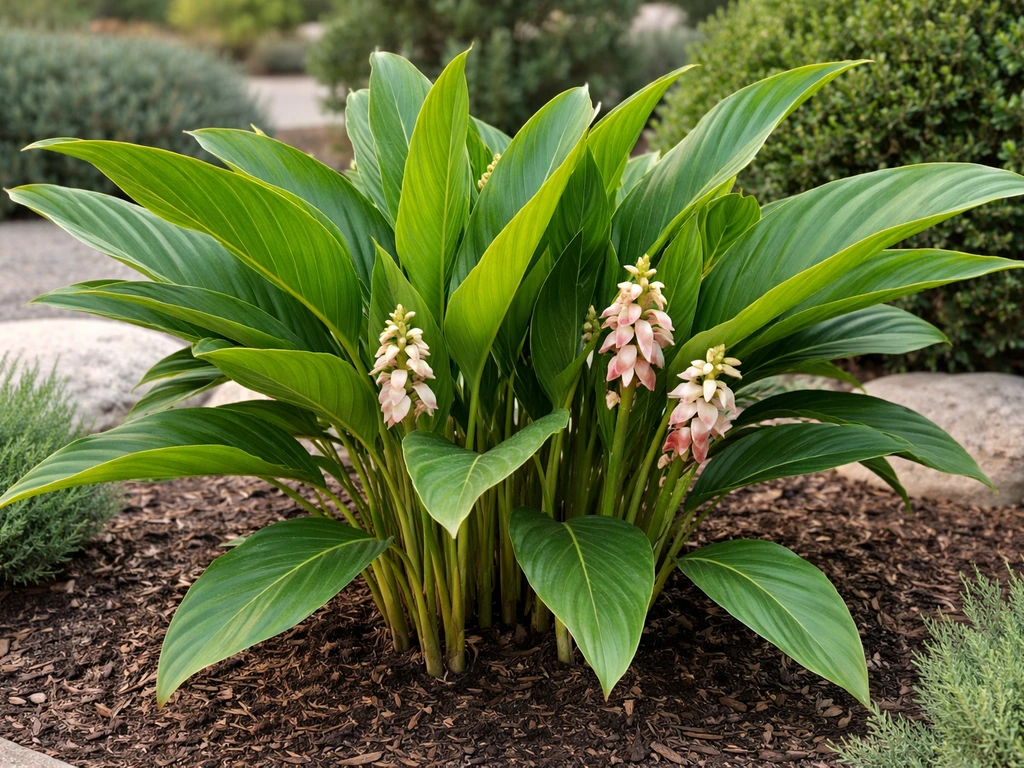
This is the first thing to sort out before you spend money, because the name 'awapuhi' gets used loosely. The Hawaiian word 'awapuhi' traditionally refers to wild ginger (Zingiber zerumbet), the plant behind the famous Paul Mitchell shampoo. But blank" rel="noopener noreferrer">the plant most commonly labeled 'awapuhi' at California nurseries and garden centers is Alpinia zerumbet, also sold as shell ginger or shellflower. It's a tall, tropical-looking ginger with dramatic drooping flower clusters that look like strings of porcelain shells. Completely different plant, same nickname in casual use. Can hibiscus grow in Wisconsin? Those same winter-cold concerns are what you should be thinking about when choosing a hardy hibiscus for your area.
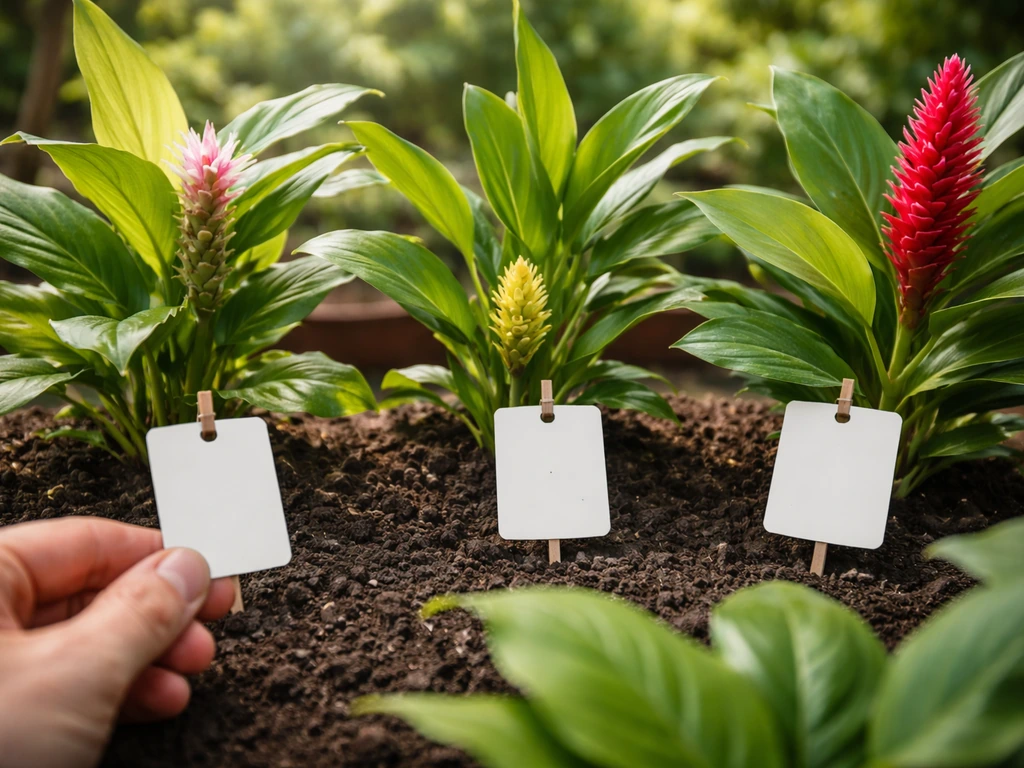
Before you buy anything, flip the tag over and look for the Latin name. Alpinia zerumbet is the one with reliable nursery availability, documented hardiness data, and the best odds in California. Zingiber zerumbet is harder to find and a little more cold-sensitive. Siphonochilus aethiopicus, sometimes called African ginger or the 'awapuhi' of traditional Zulu medicine, occasionally shows up in specialty catalogs but is rarely what's being sold at a local California nursery. For this guide, Alpinia zerumbet is what we're working with because it's what you'll almost certainly end up with.
Where in California it actually works
Alpinia zerumbet is rated for USDA zones 9B through 11.) Most of coastal Southern California (Los Angeles, San Diego, Orange County, Ventura) sits firmly in zones 10 and 11. The Bay Area ranges from zone 9B to 10B depending on how close to the water you are. Much of the California coast from Santa Barbara down to the Mexican border is essentially ideal in-ground territory. If you're in one of those places, just plant it, water it, and enjoy it.
The story changes fast once you move inland. The Central Valley (Sacramento, Fresno, Bakersfield) hovers around zones 9A to 9B, which puts it right at the borderline. Cold snaps in those areas can push into the upper 20s, which will kill Alpinia zerumbet to the ground and may kill the rhizome entirely if the freeze is hard or prolonged. The foothills above the valley and inland mountain areas fall into zones 7 and 8, which are simply too cold for this plant outdoors. Coastal fog zones like San Francisco's Outer Sunset are mild but stay cool and damp year-round, which actually suits awapuhi reasonably well as long as you protect it from the rare cold snaps. In cooler climates, you can still try growing hibiscus in New York, but you will likely need to overwinter it indoors or as a container plant.
| California Region | Typical USDA Zone | In-Ground Viability | Notes |
|---|---|---|---|
| San Diego / coastal SoCal | 10–11 | Excellent | Ideal conditions; minimal protection needed |
| Los Angeles basin / Orange County | 10–10B | Excellent | Full outdoor planting; thrives with occasional watering |
| Bay Area (bayside) | 9B–10A | Good | Protect from rare frost; coastal fog is fine |
| San Francisco (fog belt) | 9B–10A | Good | Cool but mild; watch for rare cold snaps |
| Central Valley (Sacramento, Fresno) | 9A–9B | Risky | Can work but freeze damage likely in cold winters |
| Inland Empire / Riverside | 9B–10A | Good with protection | Hot summers; needs consistent moisture |
| Foothills / Sierra Nevada foothills | 7–8 | Not recommended outdoors | Container only; bring inside when frost threatens |
| Mountain regions (Big Bear, Tahoe) | 5–7 | No | Container only with full indoor overwintering |
Container vs. in-ground: what setup to use
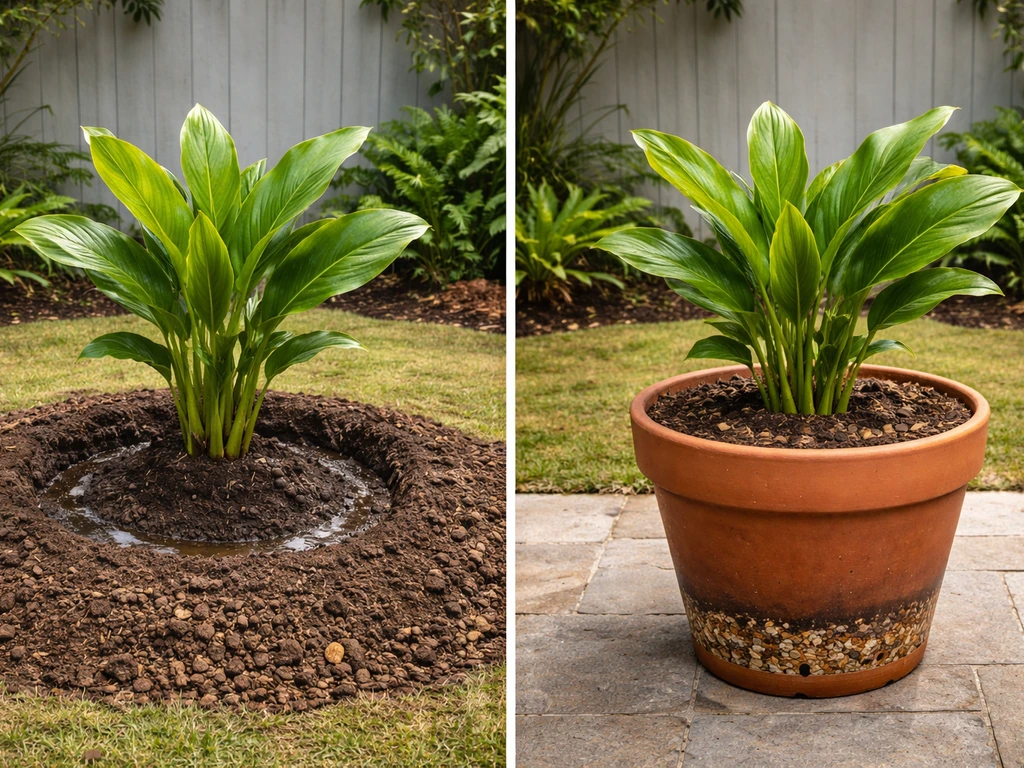
If you're in zone 10 or above, plant it in the ground. Full stop. Awapuhi planted in the ground grows faster, gets bigger (often 6 to 8 feet tall with regular water), and puts on a much better show than a container-bound plant. It also develops a more robust rhizome system that helps it bounce back from any weather stress.
If you're in zone 9A to 9B, you have a real choice to make. In-ground planting can work, especially against a south-facing wall that traps heat, but you're gambling on winter lows. A container setup gives you insurance: when a cold front rolls in, you roll the plant into a garage or shed. Use a large container (at least 15–20 gallons) because awapuhi wants room to spread, and choose a pot you can actually move. A wheeled plant caddy is worth every penny.
For sun and shade placement, Alpinia zerumbet is flexible but has preferences. It does well in partial shade to dappled light, which is actually a good fit for the shadier spots under California's larger shade trees or on the east side of a structure. In Southern California's intense inland heat, direct afternoon sun will scorch the leaves badly. Morning sun with afternoon shade is the sweet spot. On the cooler coast, it can handle more sun without burning. Coastal gardeners often find it thrives in spots that get 4 to 6 hours of direct light with filtered shade the rest of the day.
What it needs for heat, cold, and moisture
The critical cold threshold is around 28–32°F. At 32°F, the foliage will get damaged. At 28°F or below, the rhizomes can be killed if exposed for more than a few hours. In the ground, you can protect rhizomes with a thick mulch layer (3 to 4 inches of wood chips or straw) over the root zone before a cold snap. The tops may still die back, but the plant will often resprout from the ground in spring. Don't count on this working more than once or twice per season, and don't count on it at all below 25°F.
On the heat side, awapuhi handles California's warm summers well as long as it gets consistent moisture. This is actually the bigger management challenge for most California gardeners: the plant wants humidity and regular water, and California summers are dry. In the Central Valley or Inland Empire, you'll need to water deeply two to three times per week in peak summer and possibly mist the foliage to compensate for low humidity. Drip irrigation on a timer works well. Without adequate moisture, the leaf tips will brown and curl regardless of temperature.
Drainage matters a lot. Alpinia zerumbet hates soggy roots. If your soil stays wet for days after rain or irrigation, you'll rot the rhizome. Amend clay-heavy California soils with compost and coarse sand before planting. Raised beds or mounded planting areas work well in low-drainage spots.
Finding the right plant before you buy
In California, Alpinia zerumbet shows up at specialty tropical nurseries, larger independent garden centers, and occasionally at big box stores in Southern California during the spring. Online sources like Logee's, Florida Hill Nursery, and several California specialty growers ship healthy rhizomes and potted plants. When buying online, check that the plant is labeled Alpinia zerumbet specifically, not just 'ginger' or 'awapuhi,' because those labels can attach to a dozen different species.
Pay attention to the mature size listed on the tag. The standard Alpinia zerumbet will reach 6 to 8 feet tall and spread 3 to 4 feet wide. There's also a variegated cultivar ('Variegata') that stays slightly smaller and is widely available. Both perform similarly in California conditions. If you're container growing, the variegated form is a more manageable size, and its striped gold-and-green foliage is honestly more decorative anyway.
Planting, overwintering, and keeping it going year to year
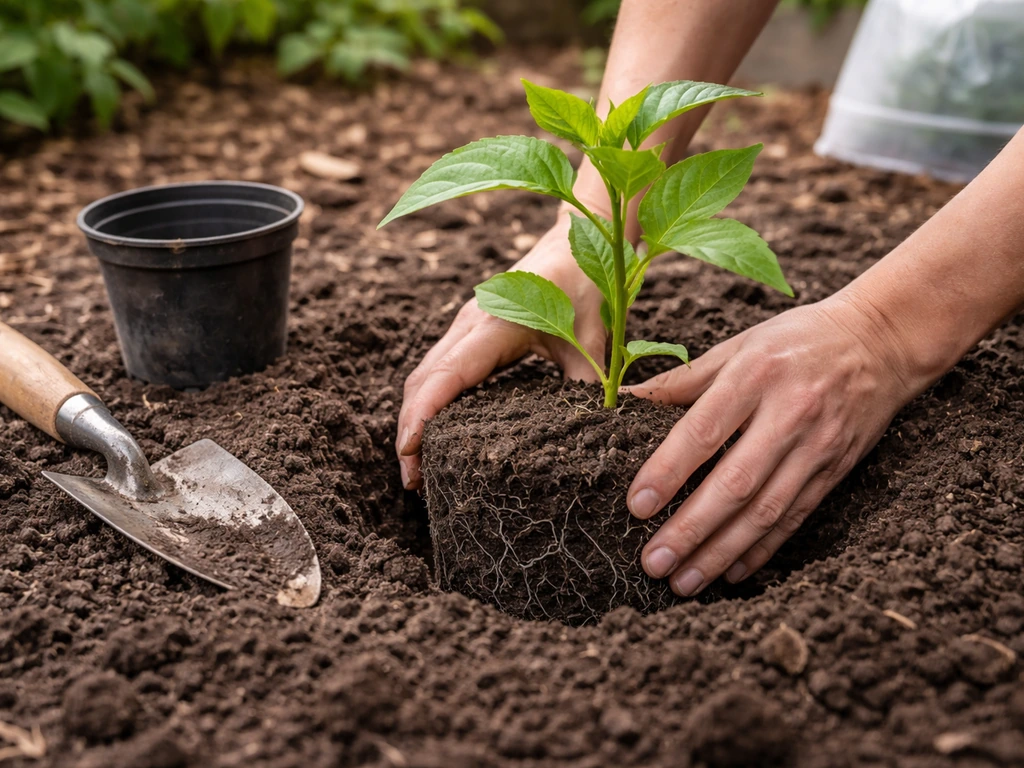
Plant in spring after your last frost date, which in most California locations is February through March. Dig a hole twice the width of the root ball and about as deep, mix in plenty of compost, and set the rhizome just at or slightly below the soil surface. Water it in well and mulch generously. The plant grows from the rhizome outward, so give it room to spread over the years.
For overwintering in zones 9A and 9B, the plan is simple: watch the forecast. When lows are predicted below 35°F, take action. For in-ground plants, pile on the mulch and cover with frost cloth. For container plants, bring them inside to a garage, shed, or bright indoor room. The plant goes semi-dormant in cool conditions, so it doesn't need much light indoors, just protection from freezing. In spring, once nighttime temps are consistently above 50°F, move it back outside gradually to avoid shock.
- Plant in spring after frost risk has passed, typically March to April in most California regions.
- Amend soil heavily with compost for drainage; avoid planting in low spots that collect water.
- Place in morning sun with afternoon shade protection, especially in hot inland areas.
- Water deeply and consistently through summer; use drip irrigation if possible.
- Mulch 3 to 4 inches around the base to retain moisture and protect rhizomes from cold.
- Cover with frost cloth or bring container plants indoors when temps drop below 35°F.
- Divide overgrown clumps every 3 to 4 years in spring to keep the plant vigorous.
What can go wrong in California (and how to stay realistic)
The most common failure point in California is cold damage in inland areas. Even in zone 9B locations, a single hard freeze in January can wipe out above-ground growth or kill the rhizome entirely if it's not mulched and protected. If you're in Sacramento or Fresno and you skip the frost cloth one night, don't be surprised if you're starting over in spring. This isn't a set-it-and-forget-it plant for borderline zones.
Sun scorch is the second most common problem, especially in Inland Empire, Central Valley, and desert-adjacent locations. The large, tropical leaves look terrible when scorched: bleached, papery patches that won't recover. Moving the plant to a more sheltered, shadier location mid-season isn't always practical, so getting the placement right from the start is important. When in doubt, shade is safer than full sun for this plant in hot California summers.
Root rot from overwatering or poor drainage is the third issue, particularly for container growers who tend to love their plants a little too much. Make sure your pot has adequate drainage holes and that you're letting the top inch of soil dry out slightly between waterings. In California's rainy winters, move containers under an overhang or porch to avoid waterlogged soil.
Realistic expectations: in the right California location (coastal SoCal, Bay Area with protection), awapuhi is a genuinely rewarding and low-maintenance garden plant. If you are wondering about growing it in Washington State, the key factor is whether you can reliably protect it from cold winter temperatures and keep moisture levels consistent can hibiscus grow in washington state. It gets big, it flowers, and it brings a real tropical feel that pairs beautifully with hibiscus, bird of paradise, and other warm-climate showoffs. Can hibiscus grow in Illinois? In most cases, you will need a warm, sunny spot and protection during cold weather. If you live in Michigan, you can still grow hibiscus outdoors only during warm months, while frost protection or container growing is usually needed in colder seasons. In borderline or cold inland zones, it's a high-effort container plant that demands attention in winter. Be honest with yourself about how much work you want to do before you commit to it in a zone 9A garden.
FAQ
I live in California but my neighborhood runs colder than nearby areas, can awapuhi still work?
In California, the biggest difference is not just latitude, it is your winter low temperature and how long it stays there. If your location routinely dips into the low-to-mid 20s, assume the rhizomes can die and plan on a container that can move indoors, or choose a very sheltered microclimate (for example, a south-facing wall plus heavy mulch).
Is USDA zone 9A or 9B enough to guarantee awapuhi will survive the winter?
Don’t rely on a single yearly “average low.” Check the record of coldest nights and the typical duration of cold snaps, because brief freezes can still kill the foliage and a prolonged exposure at or below about 28°F can damage rhizomes. If you get sudden January cold fronts, treat your zone 9A or 9B spot as borderline.
If my awapuhi is container-grown in a borderline zone, can I keep it outdoors through winter with some protection?
Yes, but only if you can keep the plant above freezing and out of soggy conditions. Awapuhi does best in a bright, protected indoor area during cold weather, and it still needs regular moisture, not wet soil. In containers, letting the top inch dry slightly between waterings helps prevent rhizome rot.
Can I just mulch my in-ground awapuhi instead of using frost cloth?
No, “mulch and hope” is risky in inland zone 9A. Mulch helps insulate, but it is not a substitute for frost cloth during hard freezes, especially when the forecast calls for lows near the critical threshold. For in-ground plants, use both insulation (3 to 4 inches of mulch) and a temporary cover when cold snaps are imminent.
My awapuhi got frost damage, how can I tell if it will come back?
If you see leaves blacken or die back after a cold night, don’t assume the plant is finished. Wait until spring growth, the rhizome often resprouts if it was not exposed to lethal cold for long. Still, avoid heavy fertilizing right after a freeze, give it time to re-establish.
What’s the most common reason awapuhi dies in California besides cold, and how do I prevent it?
For awapuhi, consistent drainage beats frequent watering. If the soil stays wet for days (common in low spots and heavy clay), rhizome rot becomes the limiting factor. The practical fix is amending with compost and coarse material, planting on a mound or raised bed, and avoiding irrigation that keeps the root zone constantly damp.
How do I handle awapuhi’s water needs in hot, dry inland California?
In-ground in California’s right zones, awapuhi is often planted as “set it and forget it” once established, but it still needs humidity-like moisture management during dry summers. A reliable routine is deep drip irrigation on a schedule, and in very dry inland areas you may need to mist selectively or use a humidity-friendly placement. Brown leaf tips are often an early warning of inconsistent moisture rather than sun damage.
Where should I plant awapuhi to avoid leaf scorch in Inland Empire or Central Valley conditions?
Placement matters for heat stress and scorch, but also for airflow. In full inland sun, afternoon exposure is the most likely to burn leaves, morning sun with afternoon shade is safer. Avoid tight corners where heat and reflected light intensify the burn, and consider filtered shade under larger trees.
What should I verify when purchasing awapuhi to make sure I get the right plant for California?
If you are buying online, confirm the Latin name is Alpinia zerumbet and look for tag or listing photos that match that species’ drooping “shell” flower clusters. Generic labels like “ginger” or “awapuhi” can lead to the wrong species with different cold tolerance, so verify before shipping.
What container size is best if I’m growing awapuhi to protect it from California cold?
For container growing, size influences survival because small pots freeze and dry out faster. Choose at least a 15 to 20 gallon container if you want it to handle winter moves and recover quickly in spring. Also use a container you can roll or carry easily, because you will likely need to move it during cold snaps.
Why do different sources give different cold tolerances for “awapuhi” in California?
The label can be misleading on “awapuhi” because the Hawaiian name has been used for multiple gingers. In California nurseries, the plant most commonly sold as awapuhi is Alpinia zerumbet, sold under names like shell ginger. If your tag does not show Alpinia zerumbet, assume the care and hardiness may not match what you read for that species.