
Yes, hibiscus can grow in Wisconsin, but the answer depends entirely on which type you're talking about. Hardy hibiscus (Hibiscus moscheutos, also called rose mallow) can live in the ground year-round across most of Wisconsin. Tropical hibiscus (Hibiscus rosa-sinensis) cannot survive a Wisconsin winter outdoors and needs to come inside every fall. That one distinction will save you a lot of money and frustration, so let's break it down by type and then get into exactly what you need to do to succeed here.
Can Hibiscus Grow in Wisconsin? Hardy vs Tropical Guide
Marcus Hartwell
18 Apr 2026
Hardy vs. Tropical Hibiscus: Which One Are You Actually Buying?
Walk into any garden center in May and you'll see two very different plants both labeled 'hibiscus.' Knowing which is which before you hand over your money is the most important step in this whole process.
Hardy Hibiscus (Hibiscus moscheutos / Rose Mallow)
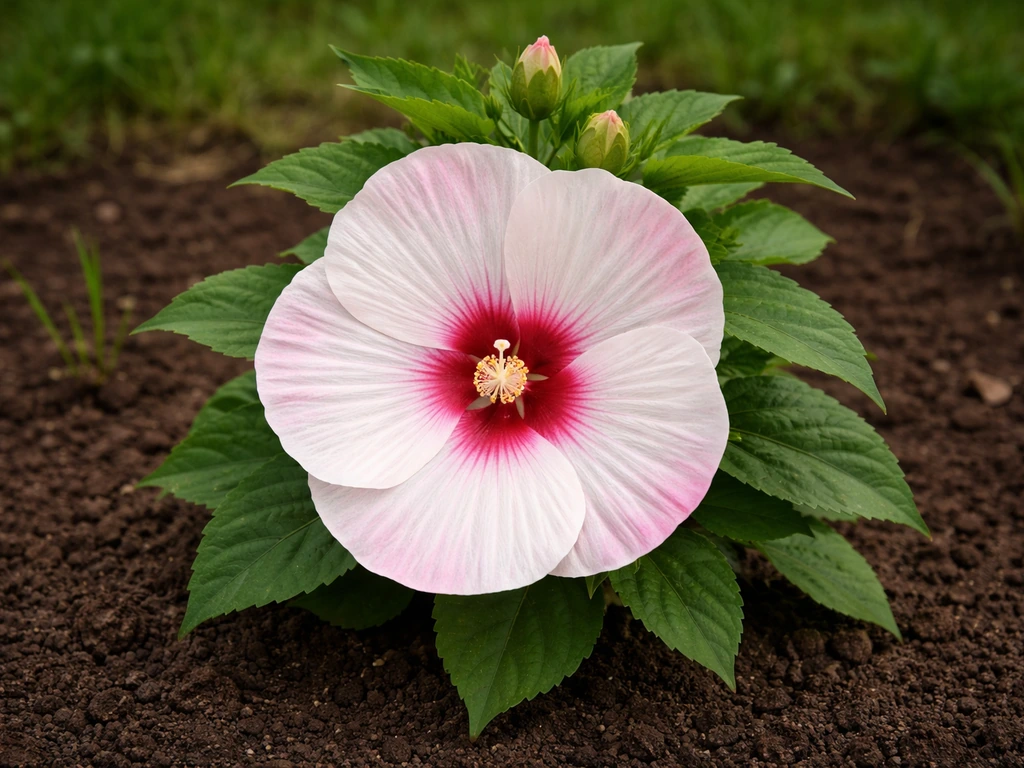
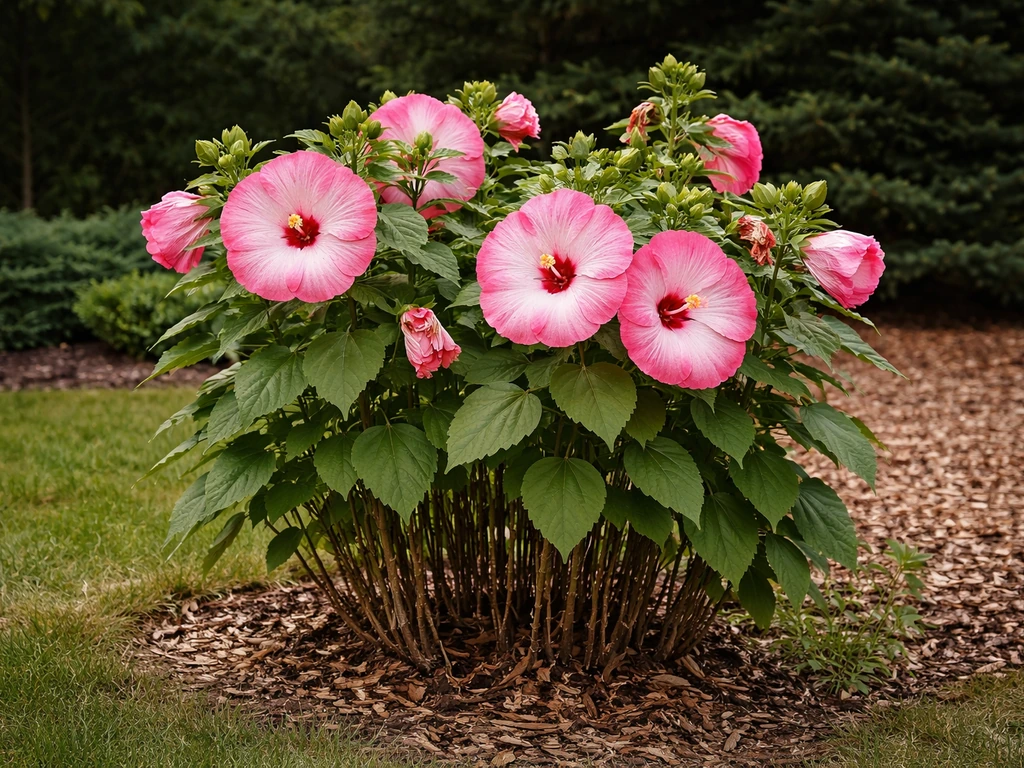
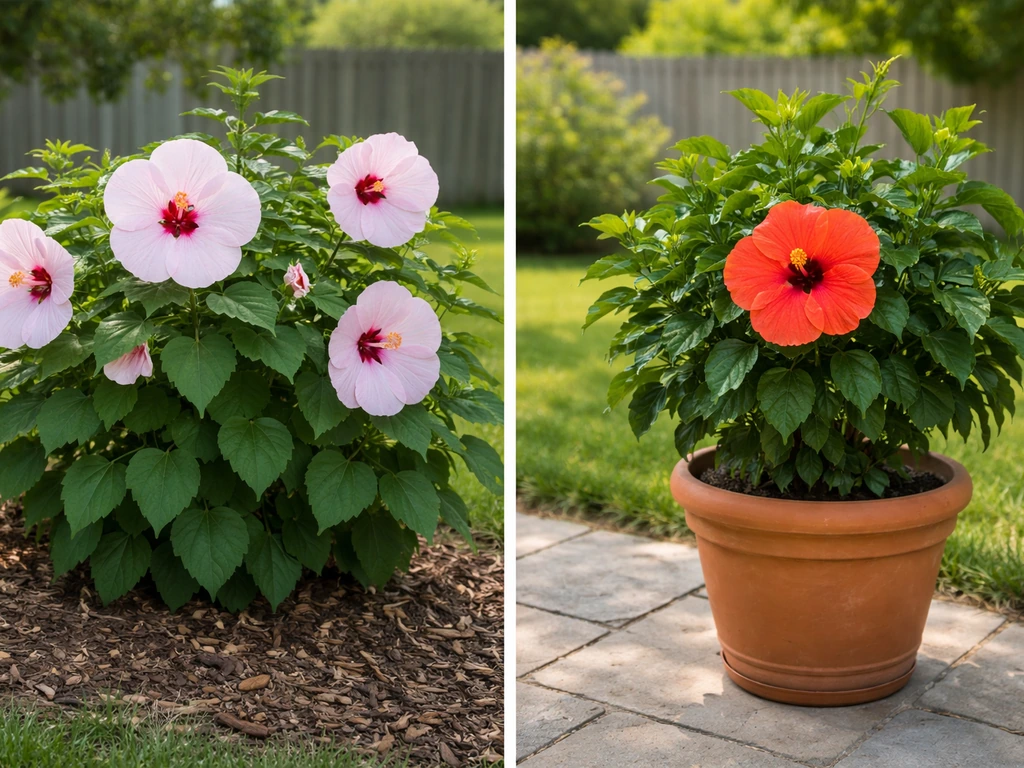
Hardy hibiscus is a true perennial that dies back to the ground in winter and returns from the roots in spring. It's rated hardy to USDA zones 4a through 9b, which covers the vast majority of Wisconsin. The blooms are enormous, often dinner-plate sized, in shades of white, pink, red, and bicolor. This is the one Wisconsin gardeners should be reaching for first. Cultivars like 'Lord Baltimore,' 'Disco Belle,' and 'Luna' are popular and widely available.
Tropical Hibiscus (Hibiscus rosa-sinensis)
Tropical hibiscus is the glossy-leaved, brightly flowered shrub you see at florists and in patio containers. It's only reliably hardy in USDA zones 9 through 11, which means it's killed by freezing temperatures. Wisconsin Extension specifically calls out 'Lord Baltimore' when treated as a tropical variety as a 'tender tropical' that frost will kill. If you plant this one in the ground and leave it, you will lose it every single year. That said, it's absolutely worth growing in Wisconsin, just not in the ground.
A Quick Side-by-Side
| Feature | Hardy Hibiscus (H. moscheutos) | Tropical Hibiscus (H. rosa-sinensis) |
|---|---|---|
| USDA Zone Hardiness | 4a–9b | 9–11 |
| Survives Wisconsin Winters Outdoors? | Yes (most of the state) | No |
| Plant Type | Herbaceous perennial | Tropical shrub |
| Bloom Size | Up to 12 inches across | 3–6 inches |
| Typical Foliage | Large, matte green leaves | Glossy, dark green leaves |
| Wisconsin Growing Method | Plant in ground | Container; overwinter indoors |
| Common Cultivars | Lord Baltimore, Luna, Disco Belle | Braided standard, patio shrubs |
Wisconsin's Climate Reality: Zones and Cold Limits
Wisconsin spans USDA hardiness zones 3 through 6 on the updated 2023 map, based on 30-year averages of average annual extreme minimum winter temperatures. The 2023 USDA Plant Hardiness Zone Map is based on the average annual extreme minimum winter temperature, using 10°F zones and 5°F half-zones. The northern part of the state, around areas like Ashland and Iron County, sits in zone 3 where temperatures can plunge to -40°F or colder. Central Wisconsin falls into zones 4 and 5. The warmest corners of the state, the southeast around Milwaukee and Kenosha near Lake Michigan, reach zone 6. Madison, in the south-central area, is typically zone 5, and the state climatology office records a all-time low of around -37°F in Madison back in January 1951. The point is, these are real, serious cold temperatures that eliminate most tropical plants outright.
When you're choosing any plant for Wisconsin, the USDA zone number is the single fastest filter you have. If the plant's minimum hardiness zone is higher than your zone, it won't survive unprotected outdoors. Hardy hibiscus clears that bar for nearly all of Wisconsin. Tropical hibiscus does not, for any part of Wisconsin.
The Direct Answer: Can Hibiscus Grow in Wisconsin?
| Hibiscus Type | Zones It Needs | Wisconsin Zones Available | Outdoor Year-Round? | Verdict |
|---|---|---|---|---|
| Hardy Hibiscus (H. moscheutos) | 4a–9b | 3–6 | Yes, zones 4–6; marginal in zone 3 | Reliable choice for most of Wisconsin |
| Tropical Hibiscus (H. rosa-sinensis) | 9–11 | 3–6 | No | Container only; must overwinter indoors |
If you're in Milwaukee, Madison, Green Bay, or anywhere in the southern two-thirds of the state, hardy hibiscus will reliably come back year after year with minimal effort. If you're in the northern tier, zone 3 areas around Rhinelander or Superior, you can still grow hardy hibiscus but you'll want to give it a protected spot and some winter mulch to be safe. UW, Madison Extension notes that when you plant affects winter survival, and it discusses winter burn or winter injury risks for marginally hardy plants, including considerations like mulching winter mulch. Tropical hibiscus is a viable patio plant anywhere in Wisconsin during summer, but plan on moving it inside before the first frost every single fall.
Wisconsin shares a lot of climate overlap with neighboring Michigan and Illinois. If you're wondering can hibiscus grow in Illinois, the same hardy-versus-tropical choice and cold protection advice applies. If you want to grow hibiscus in colder parts of Washington, it helps to choose hardy hibiscus and plan for protection during freezes. Gardeners in those states face the same tropical-vs-hardy decision, and the same advice applies: hardy hibiscus is your go-to for in-ground planting. Gardeners in Michigan should use the same approach: hardy hibiscus is the reliable choice for in-ground planting.
Where to Plant Hibiscus for the Best Chance of Survival
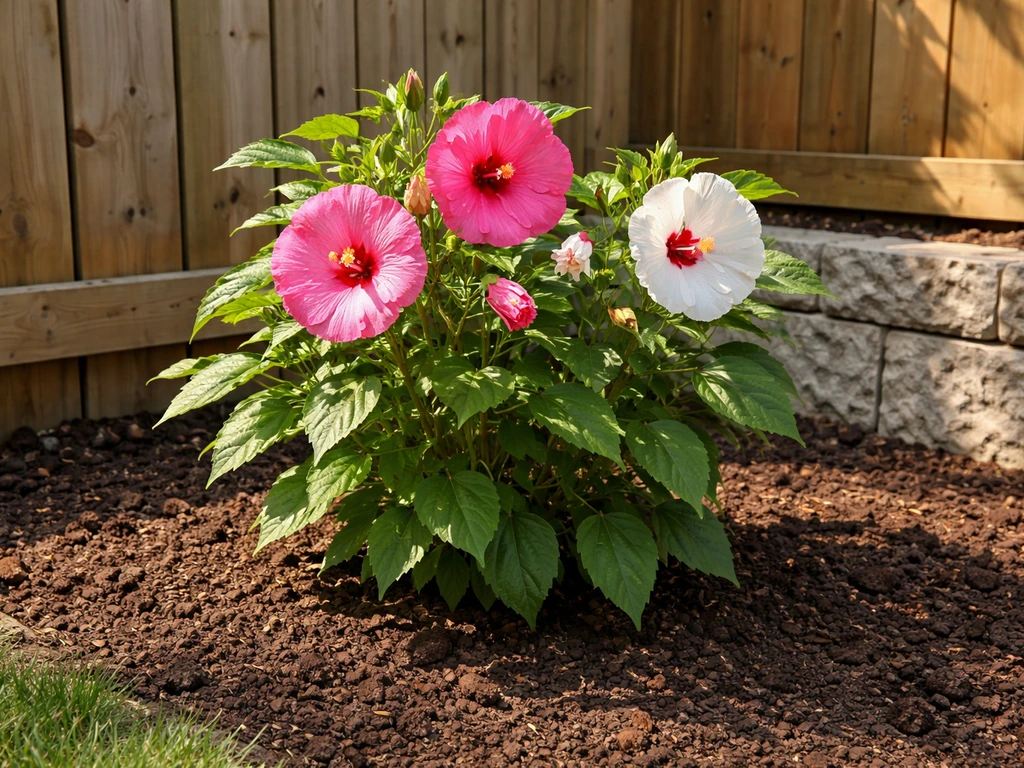
Site selection matters more than most people realize, especially in a state with Wisconsin's wind exposure. Hardy hibiscus stems can be susceptible to breaking at the base in severe winds, and getting snapped off right at ground level is one of the more frustrating things to watch happen to an otherwise healthy plant. Wisconsin Extension flags this specifically, so pick your spot with that in mind.
- Full sun is non-negotiable: hibiscus wants at least 6 hours of direct sunlight daily, and 8 hours is better. Less than that and you'll get leggy growth and fewer blooms.
- Choose a sheltered location: planting near a fence, garage wall, or dense shrub border gives wind protection and can also create a slightly warmer microclimate in winter.
- South or southeast-facing spots are ideal in Wisconsin: they maximize sun exposure and reduce exposure to cold northwest winds.
- Avoid low-lying frost pockets: areas where cold air settles on still nights will hit tropical hibiscus containers especially hard in fall.
- For tropical hibiscus in containers, place on a south-facing patio or deck. Containers heat up faster and the plant responds with faster, stronger growth.
Overwintering Hibiscus in Wisconsin
How you handle fall and winter is the single biggest factor in whether your hibiscus comes back strong. The strategy is completely different depending on which type you have.
Overwintering Hardy Hibiscus
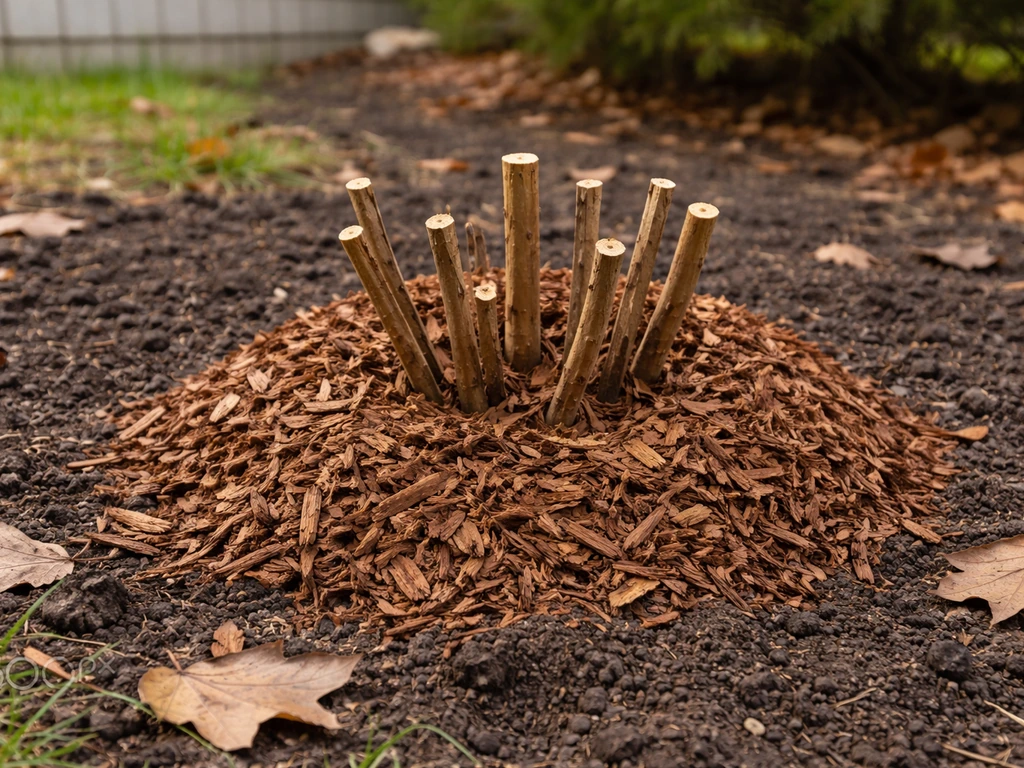
Hardy hibiscus dies back to the ground in fall, and that's completely normal. Do not dig it up thinking it's dead. This is actually one of the most common mistakes Wisconsin gardeners make, and Iowa State Extension calls it out directly: hardy hibiscus comes back later in spring than most perennials, sometimes not showing any green growth until late May or even early June. If you dig it up in late April because nothing is happening yet, you'll kill a perfectly healthy plant.
- After the first hard frost, cut stems back to about 6 inches above ground level.
- Apply 3 to 4 inches of mulch (shredded leaves, straw, or wood chips) over the root zone to insulate against Wisconsin's deep freezes.
- In zone 3 (northern Wisconsin), go heavier with 5 to 6 inches of mulch and consider adding a layer of burlap or a wire cage filled with leaves.
- Remove the mulch in early to mid-spring once nighttime temperatures are consistently above 20°F.
- Be patient. New growth may not appear until late May. Mark the plant's location with a stake so you don't accidentally dig or step on it.
Overwintering Tropical Hibiscus
You have two main options for tropical hibiscus, and both work well according to Illinois Extension guidance that applies equally to Wisconsin conditions. The first is keeping it as an active houseplant through winter, which requires a very bright, sunny window (south-facing is best) and consistent watering. The second option is letting it go dormant: move it to a cool, dark basement or garage where temperatures stay between 45°F and 55°F, reduce watering dramatically to just enough to keep the roots from drying out completely, and bring it back out gradually in spring. The dormant storage method is lower maintenance if you don't have great winter light indoors.
- Move tropical hibiscus indoors before the first frost, which can come as early as late September in northern Wisconsin and mid-October in the south.
- Check Wisconsin's average first frost date for your county before you cut it too close.
- If keeping it active indoors, expect some leaf drop from the transition. That's normal.
- In late February or March, start giving stored dormant plants more water and move them to a brighter spot to wake them up.
- Harden off gradually in spring before moving them back outside full-time.
What to Expect When Growing Hibiscus in Wisconsin
Growing conditions in Wisconsin are workable for hibiscus as long as you match expectations to reality. Here's what you're looking at for the basics.
Sun and Soil
Hardy hibiscus thrives in moist, well-drained soil with lots of organic matter. It actually tolerates wet soil better than most perennials, which makes it a good fit for low spots in Wisconsin yards that stay damp. Tropical hibiscus prefers slightly acidic, well-draining potting mix in containers. Amend heavy clay-based Wisconsin soils with compost before planting hardy hibiscus in the ground.
Watering
Both types need consistent moisture, especially during blooming. Hardy hibiscus planted in the ground benefits from about an inch of water per week, either from rain or supplemental irrigation. Container-grown tropical hibiscus dries out faster and may need water every day or two in peak summer heat. Wilting leaves are your first warning sign of drought stress, so don't let it get to that point repeatedly.
Blooming Timeline in Wisconsin
Hardy hibiscus blooms from mid-July through September in Wisconsin, which is a fantastic window for late-season color. The blooms themselves only last one to two days each, but a healthy plant produces so many buds that it looks continuously in flower for weeks. Tropical hibiscus blooms more or less continuously when it's warm and happy, so expect summer-long color on your patio from June through September, with blooming tapering off as you bring it inside in fall.
Late Emergence is Normal
Wisconsin's long winters mean hardy hibiscus won't start pushing new growth until the soil warms up, often well into May. The plant is fine underground. Give it until Memorial Day before you start worrying, and definitely before you start digging.
Picking the Right Hibiscus to Buy in Wisconsin
This is where most of the confusion and wasted money happens. Garden centers often label things loosely, so here's how to shop smart in Wisconsin.
- Look for the Latin name on the tag. Hibiscus moscheutos or 'rose mallow' means hardy hibiscus. Hibiscus rosa-sinensis means tropical.
- Check the hardiness zone on the tag. If it says zones 9–11, it's tropical and will not survive outdoors in Wisconsin winter.
- For in-ground planting, target cultivars bred specifically for cold hardiness. The 'Luna' series (zones 4–9), 'Disco Belle' series, and 'Summerific' series from Proven Winners are excellent performers in Wisconsin.
- The 'Lord Baltimore' cultivar is sold both as a hardy variety and as a tropical, so always check the species name on the tag, not just the cultivar name.
- Buy from local Wisconsin nurseries or extension-recommended suppliers when possible. Staff at good local garden centers will know exactly which plants come back reliably in your county.
- Avoid buying tropicals in early May if you don't have a plan for overwintering. Buy them knowing you'll need to manage them every fall.
- If you want zero overwintering hassle, stick exclusively to hardy hibiscus. You plant it once and it comes back every year.
One more tip: buy hardy hibiscus as a named cultivar rather than a generic unlabeled 'red hibiscus' from a big box store. Named varieties like those in the Summerific series have been bred and tested specifically for cold-climate performance, and you'll get consistently better cold hardiness and bloom performance than from generic stock.
Bottom line: Wisconsin gardeners absolutely can grow beautiful hibiscus. If you're also wondering about awapuhi, the question of whether can awapuhi plant grow in California depends on matching its warm, humid preferences to your local conditions. If you're wondering can hibiscus grow in New York, the same hardy-versus-tropical decision and cold protection tips apply. In California, hibiscus can often grow well outdoors, especially if you choose the right type for your local temperatures can hibiscus grow in California. Choose hardy hibiscus for a reliable, low-maintenance perennial that comes back year after year. Choose tropical hibiscus only if you're committed to the container-and-overwinter routine. Tropical hibiscus is the one that needs protection outdoors, while hardy hibiscus is the related option that can handle more cold. Make that decision before you buy, and you'll have a great experience with either one.
FAQ
Can hibiscus grow outdoors in Wisconsin year-round?
Yes, but only if you treat them differently. Hardy hibiscus can be planted in the ground and left to die back naturally. Tropical hibiscus can survive Wisconsin summers outdoors, but you need to move it inside before the first frost every fall, usually with a bright window or a cool dormant storage area.
How do I know if my hibiscus will survive winter in my exact part of Wisconsin?
Use your USDA zone, not just “Wisconsin” as a whole. Wisconsin ranges from zone 3 in the north to zone 6 near the Lake Michigan shoreline, so a plant that’s borderline for zone 4 may still fail in zone 3 even with extra care. Confirm the hibiscus’s minimum hardiness zone on the tag or cultivar listing before buying.
Should I cut back hardy hibiscus in fall to protect it?
Don’t prune hardy hibiscus in fall. Let it go naturally through the winter dieback, then cut back only after you see new growth in spring. If you prune too early or repeatedly, you can reduce the number of shoots that would have produced late-summer blooms.
My hardy hibiscus looks dead in April, what should I do?
Wait for spring regrowth before digging or replanting. Hardy hibiscus often stays greenless until late May or early June in Wisconsin, even when it is alive. If you want a check without disturbing it, look for swelling buds or new shoots near the crown rather than pulling it up.
Can I grow tropical hibiscus in a pot outside during summer in Wisconsin?
Yes, you can grow tropical hibiscus in containers outdoors in summer, but expect frequent watering and easier winter handling than in-ground planting. Use a pot with drainage holes, slightly acidic potting mix, and plan an indoor routine (bright window watering or cool-dormant storage) before the first frost.
Why is my hardy hibiscus not blooming well in Wisconsin?
If your hardy hibiscus blooms are poor, it’s usually one of three issues: too little sun, inconsistent moisture during bud set, or planting too shallow over the crown. Aim for full sun, keep soil evenly moist through summer, and plant so the crown sits at the soil level recommended for the cultivar.
What’s the best way to winterize hardy hibiscus in zone 3 or windy areas?
For snowy northern areas, focus on insulation and wind protection rather than trying to “hide” the plant under soil. A thick layer of mulch around (not smothering) the crown helps buffer temperature swings. Also choose a spot sheltered from strong wind to reduce stem breakage at the base.
Can hibiscus handle Wisconsin’s wet soils or heavy clay?
Hardy hibiscus can handle wet soil better than many perennials, but drainage still matters for container plants and poorly aerated spots. In ground, amend with compost in heavy clay, then avoid standing water for long periods. For containers, always use fast-draining potting mix and empty saucers if water collects.
How can I avoid buying the wrong type of hibiscus in Wisconsin garden centers?
Commonly, the problem is plant identity. Garden centers sometimes label both types “hibiscus,” so verify whether it is hardy rose mallow or tropical hibiscus on the tag. If you see it described as a shrub, florist-style houseplant, or only reliably hardy in warm zones, treat it as tropical.