
Yes, hibiscus can absolutely grow in New York and New Jersey, but the answer hinges entirely on which type you buy. Get that one decision right and you can have dinner-plate-sized blooms every summer. Get it wrong and you'll be hauling a tropical shrub indoors every October for the rest of its life. Here's what you need to know before you spend a dollar.
Can Hibiscus Grow in New York? Types, Zones, and Care
Marcus Hartwell
17 Apr 2026
The quick yes/no for NY and NJ
Hardy hibiscus: yes, in most of New York and virtually all of New Jersey. These plants are reliably winter-hardy down to USDA Zones 4 or 5, meaning they handle brutal winters, die back to the ground, and return stronger every spring. Tropical hibiscus (Hibiscus rosa-sinensis): no, not as a permanent outdoor plant. Tropical hibiscus is only truly hardy in Zones 9 and 10, and no part of New York or New Jersey comes close to that. You can grow it outdoors in containers during summer, but it must come inside before temperatures drop. That's the decision tree in two sentences.
Hardy vs tropical: pick the right hibiscus for your climate
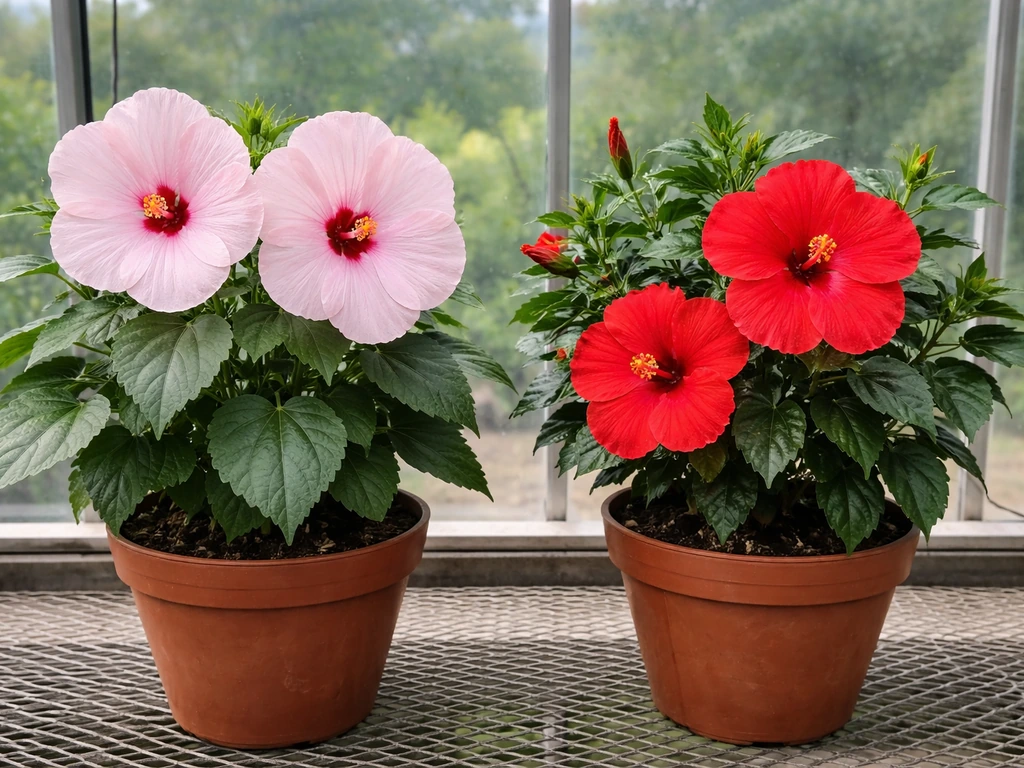
There are three hibiscus types you'll realistically encounter at a nursery in the Northeast, and they behave very differently in cold climates. Knowing which one you're holding is the single most useful thing you can do before checkout.
- Hardy hibiscus / rose mallow (Hibiscus moscheutos and hybrids): A perennial that dies back to the crown each winter and regrows from the roots. Flowers can reach 10 to 12 inches across in shades of red, pink, white, and bicolors. Blooms July through September. Cold-hardy to Zones 4–5, so it handles even upstate New York winters without complaint.
- Rose of Sharon (Hibiscus syriacus): A deciduous shrub that stays woody above ground all winter and flowers on new wood later in the season — typically August into October. Hardy to Zones 5 through 9, meaning it works across almost all of NY and NJ. If you want a low-maintenance, set-it-and-forget-it hibiscus for the Northeast, this is your best bet.
- Tropical hibiscus (Hibiscus rosa-sinensis): The one with glossy leaves and jewel-tone flowers sold in garden centers every spring. Gorgeous but cold-sensitive. Cannot tolerate temperatures below about 50°F without stress or damage, so it has no future in the ground outdoors in NY or NJ year-round.
If you're comparing notes with a gardener in a warmer state, keep in mind the calculus is completely different elsewhere. growing hibiscus in California is a different conversation entirely because tropical types can stay in the ground year-round there. In New York, you're really shopping from the hardy column first.
USDA hardiness zones in New York and New Jersey
New York spans an unusually wide climate range. According to the 2023 USDA Plant Hardiness Zone Map, the state runs from Zone 3b in the Adirondacks all the way to Zone 7a in parts of New York City and Long Island. That's a massive spread, a plant that thrives on Staten Island may die outright in the Catskills.
New Jersey is more compressed but still meaningful: most of the state falls in Zones 6 and 7, with the warmer coastal areas (think Cape May and the Jersey Shore) pushing into the upper end of that range. The Rutgers NJ Climate Resource Center has noted that zone boundaries shifted with the newer USDA maps, so if you're using an old chart, it's worth checking the current version.
Plantmaps also provides a New Jersey hardiness-zone reference that shows 2023 versus 2012 values by locality, which can help illustrate how those zone boundaries can change over time zone boundaries shifted with the newer USDA maps.
Here's a practical breakdown of what this means for hibiscus by region:
| Region | Typical USDA Zone | Hardy Hibiscus Works? | Rose of Sharon Works? | Tropical Hibiscus Outdoors Year-Round? |
|---|---|---|---|---|
| Adirondacks / North Country NY | 3b–4b | Yes (H. moscheutos hybrids) | Borderline (Zone 5 min) | No |
| Upstate NY (Buffalo, Syracuse, Albany) | 5a–6a | Yes | Yes | No |
| Hudson Valley / Catskills | 5b–6b | Yes | Yes | No |
| NYC Metro / Long Island | 7a | Yes | Yes | No (but containers work well) |
| Northern NJ (Morris, Sussex counties) | 6a–6b | Yes | Yes | No |
| Central/Southern NJ (Camden, Burlington) | 6b–7a | Yes | Yes | No (containers only) |
| NJ Coastal (Cape May, Ocean City area) | 7a | Yes | Yes | No (containers only) |
The takeaway: if you're in Zone 5 or warmer (which includes most of populated NY and essentially all of NJ), both hardy hibiscus and rose of Sharon are legitimate in-ground perennials. If you're in Zone 3b or 4a in the far North Country, stick to H. moscheutos hybrids rated to Zone 4 specifically, not all hardy hibiscus cultivars are created equal at those extremes.
Gardeners in neighboring states deal with the same calculus. hibiscus growing in Michigan follows very similar zone logic, since Michigan's southern half mirrors much of upstate New York's climate. And if you're curious how Illinois compares, growing hibiscus in Illinois runs through a parallel zone-by-zone breakdown worth reading.
Where to plant it: sun, soil, drainage, and site placement
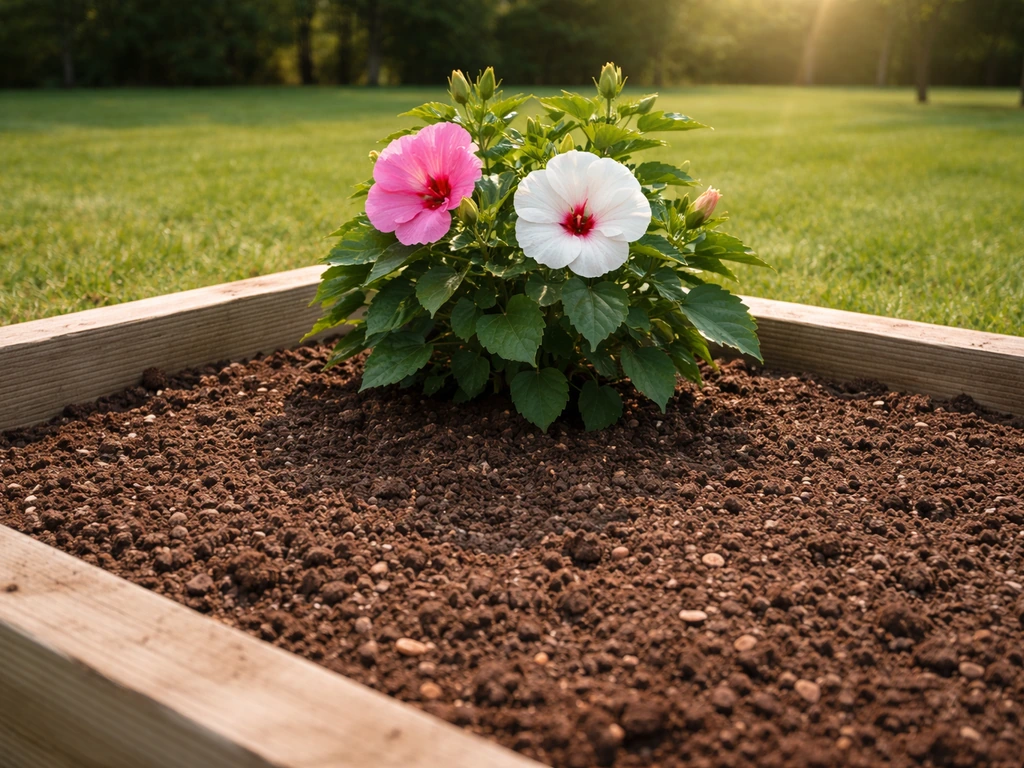
Hardy hibiscus is not subtle about what it wants. Give it full sun, at least 6 hours of direct sunlight per day, and well-drained but moisture-retentive soil, and it will reward you with absurdly large blooms. For Hibiscus moscheutos, the Royal Horticultural Society also recommends full sun with moist but well-drained soil, along with mulching over winter full sun and moist but well-drained soil, plus mulching over winter. Hibiscus moscheutos in particular earned its common name 'swamp rose mallow' because it tolerates moist conditions that would rot other plants, but it does not want standing water. The distinction matters: consistently moist soil is fine; waterlogged clay where water pools after rain will cause root rot and weak stems.
For rose of Sharon (Hibiscus syriacus), the requirements are similar but it tolerates slightly drier conditions. Plant it in a sunny, sheltered spot with moist but well-drained soil. 'Sheltered' is the word that matters most in NY and NJ: a location near a south-facing wall or fence blocks winter wind and captures reflected heat, which is especially valuable in Zone 5 and 6 gardens where every degree counts. In coastal NJ and the NYC metro area, you have more flexibility on placement, but wind exposure from coastal storms can still damage tall, established shrubs.
When you dig the planting hole, make it wide rather than deep, roughly as deep as the root ball and two to three times as wide to give roots room to establish laterally. For spacing, most hardy hibiscus and rose of Sharon cultivars want several feet between plants for good air circulation, which reduces fungal issues in the humid Northeast summers. Amended soil with compost at planting helps, but don't overfertilize with nitrogen or you'll get lush foliage and weak flowering.
One regional note: in the NYC metro and Long Island, urban heat island effects push effective growing conditions warmer than the official zone map suggests. If you're gardening in a Brooklyn or Queens backyard surrounded by concrete and brick, tropical hibiscus in containers will perform dramatically better there during summer than it would in a rural upstate garden at the same calendar date.
Getting your hibiscus through a NY/NJ winter
Hardy hibiscus (H. moscheutos) in winter
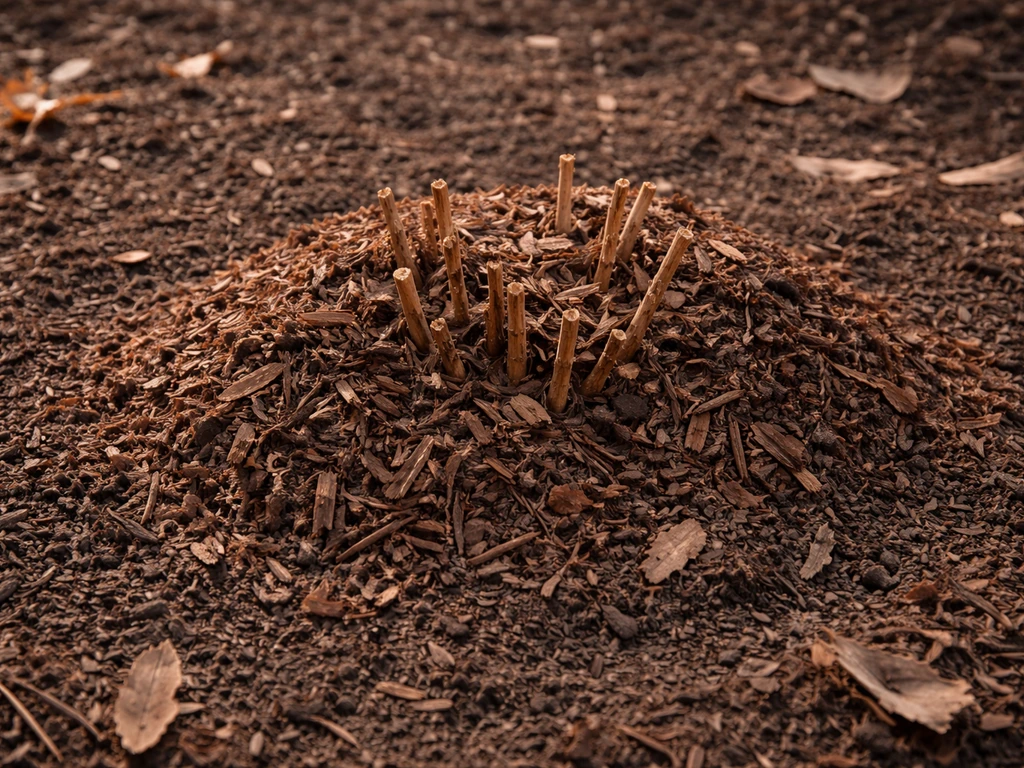
Hardy hibiscus handles winter by dying back to the crown, and this catches first-time growers off guard every single year. The stems go brown and brittle after frost, and you'll wonder if you killed it. You didn't. The plant is dormant underground, and it will be among the last perennials in your garden to show growth in spring (often not until late May or even June in upstate NY). Don't panic and don't dig it up. For pruning, you can cut the stems back to a few inches above the crown in late fall after frost blackens the foliage, or wait until late winter/early spring before new growth emerges. Either approach works, the crown is what matters, not the stems.
In Zone 5 and colder, adding a few inches of mulch over the crown after the ground freezes gives meaningful protection. This isn't about insulating the plant from cold per se, but about preventing freeze-thaw cycles from heaving the root crown out of the ground during those brutal late-winter temperature swings NY gardeners know well.
Rose of Sharon in winter
Rose of Sharon is woody and stays above ground through winter in a fully dormant state. It doesn't need much help surviving a NY or NJ winter once established. Young plants in their first winter benefit from burlap wrapping if you're in Zone 5 or borderline Zone 6, mostly to protect from wind desiccation rather than cold itself. Established plants (two or more years in the ground) are generally tough enough to fend for themselves. Prune in late winter to early spring before growth breaks, rose of Sharon flowers on new wood, so pruning at that time doesn't cost you any blooms and actually improves the flower show.
Tropical hibiscus in winter
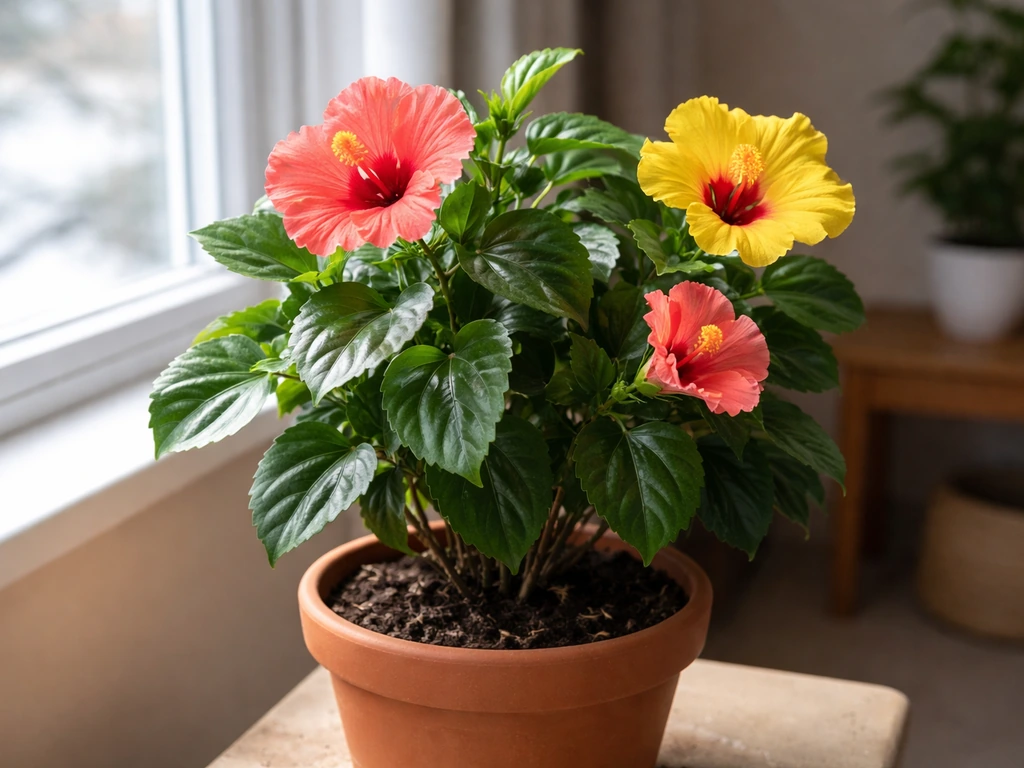
If you've fallen for a tropical hibiscus at the garden center (and it's hard not to, those colors are extraordinary), the plan is simple: treat it as a container plant and bring it inside before nighttime temperatures drop to 50°F consistently. This typically means early to mid-October in most of NY and NJ. A garage that stays above 50°F is acceptable if you're willing to accept leaf drop and minimal growth over winter. A sunny indoor window is better. Cut it back by about one-third before bringing it in to manage size. Resume watering more frequently and transition it back outdoors gradually in late May once all frost risk is past.
In-ground vs container: what's the smarter purchase?
For hardy hibiscus and rose of Sharon, in-ground planting is the clear winner in NY and NJ. Both species establish deep roots that make them drought-tolerant and bloomier over time, and you avoid the labor of moving containers. Buy bare-root or potted hardy hibiscus in spring (April through early June) for best establishment. Rose of Sharon is widely sold as a container-grown shrub at local nurseries and can be planted spring through early fall, it transplants reliably.
For tropical hibiscus, containers are the only realistic long-term strategy for NY and NJ gardeners who want to keep the same plant. Choose a container large enough to give roots room (at least 12 to 16 inches in diameter for a mature plant) and use a well-draining potting mix. The portability is the point, you're creating a plant that can move from patio to garage to indoor window as the seasons demand.
One thing worth mentioning: if you're on the fence about the container commitment and you live in the Pacific Northwest, the math is different. hibiscus in Washington State involves its own set of rainfall and temperature tradeoffs that affect whether in-ground or container planting makes more sense. In NY and NJ, where winter is genuinely hostile to tropicals, containers are simply the tropical hibiscus owner's only practical path. Similarly, hibiscus in Wisconsin follows nearly the same in-ground vs container logic as New York, given comparable winter severity.
When things go wrong: bloom problems, dieback, and cold damage
No blooms or weak flowering
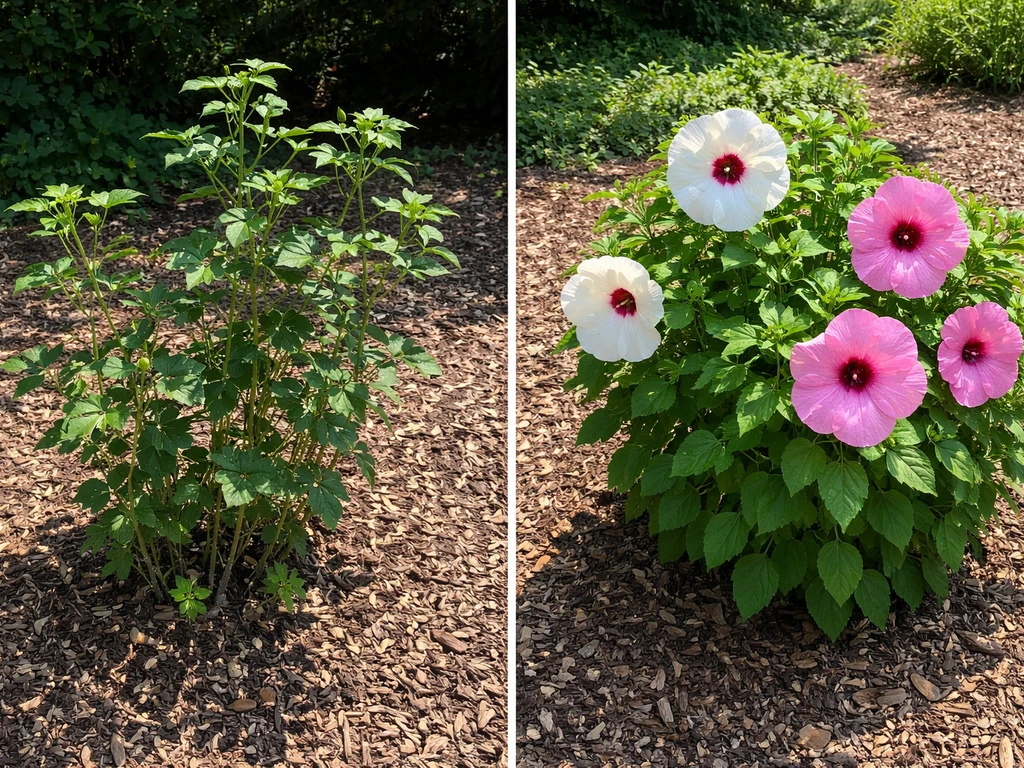
The most common complaint with hardy hibiscus in NY gardens is 'it came back but it didn't bloom much.' Almost always, the culprit is insufficient sun. Hardy hibiscus needs full sun, not mostly sun, not dappled light under a tree. Even light afternoon shade can cut bloom production significantly. If your plant is healthy and returning every year but flowering poorly, move it to a sunnier spot in fall or early spring. Also check your fertilizer routine: too much nitrogen (especially from lawn fertilizers that drift into planting beds) drives leafy growth at the expense of flowers. A low-nitrogen, high-phosphorus fertilizer applied once in early summer helps redirect energy toward blooming.
Stem dieback in spring
Hardy hibiscus is notoriously slow to emerge in spring, especially in upstate NY and northern NJ. If other perennials are up and running by mid-May and your hibiscus hasn't shown any sign of life, wait. Scratch the crown gently with your fingernail; if it's green underneath, the plant is alive and simply late. Most NY gardeners see reliable emergence by late May to early June. If you're seeing no signs of life by mid-June and the crown is completely brown and dry inside, the plant likely did not survive the winter, possibly from crown heaving (common in clay soils with freeze-thaw cycles) or from planting too late in fall without sufficient root establishment.
Cold damage on rose of Sharon
Rose of Sharon can show tip dieback after a particularly harsh winter, especially on young plants or those in exposed positions. This is usually cosmetic rather than fatal. Wait until the plant leafs out in spring to see exactly where living wood ends, then prune back to healthy growth. Because rose of Sharon flowers on new wood, even aggressive pruning after a tough winter won't prevent it from blooming, it may just bloom a bit later in the season than usual as it rebuilds. That delayed bloom is worth noting for NJ gardeners near the coast who sometimes see early warm spells followed by hard late frosts: the flower timing shifts, but the plant recovers.
Tropical hibiscus cold damage
If your tropical hibiscus got hit by cold before you could bring it in, the damage shows as blackened or mushy stems and leaf drop. Cut back to healthy green tissue, move it indoors to warmth, reduce watering, and wait. Tropical hibiscus is surprisingly resilient if the roots didn't freeze. New growth will emerge from remaining healthy stems, often within a few weeks of being brought into a warm environment.
This is also a useful reminder that even in the warmer pockets of NY and NJ, tropical hibiscus does not belong in the ground. The awapuhi plant faces similar cold-sensitivity issues in non-tropical climates: just as growing an awapuhi plant in California requires the right microclimate, tropical hibiscus in the Northeast demands container management, not wishful thinking.
Your next steps before you buy
- Check your exact USDA zone using the 2023 USDA Plant Hardiness Zone Map at planthardiness.ars.usda.gov — just enter your zip code. Don't rely on a neighbor's guess or an old zone chart.
- If you're in Zone 5 or warmer (most of NY below the Adirondacks and all of NJ), either hardy hibiscus or rose of Sharon will work in the ground. In Zone 4, stick to H. moscheutos hybrids rated specifically to Zone 4.
- Buy from a local nursery rather than a big-box store when possible — local staff will know what's reliably overwintering in your county, and you're more likely to get a regionally tested cultivar.
- Plant hardy hibiscus and rose of Sharon in a full-sun location with well-drained soil, ideally in spring for best root establishment before winter.
- If you want tropical hibiscus, buy it in a container and plan for indoor overwintering — have your indoor spot ready before October.
FAQ
Can hibiscus grow in New York if I buy it at a regular garden center?
Yes, but only if you match the type to your exact coldest conditions. In practice, New York gardeners usually succeed in-ground with hardy hibiscus and rose of Sharon, while tropical hibiscus is best treated as a summer-only outdoor plant in a container.
What location in my yard matters most for hibiscus in New York?
Even within the same USDA zone, microclimate can make or break flowering. Pick a spot that gets uninterrupted direct sun for the day, not just “morning sun,” and avoid planting where cold air pools (low spots, dips, or near downspouts that stay damp).
How do I prevent hardy hibiscus from being pushed out of the ground in winter?
Hibiscus does not like winter heaving caused by freeze-thaw cycles. If your soil freezes hard or you have heavy clay, mulch after the ground freezes (not before) and consider adding a small amount of compost to improve drainage, so the crown stays in place.
My hardy hibiscus looks dead in spring, should I give up?
Don’t judge survival based on October to April appearance. For hardy hibiscus, stems often look dead all winter because the plant is dormant at the crown, check by late May to early June, and only consider removal if the crown is clearly dry and brown inside.
Why does my hibiscus come back but not bloom much in New York?
It varies by type and cultivar. Hardy hibiscus is especially bloom-hungry for full sun, and rose of Sharon flowers on new growth, but both can underperform with too much nitrogen. If you see foliage first and blooms never follow, reduce nitrogen sources and wait for the plant to mature.
Which hardy hibiscus should I choose for the coldest parts of New York?
If you are in Zone 3b or colder parts of upstate New York, choose Hibiscus moscheutos hybrids specifically rated to about Zone 4 (or colder) rather than “hardy hibiscus” as a general label. When tags are vague, ask the nursery for the cultivar’s hardiness rating, not just species info.
How far apart should I plant hibiscus in New York?
For hardy hibiscus and rose of Sharon, spacing of several feet helps airflow and reduces leaf-spot and mildew that show up in humid Northeast summers. Tighter spacing can still work in dry years, but it increases maintenance because you may need to prune and monitor earlier.
Can hibiscus grow in soggy or clay soil in New York?
Yes, but use it strategically. Hardy hibiscus tolerates moisture if it is consistently moist, not waterlogged, so improve drainage before planting if rain pools. For tropical hibiscus, use a well-draining mix and a pot with drainage holes, then empty saucers so roots are not sitting in runoff.
When should I move tropical hibiscus indoors in New York and what should I expect?
For tropical hibiscus, bring it in based on nighttime temperature stability, not first frost. If nights drop near the 50°F range and stay there, move it indoors, cut back about one-third, and expect leaf drop during the transition.
Will tropical hibiscus survive winter in a garage in New York?
Yes, but only as a short-term strategy if you can control temperature. A garage above roughly 50°F can work, but it usually means slower growth and more leaf loss. If you want the best chance of retaining blooms, use the sunniest available indoor window and keep watering consistent but not soggy.
When should I prune each type of hibiscus in New York?
Pruning timing depends on the type. Hardy hibiscus can be cut back after frost blackens foliage, or left to late winter, while rose of Sharon is pruned late winter to early spring since it flowers on new wood.
My tropical hibiscus froze a bit, how should I recover it?
If your hibiscus got hit by cold, cut back only to healthy green tissue, then wait for new growth rather than forcing aggressive trimming right away. Overwatering right after cold damage is a common mistake, reduce watering until the plant shows signs of recovery.