
Yes, hostas grow in South Carolina, but they need the right spot to really perform. Yes, hostas grow in South Carolina, but they need the right spot to really perform can hostas grow in california. Hostas can also grow in Arizona, but you will need to choose heat-tolerant varieties and provide strong afternoon protection and consistent moisture grow in South Carolina. Most of the state sits in USDA zones 8a and 8b, which is warm enough that hostas survive winter easily. The challenge is summer, not winter. South Carolina's intense heat, high humidity, and long stretches of direct sun can punish hostas that are planted in the wrong location. Get the site right, though, and hostas will come back reliably year after year and even spread into impressive clumps.
Do Hostas Grow in South Carolina? Zone, Care Tips, Success

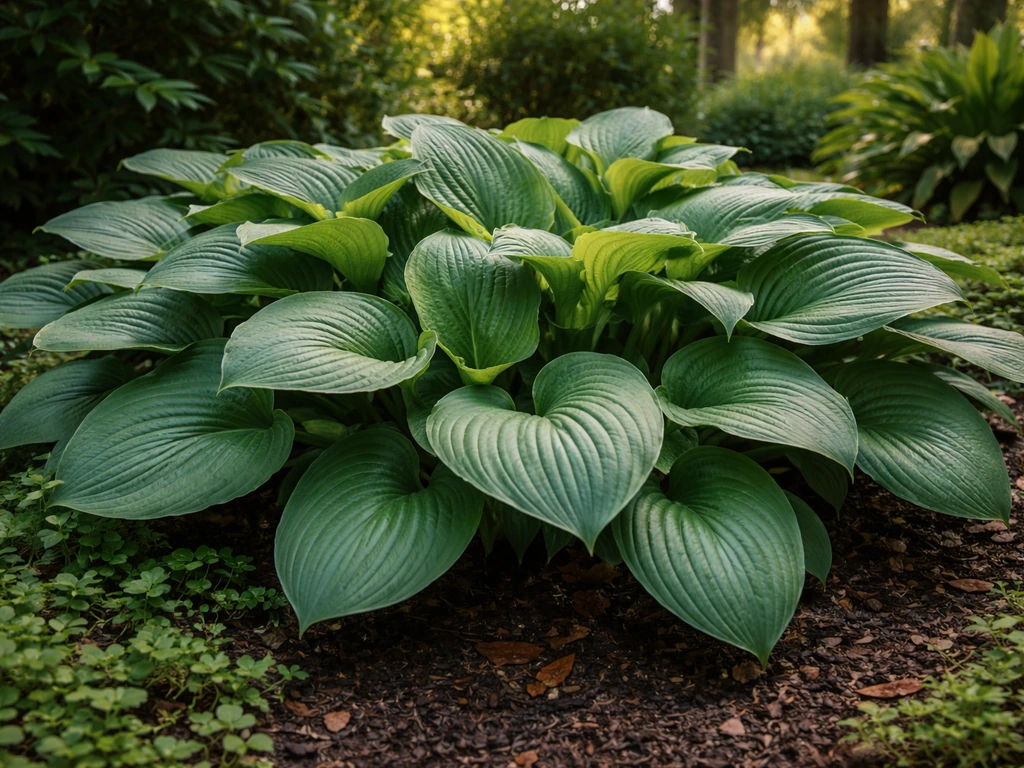
South Carolina's climate and what it means for hostas
Most of South Carolina falls in zones 8a and 8b on the USDA Plant Hardiness Zone Map. The upstate around Greenville and Spartanburg tends to be zone 8a, the midlands around Columbia are mostly 8b, and the warmest coastal areas near Hilton Head can push into zone 9a or even 9b. Hostas are generally rated for zones 3 through 9, so you're well within the survivable range across the entire state.
Winter hardiness is not what you need to worry about in South Carolina. What matters here is summer heat and humidity. Hostas go dormant in winter and come back in spring, but they spend months actively growing in conditions that can feel punishing: blazing afternoon sun, temperatures regularly above 90°F, and air so humid that diseases spread easily. In the coastal lowcountry, drainage is also a real concern since many yards sit on heavier soils or have areas that stay wet after rain. The inland and upstate areas are a little more forgiving in terms of sun intensity, but summer heat is still significant.
The frost window matters for timing, not survival. Charleston's median last freeze is around March 10, while Columbia's is closer to March 30, and the Greenville area typically sees its last frost around March 21 to 31. That gives most South Carolina gardeners a solid planting window starting in late March or early April once the soil is workable and hard freezes are past.
Best time and site conditions for planting hostas in SC
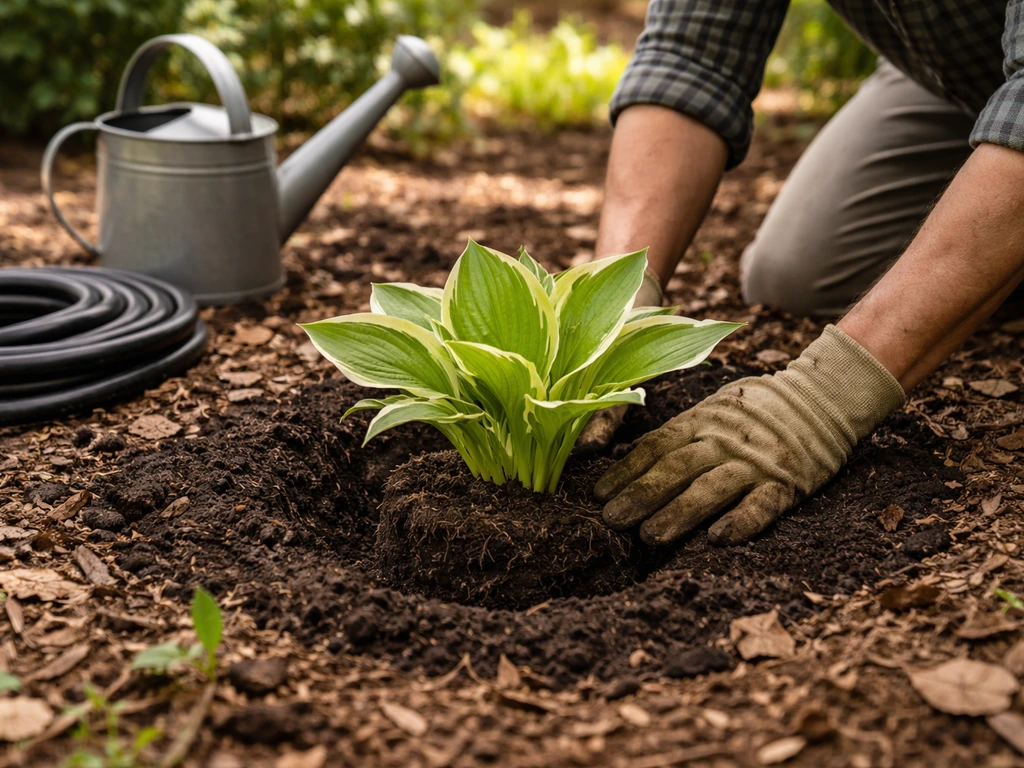
Spring is the best time to plant hostas in South Carolina. Aim for late March through April after your last frost date has passed. This gives roots time to establish before summer heat arrives. You can also plant in late summer, roughly August into early September, once the worst heat has broken. Avoid planting in June or July when the combination of heat stress and dry spells makes establishment much harder.
Site selection is everything in South Carolina. Hostas need shade from afternoon sun, which is the harshest and hottest part of the day. Morning sun or dappled light all day is acceptable and can actually help some varieties perform better, but direct afternoon sun from roughly 1 pm onward will scorch the leaves and stress the plant significantly. A spot under a large deciduous tree that gets filtered light works beautifully. North-facing beds along a fence or house foundation are also excellent choices. If you do not have a north-facing bed, you can still mimic the same cooler, drier-in-the-leaves conditions people look for when they ask will hostas grow in Las Vegas North-facing beds.
Soil moisture and drainage need to work together, and in South Carolina that balance is worth getting right before you plant. Hostas want consistently moist soil, but sitting in waterlogged ground invites root rot fast. Gardening Know How recommends morning sunlight with afternoon shade, and it notes that hostas prefer moist soil that drains well to help prevent root rot. If your soil stays soggy after rain, amend it with compost and consider raising the bed a few inches. Sandy coastal soils drain too quickly and will need extra organic matter worked in to hold moisture. When planting a bare-root or dormant division, set the crown (the point where roots meet the emerging shoots) at soil level, with the growing tips just at or barely below the surface.
Picking the right hosta varieties for South Carolina heat
Not all hostas handle southern heat equally. In South Carolina, you want varieties that are either known for heat tolerance, have thick or waxy leaves that resist scorch, or have a track record in zone 8 gardens. Thin-leaved, delicate varieties tend to struggle and look ragged by August. Thick-leaved types hold up much better.
Sum and Substance is one of the best-known heat-tolerant hostas and a longtime American Hosta Society favorite. It forms enormous clumps with thick, chartreuse to gold leaves that handle more sun than most. Guacamole is another popular, fragrant variety that tolerates warmer conditions reasonably well. Halcyon, with its blue-gray foliage, is often cited as a sun-tolerant option and performs well in partial shade across warmer zones. For the coastal areas of South Carolina pushing into zone 9, focus specifically on varieties labeled as heat-tolerant or tested in zone 8b or 9 gardens. Avoid very blue-leaved varieties that need cool northern summers to maintain their color: they often fade or scorch in South Carolina heat.
| Variety | Leaf Type | Heat/Sun Tolerance | Best SC Use |
|---|---|---|---|
| Sum and Substance | Thick, large, gold-green | High | Full SC statewide, including warmer zones |
| Guacamole | Medium, fragrant | Moderate-High | Midlands and upstate; dappled shade |
| Halcyon | Medium, blue-gray | Moderate | Morning sun sites; upstate preferred |
| Krossa Regal | Thick, blue-green, vase-shaped | Moderate | Well-drained sites statewide |
| Patriot | Medium, white-edged | Moderate | Shade beds statewide; needs good moisture |
Keeping hostas healthy through a South Carolina summer
Watering
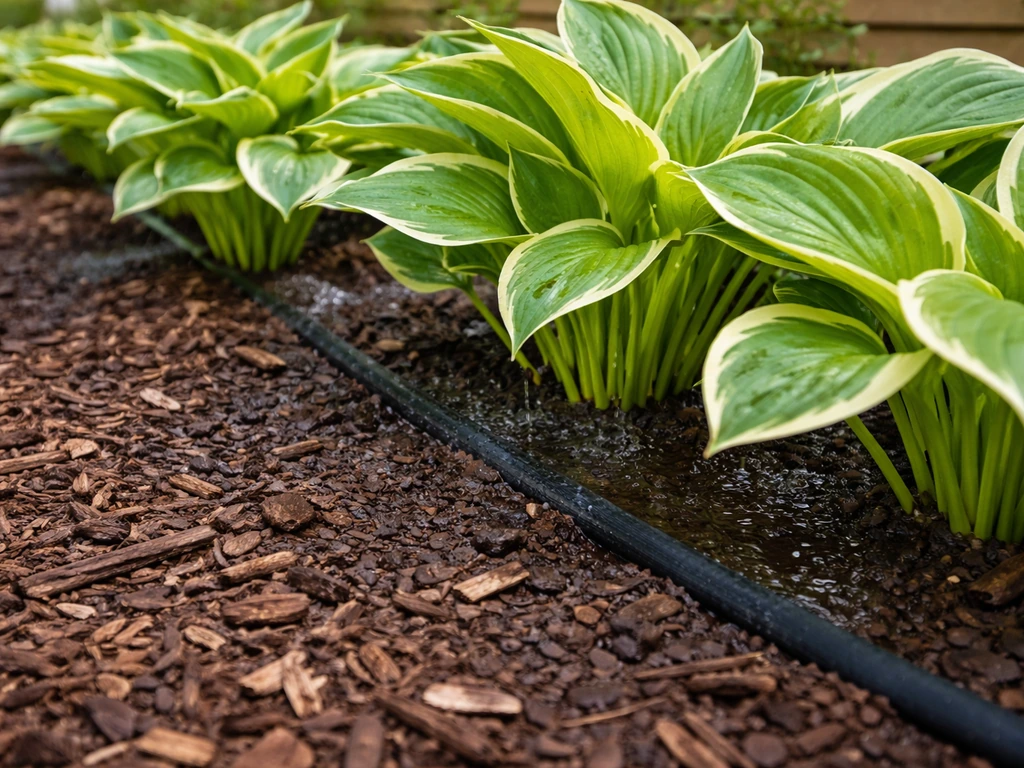
Hostas in South Carolina need consistent moisture, especially during summer. A practical target is about 1.5 inches of water total (rain plus irrigation) every five days, applied deeply so it reaches the root zone rather than just wetting the surface. During dry stretches in July and August, you may need to water twice a week. Water at the base of the plant and avoid wetting the foliage, which reduces disease risk in South Carolina's humid conditions. Hostas planted under trees with aggressive shallow roots will compete for moisture and need extra irrigation.
Mulching
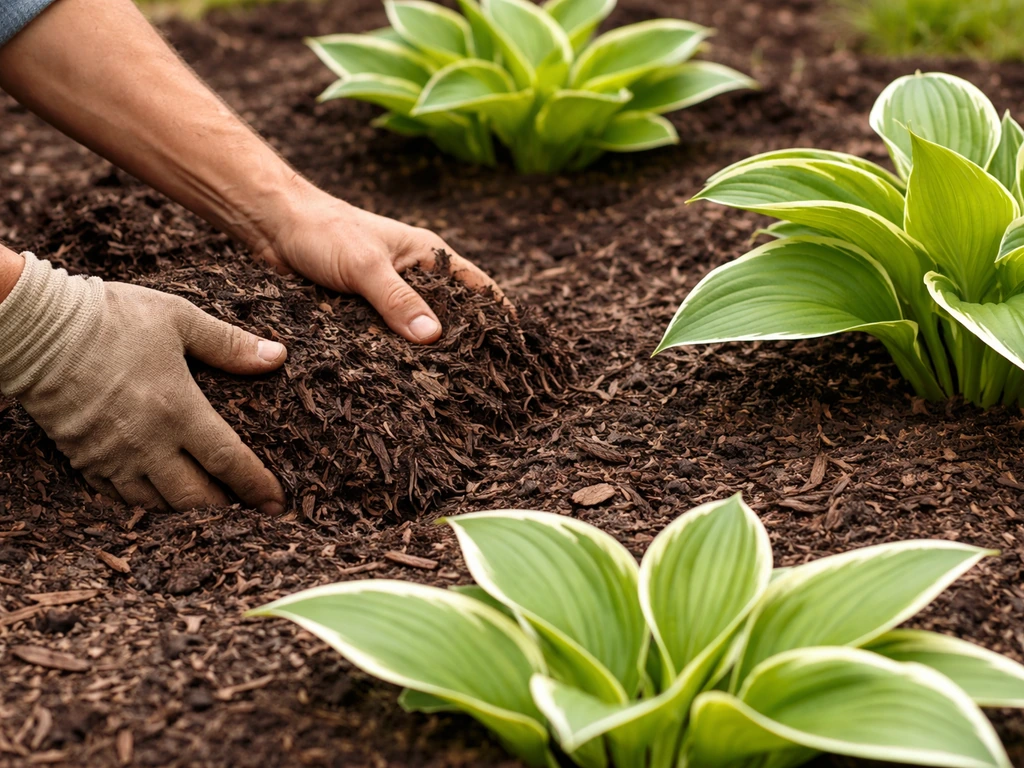
Mulch is one of the most important tools for growing hostas in South Carolina because it moderates soil temperature and retains moisture through the summer. Apply a 2 to 4 inch layer of mulch after the soil has warmed in late spring. Keep mulch pulled back from the central crown of the plant. Piling mulch against the crown creates the warm, moist conditions that cause crown rot, which is a real problem in SC's climate. In spring, clear away any excess mulch from the previous year before new shoots emerge.
Fertilizing and spacing
A light application of balanced slow-release fertilizer in spring when shoots emerge is all hostas really need. Over-fertilizing with nitrogen in hot weather can push soft, tender growth that is more susceptible to disease. Avoid fertilizing in late summer because it encourages growth that won't harden off before dormancy. Space hostas according to their mature size, which varies widely by variety, from compact 12-inch mounds to massive 4-foot spreads. Crowding increases humidity around the foliage and invites disease. Deadhead spent flower stalks after blooming so the plant puts energy into the roots and foliage rather than seed production.
Common problems South Carolina gardeners run into
Slugs and snails
Slugs are the number one pest for hostas in South Carolina, and the state's warm, humid summers create near-perfect conditions for them. They feed at night and leave ragged holes throughout the leaves. Thick-leaved varieties are slightly less attractive to slugs but not immune. Control options include bait products with either metaldehyde or iron phosphate (iron phosphate is the safer choice around pets and wildlife). Reducing slug habitat helps too: clear leaf litter and debris around plants, pull mulch back from the crown, and avoid watering in the evening.
Sun scorch and heat stress
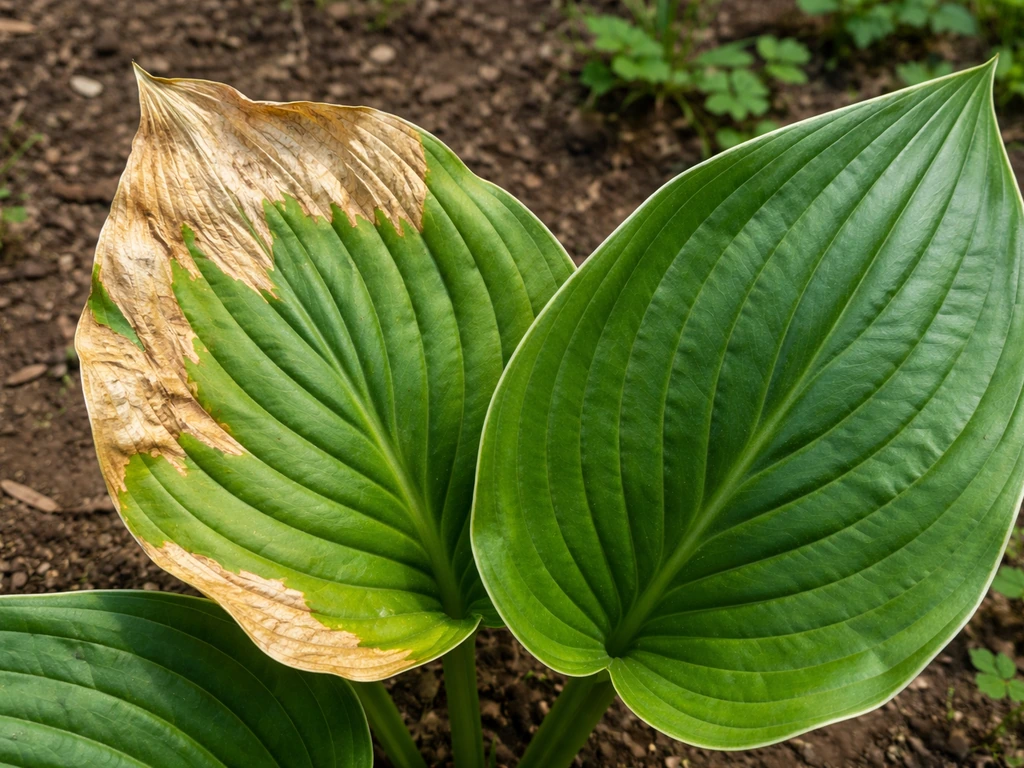
Leaf scorch shows up as bleached, papery patches on the leaves, usually starting at the tips or margins. It happens when the plant cannot move water to the leaves fast enough to compensate for heat and sun exposure. Leaf scorch is usually caused by a lack of water in the root zone, combined with wind and sunlight, which helps explain why hot, sunny southern sites can scorch hostas cannot move water to the leaves fast enough to compensate for heat and sun exposure. In South Carolina, this is almost always a site problem: too much afternoon sun, too little soil moisture, or both. If you see scorch, move the plant in fall to a shadier spot, or improve irrigation. It is not a disease and won't spread, but it makes the plant look rough for the rest of the season.
Crown rot and root rot
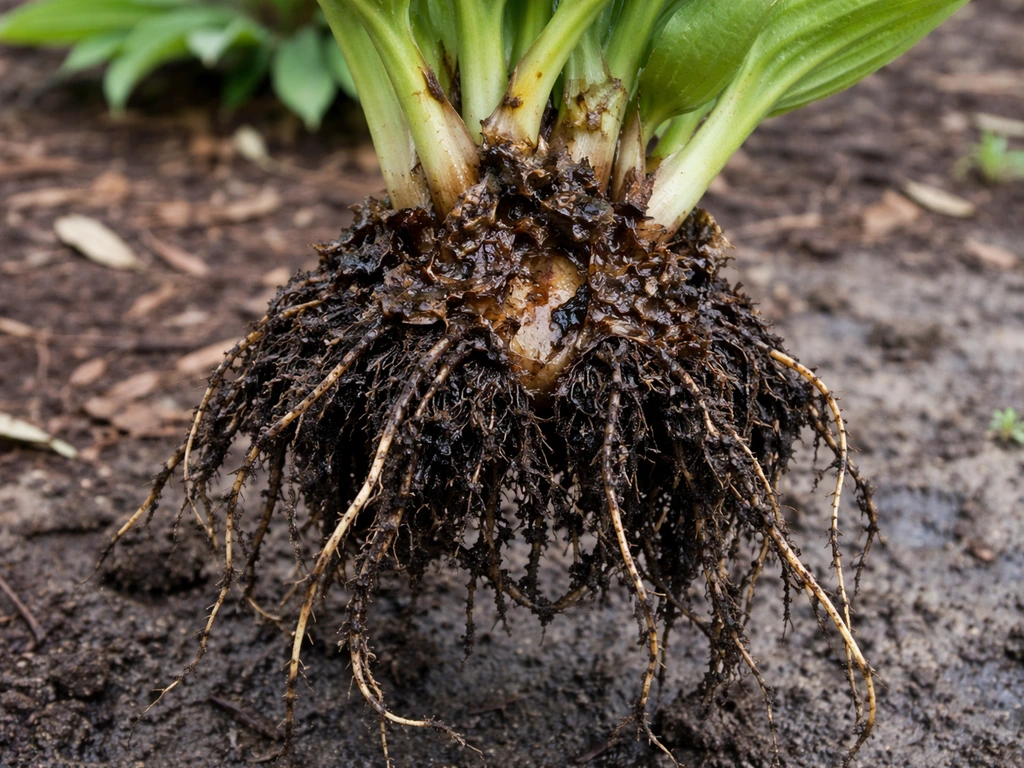
Crown rot and Phytophthora root rot are genuine risks in South Carolina, especially in the lowcountry where drainage is poor and humidity stays high. Signs include mushy, collapsed tissue at the base of the plant and leaves that wilt and collapse even when the soil is wet. Prevention is far easier than treatment: plant in well-drained soil, keep mulch away from the crown, avoid overwatering, and don't over-fertilize. If rot sets in, remove and dispose of affected plant material and improve drainage before replanting.
Deer and rabbits
Deer browse hostas aggressively, and in suburban and rural parts of South Carolina this can be a serious problem. Rabbits also nibble young shoots in spring. Physical barriers like fencing or individual plant cages work best. Repellent sprays can help but need to be reapplied regularly, especially after rain. Deer pressure tends to be worst in spring when new growth is tender.
How to confirm success fast and troubleshoot weak growth
If you want to know quickly whether hostas will work in your specific yard, start with one or two plants in your best candidate spot before committing to a large planting. The ideal spot has morning light, protection from afternoon sun, decent drainage, and soil that holds some moisture. Plant in spring, mulch properly, and water consistently through the first summer. A healthy hosta should push new leaves through summer and look solid, not scorched or collapsed, by August.
If growth looks weak or the leaves are scorching, run through this quick checklist before giving up:
- Is afternoon sun hitting the plant? Move it or add shade structure.
- Is the soil staying consistently moist? Increase watering frequency or add more mulch.
- Is the soil waterlogged? Improve drainage by amending with compost or raising the bed.
- Are there slug holes in the leaves? Apply iron phosphate bait and reduce debris.
- Is mulch piled against the crown? Pull it back at least 2 to 3 inches from the base.
Most hosta failures in South Carolina come down to one of those five issues, and almost all of them are fixable. The plant itself is not too delicate for the state. It just needs the conditions dialed in more carefully than it would in, say, North Carolina's cooler piedmont or the mountains, where summers are less intense. In North Carolina, hostas can still grow well, but you will need to pick a site with the right light and moisture North Carolina's cooler piedmont. Gardeners trying hostas in other hot states like Texas or Arizona face even steeper challenges, so South Carolina is actually a reasonable middle ground where the right variety in the right spot will genuinely thrive.
Once you find a spot that works, hostas are low-maintenance, long-lived plants that reward you with bold foliage season after season. If you are wondering do hostas grow in Colorado, the answer depends mostly on matching the plant to your local sun, frost timing, and moisture conditions. Buy one heat-tolerant variety like Sum and Substance this spring, get it in the ground before April, water it through the summer, and by next year you will have a much better sense of exactly what your yard can support.
FAQ
When is the best time to transplant hostas in South Carolina?
In South Carolina, the simplest rule is to avoid moving hostas in summer. If you must transplant, do it in fall after heat eases (often September to early November) or in early spring once the danger of hard freezes is past. Keep the root ball large, replant at the same crown depth, water deeply for several weeks, and keep it in the shadiest spot available during recovery.
How can I tell if I’m watering hostas correctly in SC, not just frequently?
Use a “root zone” approach. Apply water slowly so it penetrates 6 to 10 inches, then let the surface dry slightly before watering again. If you constantly keep the top inch wet but deeper soil stays dry, you can still scorch leaves. A quick check is to probe the soil with a finger or small trowel 2 to 3 days after watering to confirm moisture below the surface.
Do hostas grow well in pots in South Carolina?
Yes, but only if the container gives consistent moisture and airflow. Choose a pot with drainage holes and a width at least equal to the hosta’s expected mature clump, use high-quality potting mix (not garden soil), and avoid direct afternoon sun. Containers dry out faster than beds in summer humidity, so expect more frequent watering and watch for slugs, too.
What are the most common signs I should act on immediately for crown rot or root rot?
Edge cases usually come from crown depth and winter wetness, not low winter temperatures. If you see leaves collapsing from the base or persistent wilting even when the soil is moist, suspect crown or Phytophthora root rot. Improve drainage before the next attempt, remove affected plants, and do not reuse the same soil in that spot.
What’s the best slug strategy for humid coastal and midland yards?
You can reduce slug damage by changing timing and habitat. Water early in the morning, remove leaf litter, and keep mulch pulled back from the crown so it is not a warm, hidden refuge. For control, iron phosphate baits are a good safer option around pets and wildlife, but apply according to label directions and recheck after heavy rain.
How do I distinguish leaf scorch from disease in my hostas?
Leaf scorch that improves after adjusting light is usually not a disease. If the plants look bleached and papery mainly on tips or margins, move the hosta to more shade in fall, or immediately improve irrigation and stop afternoon sun exposure. In contrast, true rot often starts at the base with mushiness and ongoing decline regardless of shade.
Should I fertilize hostas during summer in South Carolina, and how much is too much?
In South Carolina, “feeding” should be minimal. Apply a balanced slow-release fertilizer when shoots emerge in spring, then stop. If growth turns soft, too lush, or you notice more disease pressure during hot weather, it is often from excess nitrogen. Also avoid fertilizing late summer because it can delay dormancy.
What’s a smart way to expand my hosta collection after I find a workable spot?
For best reliability, start with 1 to 2 varieties that are documented for heat tolerance in warmer zones, then add more only after your first summer. Planting multiple varieties at once is fine for comparison, but keep them in the same light and irrigation conditions so you can tell whether a problem is variety-specific or site-related.
What approach works best for deer and rabbits in SC, especially in spring?
Yes, deer and rabbits can be handled with barriers rather than sprays alone. Use fencing or individual cages for the most reliable protection, especially in spring when new growth is tender. If you use repellents, plan for reapplication after rain, and avoid assuming one application will last the whole season.
My soil stays soggy after rain. Can I still grow hostas in that area?
If your yard has heavy shade but also drains poorly, hostas may survive winter but fail in summer. A practical fix is raising the bed a few inches and mixing compost to improve structure, not just adding more mulch or water. In very wet areas, consider relocating hostas to slightly higher ground or a better-draining bed.