They won't die from cold, but the brutal summer heat, intense sun, and chronic dryness make them struggle badly enough that most gardeners eventually give up on them. Tucson falls somewhere in between, sitting at Zone 9b, which means you have a narrow window where hostas can work if you're willing to manage shade and moisture carefully. The short version: elevation and shade are the two factors that decide everything in Arizona.
Phoenix and similar hot, arid areas: what you're actually dealing with
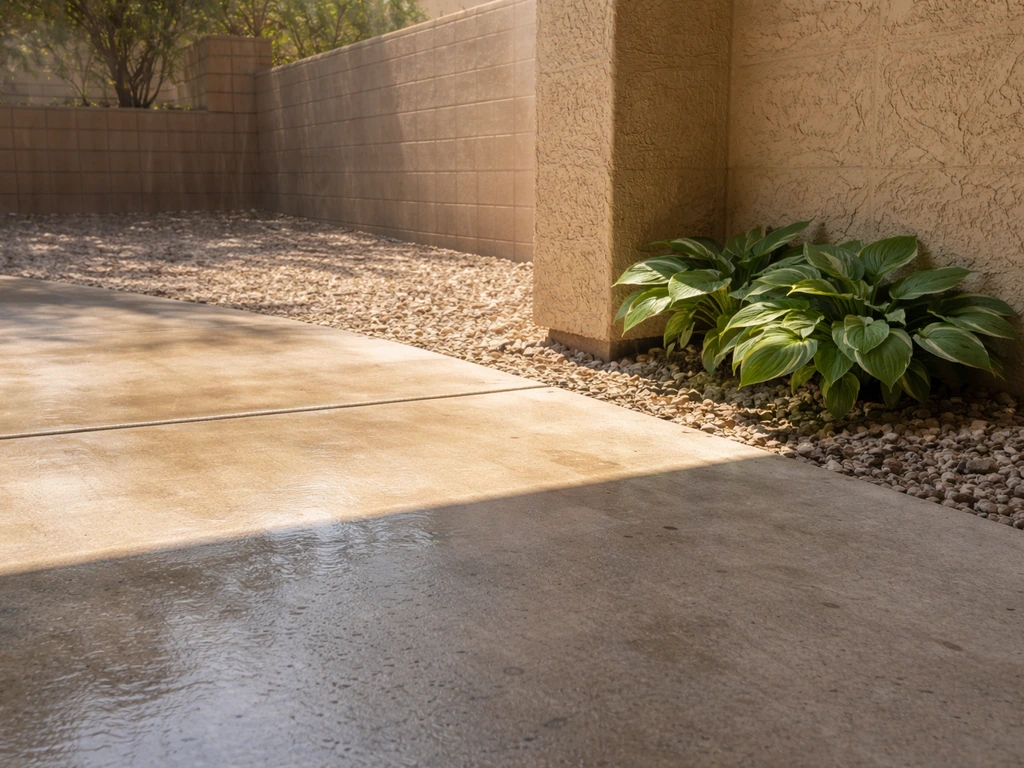
Phoenix regularly hits 110°F or higher in summer, and that heat doesn't just come from above. Reflected heat from concrete, stucco walls, and paved surfaces can cook plants even in technically shaded spots. Hostas are woodland perennials that evolved in cool, moist, filtered-light environments. Asking one to survive a Phoenix summer is like asking someone from Seattle to thrive outdoors in August in Phoenix without air conditioning or water. Technically survivable, practically miserable.
The core problem isn't really cold hardiness (Phoenix winters are mild enough). The problem is that hostas need consistent moisture and relief from intense heat, and Phoenix delivers neither by default. High evaporation rates mean the soil dries out faster than you can replenish it, and the dry desert air pulls moisture directly from the leaves. University guidance on arid climates makes it clear that hostas in desert settings struggle with chronic moisture deficit driven by high evaporation rates, and even with drip irrigation running, you're fighting the environment every single day from May through September.
If you're specifically in the Phoenix area and determined to try hostas, the only realistic approach is a deeply shaded microclimate, drip irrigation on a regular schedule, and choosing the most heat-tolerant variety available. Hosta plantaginea (plantain lily) is identified by Clemson University as the most heat- and sun-tolerant hosta species, capable of handling up to three-quarters of a day of sun. That's your best shot in Phoenix, but it still requires shade from the worst afternoon rays and regular watering. Even then, manage your expectations.
Arizona microclimates, zones, and where hostas actually have a chance
Arizona spans USDA Plant Hardiness Zones 4b through 10b depending on where you are, which is an enormous range for a single state. That spread matters a lot for hostas. The northern part of the state, particularly the Flagstaff area at elevation, is genuinely hosta-friendly territory. Zone 6a conditions, with real winters and cooler summers, are much closer to what hostas naturally prefer. Flagstaff gardeners can grow hostas in much the same way gardeners in the Midwest or Pacific Northwest do, though the dry air still calls for extra attention to soil moisture.
For comparison, growing hostas in Las Vegas faces almost identical challenges to Phoenix because both cities sit in low-desert heat zones with intense sun and dry air. Meanwhile, situations closer to what Flagstaff offers are more like what gardeners encounter when they ask whether hostas grow in Colorado, where higher elevations and cooler summers make the plant genuinely manageable.
Site conditions matter as much as zone. In any part of Arizona, you want to look for these characteristics before planting:
- North or east-facing exposures that block harsh afternoon sun (west and south walls amplify heat dramatically in Arizona)
- Natural or built shade from trees, covered patios, or shade cloth rated at 50 to 70 percent light reduction
- Well-drained soil amended with plenty of organic matter to hold moisture without staying waterlogged
- Access to consistent irrigation, ideally drip lines that can run frequently during summer months
- Distance from heat-radiating surfaces like concrete, brick, or stucco walls that stay hot well into the evening
In mid-elevation areas like Prescott (roughly Zone 7), hostas occupy a middle ground. They're more feasible than Phoenix but still require the same site discipline: afternoon shade is non-negotiable, and soil moisture needs to be actively managed rather than left to rainfall.
How to give hostas the best shot: planting and care in Arizona
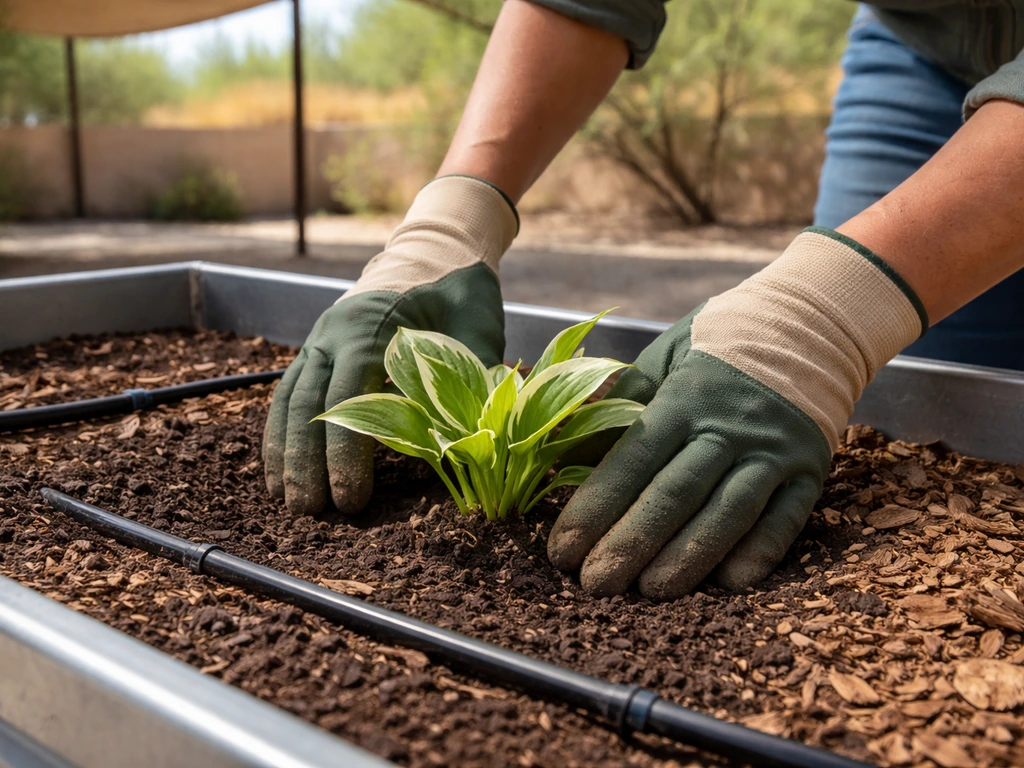
If you're in a zone and location where hostas are worth attempting, the setup matters enormously. Plant in early spring so the roots have time to establish before summer heat arrives. Amend your native soil generously with compost or other organic matter because Arizona soils are typically alkaline, low in organic content, and don't hold moisture well. Hostas want soil that stays consistently moist but doesn't sit in standing water, so drainage and water retention have to work together. Think of the soil prep as your single biggest lever for success.
For shade variety selection, yellow and gold-leaved hostas typically benefit from about 2 to 3 hours of morning sun for their richest color, but in Arizona even that morning sun window needs to be gentle and not prolonged. Blue-leaved varieties are the most shade-tolerant and the most sensitive to sun, so keep those in deeper shade. Morning sun, afternoon deep shade is the ideal formula anywhere in the state.
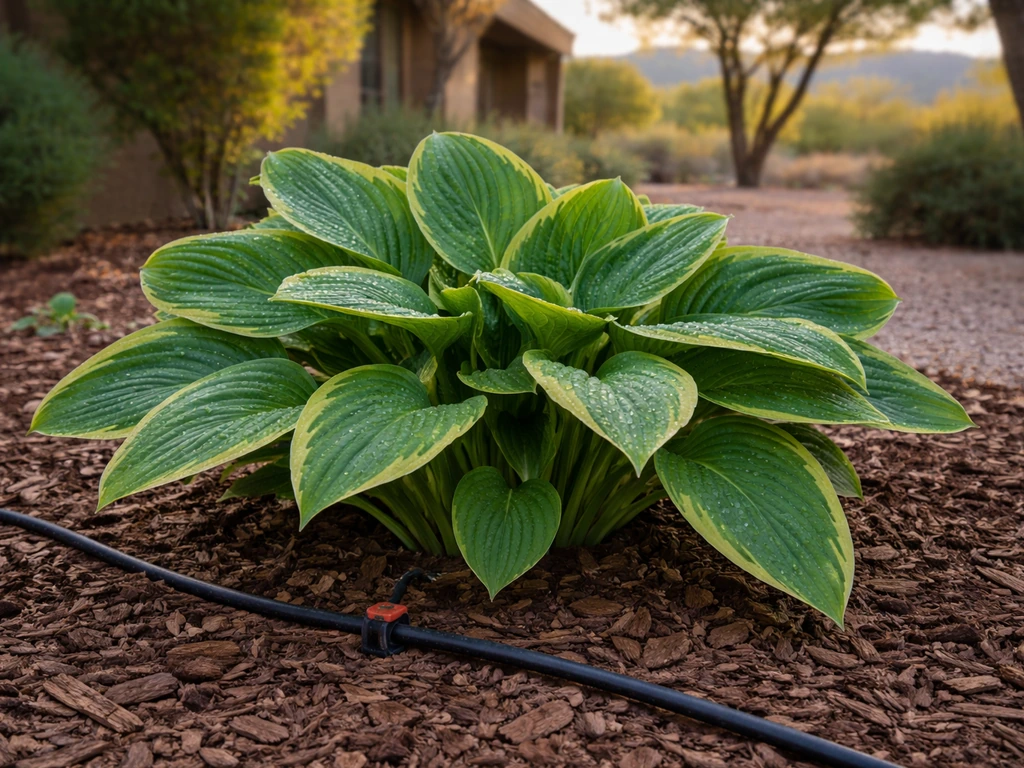
Watering is where most Arizona hosta attempts fail. The University of Minnesota Extension notes that consistent, even moisture equivalent to 1 inch of water per week is considered best for hostas consistent moisture. During summer, hostas in Arizona may need water every one to two days in well-draining amended soil. Drip irrigation with a timer is really the only practical way to keep up with that demand, especially because overhead watering in direct sun can actually intensify leaf scorch. Mulch heavily (3 to 4 inches) around the crowns to slow evaporation and buffer soil temperature, but keep mulch from piling directly against the crown itself.
Fertilize lightly in spring with a balanced slow-release granular. Hostas in heat-stressed conditions are not heavy feeders, and pushing too much nitrogen in summer can actually make heat stress worse by encouraging tender new growth that burns easily.
Winter hardiness and heat stress: the real problems to watch for
In northern Arizona (Flagstaff and Zone 6 areas), winter cold is the relevant survival concern, not summer heat. Hostas are dormant in winter and generally cold-hardy to Zone 3, so Flagstaff's Zone 6a winters aren't a threat to the plant itself. What can cause problems is freeze-thaw cycling that heaves roots out of the ground. Covering crowns with a loose mulch layer (pine needles work well) after the first hard frost helps prevent heaving, but rake that layer back in spring before new shoots emerge to avoid crown rot.
In Phoenix, Tucson, and other warmer zones, winter isn't really the concern. Summer heat stress is. Leaf scorch is the most visible symptom: brown, papery edges and tips that start at the margins and work inward. Purdue University's extension materials on hosta leaf scorch note that scorch can happen even when plants are mulched and irrigated if the surrounding heat and sun conditions are intense enough.
Purdue University Extension also notes that in hot, dry weather in full sun, even sun-tolerant hostas may develop leaf scorch (browning along leaf edges) and sunburn leaf scorch can happen even when plants are mulched and irrigated.
That's an important point for Arizona gardeners because it means you can do everything right and still see scorched leaves in July and August. It's not necessarily a sign you've failed; it's the plant hitting its physiological limits.
Crown rot and petiole rot are the other common problems, and they become relevant in Arizona when gardeners try to compensate for heat by overwatering. If water pools around the crown or soil stays soggy, the crown can develop rot, showing up as brown, mushy tissue at the base of the stems, yellowing, and sudden wilting. The fix is always drainage first: water frequently, but make sure it moves through. Think moist, not saturated.
If your hosta goes completely dormant in summer heat and the leaves die back, don't assume the plant is dead. In extreme heat, hostas sometimes go into a protective dormancy. Reduce watering slightly, keep the area mulched, and wait to see if new growth emerges when temperatures drop in fall.
Hostas vs. other shade plants for Arizona: a quick comparison
| Plant | Best Arizona Zones | Heat Tolerance | Drought Tolerance | Shade Need |
|---|
| Hosta (standard) | 6a–8b | Low to moderate | Low | High (deep shade in hot zones) |
| Hosta plantaginea | 7–9b (with effort) | Moderate | Low to moderate | Moderate (some morning sun) |
| Autumn sage (Salvia greggii) | 7–10b | Very high | High | None required |
| Desert spoon (Dasylirion) | 7–10b | Very high | Very high | None required |
| Texas mountain laurel | 7–10b | High | High | Tolerates partial shade |
| Cast iron plant (Aspidistra) | 8–10b | Moderate to high | Moderate | High (shade plant) |
| Bird of paradise shrub (Caesalpinia) | 9–10b | Very high | High | None required |
When hostas aren't worth the trouble: better alternatives for Arizona
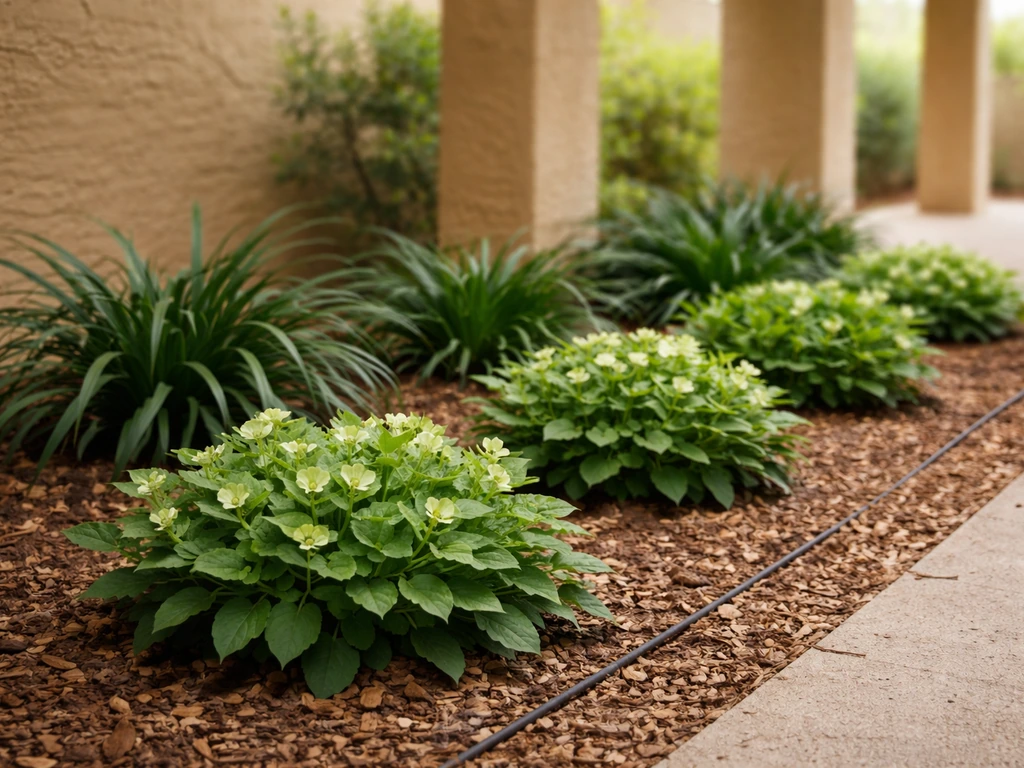
In Phoenix, Tucson, and other low-desert areas, I'd honestly steer most gardeners away from hostas and toward plants that actually want to be there. The amount of effort required to keep hostas alive through an Arizona summer often results in plants that look stressed and ragged rather than the lush, full specimens you see in garden photos from cooler climates. That's demoralizing after all the work you put in.
For shady spots under covered patios or north-facing walls, cast iron plant (Aspidistra elatior) is one of the best hosta substitutes in the warmer zones. It's a genuine shade lover that handles heat far better, has bold foliage with a similar visual weight, and doesn't demand the same constant moisture. In slightly cooler microclimates, native ferns can work if you can maintain moisture. For areas that need low-water landscaping, the City of Gilbert's plant lists for Arizona desert gardens point to natives like desert spoon and mesquite for structural shade and heat-adapted ground-level planting.
If you're in northern Arizona and genuinely love the hosta look, you're in much better shape. Flagstaff gardeners can grow a wide range of shade perennials, and hostas are a reasonable choice with appropriate site prep. The same general approach works for gardeners researching whether hostas can grow in California, where climate varies so dramatically by region that the answer depends almost entirely on where in the state you're gardening. It's the same story here: Arizona isn't one climate, it's several.
For context from nearby warm-state climates, growing hostas in Texas mirrors a lot of what Arizona gardeners face in the southern part of the state: intense summer heat, high sun exposure, and a need for deep afternoon shade and consistent moisture. Gardeners in the Carolinas have a different equation entirely. If you're curious how a humid climate changes the calculus, comparing notes on whether hostas grow in North Carolina or hostas grow in South Carolina shows how much humidity and milder summers ease the challenge. Arizona's dry heat is genuinely more punishing to hostas than the humid heat of the Southeast, even at similar temperatures.
The bottom line for Arizona: hostas are worth trying in Zone 6 to 8 elevations with the right shaded, moisture-managed site. In Phoenix and the low desert, put your energy into plants that thrive in the heat rather than fighting to keep a woodland perennial alive. Your garden will be healthier, more beautiful, and a lot less frustrating.