
Hostas can grow in California, but the answer is genuinely split depending on where you live in the state. In Northern California and coastal areas with mild summers and cooler winters, hostas do reasonably well with the right placement. In Southern California, especially inland areas with hot summers and mild winters, hostas struggle and often fail outright because they don't get the winter chill they need to thrive. The honest version: if you're in coastal San Francisco or the Bay Area, yes. If you're in the San Fernando Valley, Palm Springs, or Riverside, it's an uphill battle that usually isn't worth the effort.
Can Hostas Grow in California? Yes and Where to Plant

Marcus Hartwell
3 May 2026
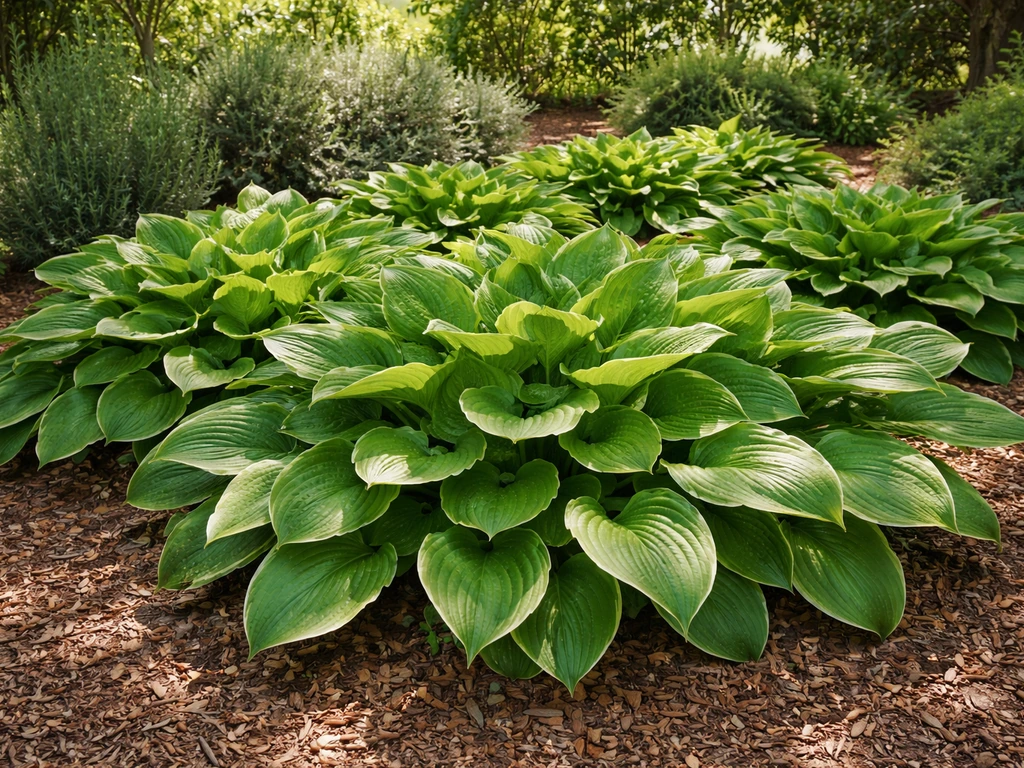
Southern California feasibility: when hostas succeed vs. fail
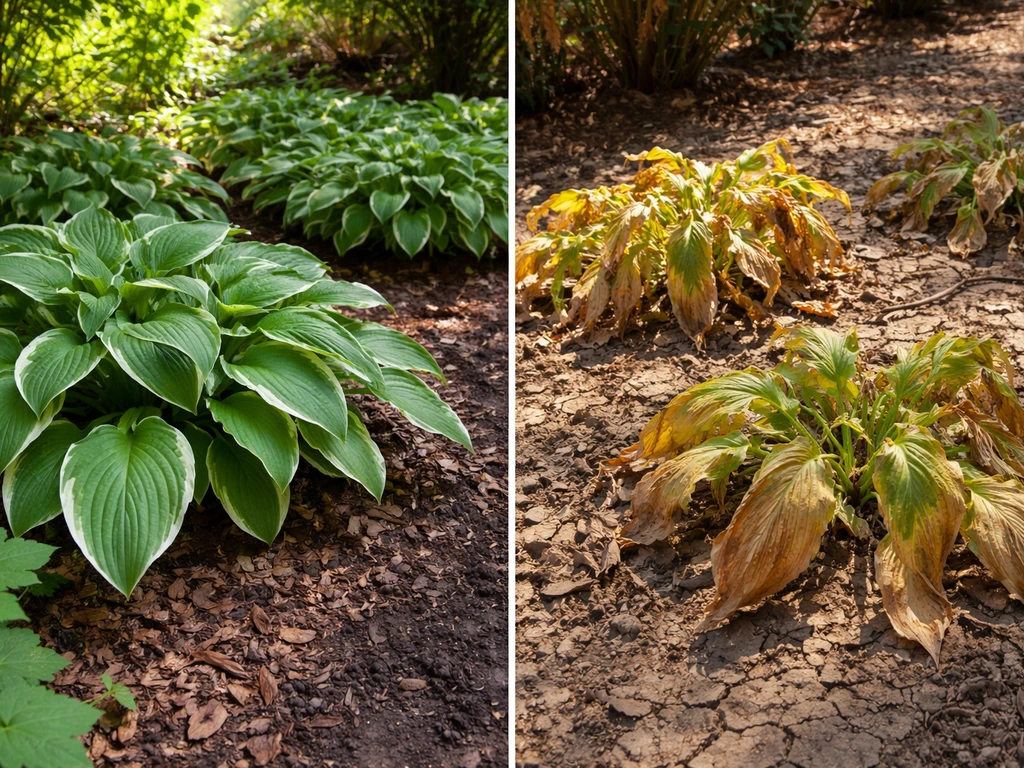
Southern California is where the hosta question gets complicated. The region covers everything from breezy coastal neighborhoods in San Diego and Malibu to scorching inland valleys where summer temperatures routinely hit 100°F or higher. Those inland areas are the problem. Hostas are rated for USDA zones 3 through 8, which means they're built for climates with cold winters and warm summers. Most of inland Southern California falls in zones 9 to 11, which is outside that range on the heat end.
The other issue is winter chill. Hostas need roughly 8 to 12 weeks of temperatures at or below 40 to 45°F to properly go dormant and reset for the following season. That vernalization period is what keeps them coming back reliably year after year. In Southern California's mild winters, many areas simply don't deliver enough cold hours. Without that chill, hostas either limp along with reduced vigor or fail to re-emerge at all after their first season.
That said, coastal Southern California is a different story. Areas like coastal San Diego, parts of the South Bay, and neighborhoods close to the ocean have noticeably cooler summer temperatures and more moderate winters. In those microclimates, hostas have a real shot, especially in a shaded spot. It's not a guarantee, but it's not a lost cause either. If you're anywhere inland in SoCal, including the Inland Empire, the valleys, or the desert fringe, I'd steer you toward plants that genuinely thrive there instead of fighting for a plant that won't.
The California conditions that make or break hostas
USDA zones and cold tolerance
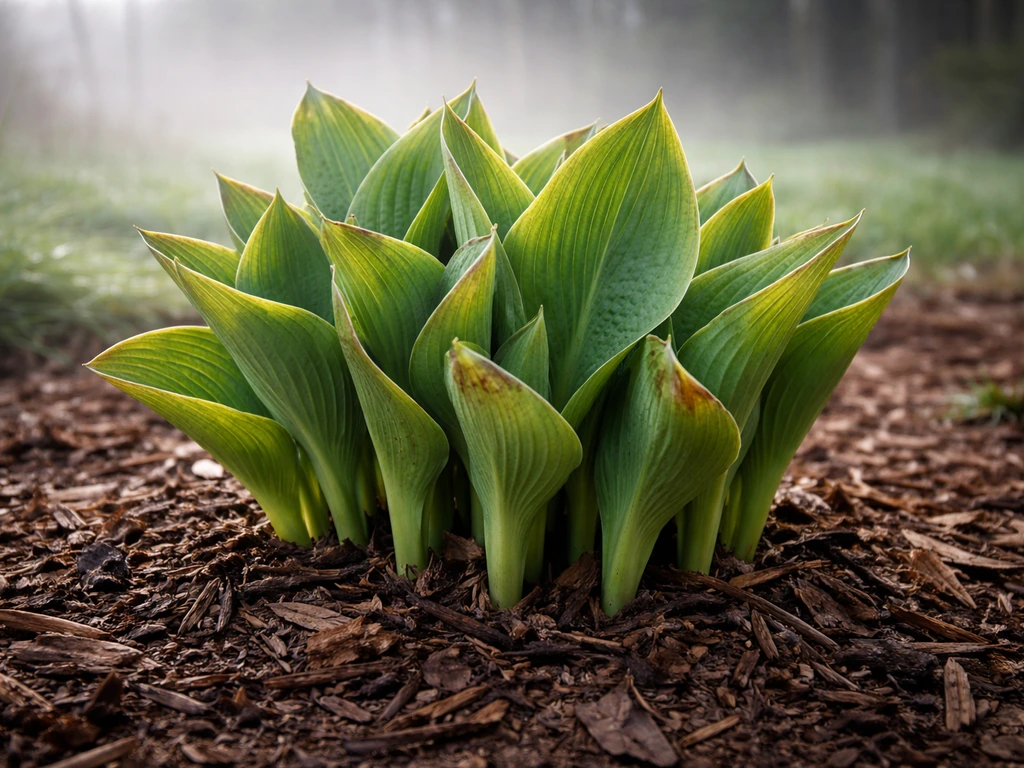
Hostas are reliably cold-hardy in zones 3 through 8. Most of Northern California falls in zones 7 to 9, and the cooler parts of that range (zones 7 and 8) are workable. The Bay Area, Sacramento foothills, and parts of the Central Valley can hit this window. Southern California's coastal areas edge into zone 9 and sometimes higher, which is pushing the limits. The further inland or south you go, the more you're outside the hosta's comfort range.
Summer heat and sun exposure
Heat is the more immediate killer in California. The North Carolina State University Extension plant database notes that Hosta plantaginea is the most heat and sun tolerant of the hosta species, which can help when advising readers in warmer areas [Heat is the more immediate killer in California. ](https://plants. ces.
ncsu. edu/plants/hosta-plantaginea/). Even if your zone is technically in range, intense summer sun in California is brutal for hostas. These are shade plants.
In strong sun, you'll see the classic symptoms: bleached, scorched-looking leaves, brown tips, and eventually a plant that just looks cooked. Blue-leaf varieties are especially vulnerable because their waxy coating breaks down fast under direct sun exposure. Even with regular watering and mulch, hostas placed in full sun during peak California summer heat will scorch. The California sun angle and intensity is simply more aggressive than what hostas evolved for in the Midwest and Northeast.
Winter chill requirements
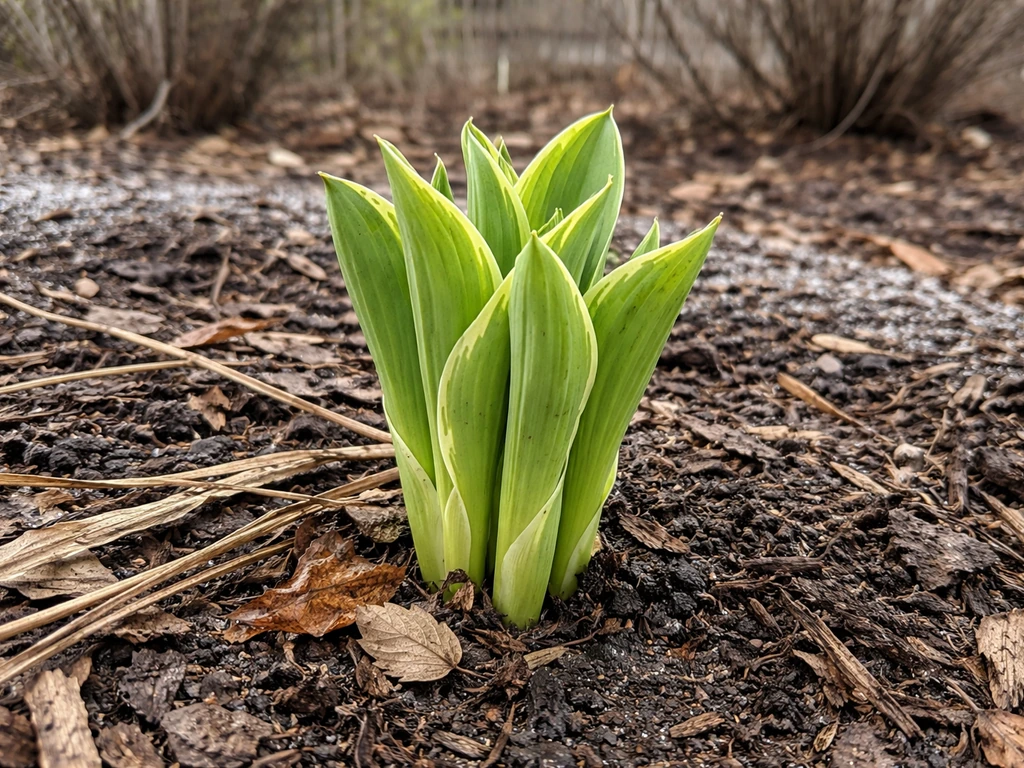
This is the sneaky problem that many California gardeners don't anticipate. A hosta might survive its first year looking fine, then just never come back the following spring, or come back weak and sparse. That's usually a chill-hours problem. Without 8 to 12 weeks of temperatures consistently at or below 40 to 45°F, the plant doesn't get the dormancy reset it needs. For example, the RHS describes Hosta plantaginea as tolerant of low temperatures, but not surviving being frozen Hosta plantaginea is tolerant of low temperatures but not surviving being frozen. Coastal California zones often get some of this chill, but it's inconsistent. Inland desert-adjacent zones may get almost none.
Dry fall and moisture stress
California's Mediterranean climate means dry falls, and that timing is actually a hidden hazard for hostas. The USDA notes that even when a plant's hardiness zone fits, plants entering dormancy while moisture-stressed from dry soil can be injured. California's fall dry season hits right when hostas are trying to go dormant, which adds another layer of risk that states with fall rainfall don't face. If you're growing hostas in California, keeping consistent soil moisture through September and October matters more than most guides written for Eastern gardeners will tell you.
How to check if your specific yard can support hostas
Before buying anything, run through this quick checklist for your yard. It takes about 10 minutes and can save you from a failed planting.
- Look up your USDA hardiness zone by ZIP code at the USDA Plant Hardiness Zone Map website. If you're in zone 8 or below, you're in the viable range. Zone 9 is marginal. Zone 10 or above: skip hostas.
- Check your summer high temperatures. If your area regularly exceeds 90°F in summer, you need deep shade and consistent irrigation for hostas to have any chance. If you're regularly over 100°F inland, the odds drop sharply regardless of shade.
- Estimate your winter chill hours. Look up whether your area typically delivers 8 or more weeks below 45°F. Many online UC Cooperative Extension resources and local weather history tools can help with this for California specifically.
- Identify shaded spots in your yard. North-facing beds, spots under mature tree canopies, or areas shaded by a fence or structure in the afternoon are candidates. Hostas need morning light and afternoon shade at minimum in hot climates.
- Check your fall watering habits. If you typically stop watering in September, plan to keep the hosta bed consistently moist through fall to reduce dormancy stress.
Your zone alone won't tell the whole story. A zone 9 yard in coastal Santa Barbara with afternoon fog and a shaded north-facing bed is a very different environment from a zone 9 yard in Fresno baking in the Central Valley. Microclimates matter enormously in California, more than almost anywhere else in the country.
If you still want to grow hostas: practical placement tips for California
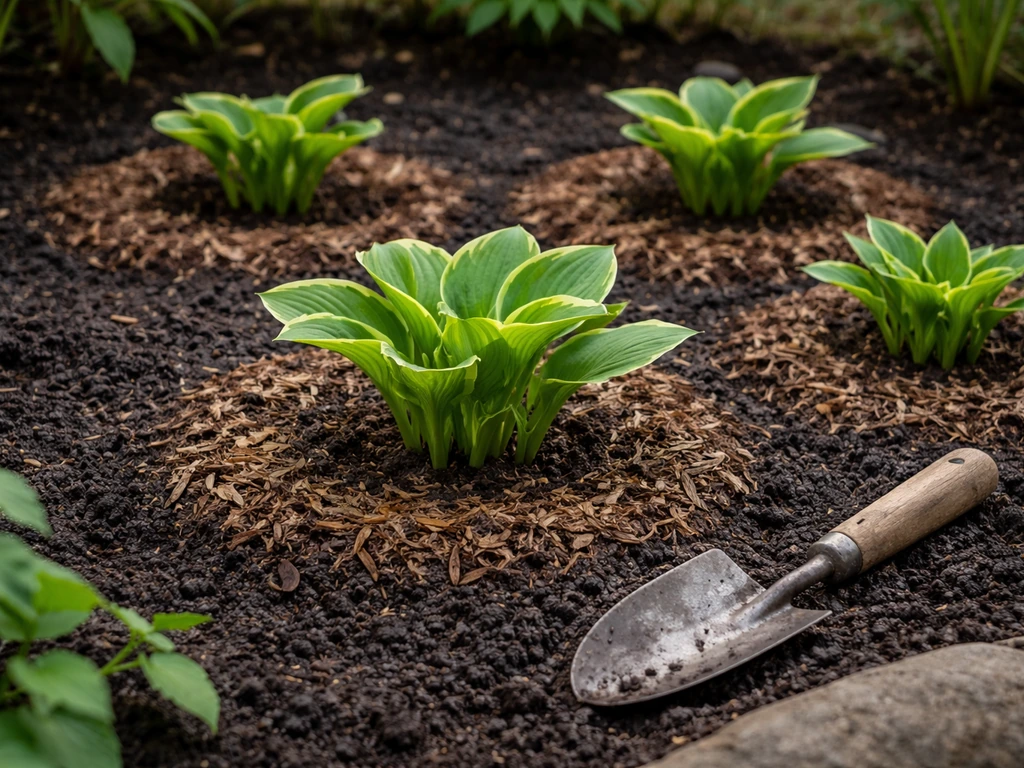
If your checklist came back in the viable range, or if you're in coastal Southern California and want to give it a real try, here's how to set yourself up for the best possible outcome.
- Choose the right spot: A north or east-facing bed is ideal. Afternoon shade is non-negotiable in California. If the plant gets full western sun after 1pm, it will scorch.
- Pick heat-tolerant varieties: Hosta plantaginea is the most heat and sun tolerant species and can handle more light than most. Start here if you're in a marginal zone.
- Avoid blue-leaf cultivars in warmer areas: Their waxy surface is beautiful but breaks down fast in heat and direct sun. Stick with green or gold varieties for better heat resilience.
- Mulch, but carefully: A 2 to 3 inch layer of mulch helps retain moisture and moderate soil temperature, but keep it away from the crown to avoid crown rot, which is a real risk in California's warm, moist spring conditions.
- Water consistently through fall: Don't let the bed dry out in September and October. California's dry fall is a specific risk factor for hostas that most standard hosta care guides don't account for.
- Use well-draining soil: Hostas sitting in waterlogged soil are vulnerable to Fusarium and Sclerotium crown rot. Amend clay soil or consider raised beds to ensure drainage.
- Expect them to go fully dormant: Unlike in milder climates, hostas in cooler California areas will die back completely in winter. That's normal. Don't pull them thinking they've died.
How California compares to other hot-state hosta challenges
California's hosta challenge is distinct from what gardeners face in states like Texas or Arizona. In Texas, hostas often struggle because winter chill and summer heat can work against them states like Texas or Arizona. In Texas, the issue is mostly summer heat combined with humidity, which creates its own disease pressure. In Arizona and Las Vegas, the problem is desert-level heat and almost no winter chill, making hostas essentially a non-starter in most areas.
California sits in the middle: cooler coastal zones can actually succeed where those desert states largely can't, but the dry fall and Mediterranean climate add a specific wrinkle that requires more active management than, say, growing hostas in a humid mid-Atlantic state. If you are wondering will hostas grow in Las Vegas, the quick answer is they usually struggle because of the limited winter chill and intense heat growing hostas in a humid mid-Atlantic state. Hostas can grow better in Las Vegas only if you find a spot that stays shaded and provides as much winter chill as possible will hostas grow in Las Vegas.
Next steps before you buy hostas
Here's what I'd actually do before purchasing hostas for a California garden: If you're also wondering, “do hostas grow in South Carolina,” the answer depends mostly on your local winter chill and how much shade you can provide.
- Look up your ZIP code on the USDA Plant Hardiness Zone Map to confirm your exact zone, not just your general region.
- Contact your local UC Cooperative Extension office. California has a strong network of regional extension offices that can tell you specifically whether hostas perform in your county and what varieties have worked locally.
- Visit a local independent nursery (not a big box store) and ask if they've sold hostas that came back for customers in your area. Local nursery staff often know more about what actually survives locally than any generic guide.
- Start with one or two plants in your best candidate spot rather than buying a full bed. Treat it as a one-season trial before committing.
- If your zone, chill hours, or summer heat make hostas a long shot, consider alternatives that give a similar lush, foliage-forward look in California: cast iron plant (Aspidistra), clivia, or bird of paradise for Southern California, or Japanese forest grass (Hakonechloa) for shadier Northern California spots.
The bottom line: hostas can work in California if you're in the right part of the state and the right spot in your yard. In north carolina, hostas are generally more likely to thrive because you often get the cool winters they need. Do hostas grow in Colorado as well, and what factors like cold, sun, and winter chill matter most? They're not a universal yes, and they're definitely not a plant to scatter throughout a Southern California garden without doing your homework first. Check your zone, assess your shade, account for California's dry falls, and if the conditions line up, hostas can absolutely be part of a California garden.
FAQ
Can hostas grow in California if my USDA zone says 8 or 9?
Maybe, but zone alone is not enough. In zone 8 or 9 you still need a spot that avoids harsh afternoon sun and provides the kind of winter chill hostas need to fully reset. A north-facing or shaded bed that stays cool in summer improves odds, and it helps to avoid low areas where cold air pools and late freezes can damage new shoots.
What’s the minimum winter chill hostas need to reliably come back in California?
Hostas generally need about 8 to 12 weeks of cold temperatures around 40 to 45°F or lower to go dormant properly. In mild California winters, the problem is often that different years provide different amounts of chill. If your yard does not consistently hit that range, expect either weak growth or plants that skip spring re-emergence.
If my hostas survive the first year in Southern California, will they keep coming back?
Not always. A common pattern is survival during the first season followed by poor return the next spring due to inconsistent chill hours. If you notice the plant never fully re-leaves by late winter or only sends up small, sparse growth, that usually signals a dormancy reset issue rather than a watering problem.
How much sun is too much for hostas in California?
Hostas are shade plants, and in California even partial sun can be too intense during peak summer. Watch for bleached or browned leaf edges, brown tips, or a “cooked” look after hot afternoons. If you can, aim for morning sun with protection from late-day sun, especially for blue-leaf varieties.
Will extra watering and mulch solve hosta heat problems in inland California?
They help, but they are not a full fix for heat and sun stress. Even with consistent moisture, direct summer sun can scorch hostas, and drought-stressed plants can enter dormancy in a weaker state. Mulch does reduce evaporation, but it will not replace shade during the hottest weeks.
Do hostas struggle more because of heat or because of lack of winter chill in California?
It depends on where you live. In northern and coastal areas, the bigger risk is often excessive sun and summer stress. In inland Southern California, limited winter chill is frequently the deciding factor, even if the plants look fine for a while.
Are there specific microclimates in California where hostas are more likely to succeed?
Yes. Hostas have the best chance near the ocean, in fog-influenced areas, and in yards with cool evening temperatures. Also look for beds with persistent shade, for example under taller trees or on north-facing walls, but make sure the spot still gets enough moisture to avoid prolonged summer dryness.
When should I keep hostas consistently moist in California to support dormancy?
For California, pay extra attention through September and October. The dry fall season can injure plants entering dormancy while the soil is too dry. Keeping moisture steadier during that window reduces the risk of weak dormancy and poor next-year growth.
What are the best places to start if I want to try hostas in inland Southern California?
Start with the most protected locations: dense shade, afternoon sun avoidance, and a spot with good access to irrigation so the soil does not dry out during late fall. If your yard is fully exposed to 100°F+ summer temperatures, that is usually a poor match, even when watering is available.
Should I choose a particular hosta variety for California conditions?
Often yes. Blue-leaf types tend to show sun damage more quickly than greener forms because their leaf coating can break down faster under direct sun. If you are on the margin of workable conditions, consider varieties that tolerate more sun exposure and plan on tighter shade requirements.
What’s the quickest way to decide if I should buy hostas for my specific California yard?
Use a simple reality check: confirm you have (1) winter chill access, (2) shade from late-day sun during summer, and (3) a plan to keep soil moisture steady into early fall. If you cannot meet those three, choose plants designed for hot, dry Mediterranean conditions instead of expecting hostas to adapt.