
Yes, hostas can and do grow in Colorado, but how well they perform depends heavily on where in the state you are and how much you're willing to work with the local conditions. In South Carolina, hostas can also grow well, especially if you match them with the right amount of shade and moisture do hostas grow in south carolina. The Front Range and lower-elevation areas give hostas a real shot at thriving. Higher mountain elevations make things trickier, though not impossible. The biggest threats aren't cold winters, which hostas actually handle surprisingly well, but rather Colorado's intense sun, bone-dry air, and wild temperature swings. If you can solve for those, you can grow beautiful hostas here.
Do Hostas Grow in Colorado? Yes, With the Right Care

Marcus Hartwell
13 Apr 2026
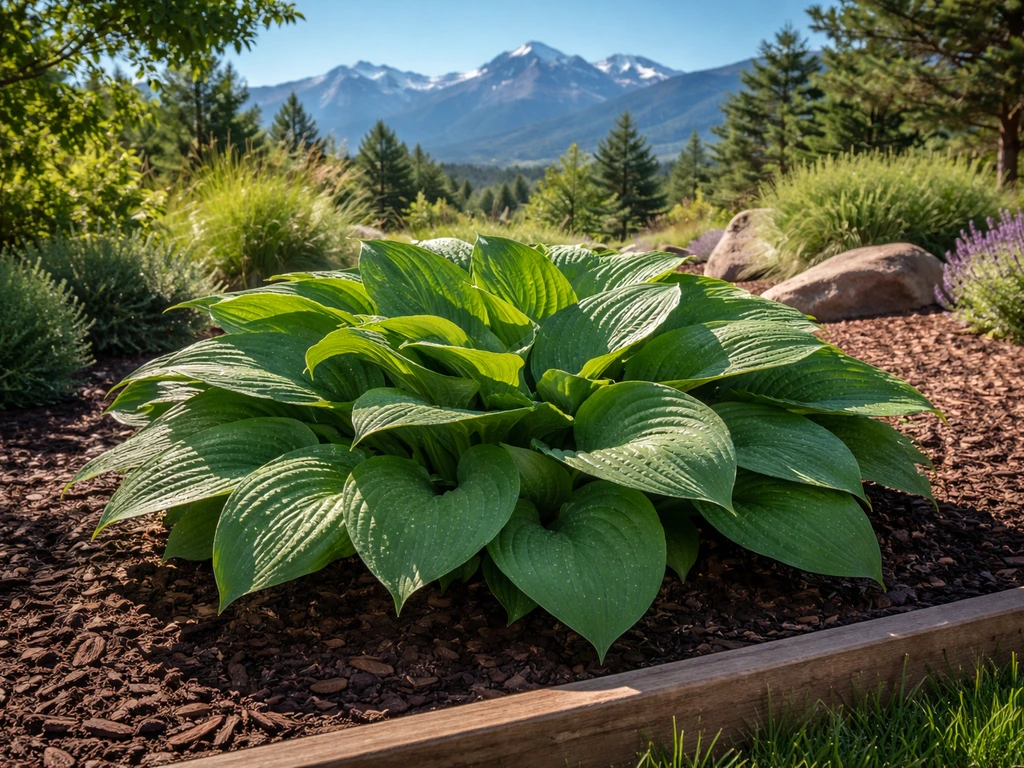
Colorado's climate and why it matters for hostas
Colorado is one of the most climatically varied states in the country. You can go from a suburban Denver backyard at 5,280 feet to a mountain garden above 8,000 feet within an hour's drive, and those two locations are essentially different gardening worlds. What ties the whole state together, though, is a shared set of challenges: low humidity, intense UV radiation, dramatic temperature swings between day and night, and periods of severe drought. CSU Extension has specifically noted that extreme temperature fluctuations and drying winds can wreak havoc on many commonly planted perennials, and hostas are no exception.
For hostas specifically, these conditions create a unique stress profile. In most of the country, the main concern with hostas is whether they'll survive the winter cold. In Colorado, cold hardiness is actually the least of your worries for most of the state. The real killers are sun scorch from Colorado's high-altitude UV intensity, desiccation from dry air and wind, and the freeze-thaw roller coaster that can heave shallow-rooted plants right out of the ground in late winter and early spring. Understanding these pressure points helps you set your garden up for success before you ever buy a single plant.
Do hostas grow in Colorado? The answer by zone and region
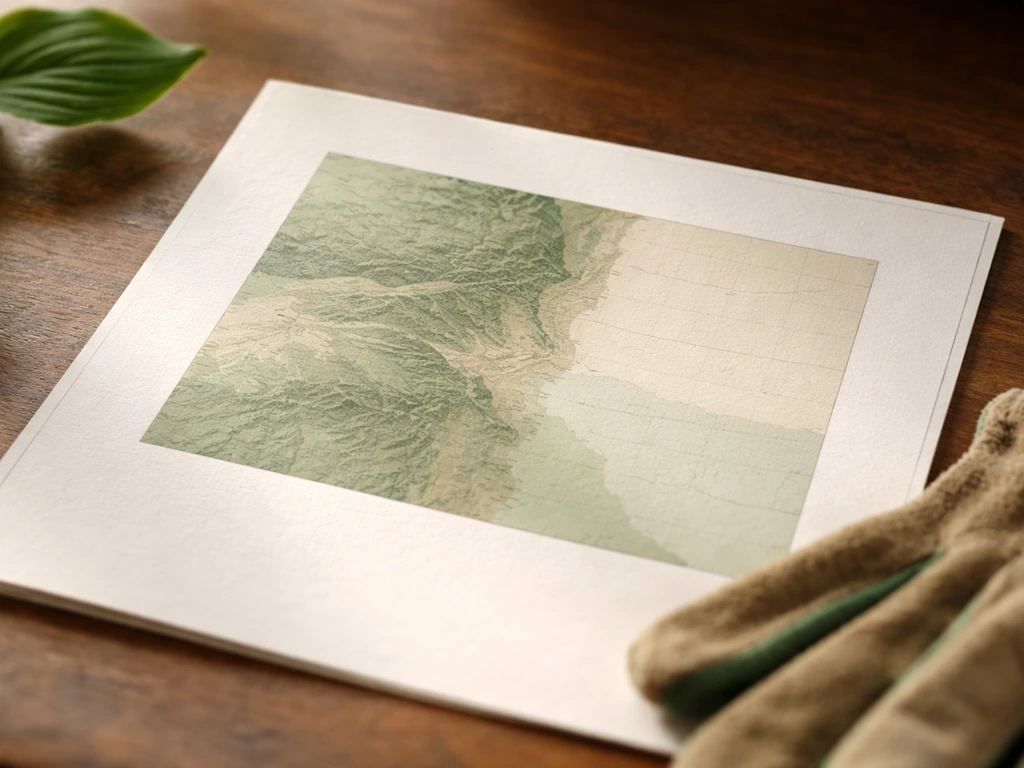
Most of the Colorado Front Range, including Denver, Fort Collins, Colorado Springs, and Pueblo, falls into USDA Hardiness Zone 5, with parts of the Denver metro touching Zone 6. Hostas are generally cold-hardy through Zone 3, meaning they can tolerate winters down to minus 40 degrees Fahrenheit in their hardiest forms. So from a pure cold-hardiness standpoint, the Front Range is well within hosta territory. You can absolutely grow hostas along the I-25 corridor, and many Front Range gardeners already do.
Move into the foothills and mountain communities, and you're looking at Zone 4 or even Zone 3 in the higher elevations. Aspen, Breckenridge, and other high mountain towns sit at elevations where the growing season compresses to 60 to 90 frost-free days, temperatures can dip well below minus 20 degrees Fahrenheit, and spring arrives late. Hostas can still survive here with the right variety choices and winter protection, but growth will be slow and the season short. You may find them performing more as novelty plants than the lush, spreading groundcovers they become in milder climates.
The Western Slope, including Grand Junction, is actually quite warm and sits in Zones 6 to 7, which is plenty warm for hostas. The challenge there isn't cold, it's heat and drought. Grand Junction summers are brutal and dry, so hostas in that region need heavy shade and reliable irrigation to have any chance. Compare this to what gardeners face in other hot, dry states: if you've ever wondered whether hostas can handle Arizona's conditions, Colorado's Western Slope presents a similar challenge, though slightly less extreme.
| Region | Typical Zone | Hosta Feasibility | Main Challenge |
|---|---|---|---|
| Front Range (Denver, Fort Collins, Colorado Springs) | Zone 5–6 | Good to excellent with shade | Sun scorch, dry air |
| Foothills (7,000–8,000 ft) | Zone 4–5 | Moderate, needs protection | Short season, freeze-thaw cycles |
| High Mountains (above 8,000 ft) | Zone 3–4 | Difficult, limited varieties | Short frost-free window, severe cold |
| Western Slope (Grand Junction area) | Zone 6–7 | Possible with heavy shade/water | Summer heat and drought |
What hostas actually need to thrive in Colorado
Shade is non-negotiable
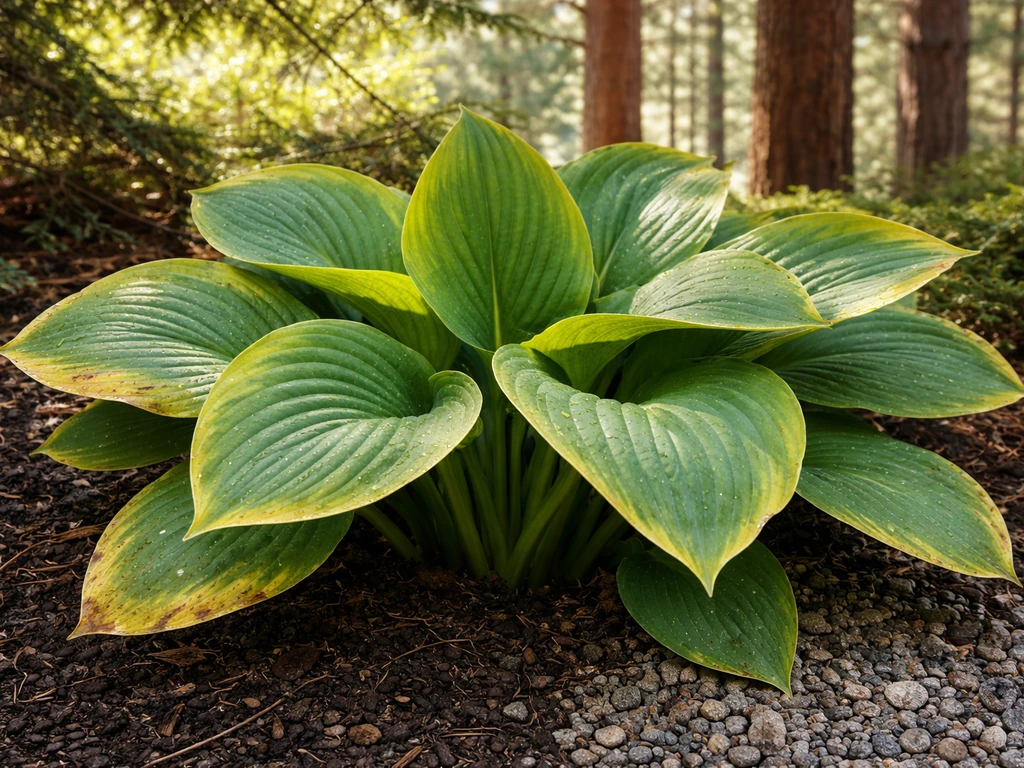
Hostas are shade plants, and in Colorado that rule is even stricter than in most states. Because Colorado sits at high elevation, the sun here is more intense than it would be at the same latitude in, say, North Carolina. A hosta that handles dappled shade just fine in a humid Eastern state can look completely torched in a Colorado garden getting the same light level. Aim for a site that gets morning sun only and is fully shaded by noon. North-facing beds and spots under large deciduous trees are ideal. East-facing walls work well too. Avoid any spot that gets direct afternoon sun, especially from June through August.
Soil and moisture: this is where Colorado gardens often fall short
Native Colorado soils are frequently clay-heavy, alkaline, and low in organic matter, none of which hostas prefer. Hostas want rich, moist, well-draining soil with a blank" rel="noopener noreferrer">slightly acidic to neutral pH (around 6.0 to 7.5). Before planting, amend your bed generously with compost, a few inches worked in at least 12 inches deep. This improves both drainage in clay soils and moisture retention in sandy ones. blank" rel="noopener noreferrer">Mulching heavily (3 to 4 inches of shredded wood mulch) after planting is essential in Colorado to hold soil moisture, moderate soil temperature, and protect against freeze-thaw heaving.
Watering consistently is probably the single biggest factor in hosta success on the Front Range. Colorado's average relative humidity frequently drops below 20% in summer, and hostas are used to humid woodland environments. In Denver or Fort Collins, plan to water hostas deeply two to three times per week during hot stretches, more during heat waves. A drip system or soaker hose at the root zone, rather than overhead watering, reduces the chance of fungal issues while keeping the soil from drying out completely between waterings.
Getting hostas through a Colorado winter
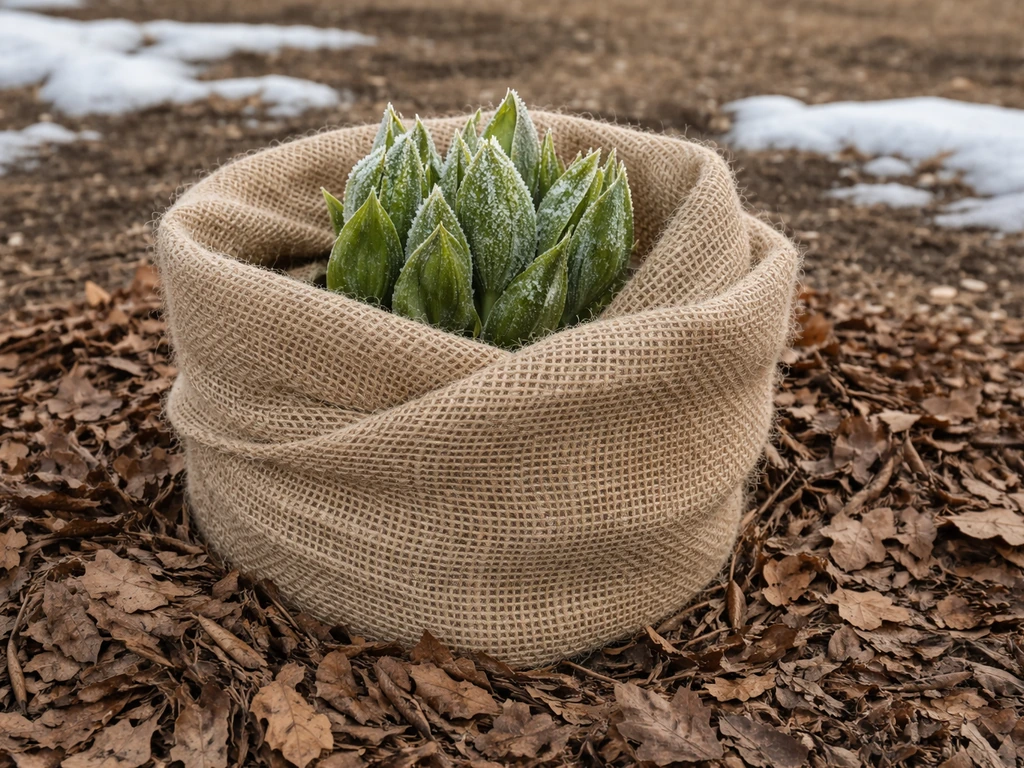
Here's the good news: most hosta varieties are far more cold-hardy than Colorado winters require. A Zone 5 hosta can handle temperatures down to minus 20 degrees Fahrenheit, and a Zone 3 variety pushes that to minus 40. Denver's average winter lows of 0 to 10 degrees Fahrenheit don't come close to those limits. So cold killing hostas outright isn't a common story on the Front Range.
What does cause winter damage is Colorado's dry conditions combined with freeze-thaw cycles. The ground can warm up to 50 degrees on a January afternoon and drop back to 10 degrees that night. This repeatedly heaves and settles the soil, potentially exposing hosta crowns. CSU Extension recommends winter watering at least once a month when conditions are dry, specifically to recharge soil moisture that plants depend on for survival. Don't skip this step in Colorado. Even dormant hostas benefit from soil that stays at least moderately moist through the cold months.
For Front Range gardens, applying a 4 to 6 inch layer of mulch after the ground freezes in late fall (usually November) is often enough winter protection. In higher elevation gardens (Zone 4 and colder), consider adding a layer of straw or pine needles on top of the mulch for added insulation. Remove the mulch in early spring as soon as the worst freeze risk passes, typically late March to mid-April on the Front Range, to prevent rot and allow the crowns to emerge cleanly.
Common Colorado problems and how to head them off
- Sun scorch: Leaf edges brown and turn papery, usually starting mid-summer. Prevention is site selection, get hostas out of any afternoon sun. Once scorched, leaves don't recover, but the plant will push new growth the following year if root damage isn't severe.
- Desiccation and drought stress: Leaves wilt and curl even when temperatures aren't extreme. This is usually the result of dry air pulling moisture from foliage faster than the roots can replace it. Mulching and consistent irrigation are the fixes.
- Freeze-thaw heaving: Crowns get pushed up out of the soil over winter. Firm the soil back down around heaved crowns in early spring and water well. Mulching in fall helps prevent this from happening in the first place.
- Slugs and snails: More of an issue in irrigated gardens and in wetter microclimates. If your garden stays reliably moist (near a water feature, in a shaded courtyard), slugs will find your hostas. Iron phosphate baits are effective and low-risk to other garden life.
- Alkaline soil stress: Yellow-green leaves and slow growth can indicate pH stress. Test your soil before planting. If pH is above 7.5, amend with sulfur and compost to bring it down gradually.
Planting timing, spacing, and variety selection
When to plant
On the Front Range, plant hostas after the last average frost date, which falls around May 7 for Denver and mid-May for Fort Collins and higher elevations. Spring planting gives hostas the full growing season to establish before winter. Fall planting (early September) also works if you can give plants at least six weeks before a hard freeze and commit to watering them well until the ground freezes. Avoid planting in the heat of July and August when hostas are under maximum stress and transplanting is risky.
Spacing
Hostas vary enormously in size. Mini varieties might stay under a foot wide, while large varieties like 'Sum and Substance' or 'Empress Wu' can eventually spread 4 to 6 feet. Space plants according to their mature spread listed on the tag, which usually means 18 to 36 inches apart for mid-size types. In Colorado, hostas tend to grow a bit smaller than their listed maximum size due to the dry conditions, so you can use the lower end of spacing recommendations without crowding them badly.
Varieties worth choosing for Colorado
Focus on varieties rated Zone 3 or Zone 4 if you're gardening above 7,000 feet. For the Front Range, Zone 5 varieties are fine across the board. Sun-tolerant varieties (sometimes labeled "sun hostas") hold up better in spots that get a little more light than ideal. 'Halcyon' (blue-green, slug-resistant), 'August Moon' (gold, more sun-tolerant), 'Blue Angel' (large, striking, Zone 3 hardy), and 'Patriot' (green and white, very tough) are all solid choices for Colorado conditions. Thick-leaved varieties tend to resist slug damage and hold up better against the dry air.
If you're also weighing hostas against other shade-tolerant options, it helps to know how they perform in comparable climates. Gardeners growing hostas in Texas face a similar sun-and-heat challenge, just with more humidity, while those in the Southeast, like growing hostas in North Carolina, deal with a much more favorable moisture environment. Colorado sits closer to the Texas end of that spectrum when it comes to dryness.
Is Colorado worth it for hostas?
Honestly, yes, especially if you're on the Front Range. You won't get the lush, effortless hosta colonies you'd see in a Pacific Northwest garden or the Midwest, but with the right site (north or east exposure, afternoon shade), amended soil, consistent water, and a layer of mulch heading into winter, Colorado hostas can be genuinely beautiful and reliably perennial. The investment is a bit higher than in a naturally humid climate, but it's not a long shot. Many Colorado gardeners are already growing them successfully.
For comparison, places that present a real challenge for hostas are those combining heat and aridity at a more extreme level. If you've looked into growing hostas in Las Vegas or researched whether hostas work in California's hotter inland valleys, you'll appreciate that Colorado, for all its sun and dryness, still offers enough seasonal coolness and winter dormancy to give hostas a real window to perform. Similarly, hostas in South Carolina face extreme summer heat and humidity as their main hurdle, which is a different kind of stress but a useful reminder that every region has its compromise.
Bottom line: if you're standing in a Colorado garden center right now wondering whether to buy those hostas, go ahead, with the right site and care, they'll reward you. Just skip the full-sun bed along the south fence and get them somewhere they can breathe in the shade.
FAQ
What’s the best light exposure for hostas in Colorado if I only have one shady spot?
Choose a location that avoids direct afternoon sun, especially June through August. Morning sun is usually safer than any sun after noon, and a north-facing bed or shade from a large deciduous tree is typically the easiest solution. If your only option gets late-afternoon light, use a heavier mulch layer and be ready for extra watering.
Can I grow hostas in Colorado if my soil is very alkaline or I’m not sure about pH?
Yes, but treat it as a soil-amendment project. Hostas do best around slightly acidic to neutral soil (roughly pH 6.0 to 7.5). If you do not want to test, add compost consistently and consider incorporating elemental sulfur according to label directions after a soil test, since over-correcting pH can create new issues.
How do I know if my watering schedule is too much or too little for Colorado hostas?
The goal is evenly moist soil at the root zone, not soggy ground. If leaves yellow while the soil feels wet or stays cold and wet for days, cut back. If leaves scorch, curl, or the crown area looks dry between waterings, increase frequency and switch to drip or soaker irrigation to keep moisture steadier.
Do hostas need fertilizer in Colorado, and when should I apply it?
They usually benefit from feeding, but the timing matters more than the fertilizer type in a dry, sun-stress climate. Apply in spring after growth starts, and avoid late-season heavy feeding because it can encourage softer growth that struggles with temperature swings. If you mulch with compost, you may need less additional fertilizer.
Should I cover hostas during Colorado freezes or blizzards?
Often you do not need full covers if you have proper mulch and the crown is protected. Use winter watering guidance, then mulch after the ground freezes. If you are in an unusually windy or exposed spot, a temporary windbreak (not a plastic wrap that traps moisture) can reduce desiccation damage.
Is winter “drying out” a real problem for hostas in Colorado?
Yes, it can be. Even dormant plants can lose moisture when conditions are dry and temperatures swing. That’s why winter watering once a month during dry periods helps, especially when the soil is not snow-covered and plants may still need moisture to avoid crown stress.
When should I remove mulch from hostas in spring?
Remove it as soon as the worst freeze risk has passed and crowns can safely begin to push new shoots. In the Front Range, that typically falls around late March to mid-April. If you wait too long, crowns may stay too wet under heavy mulch, increasing rot risk.
What’s the best way to plant hostas if my garden has clay that drains poorly?
Increase drainage and prevent waterlogging by amending before planting, not just by watering more. Work compost in deeply (around 12 inches) and keep the soil consistently moist but not saturated. If you routinely get standing water after storms, consider raising the planting bed slightly so roots stay aerated.
Can I grow hostas in pots on a patio or balcony in Colorado?
Yes, but container plants dry out fast in Colorado’s low humidity. Use a larger pot with drainage holes, a high-quality potting mix, and consistent moisture via drip or frequent checks. Also note that containers freeze more than ground soil, so you’ll need extra winter protection for the pot and crowns.
Are there common mistakes that cause Colorado hostas to fail?
The biggest culprits are planting in too much sun (especially direct afternoon light), skipping mulch, and relying on overhead watering. Another frequent issue is planting in soil that stays dry between waterings or using shallow, poorly amended beds where freeze-thaw can heave crowns.
Which hosta varieties are safest if I’m unsure what will work?
Start with varieties rated for cooler climates (often Zone 3 or Zone 4 in higher elevations) and look for attributes that match Colorado stress, like thicker leaves for slug resistance and stronger form. If you expect at least some extra light compared to ideal shade, consider “sun-tolerant” types labeled for more direct exposure.
How often should I divide hostas in Colorado, and does drought affect division timing?
If your hostas become crowded or you want to propagate, dividing every few years is typical, but avoid dividing during peak summer heat. The safer approach is to divide in spring after new growth appears or in early fall while the plant is still actively recovering, then water reliably to prevent crown stress.